
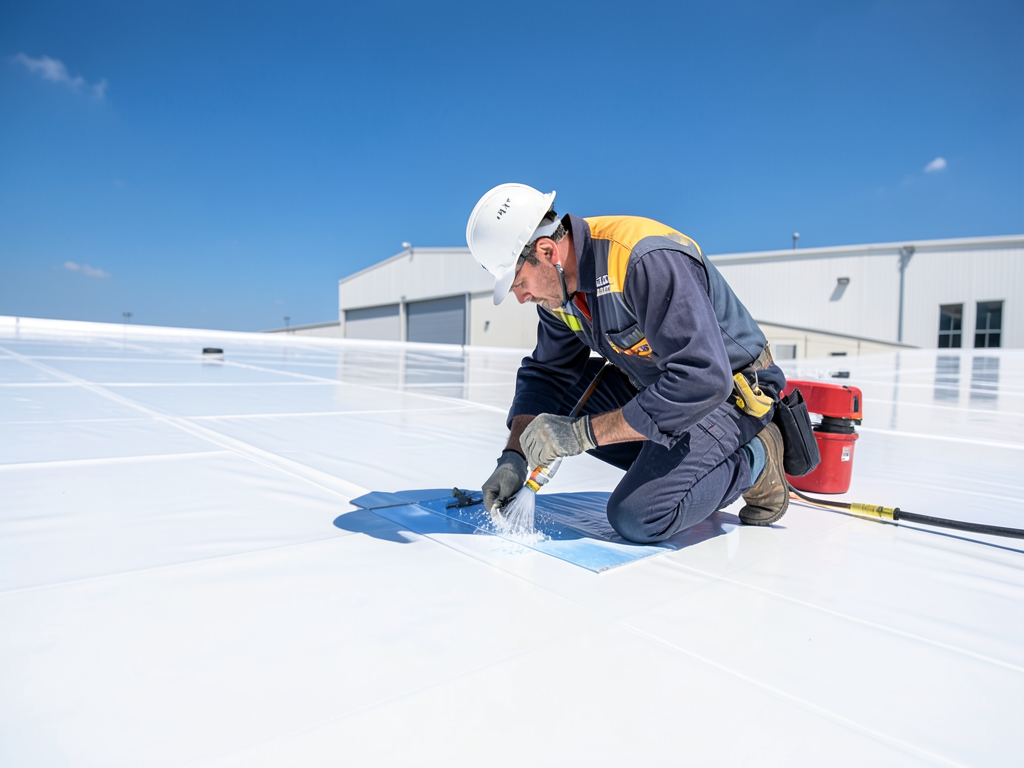
Why TPO Roofing is the Smartest Move for Atlanta Business Owners
Atlanta’s brutal summer heat and unpredictable storms create unique challenges for commercial building owners. TPO roofing stands out as the smartest investment for Atlanta businesses because it combines exceptional energy efficiency with proven durability in Georgia’s climate. This single-ply membrane reflects up to 87% of solar heat, cutting cooling costs by 20-30% during Atlanta’s scorching summers while resisting the UV damage that destroys traditional roofing materials. Cool Roof Rating Council.
The thermoplastic polyolefin membrane forms a seamless barrier that expands and contracts with Atlanta’s temperature swings without cracking. Unlike older flat roofing systems, TPO’s heat-welded seams create a monolithic surface that prevents the water infiltration common during Georgia’s heavy rainfall events. Business owners in Buckhead, Midtown, and Sandy Springs are discovering that TPO roofing delivers both immediate energy savings and long-term protection against Atlanta’s specific weather patterns. Roofing Dunwoody.
Energy Efficiency That Beats Atlanta’s Heat Island Effect
Atlanta’s urban heat island effect makes commercial cooling costs soar during summer months. TPO roofing’s highly reflective white surface reduces roof temperatures by up to 50 degrees compared to traditional black membranes. This translates to immediate energy savings as your HVAC system works less to maintain comfortable temperatures in your building. Roofing College Park.
The Cool Roof Rating Council certifies TPO membranes for their solar reflectance and thermal emittance properties. In Atlanta’s climate, a white TPO roof can reduce peak cooling demand by 10-15%, which means smaller HVAC units and lower utility bills year-round. Georgia Power even offers rebates for commercial buildings that install energy-efficient roofing systems that meet their specifications.
Beyond energy savings, TPO’s reflective properties extend roof life by reducing thermal cycling stress. Atlanta’s summer temperatures regularly exceed 90 degrees, causing traditional roofs to expand and contract dramatically. TPO’s flexible membrane handles these temperature swings without the cracking and splitting that leads to premature roof failure.
Atlanta Climate Durability: Standing Up to Georgia Weather
Atlanta’s weather patterns create specific challenges that TPO roofing handles better than any alternative. The membrane’s reinforced scrim layer resists the hail damage common during spring thunderstorms. Its heat-welded seams prevent the wind uplift that tears apart older roofing systems during summer storms. Wind Damage Roof Repair.
The thermoplastic polyolefin material resists the algae and mold growth accelerated by Atlanta’s high humidity. Unlike asphalt-based membranes that break down in Georgia’s heat, TPO maintains its flexibility and strength for 20-30 years with minimal maintenance. The material also withstands the occasional winter freeze without becoming brittle or cracking.. Read more about Why Annual Roof Maintenance is Non-Negotiable for Chamblee Business Owners.
Atlanta’s heavy rainfall patterns create ponding water issues on many commercial roofs. TPO’s seamless installation and reinforced membrane prevent the water infiltration that leads to interior damage and costly repairs. The material’s resistance to standing water makes it ideal for Atlanta’s flat and low-slope commercial buildings.
Installation Options for Atlanta Commercial Buildings
Commercial property owners can choose between mechanically attached and fully adhered TPO installation methods. Mechanically attached systems use fasteners and plates to secure the membrane, making them ideal for Atlanta’s moderate wind conditions. Fully adhered systems use adhesives for a completely adhered surface, providing maximum wind uplift resistance for buildings in exposed locations.
The installation process begins with substrate preparation and installation of high-density polyisocyanurate insulation. This insulation provides R-values of 5.6 to 6.0 per inch, significantly improving your building’s energy efficiency. The TPO membrane is then rolled out, heat-welded at the seams, and secured according to the chosen attachment method.
Atlanta building codes require specific wind uplift ratings based on building height and location. TPO systems can be engineered to meet or exceed these requirements, with fully adhered systems providing the highest wind resistance ratings. The heat-welded seams create a monolithic surface that meets Atlanta’s strict commercial building codes for flat roofing systems.
Cost Comparison: TPO vs. EPDM and PVC in Atlanta
TPO roofing typically costs $5.50 to $8.50 per square foot installed in Atlanta, making it more affordable than PVC while offering superior performance to EPDM. The initial investment pays for itself through energy savings within 3-5 years for most Atlanta commercial buildings.
Material thickness affects both cost and performance. 45-mil TPO works well for most Atlanta applications, while 60-mil provides extra durability for high-traffic areas or buildings with rooftop equipment. 80-mil TPO offers maximum protection for buildings in exposed locations or those requiring the longest possible service life.
Maintenance costs for TPO are significantly lower than EPDM because the heat-welded seams don’t separate over time. Unlike PVC, TPO doesn’t require specialized welding equipment or extensive training, which keeps installation costs competitive. The material’s resistance to chemical exposure also means fewer repairs from HVAC condensate or other rooftop contaminants.
| Roofing Type | Atlanta Installation Cost | Energy Efficiency | Expected Lifespan |
|---|---|---|---|
| TPO (45 mil) | $5.50 – $7.00/sq ft | Excellent | 20-25 years |
| TPO (60 mil) | $6.50 – $8.50/sq ft | Excellent | 25-30 years |
| EPDM | $4.50 – $6.50/sq ft | Poor | 15-20 years |
| PVC | $7.00 – $10.00/sq ft | Excellent | 25-30 years |
Atlanta Building Code Requirements for TPO Installation
Atlanta follows the Georgia State Minimum Standard Residential Code with specific amendments for commercial buildings. The 2021 International Building Code requires TPO roofing systems to meet ASTM D6878 standards for material quality and ASTM D4437 for wind uplift resistance. ASTM D6878 TPO material standard.
Fulton County and DeKalb County have additional wind load requirements for buildings over 30 feet tall. TPO installations must provide a minimum wind uplift rating of 90 psf for buildings in these areas. The heat-welded seams must be tested to ensure they create a monolithic surface that prevents water infiltration.
Atlanta’s building code also requires specific insulation requirements based on building use and location. Most commercial buildings need a minimum R-value of 20 for roof insulation, which typically requires 3-4 inches of polyisocyanurate insulation beneath the TPO membrane. The code mandates proper fastening patterns and edge termination details to prevent wind damage.
Energy Rebates and Tax Incentives for Atlanta Businesses
Georgia Power offers commercial customers rebates up to $0.25 per square foot for installing energy-efficient roofing systems that meet their specifications. The utility company requires third-party verification of energy savings, which typically shows 15-25% reduction in cooling costs for buildings with TPO roofing.
The federal government provides tax deductions up to $1.80 per square foot for commercial buildings that achieve 50% energy savings compared to ASHRAE Standard 90.1-2007. TPO roofing contributes significantly to these savings when combined with proper insulation and HVAC upgrades.
Atlanta businesses may also qualify for local incentives through the City of Atlanta’s energy efficiency programs. These programs often provide additional rebates for buildings that reduce energy consumption by specific percentages. The combination of utility rebates and tax incentives can reduce the net cost of TPO installation by 30-40%.
Maintenance Requirements for Atlanta TPO Roofs
TPO roofing requires minimal maintenance compared to traditional roofing systems. Annual inspections should check for membrane damage, seam integrity, and proper drainage. Atlanta’s pollen season can leave residue on the roof surface, which should be cleaned to maintain the membrane’s reflective properties.
Small punctures or tears can be repaired using TPO patch kits that heat-weld to the existing membrane. These repairs typically cost $200-500 and restore the roof’s integrity. More extensive damage may require professional repair services, but TPO’s modular nature makes spot repairs straightforward and cost-effective.
Atlanta’s severe weather can create specific maintenance needs. After major storms, check for wind uplift damage around edges and penetrations. Inspect seams for separation, though heat-welded TPO seams rarely fail when properly installed. Remove any debris that could puncture the membrane during high winds.
Common TPO Installation Mistakes to Avoid
Improper seam welding creates the most common installation failures. The heat welding process requires specific temperature and pressure settings. Under-welded seams can separate over time, while over-welded seams can become brittle and crack. Atlanta’s humidity can affect welding quality, making proper training and equipment essential.
Inadequate substrate preparation leads to premature roof failure. The existing roof surface must be clean, dry, and properly repaired before TPO installation. Atlanta’s humidity means substrates often need additional drying time before membrane installation begins. Skipping this step can trap moisture that causes blisters and delamination.
Improper insulation installation reduces energy efficiency and can create condensation problems. Atlanta’s temperature swings between seasons require proper vapor barrier installation to prevent moisture accumulation in roof assemblies. The insulation must be properly secured to prevent shifting that creates low spots where water can pond.
Case Studies: Atlanta Businesses Saving with TPO
A 25,000-square-foot warehouse in Marietta installed 60-mil TPO roofing in 2022. The building’s cooling costs dropped from $3,200 to $2,100 per month during summer months, a 34% reduction. The owner reports the system paid for itself in energy savings within 4 years.
A retail center in Sandy Springs replaced its 15-year-old EPDM roof with TPO in 2023. The new roof’s reflective properties reduced interior temperatures by 8-10 degrees, improving customer comfort and reducing air conditioning runtime. The building’s energy consumption dropped 22% in the first year after installation.
A medical office building in Buckhead installed TPO roofing with enhanced insulation as part of a energy efficiency upgrade. The combination of reflective roofing and improved insulation reduced the building’s peak cooling demand by 40%, allowing the owner to install a smaller, more efficient HVAC system.
Choosing the Right TPO Contractor in Atlanta
Look for contractors with specific TPO installation experience and manufacturer certifications. GAF Master Elite contractors and Carlisle SynTec certified installers have completed specialized training in TPO installation techniques. These certifications ensure the contractor understands the specific requirements for heat welding, substrate preparation, and code compliance.
Ask potential contractors about their experience with Atlanta’s specific climate challenges. Contractors familiar with local weather patterns understand how to address issues like wind uplift in exposed locations and moisture management in Atlanta’s humid climate. Request references from other Atlanta businesses with similar building types.
Verify that contractors carry proper insurance and licensing for commercial roofing work in Georgia. The Georgia Secretary of State requires roofing contractors to maintain specific insurance coverage. Ask for proof of workers’ compensation and general liability insurance before signing any contracts.
Frequently Asked Questions
How long does TPO roofing last in Atlanta’s climate?
Properly installed TPO roofing typically lasts 20-30 years in Atlanta. The material’s resistance to UV radiation and thermal cycling makes it well-suited for Georgia’s climate. 60-mil and 80-mil membranes often exceed 25 years of service life with minimal maintenance.
Can TPO roofing be installed over existing roofing?
Yes, TPO can often be installed over existing single-ply membranes if the substrate is in good condition. However, Atlanta building codes may require removal of multiple roof layers. A professional inspection determines whether overlay installation is appropriate for your specific building.
What maintenance does TPO roofing require?
TPO roofing requires annual inspections and occasional cleaning to maintain its reflective properties. Small repairs can be made using heat-welded patch kits. Unlike traditional roofing, TPO doesn’t require regular coating applications or seam sealing maintenance.
Is TPO roofing environmentally friendly?
TPO roofing is highly recyclable and contains no toxic materials like chlorine or plasticizers found in some other membranes. Its energy efficiency reduces building carbon footprints, and many manufacturers offer recycling programs for old TPO material.
How does TPO compare to PVC for Atlanta buildings?
TPO offers similar performance to PVC at a lower cost. While PVC provides slightly better chemical resistance, TPO’s superior energy efficiency and lower installation costs make it the better choice for most Atlanta commercial buildings. Both materials last 20-30 years in Georgia’s climate.
- Assess Building Requirements
Evaluate your building’s energy efficiency needs, local code requirements, and budget constraints. Consider factors like roof size, equipment loads, and exposure to Atlanta’s weather patterns.
- Select Material Thickness
Choose between 45-mil, 60-mil, or 80-mil TPO based on your building’s specific needs. Higher traffic areas and exposed locations benefit from thicker membranes.
- Choose Installation Method
Decide between mechanically attached or fully adhered systems based on wind exposure and building height. Fully adhered systems provide maximum wind resistance for taller buildings.
- Verify Contractor Credentials
Confirm manufacturer certifications and insurance coverage. Look for GAF Master Elite or Carlisle SynTec certifications specific to TPO installation.
- Plan for Energy Rebates
Research available utility rebates and tax incentives before installation. Many Atlanta businesses qualify for significant savings through energy efficiency programs.
Ready to cut your cooling costs and protect your Atlanta commercial building with TPO roofing? Call (770) 610-9366 today to schedule your free inspection and discover how much you can save. Don’t wait until the next Atlanta heat wave hits – your energy savings start with one phone call.
Pick up the phone and call (770) 610-9366 before the next storm hits. Our TPO roofing experts will show you exactly how this investment pays for itself through lower energy bills and reduced maintenance costs. Atlanta businesses trust us for reliable, energy-efficient roofing solutions that stand up to Georgia’s toughest weather.
You may also find this helpful. Fixing Leaky Skylights in Old Fourth Ward Lofts and Townhomes.
{
“@context”: “https://schema.org”,
“@type”: “BlogPosting”,
“headline”: “Why TPO Roofing is the Smartest Move for Atlanta Business Owners”,
“description”: “Discover why TPO roofing delivers maximum energy savings and durability for Atlanta commercial properties. Learn about installation, costs, and local benefits.”,
“wordCount”: 2136,
“datePublished”: “2026-03-03T11:38:00.000Z”,
“dateModified”: “2026-03-03T11:38:00.000Z”,
“inLanguage”: “en-US”,
“mainEntityOfPage”: {
“@type”: “WebPage”,
“@id”: “https://firstchoiceroofingatlanta.com”
},
“publisher”: {
“@type”: “LocalBusiness”,
“name”: “First Choice Roofing Atlanta”,
“url”: “https://firstchoiceroofingatlanta.com”
},
“author”: {
“@type”: “Organization”,
“name”: “First Choice Roofing Atlanta”,
“url”: “https://firstchoiceroofingatlanta.com”
},
“image”: {
“@type”: “ImageObject”,
“url”: “https://firstchoiceroofingatlanta.com/wp-content/uploads/2026/03/why-tpo-roofing-is-the-smartest-move-for-atlanta-b-1.png”
}
}
{
“@context”: “https://schema.org”,
“@type”: “RoofingContractor”,
“name”: “First Choice Roofing Atlanta”,
“url”: “https://firstchoiceroofingatlanta.com”,
“address”: {
“@type”: “PostalAddress”,
“addressLocality”: “Atlanta”
},
“areaServed”: {
“@type”: “City”,
“name”: “Atlanta”
}
}
{
“@context”: “https://schema.org”,
“@type”: “FAQPage”,
“mainEntity”: [
{
“@type”: “Question”,
“name”: “How long does TPO roofing last in Atlanta’s climate?”,
“acceptedAnswer”: {
“@type”: “Answer”,
“text”: “Properly installed TPO roofing typically lasts 20-30 years in Atlanta. The material’s resistance to UV radiation and thermal cycling makes it well-suited for Georgia’s climate. 60-mil and 80-mil membranes often exceed 25 years of service life with minimal maintenance.”
}
},
{
“@type”: “Question”,
“name”: “Can TPO roofing be installed over existing roofing?”,
“acceptedAnswer”: {
“@type”: “Answer”,
“text”: “Yes, TPO can often be installed over existing single-ply membranes if the substrate is in good condition. However, Atlanta building codes may require removal of multiple roof layers. A professional inspection determines whether overlay installation is appropriate for your specific building.”
}
},
{
“@type”: “Question”,
“name”: “What maintenance does TPO roofing require?”,
“acceptedAnswer”: {
“@type”: “Answer”,
“text”: “TPO roofing requires annual inspections and occasional cleaning to maintain its reflective properties. Small repairs can be made using heat-welded patch kits. Unlike traditional roofing, TPO doesn’t require regular coating applications or seam sealing maintenance.”
}
},
{
“@type”: “Question”,
“name”: “Is TPO roofing environmentally friendly?”,
“acceptedAnswer”: {
“@type”: “Answer”,
“text”: “TPO roofing is highly recyclable and contains no toxic materials like chlorine or plasticizers found in some other membranes. Its energy efficiency reduces building carbon footprints, and many manufacturers offer recycling programs for old TPO material.”
}
},
{
“@type”: “Question”,
“name”: “How does TPO compare to PVC for Atlanta buildings?”,
“acceptedAnswer”: {
“@type”: “Answer”,
“text”: “TPO offers similar performance to PVC at a lower cost. While PVC provides slightly better chemical resistance, TPO’s superior energy efficiency and lower installation costs make it the better choice for most Atlanta commercial buildings. Both materials last 20-30 years in Georgia’s climate.”
}
}
]
}
{
“@context”: “https://schema.org”,
“@type”: “HowTo”,
“name”: “How to Choose TPO Roofing”,
“step”: [
{
“@type”: “HowToStep”,
“position”: 1,
“name”: “Assess Building Requirements”,
“text”: “Evaluate your building’s energy efficiency needs, local code requirements, and budget constraints. Consider factors like roof size, equipment loads, and exposure to Atlanta’s weather patterns.”
},
{
“@type”: “HowToStep”,
“position”: 2,
“name”: “Select Material Thickness”,
“text”: “Choose between 45-mil, 60-mil, or 80-mil TPO based on your building’s specific needs. Higher traffic areas and exposed locations benefit from thicker membranes.”
},
{
“@type”: “HowToStep”,
“position”: 3,
“name”: “Choose Installation Method”,
“text”: “Decide between mechanically attached or fully adhered systems based on wind exposure and building height. Fully adhered systems provide maximum wind resistance for taller buildings.”
},
{
“@type”: “HowToStep”,
“position”: 4,
“name”: “Verify Contractor Credentials”,
“text”: “Confirm manufacturer certifications and insurance coverage. Look for GAF Master Elite or Carlisle SynTec certifications specific to TPO installation.”
},
{
“@type”: “HowToStep”,
“position”: 5,
“name”: “Plan for Energy Rebates”,
“text”: “Research available utility rebates and tax incentives before installation. Many Atlanta businesses qualify for significant savings through energy efficiency programs.”
}
],
“image”: “https://firstchoiceroofingatlanta.com/wp-content/uploads/2026/03/why-tpo-roofing-is-the-smartest-move-for-atlanta-b-1.png”
}
{
“@context”: “https://schema.org”,
“@type”: “BreadcrumbList”,
“itemListElement”: [
{
“@type”: “ListItem”,
“position”: 1,
“name”: “Home”,
“item”: “https://firstchoiceroofingatlanta.com”
},
{
“@type”: “ListItem”,
“position”: 2,
“name”: “Blog”,
“item”: “https://firstchoiceroofingatlanta.com/blog”
},
{
“@type”: “ListItem”,
“position”: 3,
“name”: “Why TPO Roofing is the Smartest Move for Atlanta Business Owners”
}
]
}
{
“@context”: “https://schema.org”,
“@type”: “Service”,
“serviceType”: “Roofing”,
“provider”: {
“@type”: “LocalBusiness”,
“name”: “First Choice Roofing Atlanta”,
“url”: “https://firstchoiceroofingatlanta.com”
},
“areaServed”: {
“@type”: “City”,
“name”: “Atlanta”
},
“description”: “Discover why TPO roofing delivers maximum energy savings and durability for Atlanta commercial properties. Learn about installation, costs, and local benefits.”
}