




menu

Blistering Shingles in Atlanta – Expert Diagnosis and Permanent Repair Solutions

Stop guessing why your roof is bubbling. Our team identifies the root cause of asphalt shingle blisters and delivers lasting repairs that protect your home from Atlanta's extreme heat and humidity.

Slider Image 1
Slider Image 2
Slider Image 3
Slider Image 4
Slider Image 5
Slider Image 7
Slider Image 8
Slider Image 9
Slider Image 10
Slider Image 11

Why Your Atlanta Roof is Bubbling and What It Means

You walk outside and notice strange bubbles rising across your roof surface. Those bubbles are shingle blisters, and they signal a problem that will not fix itself.

Atlanta's climate creates the perfect storm for roof blisters. Summer temperatures regularly hit the mid-90s, and when combined with high humidity, your roof deck can trap moisture between layers. That trapped moisture heats up, expands, and pushes the shingle layers apart. The result is bubbling roof shingles that compromise your home's first line of defense.

Heat blisters on shingles happen in two stages. Moisture blisters form during installation if shingles are laid over damp decking or if poor attic ventilation allows condensation to build. Wear blisters develop later when age and UV exposure weaken the asphalt, allowing trapped volatiles to expand and create bubbles.

Both types of roof blisters expose the underlying mat to direct sunlight and weather. Once that protective granule layer is breached, accelerated deterioration begins. A single blister can spread across multiple shingles during one Atlanta summer.

Neighborhoods near Stone Mountain and areas with clay soil face additional challenges. Poor drainage and inadequate attic ventilation create moisture buildup that feeds the blistering cycle. If your roof faces south or west, the sun exposure makes the problem worse.

Shingle bubbles are not cosmetic. They are structural warnings that your roof is failing from the inside out. The longer you wait, the more shingles fail, and the closer you get to needing a full replacement instead of targeted repairs.

Why Your Atlanta Roof is Bubbling and What It Means
How We Fix Blistering Shingles the Right Way

How We Fix Blistering Shingles the Right Way

Most contractors slap patch material over blisters and call it fixed. That approach fails because it ignores the moisture source. We eliminate the cause, not just the symptom.

Our process starts with a thermal scan of your roof deck. This identifies hot spots where trapped moisture concentrates. We also inspect your attic ventilation system, measuring intake and exhaust ratios to confirm proper airflow. Inadequate ventilation is the primary driver of moisture-related shingle blisters in Atlanta homes.

Once we map the problem areas, we remove damaged shingles down to the decking. If the decking shows signs of moisture damage or delamination, we replace those sections. Compromised decking cannot support new shingles and will cause premature failure.

We then address ventilation deficiencies. This often means adding ridge vents, upgrading soffit intake vents, or installing baffles to maintain proper airflow from eave to ridge. Without fixing the ventilation, new shingles will blister within months.

For wear blisters caused by age and UV damage, we evaluate whether spot replacement makes financial sense or if a full reroof is the smarter investment. If your roof is over 15 years old and shows widespread blistering, continuing to patch individual sections wastes money.

When we install replacement shingles, we use high-quality asphalt products rated for Atlanta's heat and humidity. We also ensure proper nail placement and sealing to prevent future moisture intrusion. Every repair includes a ventilation check to confirm the system is balanced and functional.

This comprehensive approach costs more upfront than a quick patch, but it delivers a permanent fix instead of a temporary bandage.

What Happens During Your Blister Repair

Blistering Shingles in Atlanta – Expert Diagnosis and Permanent Repair Solutions
01

Thermal Diagnosis

We use infrared imaging to locate moisture trapped beneath your shingles. This technology reveals problem areas invisible to the naked eye, including saturated decking and failed underlayment. We also inspect your attic to measure ventilation performance and identify condensation sources. This diagnostic phase ensures we address the root cause, not just surface blisters.
02

Targeted Removal and Repair

We remove blistered shingles and inspect the underlying decking for water damage or rot. Compromised sections are cut out and replaced with plywood or OSB that matches your existing deck thickness. We install new underlayment over the repair area, overlapping adjacent sections by at least six inches. This creates a watertight seal before we install new shingles that match your existing roof color and style.
03

Ventilation Correction

We upgrade your attic ventilation to prevent future blistering. This includes adding intake vents at the soffits and exhaust vents at the ridge or gable ends. Proper ventilation maintains consistent temperatures across your roof deck and eliminates moisture buildup. We confirm balanced airflow before finalizing the repair. This step transforms your roof from a ticking time bomb into a system designed for long-term performance.

Why Atlanta Homeowners Trust First Choice Roofing

Atlanta's roofing market is full of contractors who learned their trade in cooler, drier climates. They do not understand how humidity and heat cycles affect asphalt shingles in this region. That knowledge gap leads to repairs that fail within a year.

We have worked exclusively in the Atlanta metro for years. We know that homes in Decatur face different challenges than properties in Marietta. Clay soil, mature tree canopies, and elevation changes all affect how moisture moves through your roofing system. Our team accounts for these variables when diagnosing shingle blisters.

We also understand local building codes. Cobb County, Fulton County, and DeKalb County each have specific requirements for roof ventilation and deck attachment. Contractors who ignore these details leave you exposed to code violations and insurance claim denials. Our work passes inspection the first time because we build to code, not shortcuts.

When you call us, you speak directly with the crew leader who will handle your repair. No sales scripts or pressure tactics. We show you the thermal imaging results, explain what failed and why, and give you a detailed scope of work before starting. You know exactly what you are paying for.

Most blister repairs take one to two days, depending on the extent of decking damage and ventilation upgrades. We protect your landscaping, clean up all debris, and conduct a final walkthrough to confirm the work meets our standards. You get photos of the completed repair and a written summary of what we fixed.

Our approach costs more than a patch job, but you pay once instead of repeatedly. That is the difference between fixing a problem and masking it.

What to Expect When You Choose First Choice Roofing Atlanta

Fast Response Times

We schedule most inspections within 48 hours of your call. If your blisters have ruptured and are leaking into your attic, we prioritize your appointment and can often arrive the same day. Our diagnostic process takes about an hour, including thermal imaging and attic inspection. You receive a detailed estimate within 24 hours. Most repairs are completed within one week of approval, weather permitting. We do not drag out timelines or leave your home exposed.

Thorough Inspection Process

Our team climbs onto your roof and documents every blister with photos and measurements. We check surrounding shingles for early signs of failure and inspect flashing around chimneys, skylights, and vents. Inside your attic, we measure ventilation performance, check for water stains, and evaluate insulation placement. You receive a written report explaining what we found, why it happened, and what needs to happen to fix it permanently. No guesswork or vague assessments.

Quality Results

Your repaired roof looks uniform and functions correctly. New shingles blend with existing materials, and ventilation upgrades are barely visible from the ground. We hand-seal each shingle tab to ensure immediate wind resistance and proper adhesion. The decking underneath is dry, solid, and ready to support your roof for years. Our work stops the blistering cycle instead of delaying it. You get a roof that performs like it should have from the start.

Ongoing Support

We provide detailed maintenance recommendations after every repair. This includes gutter cleaning schedules, attic ventilation checks, and signs to watch for that indicate new problems. If you notice any issues with the repaired area, call us. We come back to inspect and address concerns. Our goal is a roof that protects your home without requiring constant attention. You also receive guidance on when to consider full replacement versus continued repairs, based on your roof's age and overall condition.

Frequently Asked Questions

You Have Questions,
We Have Answers

What does shingle blistering look like? +

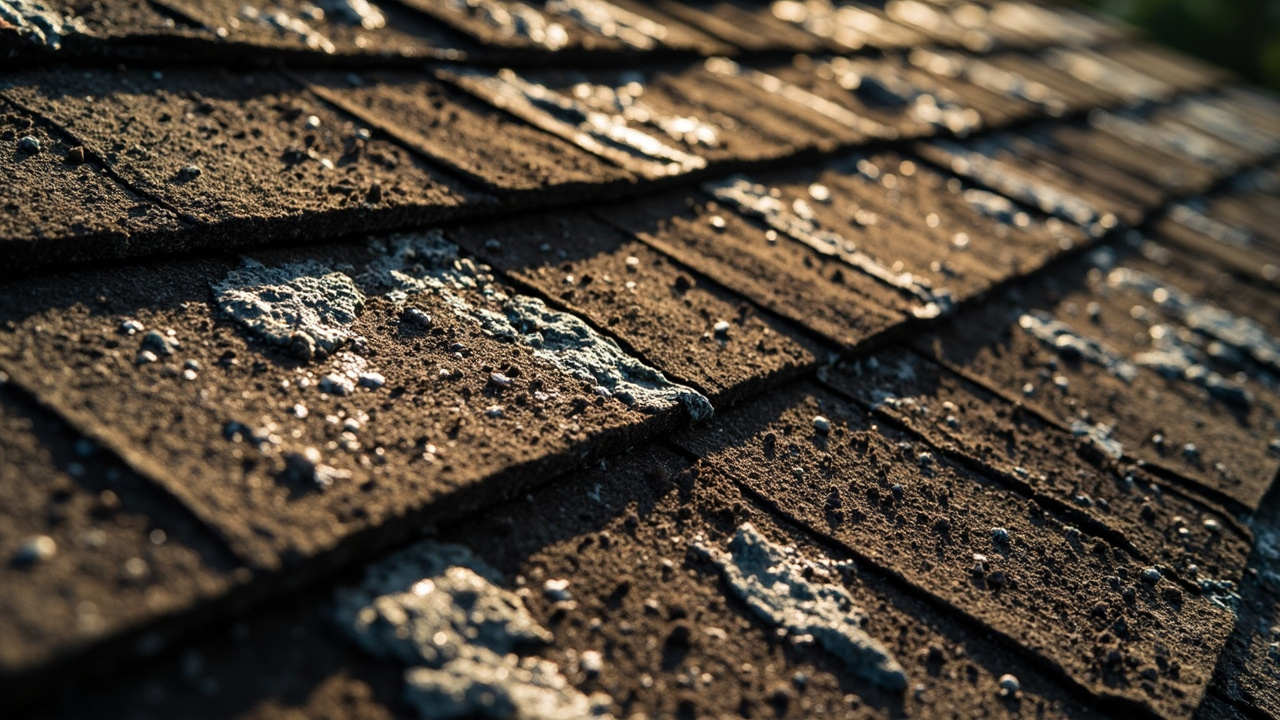
Shingle blisters appear as raised bubbles or bumps on the surface of asphalt shingles. They look like small pockets of trapped air or moisture beneath the granular surface layer. You can spot them as rounded protrusions that range from dime-sized to quarter-sized. The blisters may appear intact or ruptured, exposing the darker underlayer. In Atlanta's high humidity climate, blistering often clusters in areas with poor attic ventilation or south-facing roof slopes that absorb intense sun exposure. The bubbles disrupt the flat profile of your shingles and compromise the protective granule layer.

What does it mean when shingles blister? +

Shingle blistering means trapped moisture or air has formed pockets beneath the granular surface. This happens when moisture gets sealed inside during manufacturing, or when humidity from poor attic ventilation forces its way through the shingle material. Atlanta's humid subtropical climate accelerates this process, especially when combined with intense sun exposure. The heat causes expansion, creating pressure that lifts the surface layer. Blistering weakens your roof's defense against water penetration and UV damage. It signals ventilation problems or manufacturing defects that need professional assessment before the damage spreads to surrounding shingles.

What stage of shingles are blisters? +

Blistering represents the early degradation stage of asphalt shingle failure. It occurs after initial installation but before severe cracking or granule loss. You may notice blisters within the first few years if manufacturing defects exist, or after 5-10 years due to ventilation issues common in Atlanta attics. This stage precedes advanced deterioration like curling, splitting, or complete granule erosion. Catching blisters early matters because intact blisters still provide some protection. Once they rupture and expose the asphalt mat underneath, UV rays and Atlanta's frequent thunderstorms accelerate decay. Address blistering before it progresses to full shingle replacement territory.

How to treat shingle blisters? +

You cannot repair blistered shingles. Individual blistered shingles require replacement to restore roof integrity. A qualified roofer removes the damaged shingle by lifting surrounding shingles, extracting nails, and sliding out the compromised piece. They install a new shingle that matches your existing roof color and style. For widespread blistering across multiple roof sections, you may need a complete roof replacement. In Atlanta, addressing the root cause matters just as much. Improve attic ventilation with ridge vents or soffit vents to prevent future blistering. Schedule a professional inspection to identify whether poor ventilation or defective shingles caused the problem.

What do shingle blisters look like? +

Shingle blisters look like raised circular or oval bumps interrupting the flat surface of your asphalt shingles. They resemble fluid-filled bubbles under the granular top layer. Intact blisters appear as slight bulges that maintain the granule coating. Ruptured blisters expose dark, rough asphalt underneath where the surface layer has peeled away, creating a crater-like depression. You may see clusters of blisters or scattered individual bumps. Atlanta homeowners often spot them on south-facing slopes where sun exposure is most intense. The size varies from small dots to larger protrusions spanning several inches across.

How long do shingles blisters last? +

Shingle blisters are permanent damage that worsens over time. Unlike temporary swelling, roof blisters do not heal or disappear. Once formed, they remain until the shingle is replaced. The timeline for deterioration depends on Atlanta weather exposure. Intact blisters may persist for months or years before rupturing, but UV rays and temperature cycles gradually weaken the raised surface. After rupturing, the exposed asphalt deteriorates rapidly under sun and rain. Within 6-12 months of rupture, you will notice accelerated granule loss and potential water infiltration. The question is not how long they last, but how quickly you address them.

What can be mistaken for shingles blisters? +

Hail damage creates similar-looking divots but feels different when touched. Blisters are raised bumps, while hail impacts leave concave dents with exposed asphalt. Normal granule loss from aging appears as smooth, flat dark patches without the raised profile of blisters. Algae or moss growth can create textured bumps but appears green or black and wipes away. Manufacturing defects like slip sheets stuck to shingles create wrinkles rather than bubble formations. Atlanta homeowners sometimes confuse tree sap deposits or debris buildup with blistering. A professional inspection differentiates between blistering and other roof surface irregularities that require different solutions.

How contagious are shingles blisters? +

Roof shingle blisters are not contagious. They do not spread from shingle to shingle like an infection. The confusion arises from medical shingles, a viral condition completely unrelated to roofing materials. Roof blistering occurs due to trapped moisture, poor ventilation, or manufacturing defects. If you notice multiple blistered shingles, the same underlying cause affects several shingles simultaneously, not contagion. In Atlanta homes with inadequate attic ventilation, you may see clusters of blisters because heat and humidity impact entire roof sections. Addressing the ventilation problem prevents new blisters from forming on intact shingles.

Should I wash my shingles blisters? +

Do not wash roof shingle blisters. Water pressure from washing can rupture intact blisters, accelerating damage. Pressure washing forces water underneath already compromised shingles, creating leaks into your Atlanta home. Blisters indicate structural problems within the shingle material that cleaning cannot fix. Washing removes protective granules from the surface, worsening UV vulnerability. If you suspect dirt or algae growth alongside blistering, schedule a professional roof inspection first. A qualified roofer assesses whether the shingles need replacement before any cleaning occurs. Focus on solving the ventilation or moisture issues causing blisters rather than attempting cosmetic fixes.

How to speed up shingles blisters? +

You cannot speed up the healing of roof shingle blisters because they do not heal. Blisters represent permanent material failure requiring shingle replacement. To speed up the solution, schedule an immediate professional inspection. A qualified roofer identifies the extent of damage and underlying causes like poor ventilation common in Atlanta attics. Replace blistered shingles promptly to prevent water infiltration during summer thunderstorms. Address attic ventilation issues simultaneously to stop new blisters from forming. The fastest path to a functional roof is professional diagnosis followed by targeted shingle replacement and ventilation improvements. Delaying allows minor blistering to escalate into costly structural damage.

How Atlanta's Heat and Humidity Accelerate Shingle Blistering

Atlanta's summer heat index regularly exceeds 100 degrees, and humidity levels stay above 70 percent for months. This combination turns your roof deck into a moisture trap. When morning dew evaporates or afternoon thunderstorms soak your shingles, that water has nowhere to go if ventilation is inadequate. The moisture heats up, expands, and separates shingle layers from the inside. Homes built before 2000 often lack proper ridge venting, making them especially vulnerable to heat blisters on shingles. The problem compounds in neighborhoods with heavy tree cover, where shade prevents moisture from drying quickly and organic debris clogs soffit vents.

Local building codes now require balanced ventilation systems, but many older Atlanta homes were built before these standards existed. First Choice Roofing Atlanta understands the retrofit challenges unique to this region. We know how to upgrade ventilation without compromising your home's architecture or violating HOA restrictions. Our team also understands how clay soil movement affects roof structures in areas like East Atlanta and Buckhead, where foundation settling can create stress points that contribute to shingle failure. Choosing a contractor with deep local knowledge means your repair accounts for factors others miss.
Roofing Services in The Atlanta Area

Whether you are in need of a new roof, a quick repair, or a detailed inspection, our team is ready to serve you. We are proud to be a trusted part of the Atlanta community, and you can find our business location on the map below. Feel free to visit us or contact us today to discuss your next project. We look forward to working with you and protecting your property.

Address:
First Choice Roofing Atlanta, 3630 Peachtree Rd NE, Atlanta, GA, 30326

Additional Services We Offer

Our news updates

Latest Articles & News from The Blogs

Are GAF Timberline Solar Shingles Finally Worth it for Atlanta Homeowners? Atlanta homeowners are discovering that GAF Timberline Solar Shingles…

Are GAF Timberline Solar Shingles Finally Worth it for Atlanta Homeowners?

Are GAF Timberline Solar Shingles Finally Worth it for Atlanta Homeowners? Atlanta homeowners are discovering that GAF Timberline Solar Shingles…

Why Vaulted Ceilings Often Lead to Roof Rot in Modern Duluth Homes

Why Vaulted Ceilings Often Lead to Roof Rot in Modern Duluth Homes Vaulted ceilings create stunning architectural appeal but often…

The Real Cost and Complexity of Adding a Rooftop Deck to Your Reynoldstown Townhome

The Real Cost and Complexity of Adding a Rooftop Deck to Your Reynoldstown Townhome Adding a rooftop deck to your…

Contact Us

Blistered shingles will not heal themselves. Every day you wait, more moisture gets trapped and more shingles fail. Call First Choice Roofing Atlanta at (770) 610-9366 for a thermal diagnostic inspection. We identify the cause, fix the damage, and upgrade your ventilation to prevent future problems.