




menu

Curling & Buckling Shingles in Atlanta – Expert Diagnosis Stops Leaks Before They Start

Atlanta homeowners rely on First Choice Roofing Atlanta for accurate shingle distortion diagnosis and proper repairs that prevent water infiltration, structural damage, and costly emergency replacements.

Slider Image 1
Slider Image 2
Slider Image 3
Slider Image 4
Slider Image 5
Slider Image 7
Slider Image 8
Slider Image 9
Slider Image 10
Slider Image 11

Why Your Atlanta Roof Is Warping

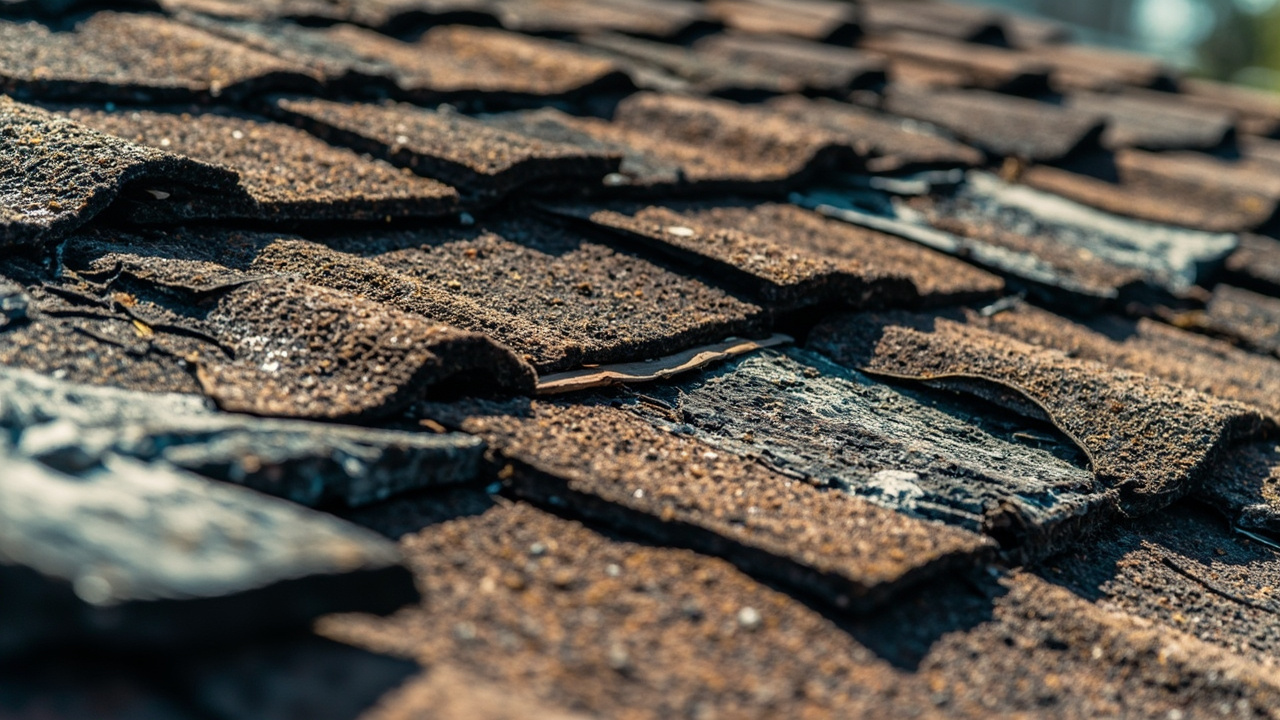
You walk outside and your shingles look like waves frozen in time. Some edges curl upward. Others buckle in the center. This is not cosmetic. Curling and buckling shingles in Atlanta are warning signs of imminent failure.

Atlanta's extreme temperature swings cause your roof deck to expand and contract. Summer heat regularly pushes surface temperatures above 160 degrees. Winter freezes follow. This thermal cycling breaks down the asphalt mat and loosens the granule bond. When shingles lose flexibility, they distort.

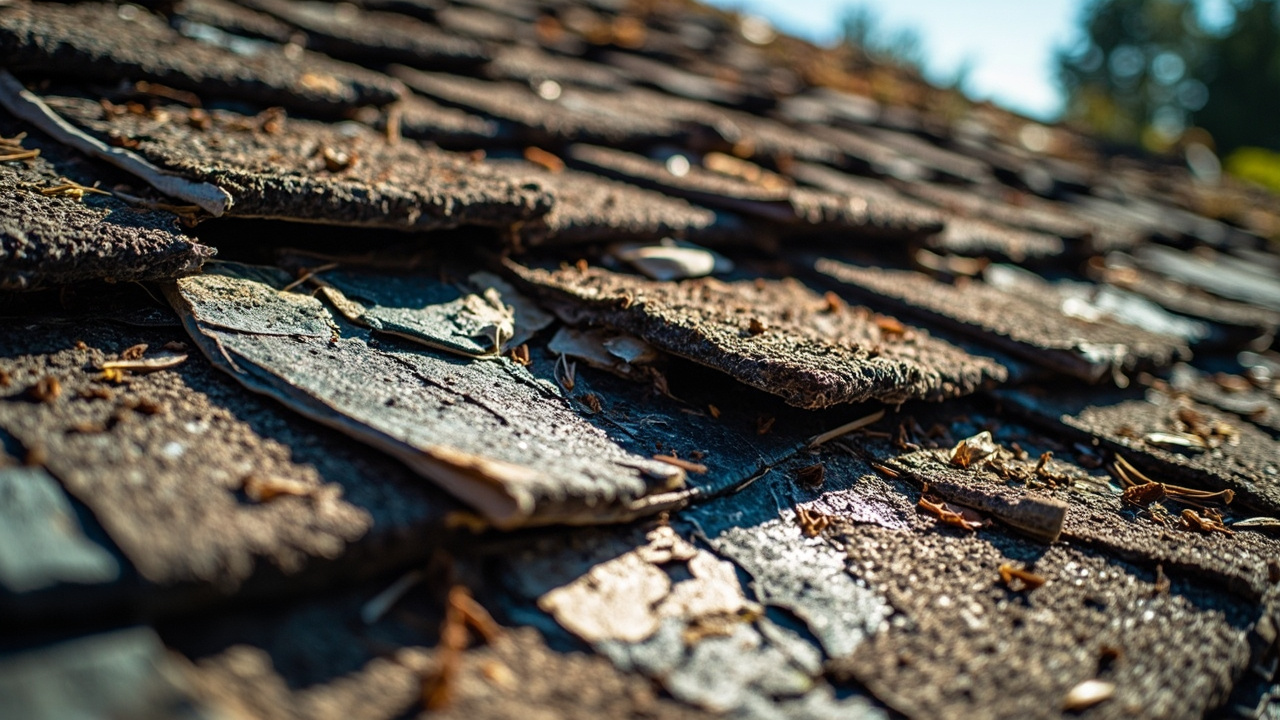
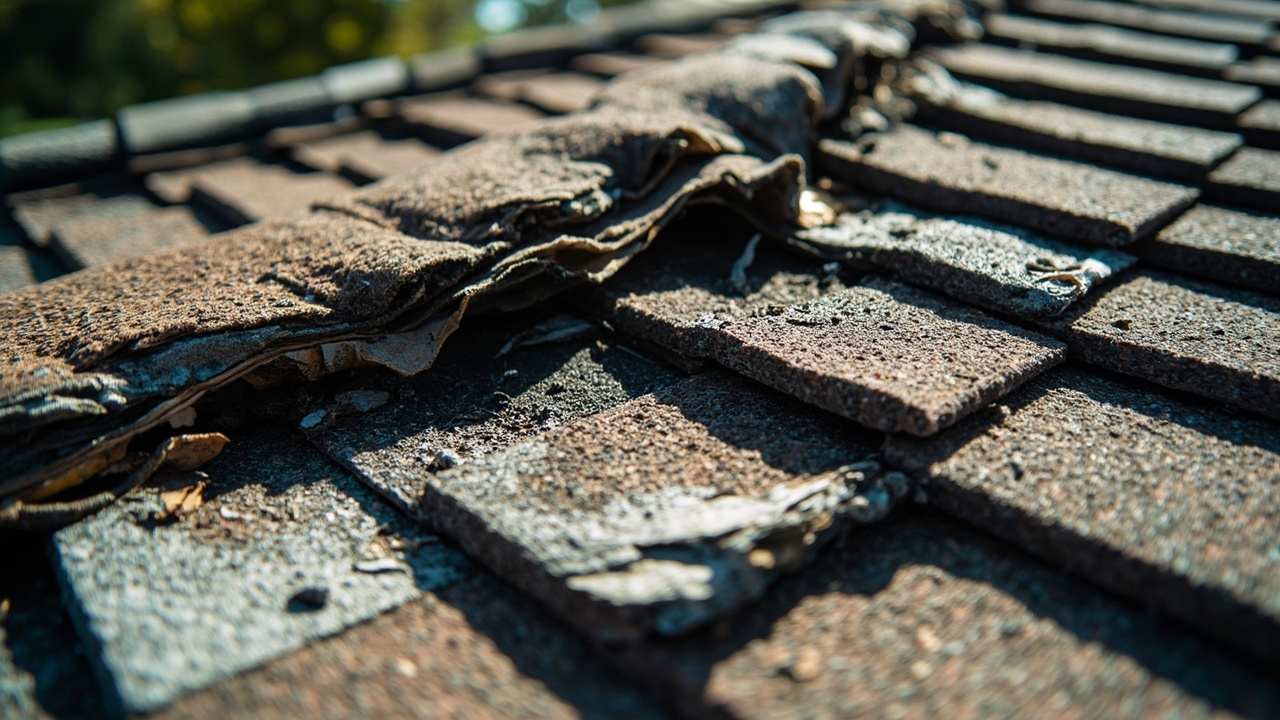
Cupping shingles occur when the center stays flat but edges curl upward. This creates gaps where wind-driven rain enters. Clawing shingles do the opposite. The center rises while edges stay down. Both expose your underlayment to UV degradation and moisture penetration.

High humidity compounds the problem. Atlanta's average humidity sits above 70 percent year-round. Moisture trapped in your attic creates pressure from below. When heat bakes the shingles from above and moisture pushes from below, the asphalt has nowhere to go. It warps.

Poor attic ventilation accelerates shingle distortion. Many homes in Historic Grant Park and Inman Park were built before modern ventilation standards. Hot air gets trapped. Your shingles age in months instead of years.

Wavy shingles indicate deck movement or improper installation. If your contractor nailed shingles over wet decking or failed to stagger seams correctly, you will see distortion patterns within five years. The red clay soil common throughout Cobb and Gwinnett counties shifts with moisture changes. This movement transfers to your roof structure.

Warped asphalt shingles do not heal. They only get worse. Each rain event drives more water under the compromised seal. Each wind event lifts the curled edges higher.

Why Your Atlanta Roof Is Warping
How We Fix Shingle Distortion Permanently

How We Fix Shingle Distortion Permanently

We do not guess. We start with thermal imaging to identify hot spots in your attic. This tells us if ventilation failure is cooking your shingles from below. If your attic registers above 150 degrees on a 90-degree day, we know ventilation is inadequate.

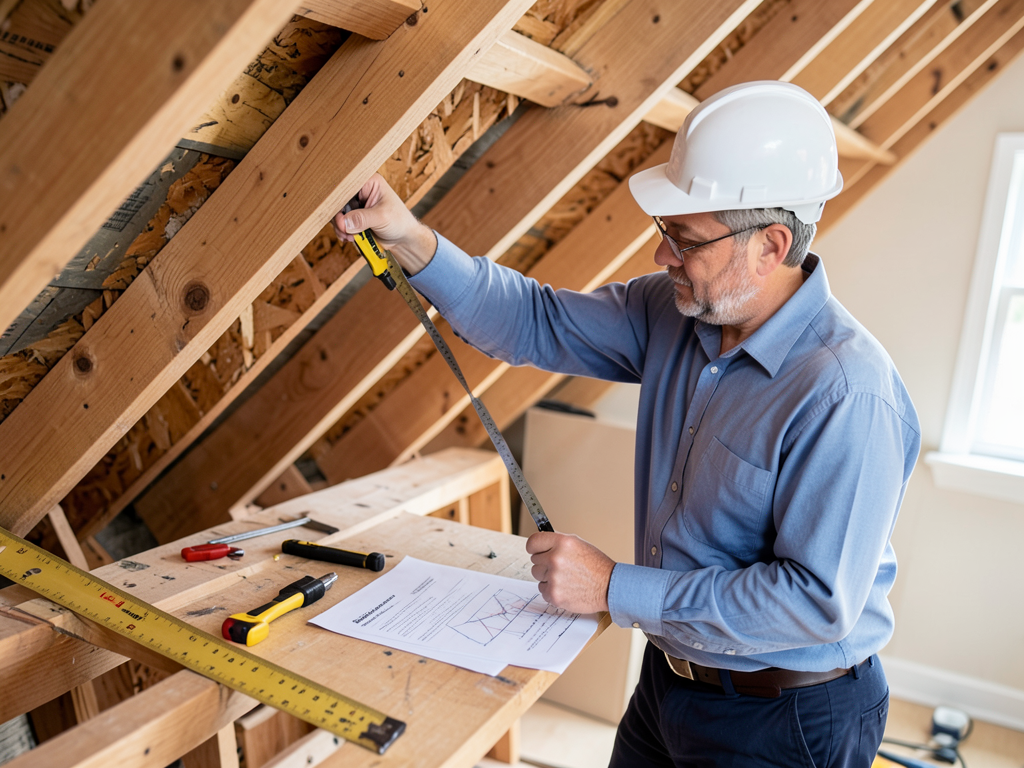
Next, we inspect the roof deck from inside your attic. We look for condensation stains, mold growth, and deck deflection. A sagging deck means structural issues that no shingle replacement will fix. We check joist spacing and look for missing or damaged bracing. If your home was built before 1980, there is a high chance the deck sheathing is spaced boards instead of continuous plywood. This causes uneven nailing surfaces and premature shingle failure.

We pull up sample shingles to examine the underlayment. If the felt paper is brittle or torn, water is already reaching your deck. We check for ice and water shield at valleys, eaves, and penetrations. Most Atlanta homes do not need ice dam protection, but they do need extra protection in valleys where water volume concentrates.

Our repair approach depends on the damage extent. Isolated cupping shingles get replaced with proper nail placement and sealant application. We do not reuse old shingles. We do not patch over problems.

Widespread clawing shingles or wavy shingles mean full replacement. We remove damaged shingles down to the deck, inspect for rot, replace any compromised sheathing, install high-temperature underlayment rated for Atlanta's heat, add ridge and soffit vents to balance airflow, then install dimensional shingles with proper exposure and offset.

We correct the root cause. If your attic needs ventilation, we add it. If your deck needs reinforcement, we do it. Covering up shingle distortion without fixing what caused it guarantees failure within two years.

What Happens When You Call About Distorted Shingles

Curling & Buckling Shingles in Atlanta – Expert Diagnosis Stops Leaks Before They Start
01

Attic and Roof Inspection

We examine your attic for ventilation deficiencies, insulation problems, and moisture intrusion before we step on your roof. We measure attic temperature, check for proper airflow from soffit to ridge, and identify any structural concerns. This interior inspection reveals the hidden causes of shingle distortion that most contractors miss completely.
02

Shingle Failure Analysis

We document every distortion pattern with photos and measurements. We identify whether you are seeing cupping, clawing, or buckling, then determine if the cause is thermal, moisture-related, or installation error. We pull sample shingles to examine the sealant bond and check for manufacturing defects. This analysis determines whether you need spot repairs or full replacement.
03

Repair Plan and Execution

We give you a written scope that addresses both the visible damage and the underlying cause. Our crews remove compromised shingles, repair any deck damage, improve ventilation if needed, and install new shingles with proper fastening patterns. We clean up completely and provide documentation of all work performed, including ventilation improvements and structural repairs.

Why Atlanta Homeowners Choose First Choice Roofing Atlanta

We understand Atlanta roof systems because we work on them every day. We know that homes in Decatur have different ventilation challenges than homes in Marietta. We know which neighborhoods have original 1960s decking that needs reinforcement. We know how red clay soil movement affects foundation settlement and roof framing.

Most contractors look at your roof from the ground and give you a price. We climb into your attic first. We have found that 60 percent of shingle distortion cases in the Atlanta metro area involve inadequate attic ventilation. The other 40 percent split between installation errors and storm damage. You cannot fix the problem if you do not identify the cause.

We also understand local building codes. Fulton, DeKalb, and Cobb counties have different inspection requirements. We pull permits when required and schedule inspections properly. We know which municipalities require engineered wind load calculations for re-roofing projects.

Our familiarity with Atlanta's Historic Districts matters if you live in Virginia Highland, Ansley Park, or Druid Hills. These neighborhoods have design review boards that regulate roofing materials and colors. We navigate these approval processes regularly. We know which shingle profiles meet historic guidelines and which do not.

We stock materials rated for Georgia's climate zone. We do not install shingles designed for Minnesota winters or Arizona deserts. We use products engineered for high heat, high humidity, and moderate wind loads. We specify underlayment with proper perm ratings that allow moisture vapor to escape without letting liquid water through.

First Choice Roofing Atlanta employs crews who live in the metro area. They understand the urgency when storms roll through. They know that a small leak discovered today becomes a major insurance claim in six months if ignored. We respond quickly because we are local.

What to Expect From Start to Finish

Response Time and Scheduling

We schedule roof inspections within 48 hours of your call. Our inspection takes 45 to 90 minutes depending on roof size and attic access. We provide a written assessment within 24 hours that includes photos, thermal imaging results, and a detailed scope of recommended repairs. If we find active leaks or structural concerns, we can often start emergency repairs the same day. Full replacements typically begin within one to two weeks depending on material availability and weather.

Thorough Damage Assessment

Our inspectors check every potential failure point. We examine flashing around chimneys and vents, inspect valleys for debris accumulation, test the seal on ridge caps, and probe for soft spots that indicate deck rot. We measure attic ventilation against current building codes and calculate whether your net free ventilation area meets the minimum one square foot per 150 square feet of attic floor. We document everything so you understand exactly what needs repair and why.

Quality Installation Standards

We follow manufacturer specifications exactly. Shingles get four nails placed in the nail zone, not above or below. We maintain proper exposure and offset to prevent water channeling. We hand-seal tabs in high-wind areas. We install drip edge at eaves and rakes to direct water away from fascia boards. Our crews use pneumatic nailers calibrated to avoid overdriving or underdriving fasteners. Every penetration gets properly flashed with compatible materials that will not corrode or separate over time.

Post-Installation Support

We register your shingle warranty with the manufacturer and provide you with all documentation. We offer annual maintenance inspections to catch small problems before they become expensive. These inspections include valley cleaning, flashing checks, and sealant touch-ups. We respond to any concerns within 24 hours. If a storm causes damage within the first year, we will inspect at no charge and work with your insurance adjuster to document covered losses.

Frequently Asked Questions

You Have Questions,
We Have Answers

Is it normal for roof shingles to buckle? +

No. Buckling shingles signal underlying problems with your roof system. Normal shingles lie flat against the roof deck. Buckling happens when moisture gets trapped in the roof deck, ventilation fails, or improper installation creates stress points. Atlanta's high humidity and temperature swings accelerate these issues. You might see waves or ripples running vertically up your roof slope. This is not cosmetic. Buckled shingles expose your home to water infiltration and wind damage. If you spot buckling, schedule an inspection immediately. The problem will worsen and compromise your roof's structural integrity.

How to fix curled up shingles? +

You cannot fix curled shingles with adhesive or weights. The curl indicates the shingle has reached the end of its functional life. Heat from Atlanta summers bakes the asphalt, causing granule loss and brittleness. Once a shingle curls, it will crack when flattened. Individual shingle replacement works only if the curling is isolated and your roof is under 10 years old. Widespread curling means you need a full replacement. Temporary fixes create false security. Water will infiltrate under curled edges during our heavy spring storms. Get a professional assessment to determine if spot repairs or replacement is necessary.

How to fix buckling shingles? +

Fixing buckling shingles requires addressing the root cause, not just the symptom. You must identify whether poor ventilation, wet roof decking, or improper nailing caused the buckling. In most cases, the affected shingles and underlying decking need replacement. Atlanta's humidity makes moisture issues worse. If the decking stays wet, mold grows and spreads. A qualified roofer will remove buckled shingles, inspect and replace damaged decking, verify ventilation is adequate, then install new shingles correctly. Attempting surface-level fixes without solving the underlying problem guarantees the buckling will return within months.

What causes shingles to curl? +

Shingles curl from age, heat exposure, poor attic ventilation, or moisture infiltration. Atlanta's brutal summer heat accelerates asphalt breakdown. When your attic lacks proper airflow, heat builds up and bakes shingles from underneath. This causes edges to lift and curl upward. Granule loss from UV exposure leaves the asphalt mat vulnerable. Moisture from roof leaks or condensation also degrades the shingle's adhesive bond. Once curling starts, wind gets under the shingle edges during storms and tears them off completely. Curling typically appears after 15 years on standard three-tab shingles, sooner if ventilation is inadequate.

How to tell if a roofer is lying? +

A dishonest roofer pushes for full replacement without showing you specific damage. They refuse to provide a detailed written estimate or avoid discussing ventilation and decking inspection. Watch for scare tactics about immediate collapse or pressure to sign same-day contracts. Legitimate roofers in Atlanta will walk you through the damage, explain why specific repairs are needed, and provide references from recent local jobs. They pull permits when required and carry proper insurance. Ask to see their business license and liability coverage. If they insist on cash payment only or offer suspiciously low bids, walk away immediately.

Do curling shingles need to be replaced? +

Yes. Curled shingles have lost their weatherproofing ability and must be replaced. Once the edges curl up, wind-driven rain flows directly underneath during Atlanta's severe thunderstorms. The exposed nail heads rust and leak. Curled shingles also catch wind like sails and tear off during storms, leaving your roof deck exposed. Insurance adjusters look for curling when assessing claims because it signals the roof has exceeded its useful life. If curling affects more than 30 percent of your roof, plan for full replacement. Isolated curling on a newer roof might qualify for spot repairs, but this is rare.

Will insurance pay for lifted shingles? +

It depends on what caused the lifting. Insurance covers wind damage or storm events but excludes normal wear, poor maintenance, or installation defects. If a documented storm with high winds lifted your shingles, you have a valid claim. Atlanta's spring severe weather often generates insurance claims for wind damage. Take photos immediately and call your insurer. They will send an adjuster to determine cause. If lifting resulted from age or poor ventilation, insurance will deny the claim. Your policy covers sudden damage, not gradual deterioration. Review your policy's wind and hail coverage limits before filing.

What does a buckled shingle look like? +

A buckled shingle creates a visible wave or bump running vertically up your roof. It looks like someone pushed the shingle up from underneath. You will see a raised ridge that does not follow the normal flat plane of the roof surface. Buckled areas often appear in repeating patterns because the problem affects multiple shingles over the same section of decking. From the ground, buckling looks like your roof has developed lumps or humps. Walk around your property and look at your roofline from different angles. Buckling is most visible in early morning or late afternoon light when shadows highlight the irregularities.

How to tell if a roof is about to collapse? +

A roof near collapse shows severe sagging, especially in the ridgeline or between rafters. You will see visible dips or valleys where the roof should be straight. Inside your attic, look for cracked or split rafters, water stains on decking, and daylight coming through the roof. Ceilings inside the house may crack or bow downward. Atlanta's clay soil shifts foundations, which can stress roof structures. If you hear cracking sounds, see new cracks spreading across ceilings, or notice doors and windows sticking, evacuate immediately and call a structural engineer. These are emergency conditions requiring professional assessment before collapse occurs.

Why are my shingles lifting up? +

Shingles lift from wind damage, failed sealant strips, improper nailing, or inadequate attic ventilation. Atlanta experiences high winds during spring and summer storms. Wind gets under shingle edges and breaks the adhesive bond. If your roof is newer, the installer may have skipped nailing in the proper zone or the sealant strips never activated due to cold weather installation. Poor ventilation creates heat buildup that degrades the adhesive. Tree branches rubbing on shingles also cause lifting. Once shingles lift, they become vulnerable to tearing off completely. Schedule an inspection to determine the cause and prevent further damage.

How Atlanta's Heat and Humidity Accelerate Shingle Failure

Atlanta sits in a climate zone where summer attic temperatures routinely exceed 140 degrees. This extreme heat softens the asphalt binder in shingles, making them vulnerable to distortion. When combined with afternoon thunderstorms that create rapid temperature drops, the thermal shock causes cupping and clawing. The city's dense tree canopy keeps many roofs in partial shade, creating uneven heating patterns that warp shingles at different rates across the same roof plane. Poor air circulation in these shaded areas traps moisture against the shingles, further accelerating deterioration.

First Choice Roofing Atlanta has repaired warped asphalt shingles across every neighborhood from Buckhead to East Point. We understand the specific challenges posed by Atlanta's building stock, from mid-century ranch homes with inadequate ventilation to newer subdivisions where rapid construction sometimes sacrificed proper installation techniques. Our familiarity with local suppliers means we can source matching shingles for partial repairs, and our relationships with building inspectors ensure smooth permit processing. Choosing a local roofing contractor means choosing someone who understands Atlanta roofs fail differently than roofs in other climates.
Roofing Services in The Atlanta Area

Whether you are in need of a new roof, a quick repair, or a detailed inspection, our team is ready to serve you. We are proud to be a trusted part of the Atlanta community, and you can find our business location on the map below. Feel free to visit us or contact us today to discuss your next project. We look forward to working with you and protecting your property.

Address:
First Choice Roofing Atlanta, 3630 Peachtree Rd NE, Atlanta, GA, 30326

Additional Services We Offer

Our news updates

Latest Articles & News from The Blogs

Are GAF Timberline Solar Shingles Finally Worth it for Atlanta Homeowners? Atlanta homeowners are discovering that GAF Timberline Solar Shingles…

Are GAF Timberline Solar Shingles Finally Worth it for Atlanta Homeowners?

Are GAF Timberline Solar Shingles Finally Worth it for Atlanta Homeowners? Atlanta homeowners are discovering that GAF Timberline Solar Shingles…

Why Vaulted Ceilings Often Lead to Roof Rot in Modern Duluth Homes

Why Vaulted Ceilings Often Lead to Roof Rot in Modern Duluth Homes Vaulted ceilings create stunning architectural appeal but often…

The Real Cost and Complexity of Adding a Rooftop Deck to Your Reynoldstown Townhome

The Real Cost and Complexity of Adding a Rooftop Deck to Your Reynoldstown Townhome Adding a rooftop deck to your…

Contact Us

Curling and buckling shingles will not improve on their own. Call First Choice Roofing Atlanta at (770) 610-9366 for an honest assessment and a permanent fix. We respond fast and fix it right.