




menu

New Roof Construction in Atlanta – Expert Installation for New Builds and Complete Replacements

First Choice Roofing Atlanta delivers precision new roof construction using Atlanta-specific building code expertise, engineered sheathing systems, and advanced ventilation strategies designed for Georgia's high humidity and severe storm exposure.

Slider Image 1
Slider Image 2
Slider Image 3
Slider Image 4
Slider Image 5
Slider Image 7
Slider Image 8
Slider Image 9
Slider Image 10
Slider Image 11

Why Atlanta New Construction Projects Demand Specialized Roof Engineering

Atlanta sits in a unique climate convergence zone. You face extreme heat and humidity from May through September, freezing rain events in winter, and wind-driven hailstorms during spring tornado season. These conditions shorten roof lifespans if the original installation cuts corners.

New roof construction here requires engineered solutions that account for thermal expansion, moisture vapor drive, and wind uplift ratings specific to Fulton and DeKalb County code amendments. The red clay soil beneath Atlanta homes shifts with moisture cycles, which can telegraph stress into improperly framed roof structures.

You cannot treat new roof installation as a one-size-fits-all process. Builders rushing through Buckhead subdivisions or East Atlanta infill projects often spec minimum code sheathing thickness and skip critical ice-and-water shield applications. That oversight creates vulnerabilities within the first five years.

Installing a new roof means coordinating structural load calculations with the truss manufacturer, selecting shingle wind ratings appropriate for your exposure category, and engineering attic ventilation to combat Georgia's punishing summer heat index. You need a team that understands the difference between Zone 3 mixed-humid climate requirements and generic southern installations.

Building a new roof in metro Atlanta also means navigating permit coordination with local inspectors who flag improper flashing details and inadequate drip edge installations. First Choice Roofing Atlanta works directly with framers and HVAC contractors during rough-in to ensure roof penetrations, chase openings, and structural ties meet current IRC and IBC standards before sheathing goes down.

Why Atlanta New Construction Projects Demand Specialized Roof Engineering
How We Engineer New Construction Roofing Systems for Long-Term Performance

How We Engineer New Construction Roofing Systems for Long-Term Performance

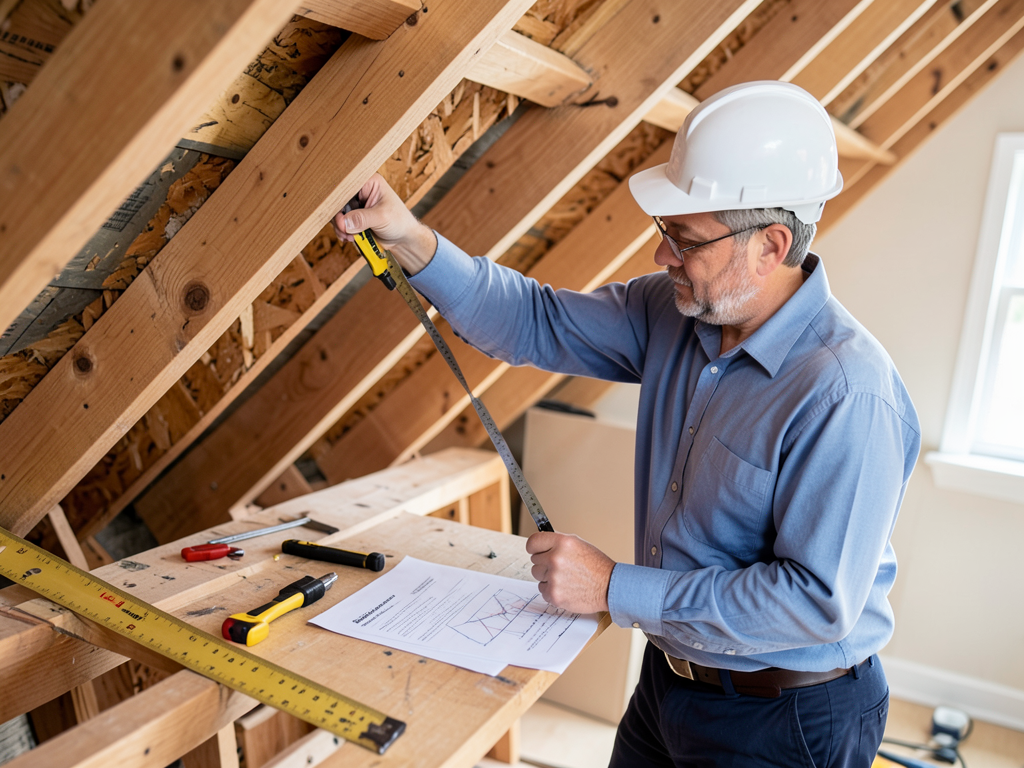
Our new roof construction process starts with truss layout verification. We confirm on-center spacing, check for proper gable bracing, and verify hurricane tie-down connections before accepting the deck. Atlanta's wind exposure requires metal connector plates and structural screws, not just nails.

We install zip system or traditional OSB sheathing with staggered seams and proper edge support. Panel deflection under snow load or ponding water causes premature shingle failure, so we enforce strict nailing schedules and use ring-shank fasteners in high-wind zones.

Underlayment selection separates mediocre installations from engineered systems. We apply self-adhering modified bitumen membranes in valleys and along eaves, then cover the field with synthetic underlayment rated for extended UV exposure. Atlanta's summer temperatures can exceed 160 degrees on a roof deck, which degrades felt paper in weeks if installation delays occur.

Roof installation services include integrated flashing systems. We use soldered copper or pre-manufactured step flashing at wall intersections, continuous drip edge with hemmed edges, and counterflashing that sheds water away from masonry chimneys common in Druid Hills and Virginia Highland homes.

Ventilation engineering prevents the moisture accumulation that rots sheathing from the inside. We calculate net free area based on your attic volume, install baffles to maintain airflow at every rafter bay, and coordinate soffit intake with ridge exhaust to create continuous convective flow. This step alone extends shingle life by reducing thermal cycling and preventing ice dam formation during Atlanta's occasional winter freezes.

We finish with dimensional shingles rated for 130 mph wind resistance and impact ratings that satisfy insurance underwriters in hail-prone north metro areas.

What Happens During Your New Roof Installation

New Roof Construction in Atlanta – Expert Installation for New Builds and Complete Replacements
01

Pre-Construction Planning and Coordination

We schedule site visits during the framing phase to verify truss installation, measure roof planes for material ordering, and coordinate delivery timing with your general contractor. You receive a detailed scope document that identifies shingle color, ventilation strategy, and flashing specifications. We pull permits and schedule inspections to keep your project on timeline without surprises.
02

Sheathing Through Shingle Installation

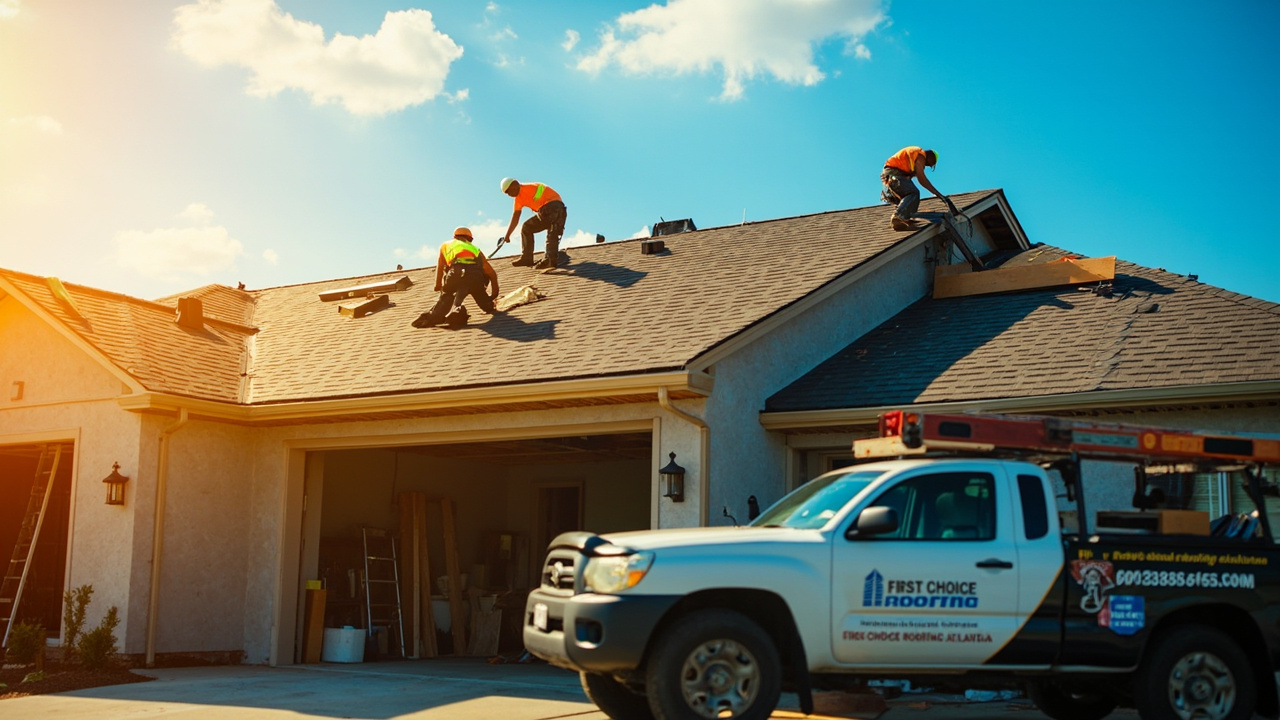
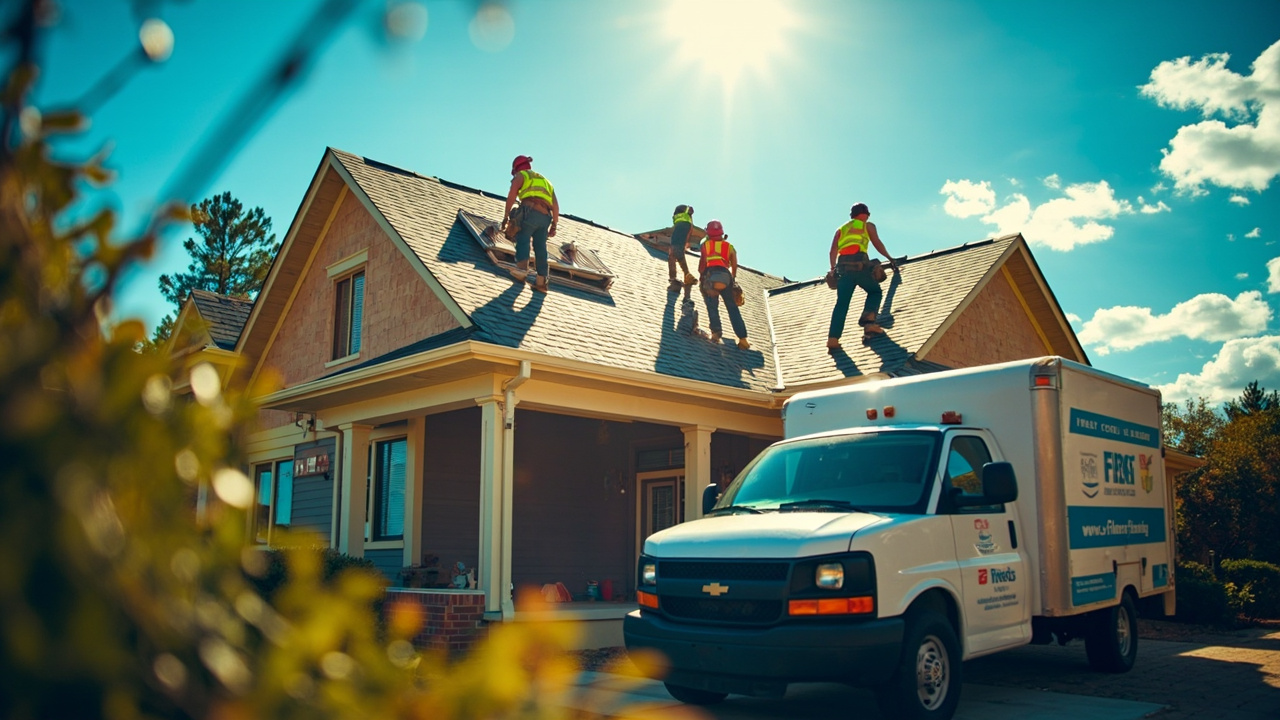
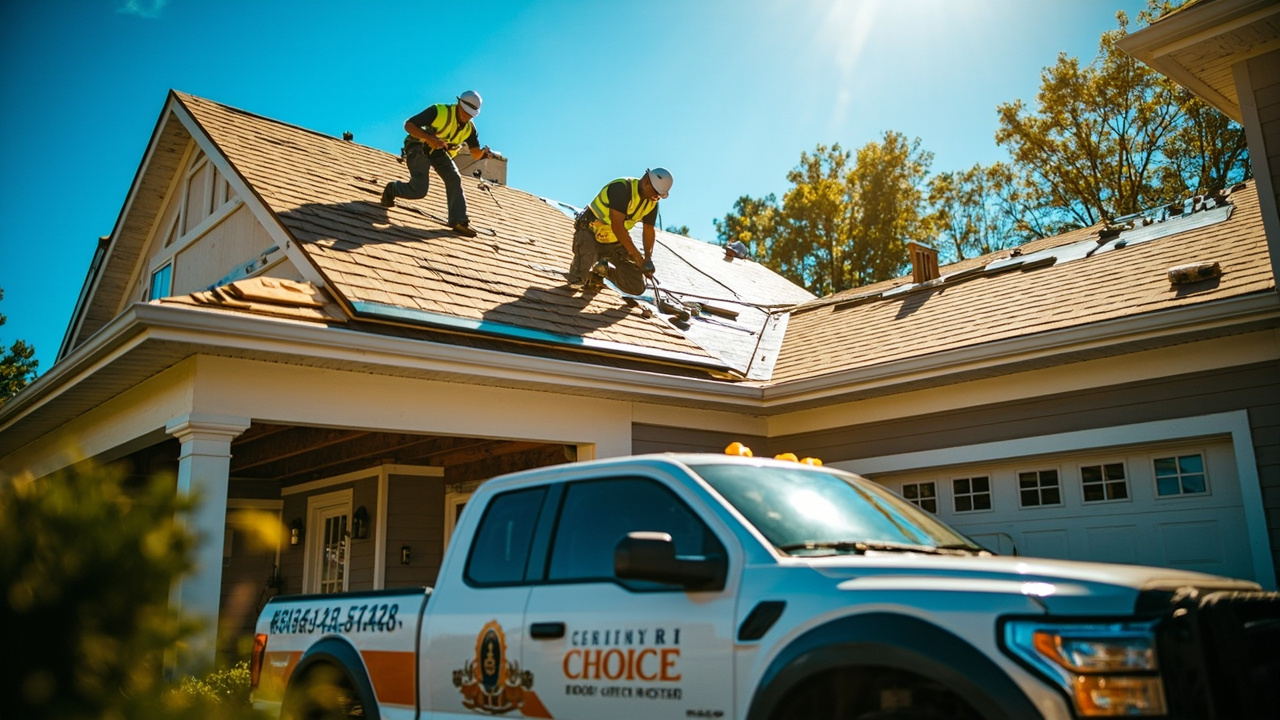
Our crews install sheathing, underlayment, drip edge, and valley flashing in coordinated sequences that allow for inspection checkpoints. We photograph each layer before covering it to document proper installation. Shingle application follows manufacturer specifications for exposure, offset patterns, and fastener placement. You see progress updates with photos showing completed sections and quality control checks at transitions and penetrations.
03

Final Inspection and Project Closeout

We walk the completed roof with you and your builder to verify workmanship, check flashing details, and confirm proper attic ventilation airflow. You receive manufacturer registration documentation, warranty information, and a maintenance guide specific to your shingle type and Atlanta's climate. We coordinate final inspections with local building departments and provide signed-off permits for your closing documents.

Why Atlanta Builders and Homeowners Choose First Choice Roofing Atlanta

New construction roofing requires coordination skills most residential roofers lack. We integrate into your construction schedule without holding up framers, HVAC installers, or inspectors. Builders working in Brookhaven, Sandy Springs, and Marietta rely on us because we show up when promised and complete installations within the weather windows that keep projects moving.

We understand Atlanta-specific code requirements. Fulton County amended IRC provisions for wind uplift in 2019. DeKalb County enforces stricter valley flashing details than surrounding jurisdictions. Cobb County inspectors flag improper cricket installations behind chimneys. We know these nuances because we work in these municipalities every week.

Our supplier relationships guarantee material availability even during shortage periods. We maintain inventory of compliant sheathing, certified underlayment, and color-matched shingles that prevent delays when manufacturers backorder popular lines. You do not wait six weeks for a specialty ridge vent or custom flashing components.

First Choice Roofing Atlanta employs installation crews who understand building science. They recognize how air sealing at the ceiling plane interacts with roof ventilation. They coordinate penetration locations with plumbers and electricians to avoid compromising structural members. They communicate directly with your builder to solve field conditions without change order disputes.

We also navigate the insurance and financing requirements that affect new construction projects. Lenders require proof of wind-rated materials and proper installation before releasing draw funds. We provide itemized documentation and progress photos that satisfy underwriter requirements and keep your construction loan on track.

Atlanta's competitive new construction market rewards builders who deliver quality without callbacks. Roof leaks during the warranty period damage your reputation and eat profits. We eliminate that risk with systematized installations and post-construction follow-up.

What You Can Expect From Our New Roof Construction Process

Installation Timeline and Weather Contingencies

Typical new roof installation takes three to five days for a 2,500 square foot home, depending on complexity and weather. We monitor forecasts and adjust schedules to avoid sheathing exposure during rain events. Atlanta's afternoon thunderstorms require strategic timing, so we start early and secure each phase before afternoon storm cells develop. You receive 48-hour notice before we arrive and daily updates on completion milestones. We coordinate with your builder's schedule to ensure framing inspections pass before we begin and final roofing inspections occur without delays.

Pre-Installation Assessment and Material Verification

We verify truss installation meets engineered drawings before accepting the roof deck. This includes checking on-center spacing, confirming proper bracing, and identifying any framing corrections needed before sheathing begins. You receive a pre-installation report documenting roof measurements, material quantities, and any field conditions that require adjustment. We confirm shingle color selection, verify ventilation calculations, and review flashing details specific to your home's architectural style. This assessment prevents miscommunication and ensures your final roof matches specifications without surprises at completion.

Quality Control and Performance Standards

You get a roof system engineered for Atlanta's climate extremes. Our installations meet or exceed manufacturer specifications for wind resistance, impact ratings, and thermal performance. We use proper fastener schedules, maintain correct shingle exposure, and install integrated flashing systems that prevent the leak points common in rushed installations. Every roof passes a final quality inspection where we check starter course alignment, verify valley metal installation, confirm proper ridge ventilation, and document attic airflow paths. You receive photos of critical details and a completion checklist that shows compliance with local building codes.

Manufacturer Warranties and Post-Installation Support

We register your roof with the shingle manufacturer to activate material warranties that cover defects and premature failure. You receive documentation showing proper installation that protects warranty coverage if claims arise years later. We provide a maintenance guide explaining how to inspect your roof after storms, when to clean gutters, and what signs indicate you need professional assessment. Our team remains available to address questions during your first year of homeownership and can coordinate with your builder if any issues emerge during the construction warranty period.

Frequently Asked Questions

You Have Questions,
We Have Answers

What is the newest type of roofing? +

The newest roofing materials include solar shingles, cool roofs with reflective coatings, and synthetic slate or shake made from recycled polymers. Solar shingles integrate photovoltaic cells directly into the roofing material, generating electricity while protecting your home. Cool roofs use advanced reflective pigments to reduce heat absorption, cutting cooling costs in Atlanta's humid summers. Synthetic products mimic natural materials but resist moisture and UV damage better. These technologies offer energy savings and durability, though they cost more upfront than traditional asphalt shingles. Availability in Atlanta varies, so verify material options with local suppliers before committing.

How much should a 2000 sq ft roof cost? +

For a 2000 square foot roof in Atlanta, total project costs depend on material choice, roof pitch, and complexity. Asphalt shingles run lower, while metal or tile run higher. Atlanta's clay soil and freeze-thaw cycles require proper underlayment and flashing, which add to labor costs. Tear-off and disposal fees vary by waste volume. Roof pitch affects labor hours, as steep slopes require safety equipment and slower installation. Local permit fees in Fulton or DeKalb counties also factor in. Get multiple estimates from licensed contractors to compare pricing and scope before making a decision.

How much does it cost to have a new roof installed? +

Roof installation costs vary by material, square footage, and structural factors. Atlanta homes often need additional ventilation or decking repair due to humidity and moisture damage. Material choice drives the biggest cost variation, with metal and tile running higher than asphalt. Labor accounts for roughly half the total, influenced by roof pitch, accessibility, and removal of old layers. Local building codes in Atlanta require specific underlayment standards for wind resistance. Permitting fees, dumpster rental, and disposal charges add to the base price. Request itemized bids from multiple contractors to understand where your money goes.

What is the process of getting a new roof? +

The process starts with an inspection to assess condition and measure square footage. Your contractor checks decking, flashing, and ventilation needs. You select materials based on budget, climate performance, and aesthetic goals. The contractor pulls permits with local Atlanta building departments. On installation day, crews tear off old materials, inspect and repair decking, install underlayment and drip edge, then lay new shingles or panels. They install flashing around chimneys and vents, complete ridge caps, and clean up debris. Final inspection ensures compliance with Georgia building codes. The entire process takes one to three days for most residential roofs.

What is the new roof technology 2025? +

In 2025, roofing technology focuses on energy efficiency and durability. Solar-integrated shingles now offer better efficiency and lower profiles than earlier versions. Cool roof coatings with advanced infrared-reflective pigments reduce heat absorption by up to 30 percent, cutting air conditioning costs in Atlanta's hot summers. Impact-resistant shingles use polymer-modified asphalt to resist hail damage and meet higher wind ratings. Self-healing underlayments seal around fasteners to prevent leaks. Smart sensors embedded in roofing systems monitor moisture and structural integrity, alerting homeowners to problems before visible damage occurs. These technologies cost more but deliver long-term savings and performance.

What is the most expensive part of a new roof? +

Labor typically represents the most expensive part of roof replacement, accounting for 40 to 60 percent of total costs. Skilled installation requires precision, safety equipment, and experience to ensure proper water shedding and code compliance. In Atlanta, steep roof pitches and multi-story homes increase labor hours and safety requirements. Material costs follow closely, especially for premium options like metal or tile. Structural repairs to decking or trusses add unexpected expenses when hidden damage appears during tear-off. Proper flashing and underlayment installation require expertise and time but prevent costly leaks. Cutting corners on labor leads to premature failure and warranty issues.

Will roofing prices go down in 2025? +

Roofing prices depend on material costs, labor availability, and economic conditions. Asphalt shingle prices fluctuate with oil and raw material markets. Labor shortages in Atlanta's construction industry keep installation costs elevated. Inflation affects both material and labor rates. While some material prices may stabilize, labor costs tend to increase over time as demand for skilled roofers outpaces supply. Waiting for lower prices risks further damage to your existing roof, potentially increasing repair costs. Focus on value rather than timing the market. Get multiple bids, choose quality contractors, and prioritize proper installation over the lowest price.

How can I save money on a new roof? +

Choose mid-range asphalt shingles instead of premium materials to reduce costs without sacrificing quality. Schedule work in late fall or winter when contractors offer lower rates during slow seasons. Get three to five estimates from licensed Atlanta contractors to compare pricing and scope. Ask about overlay options if your existing roof has only one layer and the decking is sound, though this approach has trade-offs. Handle tear-off and disposal yourself if you have the time and physical ability. Avoid the cheapest bid, as poor installation creates expensive problems. Verify contractor insurance and check references to prevent costly rework or warranty issues.

How much is a roof on a 1400 square-foot house? +

For a 1400 square foot roof in Atlanta, expect costs to vary based on material, pitch, and complexity. Asphalt shingles represent the most budget-friendly option. Metal roofing costs more but lasts longer and handles Atlanta's humidity better. Roof pitch affects labor time and safety equipment needs. Single-story homes cost less to roof than two-story structures due to accessibility. Removal of old materials, decking repairs, and permit fees add to the base price. Atlanta's clay soil can cause structural shifts that require additional flashing work. Get detailed written estimates from multiple licensed contractors before committing to a project.

Is roof replacement tax deductible? +

Roof replacement on your primary residence is not tax deductible as a personal expense. The IRS treats it as a capital improvement that increases your home's cost basis, potentially reducing capital gains tax when you sell. For rental properties, you can depreciate the roof replacement over 27.5 years as a business expense. If you install solar shingles or panels, you may qualify for federal solar tax credits, which directly reduce your tax liability. Energy-efficient roofing materials might qualify for specific rebates or credits under certain programs. Consult a tax professional familiar with Georgia tax law to understand your specific situation and documentation requirements.

How Atlanta's Humidity and Storm Patterns Affect New Roof Construction Decisions

Atlanta averages 52 inches of annual rainfall with humidity levels exceeding 70 percent from May through September. This moisture load drives vapor through roof assemblies and condenses on cool surfaces during air conditioning season. New roof construction must include vapor-permeable underlayment and engineered ventilation that exhausts this moisture before it saturates sheathing. The city also sits in a moderate hail zone with spring severe weather that produces wind-driven rain and occasional tornado touchdowns. These conditions require impact-resistant shingles and properly sealed roof-to-wall connections that prevent water intrusion during horizontal rain events common in Cobb and Gwinnett County storm systems.

Building codes in metro Atlanta jurisdictions reflect these climate realities. Fulton County enforces wind uplift requirements based on exposure category and building height. DeKalb County mandates specific valley flashing configurations after widespread leak failures during 2020 tropical storm remnants. First Choice Roofing Atlanta maintains relationships with local building inspectors who recognize our work and trust our installations meet code without excessive scrutiny. We also understand the architectural expectations in established neighborhoods like Ansley Park and Morningside, where historic district guidelines influence material selection and installation methods. This local knowledge prevents permit rejections and ensures your new roof integrates with community standards.
Roofing Services in The Atlanta Area

Whether you are in need of a new roof, a quick repair, or a detailed inspection, our team is ready to serve you. We are proud to be a trusted part of the Atlanta community, and you can find our business location on the map below. Feel free to visit us or contact us today to discuss your next project. We look forward to working with you and protecting your property.

Address:
First Choice Roofing Atlanta, 3630 Peachtree Rd NE, Atlanta, GA, 30326

Additional Services We Offer

Our news updates

Latest Articles & News from The Blogs

Are GAF Timberline Solar Shingles Finally Worth it for Atlanta Homeowners? Atlanta homeowners are discovering that GAF Timberline Solar Shingles…

Are GAF Timberline Solar Shingles Finally Worth it for Atlanta Homeowners?

Are GAF Timberline Solar Shingles Finally Worth it for Atlanta Homeowners? Atlanta homeowners are discovering that GAF Timberline Solar Shingles…

Why Vaulted Ceilings Often Lead to Roof Rot in Modern Duluth Homes

Why Vaulted Ceilings Often Lead to Roof Rot in Modern Duluth Homes Vaulted ceilings create stunning architectural appeal but often…

The Real Cost and Complexity of Adding a Rooftop Deck to Your Reynoldstown Townhome

The Real Cost and Complexity of Adding a Rooftop Deck to Your Reynoldstown Townhome Adding a rooftop deck to your…

Contact Us

Call First Choice Roofing Atlanta at (770) 610-9366 to schedule your pre-construction consultation. We coordinate with your builder, handle permitting, and deliver a roof system engineered for decades of Atlanta weather. Contact us today.