



menu

Industrial Roof Replacement in Atlanta – Minimizing Downtime for Production Facilities

First Choice Roofing Atlanta delivers commercial flat roof replacement and warehouse roof replacement with phased scheduling that keeps your operations running while we protect your critical assets from Atlanta's severe weather patterns.

Slider Image 1
Slider Image 2
Slider Image 3
Slider Image 4
Slider Image 5
Slider Image 7
Slider Image 8
Slider Image 9
Slider Image 10
Slider Image 11

Why Atlanta's Industrial Facilities Face Accelerated Roof Deterioration

Atlanta's industrial corridor runs through areas where subtropical humidity, thermal cycling, and seasonal storm cells create unique challenges for factory roof replacement. Your warehouse or production facility experiences temperature swings from winter lows in the 30s to summer roof surface temperatures exceeding 170 degrees. This constant expansion and contraction breaks down membrane seams, degrades flashing around HVAC curbs, and creates ponding water on low-slope roofs.

The metro area's clay-based soil also shifts with moisture changes. Warehouse roof replacement becomes necessary when foundation movement stresses parapet walls and roof edge details. You see the symptoms on the production floor first. Water stains near loading docks. Drips over inventory. Rust on equipment housings. By the time leaks become visible inside, the roof deck and insulation have already sustained damage that threatens business continuity.

Atlanta's industrial zoning puts facilities near transportation corridors in Clayton, Fulton, and Gwinnett counties. These locations concentrate truck traffic, rail operations, and airport proximity. The vibration and pollutants accelerate coating breakdown on metal panels and membrane roofs. Commercial roof replacement intervals that might stretch 25 years in other climates compress to 15-18 years here.

Your facility cannot afford multi-week shutdowns. Production schedules, inventory storage, and employee safety depend on a weathertight envelope. Industrial re-roofing requires contractors who understand critical path planning, phased tear-offs, and temporary weather protection systems that let you maintain operations during construction.

Why Atlanta's Industrial Facilities Face Accelerated Roof Deterioration
How We Execute Commercial Roof Replacement Without Halting Production

How We Execute Commercial Roof Replacement Without Halting Production

Industrial roof replacement starts with structural load analysis and building code compliance review. Atlanta operates under the 2020 International Building Code with local amendments. We engineer roof assemblies that meet wind uplift requirements for your exposure category and verify that existing bar joists or purlins can support new insulation layers and membrane systems. This engineering phase happens before we mobilize crews, preventing mid-project delays.

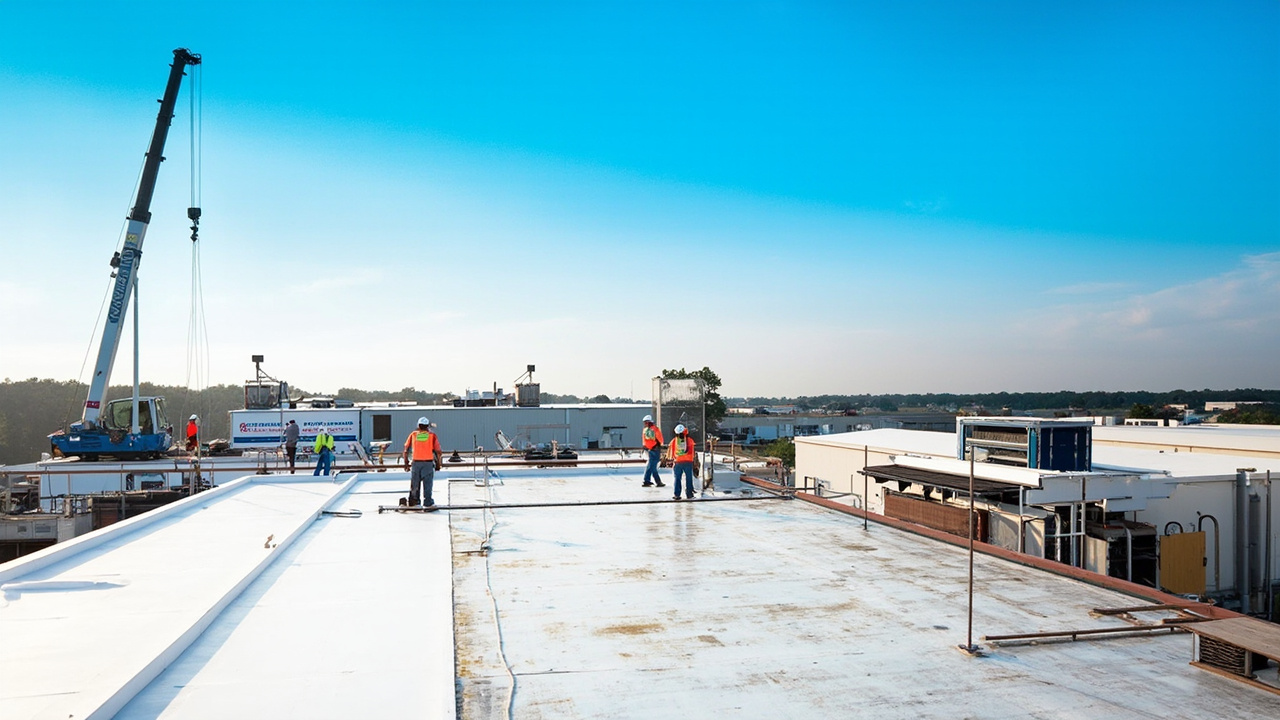
We use sectional tear-off methodology. Your facility gets divided into zones based on production areas, storage locations, and weather exposure. We remove and replace one section while temporary roof barriers protect adjacent areas. A 200,000 square foot warehouse gets phased across six to eight sections, with each section taking three to five days from tear-off to watertight completion. Critical areas like server rooms or temperature-controlled storage get scheduled last, after we refine our workflow on less sensitive zones.

Our industrial re-roofing approach addresses substrate preparation that others skip. We replace wet insulation, repair rusted deck panels, and reinforce penetration curbs before new roofing goes down. Atlanta's humidity means moisture gets trapped in roof assemblies. We use infrared scanning to map wet insulation zones and surgical tear-off techniques to remove only compromised materials. This precision reduces waste disposal costs and shortens your exposure time to weather.

Material staging happens off-site or in designated lay-down areas. We coordinate deliveries with your shipping and receiving schedule. Crane picks get planned around your production shifts. HVAC shutdowns for curb work happen during scheduled maintenance windows. Every detail gets synchronized with your operations manager to prevent conflicts that stop production or create safety risks.

The Industrial Roof Replacement Workflow

Industrial Roof Replacement in Atlanta – Minimizing Downtime for Production Facilities
01

Structural Assessment and Phasing Plan

We inspect the existing roof system using core samples, infrared thermography, and structural load calculations. You receive a phasing plan that maps tear-off sections, identifies critical areas requiring special protection, and establishes a timeline that aligns with your production calendar. This documentation includes temporary weather protection details and crane placement locations that avoid disrupting truck traffic or material handling operations.
02

Sectional Demolition and Installation

We begin with the section that poses the least operational risk. Crews remove existing membrane, insulation, and damaged deck panels within the defined zone. New tapered insulation systems correct drainage issues, then we install the specified membrane with hot-air welded seams or fully adhered application. Each section reaches watertight status before we move to the next zone, ensuring your facility always maintains weather protection across the majority of its footprint.
03

Testing and Documentation Delivery

After completing all sections, we perform flood testing on drains, pull testing on membrane seams, and final infrared scanning to verify dry substrate conditions. You receive as-built drawings showing insulation thickness, drain locations, and penetration details. This documentation supports future maintenance planning and satisfies insurance underwriters who require proof of proper installation methods and material specifications for commercial property policies.

Why Atlanta Industrial Facilities Choose Local Roofing Expertise

First Choice Roofing Atlanta understands the permitting requirements across metro Atlanta jurisdictions. Clayton County enforces strict stormwater management rules that affect roof drain sizing. Fulton County requires separate permits for mechanical curb modifications. DeKalb County mandates progress inspections at the insulation and membrane stages. We handle permit applications, inspection scheduling, and code compliance documentation so you avoid stop-work orders that extend project timelines.

Our crews know Atlanta's weather patterns. Summer afternoon thunderstorms roll through between 2 PM and 6 PM from June through August. We schedule membrane installation during morning hours when conditions stay dry and wind speeds remain below 20 mph. Winter work requires different planning. January and February bring freeze-thaw cycles that affect adhesive curing. We adjust material selection and application methods based on seasonal conditions that impact installation quality.

We maintain relationships with local suppliers who stock commercial roofing materials in Atlanta warehouses. When you need a factory roof replacement on an accelerated schedule, we source TPO membrane, polyiso insulation, and fastening systems without waiting on cross-country freight. This local supply chain cuts lead times from four weeks to five days. Your project starts faster and finishes sooner.

Atlanta's industrial sector includes food processing, logistics, manufacturing, and distribution facilities. Each building type has specific requirements. Food processing plants need NSF-rated roofing materials and cove base details that prevent pest entry. Logistics warehouses require impact-resistant membranes in hail-prone zones. We match roof systems to your facility type and operational needs, not just to the lowest bid price. This expertise prevents premature failures that force another commercial roof replacement before you recover the capital investment.

What Your Industrial Roof Replacement Project Includes

Project Timeline and Scheduling Coordination

Industrial roof replacement timelines depend on building size, roof complexity, and phasing requirements. A 100,000 square foot warehouse with straightforward geometry takes four to six weeks from mobilization to final inspection. Facilities with multiple roof levels, extensive equipment platforms, or ongoing production constraints extend to eight or twelve weeks. We establish milestone dates during pre-construction planning and provide weekly progress updates to your maintenance manager. Schedule adjustments happen in real time when weather delays occur or when building conditions require engineering modifications. You maintain visibility into project status without disrupting your operational focus.

Pre-Construction Investigation and Specification

We perform test cuts to verify existing roof assembly construction, identify hazardous materials like asbestos in old felts or coatings, and confirm deck attachment spacing. Core samples get sent to labs for moisture content analysis. Structural engineers review bar joist capacity if you want additional insulation R-value that adds dead load. This investigation phase produces a specification that addresses actual building conditions rather than making assumptions. You receive a scope of work that accounts for substrate repairs, tapered insulation layouts, and penetration flashing details specific to your facility. This accuracy prevents change orders that inflate costs and extend schedules.

Installed Roof System Performance

Your new roof system delivers measurable performance improvements. Properly installed tapered insulation eliminates ponding water that degrades membranes and creates leak points. Upgraded insulation R-values reduce HVAC loads, cutting utility costs by 15 to 25 percent in Atlanta's cooling-dominated climate. Reflective white TPO or PVC membranes lower roof surface temperatures by 40 to 50 degrees compared to dark EPDM or built-up roofs. This thermal performance extends into the building, reducing heat stress on stored products and improving worker comfort in non-conditioned warehouse zones. You also gain a roof assembly that meets current wind uplift and fire ratings required by commercial property insurers.

Maintenance Planning and Long-Term Support

Industrial roofs require periodic maintenance to reach their service life potential. We provide maintenance protocols that specify drain cleaning frequency, membrane inspection intervals, and sealant replacement schedules. Atlanta facilities need drain clearing at least twice annually due to pine pollen and leaf debris from surrounding wooded areas. Metal panel roofs require fastener retightening every five years as thermal movement loosens connections. We offer scheduled maintenance contracts that keep small issues from becoming emergency repairs. This preventive approach protects your capital investment and avoids unplanned production interruptions caused by roof failures during peak business periods.

Frequently Asked Questions

You Have Questions,
We Have Answers

How Atlanta's Industrial Growth Corridor Drives Roof Replacement Demand

Atlanta's position as a logistics hub creates concentrated warehouse development along I-85, I-20, and I-75 corridors. These facilities were built rapidly during the 1990s and 2000s boom cycles using economical roof systems that are now reaching end of service life. The clay soils underlying much of the metro area cause foundation settlement that stresses roof edge details and parapet walls. Combined with Atlanta's severe weather pattern including hail storms, high winds from thunderstorm outflows, and occasional tornado touchdowns, industrial facilities face roof replacement decisions earlier than northern or western markets. Factory roof replacement becomes a capital planning priority rather than a deferred maintenance item.

First Choice Roofing Atlanta works across the metro industrial base, from older facilities in Clayton and South Fulton to newer distribution centers in Gwinnett and Cherokee counties. We understand the building code variations between jurisdictions and maintain relationships with local inspectors who know our work quality. This local presence means faster permit turnaround and fewer inspection delays. When you choose a contractor embedded in Atlanta's commercial construction community, you avoid the coordination problems and quality issues that come with out-of-state roofing companies who lack local knowledge and disappear after project completion.
Roofing Services in The Atlanta Area

Whether you are in need of a new roof, a quick repair, or a detailed inspection, our team is ready to serve you. We are proud to be a trusted part of the Atlanta community, and you can find our business location on the map below. Feel free to visit us or contact us today to discuss your next project. We look forward to working with you and protecting your property.

Address:
First Choice Roofing Atlanta, 3630 Peachtree Rd NE, Atlanta, GA, 30326

Additional Services We Offer

Our news updates

Latest Articles & News from The Blogs

Are GAF Timberline Solar Shingles Finally Worth it for Atlanta Homeowners? Atlanta homeowners are discovering that GAF Timberline Solar Shingles…

Are GAF Timberline Solar Shingles Finally Worth it for Atlanta Homeowners?

Are GAF Timberline Solar Shingles Finally Worth it for Atlanta Homeowners? Atlanta homeowners are discovering that GAF Timberline Solar Shingles…

Why Vaulted Ceilings Often Lead to Roof Rot in Modern Duluth Homes

Why Vaulted Ceilings Often Lead to Roof Rot in Modern Duluth Homes Vaulted ceilings create stunning architectural appeal but often…

The Real Cost and Complexity of Adding a Rooftop Deck to Your Reynoldstown Townhome

The Real Cost and Complexity of Adding a Rooftop Deck to Your Reynoldstown Townhome Adding a rooftop deck to your…

Contact Us

Get a detailed evaluation of your facility's roof condition and a phased replacement plan that minimizes operational disruption. Call First Choice Roofing Atlanta at (770) 610-9366 to arrange a site visit with our estimating team.