





menu

Homeowner's Guide to Roofing in Atlanta – Your Complete Resource for Roof Care and Decision-Making

Get straight answers on roof materials, maintenance schedules, storm damage signs, and replacement timelines built specifically for Atlanta's climate challenges and building codes.

Slider Image 1
Slider Image 2
Slider Image 3
Slider Image 4
Slider Image 5
Slider Image 7
Slider Image 8
Slider Image 9
Slider Image 10
Slider Image 11

Why Atlanta Homeowners Need a Location-Specific Roofing Handbook

You can read generic roofing advice anywhere on the internet. Most of it does not apply to Atlanta.

Atlanta's climate creates specific roofing challenges that homeowners in Phoenix or Seattle never face. You deal with high humidity year-round, which accelerates algae growth on asphalt shingles and creates moisture pockets in poorly ventilated attic spaces. Summer heat regularly pushes roof surface temperatures past 160 degrees, causing thermal cycling that degrades sealant strips and ages shingles faster than manufacturer estimates suggest.

Spring brings severe thunderstorms with hail and wind gusts exceeding 60 mph. These storms damage flashing around chimneys and skylights, tear off ridge caps, and crack brittle shingles. Winter freeze-thaw cycles, though less intense than northern states, still cause ice dams in poorly insulated roof valleys.

Atlanta sits in clay soil territory. As the ground expands and contracts with moisture changes, your home's foundation shifts slightly. This movement stresses roof framing connections and can crack mortar joints around chimney flashing.

Your residential roofing guide needs to address these realities. A home roofing handbook written for national audiences misses the nuances that determine whether your roof lasts 15 years or 25 years in this region. Roofing basics for homeowners must include ventilation requirements for humid climates, algae-resistant shingle options, and proper flashing techniques for Atlanta's rainfall patterns.

This homeowner roofing manual gives you location-specific knowledge. You will learn what actually matters for roofs in Buckhead, Midtown, Decatur, and surrounding metro areas.

Why Atlanta Homeowners Need a Location-Specific Roofing Handbook
What Every Atlanta Homeowner Should Know About Their Roof System

What Every Atlanta Homeowner Should Know About Their Roof System

Your roof is not just shingles. It functions as a complete system with multiple components working together.

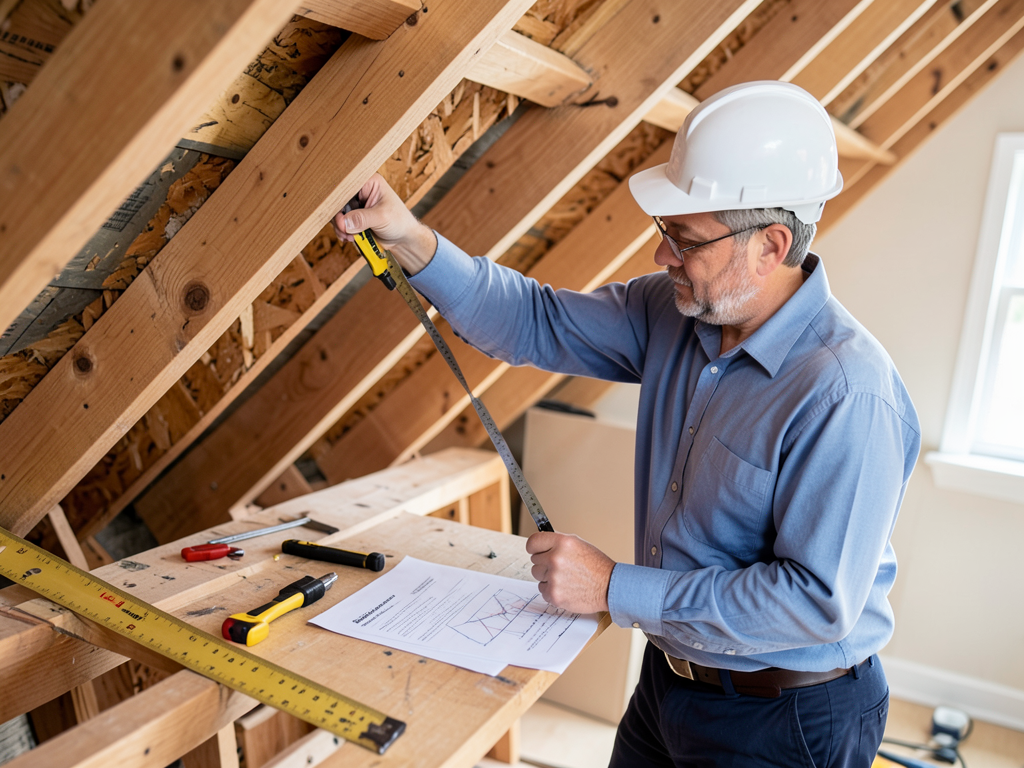
Start with the decking, typically half-inch plywood or oriented strand board sheathing nailed to your roof trusses or rafters. This provides the structural base. Over the decking goes an underlayment layer, either traditional felt paper or synthetic moisture barriers. Modern synthetic underlayment performs better in Atlanta's humidity because it resists mold growth and stays intact longer during construction delays.

The visible layer consists of your roofing material. Asphalt shingles dominate Atlanta's residential market, but you will also see metal roofing in newer construction and some historic neighborhoods still have original slate or clay tile. Each material has different lifespans, maintenance needs, and performance characteristics in humid subtropical climates.

Flashing creates weatherproof seals around roof penetrations. Step flashing protects where the roof meets vertical walls. Counter flashing covers chimney bases. Valley flashing channels water where two roof planes meet. Pipe boots seal plumbing vents. These metal components fail before shingles in many cases, yet homeowners rarely inspect them.

Ventilation determines how long your roof lasts. Atlanta's heat and humidity create extreme attic temperatures without proper airflow. Ridge vents, soffit vents, and gable vents work together to exhaust hot air and bring in cooler air. Inadequate ventilation causes premature shingle aging, ice damming, and decking rot.

Gutters and downspouts remove thousands of gallons of water from your roof annually. Atlanta averages 50 inches of rain per year. Without functioning drainage, water backs up under shingles, saturates fascia boards, and undermines your foundation.

Understanding these components helps you spot problems early and communicate effectively with roofing contractors.

How to Maintain and Protect Your Atlanta Roof

Homeowner's Guide to Roofing in Atlanta – Your Complete Resource for Roof Care and Decision-Making
01

Spring and Fall Inspections

Schedule visual roof inspections twice yearly, preferably after spring storm season and before winter. Walk your property perimeter with binoculars to check for missing shingles, lifted edges, damaged flashing, and debris accumulation. Inspect attic spaces for water stains, daylight penetration through decking, and proper insulation coverage. Document everything with dated photos to track changes over time and support insurance claims if needed.
02

Preventive Maintenance Tasks

Clean gutters and downspouts quarterly to prevent water backup. Trim tree branches within six feet of your roof to reduce debris and prevent wind damage during storms. Remove moss and algae growth with zinc or copper treatment strips installed along ridge lines. Check and reseal pipe boots and flashing seams every three years. Replace missing or damaged shingles immediately to prevent water infiltration into underlayment and decking layers.
03

Professional Assessment and Planning

Get a professional roof inspection every five years, even if you see no obvious problems. Contractors identify issues you miss from ground level, including granule loss, sealant failure, and hidden structural damage. Use these assessments to plan financially for eventual replacement. Budget accordingly based on your roof's age, material type, and condition trends. This proactive approach prevents emergency replacements and gives you negotiating leverage with multiple contractor bids.

Why Local Expertise Matters for Atlanta Roofing Decisions

National roofing chains follow corporate protocols that do not account for regional differences. Their estimators use standardized pricing models and material specifications designed for average American climates.

Atlanta is not average.

Local roofing contractors understand that certain shingle brands perform poorly in high humidity. They know which underlayment products resist mold growth in hot attic environments. They recognize that ventilation requirements for Atlanta homes differ from drier or cooler regions.

First Choice Roofing Atlanta works exclusively in the metro area. We see how specific neighborhoods age differently based on tree cover, sun exposure, and elevation. Homes in Brookhaven face different challenges than homes in East Atlanta or Sandy Springs. We adjust our recommendations accordingly.

Atlanta uses the International Residential Code with local amendments. These amendments affect ventilation ratios, flashing requirements, and wind load calculations. County inspectors enforce these codes during permit reviews. Using a contractor familiar with local building officials streamlines the permitting process and prevents failed inspections.

Insurance claims in Georgia follow specific procedures. We work directly with adjusters from State Farm, Allstate, Farmers, and other carriers operating in this market. We know what documentation they require, how they calculate depreciation, and when to push back on insufficient settlements. This experience helps you recover full claim value.

Atlanta's architectural styles also matter. Historic bungalows in Grant Park need different approaches than ranch homes in Dunwoody or modern builds in West Midtown. We match materials and installation techniques to your home's design and the neighborhood character.

Experience in this specific market protects your investment better than generic roofing knowledge.

What to Expect When Working with Roofing Professionals

Inspection and Assessment Timeline

Schedule your initial roof inspection within 48 hours of contact. The assessment takes 45 to 90 minutes depending on roof size and complexity. Contractors examine shingles, flashing, ventilation, gutters, and attic spaces. You receive a written report with photos documenting current conditions, identified problems, and recommended repairs or replacement. For insurance claims, this documentation supports your adjuster meeting. Plan for a follow-up consultation to review findings and discuss options before making decisions.

Understanding Your Estimate and Options

Your estimate should itemize materials, labor, permits, and disposal costs separately. Ask about shingle quality grades, underlayment types, and ventilation improvements. Compare quotes on equal specifications, not just bottom-line numbers. Cheaper bids often use inferior materials or skip proper ventilation upgrades. Request manufacturer spec sheets for proposed materials. Verify that estimates include ice and water shield in valleys, new pipe boots, and drip edge installation. Understand warranty coverage differences between workmanship guarantees and material defect protection.

Installation Process and Quality Control

Complete roof replacements on average Atlanta homes take two to four days depending on weather and complexity. Crews arrive early, typically between 7 and 8 AM. Expect noise during tear-off and nail gun operation. Tarps protect landscaping and catch debris. Magnetic rollers collect loose nails from your yard daily. Quality contractors inspect each completed section before moving forward. Building inspectors verify code compliance on permitted work. Final walkthroughs confirm complete cleanup and your satisfaction before final payment.

Maintenance and Long-Term Performance

New roof installations include workmanship warranties covering installation defects. Length varies by contractor, typically ranging from one year to ten years. Material warranties come directly from manufacturers and cover defects in shingles or other products. These warranties require proper installation and regular maintenance. Schedule follow-up inspections annually for the first three years to catch any settling issues. Address minor repairs immediately to prevent warranty violations. Keep all documentation, including permits, inspection reports, and material receipts for future insurance claims or home sales.

Frequently Asked Questions

You Have Questions,
We Have Answers

How Atlanta's Humidity and Storm Patterns Affect Your Roof Lifespan

Atlanta sits in USDA Hardiness Zone 8a with average annual humidity above 70 percent. This moisture-rich environment accelerates algae and moss growth on north-facing roof slopes and shaded areas. The black streaks you see on neighborhood roofs are Gloeocapsa magma, a cyanobacteria that feeds on limestone filler in asphalt shingles. Beyond aesthetics, this growth holds moisture against shingles and reduces their reflective properties, increasing attic temperatures. Atlanta also experiences severe thunderstorm activity from March through September, with hail events damaging thousands of roofs annually. These combined factors reduce the effective lifespan of standard architectural shingles from the advertised 30 years to 18 or 22 years in real-world conditions. Understanding these local environmental stressors helps you choose appropriate materials and maintenance schedules.

First Choice Roofing Atlanta has worked in Fulton, DeKalb, Cobb, and Gwinnett counties for years. We maintain relationships with local building inspectors and understand each jurisdiction's permitting requirements. When storm damage affects multiple neighborhoods simultaneously, we prioritize emergency repairs while maintaining quality standards. Our material suppliers stock products proven to perform in Atlanta's climate, not generic national inventory. We recommend algae-resistant shingles with copper granules for long-term performance. We size ventilation systems for Georgia's heat and humidity, not national averages. This local knowledge protects your investment and ensures your roof performs as expected throughout its full lifespan.
Roofing Services in The Atlanta Area

Whether you are in need of a new roof, a quick repair, or a detailed inspection, our team is ready to serve you. We are proud to be a trusted part of the Atlanta community, and you can find our business location on the map below. Feel free to visit us or contact us today to discuss your next project. We look forward to working with you and protecting your property.

Address:
First Choice Roofing Atlanta, 3630 Peachtree Rd NE, Atlanta, GA, 30326

Additional Services We Offer

Our news updates

Latest Articles & News from The Blogs

Are GAF Timberline Solar Shingles Finally Worth it for Atlanta Homeowners? Atlanta homeowners are discovering that GAF Timberline Solar Shingles…

Are GAF Timberline Solar Shingles Finally Worth it for Atlanta Homeowners?

Are GAF Timberline Solar Shingles Finally Worth it for Atlanta Homeowners? Atlanta homeowners are discovering that GAF Timberline Solar Shingles…

Why Vaulted Ceilings Often Lead to Roof Rot in Modern Duluth Homes

Why Vaulted Ceilings Often Lead to Roof Rot in Modern Duluth Homes Vaulted ceilings create stunning architectural appeal but often…

The Real Cost and Complexity of Adding a Rooftop Deck to Your Reynoldstown Townhome

The Real Cost and Complexity of Adding a Rooftop Deck to Your Reynoldstown Townhome Adding a rooftop deck to your…

Contact Us

Stop guessing about your roof's condition. Call First Choice Roofing Atlanta at (770) 610-9366 for a detailed inspection and honest assessment. We provide clear answers, document everything with photos, and explain your options without pressure. Your roof protects everything inside your home. Make informed decisions with expert guidance.