




menu

PVC Roof Installation in Atlanta – Minimize Downtime with Industrial-Grade Solutions

First Choice Roofing Atlanta delivers commercial PVC roofing installation designed to protect your operations, reduce energy costs, and meet Atlanta's demanding commercial building codes with minimal business disruption.

Slider Image 1
Slider Image 2
Slider Image 3
Slider Image 4
Slider Image 5
Slider Image 7
Slider Image 8
Slider Image 9
Slider Image 10
Slider Image 11

Atlanta's Climate Demands Superior Commercial Roofing Performance

Atlanta's combination of intense summer heat, sudden afternoon thunderstorms, and occasional ice events creates a hostile environment for traditional commercial roofing materials. Your warehouse, distribution center, or office building endures thermal cycling that degrades conventional membranes in five to seven years. The resulting leaks compromise inventory, damage equipment, and force costly operational shutdowns.

Commercial PVC roofing installation addresses these challenges directly. Polyvinyl chloride membranes resist UV degradation, handle ponding water without deterioration, and maintain flexibility through temperature swings that would crack modified bitumen or EPDM systems. When your roof sits exposed to Georgia's 95-degree summer days and sudden 40-degree drops during winter cold snaps, material choice determines whether you face emergency repairs or uninterrupted operations.

Metro Atlanta's commercial corridors along I-285 and the I-85/I-75 interchange house hundreds of flat-roofed facilities. These buildings face the same climate stressors but vary widely in maintenance outcomes. The difference lies in membrane selection and installation quality. A properly installed PVC membrane installation creates a heat-welded monolithic barrier that outperforms mechanically fastened or adhesive systems in wind uplift resistance and watertight integrity.

Your facility cannot afford roof failures during peak operational periods. PVC roofing system installation provides the performance margin your business requires without the maintenance burden of alternative materials.

Atlanta's Climate Demands Superior Commercial Roofing Performance
How We Execute Commercial PVC Membrane Installation

How We Execute Commercial PVC Membrane Installation

First Choice Roofing Atlanta approaches every PVC flat roof installation with the understanding that your building remains operational during construction. We schedule work to avoid your peak hours, coordinate with your facility managers, and contain work zones to prevent dust or debris from entering your space.

The process begins with substrate analysis. We core sample your existing roof assembly to determine insulation condition, identify moisture infiltration, and assess deck structural integrity. This data drives our specification for tear-off versus overlay application. When the existing assembly shows saturation or degradation, full removal prevents future thermal bridging and premature membrane failure.

For new PVC membrane installation, we install polyisocyanurate insulation boards in multiple layers with staggered joints. This eliminates thermal short-circuits and increases your R-value to meet or exceed Georgia's commercial energy code requirements. The insulation securement method varies based on your building type. We use mechanical fasteners for metal decks and adhesives for concrete or gypsum substrates.

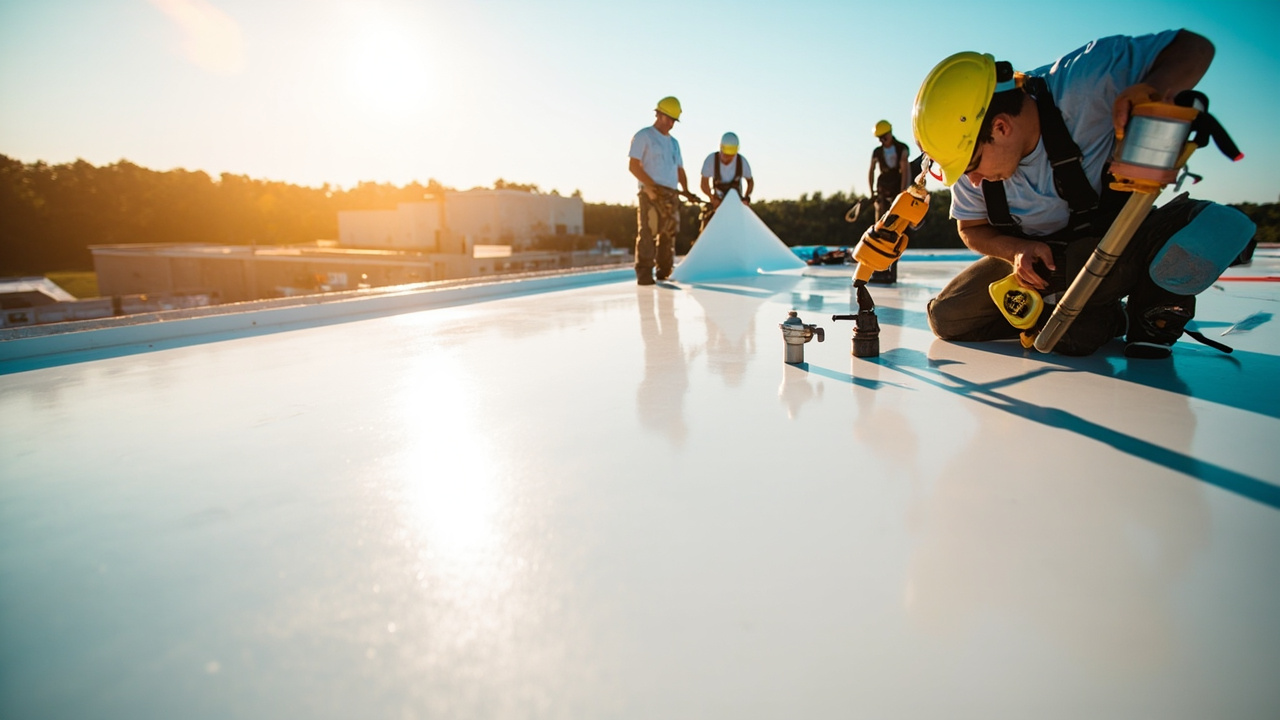
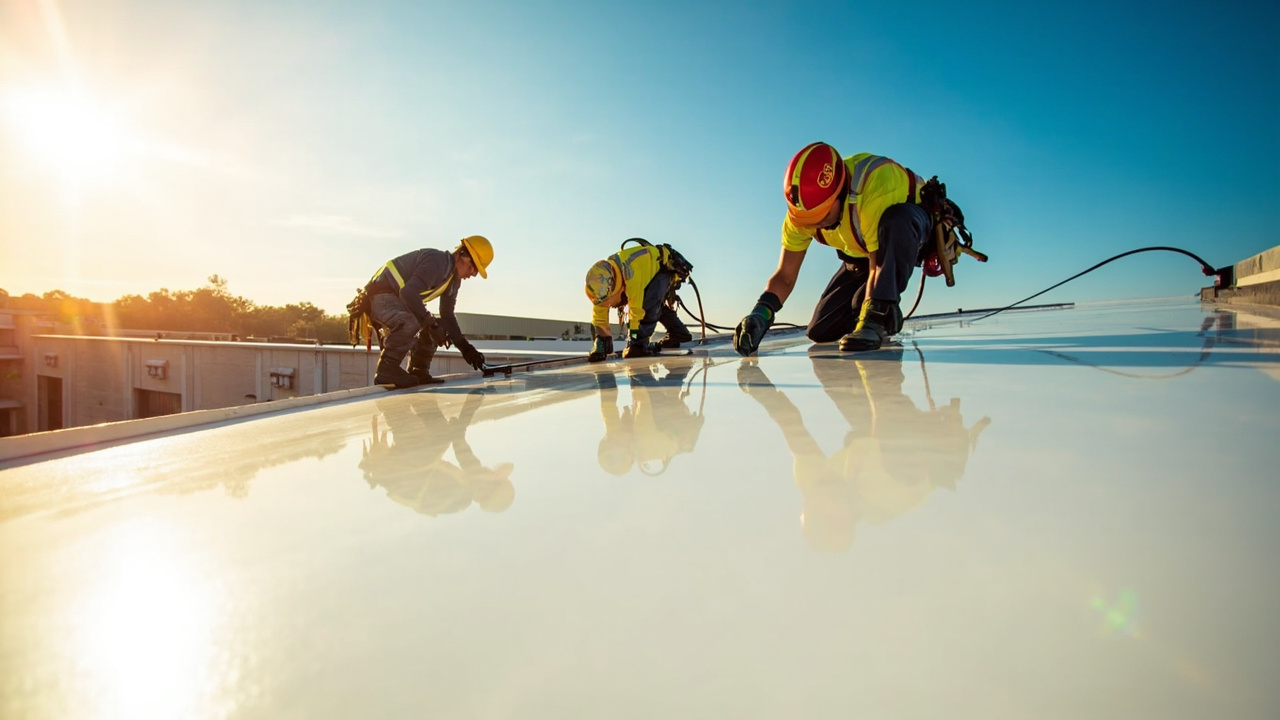
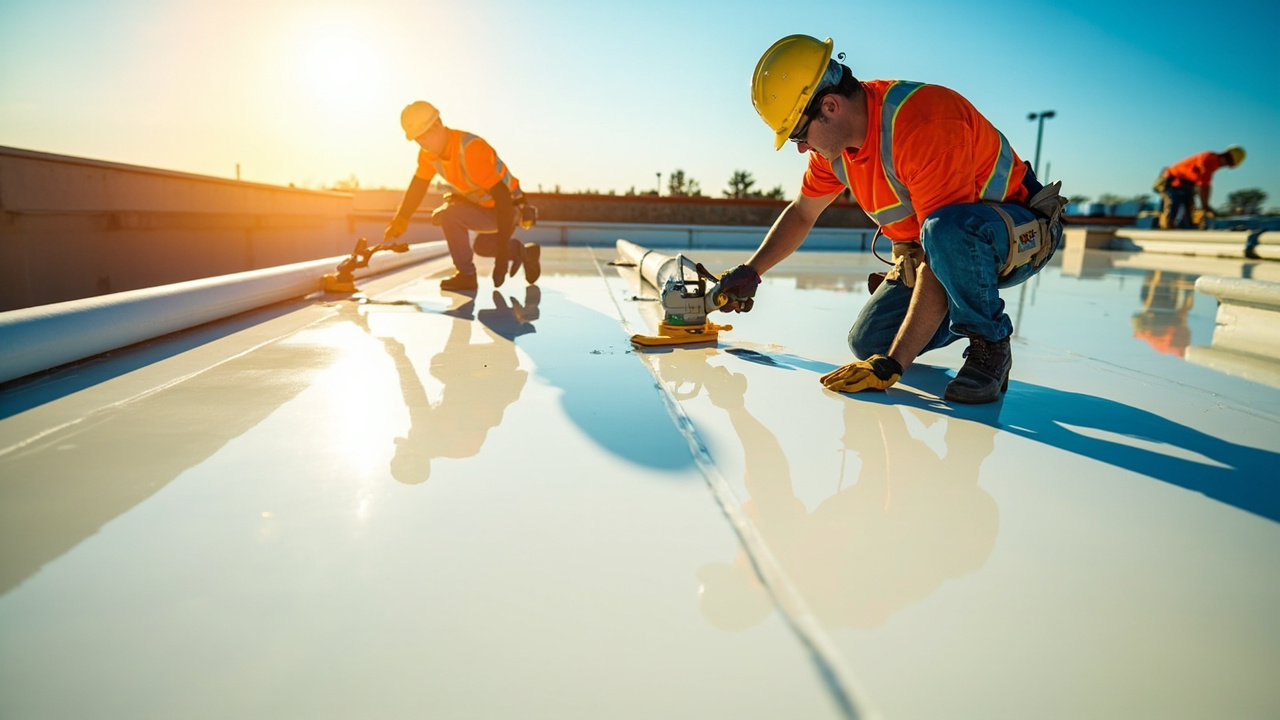
The PVC membrane itself arrives in 10 or 12-foot-wide rolls. Our crews roll out sheets, align seams, and use hot-air welding equipment to create factory-strength bonds between panels. Every seam receives a probe test to verify weld integrity. We do not rely on visual inspection. Failed welds get cut out and re-welded immediately.

Penetration details receive the most attention. We fabricate custom flashing boots for HVAC curbs, vent pipes, and equipment supports. These components get welded into the field membrane to eliminate mechanical fasteners that create leak paths. Your roof becomes a continuous barrier without vulnerable attachment points.

Our Commercial PVC Roofing Installation Workflow

PVC Roof Installation in Atlanta – Minimize Downtime with Industrial-Grade Solutions
01

Pre-Construction Site Assessment

We conduct a detailed roof survey that includes infrared scanning to map moisture trapped in your existing assembly, structural load calculations to verify deck capacity for new materials, and coordination meetings with your operations team to establish work schedules that protect your business continuity. You receive a comprehensive specification document before any material orders are placed.
02

Controlled Installation Execution

Our crews section your roof into manageable work zones, completing each area before moving to the next. We maintain temporary weather protection over exposed sections and never leave your building vulnerable overnight. All membrane seams receive heat welding with dual-track equipment that produces consistent 1.5-inch-wide bonds. We test every linear foot of welded seam with calibrated probes to verify air-tight integrity.
03

Quality Documentation and Handover

You receive complete installation documentation including seam test results, insulation R-value certifications, fastener pull-test data, and as-built drawings showing all penetration locations. We provide your facilities team with maintenance protocols specific to PVC roofing systems and schedule your first annual inspection. Your warranty activation happens only after final inspection confirms every specification requirement has been met.

Why Atlanta Businesses Choose First Choice Roofing Atlanta for PVC Installation

Commercial PVC roofing installation requires specialized equipment and trained crews. Many contractors claim flat-roofing capabilities but lack the hot-air welding certification and quality control systems necessary for leak-free installations. First Choice Roofing Atlanta maintains factory-trained technicians who understand membrane chemistry, thermal expansion coefficients, and wind uplift engineering specific to Atlanta's exposure categories.

We know Atlanta's commercial building landscape. Facilities in Midtown face different wind load requirements than warehouses near Hartsfield-Jackson Airport due to height and exposure variations. Our designs account for these local code nuances and incorporate safety factors that prevent future problems.

Your project timeline matters. We maintain adequate crew capacity to complete installations without delays that extend your vulnerability period. When we commit to a completion date, we staff accordingly and maintain material inventory to prevent supply chain interruptions. You do not get pushed back because another job ran long.

Our relationship with local building inspectors streamlines your permitting process. We submit complete application packages that include structural calculations, energy compliance documentation, and installation specifications formatted to meet City of Atlanta and respective county requirements. This preparation prevents the revision cycles that delay other contractors.

The polyvinyl chloride membrane we install comes from manufacturers with proven performance in the Southeast. We do not experiment with new products on your building. You get materials with 20-plus years of field history in climates identical to Atlanta's humidity and temperature ranges.

When problems occur on any commercial roof, response time determines damage extent. We provide direct contact numbers for your facilities manager and guarantee callback within two hours for any leak or performance concern.

What Your Commercial PVC Roof Installation Includes

Project Timeline and Scheduling Flexibility

Most commercial PVC roofing installations complete in two to four weeks depending on square footage and complexity. We provide a detailed schedule before work begins and update you daily on progress. Our crews work weekends or overnight shifts when necessary to avoid disrupting your operations. Material deliveries get staged to prevent blocking your loading docks or customer parking. You maintain full building access throughout construction, and we coordinate equipment placement to keep emergency exits clear per fire marshal requirements.

Comprehensive Roof Analysis and Specification Development

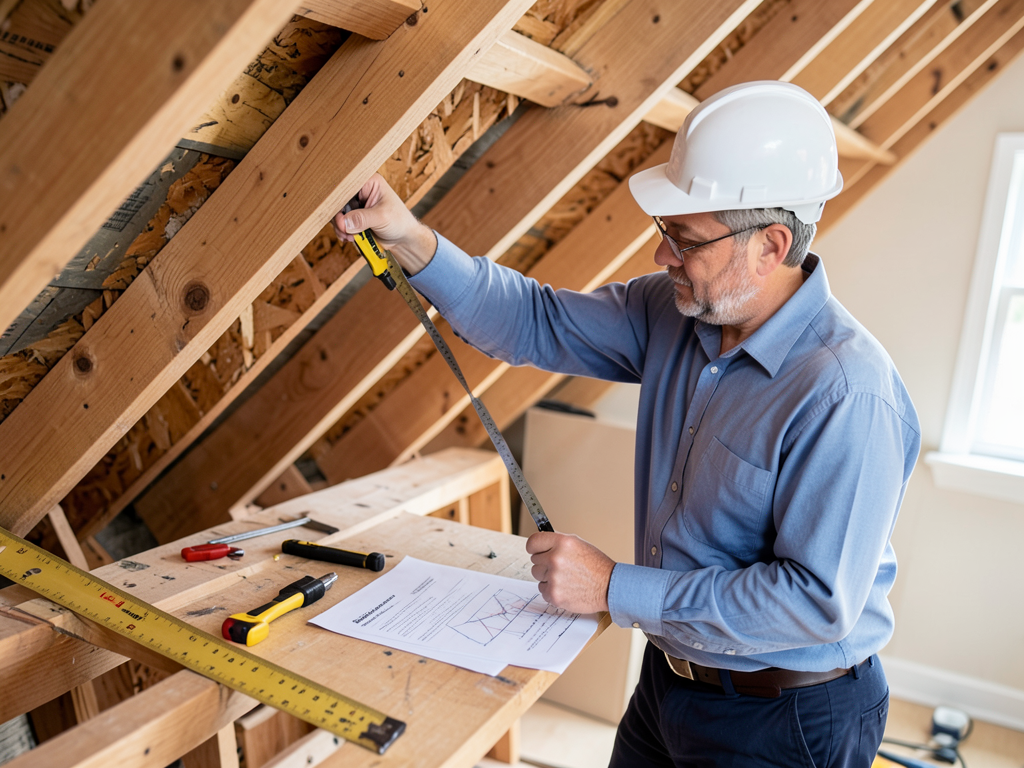
Your installation begins with a complete roof assessment that includes core samples to check insulation condition, infrared thermography to map moisture intrusion, and structural analysis to verify deck capacity for new materials. We test existing drainage to confirm positive flow and identify areas requiring tapered insulation. You receive a written specification that details membrane thickness, insulation R-value, attachment method, and wind uplift rating. This document becomes your quality control benchmark and ensures you get exactly what you are paying for.

Tested, Verified Watertight Performance

Every welded seam on your PVC membrane installation receives probe testing to verify air-tight integrity. We use calibrated equipment that detects gaps as small as 0.125 inches. Failed welds get cut out and re-welded immediately, then retested. All penetration flashings receive the same scrutiny. Your final inspection includes a complete roof walk-through where we demonstrate seam quality and explain the drainage flow patterns. You see the quality control documentation before we leave the site, and any concerns get addressed before final payment.

Maintenance Planning and System Protection

PVC roofing systems require minimal maintenance but benefit from annual inspections. We provide your facilities team with a maintenance protocol that includes drain cleaning schedules, seam inspection procedures, and guidelines for equipment installations that protect membrane integrity. You receive priority scheduling for annual roof inspections where we check seam condition, clear drains, and document any repairs needed before small issues become leaks. We maintain detailed service records for your building and provide advance notice when components like pipe boots or expansion joints approach their service life.

Frequently Asked Questions

You Have Questions,
We Have Answers

How is a PVC roof installed? +

A PVC roof installation starts with substrate inspection and preparation. Crews clean the existing deck, apply insulation boards if needed, then roll out single-ply PVC membrane. Seams are heat-welded using hot air guns, creating watertight bonds stronger than the membrane itself. Edges are mechanically fastened or fully adhered depending on wind uplift requirements. Flashing details around penetrations, drains, and parapet walls are custom-fabricated and welded in place. In Atlanta, proper slope verification matters due to heavy summer thunderstorms. Final inspections include probe testing of all seams to ensure membrane integrity and compliance with Georgia commercial building codes.

What are the disadvantages of PVC roofing? +

PVC roofing costs more upfront than TPO or modified bitumen systems. The membrane can become brittle in extreme cold, though this rarely affects Atlanta's mild winters. Installation requires skilled labor since improper heat welding creates leak points. PVC also expands and contracts more than EPDM, demanding precise detailing around penetrations. Lighter colors may show dirt accumulation in high-pollution areas near I-75 and I-85 corridors. Chemical exposure from industrial facilities can degrade certain formulations. Despite these factors, most commercial building owners find the energy efficiency and longevity offset initial costs, particularly for low-slope applications common throughout metro Atlanta.

How much does it cost to install a PVC roof? +

Commercial PVC roof installation pricing depends on building size, membrane thickness, insulation requirements, and roof complexity. Costs vary based on the number of penetrations, parapet height, and existing conditions. Projects in Atlanta's commercial districts may include premium charges for restricted access or material hoisting. Insulation upgrades to meet Georgia energy codes add expense but improve ROI through lower HVAC costs. Removal of existing roofing systems increases total investment. Warranty selection, edge metal fabrication, and drainage modifications also affect final numbers. Request detailed proposals from licensed contractors familiar with Atlanta building requirements for accurate project-specific estimates.

How long will a PVC roof last? +

PVC roofing systems typically last 20 to 30 years on commercial buildings when properly installed and maintained. Atlanta's climate favors PVC longevity since moderate winters prevent cold-temperature embrittlement. High UV exposure during Georgia summers accelerates some degradation, but quality membranes include UV stabilizers. Seam integrity remains the critical factor. Heat-welded seams outlast adhesive bonds. Regular inspections after severe weather events extend service life. Ponding water from clogged drains shortens lifespan regardless of membrane type. Buildings with proactive maintenance programs and proper drainage consistently achieve the upper end of expected performance. Thickness selection and manufacturer reputation directly impact durability.

How much should a 2000 sq ft roof cost? +

A 2000 square foot commercial roof replacement cost depends on system type, substrate condition, and project specifications. PVC installation on that footprint requires material procurement, labor, insulation, fasteners, and edge details. Atlanta projects may need temporary protection for occupied buildings or coordination with property management. Costs increase if existing layers require removal or if structural repairs are necessary. Flat or low-slope designs common in metro Atlanta warehouses and retail buildings affect pricing differently than pitched applications. Code-required insulation R-values, warranty terms, and manufacturer certifications all influence total investment. Obtain multiple bids from commercial roofing contractors experienced with Atlanta building department requirements.

Do you need to rough up PVC before gluing? +

Yes, you must abrade PVC surfaces before applying solvent cement or adhesive. Manufacturers require mechanical abrading with sandpaper, emery cloth, or specialized prep pads to remove the glossy oxidized layer and manufacturing residue. This creates microscopic surface texture for proper chemical bonding. In roofing applications, most seams use heat welding rather than adhesives, eliminating this step for field seams. However, detail work around unusual penetrations or repairs may require primer and adhesive, making surface preparation mandatory. Atlanta humidity can affect cure times for solvent cements. Always follow manufacturer specifications for surface prep, cleaner application, and cure time before subjecting joints to stress or moisture.

What is the life expectancy of a PVC ceiling? +

PVC ceiling panels in commercial interiors typically last 15 to 25 years depending on environmental conditions and UV exposure. Indoor applications protected from direct sunlight and extreme temperature swings achieve longer service life. Moisture-rich environments like commercial kitchens or indoor pool facilities in Atlanta may see faster degradation without proper ventilation. PVC roofing membranes differ from interior ceiling products in formulation, thickness, and UV stabilization. Roofing-grade PVC includes plasticizers and reinforcement for weathering resistance. Ceiling panels prioritize aesthetics and fire rating. Comparing the two systems directly misleads since design intent and performance requirements differ substantially. Specify products appropriate for their intended application and exposure conditions.

What is better, PVC or polycarbonate roof? +

PVC outperforms polycarbonate for commercial roofing applications. PVC membranes offer superior waterproofing, heat-welded seams, and proven 20-plus-year track records on low-slope buildings. Polycarbonate panels suit skylights, canopies, or translucent applications where light transmission matters. For watertight roofing across Atlanta warehouses, retail centers, or office buildings, single-ply PVC provides better long-term performance. Polycarbonate expands significantly with temperature swings and requires gasketed fastening systems prone to leakage over time. PVC membranes handle ponding water better and meet commercial warranty requirements. Choose polycarbonate for daylighting features, PVC for primary weather protection. Most commercial projects in metro Atlanta specify PVC for reliability and code compliance.

Does PVC get brittle with age? +

PVC can become brittle with age, particularly in cold climates with freeze-thaw cycles. Plasticizers migrate out of the polymer over time, reducing flexibility. Atlanta's mild winters minimize this concern compared to northern regions. UV exposure accelerates plasticizer loss, making proper formulation critical. Quality roofing-grade PVC includes stabilizers to slow degradation. Thickness also matters. Thicker membranes retain flexibility longer than thin-gauge products. Most commercial PVC roofs in Georgia maintain adequate flexibility for 20-plus years when installed correctly. Regular inspections identify early signs of embrittlement around fasteners or high-stress areas. Manufacturers design modern PVC formulations specifically to resist age-related brittleness in typical service environments.

Which is better EPDM or PVC roofing? +

PVC offers advantages over EPDM for most commercial applications in Atlanta. PVC provides heat-welded seams that outperform EPDM's tape or adhesive joints. White PVC reflects heat better than black EPDM, reducing cooling costs in Georgia summers. PVC resists ponding water and chemical exposure better than EPDM. However, EPDM costs less initially and tolerates cold better, though Atlanta rarely sees extreme cold. EPDM remains flexible across wider temperature ranges. For commercial buildings prioritizing energy efficiency and long-term seam integrity, PVC performs better. For budget-conscious projects or buildings with minimal HVAC interaction, EPDM works adequately. Evaluate building use, budget, and performance priorities when selecting membrane type.

Why Atlanta's Summer Heat Makes PVC Membrane Selection Critical

Atlanta regularly experiences surface temperatures exceeding 160 degrees on dark commercial roofs during July and August. This sustained heat exposure degrades petroleum-based roofing materials through accelerated oxidation and plasticizer migration. PVC membrane installation resists this thermal stress because polyvinyl chloride remains chemically stable at elevated temperatures and reflects solar radiation rather than absorbing it. Your cooling costs drop 15 to 25 percent compared to darker EPDM or modified bitumen systems while the membrane maintains flexibility and tensile strength through temperature cycling that would embrittle alternative materials.

Commercial building owners throughout the metro Atlanta area face increasing pressure to improve energy performance and reduce operational costs. First Choice Roofing Atlanta works directly with facility managers who understand that roof replacement represents a long-term investment in building performance, not just a reactive repair. We provide energy modeling data that quantifies your return on investment and help you navigate utility rebate programs available for reflective roofing installations. Our familiarity with Atlanta's commercial building stock means we understand your constraints and design solutions that work within your budget and operational requirements.
Roofing Services in The Atlanta Area

Whether you are in need of a new roof, a quick repair, or a detailed inspection, our team is ready to serve you. We are proud to be a trusted part of the Atlanta community, and you can find our business location on the map below. Feel free to visit us or contact us today to discuss your next project. We look forward to working with you and protecting your property.

Address:
First Choice Roofing Atlanta, 3630 Peachtree Rd NE, Atlanta, GA, 30326

Additional Services We Offer

Our news updates

Latest Articles & News from The Blogs

How Pine Needles Can Secretly Destroy Your Sandy Springs Roof (And Why Blowers Aren’t Enough) Pine needles accumulate on Atlanta…

How Pine Needles Can Secretly Destroy Your Sandy Springs Roof (And Why Blowers Aren't Enough)

How Pine Needles Can Secretly Destroy Your Sandy Springs Roof (And Why Blowers Aren’t Enough) Pine needles accumulate on Atlanta…

What to Do When a Hidden Roof Leak Starts Growing Mold Inside Your Virginia-Highland Walls

What to Do When a Hidden Roof Leak Starts Growing Mold Inside Your Virginia-Highland Walls When you discover mold growing…

Is it Ever Safe to Walk on Your Own Roof in Roswell?

Is it Ever Safe to Walk on Your Own Roof in Roswell? \n\n Walking on your roof in Roswell is…

Contact Us

Your commercial facility deserves a roofing system that performs without interruption. First Choice Roofing Atlanta provides the expertise and quality control necessary for leak-free PVC membrane installation. Call (770) 610-9366 to schedule your roof assessment and receive a detailed project specification.