
Hip Roof vs Gable Roof — Which Shape Protects Your Marietta Home Better Against High Winds?
When a severe thunderstorm rolls through Marietta the shape of your roof can mean the difference between minor wear and major structural damage. Hip roofs with their four sloping sides allow wind to flow over the surface while gable roofs with their flat end walls act like sails catching powerful gusts. For Georgia homeowners living in areas where 115 mph wind zones are common choosing the right design is not just about curb appeal it is about storm survival.. Read more about Choosing the Right Roofing for Your New Backyard ADU or Guest House in Kirkwood.
Georgia building codes now require specific wind load calculations for new construction in Cobb County and surrounding areas. A properly engineered hip roof meets these standards with less bracing and fewer uplift points than a gable configuration. This article breaks down the physics of wind resistance the cost implications and what Marietta homeowners need to know before their next roof project.
The Physics of Wind Resistance: Hip vs Gable
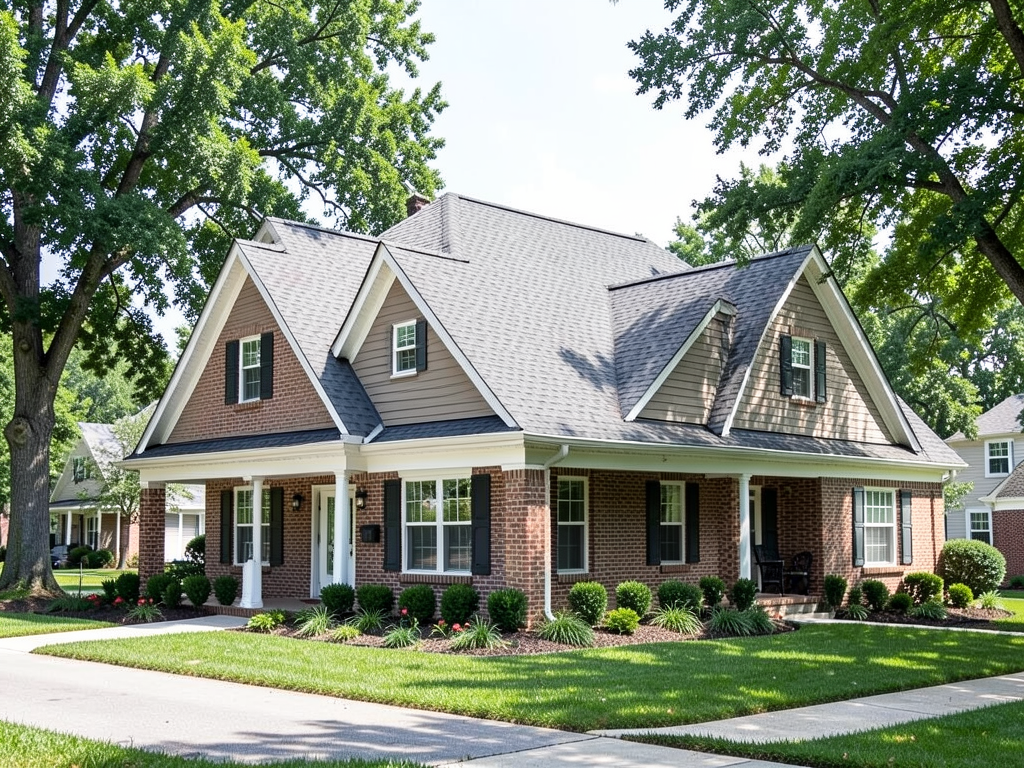
Wind creates two primary forces on a roof: uplift pressure and lateral load. On a hip roof the sloped surfaces distribute these forces evenly across all four sides reducing stress concentrations. The geometry naturally channels wind over the peak instead of against a vertical surface. This is why you rarely see hip roofs fail in high-wind events unless the underlying structure is compromised.
Gable roofs tell a different story. The flat triangular end wall perpendicular to the wind direction creates a pressure differential. Wind hitting the face builds positive pressure while the leeward side experiences suction. This combination can generate uplift forces strong enough to peel back shingles or in extreme cases pull the entire roof assembly off the building. The overhang length on a gable end also matters. Anything beyond 24 inches without proper bracing becomes a lever arm for wind to pry the roof up.
Why the Atlanta Climate Demands Durable Roofing
Marietta sits in a transitional climate zone where Gulf moisture meets continental air masses. This creates a perfect recipe for intense thunderstorms especially during spring and early fall. The National Weather Service records dozens of severe wind events each year in Cobb County with gusts often exceeding 60 mph. These are not isolated hurricanes they are frequent microbursts and straight-line winds that can develop in minutes.
Georgia’s amended International Residential Code now mandates higher design wind speeds for many Atlanta suburbs. In some neighborhoods the requirement jumps to 130 mph for ultimate wind speed design. That means a roof built to 2015 standards may not meet current safety thresholds. Homeowners who skip the permit process or use out-of-state contractors risk building a system that cannot handle local loads.
Gable Roof Vulnerabilities: Overhangs and Bracing
The biggest weakness in a gable roof is the end wall. Without proper lateral bracing the wall can rack inward under wind pressure collapsing the roof truss system. Georgia code requires continuous bracing for gable ends in wind zones above 110 mph. This means installing 2×4 or metal T-braces from the top plate to the bottom chord of the truss. Skipping this step is not just a code violation it is an invitation for catastrophic failure.
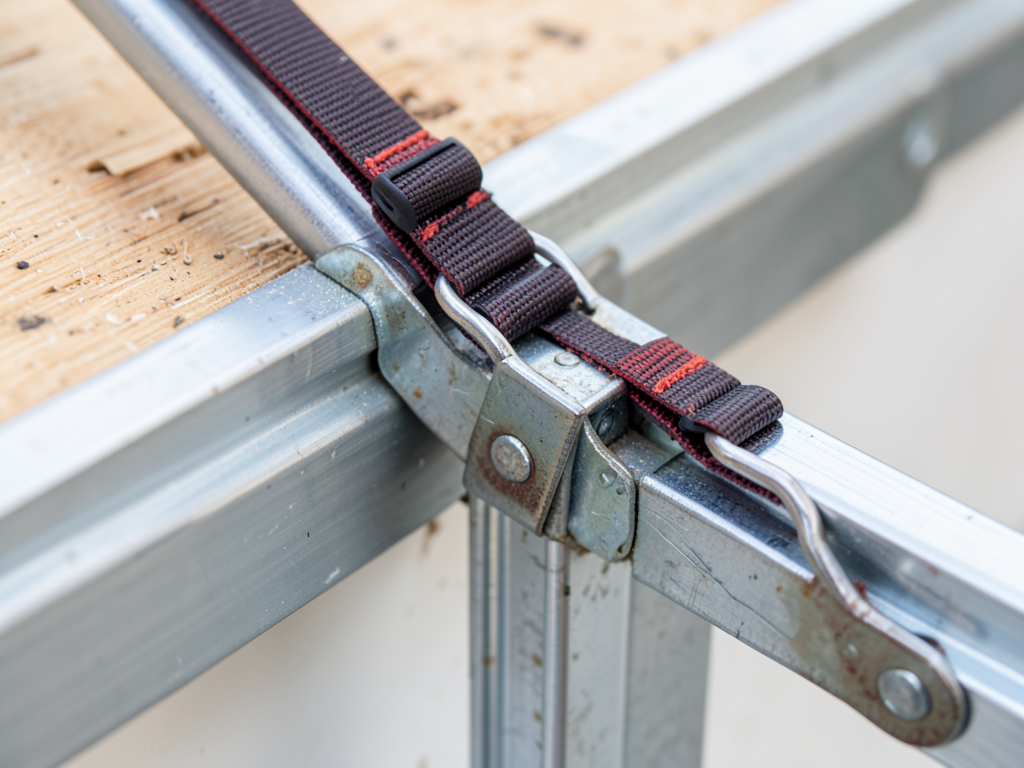
Overhangs compound the problem. A 30-inch eave without a structural outlooker creates a cantilever that amplifies uplift. During a wind event the overhang acts like a wing pulling upward on the fascia and loosening fasteners. Many gable roofs in older Marietta neighborhoods were built before these standards existed. Retrofitting them with hurricane straps and gable bracing can reduce insurance premiums by 15 to 25 percent in some Georgia counties.
The Cost-Benefit Analysis
Hip roofs typically cost 5 to 10 percent more to build than gable roofs due to the increased framing and roofing materials. However the long-term savings can offset the initial premium. Many Georgia insurance carriers offer wind mitigation credits for hip roof construction. In Cobb County those credits can range from 15 to 35 percent off the wind portion of your premium depending on the roof age and construction method. Roofing Dunwoody.
Beyond insurance the durability factor matters. Hip roofs shed water more efficiently reducing the risk of leaks during Georgia’s heavy downpours. The sloped geometry also minimizes debris accumulation which can trap moisture and accelerate shingle aging. Over a 20 to 30 year lifespan the reduced maintenance and repair costs can easily recover the higher upfront investment.
Retrofitting Your Current Roof for Wind Protection
Not every homeowner is ready for a full roof replacement. If you have a gable roof there are still steps you can take to improve wind resistance. The first is adding hurricane straps at each truss-to-wall connection. These metal connectors resist uplift forces and are required by code in new construction. Installing them in an existing home involves removing sections of soffit and siding to access the framing but the improvement is significant.
Second consider gable end bracing. A licensed contractor can install the required lateral braces without replacing the entire roof. This upgrade alone can raise your home’s wind rating by one or two categories on a standard wind mitigation inspection. Third check your shingle installation. Class 4 impact-rated shingles combined with a six-nail fastening pattern provide better uplift resistance than standard three-tab products.
Building Code Requirements in Marietta
The Georgia State Minimum Standard Residential Code adopts the International Residential Code with state-specific amendments. For Cobb County that means compliance with Chapter 3 Roof-Ceiling Construction and Chapter 6 Wall Construction. The code now references ASCE 7-16 for wind load calculations which accounts for height exposure and topography. Homes in open terrain near the Chattahoochee River may face higher design pressures than those in wooded neighborhoods.
Drip edge requirements have also tightened. Recent amendments mandate a minimum 2-inch metal drip edge on all eaves and gable rakes to prevent wind-driven rain from infiltrating under the underlayment. This detail which was once optional is now a hard requirement for passing inspection. Skipping it can result in a failed final and costly rework.
Insurance and Resale Value Considerations
Homebuyers in Marietta are increasingly aware of storm resilience. A recent survey by the Insurance Information Institute found that 68 percent of Georgia homeowners consider wind mitigation features when evaluating a property. Homes with hip roofs and documented wind upgrades often sell faster and at a premium compared to similar homes with gable roofs. The perceived safety and lower insurance costs make them more attractive to families and retirees alike.
Insurance carriers use a point system for wind mitigation inspections. Hip roof construction earns automatic points while gable roofs must demonstrate additional bracing to qualify. In some cases the premium difference between a braced gable and a hip roof can exceed 40 percent over the life of the policy. For a homeowner planning to stay in the home for a decade or more that differential can fund a significant portion of a new roof.
Frequently Asked Questions
Can I convert my gable roof to a hip roof?
Yes but it requires significant structural changes. The process involves reframing the end walls adding new rafters and extending the ridge beam. Most homeowners choose this option during a full replacement rather than as a standalone project due to the cost.
How do I know if my roof meets current wind codes?
Schedule a wind mitigation inspection with a licensed contractor or home inspector. They will evaluate your roof geometry fastening pattern and bracing to determine compliance with current Georgia codes.
Are hip roofs better for solar panel installation?
Hip roofs can accommodate solar but the sloped surfaces may reduce optimal panel placement. A south-facing gable end often provides a larger uninterrupted area for panels. The choice depends on your energy goals and roof orientation.
What is the lifespan difference between hip and gable roofs?
Both roof types have similar lifespans when built to code. The difference lies in vulnerability to storm damage. Hip roofs experience fewer wind-related failures which can extend the effective life of the roofing system in high-risk areas.
Does roof color affect wind resistance?
No. Wind resistance depends on geometry materials and fastening not color. However lighter colors can reduce heat absorption which may indirectly improve shingle longevity in Georgia’s hot summers.
- Schedule a Wind Mitigation Inspection
A certified inspector evaluates your roof geometry bracing and fastening to identify vulnerabilities.
- Upgrade Fasteners and Underlayment
Replace standard nails with ring-shank nails and install a high-temperature underlayment for better uplift resistance.
- Install Hurricane Straps
Add metal connectors at each truss-to-wall junction to resist uplift forces during high winds.
- Add Gable End Bracing
Install lateral braces on gable end walls to prevent racking and collapse under wind pressure.
- Choose Impact-Rated Materials
Select Class 4 shingles or metal panels rated for high wind and hail to improve durability.
Wind resistance is not just about passing a code inspection it is about protecting your family and your investment. Marietta homeowners face unique challenges from frequent thunderstorms to occasional tropical storm remnants. A well-designed roof engineered for local conditions can mean the difference between a quick cleanup and a costly rebuild. Protecting Your Historic Decatur Home with Specialty Roof Repairs.
Call (770) 610-9366 today to schedule your wind vulnerability inspection. Our team will evaluate your roof geometry bracing and materials to recommend the best upgrades for your home. Do not wait until the next storm proves your roof is not ready. For more information, visit FEMA P-431 Wind Resistance Technical Guide. For more information, visit IBHS Fortified Roof Standard.
{
“@context”: “https://schema.org”,
“@type”: “BlogPosting”,
“headline”: “Hip Roof vs Gable Roof — Which Shape Protects Your Marietta Home Better Against High Winds?”,
“description”: “Discover which roof shape offers superior wind resistance for Marietta homes. Compare hip vs gable roofs with Georgia building code insights and wind mitigation data.”,
“wordCount”: 1579,
“datePublished”: “2026-06-13T09:25:00.000Z”,
“dateModified”: “2026-06-13T09:25:00.000Z”,
“inLanguage”: “en-US”,
“mainEntityOfPage”: {
“@type”: “WebPage”,
“@id”: “https://firstchoiceroofingatlanta.com”
},
“publisher”: {
“@type”: “LocalBusiness”,
“name”: “First Choice Roofing Atlanta”,
“url”: “https://firstchoiceroofingatlanta.com”
},
“author”: {
“@type”: “Organization”,
“name”: “First Choice Roofing Atlanta”,
“url”: “https://firstchoiceroofingatlanta.com”
},
“image”: {
“@type”: “ImageObject”,
“url”: “https://firstchoiceroofingatlanta.com/wp-content/uploads/2026/03/hip-roof-vs-gable-roof-which-shape-protects-your-m-1.png”
}
}
{
“@context”: “https://schema.org”,
“@type”: “RoofingContractor”,
“name”: “First Choice Roofing Atlanta”,
“url”: “https://firstchoiceroofingatlanta.com”,
“address”: {
“@type”: “PostalAddress”,
“addressLocality”: “Atlanta”
},
“areaServed”: {
“@type”: “City”,
“name”: “Atlanta”
}
}
{
“@context”: “https://schema.org”,
“@type”: “FAQPage”,
“mainEntity”: [
{
“@type”: “Question”,
“name”: “Can I convert my gable roof to a hip roof?”,
“acceptedAnswer”: {
“@type”: “Answer”,
“text”: “Yes but it requires significant structural changes. The process involves reframing the end walls adding new rafters and extending the ridge beam. Most homeowners choose this option during a full replacement rather than as a standalone project due to the cost.”
}
},
{
“@type”: “Question”,
“name”: “How do I know if my roof meets current wind codes?”,
“acceptedAnswer”: {
“@type”: “Answer”,
“text”: “Schedule a wind mitigation inspection with a licensed contractor or home inspector. They will evaluate your roof geometry fastening pattern and bracing to determine compliance with current Georgia codes.”
}
},
{
“@type”: “Question”,
“name”: “Are hip roofs better for solar panel installation?”,
“acceptedAnswer”: {
“@type”: “Answer”,
“text”: “Hip roofs can accommodate solar but the sloped surfaces may reduce optimal panel placement. A south-facing gable end often provides a larger uninterrupted area for panels. The choice depends on your energy goals and roof orientation.”
}
},
{
“@type”: “Question”,
“name”: “What is the lifespan difference between hip and gable roofs?”,
“acceptedAnswer”: {
“@type”: “Answer”,
“text”: “Both roof types have similar lifespans when built to code. The difference lies in vulnerability to storm damage. Hip roofs experience fewer wind-related failures which can extend the effective life of the roofing system in high-risk areas.”
}
},
{
“@type”: “Question”,
“name”: “Does roof color affect wind resistance?”,
“acceptedAnswer”: {
“@type”: “Answer”,
“text”: “No. Wind resistance depends on geometry materials and fastening not color. However lighter colors can reduce heat absorption which may indirectly improve shingle longevity in Georgia’s hot summers.”
}
}
]
}
{
“@context”: “https://schema.org”,
“@type”: “HowTo”,
“name”: “Steps to Improve Wind Resistance”,
“step”: [
{
“@type”: “HowToStep”,
“position”: 1,
“name”: “Schedule a Wind Mitigation Inspection”,
“text”: “A certified inspector evaluates your roof geometry bracing and fastening to identify vulnerabilities.”
},
{
“@type”: “HowToStep”,
“position”: 2,
“name”: “Upgrade Fasteners and Underlayment”,
“text”: “Replace standard nails with ring-shank nails and install a high-temperature underlayment for better uplift resistance.”
},
{
“@type”: “HowToStep”,
“position”: 3,
“name”: “Install Hurricane Straps”,
“text”: “Add metal connectors at each truss-to-wall junction to resist uplift forces during high winds.”
},
{
“@type”: “HowToStep”,
“position”: 4,
“name”: “Add Gable End Bracing”,
“text”: “Install lateral braces on gable end walls to prevent racking and collapse under wind pressure.”
},
{
“@type”: “HowToStep”,
“position”: 5,
“name”: “Choose Impact-Rated Materials”,
“text”: “Select Class 4 shingles or metal panels rated for high wind and hail to improve durability.”
}
],
“image”: “https://firstchoiceroofingatlanta.com/wp-content/uploads/2026/03/hip-roof-vs-gable-roof-which-shape-protects-your-m-1.png”
}
{
“@context”: “https://schema.org”,
“@type”: “BreadcrumbList”,
“itemListElement”: [
{
“@type”: “ListItem”,
“position”: 1,
“name”: “Home”,
“item”: “https://firstchoiceroofingatlanta.com”
},
{
“@type”: “ListItem”,
“position”: 2,
“name”: “Blog”,
“item”: “https://firstchoiceroofingatlanta.com/blog”
},
{
“@type”: “ListItem”,
“position”: 3,
“name”: “Hip Roof vs Gable Roof — Which Shape Protects Your Marietta Home Better Against High Winds?”
}
]
}
{
“@context”: “https://schema.org”,
“@type”: “Service”,
“serviceType”: “Roofing”,
“provider”: {
“@type”: “LocalBusiness”,
“name”: “First Choice Roofing Atlanta”,
“url”: “https://firstchoiceroofingatlanta.com”
},
“areaServed”: {
“@type”: “City”,
“name”: “Atlanta”
},
“description”: “Discover which roof shape offers superior wind resistance for Marietta homes. Compare hip vs gable roofs with Georgia building code insights and wind mitigation data.”
}