
Specialized Historic Roof Repair in Decatur, GA
Your Decatur historic home deserves more than a quick patch. With its unique architectural details and irreplaceable materials, a standard roof replacement risks destroying the character that makes neighborhoods like Oakhurst and MAK so special. The humid Georgia climate combined with aging materials creates specific vulnerabilities that only experienced specialists understand. Decatur Historic Preservation Commission.
Historic roof repair in Decatur requires deep knowledge of period-correct materials like slate, clay tile, and cedar shake. These materials last 75-100 years when properly maintained but need specialized flashing techniques and structural support that modern asphalt shingles cannot provide. The challenge goes beyond materials—navigating the Decatur Historic Preservation Commission (HPC) guidelines while ensuring your home stays protected from Georgia’s intense seasonal storms demands both craftsmanship and local regulatory expertise. Wind Damage Roof Repair.
Preserving Decatur’s Architectural Heritage
Decatur’s historic districts contain some of Atlanta’s finest examples of early 20th-century architecture. From the Craftsman bungalows of Oakhurst to the Tudor Revival homes along Ponce de Leon Avenue, each style requires specific roofing approaches that honor the original design intent. Roofing Dunwoody.
The MAK Historic District alone features over 150 homes built between 1910 and 1940, many with original slate or clay tile roofs. These materials develop a natural patina over decades that synthetic alternatives cannot replicate. The wood rafter tails and decorative eave details found throughout Winnona Park require careful protection during any roof work to maintain the neighborhood’s cohesive aesthetic.. Read more about Repairing Slate and Tile Roofs on Historic Homes in Druid Hills.
Local building practices in early Decatur favored heavy timber framing and true dimensional lumber, creating roof structures that modern materials often cannot adequately support without reinforcement. Understanding these original construction methods proves essential when planning repairs that must last another century.
Common Challenges in Historic Roof Restoration
Historic roof restoration presents unique diagnostic challenges that differ significantly from modern roofing projects. The primary concern involves identifying and addressing the underlying causes of deterioration rather than simply replacing visible damage. Roofing College Park.
Moisture management proves critical in Decatur’s humid climate. Original wood shakes and slate installations often lack the ventilation systems modern roofs require, leading to trapped moisture that accelerates decay. The expansive Georgia clay soil beneath Decatur homes can cause foundation movement that stresses roof joints and creates separation at ridge lines. Attic Ventilation Systems.
Box gutters represent another common challenge in older Decatur homes. These built-in gutter systems, typically lined with tin or lead, often fail after 50-70 years of service. When box gutters leak, water can penetrate wall cavities and cause extensive hidden damage before appearing as visible stains on interior ceilings.. Read more about Dealing with Clogged Gutters from Inman Park’s Oak Trees (Is Gutter Protection Worth It?).
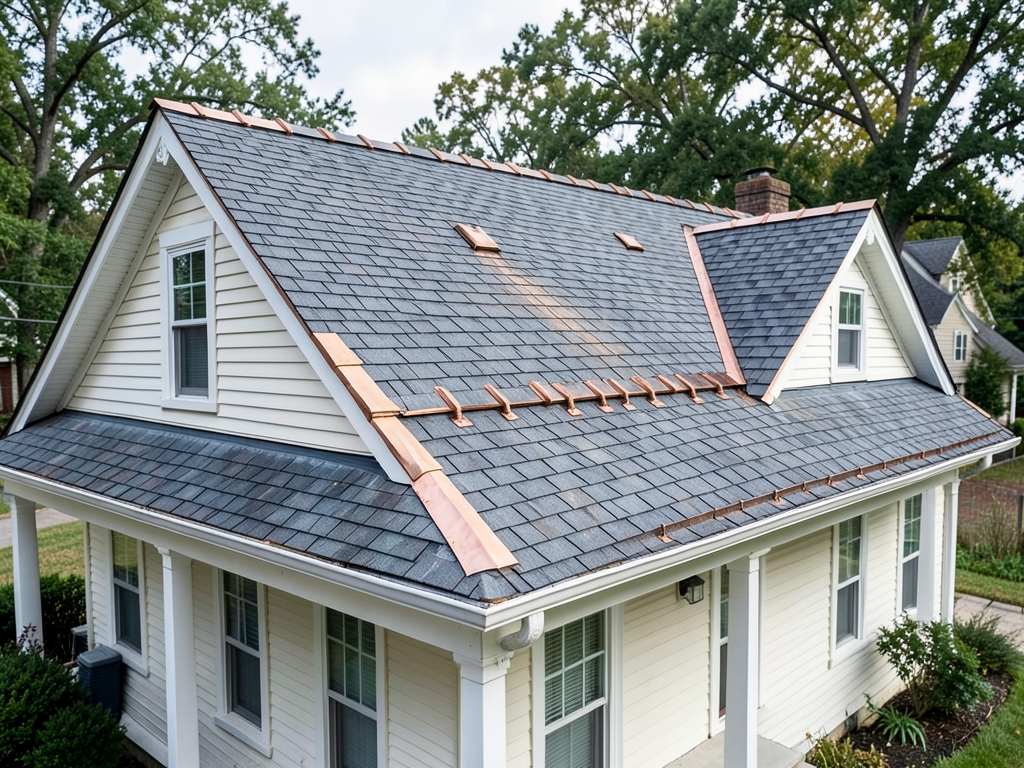
The copper flashing used in many historic installations develops a protective patina that blends with the roof’s appearance. However, this same copper can corrode when exposed to modern chemical runoff from treated lumber or certain cleaning products, requiring careful material matching during repairs.
Material Expertise: Slate, Tile, and Wood Shakes
Selecting appropriate materials for historic roof repair requires understanding both aesthetic requirements and structural capabilities. Each material category offers distinct advantages for Decatur’s climate and architectural styles.
| Material Type | Lifespan (Years) | Weight (lbs/sq) | Best Applications in Decatur |
|---|---|---|---|
| Buckingham Slate | 100-150 | 800-900 | Tudor, Colonial, Victorian homes |
| Ludowici Clay Tile | 75-100 | 650-750 | Mediterranean, Spanish Colonial styles |
| Cedar Shakes | 30-50 | 450-550 | Craftsman, Bungalow, rustic designs |
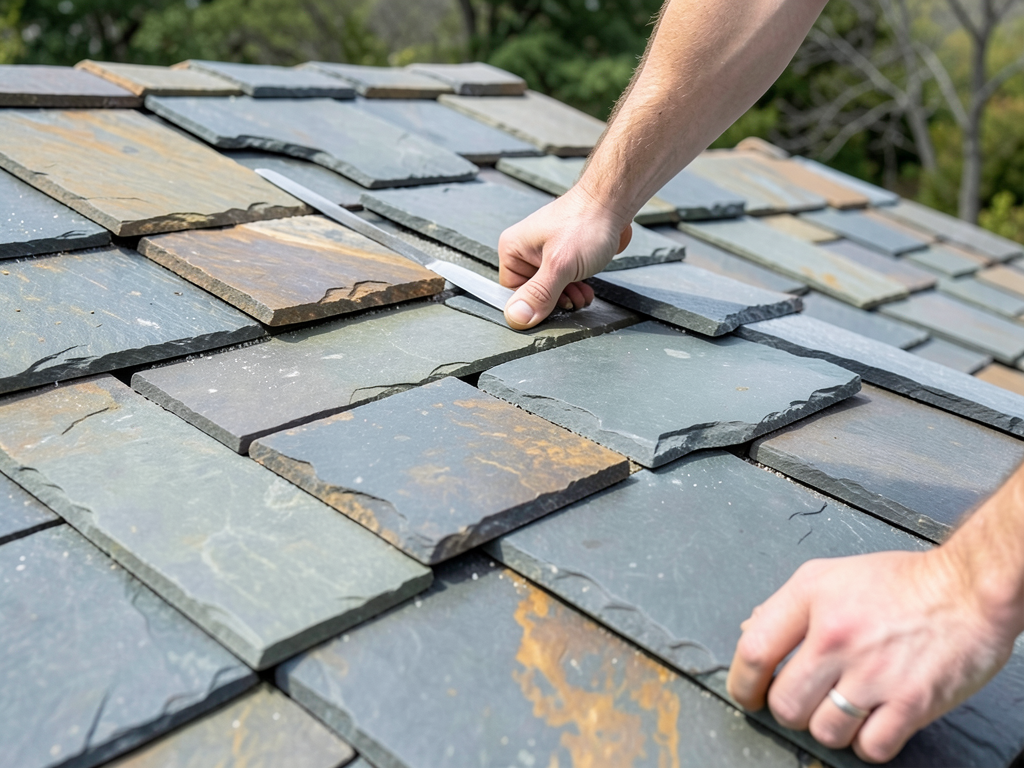
Buckingham slate from Virginia remains the gold standard for historic preservation in Decatur. Its natural color variation and ability to be split to precise thicknesses make it ideal for matching existing installations. The material’s density provides excellent resistance to Georgia’s UV exposure and wind-driven rain.
Modern synthetic slate products offer weight savings but often fail to meet Decatur HPC guidelines for visible historic properties. The material’s uniform appearance and lack of natural variation make it unsuitable for preserving authentic character in designated historic districts.
Cedar shakes require specific installation techniques that differ from modern shingles. The shakes must be installed over spaced sheathing to allow airflow, and the natural oils in cedar provide inherent resistance to insects and decay. However, Georgia’s humidity necessitates additional treatments to prevent moss and algae growth.
Navigating Decatur Historic Preservation Commission (HPC) Guidelines
The Decatur Historic Preservation Commission enforces strict guidelines that protect the city’s architectural heritage. Understanding these requirements proves essential before beginning any roof repair or replacement project in designated historic districts.
Most exterior modifications require a Certificate of Appropriateness (COA) from the HPC. The application process typically takes 30-45 days and requires detailed drawings showing existing conditions and proposed materials. The commission evaluates proposals based on the Secretary of the Interior’s Standards for Rehabilitation, which emphasize preserving historic character while allowing for necessary updates. Secretary of the Interior’s Standards for Rehabilitation.
Specific requirements for roofing in historic districts include: Roofing Alpharetta.
- Maintaining original roof pitch and profile
- Using materials that match existing color, texture, and dimension
- Preserving decorative elements like ridge caps, finials, and dormers
- Installing new flashing that matches original profiles
The HPC particularly scrutinizes proposals involving visible roof areas from public streets. Changes that alter a building’s historic appearance face significant resistance, while repairs that restore original conditions typically receive approval more readily.
Working with contractors who understand these guidelines prevents costly delays and rework. The commission’s review process includes public meetings where neighbors can voice concerns about proposed changes, making early consultation essential for project success.
Our Local Portfolio: Recent Projects in Oakhurst
Recent projects in Decatur’s Oakhurst neighborhood demonstrate the specialized approach required for historic roof restoration. One Craftsman bungalow on Mead Road required complete slate replacement while preserving the original copper flashing and decorative ridge caps.
The project involved carefully removing each slate tile, cataloging its position, and replacing damaged pieces with matching Buckingham slate from the same Vermont quarry that supplied the original materials in 1925. The team preserved the original wood rafter tails and decorative eave brackets, which required custom scaffolding and hand tools to avoid damage during the removal process.
Another Oakhurst project on Mead Road involved restoring a 1920s clay tile roof that had suffered from improper previous repairs. The original Ludowici tiles featured a distinctive barrel profile that modern flat tiles could not replicate. The restoration required sourcing replacement tiles from salvage yards and specialty suppliers, then carefully matching the weathered appearance of the existing installation.
These projects highlight the importance of maintaining detailed documentation of historic roof systems. Before beginning work, our team photographs every detail, measures existing materials, and creates CAD drawings that show the exact layout of tiles, flashing, and decorative elements.
Technical Considerations for Historic Roof Systems
Historic roof systems often incorporate construction techniques that modern builders rarely encounter. Understanding these differences proves essential for successful repairs that maintain structural integrity and historical accuracy.
Many pre-1940 homes in Decatur feature true dimensional lumber—2×6 rafters that actually measure 2 inches by 6 inches rather than the modern nominal dimensions. This heavier framing can support slate or tile loads that would require engineered trusses in contemporary construction.
The spacing between roof framing members also differs significantly from modern standards. Historic roofs often use 24-inch or even 32-inch on-center spacing, requiring careful evaluation when adding new loads or installing modern underlayment systems.
Ventilation requirements for historic materials differ from modern practices. Original wood shake installations relied on natural air movement through spaced sheathing, while modern roofs use continuous ventilation systems. Balancing these requirements while maintaining historic character often requires custom solutions.
Structural repairs to historic roof systems must address the underlying causes of deterioration rather than simply replacing damaged components. This often involves addressing moisture issues in the attic space, repairing damaged rafters, or reinforcing connections between roof and wall structures.. Read more about Why Your Morningside Attic is So Hot and How it’s Killing Your Roof.
Insurance Considerations for Historic Properties
Historic roof repairs often involve higher costs than standard replacements due to specialized materials and craftsmanship requirements. Understanding insurance coverage proves essential for homeowners in Decatur’s historic districts.
Standard homeowner’s policies may not cover the full cost of restoring original materials or meeting HPC requirements. Some insurers offer historic property endorsements that provide additional coverage for period-correct repairs and compliance with preservation guidelines.
Documentation proves critical when filing claims for historic roof damage. Detailed photographs, material specifications, and HPC approval documents help establish the scope of work required and support claims for specialized repairs rather than standard replacements.
The increased replacement cost of historic materials often exceeds the actual cash value coverage provided by standard policies. This gap can leave homeowners responsible for significant out-of-pocket expenses if they lack appropriate coverage for historic properties.
Maintenance Strategies for Long-Term Protection
Preventive maintenance extends the life of historic roof systems while reducing the need for major repairs. Regular inspections identify potential issues before they cause significant damage to the roof structure or interior spaces.
Annual inspections should focus on several key areas:
- Checking for loose or missing slate or tile pieces
- Examining flashing around chimneys, valleys, and roof penetrations
- Inspecting gutters and downspouts for proper drainage
- Looking for signs of moisture damage in attic spaces
Cleaning historic roofs requires special consideration. High-pressure washing can damage slate and tile surfaces, while certain cleaning chemicals can accelerate corrosion of copper flashing or damage wood shakes. Professional cleaning using low-pressure methods and appropriate cleaning solutions preserves the roof’s appearance without causing damage.
Tree maintenance around historic properties also affects roof longevity. Overhanging branches can damage roofing materials during storms, while accumulated leaves and debris in valleys create moisture traps that accelerate deterioration.
Frequently Asked Questions
Do I need HPC approval for minor roof repairs in Decatur’s historic districts?
Most exterior modifications require a Certificate of Appropriateness, even for repairs. The HPC evaluates each case individually, but replacing more than 25% of visible roofing materials typically requires formal approval. Minor repairs that match existing materials exactly may qualify for administrative approval, which has a faster turnaround time.
How much does historic roof restoration cost compared to standard replacement?
Historic roof restoration typically costs 40-60% more than standard asphalt shingle replacement due to specialized materials, skilled craftsmanship, and compliance requirements. Slate installation costs $15-25 per square foot, while authentic clay tile ranges from $12-20 per square foot. These costs reflect the expertise required and the longevity of the materials.
Can I install modern synthetic materials that look like slate or tile?
Most synthetic roofing products do not meet Decatur HPC guidelines for visible historic properties. The commission requires materials that match the original in appearance, texture, and installation method. Some synthetic products may be approved for non-visible applications or in non-historic areas of the property, but visible surfaces must use authentic materials.
How long does the HPC approval process take?
The standard Certificate of Appropriateness process takes 30-45 days from application submission to commission decision. Administrative approvals for minor work may take 1-2 weeks. Complex projects or those requiring variances can take 60-90 days, especially if public hearings are involved. Early consultation with the HPC staff can help streamline the process.
What happens if I replace my roof without HPC approval?
Unapproved modifications can result in fines, mandatory removal of non-compliant work, and potential delays in future property sales. The HPC has enforcement authority within historic districts and can require homeowners to restore original conditions at their own expense. Working with approved contractors who understand HPC requirements prevents these costly issues.
- Document Existing Conditions
Photograph all roof areas, measure existing materials, and note any visible damage. Create detailed drawings showing current roof configuration.
- Research Material Specifications
Identify exact material types, dimensions, and colors needed to match existing roof. Contact suppliers for technical specifications and availability.
- Prepare Application Package
Compile photographs, drawings, material specifications, and contractor qualifications. Include a narrative explaining how the proposed work meets HPC guidelines.
- Submit to HPC
File the complete application with the Decatur Historic Preservation Commission. Pay required fees and schedule for review at the next available meeting.
- Address Commission Feedback
Respond to any questions or concerns raised during the review process. Be prepared to modify proposals to address HPC requirements.
- Obtain Certificate of Appropriateness
Receive formal approval before beginning any work. Keep the COA on-site during construction for inspector reference.
Your historic Decatur home represents a significant investment in both financial and cultural terms. The specialized knowledge required for proper roof restoration goes far beyond standard roofing practices. From understanding the nuances of HPC guidelines to matching century-old materials, each project demands expertise that only comes from years of experience with historic properties.
Don’t risk damaging your home’s architectural integrity with inexperienced contractors or inappropriate materials. The humid Georgia climate and occasional severe storms make proper roof maintenance essential for protecting your investment. Whether you need minor repairs or complete restoration, working with specialists who understand both the technical and regulatory aspects of historic roof work ensures your home maintains its character while staying protected.
Call (770) 610-9366 today to schedule your inspection. Our team understands the unique challenges of Decatur’s historic homes and can guide you through the entire restoration process, from HPC approval to final installation. Don’t wait until minor issues become major problems—protect your home’s heritage with expert care.
You may also find this helpful. Why Most Roof Leaks in Peachtree Hills Actually Start at the Chimney.
You may also find this helpful. Fixing Leaky Skylights in Old Fourth Ward Lofts and Townhomes.
{
“@context”: “https://schema.org”,
“@type”: “BlogPosting”,
“headline”: “Protecting Your Historic Decatur Home with Specialty Roof Repairs”,
“description”: “Preserve your Decatur historic home with expert slate, tile, and wood shake roof repairs. Navigate HPC guidelines and restore architectural integrity with local specialists.”,
“wordCount”: 2162,
“datePublished”: “2026-02-19T15:32:00.000Z”,
“dateModified”: “2026-02-19T15:32:00.000Z”,
“inLanguage”: “en-US”,
“mainEntityOfPage”: {
“@type”: “WebPage”,
“@id”: “https://firstchoiceroofingatlanta.com”
},
“publisher”: {
“@type”: “LocalBusiness”,
“name”: “First Choice Roofing Atlanta”,
“url”: “https://firstchoiceroofingatlanta.com”
},
“author”: {
“@type”: “Organization”,
“name”: “First Choice Roofing Atlanta”,
“url”: “https://firstchoiceroofingatlanta.com”
},
“image”: {
“@type”: “ImageObject”,
“url”: “https://firstchoiceroofingatlanta.com/wp-content/uploads/2026/03/protecting-your-historic-decatur-home-with-special-1.png”
}
}
{
“@context”: “https://schema.org”,
“@type”: “RoofingContractor”,
“name”: “First Choice Roofing Atlanta”,
“url”: “https://firstchoiceroofingatlanta.com”,
“address”: {
“@type”: “PostalAddress”,
“addressLocality”: “Atlanta”
},
“areaServed”: {
“@type”: “City”,
“name”: “Atlanta”
}
}
{
“@context”: “https://schema.org”,
“@type”: “FAQPage”,
“mainEntity”: [
{
“@type”: “Question”,
“name”: “Do I need HPC approval for minor roof repairs in Decatur’s historic districts?”,
“acceptedAnswer”: {
“@type”: “Answer”,
“text”: “Most exterior modifications require a Certificate of Appropriateness, even for repairs. The HPC evaluates each case individually, but replacing more than 25% of visible roofing materials typically requires formal approval. Minor repairs that match existing materials exactly may qualify for administrative approval, which has a faster turnaround time.”
}
},
{
“@type”: “Question”,
“name”: “How much does historic roof restoration cost compared to standard replacement?”,
“acceptedAnswer”: {
“@type”: “Answer”,
“text”: “Historic roof restoration typically costs 40-60% more than standard asphalt shingle replacement due to specialized materials, skilled craftsmanship, and compliance requirements. Slate installation costs $15-25 per square foot, while authentic clay tile ranges from $12-20 per square foot. These costs reflect the expertise required and the longevity of the materials.”
}
},
{
“@type”: “Question”,
“name”: “Can I install modern synthetic materials that look like slate or tile?”,
“acceptedAnswer”: {
“@type”: “Answer”,
“text”: “Most synthetic roofing products do not meet Decatur HPC guidelines for visible historic properties. The commission requires materials that match the original in appearance, texture, and installation method. Some synthetic products may be approved for non-visible applications or in non-historic areas of the property, but visible surfaces must use authentic materials.”
}
},
{
“@type”: “Question”,
“name”: “How long does the HPC approval process take?”,
“acceptedAnswer”: {
“@type”: “Answer”,
“text”: “The standard Certificate of Appropriateness process takes 30-45 days from application submission to commission decision. Administrative approvals for minor work may take 1-2 weeks. Complex projects or those requiring variances can take 60-90 days, especially if public hearings are involved. Early consultation with the HPC staff can help streamline the process.”
}
},
{
“@type”: “Question”,
“name”: “What happens if I replace my roof without HPC approval?”,
“acceptedAnswer”: {
“@type”: “Answer”,
“text”: “Unapproved modifications can result in fines, mandatory removal of non-compliant work, and potential delays in future property sales. The HPC has enforcement authority within historic districts and can require homeowners to restore original conditions at their own expense. Working with approved contractors who understand HPC requirements prevents these costly issues.”
}
}
]
}
{
“@context”: “https://schema.org”,
“@type”: “HowTo”,
“name”: “How to Get HPC Approval for Roof Repairs”,
“step”: [
{
“@type”: “HowToStep”,
“position”: 1,
“name”: “Document Existing Conditions”,
“text”: “Photograph all roof areas, measure existing materials, and note any visible damage. Create detailed drawings showing current roof configuration.”
},
{
“@type”: “HowToStep”,
“position”: 2,
“name”: “Research Material Specifications”,
“text”: “Identify exact material types, dimensions, and colors needed to match existing roof. Contact suppliers for technical specifications and availability.”
},
{
“@type”: “HowToStep”,
“position”: 3,
“name”: “Prepare Application Package”,
“text”: “Compile photographs, drawings, material specifications, and contractor qualifications. Include a narrative explaining how the proposed work meets HPC guidelines.”
},
{
“@type”: “HowToStep”,
“position”: 4,
“name”: “Submit to HPC”,
“text”: “File the complete application with the Decatur Historic Preservation Commission. Pay required fees and schedule for review at the next available meeting.”
},
{
“@type”: “HowToStep”,
“position”: 5,
“name”: “Address Commission Feedback”,
“text”: “Respond to any questions or concerns raised during the review process. Be prepared to modify proposals to address HPC requirements.”
},
{
“@type”: “HowToStep”,
“position”: 6,
“name”: “Obtain Certificate of Appropriateness”,
“text”: “Receive formal approval before beginning any work. Keep the COA on-site during construction for inspector reference.”
}
],
“image”: “https://firstchoiceroofingatlanta.com/wp-content/uploads/2026/03/protecting-your-historic-decatur-home-with-special-1.png”
}
{
“@context”: “https://schema.org”,
“@type”: “BreadcrumbList”,
“itemListElement”: [
{
“@type”: “ListItem”,
“position”: 1,
“name”: “Home”,
“item”: “https://firstchoiceroofingatlanta.com”
},
{
“@type”: “ListItem”,
“position”: 2,
“name”: “Blog”,
“item”: “https://firstchoiceroofingatlanta.com/blog”
},
{
“@type”: “ListItem”,
“position”: 3,
“name”: “Protecting Your Historic Decatur Home with Specialty Roof Repairs”
}
]
}
{
“@context”: “https://schema.org”,
“@type”: “Service”,
“serviceType”: “Roofing”,
“provider”: {
“@type”: “LocalBusiness”,
“name”: “First Choice Roofing Atlanta”,
“url”: “https://firstchoiceroofingatlanta.com”
},
“areaServed”: {
“@type”: “City”,
“name”: “Atlanta”
},
“description”: “Preserve your Decatur historic home with expert slate, tile, and wood shake roof repairs. Navigate HPC guidelines and restore architectural integrity with local specialists.”
}