




menu

Sagging Roof Deck in Atlanta – Expert Diagnosis and Structural Repair Before Your Roof Collapses

We identify the root cause of your sagging roof deck, warped plywood, and deflected sheathing, then rebuild the structural integrity your Atlanta home needs to withstand years of heat, humidity, and storm exposure.

Slider Image 1
Slider Image 2
Slider Image 3
Slider Image 4
Slider Image 5
Slider Image 7
Slider Image 8
Slider Image 9
Slider Image 10
Slider Image 11

Why Atlanta Roofs Develop Sagging Decks Faster Than You Think

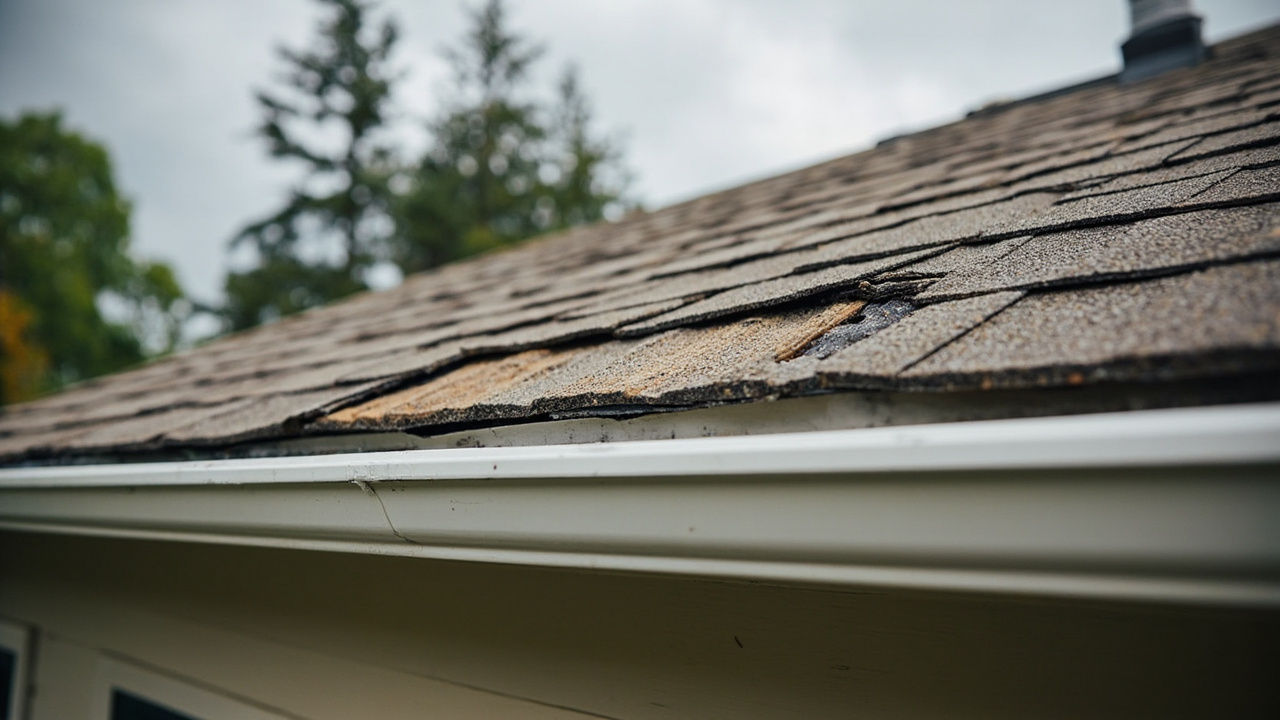
You notice a dip in your roofline. Maybe the ceiling inside looks uneven, or you see a visible sag from the curb. This is not cosmetic. A sagging roof deck signals structural failure beneath your shingles, and in Atlanta, the problem accelerates faster than in drier climates.

Atlanta's relentless humidity keeps roof decking damp for months at a time. When moisture penetrates through worn shingles or damaged flashing, the plywood sheathing absorbs water like a sponge. That plywood loses rigidity. It bows between rafters. What starts as minor warping becomes full deflection, and the deck begins to sink under its own weight.

Add Georgia's intense summer heat, and you create a cycle of expansion and contraction that weakens fasteners and splits wood fibers. The sheathing warps, the rafters stress, and the entire roof plane loses its load-bearing capacity. Bowing roof sheathing does not stabilize on its own. It worsens with every rainstorm and every temperature swing.

Clay soil shifts beneath Atlanta homes, and that foundation movement translates upward. Walls flex slightly, ridge beams shift, and roof framing loses alignment. When rafters no longer sit square, the decking between them dips and sags. You see sunken roof boards, deflected sheathing, and a roofline that looks wavy from the street.

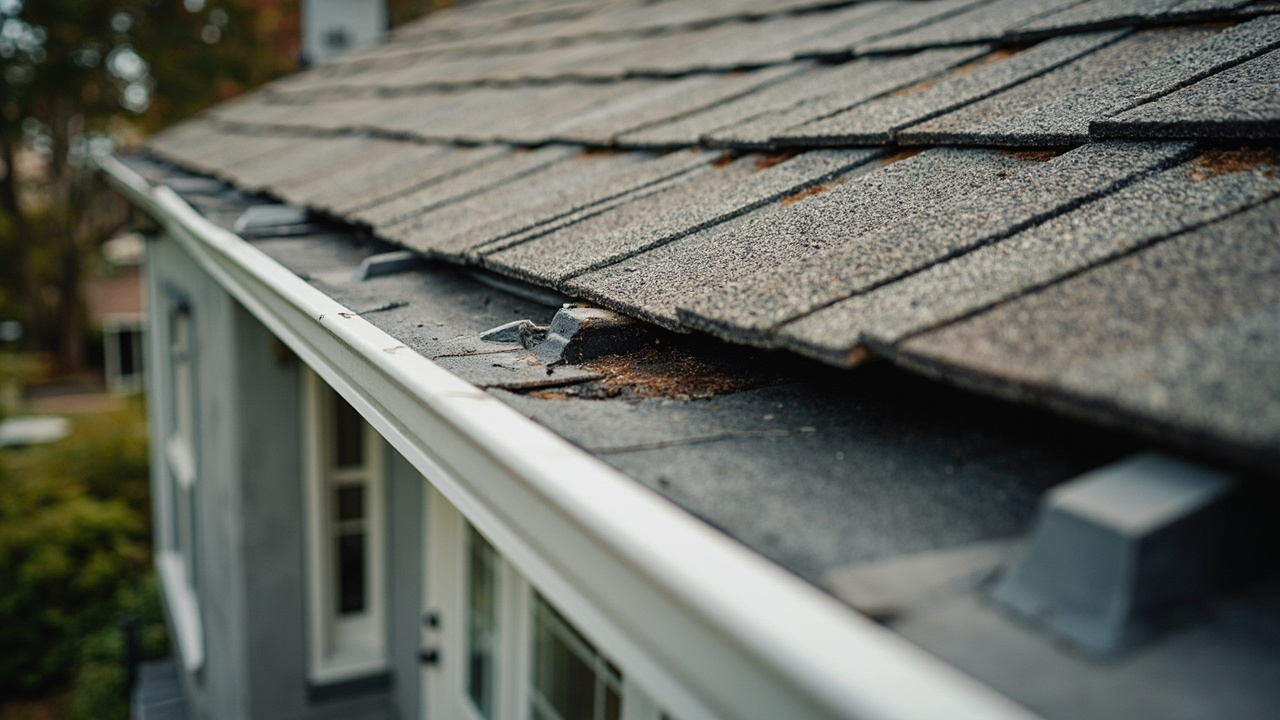
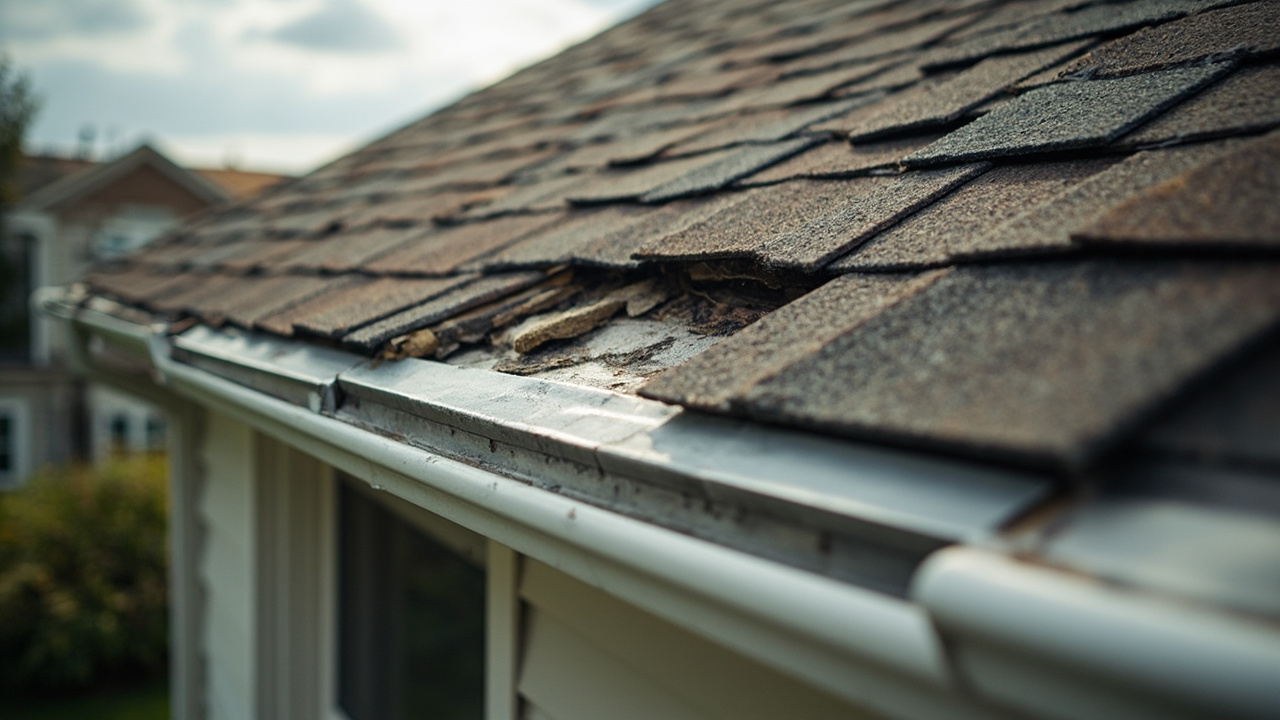
Ignoring a sagging roof deck invites catastrophic failure. The dipping roof decking stresses the ridge beam, overloads load-bearing walls, and creates a collapse risk. Water pools in the sag, accelerating rot. Shingles crack along the deformation, and leaks follow. You need a structural fix, not a patch.

Why Atlanta Roofs Develop Sagging Decks Faster Than You Think
How We Rebuild Structural Integrity in Sagging Roof Decks

How We Rebuild Structural Integrity in Sagging Roof Decks

We do not cover up a sagging roof deck with new shingles. We strip the compromised section down to the framing, assess the damage, and rebuild the structure properly. First Choice Roofing Atlanta approaches this as a carpentry problem first and a roofing problem second.

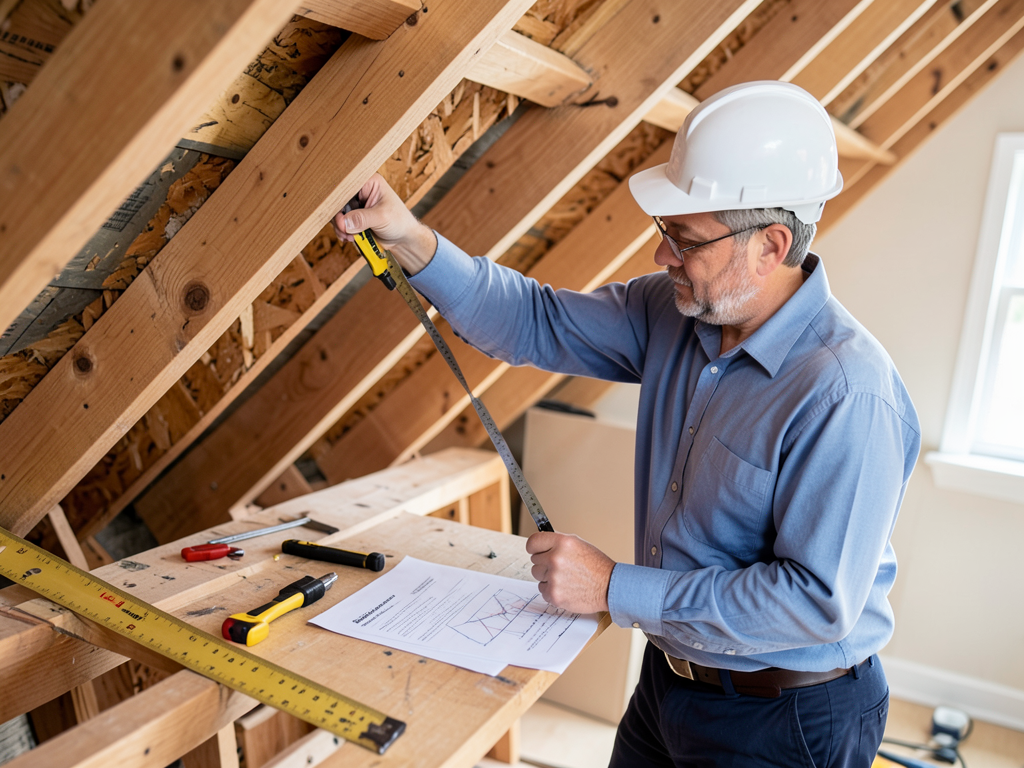
We remove the shingles and underlayment over the affected area. Once exposed, we inspect every sheet of plywood sheathing for deflection, rot, and delamination. We measure moisture content with a meter. If the wood reads above fifteen percent, we know moisture penetration caused the failure. We trace the water source, whether it is failed flashing, worn shingles, or inadequate ventilation.

Next, we evaluate the rafters and trusses. We check for sagging, splitting, or insect damage. If a rafter has bowed or cracked, we sister a new board alongside it and bolt the two together. This restores the load path and eliminates the sag. If the truss system has shifted, we realign the members and reinforce the connections with hurricane ties and structural screws.

We replace every sheet of warped roof plywood with new OSB or plywood rated for structural sheathing. We use the correct thickness for your rafter spacing, typically half-inch or five-eighths-inch. We stagger the seams, leave expansion gaps, and fasten every six inches on the edges and twelve inches in the field. This creates a rigid plane that will not bow under load.

We install Ice and Water Shield over the entire repaired section, then felt underlayment, then new shingles that match your existing roof. We inspect the ridge vent and soffit vents to confirm adequate airflow. Poor ventilation accelerates sheathing failure, and we will not leave that variable unaddressed.

What Happens During a Roof Deck Rebuild in Atlanta

Sagging Roof Deck in Atlanta – Expert Diagnosis and Structural Repair Before Your Roof Collapses
01

Inspection and Shingle Removal

We climb onto your roof and map the sagging section. We use a chalk line to mark the area, then strip the shingles, underlayment, and any damaged flashing. We expose the plywood sheathing completely so we can see the full extent of deflection, rot, and fastener failure. We document the damage with photos and measurements before we proceed.
02

Framing Repair and Decking Replacement

We assess every rafter and truss beneath the sagging deck. If framing members have bowed or cracked, we sister new lumber alongside them and secure the connection with structural fasteners. We then remove every sheet of warped plywood and install new sheathing, fastening it to code and ensuring proper load distribution across the entire roof plane.
03

Waterproofing and Shingle Installation

We install Ice and Water Shield, felt underlayment, and new shingles over the rebuilt deck. We match your existing shingles as closely as possible and integrate the repair so it blends with the rest of your roof. We inspect ventilation, install new flashing if needed, and verify that water will shed properly off the repaired section.

Why Atlanta Homeowners Trust Us with Structural Roof Repairs

Structural roof repairs require carpentry skills most roofing crews do not have. First Choice Roofing Atlanta handles these repairs regularly. We know how Atlanta's climate accelerates wood deterioration, and we know which framing techniques hold up in Georgia's heat and humidity.

We work in neighborhoods across Buckhead, Decatur, Midtown, and East Atlanta. We have rebuilt sagging roof decks on Craftsman bungalows in Grant Park, ranch homes in Dunwoody, and two-story colonials in Sandy Springs. Each project teaches us how different roof designs respond to structural stress, and we apply that knowledge to your repair.

We understand Atlanta's building codes. We know when a repair requires a permit and when it does not. We know how to sister a rafter correctly, how to reinforce a truss system, and how to install sheathing that will not warp again in three years. We do not guess. We measure, calculate, and build to structural standards.

We also know the local suppliers. We source lumber and sheathing from distributors who stock materials suited for Georgia's climate. We do not use construction-grade plywood for roof decking. We use exterior-rated sheathing with proper edge support and moisture resistance. The materials matter as much as the installation.

You will not deal with a salesperson who disappears after signing the contract. You work directly with the crew lead who oversees the repair. We walk you through the damage, explain the fix, and answer questions on-site. We do not upsell unnecessary work, and we do not hide problems we find. If your roof needs more than we quoted, we explain why before we proceed.

We clean up thoroughly. We use tarps to catch debris, we sweep the ground, and we run a magnetic roller to pick up nails. Your yard will not look like a construction zone when we leave.

What You Can Expect from a Roof Deck Repair

Fast Response and Scheduling

We schedule an inspection within two business days of your call. We know a sagging roof deck creates urgency. Water can pool in the dip, leaks can worsen, and structural failure can accelerate. We prioritize these repairs because they represent a safety risk. Once we assess the damage, we provide a detailed estimate and schedule the work as quickly as our crew availability allows. Most repairs take two to four days depending on the extent of framing damage and weather conditions.

Thorough Structural Assessment

We do not guess what caused the sag. We strip the compromised section down to the framing and inspect every component. We check rafter alignment, measure moisture content in the sheathing, and look for signs of insect damage or rot. We use a moisture meter and a level to quantify the problem. We document everything with photos and measurements. You will see exactly what failed and why. We explain the root cause, whether it is poor ventilation, inadequate flashing, or structural overload from an improperly installed HVAC unit.

Structural Integrity Restored

When we finish, your roof will be structurally sound. The repaired section will not sag again because we addressed the framing, replaced the sheathing, and corrected the water intrusion source. You will see a straight roofline from the street. Inside, the ceiling will sit level. The shingles will lie flat without buckling or cracking. We build to the same standards as new construction, and the repaired section will perform as well as the rest of your roof for years to come.

No Callback Repairs

We do not patch a sagging roof deck and hope it holds. We rebuild it correctly so you do not call us back in six months with the same problem. We use the right materials, the right fastener schedule, and the right framing techniques. If we find additional issues during the repair, we address them before we close up the roof. We do not leave problems hidden under new shingles. You get a roof that works, not a temporary fix that fails when the next storm rolls through Atlanta.

Frequently Asked Questions

You Have Questions,
We Have Answers

How to fix a sagging deck roof? +

Fixing a sagging deck roof requires addressing the underlying structural failure. Start by inspecting the joists, beams, and decking from underneath. In Atlanta, high humidity often causes wood rot and weakens framing members. Replace damaged joists or add sister joists alongside compromised ones to restore support. Remove and replace waterlogged or deteriorated decking boards. If the issue involves improper spacing or undersized framing, you may need to install additional support posts or beams. This is not a DIY project. Structural repairs require precise calculations and code compliance. Hire a licensed contractor to assess load requirements and ensure the repair meets local building standards for safety.

How serious is a sagging roof? +

A sagging roof is a serious structural problem that demands immediate attention. It signals that your roof framing can no longer support the load properly. In Atlanta, prolonged exposure to humidity and rain accelerates wood decay, compromising joists and rafters. A sagging roof increases collapse risk, especially during heavy storms or when snow accumulates. It also allows water infiltration, which leads to mold growth, interior damage, and insulation failure. Ignoring the sag worsens the problem and escalates repair costs. The longer you wait, the more extensive the structural damage becomes. Address sagging immediately to protect your home and avoid catastrophic failure that could injure occupants or destroy property.

Is it expensive to fix a sagging roof? +

Fixing a sagging roof varies widely in cost depending on the extent of structural damage. Minor repairs, like replacing a few deteriorated joists or adding sister joists, may run a few thousand dollars. Extensive damage requiring full roof framing replacement, new decking, and shingle removal can climb significantly higher. In Atlanta, moisture damage often spreads beyond the visible sag, increasing scope and cost. Factors include accessibility, roof pitch, material type, and whether you need permits and engineering assessments. Get multiple estimates from licensed contractors who can inspect the framing thoroughly. Do not delay repairs to save money. Small problems become expensive emergencies when structural integrity fails.

How much roof sagging is acceptable? +

No roof sagging is acceptable. Any visible dip, bow, or unevenness indicates structural compromise that requires professional evaluation. A properly built and maintained roof should appear straight and level across all planes. Even minor sagging means the framing system is overstressed, undersized, or damaged. In Atlanta, where humidity and storms stress roof structures, small sags worsen quickly. What looks like a slight dip today can become a dangerous collapse risk tomorrow. Do not rationalize minor sagging as normal settling. Roofs do not settle. They fail. If you see any deviation from a straight roofline, call a structural expert or roofing contractor immediately for inspection and diagnosis.

Will insurance cover a sagging roof? +

Insurance coverage for a sagging roof depends on the cause. If sudden storm damage, fallen trees, or wind events caused the structural failure, your homeowners policy likely covers repairs. However, if sagging resulted from long-term neglect, wear and tear, or deferred maintenance, insurance typically denies the claim. In Atlanta, insurers scrutinize moisture damage claims closely because gradual wood rot from poor ventilation or leaks is considered preventable. Document everything. Take photos, get professional assessments, and file claims promptly after storms. Review your policy exclusions. If denial occurs, appeal with evidence linking the damage to a covered peril. Proactive roof maintenance helps support future claims.

How much does it cost to fix a sagging deck? +

Fixing a sagging deck involves structural carpentry work that varies in cost based on damage severity. Simple joist reinforcement or isolated board replacement may cost a few thousand dollars. Extensive repairs requiring new support beams, posts, or complete deck rebuilds cost significantly more. In Atlanta, pressure-treated lumber and composite materials withstand humidity better than standard wood. Labor costs depend on deck size, height, and accessibility. Permits and inspections add fees. Get detailed written estimates from licensed contractors who inspect the framing thoroughly. Do not accept verbal quotes. Ensure the contractor addresses the root cause, not just cosmetic fixes, to prevent recurring problems and ensure long-term stability.

How to tell if a roof is about to collapse? +

Warning signs of imminent roof collapse include visible sagging or bowing, cracked or split rafters, and large interior ceiling cracks. Listen for creaking or popping sounds, especially during rain when waterlogged materials add weight. Check for doors and windows that suddenly stick or refuse to close properly, indicating shifting framing. In Atlanta, heavy rain and high humidity accelerate structural failure. Look for water stains, mold growth, or daylight visible through the roof boards from the attic. If you see multiple joists with cracks or severe rot, evacuate immediately and call a structural engineer. Do not wait. Roof collapse happens fast once critical framing fails.

How much does it cost to lift a roof? +

Lifting or raising a sagging roof is complex structural work with costs varying widely based on severity and method. Minor corrections using jacks and sister joists may cost several thousand dollars. Major lifts requiring temporary supports, new framing, and resheathing can reach tens of thousands. In Atlanta, moisture damage often requires replacing compromised wood before lifting, adding material costs. The process involves carefully jacking the roof back to proper height, reinforcing or replacing framing, and ensuring the structure meets code. Permits and engineering assessments add expense. Hire experienced contractors with structural expertise. Improper lifting can cause catastrophic failure. Get multiple detailed estimates and verify contractor credentials before proceeding.

How long does it take to fix a sagging roof? +

Repair time for a sagging roof depends on damage extent and weather conditions. Minor joist repairs or sistering may take a few days. Extensive structural work requiring framing replacement, new decking, and re-roofing can take several weeks. In Atlanta, summer thunderstorms can delay outdoor work, extending timelines. Permitting and inspection requirements add days. If engineering assessments are needed, expect additional time for plans and approvals. Discuss realistic timelines with your contractor upfront. Ask about weather contingencies and project phases. Rushed structural work compromises safety. Quality repairs take time. Plan for temporary relocation if the damage poses immediate risk. Do not pressure contractors to cut corners for speed.

Is a sagging ceiling covered by insurance? +

Insurance coverage for a sagging ceiling follows the same cause rules as roof sagging. If sudden covered events like storms, burst pipes, or fallen trees caused the structural damage, your policy likely covers repairs. Gradual sagging from long-term leaks, poor maintenance, or aging materials typically gets denied as preventable wear and tear. In Atlanta, insurers investigate moisture claims thoroughly because slow water damage is common and often excludable. File claims immediately after discovering damage. Document everything with photos and professional assessments linking the sag to a specific covered event. Review your policy exclusions carefully. If denied, appeal with detailed evidence showing the damage resulted from a covered peril, not neglect.

How Atlanta's Humidity and Clay Soil Accelerate Roof Deck Failure

Atlanta sits in a humid subtropical climate where moisture saturates the air for eight months a year. When roof ventilation fails or flashing deteriorates, that humidity condenses inside the attic and soaks into the plywood sheathing. The wood swells, loses strength, and begins to deflect between rafters. Add the expansion and contraction cycles from Georgia's summer heat, and you create warped roof plywood that sags under load. Clay soil beneath Atlanta homes shifts with seasonal moisture changes, stressing walls and roof framing. That movement accelerates the onset of dipping roof decking and sunken roof boards.

First Choice Roofing Atlanta has repaired sagging roof decks across every zip code in the metro. We know how Inman Park bungalows handle structural stress differently than Vinings townhomes. We know which truss systems fail first and which framing techniques last longest in Georgia's climate. We work with local building inspectors, and we understand the code requirements for structural repairs in Fulton, DeKalb, and Cobb counties. When you hire a local crew, you get someone who understands Atlanta's unique challenges and builds accordingly.
Roofing Services in The Atlanta Area

Whether you are in need of a new roof, a quick repair, or a detailed inspection, our team is ready to serve you. We are proud to be a trusted part of the Atlanta community, and you can find our business location on the map below. Feel free to visit us or contact us today to discuss your next project. We look forward to working with you and protecting your property.

Address:
First Choice Roofing Atlanta, 3630 Peachtree Rd NE, Atlanta, GA, 30326

Additional Services We Offer

Our news updates

Latest Articles & News from The Blogs

Dealing with Acidic Rain and Pollution Buildup on Rooftops in Downtown Atlanta Atlanta’s urban environment creates unique challenges for rooftop…

Dealing with Acidic Rain and Pollution Buildup on Rooftops in Downtown Atlanta

Dealing with Acidic Rain and Pollution Buildup on Rooftops in Downtown Atlanta Atlanta’s urban environment creates unique challenges for rooftop…

Why Your Roof Pitch Limits Which Shingles You Can Use for Your Alpharetta Remodel

Roof pitch determines everything from water drainage to material compatibility when you’re planning a roof replacement in Alpharetta. The slope…

Comparing 3-Tab and Architectural Shingles for First-Time Homebuyers in Kennesaw

Comparing 3-Tab and Architectural Shingles for First-Time Homebuyers in Kennesaw First-time homebuyers in Kennesaw face many decisions when purchasing their…

Contact Us

A sagging roof deck will not fix itself. Call First Choice Roofing Atlanta at (770) 610-9366 for an inspection. We will assess the damage, explain the repair, and rebuild your roof the right way.