





menu

Granules in Gutter Atlanta – Expert Roof Diagnosis Before Minor Wear Becomes Major Damage

Finding granules in gutter around your Atlanta home signals active shingle erosion. Our certified inspectors identify whether this is normal aging or premature failure, giving you the diagnostic clarity you need to protect your investment.

Slider Image 1
Slider Image 2
Slider Image 3
Slider Image 4
Slider Image 5
Slider Image 7
Slider Image 8
Slider Image 9
Slider Image 10
Slider Image 11

Why Atlanta Roofs Shed Granules Faster Than You Think

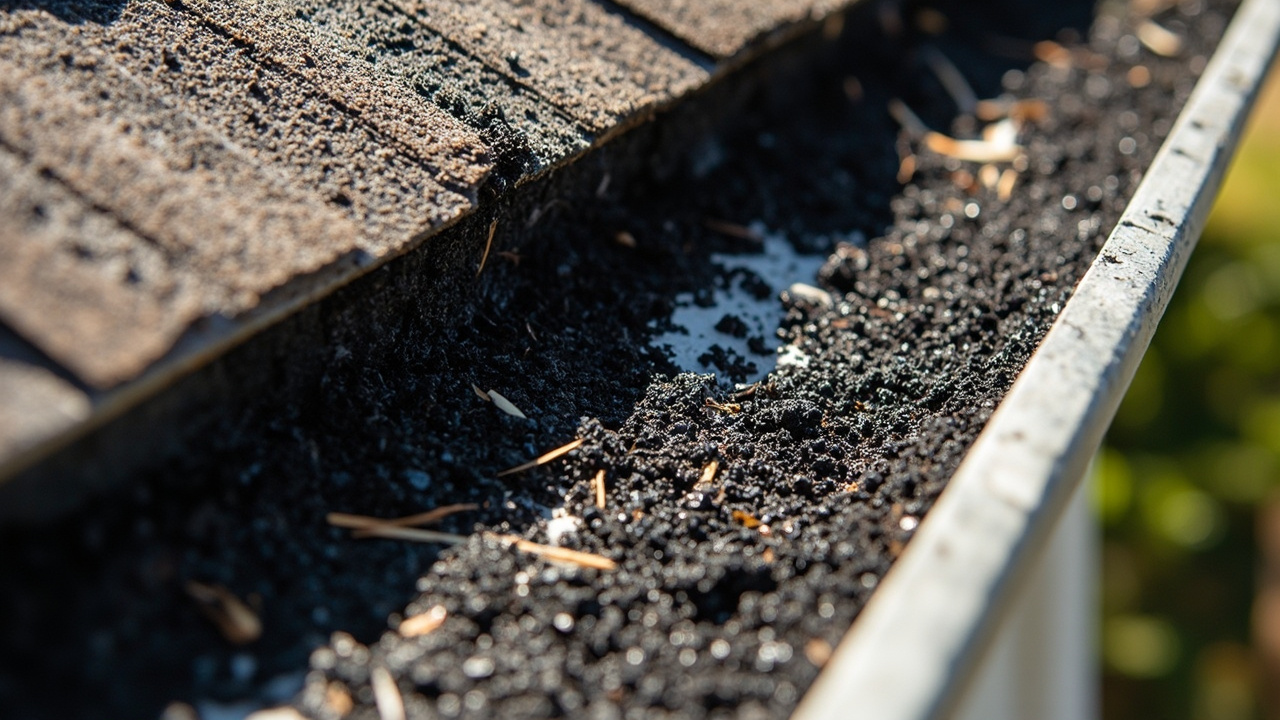
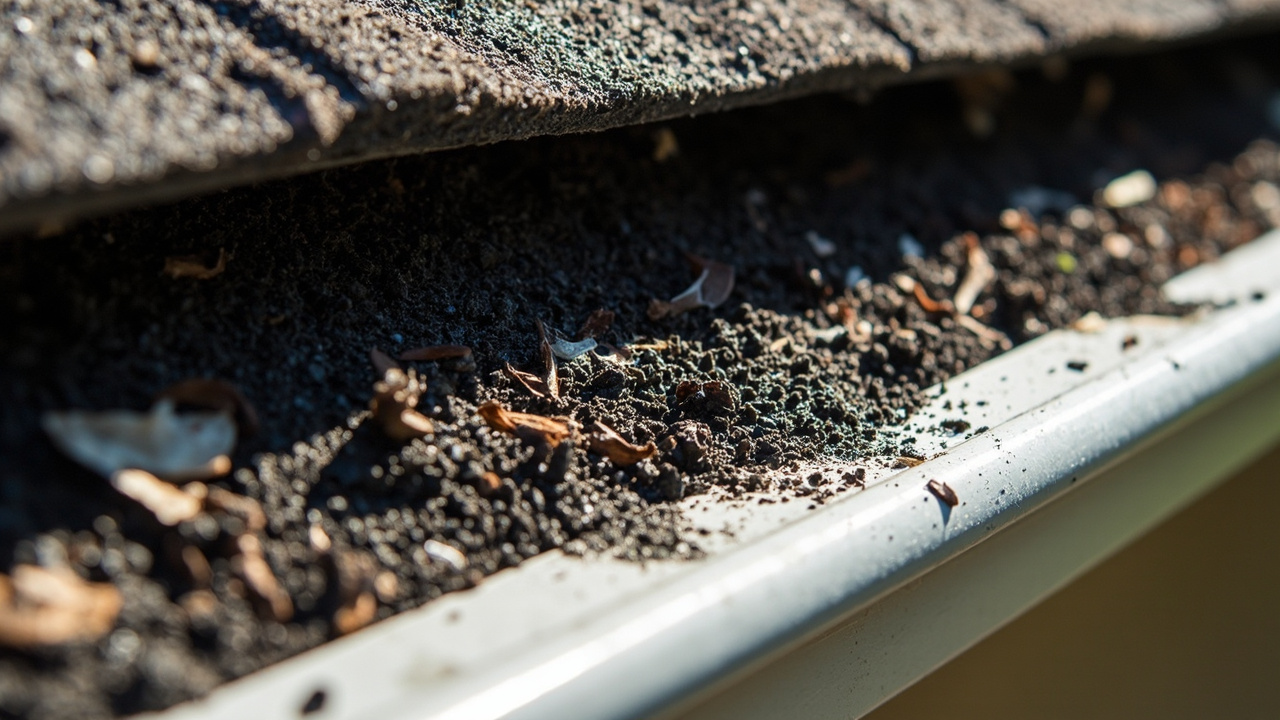
You clean your gutters and notice a gritty, sand-like residue collecting at the bottom. That is not dirt. Those are ceramic granules from your asphalt shingles, and in Atlanta, they shed faster than in most other climates.

The combination of intense summer UV exposure, sudden temperature swings during spring and fall, and the high humidity that defines Atlanta's subtropical climate accelerates granule loss. These granules protect the asphalt mat underneath from direct sunlight. Once they wash away, your shingles become vulnerable to cracking, curling, and water infiltration.

Some shingle grit in gutters is normal during the first year after installation. Manufacturers coat new shingles with excess granules that naturally wash off during the first few rain cycles. After that initial period, you should see minimal asphalt shingle particles in your downspouts.

When you start finding significant roof sand in gutters on a roof older than two years, something is wrong. It could be defective shingles, improper ventilation causing excessive heat buildup in your attic, or storm damage from hail impacts that dislodged the granule coating.

Atlanta's afternoon thunderstorms, which drop heavy rainfall in short bursts, tend to flush loose granules in downspouts quickly. This makes the problem more visible here than in areas with gentler rain patterns. If you see shingle sediment accumulating after every storm, your roof is telling you it needs professional attention before minor erosion turns into expensive water damage inside your home.

Why Atlanta Roofs Shed Granules Faster Than You Think
How We Determine If Granule Loss Is Normal or Critical

How We Determine If Granule Loss Is Normal or Critical

Not all granule loss requires a new roof. Our inspection process separates normal wear from premature failure, giving you accurate information instead of unnecessary panic.

We start with a gutter sample analysis. We collect the granules from multiple downspouts and measure the volume and consistency. Sparse, scattered granules suggest normal aging. Heavy accumulation with chunks of backing material indicates active delamination.

Next, we perform a close-range shingle examination using high-resolution photography. We look for bald spots where the asphalt mat is exposed, check for uniform granule density across different roof planes, and assess whether granule loss is concentrated on south-facing slopes that receive maximum sun exposure.

We inspect your attic ventilation system to measure temperature differentials. Inadequate ventilation traps heat, which accelerates granule adhesion failure from the underside of the shingle. Atlanta's summer attic temperatures can exceed 150 degrees without proper airflow. That heat cooks your shingles from below while the sun attacks from above.

We document the age of your roof and cross-reference it against the expected lifespan for your specific shingle product. A 12-year-old roof with moderate granule loss is performing normally. A 5-year-old roof with heavy granule shedding indicates a defect or installation error.

We also check for mechanical damage. Hail impacts, falling branches from Atlanta's oak and pine trees, and foot traffic from previous contractors can all dislodge granules prematurely. We differentiate between environmental wear and damage that may be covered under your homeowner's insurance policy.

This diagnostic approach gives you clarity. You get a written assessment that explains what is happening, why it is happening, and what you need to do about it.

What Happens During Your Granule Loss Inspection

Granules in Gutter Atlanta – Expert Roof Diagnosis Before Minor Wear Becomes Major Damage
01

Gutter Sample Collection

We collect granule samples from your gutters and downspouts to measure accumulation volume and consistency. This baseline data tells us whether you are experiencing normal aging or accelerated failure. We photograph the samples and compare them against manufacturer specifications for your specific shingle product. This step takes about 15 minutes and gives us critical diagnostic information before we ever climb onto your roof.
02

Close-Range Shingle Assessment

Our inspectors walk every section of your roof, documenting granule density, bald spots, and pattern consistency across different exposures. We use digital photography to capture areas of concern and measure the percentage of granule coverage remaining. We check for cracking, curling, and lifting that often accompany advanced granule loss. This detailed roof assessment identifies whether you need spot repairs, targeted replacement of damaged sections, or full roof replacement.
03

Diagnostic Report and Recommendations

You receive a written report with photographs, findings, and specific recommendations. We explain what is causing the granule loss, how quickly the problem is likely to progress, and what your options are. If we find defective materials, we help you file a manufacturer warranty claim. If we identify storm damage, we guide you through the insurance documentation process. You leave the appointment with clarity and a clear action plan.

Why Atlanta Homeowners Trust First Choice Roofing Atlanta for Accurate Roof Diagnostics

You need honest answers, not a sales pitch disguised as an inspection. Too many roofing companies see granules in your gutters and immediately push for a full replacement, whether you need one or not.

First Choice Roofing Atlanta built our reputation on diagnostic accuracy. We have been inspecting roofs across the greater Atlanta metro for years, and we understand the difference between a roof that needs replacement and one that has years of life remaining.

We know Atlanta's building environment. We have worked in Buckhead's historic neighborhoods where architectural shingles are the standard, in Midtown's mixed-use developments where roof access is complicated, and in the sprawling suburbs of Alpharetta and Marietta where ranch-style homes dominate. We understand how different roof orientations, tree coverage, and ventilation systems affect shingle longevity in this specific climate.

Our inspectors are trained to identify the local variables that contribute to granule loss. We recognize the impact of Atlanta's red clay soil on foundation settlement, which can cause roof decking shifts that stress shingles. We account for the heavy pollen loads each spring that trap moisture against shingle surfaces. We factor in the afternoon storm patterns that produce wind-driven rain, which is more aggressive than vertical rainfall.

When we tell you a roof needs replacement, you can trust that assessment. When we tell you it has five more years, you can trust that too. We provide written documentation, reference photos, and clear explanations that help you make informed decisions.

We also work directly with insurance adjusters when storm damage is involved. We know what documentation insurers require, how to present granule loss evidence, and how to differentiate between covered damage and normal wear. That expertise protects you from claim denials and ensures you get the coverage you are entitled to receive.

What You Can Expect From Our Granule Loss Inspection Service

Fast Scheduling and Prompt Service

We understand that finding granules in your gutters creates anxiety about potential roof failure. We schedule inspections quickly, usually within 48 to 72 hours of your call. Most assessments take 60 to 90 minutes depending on roof size and complexity. We arrive on time, work efficiently, and provide preliminary findings before we leave your property. You do not wait weeks for answers. We give you the information you need to move forward with confidence, whether that means monitoring the situation or taking immediate action.

Thorough Multi-Point Roof Evaluation

Our inspection covers more than just visible granule loss. We examine flashing around chimneys and vents, check ridge cap integrity, assess valley conditions, and inspect attic ventilation systems. We measure roof pitch, evaluate underlayment exposure in lifted shingle areas, and test the seal strength on tabs. We look for rust stains from exposed nails, check for algae growth that can accelerate deterioration, and assess fascia and soffit condition. This comprehensive approach identifies problems you did not know existed and prevents future issues from catching you by surprise.

Clear Documentation You Can Use

You receive high-resolution photographs, written findings, and specific recommendations in a format you can share with insurance companies or use for future reference. We mark up photos to highlight problem areas, provide measurements of damaged sections, and explain technical findings in plain language. If we identify manufacturer defects, we provide the documentation you need to file a warranty claim. If we find storm damage, we create the evidence package your insurance adjuster will require. This documentation protects your interests and gives you leverage in disputes.

Ongoing Monitoring and Maintenance Guidance

If your roof does not need immediate replacement, we provide a monitoring schedule based on the severity of granule loss. We explain what warning signs to watch for, how often to inspect your gutters, and when to schedule follow-up assessments. We offer preventive maintenance services that extend roof life, including ventilation improvements that reduce heat buildup and minor repairs that stop small problems from becoming major failures. You get a long-term partner, not just a one-time inspection. We help you maximize your roof investment through proactive care.

Frequently Asked Questions

You Have Questions,
We Have Answers

Is it normal to have shingle granules in the gutter? +

Yes, finding some granules in your gutters is normal, especially on a new roof. Shingles shed loose granules during manufacturing and installation. You will also see granule loss after heavy Atlanta storms with wind-driven rain. The concern starts when you see excessive accumulation or bare spots on the shingles themselves. A small amount of granules during routine gutter cleaning is expected wear. However, piles of granules or consistent shedding over months signals accelerated aging. Atlanta's intense summer sun and thermal cycling speed up this process. If your roof is older than 15 years and you see heavy granule loss, schedule an inspection to assess remaining shingle life.

How much granule loss is too much? +

Too much granule loss means you see bald patches on the shingle surface or the black asphalt base layer showing through. A few granules in the downspout is normal. Handfuls or cups full after every rainstorm is a red flag. Look at your shingles from the ground. Do they look patchy or discolored? That means the protective granule layer is gone. Atlanta's UV exposure breaks down exposed asphalt fast, leading to cracking and leaks. If you can run your hand across a shingle and granules come off easily, the roof is failing. Granules protect the asphalt from sun damage. Without them, your roof ages rapidly.

Are gutter hedgehogs a good idea? +

Gutter hedgehogs can help with minor debris, but they are not a fix for granule accumulation. These bristle inserts keep leaves and twigs out, but granules are too small and will pass through or get trapped in the bristles. In Atlanta, where pollen, pine needles, and storm debris are constant, hedgehogs can clog quickly. They also make gutter cleaning harder because you have to remove them first. If your gutters are filling with granules, the real problem is your roof, not your gutters. Address the source. Hedgehogs are a temporary bandage, not a solution for aging shingles or failing roofing material.

Why is there gravel in my gutters? +

The gravel in your gutters is shingle granules, not actual gravel. Asphalt shingles are coated with ceramic-coated mineral granules that look like coarse sand or fine gravel. These granules protect the asphalt layer from UV rays and weather damage. When shingles age or get damaged by Atlanta's severe thunderstorms and hail, the bond between the granule and asphalt weakens. Granules wash off during rain and collect in your gutters. If you see large amounts, your shingles are deteriorating. The granules are a symptom of roof wear. Check your roof for bald spots, curling edges, or cracked shingles.

Is granular loss covered by insurance? +

Granule loss itself is usually not covered by homeowners insurance because it is considered normal wear and tear. Insurance covers sudden, accidental damage like hail impact or wind damage from a named storm. If a hailstorm caused the granule loss by fracturing the shingles, your claim may be approved. Atlanta gets occasional hail events, and those can qualify. You need documentation showing the damage occurred from a specific insurable event, not gradual aging. An experienced roofing contractor can assess whether the granule loss is storm-related or age-related. Get a professional inspection and document the damage with photos and a written report before filing.

How to tell if a roofer is lying? +

A dishonest roofer will pressure you to sign immediately, claim every roof needs replacement, or offer to waive your insurance deductible, which is illegal. They will avoid providing a detailed written estimate or references from local Atlanta projects. Watch for vague language about materials or timelines. A trustworthy contractor explains what is wrong, shows you the damage with photos, and gives you options. They will pull permits and carry verified insurance. Ask for a written scope of work, material specs, and a timeline. Check online reviews and verify their business license. If they show up after a storm offering free inspections without asking, be cautious.

How Atlanta's Subtropical Climate Accelerates Shingle Granule Erosion

Atlanta sits in a climate zone that is particularly harsh on asphalt shingles. Summer temperatures regularly exceed 90 degrees with high humidity, creating conditions that soften the asphalt binder holding granules in place. Afternoon thunderstorms produce heavy rainfall that physically washes loosened granules into gutters. Winter freeze-thaw cycles, though less severe than in northern climates, still cause expansion and contraction that weakens granule adhesion. The combination of intense UV exposure, thermal cycling, and moisture creates a perfect storm for premature granule loss. Roofs in Atlanta age faster than the same products installed in more temperate regions.

First Choice Roofing Atlanta has been diagnosing granule loss problems across the metro area long enough to understand the local performance patterns for every major shingle manufacturer. We know which products hold up best under Atlanta's conditions and which ones fail prematurely. We work with homeowners in Decatur's older neighborhoods, where mature tree canopy creates additional moisture exposure, and in newer developments in Johns Creek, where builder-grade shingles often underperform. This local expertise means we can tell you whether your granule loss is typical for your roof age and shingle type, or whether you are experiencing accelerated failure that requires intervention.


Roofing Services in The Atlanta Area

Whether you are in need of a new roof, a quick repair, or a detailed inspection, our team is ready to serve you. We are proud to be a trusted part of the Atlanta community, and you can find our business location on the map below. Feel free to visit us or contact us today to discuss your next project. We look forward to working with you and protecting your property.

Address:
First Choice Roofing Atlanta, 3630 Peachtree Rd NE, Atlanta, GA, 30326

Additional Services We Offer

Our news updates

Latest Articles & News from The Blogs

How Pine Needles Can Secretly Destroy Your Sandy Springs Roof (And Why Blowers Aren’t Enough) Pine needles accumulate on Atlanta…

How Pine Needles Can Secretly Destroy Your Sandy Springs Roof (And Why Blowers Aren't Enough)

How Pine Needles Can Secretly Destroy Your Sandy Springs Roof (And Why Blowers Aren’t Enough) Pine needles accumulate on Atlanta…

What to Do When a Hidden Roof Leak Starts Growing Mold Inside Your Virginia-Highland Walls

What to Do When a Hidden Roof Leak Starts Growing Mold Inside Your Virginia-Highland Walls When you discover mold growing…

Is it Ever Safe to Walk on Your Own Roof in Roswell?

Is it Ever Safe to Walk on Your Own Roof in Roswell? \n\n Walking on your roof in Roswell is…

Contact Us

Stop guessing about your roof condition. Call First Choice Roofing Atlanta at (770) 610-9366 for a thorough granule loss inspection. We will tell you exactly what is happening and what you need to do about it. No pressure, no sales tactics, just honest answers.