




menu

Roof Cricket Drainage Issues in Atlanta – Expert Diagnosis Stops Leak Damage Before It Spreads

Our roofers identify the root cause of chimney saddle water pooling and roof cricket ponding, then fix it right the first time so you avoid recurring leaks and interior water damage.

Slider Image 1
Slider Image 2
Slider Image 3
Slider Image 4
Slider Image 5
Slider Image 7
Slider Image 8
Slider Image 9
Slider Image 10
Slider Image 11

Why Water Pools Behind Your Chimney After Atlanta's Heavy Rains

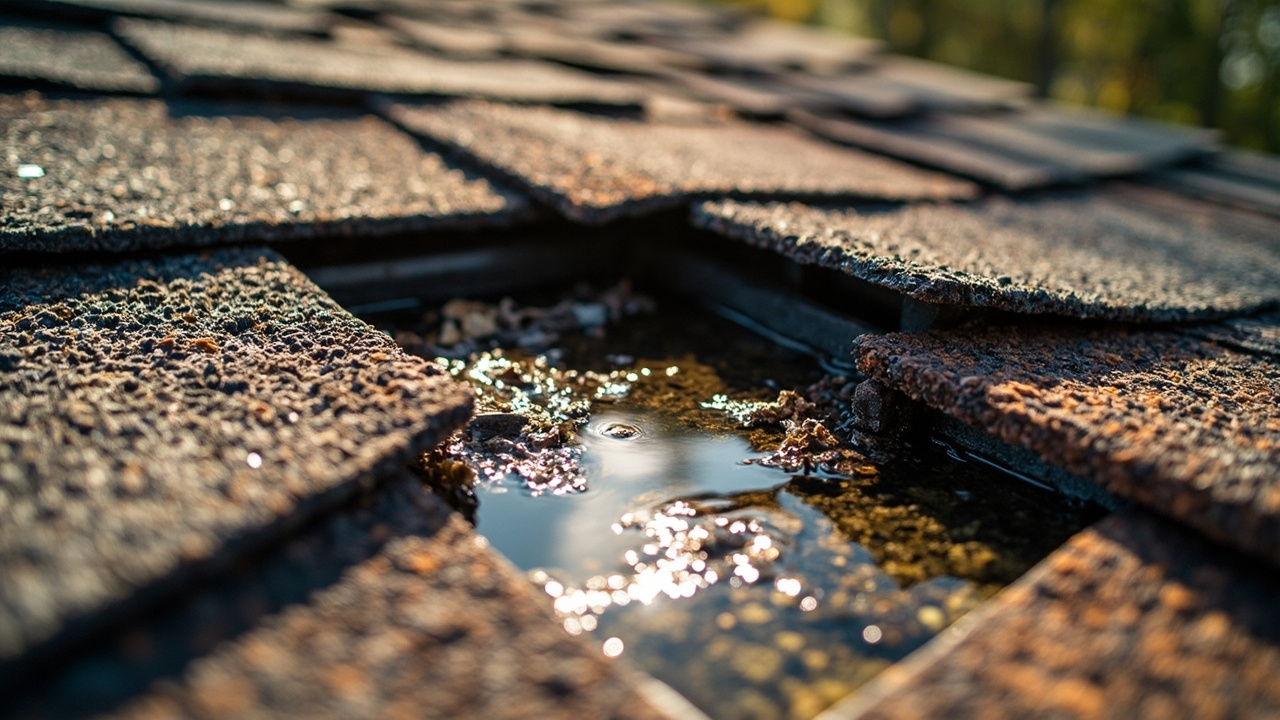
You notice stains on your ceiling near the chimney. The drywall feels soft. After every thunderstorm, the problem gets worse. This is not a flashing issue. This is a roof cricket drainage failure.

Atlanta receives an average of 50 inches of rain per year. When storms dump two inches in an hour, water moves fast across your roof. If the cricket behind your chimney has the wrong pitch or was never built at all, water pools instead of flows. Chimney saddle water pooling creates hydrostatic pressure against flashings. Over time, that pressure forces water under shingles and into your attic.

Improper cricket pitch is the most common culprit. A cricket needs at least a 4-in-12 slope to shed water effectively in heavy Atlanta downpours. Builders often cut corners and install crickets at 2-in-12 or skip them entirely on chimneys wider than 30 inches. The result is roof cricket ponding that sits for hours after rain stops. That standing water finds every microscopic gap in your flashing system.

You also see chimney diverter leaks when the cricket structure itself cracks or separates from the chimney. Freeze-thaw cycles in Atlanta winters, combined with summer heat expansion, stress the wood framing and metal cap of the cricket. Once the seal breaks, water channels directly into your roof deck.

The damage compounds quickly. What starts as a ceiling stain becomes rotted rafters, mold growth in insulation, and compromised structural integrity around your chimney base. Ignoring roof saddle drainage failure turns a targeted repair into a full roof replacement.

Why Water Pools Behind Your Chimney After Atlanta's Heavy Rains
How We Fix Cricket Drainage Problems Permanently

How We Fix Cricket Drainage Problems Permanently

We do not patch over symptoms. We rebuild the drainage path using proper geometry and materials.

First, we strip shingles and underlayment around the existing cricket or chimney saddle. We expose the deck to assess wood rot and measure the current pitch. Most failed crickets have less than 3-in-12 slope. We document this with photos and measurements.

Next, we remove the old cricket framing if it exists. We cut out any rotted decking and sister in new plywood sheathing. The new cricket frame uses pressure-treated lumber for the ridgeboard and valley boards. We set the ridge at a minimum 4-in-12 pitch, sometimes steeper if your roof pitch allows. This angle ensures water moves off the saddle in under 10 seconds after rain stops.

We then install ice and water shield across the entire cricket surface and extending six inches beyond the cricket footprint. This creates a secondary waterproof barrier independent of the shingles. We fabricate custom step flashing that integrates with both the chimney masonry and the cricket valleys. Each piece overlaps the next by at least four inches.

The cricket cap receives a continuous bead of polyurethane sealant where it meets the chimney brick. We do not use tar or roof cement. Polyurethane flexes with thermal expansion and maintains its seal for 20 years.

Finally, we shingle the cricket using the same material as your main roof. We weave valleys or use metal valley flashing depending on shingle type. Water now flows down the cricket valleys, into the main roof valleys, and off the eave without obstruction.

First Choice Roofing Atlanta tests the repair by running a hose at the chimney base for 15 minutes while inspecting the attic below. No moisture means the repair is complete.

What Happens During Your Cricket Repair

Roof Cricket Drainage Issues in Atlanta – Expert Diagnosis Stops Leak Damage Before It Spreads
01

Attic and Roof Inspection

We start inside your attic with a flashlight and moisture meter. We trace water stains back to the chimney penetration and check for active leaks in the decking. On the roof, we measure the existing cricket pitch with a digital level and photograph the flashing condition. This diagnostic phase takes 30 minutes and determines whether you need a full cricket rebuild or just flashing replacement.
02

Cricket Reconstruction

Our crew removes shingles in a six-foot radius around your chimney. We tear out the old cricket frame and replace rotted decking. The new cricket gets built with accurate geometry, proper slope angles, and ice and water shield coverage. We integrate step flashing into the chimney mortar joints and seal every seam. This phase takes four to six hours depending on chimney size and deck damage.
03

Water Test and Cleanup

After shingling the new cricket, we flood the area with a garden hose while you or a crew member monitors the attic. We check for drips, moisture on rafters, and water penetration at the chimney base. If the attic stays dry for 20 minutes of continuous water flow, the repair passes. We clean up debris, magnet-sweep your yard for nails, and provide photos of the completed work.

Why Atlanta Homeowners Trust Our Cricket Repairs

Roof cricket problems require carpentry skills and waterproofing knowledge. Most roofers only replace shingles. We rebuild structural components.

Atlanta's building code requires crickets on chimneys wider than 30 inches, but enforcement is inconsistent. Homes built before 2000 often lack crickets entirely. Homes built during the 2005 to 2008 construction boom frequently have crickets with insufficient pitch because framers rushed to meet deadlines. We see these defects daily across Buckhead, Midtown, and Decatur.

First Choice Roofing Atlanta has repaired cricket drainage failures on Georgian colonials in Druid Hills, ranch homes in East Atlanta, and Craftsman bungalows in Virginia Highland. Each architectural style presents unique challenges. Historic homes often have chimney stacks that are three feet wide, requiring custom cricket designs that match the original roofline aesthetics. We fabricate these crickets on-site using the same lumber dimensions and flashing techniques that were standard when the home was built.

We also understand how Atlanta's clay soil affects your foundation and roof. When your foundation settles unevenly, your roofline can develop a sag near the chimney. That sag creates a low spot where water collects even if the cricket has proper pitch. We identify these structural issues during our inspection and recommend solutions that address both the roof and the underlying cause.

You get a written scope of work before we start. We explain what we found, what we will replace, and why each step matters. No surprises. No upselling. If your cricket only needs new flashing and sealant, we tell you that instead of rebuilding the entire structure.

Our crews carry liability insurance and workers' compensation coverage. If someone gets hurt on your property, you are protected. We pull permits when required by the City of Atlanta or your local jurisdiction. Inspectors verify our work meets code.

What You Can Expect From Start to Finish

Rapid Response Time

We schedule inspections within 48 hours of your call. If you have an active leak and rain is forecast, we can tarp your chimney the same day to prevent further damage. Most cricket repairs take one to two days depending on the scope of wood rot and decking replacement. We work in all weather except heavy rain or ice. You get a firm start date when you approve the estimate, and we show up on time.

Detailed Roof Assessment

Our inspector climbs onto your roof and into your attic. We measure the current cricket pitch, test flashing integrity, and probe the decking for soft spots. We take photos of every problem area and mark them on a diagram of your roof. You receive this documentation in a PDF within 24 hours along with a line-item estimate. We explain the difference between a cricket rebuild and a flashing repair so you understand what you are paying for.

Permanent Leak Elimination

When we finish, your chimney saddle sheds water in seconds instead of pooling for hours. The new cricket has the correct slope, integrated flashing, and a sealed cap. We test the repair with a hose before we leave. You get photos of the completed work showing the new framing, underlayment, and shingle installation. The result is a dry attic and no more ceiling stains after storms.

Workmanship Commitment

We stand behind our labor. If a leak reappears in the same location within two years, we come back and fix it at no charge. This does not cover new damage from storms or fallen branches, but it does cover installation defects. We also provide maintenance guidance for your chimney cap and flashing. You should inspect the cricket twice a year and remove debris that blocks the valleys. Keep gutters clean so water does not back up onto the cricket surface.

Frequently Asked Questions

You Have Questions,
We Have Answers

Does rooftop cricket damage roofs? +

Rooftop crickets do not damage roofs. They prevent damage. A cricket is a peaked structure installed behind chimneys or large rooftop equipment to divert water and debris around obstructions. Without one, water pools behind the chimney during Atlanta's heavy spring rains and ice events. Pooling water leads to accelerated shingle deterioration, flashing failure, and leaks into your attic. Crickets extend roof lifespan by eliminating standing water. If your chimney lacks a cricket and you notice staining or leaks on interior walls near the chimney, the missing cricket is the problem.

What are the signs of a failing roof drain? +

Watch for water pooling on your roof after rain, even hours later. You will notice rust stains around the drain, slow draining during storms, or water backing up under shingles near the drain. Inside your Atlanta home, ceiling stains or musty odors below the drain location signal failure. During our humid summers, clogged drains allow moisture to sit and penetrate underlayment. Debris buildup from oak and pine trees is common here. If you see sagging sections or soft spots near drains, the deck below may already be rotting. Address failing drains immediately.

What is a drainage cricket? +

A drainage cricket is a triangular or peaked diverter built on flat or low-slope roofs to redirect water flow around obstacles like chimneys, skylights, or HVAC units. It prevents water and debris from collecting on the upslope side of these obstructions. Crickets are typically framed with wood or metal and covered with the same roofing material as the rest of your roof. In Atlanta, where afternoon thunderstorms dump inches of rain quickly, crickets keep water moving toward gutters and drains. Without them, pooling accelerates wear and leads to leaks in vulnerable areas.

When should I consider a roof cricket? +

You need a roof cricket when your chimney is wider than 30 inches or sits on a sloped roof. Building codes often require crickets for chimneys exceeding this width because water cannot naturally flow around them. If you notice water stains, moss growth, or shingle damage behind your chimney after Atlanta's wet springs, a cricket will solve it. Homes in historic Inman Park or Druid Hills with large masonry chimneys often lack crickets. Install one during reroofing or chimney repairs to prevent future leaks and extend your roof's service life.

Can crickets cause structural damage? +

Yes. When water pools behind chimneys or equipment, it infiltrates roof decking, causing wood rot. Over time, weakened decking cannot support loads and sags. In Atlanta's humid climate, trapped moisture accelerates mold growth and decay. Water seeping into framing can damage rafters and trusses, compromising structural integrity. If pooling persists through multiple freeze-thaw cycles during winter, expansion cracks the decking and flashing. Interior leaks follow, damaging insulation, drywall, and ceilings. Crickets eliminate pooling and protect your home's structure. Ignore missing crickets and you face expensive framing repairs beyond just replacing shingles.

Should you try to remove an ice dam on your roof in winter? +

No. Do not attempt to remove ice dams yourself. Chipping ice with hammers or sharp tools damages shingles, flashing, and gutters. In Atlanta, ice dams are rare but occur during sudden freezes after rain. The weight and meltwater backing under shingles cause leaks. Instead, contact a professional who uses steam or controlled heat to melt dams safely. Applying calcium chloride in a sock along the dam edge can create channels for drainage. Address the root cause by improving attic insulation and ventilation to prevent heat loss that melts snow unevenly.

How much does it cost to replace a roof drain? +

Replacing a roof drain in Atlanta typically costs between several hundred and a few thousand dollars, depending on drain size, location, and roof type. Flat commercial roofs with larger drains cost more than residential applications. Factors include drain material, accessibility, deck repairs if water damaged the substrate, and membrane or flashing replacement around the drain. If your drain failed due to debris buildup from nearby trees, expect additional costs for cleaning and resealing. Request itemized estimates from local contractors. Address failing drains quickly to avoid exponentially higher costs from interior water damage or structural rot.

Does homeowners insurance pay for a leaky roof? +

Homeowners insurance covers leaks caused by sudden, accidental events like storm damage or fallen trees. It does not cover leaks from neglect, wear, or poor maintenance. If your roof cricket failed due to age and lack of maintenance, your claim may be denied. However, if a storm tore off flashing around the cricket and caused a leak, insurance may pay. In Atlanta, document storm damage with photos immediately. Review your policy for roof coverage limits. Some policies depreciate roofs older than 15 years. File claims promptly and provide evidence of regular maintenance.

How to tell if a roofer is lying? +

A dishonest roofer avoids written estimates, pressures you to decide immediately, or demands full payment upfront. They cannot provide local references or proof of insurance. Watch for vague descriptions like needing a complete tearoff when only minor repairs are necessary. In Atlanta, scammers often appear after storms offering unsolicited inspections. Legitimate roofers explain what they found, show you photos, and itemize costs. They pull permits when required. If a roofer claims insurance will cover everything without inspecting your policy, walk away. Always verify credentials and get multiple estimates before committing.

Do roof crickets need to be inspected? +

Yes. Roof crickets need inspection during routine roof maintenance, at least annually. Check for cracked flashing, damaged shingles, or debris buildup on the cricket's upslope side. After Atlanta's severe thunderstorms or winter freezes, inspect for shifted framing or separation from the chimney. Water stains on interior walls near the chimney indicate cricket or flashing failure. Crickets on flat roofs require more frequent checks because ponding water signals drainage problems. During reroofing, ensure the cricket structure remains sound and is properly integrated with new materials. Proactive inspections prevent small issues from becoming expensive leak repairs.

How Atlanta's Thunderstorms and Clay Soil Accelerate Cricket Failures

Atlanta sits in a humid subtropical climate zone with severe thunderstorms from March through September. When two inches of rain falls in 30 minutes, your roof handles a surge of water that tests every drainage component. Crickets with improper pitch cannot move this volume fast enough. Water backs up behind the chimney, finds gaps in the flashing, and leaks into your attic. The clay soil common across Fulton and DeKalb counties compounds the problem. Clay expands when wet and contracts when dry, causing foundation movement that stresses roof framing and creates low spots where water collects. A cricket built on a sagging roofline will fail even if it has the correct pitch on paper.

First Choice Roofing Atlanta has worked on homes in every Atlanta neighborhood. We know the differences between the post-war cottages in Kirkwood and the newer subdivisions in Sandy Springs. We understand how local building inspectors interpret the International Residential Code and what they expect to see during a final inspection. When you hire a local roofer who has repaired hundreds of crickets across the metro area, you get solutions tailored to your specific roof type and Atlanta's weather patterns. National chains do not have this depth of experience in your zip code.
Roofing Services in The Atlanta Area

Whether you are in need of a new roof, a quick repair, or a detailed inspection, our team is ready to serve you. We are proud to be a trusted part of the Atlanta community, and you can find our business location on the map below. Feel free to visit us or contact us today to discuss your next project. We look forward to working with you and protecting your property.

Address:
First Choice Roofing Atlanta, 3630 Peachtree Rd NE, Atlanta, GA, 30326

Additional Services We Offer

Our news updates

Latest Articles & News from The Blogs

Are GAF Timberline Solar Shingles Finally Worth it for Atlanta Homeowners? Atlanta homeowners are discovering that GAF Timberline Solar Shingles…

Are GAF Timberline Solar Shingles Finally Worth it for Atlanta Homeowners?

Are GAF Timberline Solar Shingles Finally Worth it for Atlanta Homeowners? Atlanta homeowners are discovering that GAF Timberline Solar Shingles…

Why Vaulted Ceilings Often Lead to Roof Rot in Modern Duluth Homes

Why Vaulted Ceilings Often Lead to Roof Rot in Modern Duluth Homes Vaulted ceilings create stunning architectural appeal but often…

The Real Cost and Complexity of Adding a Rooftop Deck to Your Reynoldstown Townhome

The Real Cost and Complexity of Adding a Rooftop Deck to Your Reynoldstown Townhome Adding a rooftop deck to your…

Contact Us

Call First Choice Roofing Atlanta at (770) 610-9366 to schedule your cricket inspection. We will diagnose the problem, explain your options, and give you a written estimate within 24 hours. Do not wait for the damage to spread.