




menu

Tile Roofing Services in Atlanta – Built to Handle Southern Heat and Storm Damage

Professional tile roofing contractors who understand Atlanta's climate extremes, from intense summer heat to severe storm exposure, delivering tile roof installation, repair, and replacement that protects your property for decades.

Slider Image 1
Slider Image 2
Slider Image 3
Slider Image 4
Slider Image 5
Slider Image 7
Slider Image 8
Slider Image 9
Slider Image 10
Slider Image 11

Why Tile Roofs Fail Faster in Atlanta's Climate

Atlanta's weather throws everything at your roof. Summer temperatures climb past 95 degrees, baking clay and concrete tiles until thermal expansion creates hairline cracks. Then fall storms hit with hail and wind gusts that turn minor damage into major leaks. By winter, freeze-thaw cycles wedge into those cracks, and spring humidity feeds moss and algae growth that accelerates deterioration.

Tile roofing installation in Atlanta requires understanding Piedmont clay soil. Your foundation shifts as this expansive soil swells and contracts. That movement transfers to your roof structure, stressing tile mounting systems and cracking underlayment. Most tile roofing companies treat Atlanta roofs like they would in Arizona or California. They miss the reality that our subtropical climate and soil conditions demand different fastening techniques and waterproofing strategies.

You will see problems show up around penetrations first. Vent boots, chimney flashing, and valley intersections fail when tile roofing contractors use standard details instead of adapting to Atlanta's rainfall patterns. We average 50 inches of rain annually. That is 20 inches more than Phoenix. Your underlayment and flashing must handle prolonged moisture exposure, not just occasional desert cloudbursts.

Homes in Buckhead, Midtown, and Druid Hills often feature Spanish Colonial or Mediterranean architecture with original tile roofs from the 1920s and 1930s. These heritage installations used different tile profiles and deck systems than modern builds. Tile roof repair on historic properties requires matching obsolete tile styles and working within Landmark District guidelines. Generic tile roofing companies lack the material sourcing and permitting knowledge to handle these projects correctly.

Why Tile Roofs Fail Faster in Atlanta's Climate
How First Choice Roofing Atlanta Handles Tile Systems Differently

How First Choice Roofing Atlanta Handles Tile Systems Differently

We perform structural load analysis before every tile roof installation. Concrete tiles weigh 900 to 1,100 pounds per square. Clay tiles run 600 to 800 pounds per square. Your existing roof deck and truss system must handle that load, especially after years of moisture exposure weakening the sheathing. We inspect the deck from below through attic access, checking for sag, rot, and inadequate span ratings. If your framing cannot support tile weight, we identify it before installation, not after your ceiling cracks.

Underlayment selection matters more than most tile roofing contractors admit. We use high-temperature synthetic underlayment rated for the heat that builds under barrel and S-tiles in Atlanta summers. Asphalt felt degrades in that environment. It becomes brittle and loses adhesion. Synthetic products maintain flexibility and waterproofing integrity through temperature swings from 15 degrees in January to 140 degrees under tiles in July.

Our tile roof repair process starts with infrared moisture scanning. We map wet areas in your deck before removing tiles. This prevents unnecessary tile removal and identifies hidden leak paths that visual inspection misses. Water travels along battens and counter-battens before it drips into your attic. The stain you see inside rarely sits below the actual roof penetration. Thermal imaging shows the moisture trail so we target the real failure point.

Flashing fabrication uses 26-gauge copper or stainless steel, not aluminum. Atlanta's humidity and acid rain from urban pollution corrode aluminum flashing within 10 years. We custom-bend all step flashing, valley liners, and chimney cricket pans on-site to match your specific tile profile and roof pitch. Pre-formed flashing kits create gaps that leak. First Choice Roofing Atlanta does not use them.

What Happens During Your Tile Roof Project

Tile Roofing Services in Atlanta – Built to Handle Southern Heat and Storm Damage
01

Structural Assessment

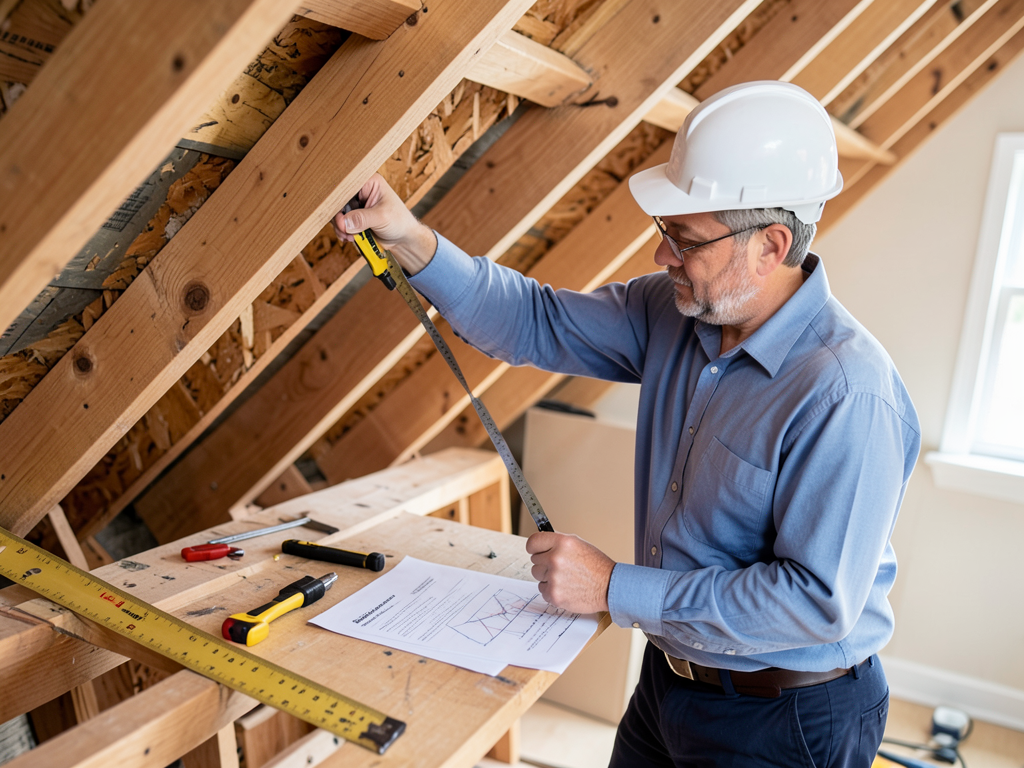
We measure your roof pitch, identify truss spacing, and calculate dead load capacity before discussing tile options. You receive a written structural evaluation that confirms your home can support tile weight or specifies required reinforcement. This includes attic inspection for existing water damage, inadequate ventilation, and deck deterioration. We test fastener pull strength in your existing sheathing to verify holding power for tile battens and verify you meet current code for your installation.
02

Tile Selection and Staging

You choose from flat, barrel, or S-profile tiles in clay or concrete based on your architectural style and budget. We calculate breakage allowance and order 12 percent overage for cuts and future repairs. Tiles arrive on pallets and we stage them on your driveway with plywood protection, distributing weight to prevent cracking. Our crew hand-carries tiles to the roof in batches to avoid overloading sections during installation, critical on older homes with marginal framing that cannot handle concentrated pallet weight.
03

Installation and Final Inspection

We install underlayment, battens, and tiles following manufacturer specifications for Atlanta wind zone ratings. Each tile receives corrosion-resistant fasteners and storm clips where required by your exposure category. Hip and ridge tiles get mortar-set or mechanically fastened based on your roof pitch and tile weight. After installation, we perform a water test on all valleys and penetrations, running hoses for 20 minutes per section to verify waterproofing before final inspection and cleanup of your property, leaving surplus tiles for future repairs.

Why Atlanta Property Owners Choose Local Tile Roofing Expertise

First Choice Roofing Atlanta works within the City of Atlanta building code and county-specific amendments that affect tile installations. Fulton and DeKalb counties have different wind speed requirements and inspection protocols. We pull permits, schedule inspections, and ensure your tile roof replacement meets the current International Residential Code as adopted locally. Out-of-state tile roofing companies miss these details and leave you with code violations that surface during home sales or insurance claims.

We source tile from regional suppliers who stock profiles that match Atlanta's historic architecture. When you need tile roof repair on a 1940s Buckhead estate with original Mission barrel tiles, we can match the profile, color, and finish. National chains order generic substitutes that look wrong and do not integrate with your existing field tiles. Our supplier relationships also mean faster material delivery when storm damage requires urgent tile roof replacement across multiple properties in your neighborhood.

You also get crews who understand working on Atlanta's steep-pitch roofs in summer heat and afternoon thunderstorms. We schedule installations during optimal weather windows, typically March through May and September through November, when temperature and humidity allow proper underlayment adhesion and mortar curing. Tile roofing contractors who push year-round installation compromise material performance to maintain revenue flow.

Our familiarity with Ansley Park, Virginia Highland, and Inman Park's Landmark Districts means we navigate design review requirements efficiently. These neighborhoods restrict tile color, profile, and even fastener visibility. We submit documentation, attend review board meetings when required, and ensure your tile roofing installation gets approved without delays. We have completed tile roof repair and replacement projects on contributing structures in every Atlanta historic district.

What to Expect From Professional Tile Roofing Services

Project Timeline and Scheduling

Complete tile roof installation on an average 2,500-square-foot home takes seven to ten days depending on complexity and weather. We provide a written schedule before starting and update you daily on progress. Tile roof repair projects for isolated damage typically complete in one to two days. Emergency storm damage response begins within 24 hours with temporary tarping to prevent interior water damage while we assess the full scope. We do not start work until you approve the final scope and pricing, and we never pressure you to make same-day decisions on non-emergency projects.

Detailed Roof Inspection Process

Your assessment includes a 47-point inspection checklist covering tile condition, underlayment integrity, flashing performance, ventilation adequacy, and structural soundness. We photograph every problem area and provide a digital report with annotations showing exactly where issues exist. You receive recommendations separated into immediate needs, near-term maintenance, and long-term planning items. This prevents confusion about what requires urgent attention versus what you can budget for next year. Our inspections include attic evaluation for proper ventilation, insulation clearance around roof penetrations, and signs of previous leak damage that indicates recurring problems your tile roofing system must address.

Quality Standards and Material Performance

We install only tiles rated for ASTM C1167 (clay) or ASTM C1492 (concrete) standards, ensuring freeze-thaw durability and breaking strength appropriate for Atlanta's climate. Your underlayment meets ASTM D226 or D4869 specifications for high-temperature performance. All fasteners use stainless steel or hot-dipped galvanized coating to prevent rust-through in our humid environment. You receive manufacturer documentation for all materials, including profile specifications and color lot numbers for future matching. Our installations pass third-party inspections because we follow both manufacturer requirements and local code, not shortcuts that save time but create callbacks.

Maintenance and Long-Term Support

Tile roofs require periodic maintenance to reach their 50-year lifespan potential. We provide annual inspection services that check for slipped tiles, damaged flashing, and debris accumulation in valleys. You receive priority scheduling for tile roof repair when storm damage occurs, with our crews responding to established clients first during high-demand periods after severe weather. We maintain records of your tile profile, color, and supplier so future repairs match perfectly. Our maintenance plans include moss and algae treatment specific to Atlanta's humidity, preventing biological growth that retains moisture and accelerates tile deterioration on north-facing roof sections.

Frequently Asked Questions

You Have Questions,
We Have Answers

How much does it cost to do a tile roof? +

Tile roof installation costs vary based on tile type, roof complexity, and existing structure. Concrete tiles are more affordable than clay or slate. You also pay for underlayment, flashing, and structural reinforcement since tile is heavy. In Atlanta, clay soil expansion and freeze-thaw cycles can stress foundations, so proper installation matters. Roof pitch and accessibility affect labor costs. A steep Victorian home in Inman Park requires more scaffolding and labor than a ranch in Buckhead. Get three detailed estimates that break down materials and labor. Compare warranties and contractor experience with tile installations specific to Georgia's humid subtropical climate.

How much does it cost to get a roof tiled? +

Getting a roof tiled involves material costs, tear-off, structural assessment, and installation labor. Tile weighs significantly more than asphalt shingles, so your decking and trusses may need reinforcement. Atlanta's high humidity and occasional ice storms demand proper underlayment and ventilation to prevent moisture damage. Labor costs reflect tile's complexity compared to standard shingles. Expect higher costs for curved barrel tiles versus flat profile tiles. Disposal fees for old roofing add to the total. Factor in flashing around chimneys and valleys, which requires precision. Request itemized quotes that detail structural work, materials, and labor separately to compare contractors accurately.

How much should a 2000 sq ft roof cost? +

A 2000 square foot roof cost depends on material choice, pitch, and complexity. For tile roofing in Atlanta, you pay more than asphalt but gain longevity. Concrete tile is less expensive than clay. Roof pitch matters because steeper roofs require more safety equipment and labor time. Homes in historic neighborhoods like Grant Park often have complex rooflines with dormers and valleys that increase costs. Factor in tear-off, disposal, underlayment, and flashing. Atlanta's humidity requires quality ventilation systems. Get detailed estimates from contractors experienced with tile installations. Compare material grades and warranties. Structural reinforcement adds cost but prevents future problems.

How much does it cost to roof a 20x20 garage? +

Roofing a 20x20 garage depends on material, pitch, and access. A simple gable roof costs less than a complex hip design. For tile roofing, you need to confirm the structure supports tile's weight. Many garages built for asphalt shingles need reinforcement. Atlanta's clay soil can shift, so proper flashing and underlayment prevent leaks. Detached garages may require scaffolding if access is limited. Concrete tile is lighter than clay but still heavier than shingles. Factor in permits if required by your municipality. Get written estimates that include structural assessment, materials, labor, and disposal. Compare contractors who specialize in small-scale tile installations.

How Atlanta's Urban Heat Island Effect Accelerates Tile Roof Aging

Atlanta's dense development creates temperatures 5 to 8 degrees hotter than surrounding suburbs. Your tile roof in Midtown or Downtown experiences extreme thermal cycling that rural installations never face. Concrete and clay tiles expand and contract daily as surface temperatures swing from 70 degrees at dawn to 150 degrees by mid-afternoon. This constant movement stresses mortar joints, fatigues underlayment adhesives, and works fasteners loose over time. Tile roofing installation in Atlanta's urban core requires expansion joint details and flexible sealants that accommodate this movement without cracking. The heat island effect also accelerates UV degradation of synthetic underlayment and shortens the service life of valley metals through thermal fatigue.

First Choice Roofing Atlanta maintains relationships with the City of Atlanta Development Department and county building inspection offices across the metro area. We know which inspectors cover your zone and what details they scrutinize during tile roof inspections. This familiarity prevents failed inspections and re-work that delays your project. Our crews also understand working in Atlanta's established neighborhoods where narrow streets, mature tree canopies, and proximity to adjacent homes complicate material delivery and debris removal. We have completed tile roof replacement projects on every architectural style common to Atlanta, from Craftsman bungalows in Grant Park to contemporary designs in Buckhead, giving us the pattern recognition to anticipate challenges specific to your home's construction era and building methods.
Roofing Services in The Atlanta Area

Whether you are in need of a new roof, a quick repair, or a detailed inspection, our team is ready to serve you. We are proud to be a trusted part of the Atlanta community, and you can find our business location on the map below. Feel free to visit us or contact us today to discuss your next project. We look forward to working with you and protecting your property.

Address:
First Choice Roofing Atlanta, 3630 Peachtree Rd NE, Atlanta, GA, 30326

Additional Services We Offer

Our news updates

Latest Articles & News from The Blogs

How Pine Needles Can Secretly Destroy Your Sandy Springs Roof (And Why Blowers Aren’t Enough) Pine needles accumulate on Atlanta…

How Pine Needles Can Secretly Destroy Your Sandy Springs Roof (And Why Blowers Aren't Enough)

How Pine Needles Can Secretly Destroy Your Sandy Springs Roof (And Why Blowers Aren’t Enough) Pine needles accumulate on Atlanta…

What to Do When a Hidden Roof Leak Starts Growing Mold Inside Your Virginia-Highland Walls

What to Do When a Hidden Roof Leak Starts Growing Mold Inside Your Virginia-Highland Walls When you discover mold growing…

Is it Ever Safe to Walk on Your Own Roof in Roswell?

Is it Ever Safe to Walk on Your Own Roof in Roswell? \n\n Walking on your roof in Roswell is…

Contact Us

Call First Choice Roofing Atlanta at (770) 610-9366 for a detailed inspection and written estimate. We provide same-day scheduling for emergency tile roof repair and typically complete assessments within 48 hours for planned projects. No pressure, just honest answers about your roof's condition and options.