



menu

Commercial Roof Coatings in Atlanta – Extend Your Roof Life 15+ Years Without Replacement Downtime

First Choice Roofing Atlanta delivers elastomeric roof coatings and liquid applied roofing systems that protect your facility from Atlanta's intense UV exposure and torrential rains while keeping your operations running without interruption.

Slider Image 1
Slider Image 2
Slider Image 3
Slider Image 4
Slider Image 5
Slider Image 7
Slider Image 8
Slider Image 9
Slider Image 10
Slider Image 11

Why Atlanta's Climate Destroys Unprotected Commercial Roofs Faster

Atlanta's commercial buildings face a specific threat: intense summer UV radiation combined with sudden downpours that can drop three inches of rain in an hour. Your flat roof membrane expands and contracts daily as temperatures swing from 95-degree afternoons to 70-degree nights. This constant thermal cycling cracks seams, degrades adhesives, and creates ponding water zones where algae and mold colonies establish within weeks.

The clay-heavy soil across the metro area shifts during wet-dry cycles, causing structural movement that stresses roof-to-wall transitions. You will see this manifest as separated flashing, open lap seams, and failed penetration seals around HVAC units. Industrial roof coatings address this by creating a monolithic, flexible membrane that moves with your building rather than fighting against it.

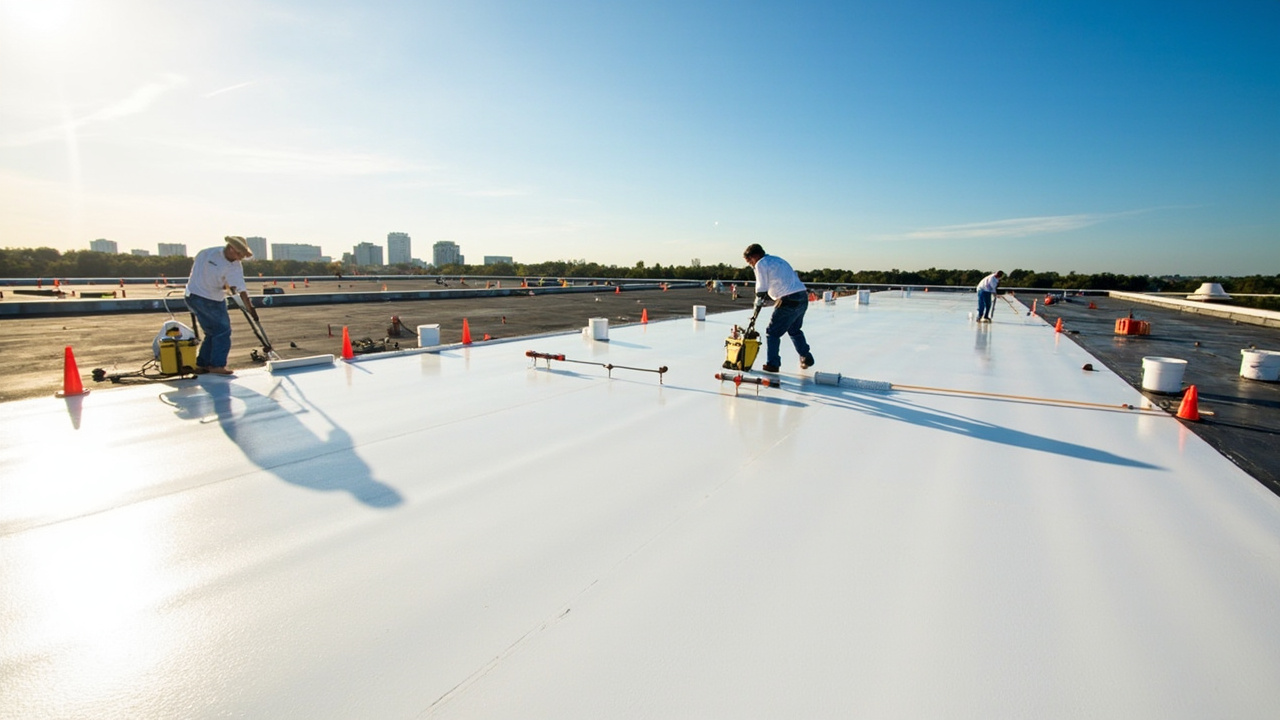
Traditional tear-off replacements force you to shut down sections of your facility, expose inventory to weather, and disrupt climate control for days. Commercial flat roof coatings eliminate that risk. Liquid applied roofing systems go directly over your existing membrane, sealing leaks and restoring waterproofing in 24 to 48 hours per section. Your warehouse stays operational, your production line keeps running, and your tenants never lose access.

Commercial roof restoration systems have become the standard for distribution centers along I-85 and manufacturing facilities in the Fulton Industrial District because they deliver measurable ROI. You extend roof life by 15 to 20 years at 30 to 40 percent of replacement cost while maintaining full building functionality.

Why Atlanta's Climate Destroys Unprotected Commercial Roofs Faster
How Elastomeric Roof Coatings Create a Permanent Weather Barrier

How Elastomeric Roof Coatings Create a Permanent Weather Barrier

Elastomeric roof coatings are not paint. These are engineered polymer systems formulated to cure into a rubber-like membrane with 600 percent elongation capacity. When substrate temperatures shift, the coating stretches and recovers without cracking or delaminating. You gain a self-healing barrier that closes micro-fissures before they become leak points.

First Choice Roofing Atlanta uses a three-layer system for commercial applications. The base coat penetrates existing membrane pores and bonds at the molecular level. The reinforcement layer embeds polyester fabric into wet coating at all seams, penetrations, and transitions to create tensile strength equivalent to new TPO or EPDM. The topcoat provides UV reflectivity and creates the final waterproof surface.

We apply industrial roof coatings at specific mil thicknesses verified with wet film gauges during installation. A minimum 20-mil dry thickness across the field and 40-mil at details ensures you get the membrane integrity required for long-term performance. Proper mil thickness directly correlates to longevity. Under-applied coatings fail within three to five years. Correctly applied systems last two decades.

Surface preparation determines success. We pressure wash at 3,500 PSI to remove all biological growth, then mechanically abrade glossy surfaces to create proper tooth for adhesion. Any ponding water areas get tapered with fill compound to create positive drainage. Failing fasteners get replaced, not coated over. You cannot coat over problems and expect solutions. The substrate must be sound, clean, and dry before the first gallon goes down.

What to Expect During Your Coating Application

Commercial Roof Coatings in Atlanta – Extend Your Roof Life 15+ Years Without Replacement Downtime
01

Detailed Roof Assessment

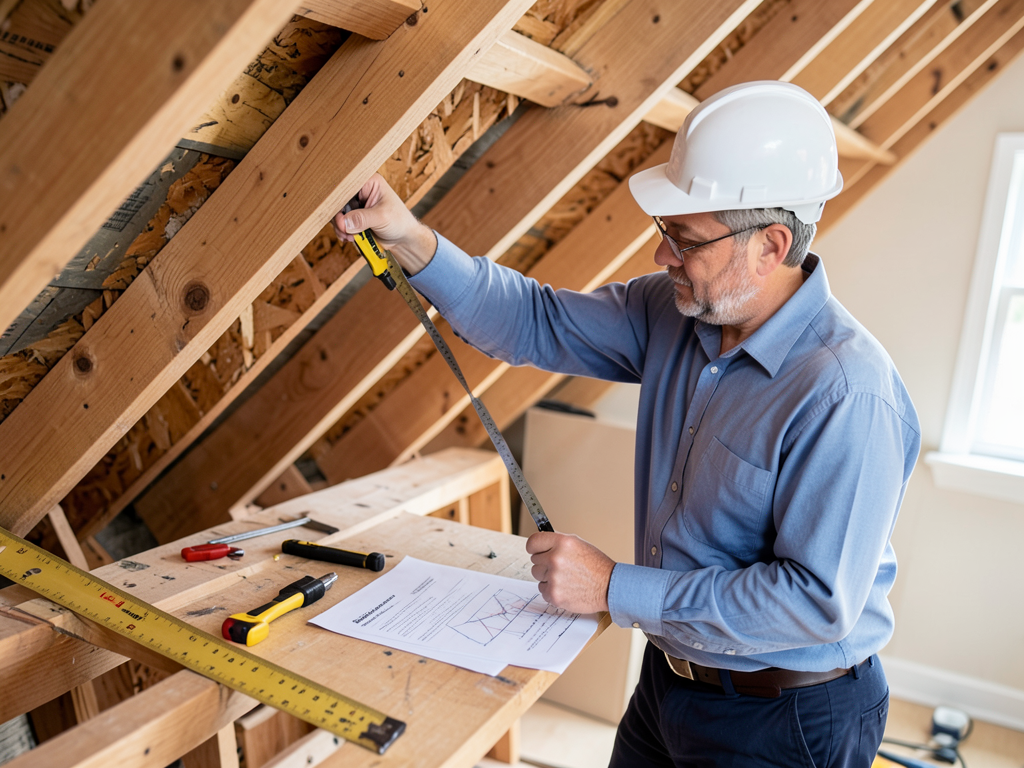
Our crew conducts a section-by-section inspection using moisture meters and core samples to map wet insulation, failed seams, and structural concerns. You receive a written report identifying all deficiencies that must be corrected before coating. We document current membrane type, fastener patterns, and drainage performance. This data determines which coating chemistry and reinforcement strategy your roof requires. The assessment takes two to four hours depending on building size.
02

Substrate Repair and Preparation

All identified defects get addressed first. We remove wet insulation sections, replace rusted fasteners, and rebuild damaged wood nailers. Every penetration gets re-flashed with compatible materials. The entire surface undergoes power washing and chemical cleaning to remove oils and contaminants that prevent adhesion. We perform pull tests on sample areas to verify bond strength meets or exceeds 20 pounds per linear inch. Only then does coating application begin.
03

Application and Quality Verification

Coating goes down in controlled passes using airless spray equipment calibrated for precise mil thickness. Each layer cures fully before the next application. We embed reinforcement fabric while the coating is still wet to eliminate any delamination risk. Final inspection includes mil thickness verification at 100 points across the roof and a detailed photo documentation package. You receive as-built drawings showing all detail work and a maintenance protocol specific to your coating system.

Why Atlanta Facilities Choose First Choice Roofing for Commercial Roof Restoration Systems

Commercial roof restoration requires understanding how Atlanta's building stock was constructed. The majority of industrial and warehouse buildings in the metro area were built between 1985 and 2005 using built-up roofing or first-generation single-ply membranes. These systems are reaching end-of-service life simultaneously, creating a maintenance crisis for property managers.

First Choice Roofing Atlanta has coated over two million square feet of commercial roofing across Gwinnett County warehouses, Cobb County office complexes, and Fulton Industrial manufacturing facilities. We understand the specific failure modes of BUR systems with gravel surfacing and the UV degradation patterns of early EPDM installations. This experience matters because coating chemistry must match substrate type. Apply silicone over acrylic and you get delamination. Use water-based products on oil-saturated BUR and you get zero adhesion.

We work directly with your facilities team to schedule coating application around your operational requirements. Food processing plants get overnight and weekend service to maintain USDA compliance. Distribution centers get phased section work that keeps loading docks accessible. Office buildings get perimeter-to-center application that eliminates any interior disruption.

Local code compliance matters for commercial projects. Atlanta requires permits for any roofing work exceeding 100 square feet. We handle all permitting, provide engineered specifications stamped by a Georgia-licensed professional engineer when required, and coordinate inspections. You get a code-compliant installation with proper documentation for your property records and future buyers.

What Your Commercial Roof Coating Project Includes

Project Timeline and Phasing

Most commercial coating projects take three to seven days per 20,000 square feet depending on detail complexity and weather. We schedule work during your low-activity periods and break large roofs into phases that keep your building fully operational. Each morning you receive a daily briefing on what areas we will access and when they will be returned to service. Weather delays get communicated immediately with revised schedules. You maintain control of your facility while we control the roofing work. Rush scheduling is available for buildings with active leaks threatening inventory or equipment.

Pre-Application Roof Analysis

The initial assessment uses infrared thermography to detect trapped moisture invisible to visual inspection. We map all wet areas, then use nuclear moisture meters to quantify saturation levels. Core samples go to a lab for adhesion testing between existing membrane layers. You receive a comprehensive report with photos, moisture maps, and repair specifications before any work begins. This analysis eliminates surprises during application and ensures your coating investment performs as expected. Buildings with extensive moisture damage may require selective tear-off before coating becomes viable.

Final Membrane Performance

Your finished roof meets or exceeds ASTM standards for commercial roofing membranes. The coating system provides Class A fire rating, meets FM 4470 wind uplift requirements, and achieves Energy Star reflectivity standards that reduce cooling costs by 15 to 25 percent. You get a seamless, monolithic membrane with no lap seams or mechanical fasteners to fail. The elastomeric properties allow 600 percent elongation, so thermal movement and minor structural shifting will not create cracks. Properly maintained, your coating system will outlast the building's mortgage.

Maintenance Requirements and Recoating

Liquid applied roofing requires minimal maintenance compared to traditional membranes. Annual inspections identify any surface damage before it compromises waterproofing. We provide a maintenance checklist specific to your coating type and building use. Most systems need only debris removal and drain cleaning to perform correctly. After 10 to 15 years, a single topcoat refreshes UV protection and extends service life another decade. This recoat costs a fraction of the original application because all base layers and reinforcement remain intact. Your total lifecycle cost drops to less than half what replacement cycles would require.

Frequently Asked Questions

You Have Questions,
We Have Answers

How much does commercial roof coating cost? +

Commercial roof coating costs vary based on building square footage, substrate type, and coating system selected. Acrylic coatings typically run lower per square foot than silicone or urethane systems. Preparation work, including cleaning and repairs, affects total investment. Atlanta's high humidity and UV exposure mean you need coatings engineered for southeastern weather conditions. Factor in labor, equipment, and surface prep when budgeting. Most commercial projects require an inspection to assess substrate condition and calculate accurate pricing. Request a detailed breakdown showing material specs, warranty coverage, and application method to compare quotes properly.

What type of roof coating is best? +

The best commercial roof coating depends on your substrate, climate exposure, and performance requirements. Silicone excels in ponding water resistance, critical for Atlanta's heavy rainfall and low-slope roofs common in warehouses and distribution centers. Acrylic coatings offer strong UV protection and reflectivity, reducing cooling loads in Georgia's intense summer heat. Urethane provides superior impact resistance and foot traffic durability for facilities requiring frequent rooftop access. Your existing membrane type, slope, drainage performance, and business continuity needs determine the optimal coating chemistry. Specify coatings meeting ASTM standards for your application.

What is seal best roof coating? +

Seal best roof coating refers to high-performance elastomeric systems designed to create a waterproof barrier over existing commercial membranes. These coatings seal seams, fasteners, and penetrations while providing a monolithic protective layer. In Atlanta's climate, you need coatings engineered to handle thermal cycling, high humidity, and UV degradation. Look for products with proven adhesion to your substrate, whether modified bitumen, metal, or single-ply membranes. The best sealing coatings resist ponding water, maintain flexibility across temperature extremes, and extend roof service life while minimizing business disruption during application.

What is the best commercial roofing material? +

The best commercial roofing material depends on building use, budget constraints, and lifecycle expectations. TPO and EPDM single-ply membranes dominate Atlanta commercial installations due to cost efficiency and proven performance in southeastern humidity. Modified bitumen systems work well for buildings requiring puncture resistance. Metal roofing delivers long-term value for manufacturing and industrial facilities. Built-up roofing still serves multi-tenant properties effectively. Your selection should factor in roof slope, insulation requirements, fire rating compliance with Atlanta building codes, and maintenance access needs. Evaluate total cost of ownership, not just installation expense.

How many years does roof coating last? +

Commercial roof coatings typically last 10 to 20 years depending on coating type, application thickness, and maintenance practices. Silicone coatings often provide 15 to 20 years of service life in Atlanta's climate. Acrylic systems generally deliver 10 to 15 years with proper maintenance. Performance degrades faster on roofs with poor drainage or deferred maintenance. Atlanta's intense UV exposure and thermal cycling stress coating integrity over time. Regular inspections, debris removal, and minor touch-ups extend service life. Recoating before failure occurs maximizes your investment and avoids costly substrate damage that compromises building operations.

Can roofers make 100k a year? +

This question concerns roofing career earnings, not commercial roof coatings. Commercial property managers and facility directors focus on contractor qualifications, not individual technician compensation. What matters for your Atlanta commercial property is verifying your coating contractor employs trained applicators who follow manufacturer specifications. Proper installation determines coating performance and warranty validity. Request contractor credentials, manufacturer certifications, and project references demonstrating experience with commercial-scale applications. Your contractor's labor quality directly impacts coating longevity, leak prevention, and whether you avoid business disruption from premature coating failure.

Which is better, silicone or elastomeric roof coating? +

Silicone roof coatings outperform elastomeric acrylics in ponding water resistance and moisture tolerance, critical for Atlanta's heavy rainfall and low-slope commercial roofs. Silicone maintains flexibility across temperature extremes without degrading. Acrylic elastomeric coatings excel in dirt resistance and UV reflectivity, reducing cooling loads in warehouses and office buildings. Acrylics cost less but require proper drainage. For roofs with persistent ponding or humidity exposure around HVAC equipment, silicone prevents moisture infiltration better. Acrylic works well on properly sloped roofs where reflectivity and energy efficiency drive ROI. Substrate type and drainage performance determine the better choice.

How much does Rhino RV roof coating cost? +

Rhino RV roof coating is a residential recreational vehicle product, not a commercial roofing system. Commercial facilities in Atlanta require coatings engineered for larger square footage, different substrate materials, and higher performance standards than RV applications. Commercial roof coatings must meet ASTM testing for wind uplift, fire resistance, and thermal cycling specific to building codes. Focus on commercial-grade silicone, acrylic, or urethane systems with manufacturer warranties applicable to your building classification. Specify coatings designed for your membrane type and proven in southeastern climate conditions, not residential or automotive products.

What is better, TPO or EPDM? +

TPO offers better heat-weldable seams and reflectivity than EPDM, reducing cooling costs for Atlanta warehouses and office buildings. TPO resists UV degradation and punctures effectively. EPDM delivers proven long-term performance in high humidity and costs less upfront. EPDM handles thermal movement well but requires adhesive or tape seams that can fail. For new commercial installations in Atlanta, TPO dominates due to energy efficiency and labor cost advantages. EPDM remains viable for budget-conscious projects or phased replacements. Both membranes accept coatings when restoration becomes cost-effective compared to replacement.

Is urethane or silicone roof coating better? +

Urethane roof coatings provide superior abrasion resistance and impact protection for roofs with foot traffic or hail exposure. Silicone excels in moisture resistance and ponding water performance, critical for Atlanta's rainfall patterns and low-slope commercial buildings. Urethane requires a topcoat for UV stability. Silicone offers single-coat applications with better long-term weathering. For Atlanta distribution centers and manufacturing facilities with rooftop equipment requiring maintenance access, urethane base coats with silicone topcoats deliver optimal performance. Silicone alone works well on roofs with drainage issues. Your application requirements and substrate condition determine the better chemistry.

How Atlanta's Urban Heat Island Effect Makes Reflective Roof Coatings Essential for Commercial Buildings

Atlanta's dense commercial corridors along I-285 and the downtown connector create urban heat islands where ambient temperatures run 8 to 12 degrees hotter than surrounding suburbs. Dark-colored commercial roofs absorb this heat, creating surface temperatures exceeding 170 degrees on summer afternoons. This extreme thermal load degrades membrane adhesives, accelerates UV breakdown, and forces HVAC systems to run continuously just to maintain interior setpoints. Elastomeric roof coatings with high solar reflectance index ratings reject up to 85 percent of solar heat, dropping roof surface temperatures by 50 to 70 degrees. Your building stays cooler, equipment runs less, and membrane degradation slows dramatically.

Commercial property managers across the Atlanta metro area recognize that roof longevity directly impacts property valuations and tenant retention. First Choice Roofing Atlanta works with commercial real estate firms, industrial property management companies, and owner-operators who need documentation that meets institutional investment standards. We provide engineered specifications, material certifications, and photographic progress documentation that satisfy lender requirements and due diligence reviews. When you select a local contractor with specific knowledge of Atlanta's commercial building stock and climate challenges, you get solutions designed for your exact conditions rather than generic approaches that fail within years.
Roofing Services in The Atlanta Area

Whether you are in need of a new roof, a quick repair, or a detailed inspection, our team is ready to serve you. We are proud to be a trusted part of the Atlanta community, and you can find our business location on the map below. Feel free to visit us or contact us today to discuss your next project. We look forward to working with you and protecting your property.

Address:
First Choice Roofing Atlanta, 3630 Peachtree Rd NE, Atlanta, GA, 30326

Additional Services We Offer

Our news updates

Latest Articles & News from The Blogs

Are GAF Timberline Solar Shingles Finally Worth it for Atlanta Homeowners? Atlanta homeowners are discovering that GAF Timberline Solar Shingles…

Are GAF Timberline Solar Shingles Finally Worth it for Atlanta Homeowners?

Are GAF Timberline Solar Shingles Finally Worth it for Atlanta Homeowners? Atlanta homeowners are discovering that GAF Timberline Solar Shingles…

Why Vaulted Ceilings Often Lead to Roof Rot in Modern Duluth Homes

Why Vaulted Ceilings Often Lead to Roof Rot in Modern Duluth Homes Vaulted ceilings create stunning architectural appeal but often…

The Real Cost and Complexity of Adding a Rooftop Deck to Your Reynoldstown Townhome

The Real Cost and Complexity of Adding a Rooftop Deck to Your Reynoldstown Townhome Adding a rooftop deck to your…

Contact Us

Call First Choice Roofing Atlanta at (770) 610-9366 now to schedule your facility assessment. We provide written roof evaluations with cost projections within 48 hours. Your commercial roof is leaking money through energy waste and approaching failure. Stop the damage before it forces an emergency shutdown.