




College Park sits in the direct path of severe Georgia weather patterns that punish roofing systems year-round. Summer thunderstorms bring intense wind gusts and hail that tear shingles and damage flashing. The humid subtropical climate creates constant moisture exposure that accelerates wood rot in decking and promotes algae growth on shingles. Winter freeze-thaw cycles cause expansion and contraction that loosens fasteners and cracks sealants.
The area's proximity to Hartsfield-Jackson Atlanta International Airport means homes experience constant low-altitude air turbulence and vibration that gradually loosens roofing materials. Clay soil throughout the region shifts during wet and dry seasons, causing foundation movement that stresses roof structures and creates stress fractures at connection points.
Homes near the downtown corridor and around Godby Road deal with additional tree canopy coverage that keeps roofs damp and increases debris accumulation in valleys and gutters. The combination of high humidity, severe storms, and soil movement makes College Park one of the most demanding environments for roofing systems in metro Atlanta. Properties require materials and installation methods specifically designed for these conditions, not generic approaches that fail within years.
First Choice Roofing Atlanta has built our reputation on rapid emergency response and quality installations throughout College Park. When storms hit, we dispatch crews immediately to assess damage and prevent further water intrusion. Our trucks carry emergency tarping materials and temporary sealing compounds to stop leaks before they destroy ceilings, insulation, and personal property.
We maintain relationships with every major insurance carrier that covers College Park properties. Our estimators document damage thoroughly with detailed photos, moisture readings, and comprehensive reports that insurance adjusters trust. We handle the entire claims process, from initial documentation to final inspection, removing the burden from stressed homeowners dealing with roof failures.
Our installation crews receive ongoing training in manufacturer specifications and Georgia building codes. We never cut corners on underlayment, ventilation, or flashing details that separate quality installations from cheap work that fails early. Every roof system we install includes proper ridge venting, drip edge installation, and ice and water shield in vulnerable areas, even though Georgia code does not require all these elements.
We source materials from suppliers who stock inventory locally, eliminating delays when you need emergency repairs. Our warehouse maintains common shingle colors, rolls of underlayment, and standard flashing materials so we can start repairs the same day we inspect damage. For College Park homeowners, this means faster protection and less time living under tarps or dealing with active leaks.
When we provide estimates, we explain exactly what work your roof needs and why. We separate essential repairs from optional upgrades, giving you control over the investment. Our pricing includes all labor, materials, permits, and cleanup. No surprise charges appear after we start work.

When your roof fails, water damage spreads fast. We dispatch crews within hours to assess damage and install emergency protection. Our trucks carry tarps, sealants, and temporary repair materials to stop leaks immediately. College Park homeowners get rapid response when storms hit, preventing thousands in interior damage while we arrange permanent repairs.

We document storm damage with detailed reports, photos, and moisture readings that insurance adjusters accept without dispute. Our estimators know exactly what carriers cover and how to present claims for approval. We handle all communication with adjusters, attend inspections, and manage the paperwork so you receive the settlement your policy provides without fighting the process.
Our crews hold active certifications from major roofing manufacturers including GAF, Owens Corning, and CertainTeed. These certifications require proven installation skills and ongoing training in proper techniques. Certified installation qualifies your roof for extended manufacturer warranties that provide decades of coverage. You get factory-backed protection because our work meets strict quality standards.
We maintain inventory relationships with College Park suppliers who stock materials locally. When you need emergency repairs, we pull materials the same day instead of waiting for shipments. For installations, we source shingles, underlayment, and components from nearby warehouses to keep your project moving without weather delays or scheduling gaps caused by material shortages.
First Choice Roofing Atlanta handles every roofing need College Park homeowners face, from emergency leak repairs to complete roof replacements. We work on all roof types common to the area including architectural shingle systems, three-tab installations, metal roofing, and flat roof membranes on additions and porches.
Our service range covers immediate damage control, long-term repairs, preventive maintenance, and full replacements. When you call with a roofing problem, we assess the situation honestly and recommend the most cost-effective solution. Sometimes a targeted repair extends roof life for years. Other times, multiple failing areas make replacement the smarter investment.
We structure our services around what College Park roofs actually need. Storm damage requires fast emergency response and insurance coordination. Aging roofs need replacement planning and material selection. Small leaks need precise diagnosis and proper repair techniques. Each situation demands different expertise, equipment, and materials. Our crews train specifically for these distinct service categories so you get specialists who understand your exact problem.
When severe weather damages your roof, we respond immediately to prevent further destruction. Our emergency crews assess wind damage, hail impact, and tree strikes to determine structural integrity. We install temporary protection while coordinating with insurance adjusters for permanent repairs. Storm damage services include emergency tarping, debris removal, shingle replacement, flashing repairs, and complete roof reconstruction when needed. We document all damage thoroughly for insurance claims and handle communications with carriers to expedite settlements. College Park homeowners get fast protection when storms strike.
Roof leaks rarely occur where water appears inside your home. We use systematic inspection methods to trace leaks to their actual source, checking flashing, valleys, vents, and penetrations where most failures occur. Our leak repair process includes moisture testing in decking and insulation to assess hidden damage. We replace compromised underlayment and decking before installing new shingles and properly sealed flashing. Leak repairs include warranty coverage on workmanship and materials. We fix the actual problem, not just the visible symptoms that cause most patch jobs to fail within months.
When your roof reaches the end of its service life, we provide complete replacement with materials designed for Georgia climate conditions. Our replacement process includes full decking inspection, damaged wood replacement, ice and water shield installation, synthetic underlayment, and proper ventilation systems. We install architectural shingles with enhanced wind ratings or upgrade to metal roofing for maximum durability. Every replacement includes permit acquisition, final inspections, and comprehensive cleanup. We protect landscaping during tear-off and use magnetic sweepers to remove all nails from your property. Replacements qualify for extended manufacturer warranties when desired.
College Park's climate and weather patterns create specific roofing failures that homeowners throughout the area encounter repeatedly. High humidity keeps roofing materials damp, accelerating deterioration of organic components. Severe thunderstorms arrive with little warning, bringing damaging winds and hail. Temperature swings between hot summers and cold winter nights cause expansion and contraction that loosens fasteners and cracks sealants.
The clay soil common throughout College Park shifts seasonally as moisture levels change. This ground movement transfers stress to roof structures, creating problems at connection points and load-bearing walls. Trees throughout established neighborhoods drop debris that clogs gutters and keeps shingles wet, reducing their lifespan significantly.
Understanding these local conditions helps homeowners recognize problems early, before minor issues become expensive emergencies. These are the roofing problems we address most frequently for College Park properties.
Georgia thunderstorms generate sudden wind gusts that lift shingle edges and tear tabs completely free. Once wind breaks the seal between shingle layers, the damaged area expands with each storm. Lifted shingles allow water under the roofing system where it saturates underlayment and decking. We replace damaged sections with proper fastening patterns and sealant application to restore wind resistance.
Flashing creates watertight seals where roof planes meet vertical surfaces. Sealants dry out in Georgia heat and crack during cold nights. Fasteners work loose as the roof structure shifts. Failed flashing allows water to run down chimneys and vent pipes directly into your home. We install new step flashing and counter flashing with proper overlap patterns and high-quality sealants designed for temperature extremes.
Dark streaks on College Park roofs indicate algae growth feeding on limestone in shingle granules. High humidity and shade from trees create perfect conditions for algae to spread. The growth holds moisture against shingles and accelerates granule loss. As granules disappear, shingles lose UV protection and fail prematurely. We install algae-resistant shingles with copper granules that prevent growth and extend roof life in humid climates.
Inadequate attic ventilation traps heat and moisture against roof decking from below. This constant moisture exposure causes wood rot that weakens structural support. Humidity condensing on cold decking during winter creates the same damage. Soft spots in your roof or sagging areas indicate rotted decking that requires replacement. We replace damaged sections and install proper ridge and soffit venting to prevent future moisture problems.
When you contact First Choice Roofing Atlanta about a roofing problem, you get a clear process designed to solve your issue quickly and correctly. We start with honest assessment of what your roof needs. Our estimators inspect thoroughly, take photos, and explain exactly what they find. You receive a detailed written estimate that breaks down all costs before any work begins.
During repairs or installation, we communicate daily about progress, weather delays, and any discoveries that affect the scope. Our crews arrive on time, work efficiently, and clean up completely each day. We protect your property with tarps and ground covers, and we remove all debris when the job is complete.
For College Park homeowners, working with us means no surprises, no pressure, and no confusion about what you're paying for or what work we're performing. These are the specific things you can expect throughout the process.
We inspect your entire roof system, not just the obvious problem area. Our assessment includes checking flashing, ventilation, decking condition, and structural integrity. We take detailed photos and measurements for accurate estimates. You receive a written report explaining what we found, what needs immediate attention, and what can wait. We never recommend unnecessary work or push for premiums you don't need. If a repair will solve your problem, we tell you that instead of selling a replacement.
Once work begins, you receive daily updates about progress and schedule. If weather delays the project, we tell you immediately and provide a revised timeline. When we discover hidden damage during tear-off, we document it with photos, explain the options, and give you choices about how to proceed. Our project managers answer calls and return messages the same day. You always know what's happening with your roof and when the work will be complete.
When we finish your roof, we conduct a final inspection to verify all work meets our standards and building codes. We run magnetic sweepers across your entire property to collect nails and metal debris. We haul away all old materials, packaging, and waste. The job is not complete until your property looks better than when we arrived. You receive warranty documentation, care instructions, and our contact information for any questions that arise after completion.
We designed our process to remove stress and confusion from roofing projects. You get clear steps, honest information, and quality work without complications or surprises.
Call (770) 610-9366 to schedule a free roof inspection. We send an experienced estimator to examine your entire roof system, check for damage, and assess overall condition. The inspection includes attic access to check for leaks, proper ventilation, and decking integrity. You receive a detailed written estimate explaining all recommended work with clear pricing for each component. We answer all questions and explain your options without pressure to commit immediately.
Our certified crews arrive on schedule with all necessary materials and equipment. We protect your property with tarps and ground covers before starting work. Installation follows manufacturer specifications exactly, with proper fastening patterns, underlayment coverage, and flashing details. We maintain clean work areas and remove debris daily. Our project manager inspects work in progress to verify quality standards. You receive updates about progress and timeline throughout the installation.
We conduct a comprehensive final inspection to confirm all work meets building codes and our quality standards. Our crew performs complete cleanup including magnetic sweeping for nails. We schedule the required city inspection and provide all documentation. You receive warranty information for both materials and workmanship, along with care instructions for your new roof. We follow up after completion to ensure you're completely satisfied with the results.
Professional roofing in College Park requires knowledge of specific building codes, manufacturer installation requirements, and climate considerations that affect long-term performance. The City of College Park operates under the International Residential Code with Georgia amendments that establish minimum standards for roofing materials, fastening patterns, underlayment, and ventilation systems.
Wind resistance requirements for the Atlanta metro area mandate shingles rated for 110 mph wind speeds minimum. Proper installation requires six nails per shingle in the specified nailing zone, not the four nails some contractors use to save time. High-wind areas near the airport need enhanced fastening and starter strip specifications to prevent blow-offs during severe weather.
Georgia's humid subtropical climate demands different installation approaches than drier regions. Synthetic underlayment outperforms traditional felt paper because it resists moisture absorption and does not deteriorate when exposed during multi-day installations. Ice and water shield along eaves and in valleys prevents water intrusion even though Georgia code does not require it in all locations. This self-adhering membrane stops leaks at the most vulnerable points where wind-driven rain penetrates under shingles.
Ventilation calculations must account for College Park's high humidity and summer heat. The standard requirement of one square foot of net free ventilation per 150 square feet of attic space prevents moisture accumulation and reduces cooling costs. Balanced ventilation with intake at soffits and exhaust at the ridge creates continuous airflow that removes heat and moisture before damage occurs.
Manufacturer warranties require certified installers to follow detailed specifications for fastener placement, overlap dimensions, and flashing integration. Deviation from these specifications voids material warranties, leaving homeowners without coverage when premature failures occur. First Choice Roofing Atlanta maintains active certifications with major manufacturers including GAF Master Elite status, which fewer than three percent of roofing contractors achieve. These certifications provide access to extended warranties and require proven installation expertise verified through ongoing inspections and training.
Permit requirements in College Park apply to all roof replacements and most repair projects exceeding basic maintenance. The permit process includes plan review, installation inspections, and final approval to verify code compliance. Working without permits risks failed home sales, insurance claim denials, and expensive corrections when violations are discovered. We handle all permit applications and coordinate required inspections as part of our standard service.
College Park sits in a 110 mph wind zone requiring shingles tested and rated for high wind resistance. Proper installation uses six nails per shingle placed in the manufacturer's specified nailing zone. Enhanced starter strips along eaves and rakes provide additional wind protection. We install only shingles meeting or exceeding local wind requirements with fastening patterns that ensure rated performance during severe weather events.
Roofing costs vary based on material quality, roof complexity, and required repairs to decking or structure. Architectural shingles with 30-year warranties cost more than three-tab products but provide better wind resistance and longer life. Roof pitch, number of valleys, and penetrations affect labor requirements. Decking replacement, enhanced underlayment, and upgraded ventilation add value through improved performance. We provide detailed estimates separating base costs from optional upgrades.
Most residential roof replacements take two to four days depending on size and complexity. Weather delays are common during Georgia's storm season from spring through fall. We monitor forecasts closely and adjust schedules to avoid starting tear-offs before rain. Once underlayment is installed, your home is protected even if final shingle installation must wait for dry conditions. Emergency repairs often complete in one day when materials are available.
College Park requires building permits for roof replacements and major repairs. The permit process includes plan review and installation inspections to verify code compliance. We handle all permit applications, schedule required inspections, and ensure work meets International Residential Code requirements with Georgia amendments. Proper permitting protects your investment and prevents problems during home sales or insurance claims. Unpermitted work creates liability and expensive correction costs.
First Choice Roofing Atlanta explains how College Park's weather patterns, humidity, and soil conditions damage roofing systems. This video covers emergency storm damage response, proper roof leak repair techniques, installation standards for high-wind areas, and material selection for Georgia's climate. Learn about flashing failures, ventilation requirements, algae-resistant shingles, and code-compliant installation methods. Includes information about insurance claims, permits, and warranty coverage for College Park homeowners.
First Choice Roofing Atlanta serves all of College Park and the surrounding metro Atlanta communities. Our service area includes the historic neighborhoods near Main Street where older homes require specialized knowledge of traditional roof designs and material compatibility. We work extensively in the residential areas around Godby Road and along Old National Highway where established trees and mature landscaping require careful protection during roofing projects.
Properties near Hartsfield-Jackson Atlanta International Airport face unique challenges from constant air turbulence and vibration that gradually loosens roofing materials. We install these roofs with enhanced fastening patterns and high-wind rated materials designed for the area's conditions. The neighborhoods around Washington Road and extending toward the Fulton County line include a mix of housing styles from mid-century ranches to newer construction, each requiring different approaches to repairs and replacements.
College Park's proximity to East Point and Hapeville means we frequently work throughout the southern metro area. Homes in the Camp Creek area deal with similar weather patterns and soil conditions that affect roofing performance. The communities around Flat Shoals Road and extending toward Union City share the clay soil characteristics that create foundation movement and roof structure stress.
We maintain response capabilities throughout the entire College Park service area with crews positioned to reach properties quickly when emergencies occur. Our knowledge of local building department procedures in College Park, East Point, and surrounding jurisdictions ensures smooth permit processing and inspections regardless of which municipality governs your property.
The diversity of College Park neighborhoods means roofing needs vary significantly across the area. Historic homes near downtown require careful material selection to maintain architectural character while providing modern performance. Newer developments demand installation techniques that maximize warranty coverage and energy efficiency. Our experience throughout all of College Park's communities gives us the specific knowledge to address each area's unique requirements.
We source materials from suppliers throughout the metro area to ensure availability when you need emergency repairs or planned replacements. This local supply network eliminates delays that occur when contractors must wait for materials shipped from distant warehouses. For College Park homeowners, local sourcing means faster project completion and reduced exposure time when your roof is open during installation.
A 2000 square foot roof replacement in College Park typically involves multiple cost factors. Material choice drives pricing: asphalt shingles cost less than architectural or metal options. Roof pitch, the number of layers to remove, and flashing repairs around chimneys or vents add complexity. College Park's humid subtropical climate means you need proper ventilation and underlayment to prevent moisture damage. Decking repairs from storm damage or rot increase costs. Expect variation based on your home's specific conditions. Get three local estimates that include material specifications, tear-off details, and warranty information to compare accurately.
Roofing a 20x20 garage (400 square feet) in College Park depends on material and existing conditions. Asphalt shingles are the most budget-friendly option. Metal roofing costs more upfront but handles Georgia's summer heat and storm exposure better. If your garage has rotted decking from moisture infiltration or requires new flashing, costs rise. Detached garages often need simpler designs, which reduces labor time. Steep pitch adds difficulty and expense. Most contractors price by the square (100 square feet), so a 4-square garage is relatively quick work. Factor in disposal fees for old materials.
If you cannot afford a roof replacement upfront, explore financing options available in College Park. Many roofing companies offer payment plans with manageable monthly installments. Home equity loans or lines of credit typically offer lower interest rates. FHA Title 1 loans help homeowners finance repairs without touching home equity. Some contractors work directly with financing partners. If storm damage caused the need, file an insurance claim immediately. Community development programs in Fulton County occasionally offer assistance for low-income homeowners. Address the problem quickly because delaying a needed roof replacement leads to interior damage, mold growth, and higher costs.
A 2000 square foot roof replacement in College Park typically involves multiple cost factors. Material choice drives pricing: asphalt shingles cost less than architectural or metal options. Roof pitch, the number of layers to remove, and flashing repairs around chimneys or vents add complexity. College Park's humid subtropical climate means you need proper ventilation and underlayment to prevent moisture damage. Decking repairs from storm damage or rot increase costs. Expect variation based on your home's specific conditions. Get three local estimates that include material specifications, tear-off details, and warranty information to compare accurately.
Roofing a 20x20 garage (400 square feet) in College Park depends on material and existing conditions. Asphalt shingles are the most budget-friendly option. Metal roofing costs more upfront but handles Georgia's summer heat and storm exposure better. If your garage has rotted decking from moisture infiltration or requires new flashing, costs rise. Detached garages often need simpler designs, which reduces labor time. Steep pitch adds difficulty and expense. Most contractors price by the square (100 square feet), so a 4-square garage is relatively quick work. Factor in disposal fees for old materials.
If you cannot afford a roof replacement upfront, explore financing options available in College Park. Many roofing companies offer payment plans with manageable monthly installments. Home equity loans or lines of credit typically offer lower interest rates. FHA Title 1 loans help homeowners finance repairs without touching home equity. Some contractors work directly with financing partners. If storm damage caused the need, file an insurance claim immediately. Community development programs in Fulton County occasionally offer assistance for low-income homeowners. Address the problem quickly because delaying a needed roof replacement leads to interior damage, mold growth, and higher costs.
Roof repair costs in College Park vary widely based on damage type and location. Replacing a few missing shingles after a storm runs less than fixing extensive flashing failures around chimneys. Leak repairs require identifying the source, which can be tricky with water traveling along rafters. Valley repairs, ridge cap replacement, and pipe boot sealing each have different price points. Emergency tarping after severe weather provides temporary protection. Flat roof membrane patches differ from steep-slope shingle repairs. Get a detailed inspection first. A contractor should explain exactly what failed, why it failed, and what fix prevents recurrence.
Labor represents the most expensive component of roof replacement in College Park. Skilled crews handle tear-off, disposal, deck inspection, underlayment installation, and shingle placement. Material costs follow closely, especially for premium options like architectural shingles or metal panels. Structural repairs to decking damaged by moisture or termites add significant expense. College Park's humidity accelerates wood rot if ventilation fails. Flashing replacement around chimneys, skylights, and wall intersections requires precision work. Steep pitch increases labor time and safety equipment needs. Disposal fees for removing old materials also contribute. Quality installation protects your investment for decades.
A typical 2000 square foot roof replacement in College Park takes two to four days with a full crew. Day one involves tear-off, decking inspection, and repairs to any rotted sheathing. Day two covers underlayment, drip edge, and starting shingle installation. Day three completes shingle placement, ridge caps, and flashing details. Final day includes cleanup, debris removal, and magnetic sweeps for nails. Weather delays extend timelines. Georgia's afternoon thunderstorms in summer can pause work. Complex roofs with multiple valleys, dormers, or steep pitch take longer. Simple gable roofs move faster. Most contractors work efficiently to minimize disruption.
Roofing prices in 2025 depend on material supply chains, labor availability, and economic conditions. Asphalt shingle prices stabilized after pandemic-era volatility, but remain higher than pre-2020 levels. Tariffs on imported materials could affect metal roofing costs. Labor shortages in skilled trades keep installation prices firm across College Park. Insurance claim volume from severe weather impacts local demand and scheduling. Energy costs for manufacturing and transportation influence material pricing. Waiting rarely saves money because existing roof deterioration worsens, leading to interior damage. Address needed repairs promptly rather than gambling on future price drops that may not materialize.
This question addresses concrete work, not roofing services. A 20x20 concrete slab (400 square feet) involves excavation, gravel base, formwork, rebar or mesh reinforcement, concrete pouring, and finishing. Thickness requirements, soil conditions, and access difficulty affect pricing. College Park's clay soil requires proper compaction to prevent settling and cracking. Decorative finishes or stamping add cost. For roofing questions specific to College Park homes, consult a local roofing contractor who understands Georgia's building codes, climate challenges, and proper installation methods for long-lasting protection against humidity, storms, and summer heat.
Save money on roof replacement in College Park by timing your project during off-peak seasons when contractors offer better rates. Fall and early winter see less demand than spring storm season. Get multiple detailed estimates to compare material quality and scope. Choose durable mid-range shingles rather than premium options if budget is tight. Address repairs immediately before small leaks cause expensive decking rot. Ask about overlaying existing shingles if your roof has only one layer and meets code, though tear-off provides better results. Bundle projects if neighbors need roofs to negotiate group rates. Verify insurance covers storm damage before paying out of pocket.
Most insurance carriers in Georgia consider roofs over 15 to 20 years old for replacement cost limitations. Policies often switch from replacement cost to actual cash value (depreciated value) after this threshold. Three-tab asphalt shingles typically last 20 years, architectural shingles 25 to 30 years, and metal roofing 40-plus years in College Park's climate. Some insurers require roof inspections at policy renewal for older homes. Wind and hail damage claims face more scrutiny on aging roofs. Insurers may non-renew policies or require roof replacement as a condition of coverage. Maintain documentation of roof age and condition for claims.
Roof repair costs in College Park vary widely based on damage type and location. Replacing a few missing shingles after a storm runs less than fixing extensive flashing failures around chimneys. Leak repairs require identifying the source, which can be tricky with water traveling along rafters. Valley repairs, ridge cap replacement, and pipe boot sealing each have different price points. Emergency tarping after severe weather provides temporary protection. Flat roof membrane patches differ from steep-slope shingle repairs. Get a detailed inspection first. A contractor should explain exactly what failed, why it failed, and what fix prevents recurrence.
Labor represents the most expensive component of roof replacement in College Park. Skilled crews handle tear-off, disposal, deck inspection, underlayment installation, and shingle placement. Material costs follow closely, especially for premium options like architectural shingles or metal panels. Structural repairs to decking damaged by moisture or termites add significant expense. College Park's humidity accelerates wood rot if ventilation fails. Flashing replacement around chimneys, skylights, and wall intersections requires precision work. Steep pitch increases labor time and safety equipment needs. Disposal fees for removing old materials also contribute. Quality installation protects your investment for decades.
A typical 2000 square foot roof replacement in College Park takes two to four days with a full crew. Day one involves tear-off, decking inspection, and repairs to any rotted sheathing. Day two covers underlayment, drip edge, and starting shingle installation. Day three completes shingle placement, ridge caps, and flashing details. Final day includes cleanup, debris removal, and magnetic sweeps for nails. Weather delays extend timelines. Georgia's afternoon thunderstorms in summer can pause work. Complex roofs with multiple valleys, dormers, or steep pitch take longer. Simple gable roofs move faster. Most contractors work efficiently to minimize disruption.
Roofing prices in 2025 depend on material supply chains, labor availability, and economic conditions. Asphalt shingle prices stabilized after pandemic-era volatility, but remain higher than pre-2020 levels. Tariffs on imported materials could affect metal roofing costs. Labor shortages in skilled trades keep installation prices firm across College Park. Insurance claim volume from severe weather impacts local demand and scheduling. Energy costs for manufacturing and transportation influence material pricing. Waiting rarely saves money because existing roof deterioration worsens, leading to interior damage. Address needed repairs promptly rather than gambling on future price drops that may not materialize.
This question addresses concrete work, not roofing services. A 20x20 concrete slab (400 square feet) involves excavation, gravel base, formwork, rebar or mesh reinforcement, concrete pouring, and finishing. Thickness requirements, soil conditions, and access difficulty affect pricing. College Park's clay soil requires proper compaction to prevent settling and cracking. Decorative finishes or stamping add cost. For roofing questions specific to College Park homes, consult a local roofing contractor who understands Georgia's building codes, climate challenges, and proper installation methods for long-lasting protection against humidity, storms, and summer heat.
Save money on roof replacement in College Park by timing your project during off-peak seasons when contractors offer better rates. Fall and early winter see less demand than spring storm season. Get multiple detailed estimates to compare material quality and scope. Choose durable mid-range shingles rather than premium options if budget is tight. Address repairs immediately before small leaks cause expensive decking rot. Ask about overlaying existing shingles if your roof has only one layer and meets code, though tear-off provides better results. Bundle projects if neighbors need roofs to negotiate group rates. Verify insurance covers storm damage before paying out of pocket.
Most insurance carriers in Georgia consider roofs over 15 to 20 years old for replacement cost limitations. Policies often switch from replacement cost to actual cash value (depreciated value) after this threshold. Three-tab asphalt shingles typically last 20 years, architectural shingles 25 to 30 years, and metal roofing 40-plus years in College Park's climate. Some insurers require roof inspections at policy renewal for older homes. Wind and hail damage claims face more scrutiny on aging roofs. Insurers may non-renew policies or require roof replacement as a condition of coverage. Maintain documentation of roof age and condition for claims.
Whether you are in need of a new roof, a quick repair, or a detailed inspection, our team is ready to serve you. We are proud to be a trusted part of the Atlanta community, and you can find our business location on the map below. Feel free to visit us or contact us today to discuss your next project. We look forward to working with you and protecting your property.
Address:
College Park, GA, 30337
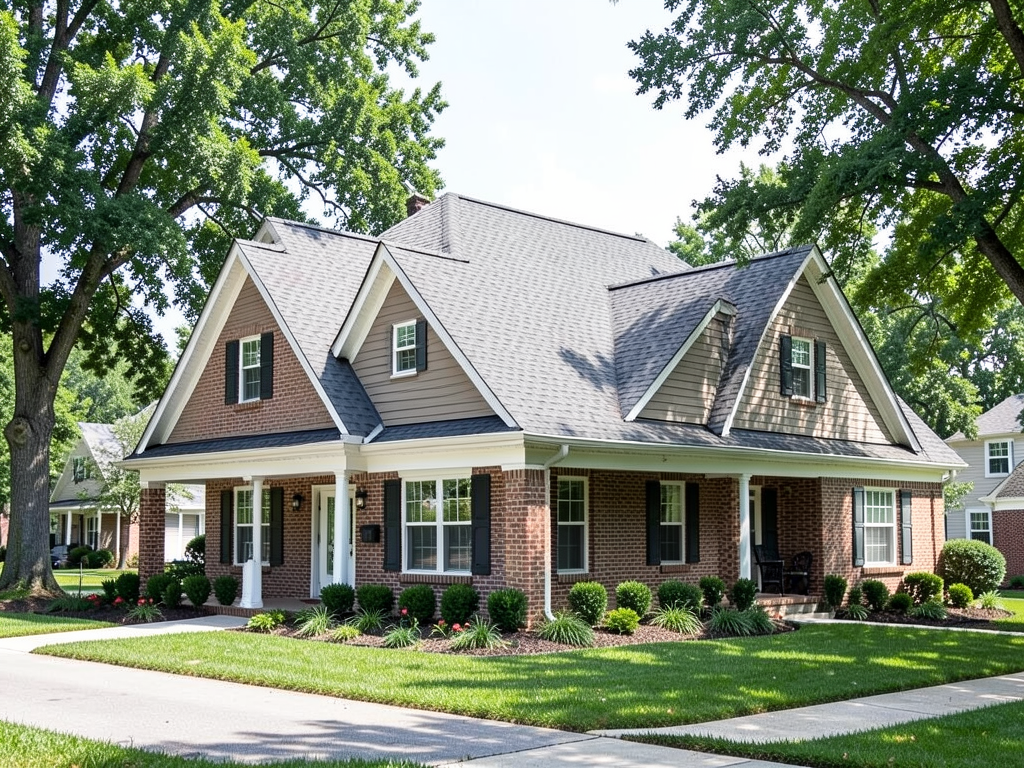
Hip Roof vs Gable Roof — Which Shape Protects Your Marietta Home Better Against High Winds? When a severe thunderstorm rolls through Marietta the shape of your roof can mean the difference between minor wear…
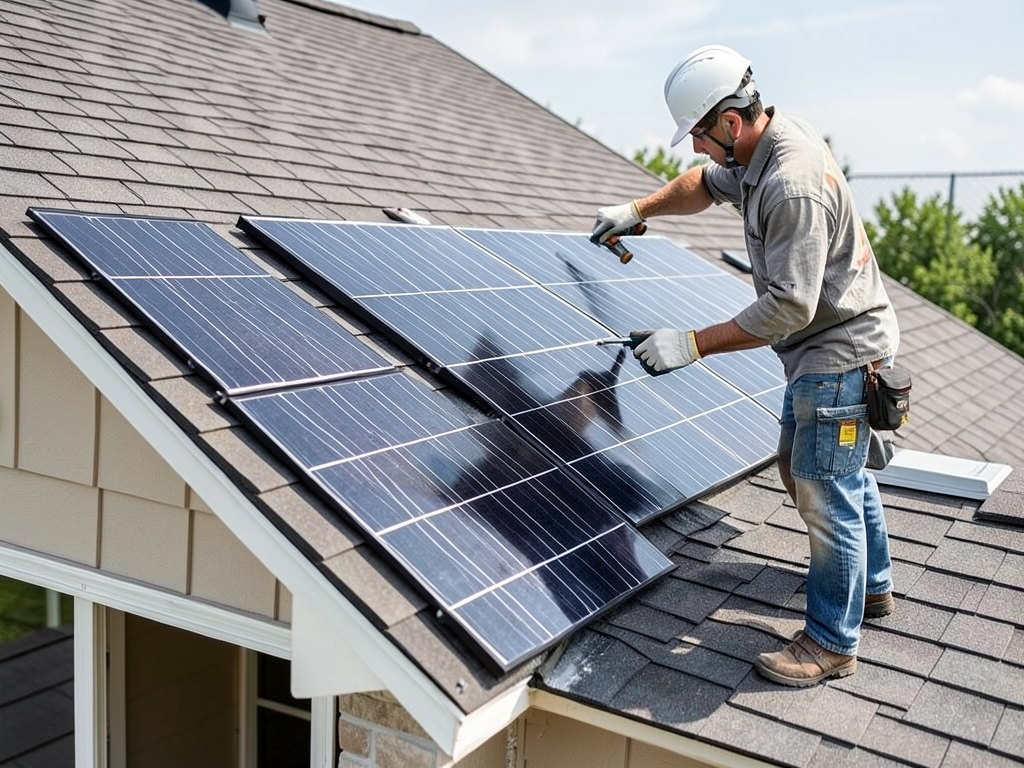
Are GAF Timberline Solar Shingles Finally Worth it for Atlanta Homeowners? Atlanta homeowners are discovering…
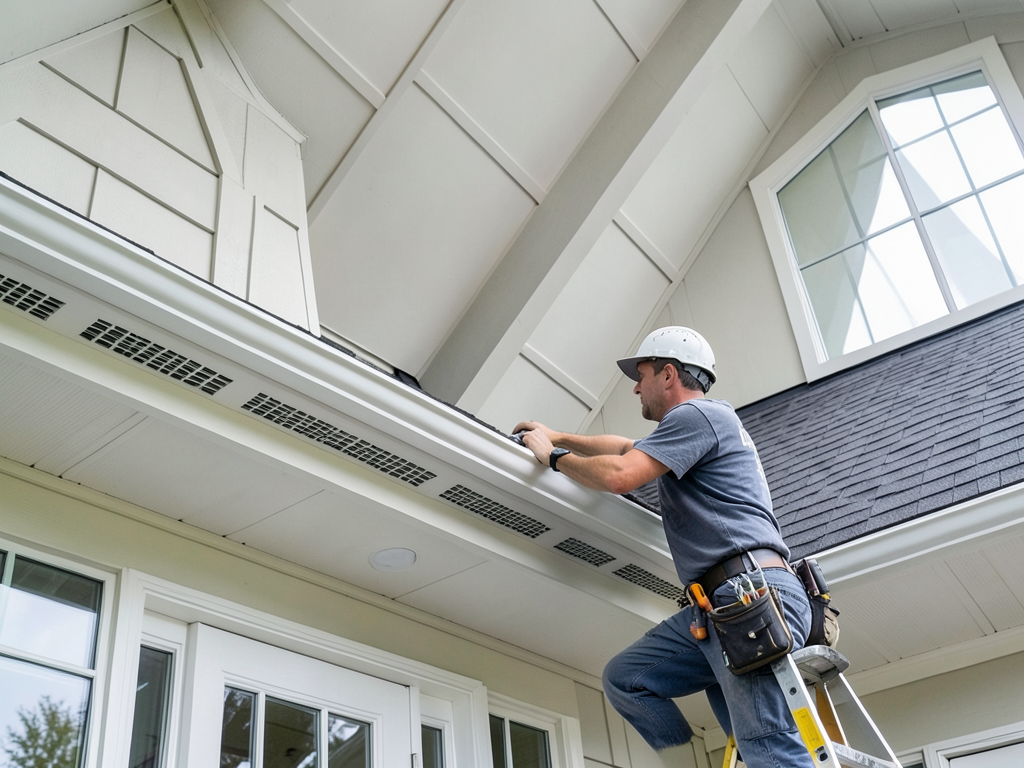
Why Vaulted Ceilings Often Lead to Roof Rot in Modern Duluth Homes Vaulted ceilings create…
The Real Cost and Complexity of Adding a Rooftop Deck to Your Reynoldstown Townhome Adding…
Your roof protects everything inside your home. When it fails, every hour increases damage and cost. Call First Choice Roofing Atlanta at (770) 610-9366 now for emergency repairs or schedule a free inspection. We respond fast, work clean, and fix roofs right the first time.