




menu

Rotting Fascia Boards in Atlanta – Expert Diagnosis and Structural Protection

First Choice Roofing Atlanta identifies hidden wood rot on fascia, stops water damage at the source, and restores structural integrity before costly repairs spread to your roof deck and soffit system.

Slider Image 1
Slider Image 2
Slider Image 3
Slider Image 4
Slider Image 5
Slider Image 7
Slider Image 8
Slider Image 9
Slider Image 10
Slider Image 11

Why Atlanta's Climate Accelerates Fascia Board Rot

You notice the paint peeling near your roofline. Maybe you see a soft spot when you press on the trim. What you are seeing is fascia board rot, and it spreads faster in Atlanta than almost anywhere else.

Atlanta's humid subtropical climate creates perfect conditions for decaying fascia wood. The city averages over 50 inches of rain each year, with heavy downpours during spring and summer. When gutters overflow or clog, water runs directly down the fascia. The combination of moisture, heat, and poor ventilation traps water against the wood. Within months, you have water damaged fascia.

The problem gets worse in older neighborhoods like Candler Park, Druid Hills, and Grant Park. Homes built before 1990 often use untreated pine fascia boards. These absorb water like a sponge. Once the wood softens, fungal spores colonize the surface. The rot spreads horizontally along the roofline and vertically into the soffit and roof deck.

You might also notice carpenter ants or termites near rotted roof trim. Insects target soft, damp wood. They tunnel through the fascia and compromise the structural connection between your roof and the wall.

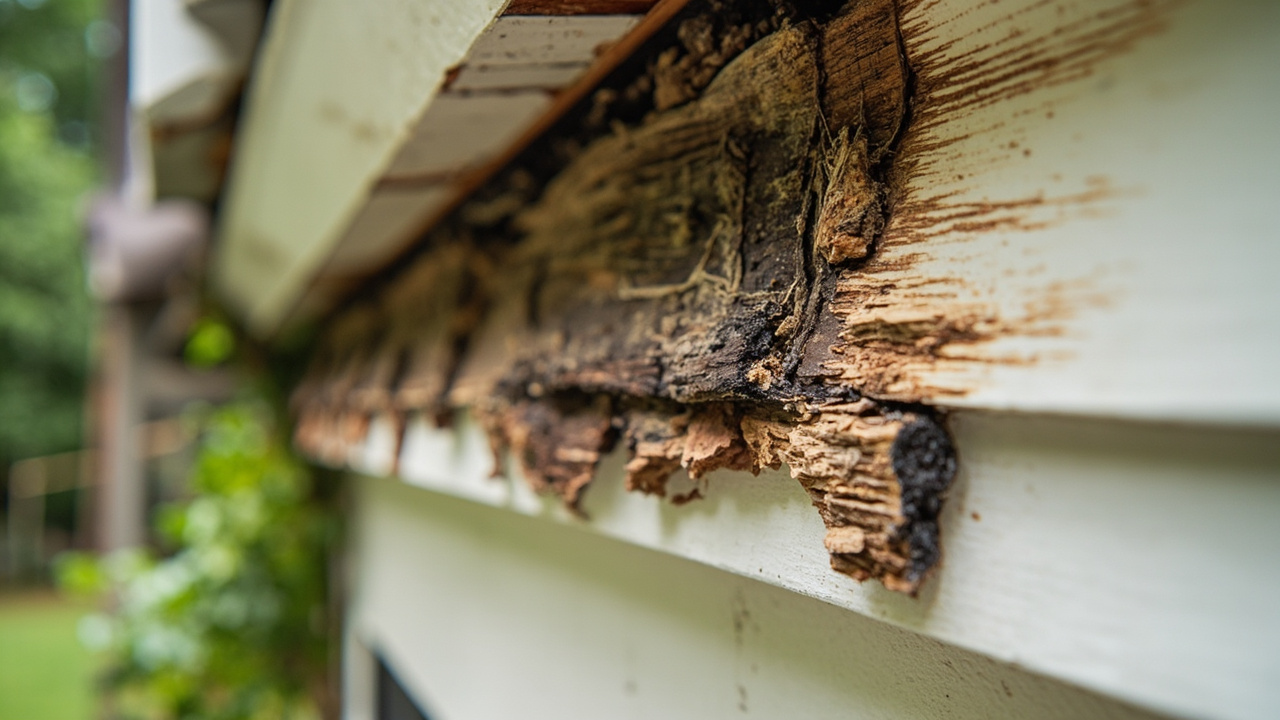
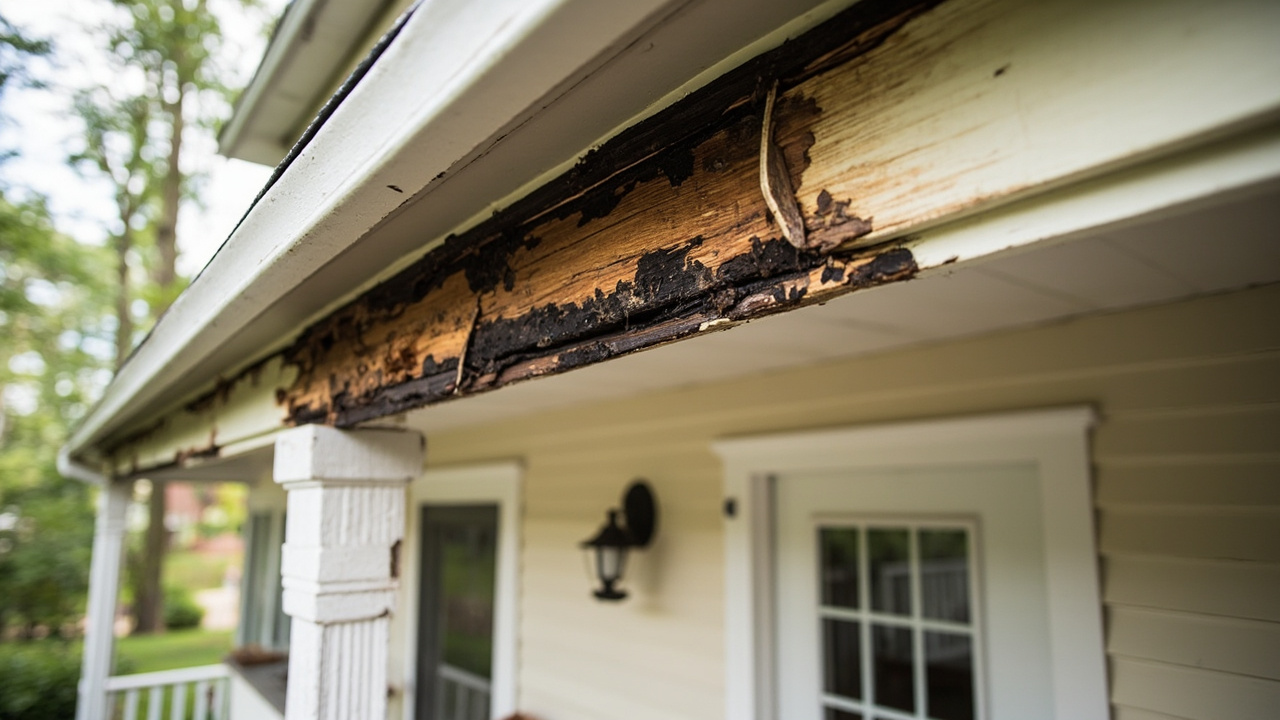
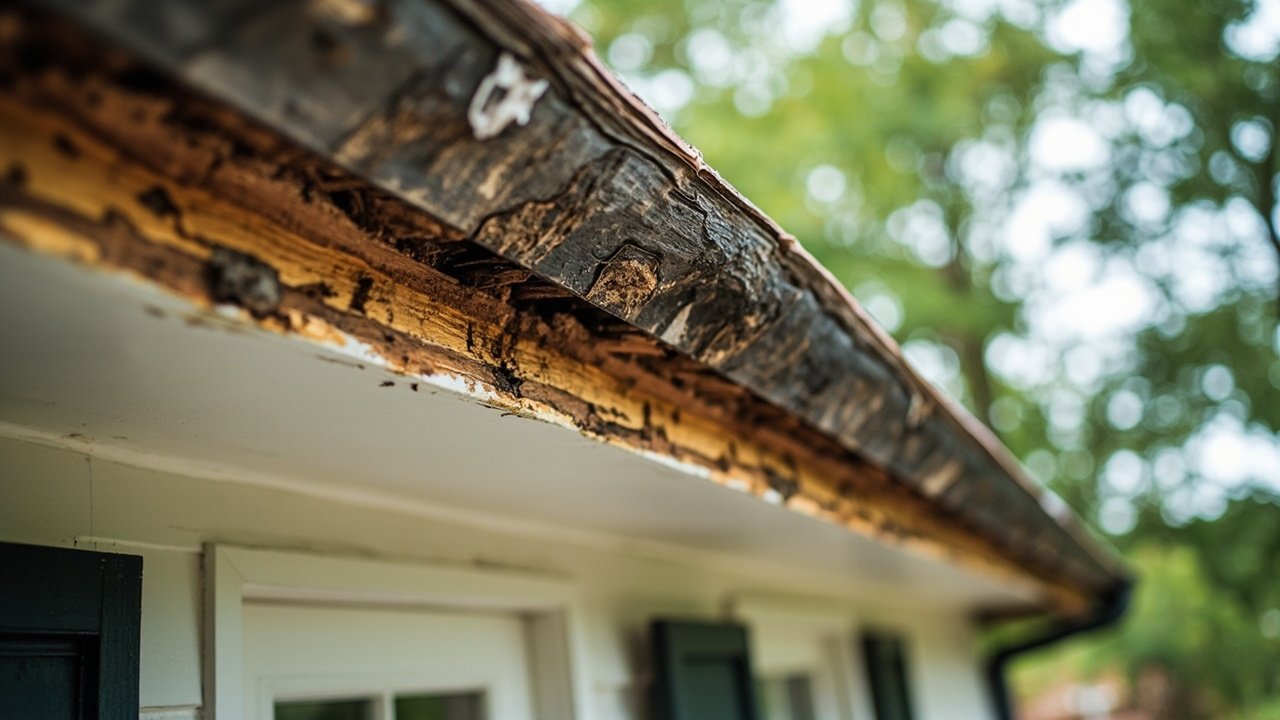
The real danger is invisible. By the time you see visible wood rot on fascia, the damage has already spread behind the surface. The fascia board supports your gutter system and protects the roof deck from weather exposure. When it fails, you face cascading problems: sagging gutters, roof leaks, and interior water damage.

Atlanta homeowners who ignore fascia board rot end up paying five to ten times more in repairs. The rot migrates to the roof deck, rafter tails, and wall sheathing. What starts as a simple fascia replacement becomes a full roofline reconstruction.

Why Atlanta's Climate Accelerates Fascia Board Rot
How We Stop Fascia Rot and Prevent Future Damage

How We Stop Fascia Rot and Prevent Future Damage

First Choice Roofing Atlanta does not patch rotted fascia. We remove the compromised wood, assess the underlying structure, and install materials designed to withstand Atlanta's humidity.

We start with a moisture meter scan along the entire roofline. This tool measures moisture content inside the wood. Healthy fascia reads below 15 percent. Anything above 20 percent indicates active decay. We mark every compromised section and check the adjacent soffit, frieze board, and roof deck.

Next, we remove the damaged fascia. This is surgical work. We detach the gutter without bending the hangers, cut out the rotted section, and inspect the rafter tails for structural damage. If the rafter ends show signs of decay, we sister new lumber to restore load-bearing capacity. You cannot install new fascia over compromised framing and expect it to hold.

We replace rotted sections with either treated lumber or PVC trim board. Treated lumber resists moisture and insect damage. PVC never rots, never needs paint, and handles Atlanta's temperature swings without warping. We match the material to your budget and the age of your home. Historic districts require wood fascia, so we use pressure-treated pine with a factory-applied primer.

After installation, we seal all joints with polyurethane caulk and prime every cut edge. Exposed end grain soaks up water faster than any other surface. We also evaluate your gutter system. If the gutters caused the fascia rot, we recommend repairs or replacement. A new fascia board will rot again if the gutters still overflow during heavy rain.

We finish with a two-coat paint system rated for exterior trim. The paint acts as a moisture barrier and extends the life of the wood by decades.

What Happens During Your Fascia Board Replacement

Rotting Fascia Boards in Atlanta – Expert Diagnosis and Structural Protection
01

Comprehensive Roofline Inspection

We inspect the fascia, soffit, gutter attachment points, and roof edge from ground level and ladder access. Using a moisture meter and visual assessment, we identify every section with active rot or water damage. You receive a detailed map showing the extent of the problem and a breakdown of the materials needed for replacement. This prevents surprises during the work.
02

Surgical Fascia Removal

We carefully detach the gutter system, remove the damaged fascia boards, and expose the rafter tails. If the rafter ends show decay, we cut back to solid wood and install sistered framing. We then fit and secure new fascia boards, ensuring proper alignment and structural attachment. All cut edges are sealed and primed before installation to prevent future moisture intrusion.
03

Weatherproofing and Gutter Reinstallation

We seal all seams and joints, apply a moisture-resistant primer, and reinstall the gutter system with new hangers if needed. The final step includes a two-coat exterior paint finish that matches your home's trim. We clean up all debris and conduct a final inspection to confirm the fascia is secure, weatherproof, and ready for years of Atlanta weather.

Why Atlanta Homeowners Trust First Choice Roofing for Fascia Repairs

You need a roofer who understands how Atlanta's weather attacks your fascia boards. First Choice Roofing Atlanta has worked on homes across the metro, from Buckhead bungalows to Decatur Craftsman-style houses. We know the difference between cosmetic damage and structural failure.

We have seen what happens when homeowners hire general handymen to repair fascia rot. They cut out the visible damage, slap on a new board, and paint over it. Six months later, the rot returns because they never addressed the moisture source or checked the rafter tails. We do this work right the first time.

Atlanta's building codes require proper flashing and ventilation at the roofline. Many older homes lack adequate soffit ventilation, which traps heat and moisture against the fascia. We evaluate the entire roofline system and recommend ventilation upgrades when necessary. This protects your investment and extends the life of your fascia replacement.

We also understand the specific challenges of Atlanta's historic neighborhoods. Grant Park, Inman Park, and Virginia-Highland have strict guidelines for exterior trim materials and colors. We work with the local preservation boards and use historically appropriate materials when required. You get fascia repair that meets code and maintains your home's character.

First Choice Roofing Atlanta carries full liability insurance and workers' compensation coverage. Fascia work requires ladder access and working at heights. You should never hire an uninsured contractor for this type of repair. If someone falls or damages your property, you are liable.

We also offer written estimates with material specifications and labor details. You know exactly what you are paying for before we start work. No hidden fees, no upselling, no surprises.

What You Can Expect from Your Fascia Repair Project

Fast Response and Flexible Scheduling

Most fascia board replacements take one to three days depending on the extent of the damage. We schedule the work around your availability and Atlanta's weather. Heavy rain delays paint application, so we monitor forecasts and adjust the timeline when needed. If you have an emergency situation, such as a gutter pulling away from the house or exposed roof deck, we prioritize your project and start within 48 hours. You receive daily updates and a clear completion timeline before we begin.

Detailed Damage Assessment

Before we touch your fascia, we conduct a full roofline evaluation. This includes checking the soffit for ventilation problems, inspecting the gutter system for clogs or improper pitch, and testing the roof edge for water intrusion. We use a calibrated moisture meter to measure water content inside the wood. This data tells us exactly how far the rot has spread. You receive photos of the damage and a written assessment explaining what needs replacement and what can stay. This transparency helps you make informed decisions about the repair scope.

Durable, Weather-Resistant Results

Your new fascia boards will handle Atlanta's humidity, summer heat, and heavy rain without warping or rotting. We use pressure-treated lumber or PVC trim board depending on your home's needs and budget. Every joint is sealed with polyurethane caulk, every cut edge is primed, and the final paint finish is rated for exterior exposure. The gutter system is reattached with corrosion-resistant hangers spaced to code. You get a roofline that looks clean, functions properly, and protects your home from water damage for years.

Proactive Maintenance Guidance

We do not offer warranties on fascia repair because wood decay is driven by environmental factors outside our control. What we do provide is a detailed maintenance plan. You learn how to inspect your gutters, spot early signs of water damage, and schedule preventive maintenance. We recommend annual gutter cleaning and a visual fascia inspection every six months. If you notice peeling paint or soft spots, call us immediately. Early intervention stops small problems before they become expensive structural repairs. We also offer annual roofline inspections for Atlanta homeowners who want professional monitoring.

Frequently Asked Questions

You Have Questions,
We Have Answers

Why is my fascia board rotting? +

Your fascia board rots when water gets trapped against the wood. In Atlanta, clogged gutters are the main culprit. Leaves from oak and pine trees block downspouts, causing overflow that soaks the fascia. Missing or damaged drip edge also lets water run behind the gutter, saturating the wood. Atlanta's high humidity slows drying, giving mold and decay time to take hold. Poor roof ventilation traps moisture in the soffit area, accelerating rot. Check your gutters after storms and inspect the fascia where gutters attach. Catching water damage early saves you from replacing entire sections.

How much does it cost to replace a rotted fascia board? +

Replacing rotted fascia in Atlanta depends on damage extent and material choice. Expect costs to vary based on linear footage, roof height, and whether underlying rafter tails need repair. Wood fascia replacement runs less than composite or aluminum options, but wood requires more maintenance in Atlanta's humid climate. Two-story homes cost more due to access challenges. If soffit damage exists or gutter reinstallation is needed, costs increase. Get multiple quotes from licensed contractors who inspect the full roofline. Many Atlanta homeowners discover additional rot during tear-off, so budget for potential surprises.

How to fix wood rot on fascia? +

Fixing wood rot on fascia starts with removing all damaged material. Cut back to solid wood, even if that means removing more than you expected. Atlanta's moisture means partial repairs often fail within months. Treat exposed wood with borate-based preservative to prevent future decay. Replace the section with matching lumber, priming all six sides before installation. Install proper drip edge to direct water away from the new fascia. Seal all joints and paint within 48 hours to protect against humidity. If rot extends into rafter tails, those need sistering or replacement before you can secure new fascia properly.

Does homeowners insurance cover fascia damage? +

Homeowners insurance typically covers fascia damage only if caused by a sudden, covered event like storm damage or fallen trees. Gradual rot from poor maintenance is excluded. In Atlanta, wind-driven rain during severe weather may qualify if you document the event and file promptly. Insurance adjusters look for signs of neglect, like clogged gutters or peeling paint. Take photos after storms showing damage. If rot results from a covered roof leak, you have a stronger claim. Review your policy's water damage exclusions. Most carriers deny claims for rot discovered during routine maintenance or home sales.

What is the life expectancy of a fascia board? +

Fascia board life expectancy in Atlanta ranges from 15 to 30 years for wood, depending on maintenance and installation quality. Pine fascia rots faster than cedar or treated lumber in our humid climate. Properly primed and painted wood fascia with good gutter maintenance reaches the higher end. Composite and PVC fascia can last 50 years or more. Atlanta's temperature swings and heavy summer rains stress wood fascia. Homes with wide roof overhangs and clean gutters see longer fascia life. South-facing fascia boards deteriorate faster due to sun exposure. Regular inspection and repainting every 5 years extends lifespan significantly.

Does home insurance cover rotted wood? +

Home insurance rarely covers rotted wood unless it results from a covered peril. Rot from aging, deferred maintenance, or gradual water intrusion is your responsibility. In Atlanta, insurers deny most rot claims because our climate requires vigilant upkeep. If a pipe bursts and causes sudden wood damage, that may qualify. If a storm tears your roof and subsequent water rots the fascia quickly, you have a claim. The key is proving sudden onset, not slow decay. Adjusters check paint condition and gutter cleanliness to determine maintenance history. Document your home maintenance to strengthen any future claims.

What are the signs I need to replace my fascia? +

Signs you need fascia replacement include visible rot or soft spots when you press the wood. Peeling paint that exposes bare wood indicates moisture penetration. Watch for water stains on the fascia or soffit after rain. In Atlanta, carpenter bee holes and woodpecker damage signal underlying decay. Sagging gutters often mean the fascia behind them has lost structural integrity. Check for gaps between the fascia and roof edge. Dark streaks or mold growth show chronic moisture problems. If you see daylight through cracks or the fascia pulls away from rafter tails, replacement is urgent before water damages roof sheathing.

Do you need scaffolding to replace fascia? +

You need scaffolding or appropriate access equipment to replace fascia safely on most Atlanta homes. Single-story homes sometimes allow ladder work, but scaffolding provides safer, more efficient access for quality installation. Two-story homes require scaffolding or lift equipment. Working at roof height on ladders risks falls and produces poor results because you cannot work with both hands free. Professional contractors include scaffolding or lift costs in their bids. Brick homes and steep roof pitches common in Atlanta neighborhoods demand stable platforms. Attempting fascia replacement from ladders alone is dangerous and often violates OSHA standards for commercial work.

Why are fascias so expensive? +

Fascia replacement costs add up because of labor intensity and access challenges. Removing rotted fascia without damaging roof edge or gutters requires skill. Atlanta's two-story homes need scaffolding or lifts, increasing costs. Contractors often discover hidden damage to rafter tails or roof sheathing during removal, requiring structural repairs. Quality materials resist Atlanta's humidity but cost more upfront. Painting or wrapping fascia adds labor time. Gutter removal and reinstallation is included in most jobs. Experienced crews charge more because poor fascia installation leads to callbacks and water damage. The fascia protects your roof edge, so cutting corners causes expensive problems later.

Does wood rot always mean termites? +

Wood rot does not always mean termites. In Atlanta, moisture damage from clogged gutters causes most fascia rot without any termite activity. Rot is fungal decay that thrives in wet wood. Termites are insects that eat wood, leaving mud tubes and hollow galleries. You can have rot without termites and termites without visible rot. However, rotted wood attracts termites because it is softer and easier to penetrate. If you find rot, inspect closely for mud tubes, frass, or hollow-sounding wood. Atlanta's humid climate supports both problems. Get a pest inspection if you are unsure, especially before replacing fascia on older homes.

How Atlanta's Rainfall Patterns Make Fascia Inspections Critical

Atlanta receives intense thunderstorms from March through September. During peak season, the city sees two to three inches of rain in a single afternoon. When gutters cannot handle the volume, water sheets over the edge and saturates the fascia boards. The wood absorbs moisture faster than it can dry out, especially on north-facing rooflines that never receive direct sunlight. This cycle of wetting and drying creates ideal conditions for fungal growth and wood rot on fascia. Homes in tree-heavy neighborhoods like Morningside and Ansley Park face additional risk because leaf debris clogs gutters and traps moisture against the trim.

First Choice Roofing Atlanta works across the metro, from the historic districts of Grant Park to the newer subdivisions in Sandy Springs. We understand local building codes and the specific roofline challenges each neighborhood faces. Atlanta requires proper flashing installation and ventilation at the roof edge, and we ensure every fascia replacement meets city standards. Our familiarity with local suppliers means we source materials quickly and keep your project on schedule. When you hire a local roofing contractor, you get someone who understands how Atlanta's weather impacts your home and knows how to build for long-term durability.
Roofing Services in The Atlanta Area

Whether you are in need of a new roof, a quick repair, or a detailed inspection, our team is ready to serve you. We are proud to be a trusted part of the Atlanta community, and you can find our business location on the map below. Feel free to visit us or contact us today to discuss your next project. We look forward to working with you and protecting your property.

Address:
First Choice Roofing Atlanta, 3630 Peachtree Rd NE, Atlanta, GA, 30326

Additional Services We Offer

Our news updates

Latest Articles & News from The Blogs

How Pine Needles Can Secretly Destroy Your Sandy Springs Roof (And Why Blowers Aren’t Enough) Pine needles accumulate on Atlanta…

How Pine Needles Can Secretly Destroy Your Sandy Springs Roof (And Why Blowers Aren't Enough)

How Pine Needles Can Secretly Destroy Your Sandy Springs Roof (And Why Blowers Aren’t Enough) Pine needles accumulate on Atlanta…

What to Do When a Hidden Roof Leak Starts Growing Mold Inside Your Virginia-Highland Walls

What to Do When a Hidden Roof Leak Starts Growing Mold Inside Your Virginia-Highland Walls When you discover mold growing…

Is it Ever Safe to Walk on Your Own Roof in Roswell?

Is it Ever Safe to Walk on Your Own Roof in Roswell? \n\n Walking on your roof in Roswell is…

Contact Us

Call First Choice Roofing Atlanta at (770) 610-9366 for a fascia inspection. We identify the damage, explain your options, and provide a written estimate. Do not wait until the rot reaches your roof deck.