


menu

Mold & Algae Stain Removal in Atlanta – Stop Roof Damage Before It Spreads

Professional mold and algae stain removal protects your Atlanta roof from permanent structural damage caused by Georgia's humid climate and relentless organic growth patterns.

Slider Image 1
Slider Image 2
Slider Image 3
Slider Image 4
Slider Image 5
Slider Image 7
Slider Image 8
Slider Image 9
Slider Image 10
Slider Image 11

Why Black Streaks and Green Stains Spread So Fast on Atlanta Roofs

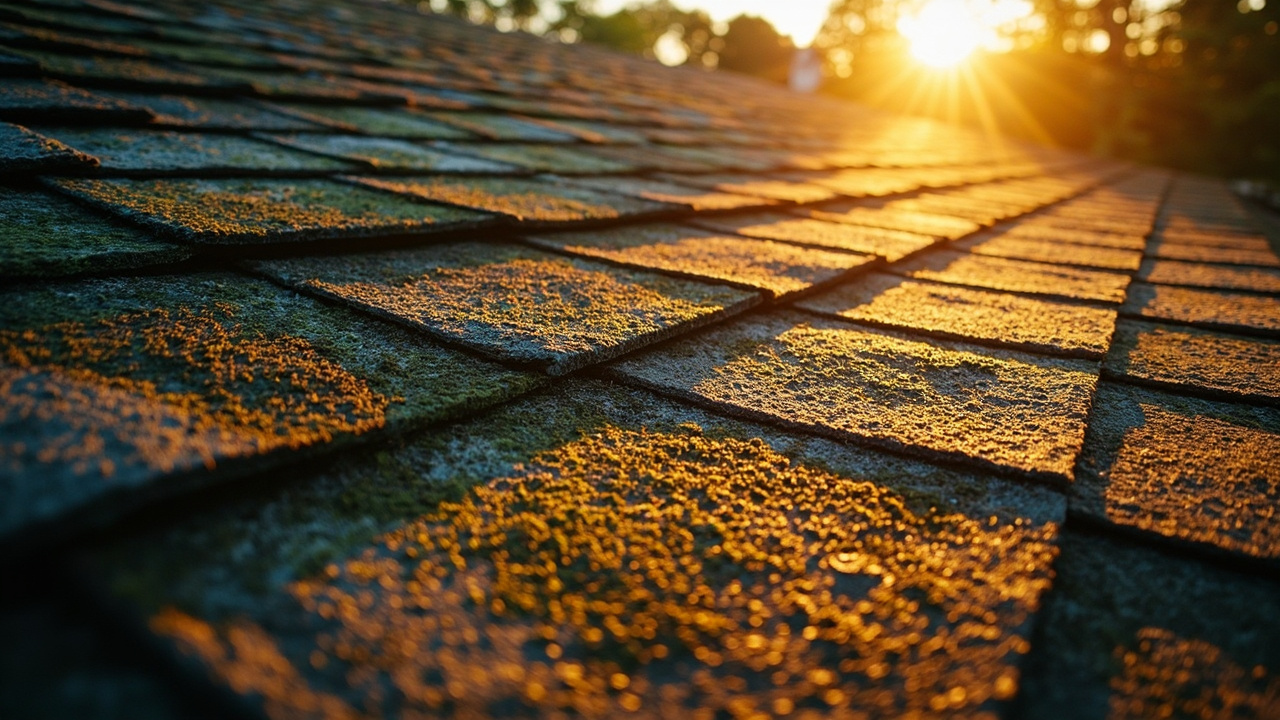
You see dark streaks crawling down your shingles. Green patches forming near the gutters. These are not just cosmetic issues. They signal an active biological invasion.

Atlanta's combination of heat, humidity, and afternoon thunderstorms creates perfect conditions for Gloeocapsa magma, the black algae that feeds on the limestone filler in your asphalt shingles. Once it takes hold, it spreads fast. The dark stains absorb more heat, which accelerates shingle deterioration. Your roof ages faster than it should.

Moss and lichen follow the algae. These organisms trap moisture against the shingle surface, which leads to granule loss and cracking. During freeze-thaw cycles in January and February, trapped water expands and contracts, lifting shingles and creating entry points for leaks.

You might try pressure washing. That strips the protective granules off your shingles and voids most manufacturer warranties. You might ignore it. That costs you years of roof life.

Roof fungus cleaning requires specific chemical treatments designed for shingle algae treatment without damaging the roofing material. Removing black streaks on roof surfaces means killing the organism at the root, not just washing away surface stains. Roof mildew removal and removing organic roof stains demand different approaches depending on the organism type and the roof material.

First Choice Roofing Atlanta uses low-pressure application methods with EPA-registered biocides that kill algae, moss, and lichen without compromising shingle integrity. We treat the problem, not the symptoms.

Why Black Streaks and Green Stains Spread So Fast on Atlanta Roofs
How Professional Roof Cleaning Stops Organic Growth Without Damaging Shingles

How Professional Roof Cleaning Stops Organic Growth Without Damaging Shingles

The difference between proper mold and algae stain removal and amateur cleaning comes down to chemistry and application method.

We start with a roof inspection to identify the specific organisms growing on your roof. Gloeocapsa magma algae requires different treatment than moss or lichen. Each organism has a different root structure and growth pattern. Misidentifying the problem leads to ineffective treatment or unnecessary roof damage.

Our cleaning solution uses a blend of sodium hypochlorite and surfactants formulated specifically for asphalt shingles. The surfactant helps the solution penetrate the algae's protective outer layer. The sodium hypochlorite kills the organism at the cellular level. This is not the same as household bleach, which lacks the surfactant necessary for proper adhesion and penetration.

We apply the solution at low pressure, around 60 PSI, which is less force than your garden hose produces. High-pressure washing creates three problems. It strips protective granules. It drives water under the shingles. It voids manufacturer warranties that specifically prohibit pressure washing.

After application, we allow the solution to dwell for 15 to 20 minutes. The dwell time matters. Rushing the process leaves viable spores that regrow within months. Proper dwell time ensures complete organism death.

We rinse with controlled low-pressure water to remove dead organic material without disturbing the shingle surface. The entire process takes two to four hours depending on roof size and contamination severity.

First Choice Roofing Atlanta follows ARMA (Asphalt Roofing Manufacturers Association) guidelines for soft washing, which preserves warranty coverage and extends shingle life by removing the organisms that accelerate aging.

What Happens During Your Roof Stain Removal Service

Mold & Algae Stain Removal in Atlanta – Stop Roof Damage Before It Spreads
01

Roof and Growth Assessment

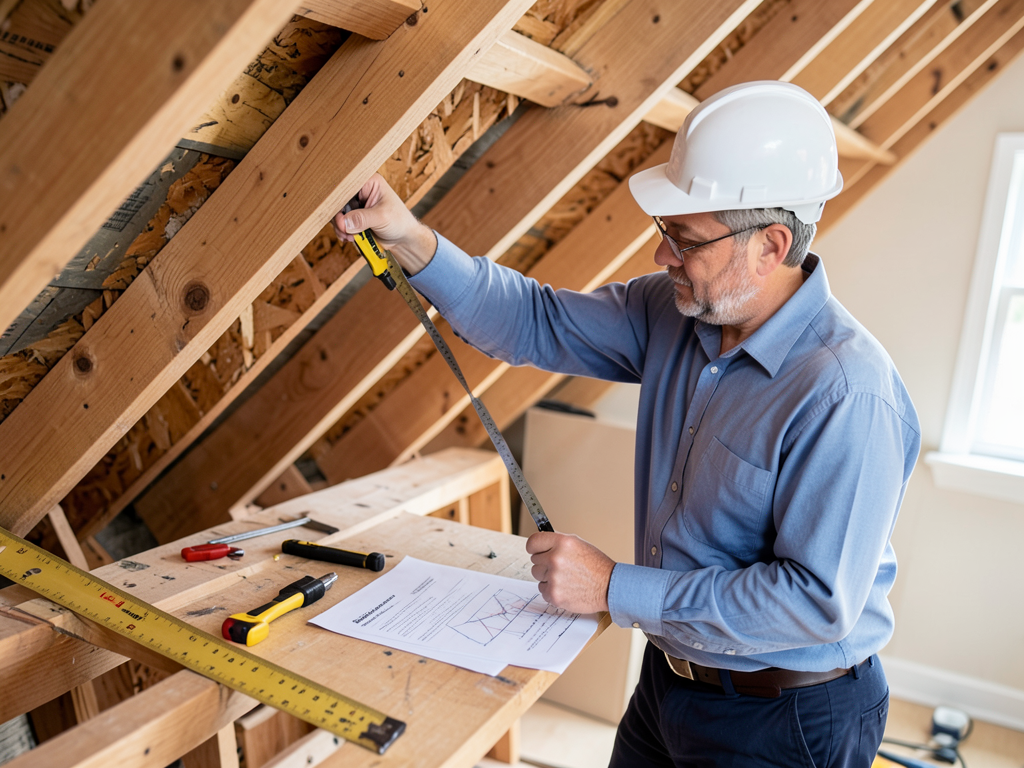
We inspect your roof to identify the specific organisms causing discoloration and check for existing damage from organic growth. This includes examining shingle condition, granule loss, and areas where moisture has compromised the roof deck. We photograph problem areas and explain what we find in clear terms. You need to know if the staining has already caused structural damage that cleaning alone cannot reverse.
02

Targeted Chemical Application

We apply EPA-registered biocide solution at low pressure to kill algae, moss, and lichen without damaging your shingles. The solution is applied evenly across all affected areas, with special attention to north-facing slopes and shaded sections where organic growth concentrates. We protect your landscaping, gutters, and foundation plantings during application. The treatment penetrates the organism's root structure to prevent rapid regrowth that occurs with surface-only cleaning methods.
03

Rinse and Prevention Planning

After the proper dwell time, we rinse away dead organic material using controlled low-pressure water. We inspect the roof again to confirm complete organism removal and check that no shingle damage occurred during treatment. You receive specific guidance on prevention measures, including zinc strip installation and vegetation management around your roofline. We explain realistic expectations for regrowth based on your roof's orientation and the tree coverage around your property.

Why Atlanta Homeowners Choose Local Roof Cleaning Experts

Atlanta's roofing environment is specific. We deal with high humidity from May through September. We get sudden temperature drops in winter that other Southern cities do not experience. We have dense tree canopy in neighborhoods like Druid Hills and Morningside that creates constant shade and leaf debris.

National cleaning franchises use standardized protocols developed for multiple climates. Those protocols do not account for the red clay soil runoff that stains roofs differently than organic growth. They do not factor in Atlanta's building codes regarding chemical runoff into storm drains, which connect directly to the Chattahoochee River watershed.

First Choice Roofing Atlanta understands the difference between algae staining and clay dust staining. We know which Atlanta neighborhoods have mature oak canopies that drop tannin-rich leaves, creating conditions for rapid moss growth. We account for the fact that homes near Piedmont Park or along the BeltLine face different organic growth patterns than homes in open subdivisions in North Fulton County.

We also understand local architectural styles. Cleaning a Victorian roof in Grant Park requires different safety protocols and access methods than cleaning a ranch home in Buckhead. Historic district regulations in Inman Park and Candler Park prohibit certain chemical applications near heritage trees, which means we adjust our treatment methods accordingly.

When you hire local expertise, you get someone who has cleaned hundreds of roofs facing the same environmental challenges as yours. We know how fast algae regrows on south-facing slopes. We know which treatment concentrations work on Georgia's asphalt shingle brands. We know how to protect your azaleas and dogwoods during application.

You also get accountability. We are not a regional crew passing through. Our reputation depends on results that last.

What You Get With Professional Mold and Algae Removal

Fast Scheduling and Service Completion

We typically schedule roof cleaning within five to seven business days of your call. Weather permitting, most residential roof cleaning takes between two and four hours from setup to final rinse. We work around your schedule and provide specific arrival windows, not all-day ranges. If rain delays the service, we reschedule immediately without waiting weeks for another opening. You receive a confirmation call the day before service and a call when our crew is 30 minutes away. We respect your time and your property.

Detailed Roof Condition Evaluation

Before we clean anything, we inspect your roof for pre-existing damage. You need to know if organic growth has already caused shingle lifting, granule loss, or deck deterioration. We document problem areas with photos and explain what we find in clear language. If we discover damage that cleaning will not fix, we tell you before we start work. You get an honest assessment of whether your roof needs repair or replacement, not just cosmetic treatment. This evaluation is included in the service cost.

Complete Organism Removal and Visible Results

You see immediate improvement after cleaning. Black streaks disappear. Green moss comes off. The roof looks years younger. Some residual staining may remain on severely affected shingles where the algae has permanently discolored the granules, but active organic growth is eliminated. We explain realistic expectations before we start. Dead algae may continue to wash away over the next few rain cycles, which means the roof continues to improve for two to three weeks after service. You get clear before-and-after documentation.

Regrowth Prevention Recommendations

After cleaning, we discuss prevention strategies specific to your property. This includes zinc or copper strip installation along the roof ridge, which releases metal ions that inhibit algae growth during rainfall. We explain tree trimming priorities to increase sunlight exposure and reduce leaf accumulation. You receive guidance on gutter maintenance schedules and debris removal frequency. We provide realistic timelines for when regrowth might occur based on your roof's orientation and surrounding vegetation. Prevention advice is tailored to your specific situation, not generic tips.

Frequently Asked Questions

You Have Questions,
We Have Answers

Can active mold stains be removed? +

Active mold stains can be removed, but you must kill the mold first before treating the stain. Spray affected areas with a mold-killing solution and let it sit for 15 minutes. Then scrub with a stiff brush and rinse thoroughly. The stain may require multiple treatments with oxygen bleach or hydrogen peroxide. In Atlanta's high humidity, mold grows fast on roofs and siding. If stains persist after treatment, the mold may have penetrated deep into porous materials like wood or drywall. At that point, you need professional assessment to determine if replacement is necessary.

How to get rid of algae stains? +

Algae stains on roofs require a three-step process. First, apply a specialized algae-killing detergent or mix one part bleach to three parts water. Spray the affected area and let it sit for 20 minutes. Do not pressure wash, as this damages shingles. Instead, use a garden hose to rinse from top to bottom. Atlanta's humid climate accelerates algae growth, especially on north-facing roofs that stay shaded. For prevention, install zinc or copper strips near the ridge line. The metal runoff naturally inhibits algae regrowth for years.

What's the best mold and mildew stain remover? +

The best stain remover depends on the surface material. For roofs, use a sodium hypochlorite solution designed for shingles. For siding, oxygen bleach works well without damaging paint. For interior surfaces, hydrogen peroxide or commercial mold stain removers are effective. Avoid mixing cleaning products, as this creates toxic fumes. Atlanta homeowners often face mold and mildew due to our heavy summer rains and humidity. Test any product on a small hidden area first. For severe staining on exterior surfaces, professional soft-washing provides deeper cleaning without surface damage.

Does hydrogen peroxide remove mold stains? +

Hydrogen peroxide removes most mold stains effectively. Use a 3% solution for light stains or 10% for stubborn discoloration. Spray directly on the stain, let it sit for 10 minutes, then scrub and rinse. It works by breaking down the pigment molecules mold leaves behind. Hydrogen peroxide is safer than bleach for colored fabrics and porous surfaces like grout. In Atlanta's humid environment, mold stains appear quickly on bathroom tiles and exterior siding. This method works well for surface stains but may not penetrate deeply embedded discoloration.

Can white vinegar remove mold stains? +

White vinegar can remove light mold stains but struggles with heavy discoloration. The acetic acid kills mold spores but lacks the bleaching power for deep stains. Spray undiluted vinegar directly on the affected area and let it sit for one hour. Scrub with a brush and rinse. Vinegar works better as a preventative measure than a stain remover. For Atlanta roofs with black streaks from algae, vinegar alone will not cut through the buildup. You need a stronger oxidizing agent like bleach or commercial roof cleaner for effective results.

Will OxiClean get rid of mold stains? +

OxiClean can remove mold stains from fabrics and some hard surfaces. Mix the powder with hot water to create a paste or solution. Apply it to the stain and let it sit for 30 minutes before scrubbing. The oxygen-based bleach breaks down organic stains without harsh chlorine. It works well on clothing, upholstery, and painted surfaces. For Atlanta homeowners dealing with mold on patio furniture or outdoor fabrics, OxiClean provides a safe alternative to bleach. It will not damage colors or finishes when used as directed.

Will Dawn remove algae? +

Dawn dish soap can help remove light algae buildup when combined with other cleaners. Mix two tablespoons of Dawn with one gallon of water and a cup of bleach. The surfactants in Dawn help the solution cling to vertical surfaces longer. Spray on algae-stained areas, wait 15 minutes, then rinse with a garden hose. Dawn alone lacks the killing power for established algae growth. In Atlanta's humid climate, algae thrives on roofs and siding. For thick green or black streaks, you need a dedicated algae killer with sodium hypochlorite.

Will vinegar remove algae? +

Vinegar will not effectively remove established algae stains from roofs or exterior surfaces. While the acid can kill some algae spores, it lacks the oxidizing strength to break down the dark pigments algae leaves behind. Vinegar works better for preventing algae in small areas like birdbaths or garden pots. For Atlanta roofs with black streaks caused by gloeocapsa magma algae, you need a stronger solution containing bleach or a commercial roof cleaner. Vinegar may lighten fresh stains slightly but will not restore the original surface color on aged buildup.

How to get algae stains off clothes? +

To remove algae stains from clothes, rinse the garment in cold water immediately. Apply hydrogen peroxide or oxygen bleach directly to the stain and let it sit for 15 minutes. Rub the fabric together to work the solution into the fibers. Wash in the hottest water the fabric allows with detergent and more oxygen bleach. Check the stain before drying, as heat sets stains permanently. For stubborn discoloration, repeat the treatment. Atlanta residents dealing with lake or pool algae on swimwear should treat stains quickly for best results.

Which kills mold better, bleach or vinegar? +

Bleach kills mold faster and removes stains better than vinegar. Bleach contains sodium hypochlorite, which destroys mold spores and oxidizes the dark pigments they leave behind. Vinegar kills surface mold but does not bleach out deep stains. Use bleach on non-porous surfaces like tile, glass, and metal. Never use it on wood or fabrics without testing first. In Atlanta's humid climate, mold returns quickly if you only treat the surface. For roofs and siding, bleach-based solutions provide the most effective cleaning and longer-lasting results than vinegar alternatives.

How Atlanta's Humidity and Tree Canopy Accelerate Roof Algae Growth

Atlanta sits at the intersection of humid subtropical climate and dense urban forest. We average 50 inches of rain annually, with relative humidity exceeding 70 percent from April through October. This moisture, combined with warm temperatures and the shade from our extensive tree canopy, creates ideal conditions for Gloeocapsa magma and moss colonization. North-facing roof slopes, especially in neighborhoods like Virginia-Highland and Decatur with mature oak and maple coverage, remain damp for extended periods after rain. The lack of direct sunlight prevents drying, which allows spores to germinate and spread. Removing black streaks on roof surfaces in Atlanta requires understanding this specific combination of environmental factors that accelerate organic growth faster than in drier or less vegetated climates.

First Choice Roofing Atlanta has cleaned roofs across every Atlanta neighborhood, from Ansley Park to West End. We understand the microclimate differences between tree-dense Midtown high-rises and open-lot homes in Sandy Springs. We follow City of Atlanta stormwater management regulations for chemical application and runoff control, which protect the Chattahoochee River and local watersheds. Our crews are trained on proper equipment setup for Atlanta's varied roof pitches and architectural styles, from bungalows in Kirkwood to contemporary builds in Brookhaven. When you choose local expertise for roof mildew removal and shingle algae treatment, you get a team that knows your specific environmental challenges and regulatory requirements.
Roofing Services in The Atlanta Area

Whether you are in need of a new roof, a quick repair, or a detailed inspection, our team is ready to serve you. We are proud to be a trusted part of the Atlanta community, and you can find our business location on the map below. Feel free to visit us or contact us today to discuss your next project. We look forward to working with you and protecting your property.

Address:
First Choice Roofing Atlanta, 3630 Peachtree Rd NE, Atlanta, GA, 30326

Additional Services We Offer

Our news updates

Latest Articles & News from The Blogs

Are GAF Timberline Solar Shingles Finally Worth it for Atlanta Homeowners? Atlanta homeowners are discovering that GAF Timberline Solar Shingles…

Are GAF Timberline Solar Shingles Finally Worth it for Atlanta Homeowners?

Are GAF Timberline Solar Shingles Finally Worth it for Atlanta Homeowners? Atlanta homeowners are discovering that GAF Timberline Solar Shingles…

Why Vaulted Ceilings Often Lead to Roof Rot in Modern Duluth Homes

Why Vaulted Ceilings Often Lead to Roof Rot in Modern Duluth Homes Vaulted ceilings create stunning architectural appeal but often…

The Real Cost and Complexity of Adding a Rooftop Deck to Your Reynoldstown Townhome

The Real Cost and Complexity of Adding a Rooftop Deck to Your Reynoldstown Townhome Adding a rooftop deck to your…

Contact Us

Stop organic growth before it costs you a new roof. Call First Choice Roofing Atlanta at (770) 610-9366 for a free inspection and cleaning estimate. We serve all Atlanta metro neighborhoods with fast scheduling and honest assessments.