




menu

Roof Replacement & Installation in Atlanta – Expert Solutions for Every Residential and Commercial Project

From full roof replacement to new roof installation, our certified crews handle tear off, deck repair, and complete reroofing services across metro Atlanta's diverse architectural styles and strict building code requirements.

Slider Image 1
Slider Image 2
Slider Image 3
Slider Image 4
Slider Image 5
Slider Image 7
Slider Image 8
Slider Image 9
Slider Image 10
Slider Image 11

Why Atlanta Roofs Fail Faster Than You Think

Atlanta's climate punishes roofs in ways most homeowners never see until the damage shows up inside. The combination of intense summer heat, high humidity, and sudden freeze-thaw cycles during winter creates a pressure cooker for asphalt shingles and underlayment. You add in the afternoon thunderstorms that drop two inches of rain in thirty minutes, and the result is accelerated granule loss, thermal expansion cracking, and moisture intrusion that rots deck boards from the inside out.

The city's building boom also means older homes in neighborhoods like Inman Park and Druid Hills sit next to new construction, and the roofing systems protecting these structures vary wildly in quality and age. Many homes built before 2000 used organic felt underlayment that degrades faster in humid climates. When you factor in Georgia's red clay soil, which shifts with moisture changes and can stress roof framing, you see why full roof replacement becomes necessary sooner than expected.

Installing a new roof in Atlanta requires understanding local wind load requirements and how the city's urban heat island effect impacts material selection. A reroofing service that works in Phoenix will fail here because the moisture dynamics are completely different. You need crews who know how to flash valleys properly for Atlanta's rain patterns and who understand when a tear off roof replacement is required versus an overlay. The decision between these approaches depends on deck condition, and that requires physical inspection, not guesswork.

Why Atlanta Roofs Fail Faster Than You Think
How We Execute New Roof Installation That Lasts

How We Execute New Roof Installation That Lasts

First Choice Roofing Atlanta approaches every project with a deck-first mentality. Most contractors focus on the shingles you see. We focus on the plywood or OSB sheathing you do not see because that substrate determines how long your roof lasts. During tear off, we inspect every square foot of decking for soft spots, water staining, and fastener withdrawal. If the deck fails, the entire system fails, regardless of shingle quality.

We use synthetic underlayment on every installation. Organic felt absorbs moisture and deteriorates in Atlanta's humidity. Synthetic products create a waterproof barrier that handles temperature swings without cracking. For valleys and penetrations, we install ice and water shield even though it exceeds minimum code requirements. This self-sealing membrane stops leaks at the most vulnerable transition points where two roof planes meet or where vents pierce the surface.

Our full roof replacement process includes proper ventilation calculations based on your attic square footage. Inadequate intake or exhaust ventilation traps heat and moisture, which shortens shingle life and inflates cooling costs. We install ridge vents paired with soffit intake to create continuous airflow that removes heat buildup. On hip roofs where ridge vents are not practical, we use a combination of box vents or powered attic ventilators positioned according to airflow modeling, not arbitrary spacing.

Flashing installation separates amateur work from professional execution. We use step flashing at sidewalls, continuous flashing at headwalls, and counter flashing embedded into masonry joints on chimneys. Every penetration gets a properly sized pipe boot with a compression seal, not the cheap plastic units that crack within five years.

What Happens During Your Roof Replacement Project

Roof Replacement & Installation in Atlanta – Expert Solutions for Every Residential and Commercial Project
01

Detailed Roof Inspection

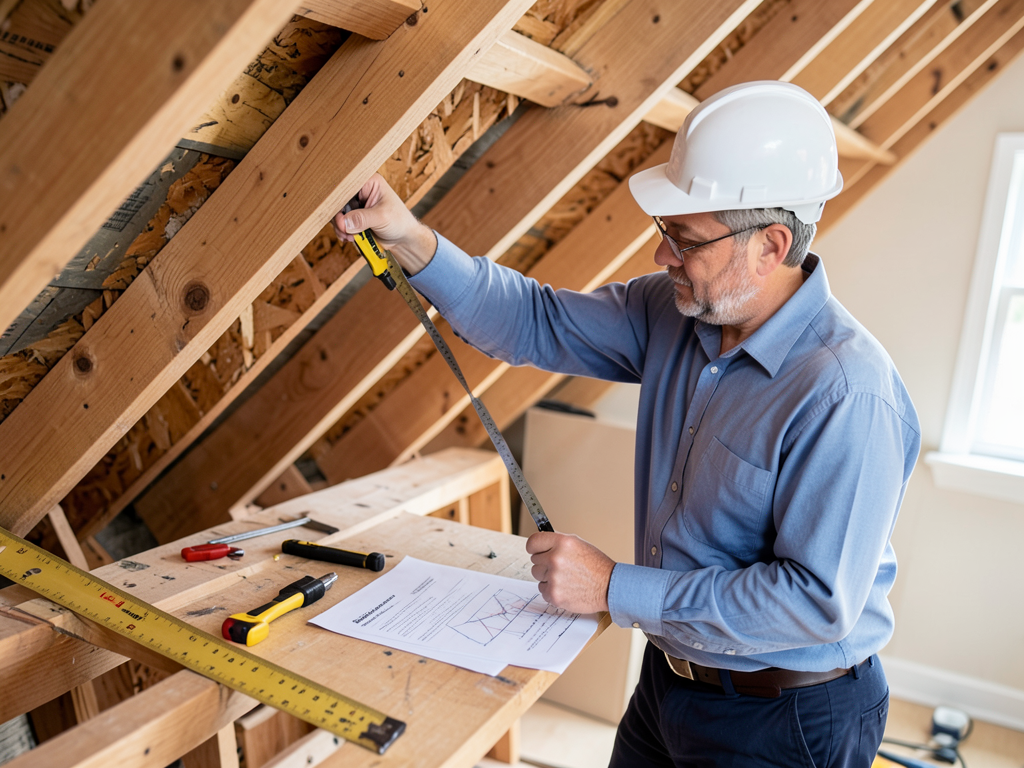
We start with a comprehensive attic and exterior inspection to evaluate deck integrity, existing ventilation, and structural issues. Our crew photographs every problem area and measures roof planes to calculate material requirements. You receive a written assessment that explains what needs replacement versus what can stay, including flashings, vents, and trim boards. This inspection determines whether you need a simple reroof or a full tear off roof replacement with substrate repairs.
02

Complete Tear Off and Installation

Our crews remove old shingles down to the deck, then repair or replace damaged sheathing before installing synthetic underlayment and ice barrier. We hand-nail all starter strips and use pneumatic nailers set to manufacturer specifications for field shingles. Valleys receive either woven or metal valley treatment depending on roof pitch and aesthetic preference. All penetrations get reflashed with new boots and collars. The process typically takes two to four days depending on home size and complexity.
03

Final Inspection and Cleanup

After installation, we conduct a quality control walk to verify proper nail placement, shingle alignment, and flashing integration. Our magnetic sweeper runs across your entire property three times to collect metal debris. We inspect gutters and landscaping for damage and remove all material from the site. You receive documentation of the work completed, including photos of critical flashing details and ventilation upgrades. This record supports future insurance claims and proves compliance with manufacturer installation requirements for warranty activation.

Why Atlanta Property Owners Choose Local Roofing Expertise

Roofing in Atlanta requires familiarity with city permit requirements and inspection protocols that vary by neighborhood. Historic districts like Virginia Highland impose architectural review board standards that dictate shingle color, material type, and even nail visibility. First Choice Roofing Atlanta navigates these regulations daily because we work exclusively in the metro area. We know which products pass review and which trigger rejection before you waste money on materials.

Our crews understand how Atlanta's microclimates affect roof performance. Homes near the Chattahoochee River face higher moisture exposure than properties in drier areas like Sandy Springs. Trees common to Georgia, like water oaks and Bradford pears, drop debris that accelerates shingle wear and clogs valleys. We factor these location-specific variables into material recommendations and maintenance guidance.

We also understand the insurance claim process specific to Georgia carriers. After storm damage, you need documentation that satisfies adjusters trained to minimize payouts. Our inspection reports include measurements, photos, and code citations that support your claim. We identify hail impact damage, wind uplift, and hidden moisture intrusion that untrained eyes miss. This documentation often means the difference between a partial repair and a full roof replacement covered by your policy.

Local availability matters when problems surface. A national chain routes your call through a regional office that dispatches the next available crew, which might be three weeks out. We operate from our Atlanta location and respond to service calls within 48 hours. When a flashing fails or a shingle blows off during a storm, you need repairs now, not after water damages your ceiling and insulation.

What to Expect When You Hire Us for Roof Installation

Project Timeline and Scheduling

Most residential roof replacements take two to four days from tear off to final cleanup. Commercial projects require more time depending on square footage and access restrictions. We schedule work around weather forecasts to avoid mid-project rain exposure, and we tarp any open sections if unexpected storms arrive. You receive a start date after permits clear, typically within one week of approval. We communicate daily about progress and any substrate issues that extend the timeline. For commercial properties, we offer weekend or after-hours installation to minimize business disruption.

Pre-Installation Assessment Process

Your project begins with a roof and attic inspection that evaluates structural condition, ventilation adequacy, and existing damage. We measure roof planes using satellite imagery verified by physical measurements to ensure accurate material ordering. You receive a detailed proposal that itemizes deck repairs, ventilation upgrades, and flashing replacement as separate line items, not buried in a lump sum. We explain why certain repairs are necessary and what happens if you defer them. This transparency lets you make informed decisions about scope and budget.

Installation Quality and Materials

We install architectural shingles rated for 130 mph wind resistance, which exceeds Atlanta's 90 mph code requirement. Every shingle receives six nails instead of the minimum four to improve uplift resistance during storms. Synthetic underlayment goes on every job because it outperforms felt in humid climates. We use corrosion-resistant flashing materials, not galvanized steel that rusts through in five years. Ridge vents include external baffles that prevent wind-driven rain infiltration. These details cost more upfront but eliminate callbacks and premature failures that plague budget installations.

Post-Installation Support and Warranty

After installation, you receive manufacturer warranty documentation and our workmanship warranty terms in writing. We schedule a one-year follow-up inspection to check for any settling issues or fastener withdrawal that can occur as materials acclimate. If you experience leaks or blow-offs within the warranty period, we return to diagnose and repair at no charge for covered issues. We also provide maintenance guidance specific to your roof type, including when to clean valleys, how to identify hail damage, and what debris removal prevents premature wear.

Frequently Asked Questions

You Have Questions,
We Have Answers

How much does it usually cost to replace a roof? +

Roof replacement costs in Atlanta vary based on size, material choice, and roof complexity. Asphalt shingle roofs tend to be more budget-friendly, while metal or tile systems cost more upfront but last longer. Factors like roof pitch, number of penetrations, and removal of old layers affect labor costs. Atlanta's humid climate and occasional severe storms often require upgraded underlayment and ice-and-water barriers, which add to the total. Expect costs to range widely depending on these variables. Get multiple detailed estimates from licensed contractors who inspect your specific roof structure and account for local building code requirements.

How much should a 2000 sq ft roof cost? +

A 2000 square foot roof in Atlanta depends on material selection and existing roof condition. Architectural asphalt shingles fall on the lower end, while premium materials like standing seam metal or synthetic slate increase costs. Roof complexity matters. A simple gable roof costs less than a multi-plane design with valleys and dormers. Atlanta's clay soil can cause foundation shifts that impact roof structure, sometimes requiring additional repairs. Factor in removal and disposal of old roofing, upgraded ventilation for Georgia's heat and humidity, and flashing replacements around chimneys and skylights. Always get itemized bids from experienced Atlanta roofers.

Is $30,000 too much for a roof? +

Whether $30,000 is too much depends on your roof size, material choice, and scope of work. For large homes with premium materials like slate, tile, or copper, this figure may be reasonable. For smaller homes with standard asphalt shingles, it may be high. In Atlanta, factors like extensive wood decking replacement due to moisture damage, structural repairs from storm damage, or complex architectural features can drive costs up. Get at least three detailed written estimates. Ask contractors to break down material, labor, and additional repairs separately. Compare line items to identify where costs differ and whether the scope matches your roof's actual needs.

How much does it cost to roof a 20x20 garage? +

Roofing a 20x20 garage in Atlanta depends on material choice and existing condition. A detached garage with a simple gable roof and asphalt shingles will cost less than one requiring structural repairs or premium materials. Factor in old shingle removal, new underlayment, drip edge, and ridge cap. Atlanta's humidity may reveal rotted decking underneath that needs replacing, which adds cost. Matching your garage roof to your house material ensures visual consistency. Many Atlanta roofers offer garage re-roofing as an add-on service when replacing your main roof, which can reduce overall labor costs through economies of scale.

What is the most expensive part of replacing a roof? +

Labor typically represents the most expensive part of roof replacement in Atlanta. Skilled crews must safely remove old materials, repair damaged decking, install new underlayment, and properly flash penetrations. Material costs follow closely, especially for premium products like architectural shingles, metal panels, or synthetic slate. Structural repairs due to water damage or wood rot add significant expense. Atlanta's summer heat and unpredictable storms can slow work, extending labor time. Disposal fees for old roofing materials contribute as well. Proper ventilation systems, required in Georgia's humid climate to prevent attic moisture buildup, also increase total project cost.

What is the best time of year to replace a roof? +

Fall offers ideal conditions for roof replacement in Atlanta. Temperatures moderate, humidity drops, and severe weather decreases compared to summer thunderstorms. Spring is also favorable before extreme heat arrives. Winter work is possible during dry spells, though shorter daylight hours slow progress. Avoid summer if possible. Atlanta's heat accelerates asphalt shingle aging during installation, and afternoon thunderstorms halt work unexpectedly. Contractors often have better availability in fall and winter, which may improve pricing. Schedule work during extended dry forecasts. Proper installation requires consecutive dry days for underlayment and sealant adhesion, critical in Atlanta's humid climate.

How can I save money on a new roof? +

Choose cost-effective materials without sacrificing quality. Three-tab asphalt shingles cost less than architectural styles but offer shorter lifespans. Get multiple competitive bids from licensed Atlanta contractors. Schedule work during off-peak seasons when demand drops. Handle tear-off yourself if physically able, though most contractors prefer controlling this step. Ask about manufacturer rebates or promotions. Address only necessary repairs rather than upgrades unless they prevent future problems. Verify your homeowner's insurance covers storm damage before paying out of pocket. Financing through contractors or home equity loans spreads costs over time. Prioritize proper installation over lowest price to avoid costly callbacks.

Will roofing prices go down in 2025? +

Predicting roofing prices for 2025 involves uncertainty. Material costs fluctuate based on petroleum prices, which affect asphalt shingles, and global metal markets. Labor shortages in skilled trades continue driving wages up across Atlanta's construction sector. Inflation trends and supply chain stability remain unpredictable. Storm activity impacts demand. A severe Atlanta hail season creates contractor backlogs and higher prices. Economic slowdowns may reduce demand and stabilize pricing. Focus on getting competitive bids now rather than waiting for potential decreases that may not materialize. Quality installation at fair pricing today often beats gambling on future market conditions while your roof deteriorates.

How to estimate roof replacement cost? +

Measure your roof's square footage first. Count the number of squares (100 square feet per square). Multiply by material cost per square, then add labor rates typical for Atlanta contractors. Factor in tear-off and disposal fees. Add costs for underlayment, drip edge, ridge cap, and flashing. Include structural repairs if decking shows rot or damage. Account for roof complexity. Steep pitches, multiple planes, and numerous penetrations increase labor time. Atlanta's building codes may require upgraded wind-rated shingles or additional fasteners. Use online calculators as starting points, but get professional inspections. Hidden damage under old shingles often surprises homeowners during tear-off.

How do most people afford a new roof? +

Most Atlanta homeowners use a combination of payment methods. Homeowner's insurance covers storm damage after deductibles, making this the primary funding source for weather-related replacements. Home equity loans or lines of credit offer lower interest rates than credit cards. Many contractors provide financing plans through third-party lenders. Some homeowners tap savings or emergency funds. FHA 203(k) loans allow renovation financing during home purchases. Property assessed clean energy programs offer repayment through property taxes in some areas. For older adults, reverse mortgages may fund improvements. Compare interest rates and terms carefully. Prioritize roof replacement since neglect leads to interior damage and higher total costs.

How Atlanta's Climate and Building Codes Shape Roof Replacement Standards

Atlanta sits in a humid subtropical zone where annual rainfall exceeds 50 inches and summer humidity regularly tops 70 percent. This moisture-rich environment accelerates organic material decay and promotes algae growth on north-facing roof planes. The freeze-thaw cycles during winter months cause shingle brittleness and granule loss that reduces UV protection. Installing a new roof here requires synthetic underlayment and algae-resistant shingles because organic materials and standard asphalt products fail faster than in drier climates. The city's urban heat island effect also intensifies thermal cycling, which fatigues sealant strips and causes premature cracking.

Georgia amended its building code in 2020 to require higher wind resistance in certain metro counties, which affects shingle selection and fastening patterns. Atlanta permits also mandate specific ventilation ratios based on attic square footage, and inspectors verify compliance before issuing certificates of occupancy on new construction. First Choice Roofing Atlanta stays current with these evolving standards because we attend local code update seminars and maintain relationships with city inspectors. This knowledge prevents failed inspections and ensures your reroofing service meets all legal requirements for insurance coverage and future resale.
Roofing Services in The Atlanta Area

Whether you are in need of a new roof, a quick repair, or a detailed inspection, our team is ready to serve you. We are proud to be a trusted part of the Atlanta community, and you can find our business location on the map below. Feel free to visit us or contact us today to discuss your next project. We look forward to working with you and protecting your property.

Address:
First Choice Roofing Atlanta, 3630 Peachtree Rd NE, Atlanta, GA, 30326

Additional Services We Offer

Our news updates

Latest Articles & News from The Blogs

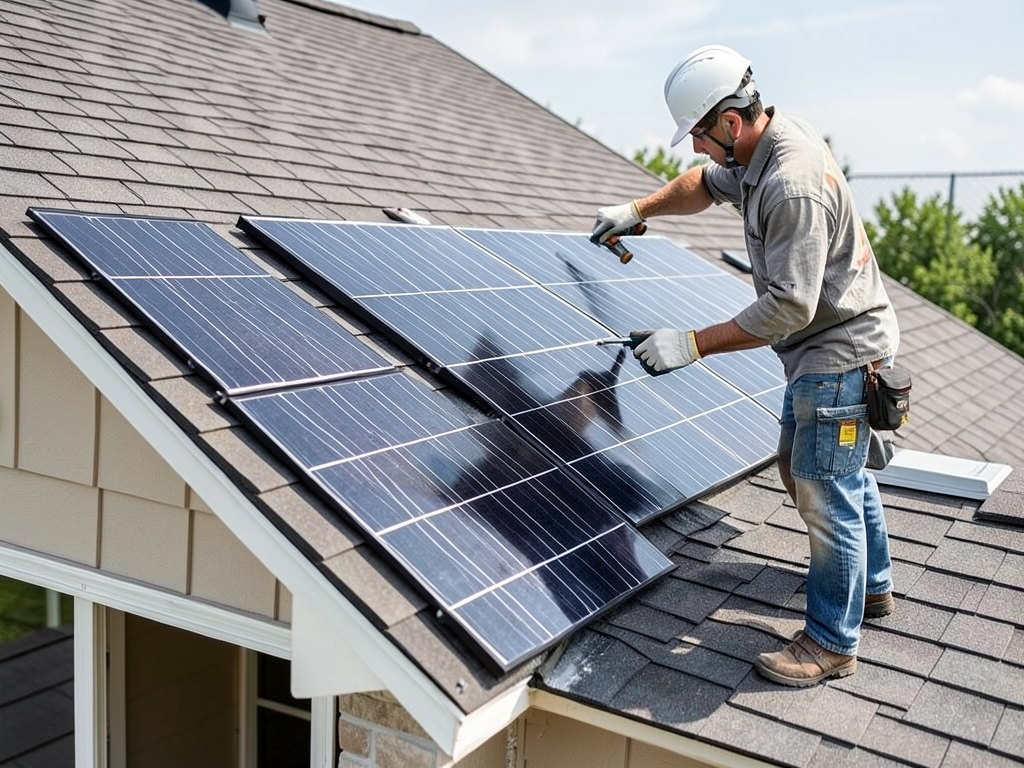
Are GAF Timberline Solar Shingles Finally Worth it for Atlanta Homeowners? Atlanta homeowners are discovering that GAF Timberline Solar Shingles…

Are GAF Timberline Solar Shingles Finally Worth it for Atlanta Homeowners?

Are GAF Timberline Solar Shingles Finally Worth it for Atlanta Homeowners? Atlanta homeowners are discovering that GAF Timberline Solar Shingles…

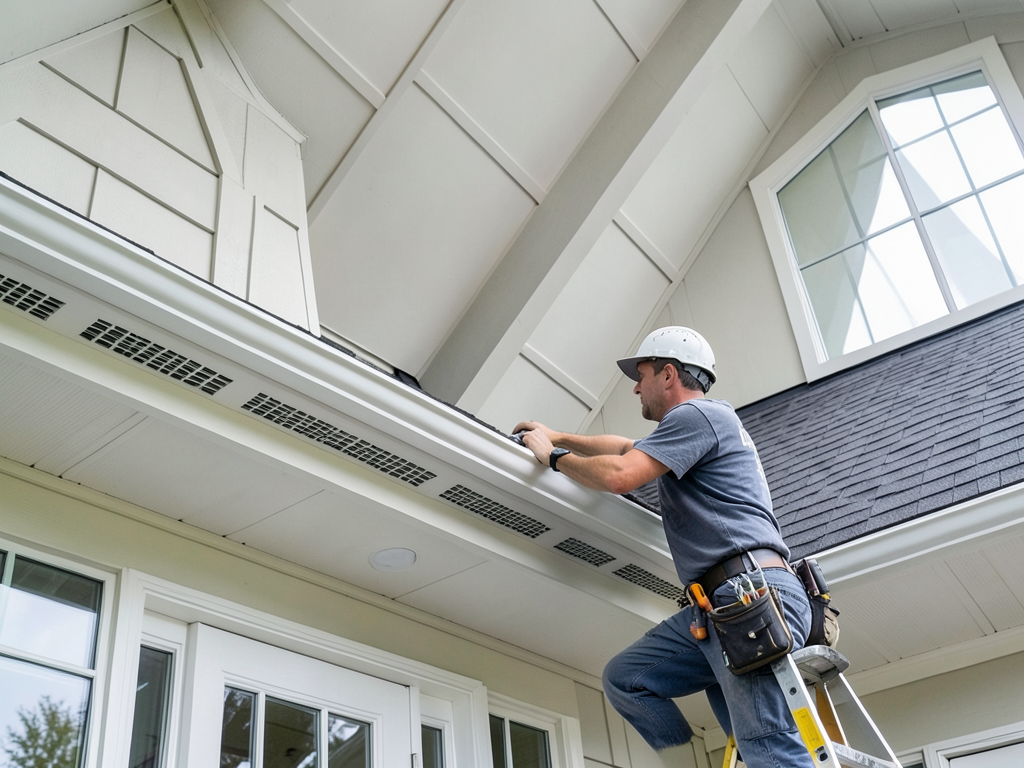
Why Vaulted Ceilings Often Lead to Roof Rot in Modern Duluth Homes

Why Vaulted Ceilings Often Lead to Roof Rot in Modern Duluth Homes Vaulted ceilings create stunning architectural appeal but often…

The Real Cost and Complexity of Adding a Rooftop Deck to Your Reynoldstown Townhome

The Real Cost and Complexity of Adding a Rooftop Deck to Your Reynoldstown Townhome Adding a rooftop deck to your…

Contact Us

Call (770) 610-9366 now to schedule a no-obligation inspection. We will assess your roof condition, explain your options, and provide a detailed written estimate within 24 hours. Stop worrying about leaks and start planning your solution.