Water rarely travels straight down. It enters through a roof defect, runs along rafters, follows electrical conduit, and appears 10 feet away from the actual breach. This is why most repairs fail. The wrong location gets patched.
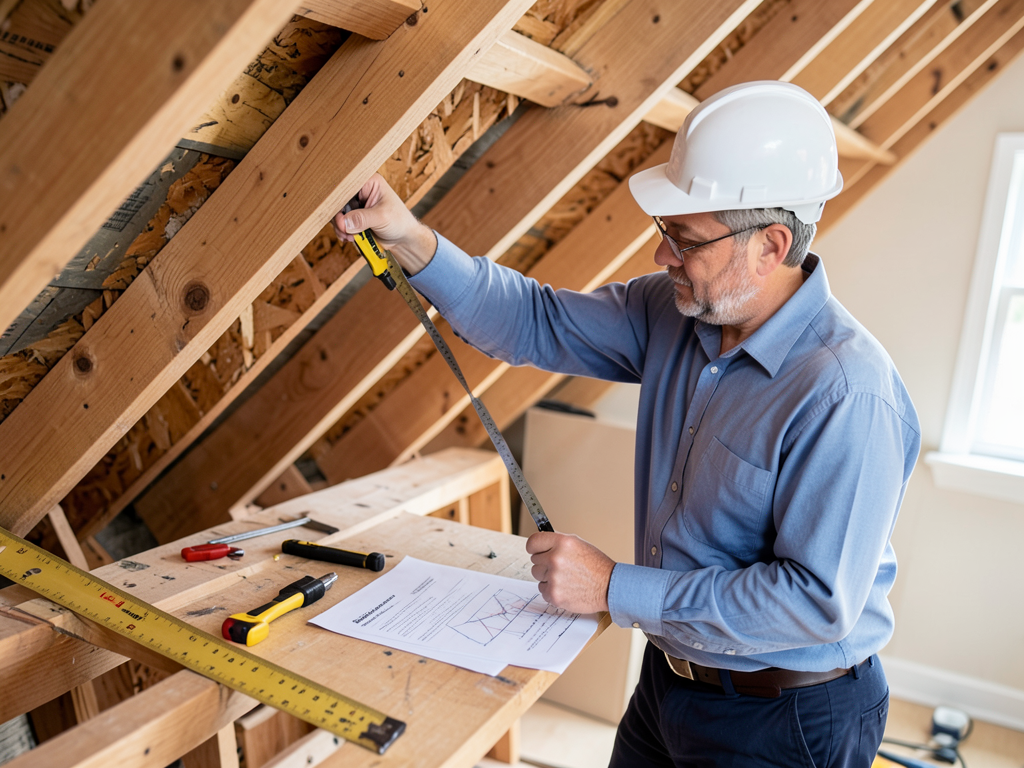
First Choice Roofing Atlanta uses a forensic inspection process. We examine the attic space above the stain using thermal imaging. Wet insulation shows a different heat signature than dry material. This reveals the water trail. We follow it backward to the entry point.
We inspect every roof penetration within a 15-foot radius of the suspected source. Plumbing vents. HVAC exhaust stacks. Satellite dish mounts. Each penetration requires a boot seal or flashing system. These components fail first in Atlanta's UV-intense summers.
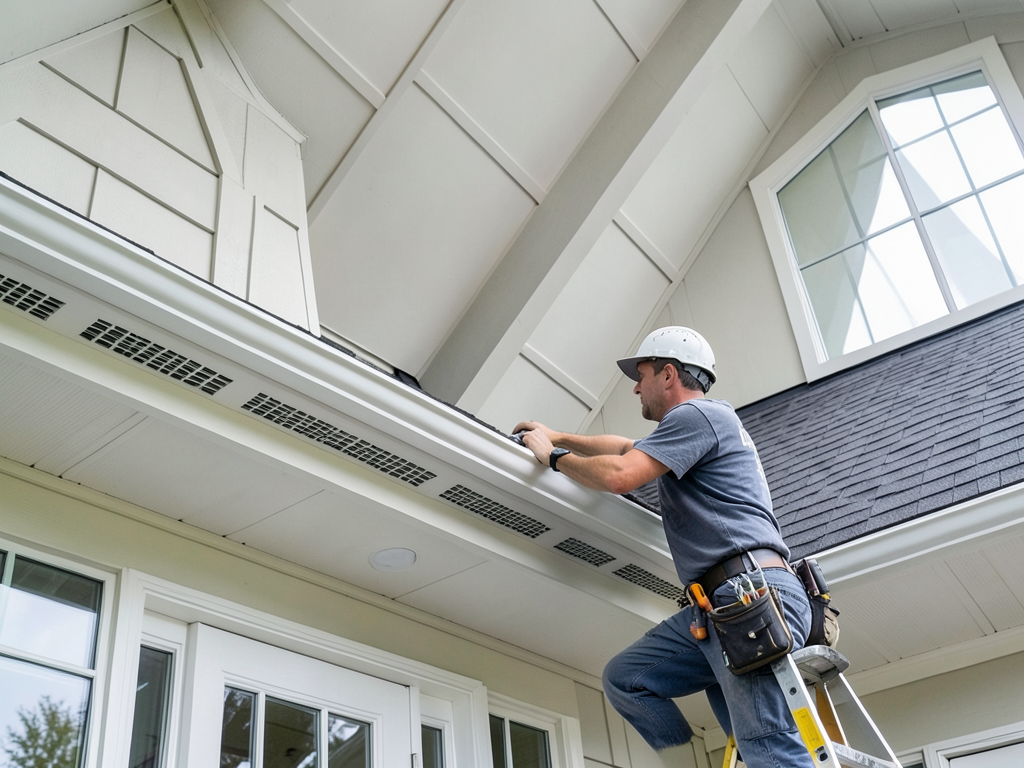
Next, we evaluate the flashing systems. Step flashing along sidewalls. Cricket flashing behind chimneys. Drip edge along eaves. Counter-flashing at wall intersections. These metal barriers redirect water away from vulnerable joints. When they corrode or separate, water infiltrates.
We assess the shingle condition. Granule loss exposes the asphalt mat to UV degradation. The mat becomes brittle. Wind lifts the tabs. Rain drives underneath. We check for thermal cracking, a common issue where Atlanta's 95-degree summer days meet air-conditioned attic spaces. The temperature differential stresses the shingle substrate.
After identifying the source, we determine if the repair requires isolated flashing work, a section replacement, or a full roof system. We do not upsell. We show you the evidence. You make an informed decision based on facts, not fear.