




menu

Slate & Synthetic Slate Roofing in Atlanta – Matching Your Home's Character Without the Weight or Cost

From authentic natural slate roof tiles to composite slate roofing that mimics the classic look, First Choice Roofing Atlanta delivers the elegance of slate without the structural reinforcement most homes need for quarried stone.

Slider Image 1
Slider Image 2
Slider Image 3
Slider Image 4
Slider Image 5
Slider Image 7
Slider Image 8
Slider Image 9
Slider Image 10
Slider Image 11

Why Atlanta Homeowners Choose Slate-Style Roofing Over Traditional Shingles

Atlanta's architectural diversity demands roofing materials that respect the character of everything from Druid Hills Tudors to Ansley Park colonials. Natural slate roof tiles have defined prestigious neighborhoods for generations, but authentic slate roofing creates challenges most builders never mention upfront.

The problem is weight. Quarried slate tiles weigh 800 to 1,500 pounds per square, far exceeding what standard Georgia roof framing can support without reinforcement. Add Atlanta's extreme weather shifts, from 95-degree summers with afternoon thunderstorms to occasional ice events, and you need a roof system that handles thermal expansion without cracking.

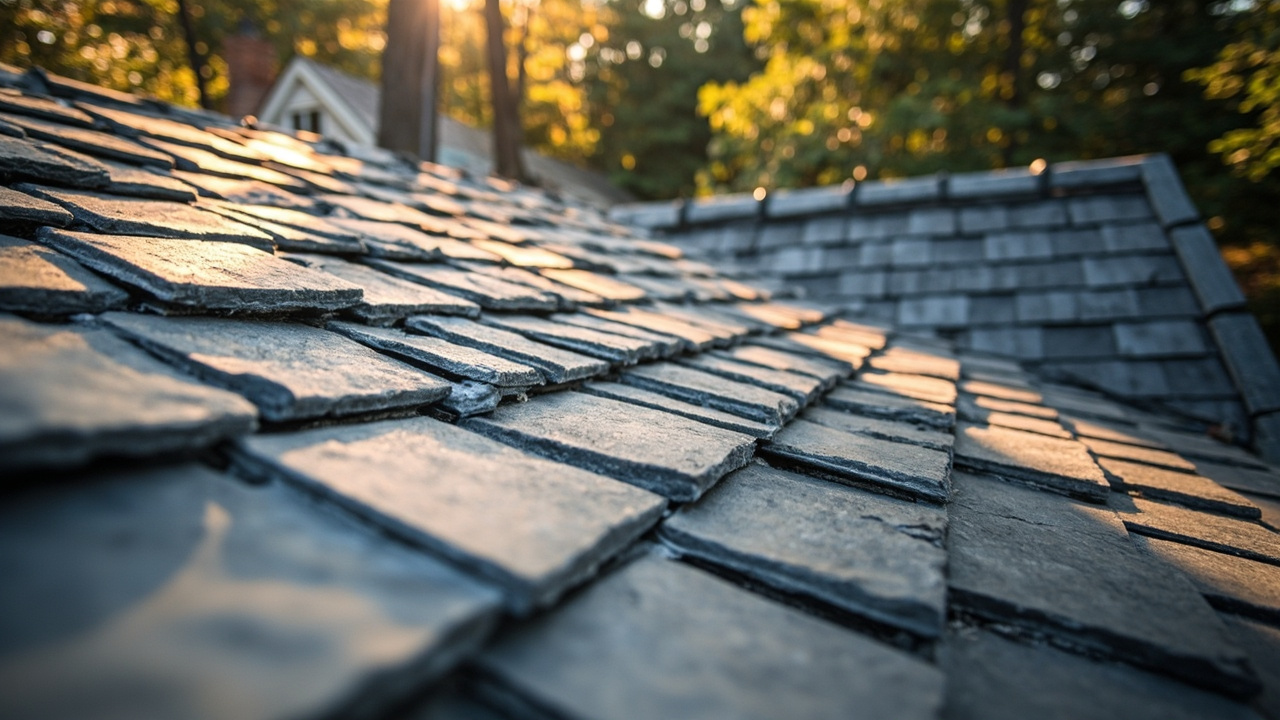
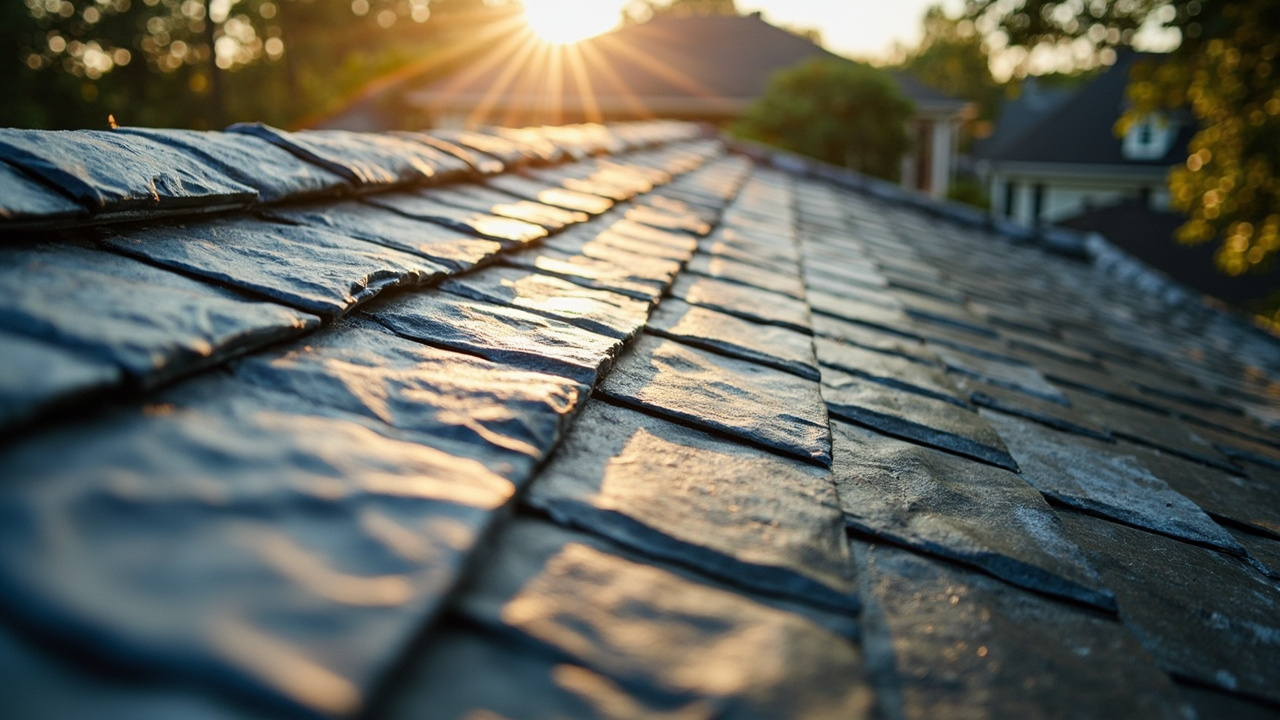
That is where composite slate roofing and faux slate shingles change the equation. Modern imitation slate tiles replicate the layered texture and shadow lines of quarried stone at one-quarter the weight. You get the curb appeal of European slate without structural upgrades or the maintenance headaches that come with natural stone in a humid climate.

Atlanta's clay soil creates another concern. The seasonal expansion and contraction stresses roof structures differently than stable bedrock regions where slate originated. Synthetic slate roofing absorbs these movements better than rigid stone tiles, which can crack along the nail line when the decking shifts.

If you are renovating a historic home in Virginia-Highland or building a custom estate in Buckhead, understanding the difference between natural slate roof tiles and high-grade synthetic alternatives protects your investment and preserves your design intent without creating structural liabilities.

Why Atlanta Homeowners Choose Slate-Style Roofing Over Traditional Shingles
How We Install Slate and Synthetic Slate Systems in Atlanta's Climate

How We Install Slate and Synthetic Slate Systems in Atlanta's Climate

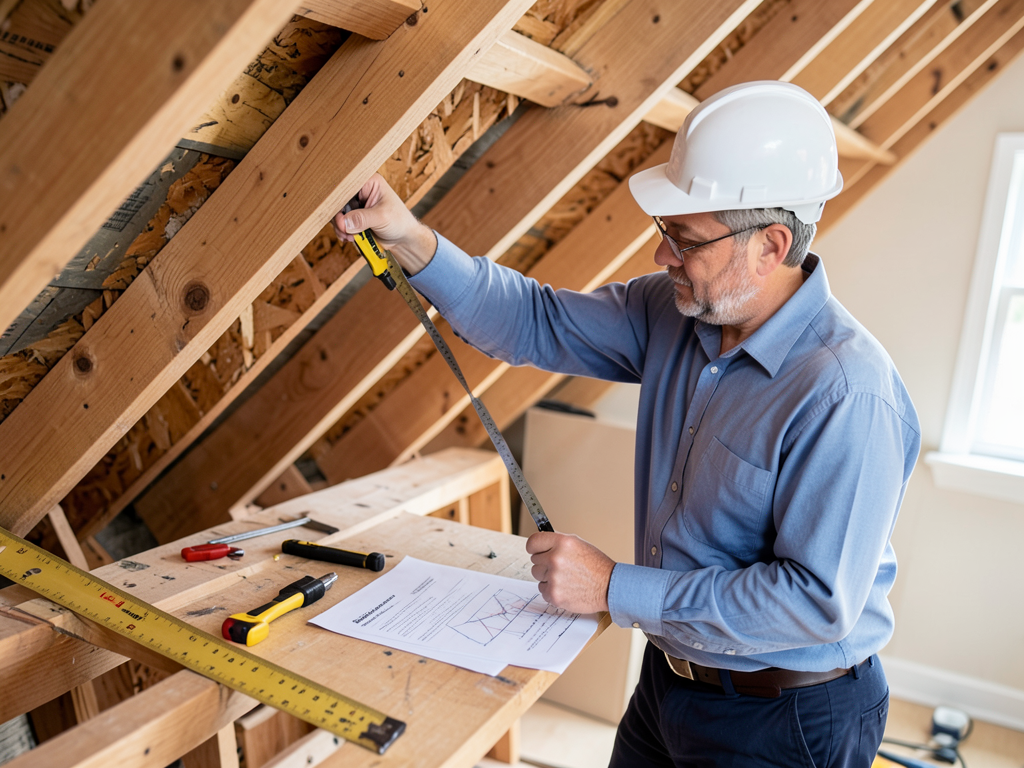
Installing authentic slate roofing or composite slate roofing requires a different methodology than asphalt shingle work. We start with a structural assessment because adding any slate-style material changes the load calculation. Most Atlanta homes built after 1980 use truss spacing designed for 250 to 300 pounds per square. Natural slate exceeds that by triple.

For clients committed to quarried slate, we coordinate with structural engineers to verify rafter sizing and add support where needed. Most choose synthetic slate roofing instead, which delivers the same aesthetic at 400 to 600 pounds per square, within the tolerance of existing framing.

The underlayment layer matters more with slate than asphalt because these roofs last 50 to 75 years. We install high-temperature synthetic underlayment rated for metal and tile applications, not basic felt paper. This prevents degradation from Atlanta's summer heat, which regularly pushes roof surface temperatures past 160 degrees.

Flashing details change completely. Slate tiles do not seal like shingles. Every valley, chimney, and sidewall transition needs soldered copper or lead-coated copper flashing, not step flashing crimped into place. We fabricate custom cricket backs for chimneys wider than 30 inches to divert water around the upstream side, preventing ice damming during rare winter freezes.

Fastener selection depends on material type. Natural slate roof tiles require copper or stainless steel nails to prevent rust stains. Faux slate shingles allow galvanized fasteners, but we still use stainless on highly visible elevations. Each tile gets two nails positioned in the head lap zone to avoid fractures, unlike the four-nail pattern used for dimensional shingles.

What Happens During Your Slate Roof Installation

Slate & Synthetic Slate Roofing in Atlanta – Matching Your Home's Character Without the Weight or Cost
01

Structural Load Verification

We calculate your existing roof's load-bearing capacity using truss spacing, rafter dimensions, and current decking thickness. This determines whether you need authentic slate roofing with structural reinforcement or composite slate roofing that works with your current framing. Most Atlanta homes built after 1990 accommodate synthetic slate without modification, while pre-1950 homes often have the oversized framing that supports natural stone.
02

Material Selection and Sourcing

You choose between quarried natural slate roof tiles in gray, black, purple, or green, or imitation slate tiles engineered from polymer composites or fiber cement. We source authentic slate from Vermont, Virginia, or international quarries depending on color preference. Synthetic options include rubber-composite products and Class 4 impact-rated polymer shingles that resist hail damage better than stone. Lead times range from two weeks for composite materials to eight weeks for imported slate.
03

Installation and Final Inspection

Installation follows traditional slate-hanging methods with modern waterproofing upgrades. We start at the eave and work upward, overlapping each course to create the distinctive shadow line. Copper flashing goes in at all penetrations and valleys. After completion, we walk the roof to verify fastener depth and alignment, then provide maintenance guidelines specific to your material type. Natural slate needs periodic replacement of cracked tiles, while faux slate shingles require only debris removal.

Why Atlanta Homeowners Trust First Choice Roofing Atlanta for Slate Projects

Slate roofing separates contractors who understand traditional building methods from installers trained only on modern shingles. We work on historic homes in Atlanta's landmark districts where architectural review boards scrutinize every material choice. That experience means we understand the difference between a Vermont unfading gray slate and a Chinese slate that weathers to brown within ten years.

Atlanta's building codes require wind resistance for roofing materials, specified in the International Residential Code adopted by the city. Natural slate roof tiles meet Class F wind ratings when installed with proper fastener patterns, but synthetic slate roofing often exceeds those standards with engineered interlock systems. We verify compliance for both material types and provide documentation for permit close-out.

Our familiarity with Atlanta's architectural styles helps match slate profiles to home design. Tudor revivals in Morningside need heavy-textured tiles with random widths that replicate European castle roofs. Colonial homes in Brookhaven look best with uniform rectangular slates in traditional gray. Mediterranean estates in Tuxedo Park benefit from synthetic slate in terra cotta tones that complement stucco and ironwork.

We also understand Atlanta's microclimate challenges. Homes near Peachtree Creek or the Chattahoochee River face higher humidity, which accelerates moss growth on natural slate. We factor in slope requirements and specify anti-fungal treatments where needed. Properties in Buckhead's tree canopy need debris management plans because fallen branches damage slate tiles more easily than asphalt shingles.

This is not a material you replace in fifteen years. Choosing the wrong contractor creates legacy problems. We provide material-specific guidance that matches your home's structural capacity, design intent, and maintenance expectations.

What to Expect When You Choose Slate or Synthetic Slate Roofing

Project Timeline and Scheduling

Slate roof installations take longer than asphalt shingle work. A typical 2,500-square-foot home requires seven to ten working days for synthetic slate roofing and up to three weeks for natural slate roof tiles. Weather delays happen because we do not install slate in rain or high winds where tiles can crack during handling. Lead time for materials adds two to eight weeks depending on whether you choose domestic composite slate roofing or imported quarried stone. We schedule around your timeline and provide weekly progress updates once work begins.

In-Home Consultation and Design Review

We bring physical samples of both authentic slate roofing and faux slate shingles to your property so you can see how colors and textures look against your siding and trim in natural light. You review sample boards showing different laying patterns, from standard offset to staggered random widths. We discuss structural requirements, permit needs, and historical district restrictions if applicable. You receive a detailed scope of work that breaks down material costs separately from labor so you understand where your investment goes. Consultations take 60 to 90 minutes and include attic inspection to verify ventilation and decking condition.

Finished Product and Curb Appeal

The completed roof transforms your home's appearance. Natural slate roof tiles create depth and texture that photographs cannot capture, with individual color variation in each stone. Imitation slate tiles deliver uniform appearance and sharper shadow lines. Both materials increase property value significantly compared to asphalt shingles. Neighbors notice immediately. We clean all debris, including slate dust and copper shavings, and inspect gutters for proper water flow. You receive care instructions specific to your material type, including when to schedule inspections and how to identify tiles that need replacement after storm events.

Maintenance and Long-Term Performance

Natural slate roofing requires periodic inspection every five years to identify cracked or slipped tiles before leaks develop. Composite slate roofing needs less frequent attention, usually every ten years. We offer maintenance plans that include debris removal, flashing inspection, and tile replacement as needed. Copper flashing develops a green patina over time, which protects the metal and adds character. Synthetic slate maintains its original color without fading. We keep detailed records of your installation, including tile lot numbers and flashing specifications, so future repairs match existing materials perfectly. Storm damage inspections are available within 48 hours of severe weather events.

Frequently Asked Questions

You Have Questions,
We Have Answers

What is a synthetic slate roof? +

A synthetic slate roof mimics natural slate using engineered materials like rubber, plastic polymers, or composite blends. These products replicate the look of quarried stone but weigh far less and install faster. In Atlanta's humid climate, synthetic slate resists moss and algae better than some organic materials. The tiles interlock to shed water efficiently during heavy rainstorms common in North Georgia. You get the classic slate appearance without the structural reinforcement natural slate requires. Most products carry Class A fire ratings and impact resistance, which matters during Atlanta's occasional hailstorms.

How much does a synthetic slate roof cost? +

Synthetic slate roofing costs depend on product quality, roof complexity, and removal of existing materials. You cannot get accurate pricing without a site inspection. Factors include roof pitch, square footage, penetrations like chimneys or skylights, and substrate condition. Atlanta's building codes may require additional underlayment or flashing upgrades, which affect total investment. Premium synthetic products cost more upfront but often outlast budget options. Labor rates vary across Metro Atlanta neighborhoods. Request detailed written estimates that break down material costs separately from installation. Avoid contractors who quote over the phone without seeing your roof.

How long does a synthetic slate roof last? +

Quality synthetic slate roofs last 40 to 50 years in Atlanta when installed correctly. Lifespan depends on material grade, installation quality, and maintenance. Atlanta's heat, humidity, and UV exposure accelerate wear on inferior products. Look for synthetic slate with UV inhibitors and impact ratings. Proper attic ventilation extends roof life by reducing heat buildup that degrades materials. Periodic inspections catch small issues before they spread. Cheap synthetic slate may crack or fade within 15 years. Premium products from established manufacturers often carry transferable warranties, which protect your investment if you sell your home.

What are the advantages and disadvantages of synthetic slate and natural slate? +

Natural slate lasts 75 to 100 years but weighs 800 to 1,500 pounds per square, requiring structural reinforcement most Atlanta homes lack. It costs two to three times more than synthetic options. Synthetic slate weighs 300 to 400 pounds per square, installs on standard framing, and costs less upfront. Natural slate resists fire and never fades, but replacement tiles become hard to match as quarries close. Synthetic slate offers consistent color but may fade slightly over decades. Both resist Atlanta's humidity and storm damage better than asphalt shingles. Natural slate wins on longevity. Synthetic slate wins on practicality and cost.

How Atlanta's Humidity and Thermal Cycling Affect Slate Roof Performance

Atlanta's climate puts unique stress on both natural slate roof tiles and synthetic alternatives. Summer humidity averages 70 percent, creating conditions where moss and algae colonize north-facing slopes. Quarried slate absorbs minimal moisture, but the wood decking underneath can develop mold if ventilation is inadequate. Composite slate roofing resists biological growth better than natural stone because engineered materials include fungicides. The thermal swing from 30-degree winter nights to 95-degree summer days causes expansion and contraction that can crack inferior faux slate shingles. High-quality imitation slate tiles use rubber polymers or fiber cement that flex with temperature changes rather than fracturing like brittle materials.

Atlanta's roofing codes follow the International Residential Code with local amendments that affect slate installation. Wind speed requirements in the metro area mandate fastener patterns that resist uplift during severe thunderstorms, common from March through October. First Choice Roofing Atlanta works directly with city inspectors in Atlanta, Brookhaven, Sandy Springs, and Decatur who review slate projects for compliance with load calculations and flashing details. Our familiarity with local permitting processes speeds approval and prevents revision requests that delay projects. When you hire contractors experienced with Atlanta's architectural review boards and historic preservation requirements, you avoid costly mistakes that damage your home's character and resale value.
Roofing Services in The Atlanta Area

Whether you are in need of a new roof, a quick repair, or a detailed inspection, our team is ready to serve you. We are proud to be a trusted part of the Atlanta community, and you can find our business location on the map below. Feel free to visit us or contact us today to discuss your next project. We look forward to working with you and protecting your property.

Address:
First Choice Roofing Atlanta, 3630 Peachtree Rd NE, Atlanta, GA, 30326

Additional Services We Offer

Our news updates

Latest Articles & News from The Blogs

Are GAF Timberline Solar Shingles Finally Worth it for Atlanta Homeowners? Atlanta homeowners are discovering that GAF Timberline Solar Shingles…

Are GAF Timberline Solar Shingles Finally Worth it for Atlanta Homeowners?

Are GAF Timberline Solar Shingles Finally Worth it for Atlanta Homeowners? Atlanta homeowners are discovering that GAF Timberline Solar Shingles…

Why Vaulted Ceilings Often Lead to Roof Rot in Modern Duluth Homes

Why Vaulted Ceilings Often Lead to Roof Rot in Modern Duluth Homes Vaulted ceilings create stunning architectural appeal but often…

The Real Cost and Complexity of Adding a Rooftop Deck to Your Reynoldstown Townhome

The Real Cost and Complexity of Adding a Rooftop Deck to Your Reynoldstown Townhome Adding a rooftop deck to your…

Contact Us

See the difference between authentic slate roofing and composite slate roofing with an in-home material review. Call First Choice Roofing Atlanta at (770) 610-9366 to schedule your consultation and receive a detailed proposal that matches your home's structural capacity and design goals.