




menu

Condensation & Moisture Issues in Atlanta – Expert Diagnosis and Permanent Solutions for Roof Sweating and Attic Dampness

Stop roof sweating and attic moisture buildup before they rot your decking and ruin your insulation. First Choice Roofing Atlanta identifies the root cause of condensation and moisture issues with thermal imaging and ventilation assessments, then implements the correct fix for Atlanta's humid subtropical climate.

Slider Image 1
Slider Image 2
Slider Image 3
Slider Image 4
Slider Image 5
Slider Image 7
Slider Image 8
Slider Image 9
Slider Image 10
Slider Image 11

Why Atlanta Roofs Trap Moisture and What Happens When They Do

Atlanta's humid subtropical climate creates the perfect storm for condensation and moisture issues. When outdoor humidity averages 70 percent in summer and dips below freezing in winter, your attic becomes a battleground between hot, moist air and cold roof surfaces. The result is roof sweating, trapped moisture in roof assemblies, and attic moisture buildup that rots wood and feeds mold.

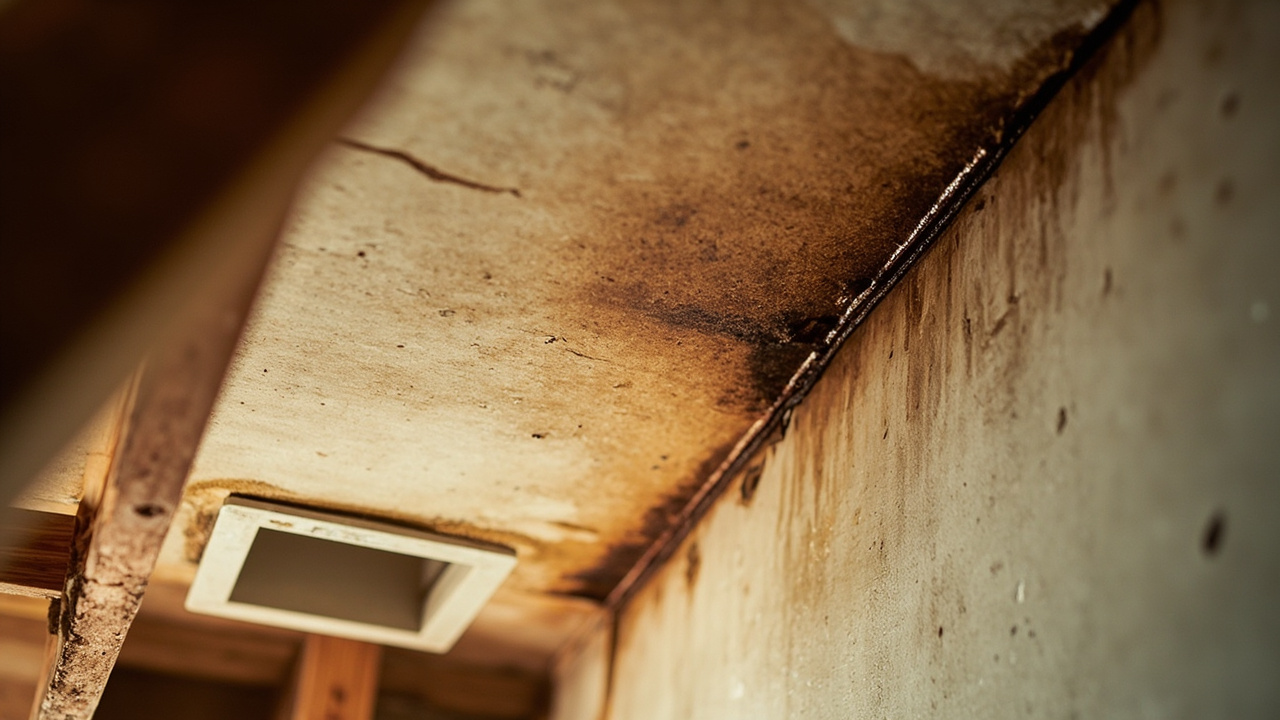
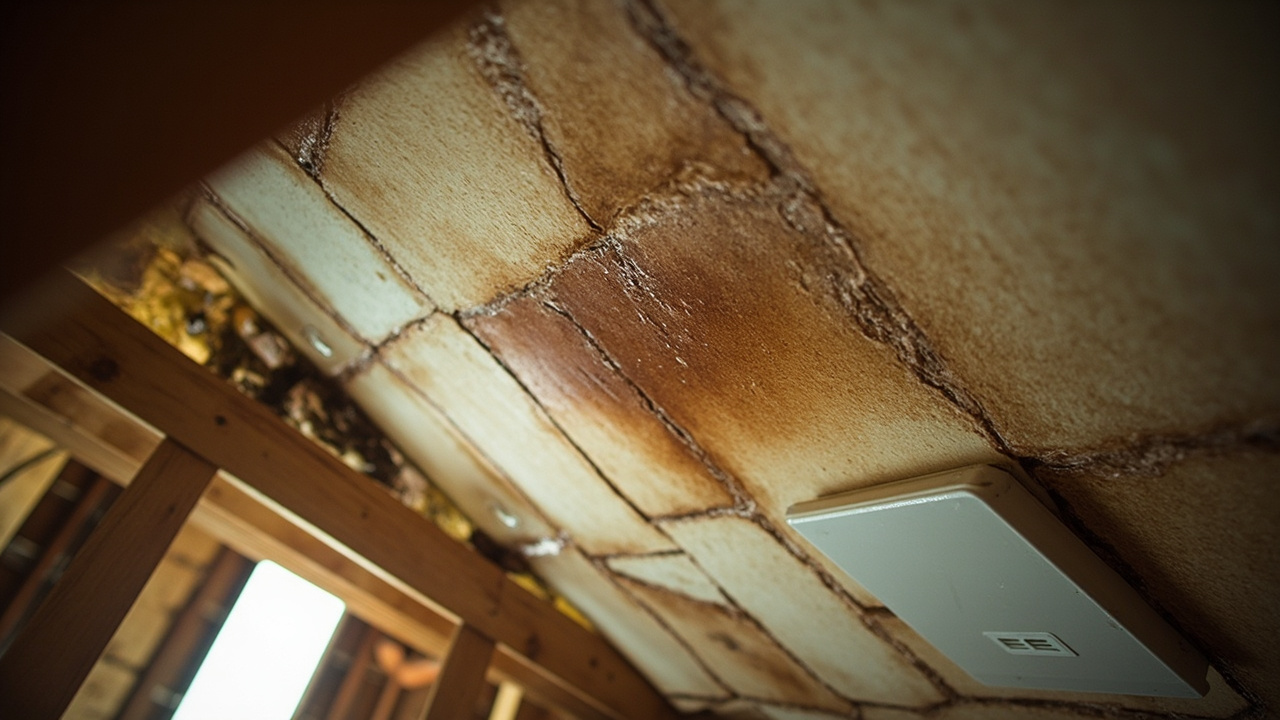
You notice water droplets on the underside of your roof decking. You see dark stains spreading across your attic floor. You smell the musty odor of dampness every time you open the attic access. This is not a leak from outside. This is roof space condensation, and it happens when warm, humid air from your living space rises into an improperly ventilated or under-insulated attic and contacts cold sheathing.

The freeze-thaw cycles common to Atlanta winters make the problem worse. When temperatures swing from 60 degrees during the day to 28 degrees at night, condensation forms rapidly. The moisture soaks into your roof decking, softens the plywood, and creates conditions for wood rot. Your insulation becomes waterlogged and loses R-value. If you ignore it, you will replace roof decking, rafters, and possibly entire sections of roof structure.

Attic moisture buildup also happens when bathroom exhaust fans vent into the attic instead of outside, when dryer vents terminate in roof spaces, or when soffit vents are blocked by blown insulation. Atlanta's clay soil and high water table contribute to overall home humidity, which compounds the problem. You need proper diagnosis, not guesswork.

Why Atlanta Roofs Trap Moisture and What Happens When They Do
How We Diagnose and Fix Condensation Problems at the Source

How We Diagnose and Fix Condensation Problems at the Source

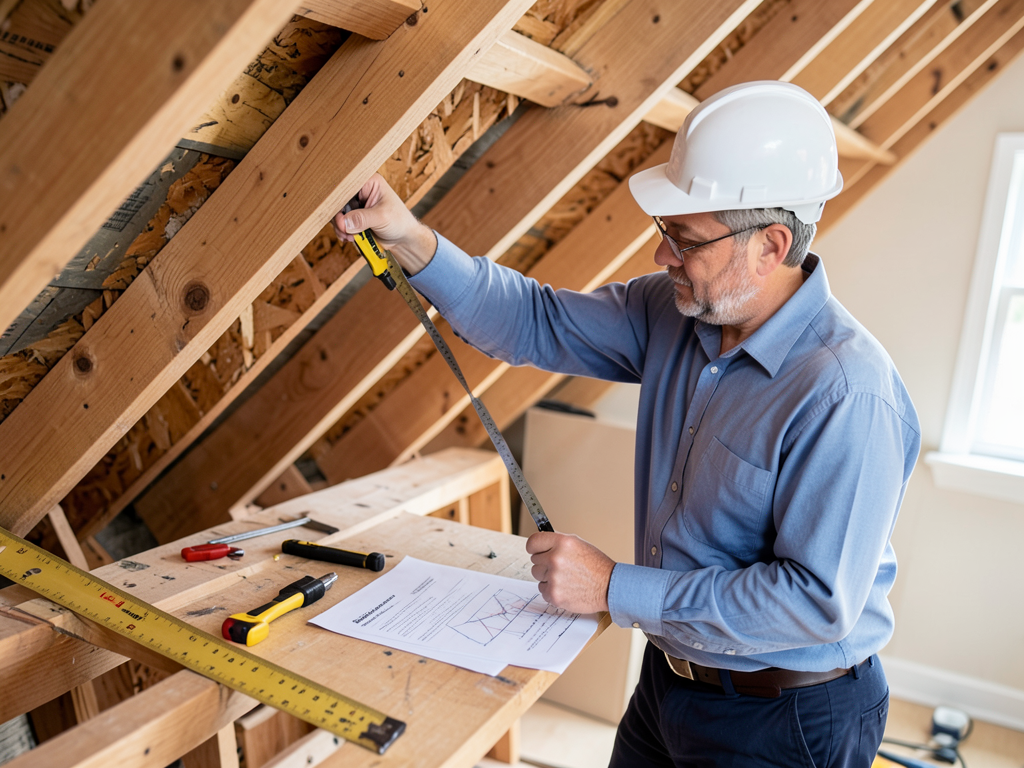
We do not treat roof dampness with a single vent or a fan. We perform a comprehensive moisture assessment using thermal imaging cameras, moisture meters, and airflow testing to identify exactly where condensation forms and why. We measure attic temperature differentials, check for vapor barrier failures, and inspect all mechanical ventilation terminations.

The most common cause of trapped moisture in roof assemblies is inadequate ventilation. Atlanta building codes require one square foot of net free ventilation area for every 150 square feet of attic space when you have a properly installed vapor barrier. Most homes we inspect fall short. We calculate your exact ventilation needs based on your roof pitch, attic square footage, and climate zone, then install the correct combination of ridge vents, soffit vents, and baffles to create continuous airflow from eave to peak.

We also address insulation problems. If your attic insulation is compressed, wet, or installed without proper air channels, it blocks ventilation and traps moisture. We remove damaged insulation, install baffles between rafters to maintain airflow pathways, and replace with the correct R-value for Georgia climate zone 3. When necessary, we install radiant barriers to reduce heat transfer and condensation potential.

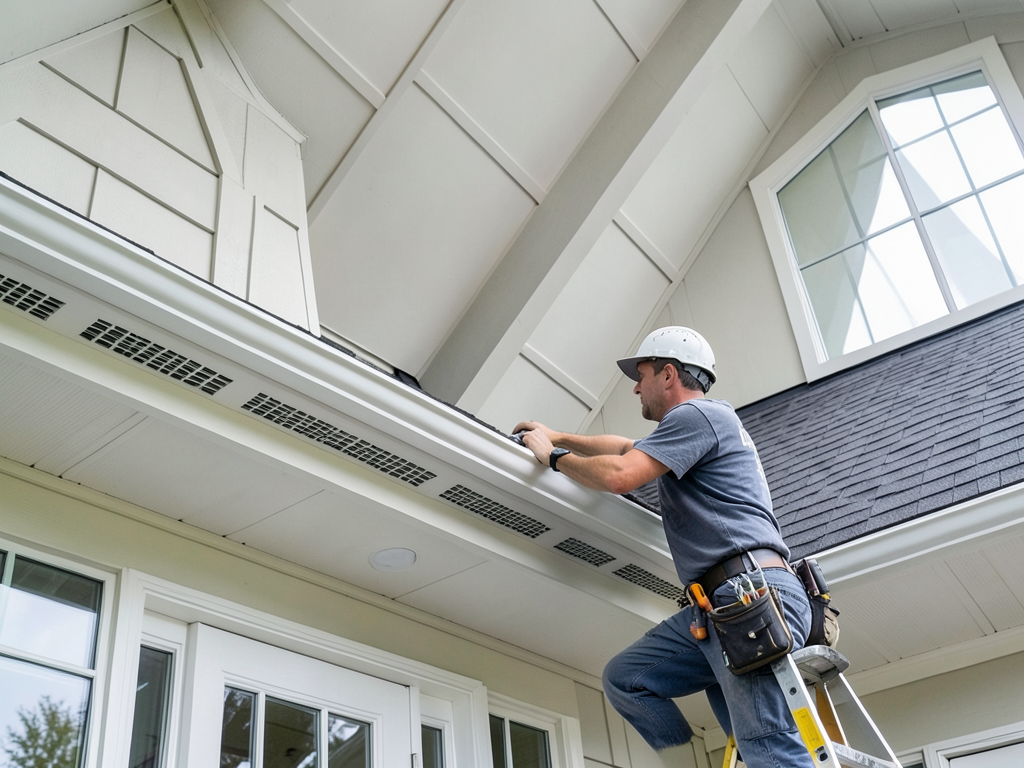
Mechanical issues get fixed permanently. We reroute bathroom exhaust fans and dryer vents to terminate outside the building envelope, not in the attic. We seal air leaks around light fixtures, plumbing penetrations, and attic access hatches that allow humid air to migrate into roof spaces. This is not patchwork. This is engineering a dry, healthy attic environment that protects your roof structure for decades.

What Happens During a Moisture Assessment and Ventilation Correction

Condensation & Moisture Issues in Atlanta – Expert Diagnosis and Permanent Solutions for Roof Sweating and Attic Dampness
01

Thermal and Moisture Inspection

We enter your attic with thermal imaging cameras and moisture meters to map temperature gradients and locate wet materials. This shows us exactly where roof sweating occurs, whether your insulation is damp, and if your decking has absorbed moisture. We photograph problem areas and document moisture content percentages in wood members. You get a visual report of what is happening inside your roof assembly.
02

Ventilation and Airflow Testing

We calculate your required net free ventilation area and compare it to your existing soffit and ridge vent configuration. We check for blocked soffit vents, inadequate ridge openings, and missing baffles between rafters. We also inspect all mechanical exhausts to verify they terminate outside, not in the attic. This tells us whether your condensation problem is ventilation-driven, insulation-driven, or caused by rogue moisture sources like bathroom fans.
03

Ventilation and Insulation Correction

We install additional ridge vents, soffit vents, or gable vents as needed to meet code requirements and create balanced intake and exhaust airflow. We install rafter baffles to maintain air channels between insulation and roof decking. We remove wet insulation and replace it with dry material at the correct R-value. We seal penetrations and reroute mechanical exhausts. Your attic becomes a dry, ventilated space that prevents future condensation.

Why Atlanta Homeowners Choose First Choice Roofing for Moisture Problems

Condensation issues require an understanding of building science, not just roofing. Many contractors will add a vent or two and call it fixed. You end up with the same problem six months later because the root cause was never addressed. We approach moisture problems the way engineers do. We measure, calculate, and design solutions based on Georgia climate data and Atlanta's specific humidity patterns.

Atlanta's high summer humidity and winter temperature swings make proper attic ventilation critical. We know that a poorly balanced ventilation system, where exhaust capacity exceeds intake or vice versa, creates negative pressure that pulls humid air into the attic from your living space. We know that clay soil foundations in neighborhoods like Brookhaven and Buckhead contribute to elevated indoor humidity, which means vapor barriers and air sealing become even more important.

We also understand local building codes. The 2018 International Residential Code, adopted by Atlanta and surrounding counties, specifies ventilation ratios and vapor retarder requirements that many older homes do not meet. When we correct a condensation problem, we bring your attic up to current code standards. This protects your investment and ensures you will not face the same issue again.

You get written documentation of our findings, a detailed scope of work, and photos of completed corrections. We explain what caused your roof dampness, what we did to fix it, and what you can do to maintain a dry attic environment. We do not upsell unnecessary services. If your problem is a blocked soffit vent and a bathroom fan venting into the attic, we fix those two things. Transparency and technical accuracy build trust.

What to Expect When You Schedule a Moisture Assessment

Inspection Timeline and Availability

We schedule moisture assessments within 48 hours of your call. The inspection takes between one and two hours, depending on attic size and access. We work evenings and weekends to accommodate your schedule. If we discover active moisture damage that threatens structural integrity, we provide temporary mitigation recommendations the same day. You receive a written report with thermal images and moisture readings within 24 hours of the inspection.

Comprehensive Diagnostic Process

Our assessment includes thermal imaging of the entire roof deck, moisture meter readings at multiple locations, ventilation calculations, insulation depth measurements, and inspection of all mechanical exhausts. We check for air leaks, missing vapor barriers, and blocked ventilation pathways. We identify whether your condensation issue is seasonal or year-round. You get a clear explanation of findings in plain language, not jargon-heavy reports you cannot understand.

Permanent Moisture Control Solutions

Correction work includes installing proper ventilation, removing and replacing wet insulation, rerouting mechanical exhausts, sealing air leaks, and installing vapor barriers where required. We use ridge vents, soffit vents, and baffles manufactured to ICC-ES standards. All insulation meets Georgia energy code R-value requirements. You get a dry attic that maintains proper humidity levels year-round. We do not use temporary fixes or Band-Aid solutions.

Post-Correction Monitoring and Support

After we complete ventilation and insulation corrections, we recommend a follow-up inspection during the next high-humidity season to verify the problem is resolved. We provide you with guidelines for maintaining proper attic conditions, including checking soffit vents for blockage and ensuring bathroom fans remain ducted to the exterior. If you experience any recurrence of moisture issues within the first year, we return to reassess at no charge.

Frequently Asked Questions

You Have Questions,
We Have Answers

How do you fix excessive condensation? +

Fix excessive condensation by improving ventilation first. Install exhaust fans in bathrooms and kitchens to remove humid air at the source. Check your attic insulation and ventilation. Atlanta's humid climate makes proper attic airflow critical. Seal air leaks around windows and doors to prevent warm, moist air from hitting cold surfaces. Run bathroom fans during showers and for 20 minutes after. Check roof flashing and gutters for leaks that introduce moisture. If condensation persists on windows, upgrade to double-pane glass. A whole-home dehumidifier helps manage Atlanta's spring and summer humidity levels effectively.

What are signs of excessive condensation? +

Look for water droplets on windows, especially during mornings or after cooking. You will see foggy glass that stays wet. Check for mold growth on walls, ceilings, or inside closets. Musty odors signal trapped moisture. Peeling paint or wallpaper indicates condensation behind surfaces. Water stains on ceilings near exterior walls are common in Atlanta homes with poor attic ventilation. Touch walls in bathrooms and kitchens. If they feel damp or cold, you have a condensation problem. Black spots in window corners or along baseboards mean moisture has been present long enough for mold to colonize.

How to solve moisture problems in a house? +

Start by identifying the moisture source. Check for roof leaks, plumbing leaks, or foundation cracks. Improve ventilation by running exhaust fans and opening windows when outdoor humidity is lower than indoor levels. Atlanta's clay soil causes foundation movement, creating cracks that let groundwater seep in. Install a vapor barrier in crawl spaces. Ensure gutters drain water away from your foundation. Fix grading issues so water flows away from your home. Upgrade insulation in attics and exterior walls to prevent temperature differences that cause condensation. Consider a dehumidifier for basements or poorly ventilated rooms.

What causes excessive condensation in a house? +

Everyday activities create moisture. Cooking, showering, and breathing release water vapor into your home. Poor ventilation traps this humid air. In Atlanta, high outdoor humidity during spring and summer makes the problem worse. Inadequate insulation lets warm, moist air contact cold surfaces like windows or exterior walls, causing condensation. Leaky ductwork in attics introduces unconditioned humid air. Clothes dryers vented indoors add gallons of moisture daily. Crawl spaces without vapor barriers allow ground moisture to rise into living areas. Too many plants or aquariums increase indoor humidity. Combustion appliances without proper venting also contribute moisture.

Does condensation mean my house is too cold? +

Not always. Condensation happens when warm, humid air hits a cold surface. Your house temperature matters less than the temperature difference between air and surfaces. In Atlanta winters, single-pane windows stay cold while indoor air remains humid from cooking and showers. This creates condensation even if your thermostat reads 70 degrees. However, if you keep your home unusually cold while outdoor humidity is high, you increase condensation risk. The issue is typically poor ventilation or inadequate insulation rather than thermostat settings. Check your attic insulation and window quality before adjusting your heating system.

What draws moisture out of your house? +

Proper ventilation draws moisture out most effectively. Exhaust fans in bathrooms and kitchens vent humid air directly outside. Attic ventilation pulls moisture up and out through ridge vents and soffit vents. Opening windows during dry weather creates cross-ventilation. Dehumidifiers mechanically remove water vapor from air. In Atlanta, running your air conditioner helps because cooling coils pull moisture from air as a byproduct of cooling. Whole-house ventilation systems exchange stale, humid indoor air with fresh outdoor air. Crawl space vents allow air circulation that reduces ground moisture buildup. Avoid blocking air returns or closing too many interior doors.

Will a dehumidifier reduce condensation? +

Yes. A dehumidifier removes water vapor from air before it condenses on cold surfaces. This reduces window fogging, wall dampness, and mold growth. Place dehumidifiers in problem areas like basements, bathrooms without exhaust fans, or bedrooms with condensation issues. In Atlanta's humid climate, a whole-home dehumidifier integrated with your HVAC system works better than portable units for widespread condensation. Set humidity levels between 30 and 50 percent. However, a dehumidifier treats the symptom, not the cause. You still need proper ventilation, insulation, and leak repairs to solve condensation long-term.

What causes too much moisture in a house? +

Indoor activities generate most moisture. Showers, cooking, dishwashing, and laundry release gallons of water vapor daily. Poor ventilation traps this moisture inside. Atlanta's high outdoor humidity makes the problem worse during spring and summer. Plumbing leaks from pipes, toilets, or water heaters add hidden moisture. Foundation cracks or basement seepage introduce groundwater. Roof leaks allow rainwater intrusion. Crawl spaces without vapor barriers let ground moisture evaporate into your home. Improper grading causes water to pool near your foundation. Leaky ductwork in humid attics pulls moist air into your HVAC system and distributes it throughout your home.

How to tell if damp is caused by condensation? +

Condensation appears on cold surfaces like windows, mirrors, and exterior walls. It shows up as water droplets or fog. The pattern is uniform and symmetrical. Damp from leaks creates irregular stains or runs downward in streaks. Check timing. Condensation appears during activities that generate moisture, like cooking or showering, then disappears. Leak dampness persists and worsens over time. In Atlanta homes, condensation worsens in humid months. Touch the area. Condensation dampness feels cold and evaporates when you increase ventilation. Leak dampness penetrates deeper into materials and stays wet. Mold from condensation grows in corners. Leak mold follows water trails.

What absorbs moisture quickly? +

Desiccants like calcium chloride and silica gel absorb moisture quickly but only work in small spaces like closets or storage boxes. For whole rooms, a dehumidifier is faster and more effective. Activated charcoal absorbs some moisture and odors. Baking soda helps in confined spaces but lacks capacity for serious moisture problems. In Atlanta homes with condensation issues, these passive solutions cannot match mechanical ventilation or dehumidification. Towels and fans speed drying after water spills but do not remove humidity from air. Address the root cause through ventilation improvements, insulation upgrades, and leak repairs rather than relying on absorbent materials.

How Atlanta's Humidity and Temperature Swings Accelerate Roof Condensation

Atlanta sits in ASHRAE climate zone 3A, characterized by hot, humid summers and mild winters with occasional hard freezes. When outdoor dew points reach 70 degrees in July and August, any cool surface in your attic becomes a condensation magnet. Winter nights that drop below 30 degrees create temperature differentials of 40 degrees or more between your heated living space and the underside of your roof deck. This rapid cooling causes humid air to shed moisture instantly, leading to roof sweating and attic moisture buildup that would take weeks to develop in drier climates.

We have assessed condensation problems in homes across Decatur, Marietta, Roswell, and Sandy Springs. Atlanta's older housing stock, particularly homes built before the 1990s, often lacks the continuous soffit and ridge ventilation required by modern building codes. Many historic neighborhoods feature hip roofs and complex roof geometries that make proper ventilation difficult. We understand how to retrofit ventilation systems in these older homes without compromising architectural integrity. Local expertise matters when you are dealing with moisture problems that are specific to Georgia's humid subtropical environment.
Roofing Services in The Atlanta Area

Whether you are in need of a new roof, a quick repair, or a detailed inspection, our team is ready to serve you. We are proud to be a trusted part of the Atlanta community, and you can find our business location on the map below. Feel free to visit us or contact us today to discuss your next project. We look forward to working with you and protecting your property.

Address:
First Choice Roofing Atlanta, 3630 Peachtree Rd NE, Atlanta, GA, 30326

Additional Services We Offer

Our news updates

Latest Articles & News from The Blogs

Are GAF Timberline Solar Shingles Finally Worth it for Atlanta Homeowners? Atlanta homeowners are discovering that GAF Timberline Solar Shingles…

Are GAF Timberline Solar Shingles Finally Worth it for Atlanta Homeowners?

Are GAF Timberline Solar Shingles Finally Worth it for Atlanta Homeowners? Atlanta homeowners are discovering that GAF Timberline Solar Shingles…

Why Vaulted Ceilings Often Lead to Roof Rot in Modern Duluth Homes

Why Vaulted Ceilings Often Lead to Roof Rot in Modern Duluth Homes Vaulted ceilings create stunning architectural appeal but often…

The Real Cost and Complexity of Adding a Rooftop Deck to Your Reynoldstown Townhome

The Real Cost and Complexity of Adding a Rooftop Deck to Your Reynoldstown Townhome Adding a rooftop deck to your…

Contact Us

Call (770) 610-9366 to schedule a thermal imaging moisture assessment. We identify the exact cause of your attic condensation and provide written recommendations within 24 hours. Available evenings and weekends.