
The Real Cost and Complexity of Adding a Rooftop Deck to Your Reynoldstown Townhome
Adding a rooftop deck to your Reynoldstown townhome sounds like the perfect way to maximize your outdoor living space. But before you start planning your rooftop oasis understand that this project involves far more than just installing some decking boards. The structural requirements building permits waterproofing systems and material choices create a complex puzzle that requires professional expertise. Roofing Dunwoody.
Reynoldstown’s historic character and Atlanta’s strict building codes mean your project will need careful planning. The City of Atlanta requires permits for any rooftop structure that exceeds certain height limits and your homeowners association may have additional restrictions. Understanding these requirements upfront can save you thousands of dollars and months of delays. City of Atlanta Department of Planning.
The first step is determining if your townhome’s structure can actually support a rooftop deck. Most townhome roofs in Reynoldstown were designed to handle typical residential loads not the additional weight of people furniture and outdoor equipment. A structural engineer must evaluate your roof’s load-bearing capacity before any work begins.
Waterproofing presents another critical challenge. Your existing roof membrane was designed to shed water not to support a deck structure. Installing a rooftop deck without proper waterproofing can lead to catastrophic leaks that damage your home and your neighbor’s property. The right waterproofing system protects both your investment and your building’s integrity.
Material selection becomes crucial in Atlanta’s climate. The intense summer heat high humidity and occasional severe storms create conditions that can destroy poorly chosen decking materials within a few seasons. Composite materials offer better durability than traditional wood but come with higher upfront costs.
Based on recent projects in the Atlanta area homeowners typically spend between $35 to $75 per square foot for a complete rooftop deck installation. This includes structural reinforcement waterproofing membrane installation decking materials and railing systems. The final cost depends on your specific townhome’s requirements and the materials you select.
Before you commit to this project understand that you’ll need multiple professional assessments. A structural engineer will evaluate your roof’s capacity. A roofing specialist will assess your current membrane’s condition. Your HOA will review your plans for compliance. The City of Atlanta will require building permits and inspections throughout the process.
The timeline for a rooftop deck project typically spans 8 to 16 weeks from initial consultation to final inspection. This includes permit processing structural modifications waterproofing installation and finishing work. Weather delays are common during Atlanta’s rainy seasons.
Understanding these realities helps you make an informed decision about whether a rooftop deck makes sense for your Reynoldstown townhome. The investment can be substantial but when done correctly it adds significant value to your property and creates a unique outdoor living space that takes advantage of Atlanta’s mild climate for much of the year.
Structural Engineering Assessment: The Foundation of Your Rooftop Deck
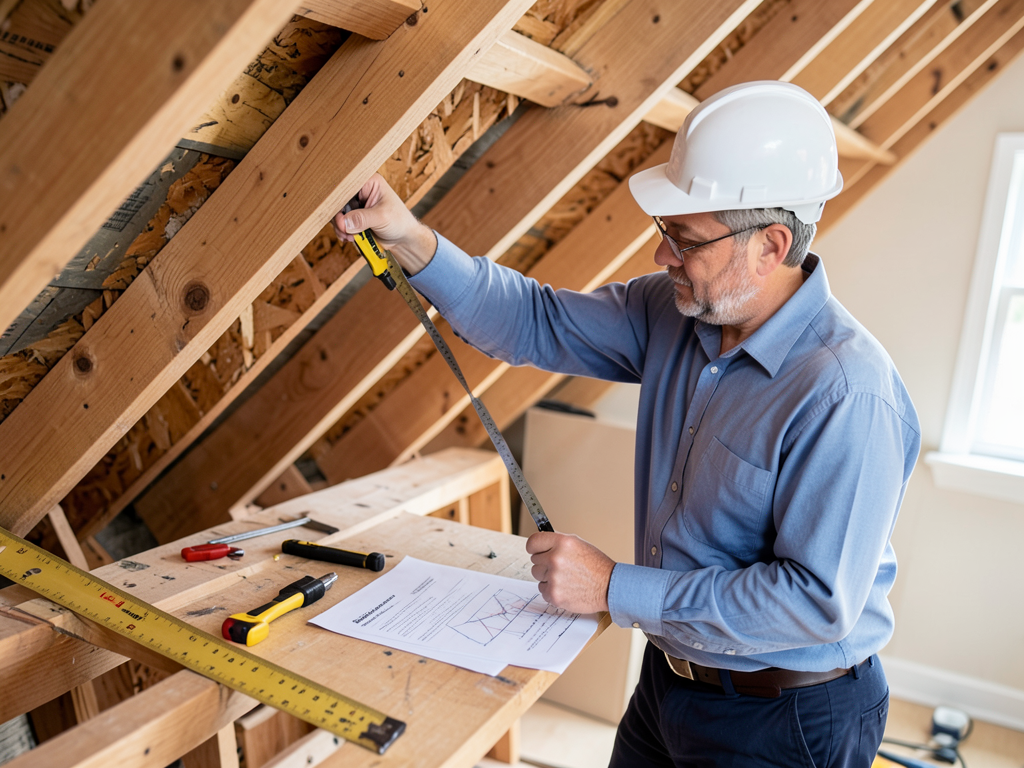
Before any design work begins a licensed structural engineer must evaluate your townhome’s roof structure. This assessment determines whether your existing roof can support the additional load or if reinforcement is needed.
Most townhome roofs in Reynoldstown were designed for minimal live loads. The standard residential roof typically supports 20 pounds per square foot of live load. A rooftop deck with people furniture and equipment can add 40 to 60 pounds per square foot of additional load.
The engineer will examine your roof’s framing members including joists rafters and support beams. They’ll measure the span between supports and calculate the existing load capacity. If your structure falls short of the required capacity they’ll design reinforcement solutions.
Common reinforcement methods include adding sister joists installing additional support beams or upgrading existing framing members. These modifications can add $8000 to $15000 to your project cost but are essential for safety and code compliance.
The engineer will also assess your roof’s current condition. Water damage rot or termite infestation in existing framing members must be addressed before adding a deck. These repairs can add unexpected costs but prevent future failures.
During the assessment the engineer will identify access points for construction equipment. Many Reynoldstown townhomes have limited alley access making material delivery challenging. Crane access may be required for some projects adding $2000 to $5000 to your budget.
The structural assessment typically costs $1200 to $2500 but provides crucial information for your project planning. Without this assessment you risk building a deck that could fail under normal use or violate building codes.
Once the engineer completes their assessment they’ll provide detailed drawings showing the required modifications. These drawings become part of your permit application and guide the construction process.
Atlanta Building Codes and HOA Requirements
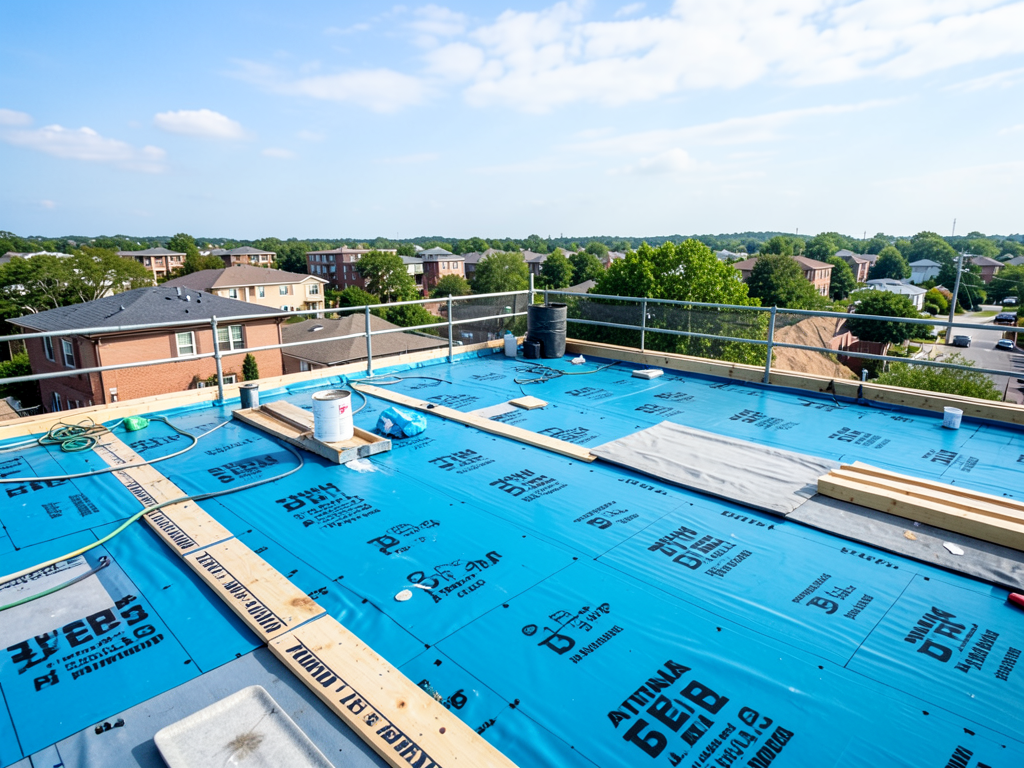
Navigating Atlanta’s building codes and your HOA’s requirements requires careful attention to detail. The City of Atlanta Department of Planning enforces strict regulations for rooftop structures in residential areas.
According to the Atlanta Building Code Section 1505 any rooftop structure must maintain a minimum 3-foot setback from the roof edge for safety. This requirement affects your deck’s usable area and may require design modifications.
Fire safety regulations are particularly important for townhomes with shared walls. The International Fire Code requires Class A fire-rated materials for rooftop decks in multi-family buildings. This eliminates many popular wood decking options and increases material costs. International Code Council.
Your HOA’s architectural review committee will evaluate your deck plans for compliance with community standards. Most Reynoldstown HOAs require approval before construction begins. The review process typically takes 30 to 45 days.
Common HOA concerns include noise visual impact from neighboring properties and potential water damage to shared walls. You may need to modify your design to address these concerns before receiving approval.
Permit requirements from the City of Atlanta include structural drawings engineering calculations and material specifications. The permit application fee ranges from $500 to $1200 depending on your deck’s size and complexity.
Inspections are required at multiple stages. The foundation inspection verifies structural modifications meet engineering specifications. The rough framing inspection checks deck framing before decking installation. The final inspection ensures all work complies with approved plans.
Permit processing typically takes 4 to 6 weeks but can extend to 8 weeks during busy construction seasons. Starting your permit application early prevents project delays.
Some older townhomes in Reynoldstown may have historical designations that restrict modifications. If your property falls under these restrictions you’ll need additional approvals from the Historic Preservation Commission. Protecting Your Historic Decatur Home with Specialty Roof Repairs.
Understanding these requirements upfront helps you budget for permit fees and timeline delays. Working with a contractor experienced in Atlanta townhome projects can streamline this process.
Waterproofing Systems: Protecting Your Investment
Waterproofing represents the most critical aspect of your rooftop deck installation. A failed waterproofing system can cause thousands of dollars in damage to your home and neighboring properties.
Your existing roof membrane was designed to shed water not to support a deck structure. Installing decking directly on your current membrane creates stress points that lead to leaks. A new waterproofing system specifically designed for rooftop decks is essential.
TPO (Thermoplastic Polyolefin) membranes offer excellent durability and UV resistance for Atlanta’s climate. These single-ply membranes create a continuous waterproof barrier that flexes with temperature changes. TPO installation costs $4 to $6 per square foot.
PVC membranes provide superior chemical and fire resistance. They’re particularly suitable for townhomes where fire safety is a concern. PVC costs $5 to $7 per square foot but offers better long-term performance.
EPDM (Ethylene Propylene Diene Monomer) rubber membranes work well for smaller decks but have limitations in high-traffic areas. They’re more susceptible to UV damage in Atlanta’s intense sun requiring more frequent replacement.
The waterproofing system must integrate with your existing roof structure. This often requires removing sections of your current roofing to install new flashing and transition materials. These modifications add $2000 to $4000 to your project cost.
Proper drainage design prevents water from pooling under your deck. Scuppers and downspouts must be sized to handle Atlanta’s heavy rainfall during summer thunderstorms. Inadequate drainage leads to water infiltration and structural damage.
Pedestal paver systems create an elevated deck surface that allows water to drain freely beneath. These systems cost $12 to $18 per square foot installed but provide excellent waterproofing protection.
Sleepers and joist systems require careful flashing details to prevent water intrusion at attachment points. These traditional deck systems cost $8 to $12 per square foot but need more maintenance than pedestal systems.
Quality waterproofing installation requires experienced technicians. Poor installation voids warranties and leads to premature failure. Always verify your contractor’s experience with rooftop deck waterproofing systems.
Material Selection for Atlanta’s Climate
Atlanta’s climate creates unique challenges for outdoor materials. The combination of high heat humidity and occasional severe weather requires careful material selection for long-term performance.
Composite decking materials like Trex and TimberTech offer excellent durability in Atlanta’s conditions. These materials resist moisture damage UV fading and insect infestation. They cost $8 to $12 per square foot but require minimal maintenance.
Pressure-treated lumber provides a more affordable option at $3 to $5 per square foot. However Atlanta’s humidity causes this material to warp crack and rot within 5 to 7 years. Annual maintenance including cleaning and sealing is essential.
Aluminum decking systems offer superior durability and fire resistance. They won’t rot warp or attract insects. Aluminum costs $15 to $20 per square foot but provides 25+ years of service with minimal maintenance.
Natural hardwood options like Ipe and Cumaru provide excellent durability and natural beauty. These tropical hardwoods cost $10 to $15 per square foot but require periodic oiling to maintain their appearance.
Railing systems must meet Atlanta’s building code requirements for height and strength. Glass panel railings offer unobstructed views but require frequent cleaning in Atlanta’s pollen season. Aluminum railings provide durability at a moderate cost.
Fasteners and connectors must be stainless steel or coated for corrosion resistance. Atlanta’s humidity causes standard fasteners to fail within a few years leading to deck instability.
Surface treatments like sealants and stains must provide UV protection and moisture resistance. Products specifically formulated for southern climates offer better performance than generic formulations.
Consider heat retention when selecting materials. Dark-colored materials can become uncomfortably hot in Atlanta’s summer sun. Lighter colors or materials with heat-reflective properties improve comfort.
Material availability can affect your project timeline. Supply chain issues may cause delays for certain products. Your contractor should help you select materials that balance performance cost and availability.
Cost Breakdown and ROI Analysis
Understanding the complete cost breakdown helps you budget accurately for your rooftop deck project. Costs vary significantly based on your specific requirements and material choices. Getting a Fast and Accurate Roof Replacement Estimate in Johns Creek.
Structural reinforcement typically represents the largest cost component. Reinforcing an existing roof to support a deck can cost $8000 to $15000 depending on the extent of modifications required.
Waterproofing system installation costs $4 to $7 per square foot for membrane materials plus $3 to $5 per square foot for labor and flashing details. A 200 square foot deck requires $1400 to $2400 in waterproofing costs.
Decking materials range from $3 to $20 per square foot installed. Composite materials average $8 to $12 per square foot while premium hardwoods cost $10 to $15 per square foot.
Railing systems add $15 to $30 per linear foot depending on the style and material. Glass panel systems cost more but provide better views from your rooftop space.
Permit fees range from $500 to $1200 for a typical townhome deck project. Additional fees may apply for engineering drawings and inspection services.
Professional design services cost $1500 to $3000 but help prevent costly mistakes during construction. A good design maximizes your usable space while meeting all code requirements.
Contingency budgeting is essential. Set aside 15% of your total budget for unexpected issues like hidden water damage or code compliance modifications.
The total investment for a typical 200 square foot rooftop deck ranges from $25000 to $45000. Larger decks or premium materials can push costs above $60000.
ROI analysis shows rooftop decks typically return 60% to 80% of their cost when you sell your home. In Reynoldstown’s competitive market a well-designed rooftop deck can make your property more attractive to buyers.
Consider the lifestyle value beyond pure financial return. A rooftop deck creates additional living space for entertaining relaxation and enjoying Atlanta’s skyline views.
Construction Timeline and Project Management
Managing a rooftop deck project requires careful coordination of multiple contractors and city inspections. Understanding the timeline helps you plan for construction disruptions.
The initial consultation and design phase takes 2 to 4 weeks. During this time your contractor will assess your roof’s condition discuss design options and provide preliminary cost estimates.
Structural engineering assessment requires 1 to 2 weeks after the initial consultation. The engineer will need access to your roof and may require additional time if hidden damage is discovered.
Permit application preparation takes 1 to 2 weeks. Your contractor will compile engineering drawings material specifications and other required documentation for the city permit office.
Permit processing typically requires 4 to 6 weeks but can extend to 8 weeks during peak construction seasons. Starting this process early prevents project delays.
Once permits are approved construction begins with structural modifications. This phase takes 2 to 3 weeks depending on the extent of reinforcement required.
Waterproofing installation follows structural work and requires 1 to 2 weeks. Weather delays are common during this phase since moisture can compromise waterproofing materials.
Deck installation takes 2 to 3 weeks depending on the complexity of your design and material choices. Composite materials install faster than natural hardwoods which require more precise fitting.
Final inspections and punch list completion require 1 to 2 weeks. The city inspector will verify all work meets code requirements before issuing final approval.
Weather significantly impacts construction timelines in Atlanta. Summer thunderstorms can halt work for days while high heat may limit daily working hours.
Living through construction requires patience. Noise dust and limited roof access will affect your daily routine for several weeks.
Communication with your contractor prevents misunderstandings. Regular progress meetings help identify issues before they become costly problems.
Maintenance and Long-Term Care
Even the best-built rooftop deck requires ongoing maintenance to protect your investment. Atlanta’s climate creates specific maintenance challenges that differ from other regions.
Annual inspections should check for loose fasteners damaged decking and proper drainage. Early detection of problems prevents costly repairs later.
Cleaning requirements vary by material. Composite decking needs only occasional washing while natural wood requires annual cleaning and sealing to prevent deterioration.
Atlanta’s pollen season creates heavy debris accumulation on rooftop decks. Regular sweeping prevents staining and reduces slip hazards during wet conditions.
Check waterproofing details annually especially around railing posts and access points. Small breaches in the waterproofing system can lead to major water damage if left unaddressed.
Seasonal preparation helps protect your deck during extreme weather. Secure loose items before summer storms and ensure proper drainage before Atlanta’s rainy season begins.
Material warranties typically cover defects but not damage from improper maintenance or extreme weather events. Understanding warranty terms helps you maintain coverage.
Professional maintenance services cost $300 to $600 annually but can extend your deck’s lifespan by 5 to 10 years. These services include deep cleaning sealing and minor repairs.
Emergency repairs may be needed after severe storms. High winds can damage railing systems while hail can crack composite decking materials. Who to Call for Urgent Emergency Roof Repairs in Buckhead.
Budget for replacement costs every 15 to 25 years depending on your material choices. Even premium materials eventually require replacement due to weathering.
Making Your Decision
Adding a rooftop deck to your Reynoldstown townhome represents a significant investment of time money and energy. Understanding the complete picture helps you make the right decision for your situation.
Consider your long-term plans for the property. If you plan to stay in your townhome for 5+ years the investment may make more sense than if you’re planning to sell within a few years.
Evaluate your budget realistically. The total cost often exceeds initial estimates once structural modifications and permit requirements are factored in.
Assess your townhome’s structural capacity honestly. Some buildings simply cannot support the additional load without extensive and expensive modifications.
Research your HOA’s specific requirements before getting too invested in design ideas. Some communities have strict limitations on rooftop modifications.
Consider alternative outdoor space options if a rooftop deck proves impractical. Ground-level patios or balcony modifications might provide similar benefits at lower cost.
Talk to neighbors who have completed similar projects. Their experiences can provide valuable insights about local contractors and potential challenges.
Request detailed proposals from multiple contractors. Compare not just prices but also experience with townhome projects and warranty offerings.
Verify contractor licensing and insurance specifically for rooftop deck construction. This specialized work requires different expertise than standard roofing or deck building.
Trust your instincts about contractor communication and professionalism. This complex project requires clear communication and reliable follow-through.
Ready to explore your rooftop deck options? Call (770) 610-9366 today to schedule your initial consultation. Our experienced team can assess your townhome’s potential and provide detailed recommendations for your specific situation.
Frequently Asked Questions
How much does a rooftop deck cost in Atlanta?
The cost typically ranges from $35 to $75 per square foot depending on structural requirements materials and waterproofing systems. A 200 square foot deck usually costs $25000 to $45000 total.
Do I need a permit for a rooftop deck in Reynoldstown?
Yes the City of Atlanta requires permits for all rooftop structures. You’ll also need HOA approval if your townhome is part of a homeowners association. Permit fees range from $500 to $1200.
How long does it take to build a rooftop deck?
The complete process typically takes 8 to 16 weeks including permit processing structural modifications waterproofing installation and final inspections. Weather delays can extend this timeline.
Can any townhome support a rooftop deck?
Not all townhomes can support rooftop decks. A structural engineer must evaluate your roof’s load-bearing capacity. Many townhome roofs require reinforcement to support the additional weight of a deck.
What materials work best in Atlanta’s climate?
Composite materials like Trex offer excellent durability in Atlanta’s heat and humidity. Aluminum provides superior fire resistance for townhomes. Natural hardwoods like Ipe work well but cost more.
Will a rooftop deck increase my home’s value?
Rooftop decks typically return 60% to 80% of their cost when you sell. In Reynoldstown’s market a well-designed deck can make your property more attractive to buyers.
How do I maintain a rooftop deck in Atlanta?
Annual inspections cleaning and waterproofing checks are essential. Composite materials need minimal maintenance while natural wood requires annual sealing. Professional maintenance costs $300 to $600 per year.
What are the biggest risks with rooftop decks?
Water infiltration is the primary risk. Poor waterproofing can damage your home and neighboring properties. Structural failure from inadequate reinforcement poses safety hazards. Fire safety is crucial for townhomes with shared walls.
{
“@context”: “https://schema.org”,
“@type”: “BlogPosting”,
“headline”: “The Real Cost and Complexity of Adding a Rooftop Deck to Your Reynoldstown Townhome”,
“description”: “Learn the real costs permits and technical requirements for adding a rooftop deck to your Reynoldstown townhome. Get expert insights on structural engineering waterproofing and Atlanta building codes.”,
“wordCount”: 3156,
“datePublished”: “2026-06-10T09:29:00.000Z”,
“dateModified”: “2026-06-10T09:29:00.000Z”,
“inLanguage”: “en-US”,
“mainEntityOfPage”: {
“@type”: “WebPage”,
“@id”: “https://firstchoiceroofingatlanta.com”
},
“publisher”: {
“@type”: “LocalBusiness”,
“name”: “First Choice Roofing Atlanta”,
“url”: “https://firstchoiceroofingatlanta.com”
},
“author”: {
“@type”: “Organization”,
“name”: “First Choice Roofing Atlanta”,
“url”: “https://firstchoiceroofingatlanta.com”
},
“image”: {
“@type”: “ImageObject”,
“url”: “https://firstchoiceroofingatlanta.com/wp-content/uploads/2026/03/the-real-cost-and-complexity-of-adding-a-rooftop-d-1.png”
}
}
{
“@context”: “https://schema.org”,
“@type”: “RoofingContractor”,
“name”: “First Choice Roofing Atlanta”,
“url”: “https://firstchoiceroofingatlanta.com”,
“address”: {
“@type”: “PostalAddress”,
“addressLocality”: “Atlanta”
},
“areaServed”: {
“@type”: “City”,
“name”: “Atlanta”
}
}
{
“@context”: “https://schema.org”,
“@type”: “FAQPage”,
“mainEntity”: [
{
“@type”: “Question”,
“name”: “How much does a rooftop deck cost in Atlanta?”,
“acceptedAnswer”: {
“@type”: “Answer”,
“text”: “The cost typically ranges from $35 to $75 per square foot depending on structural requirements materials and waterproofing systems. A 200 square foot deck usually costs $25000 to $45000 total.”
}
},
{
“@type”: “Question”,
“name”: “Do I need a permit for a rooftop deck in Reynoldstown?”,
“acceptedAnswer”: {
“@type”: “Answer”,
“text”: “Yes the City of Atlanta requires permits for all rooftop structures. You’ll also need HOA approval if your townhome is part of a homeowners association. Permit fees range from $500 to $1200.”
}
},
{
“@type”: “Question”,
“name”: “How long does it take to build a rooftop deck?”,
“acceptedAnswer”: {
“@type”: “Answer”,
“text”: “The complete process typically takes 8 to 16 weeks including permit processing structural modifications waterproofing installation and final inspections. Weather delays can extend this timeline.”
}
},
{
“@type”: “Question”,
“name”: “Can any townhome support a rooftop deck?”,
“acceptedAnswer”: {
“@type”: “Answer”,
“text”: “Not all townhomes can support rooftop decks. A structural engineer must evaluate your roof’s load-bearing capacity. Many townhome roofs require reinforcement to support the additional weight of a deck.”
}
},
{
“@type”: “Question”,
“name”: “What materials work best in Atlanta’s climate?”,
“acceptedAnswer”: {
“@type”: “Answer”,
“text”: “Composite materials like Trex offer excellent durability in Atlanta’s heat and humidity. Aluminum provides superior fire resistance for townhomes. Natural hardwoods like Ipe work well but cost more.”
}
},
{
“@type”: “Question”,
“name”: “Will a rooftop deck increase my home’s value?”,
“acceptedAnswer”: {
“@type”: “Answer”,
“text”: “Rooftop decks typically return 60% to 80% of their cost when you sell. In Reynoldstown’s market a well-designed deck can make your property more attractive to buyers.”
}
},
{
“@type”: “Question”,
“name”: “How do I maintain a rooftop deck in Atlanta?”,
“acceptedAnswer”: {
“@type”: “Answer”,
“text”: “Annual inspections cleaning and waterproofing checks are essential. Composite materials need minimal maintenance while natural wood requires annual sealing. Professional maintenance costs $300 to $600 per year.”
}
}
]
}
{
“@context”: “https://schema.org”,
“@type”: “BreadcrumbList”,
“itemListElement”: [
{
“@type”: “ListItem”,
“position”: 1,
“name”: “Home”,
“item”: “https://firstchoiceroofingatlanta.com”
},
{
“@type”: “ListItem”,
“position”: 2,
“name”: “Blog”,
“item”: “https://firstchoiceroofingatlanta.com/blog”
},
{
“@type”: “ListItem”,
“position”: 3,
“name”: “The Real Cost and Complexity of Adding a Rooftop Deck to Your Reynoldstown Townhome”
}
]
}
{
“@context”: “https://schema.org”,
“@type”: “Service”,
“serviceType”: “Roofing”,
“provider”: {
“@type”: “LocalBusiness”,
“name”: “First Choice Roofing Atlanta”,
“url”: “https://firstchoiceroofingatlanta.com”
},
“areaServed”: {
“@type”: “City”,
“name”: “Atlanta”
},
“description”: “Learn the real costs permits and technical requirements for adding a rooftop deck to your Reynoldstown townhome. Get expert insights on structural engineering waterproofing and Atlanta building codes.”
}