
Preparing Your Suwanee Roof for the Winter Season (A Complete Checklist)
Georgia winters bring more than just cooler temperatures to Suwanee homeowners. The combination of heavy rainfall, pine straw accumulation, and occasional freeze-thaw cycles creates unique challenges for your roof system. This comprehensive checklist walks you through the essential steps to protect your home before winter arrives. Georgia Forestry Commission tree canopy data.
Suwanee’s humid subtropical climate means your roof faces constant moisture exposure throughout the year. When winter temperatures drop, that moisture can create serious problems if your roof isn’t properly prepared. Taking action now can prevent costly emergency repairs when winter storms hit. Who to Call for Urgent Emergency Roof Repairs in Buckhead.
Why Atlanta’s Climate Demands Specific Winter Roof Care
Suwanee sits in USDA Hardiness Zone 8a, where winter temperatures rarely stay below freezing for extended periods. This creates a dangerous freeze-thaw cycle that affects aging roofing materials. When daytime temperatures rise above 32掳F and nighttime temperatures drop below freezing, water trapped in small cracks expands and contracts repeatedly. Roofing Dunwoody.
This expansion forces asphalt shingles to separate at the edges and can cause flashing joints to fail. The Georgia Forestry Commission reports that Suwanee’s tree canopy covers approximately 48% of the area, with pine trees being the dominant species. These pine needles create drainage problems that many homeowners overlook until water backs up under shingles.
According to the National Weather Service, Atlanta receives an average of 3.5 inches of rainfall in December and January. When this precipitation combines with pine straw debris in your gutters, the water has nowhere to go except under your roofing materials. National Weather Service climate data.
Essential Winter Roofing Checklist for Georgia Homes
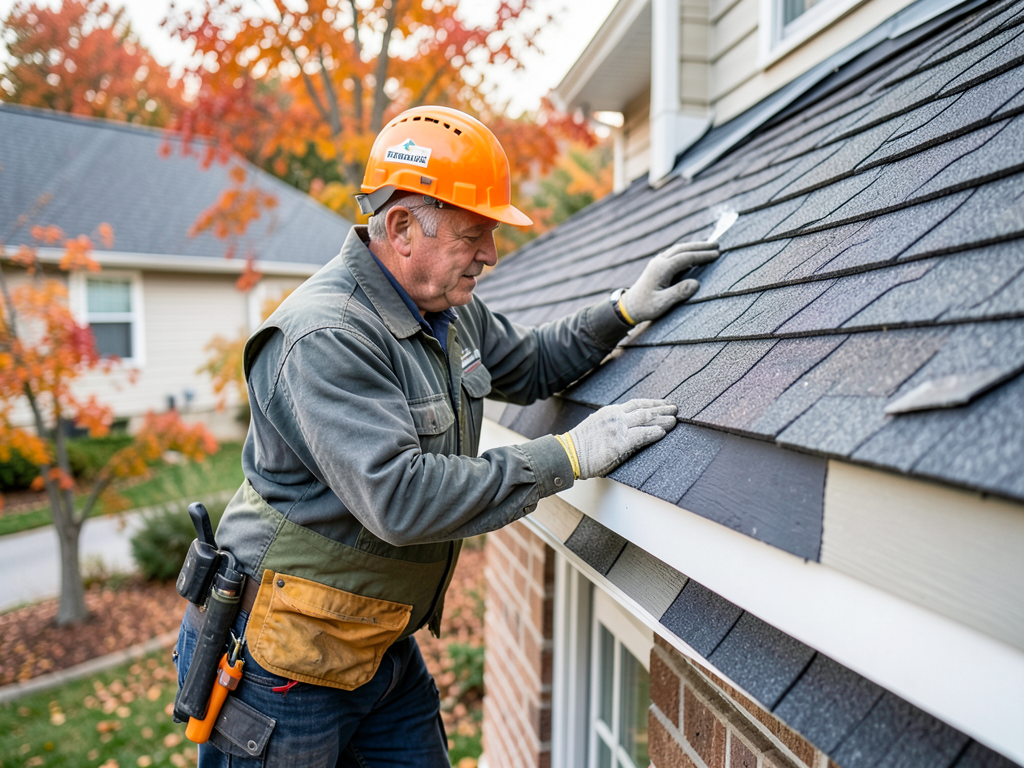
Following a systematic approach to winter roof preparation helps ensure you don’t miss critical components. Start your inspection at least four weeks before the typical first frost date for your area, which in Suwanee usually occurs around November 15.
- Gather Basic Tools
Before beginning, collect a sturdy ladder, work gloves, safety glasses, a garden hose, and a flashlight. For steep roofs, consider hiring a professional rather than risking a fall.
- Check Weather Forecast
Schedule your inspection for a dry day when temperatures are above 50掳F. Cold shingles become brittle and may crack during handling.
- Document Current Condition
Take photos of your roof from the ground and any accessible areas. This documentation helps track changes over time and provides valuable information if you need to file an insurance claim later.
Gutter Maintenance and Pine Needle Removal
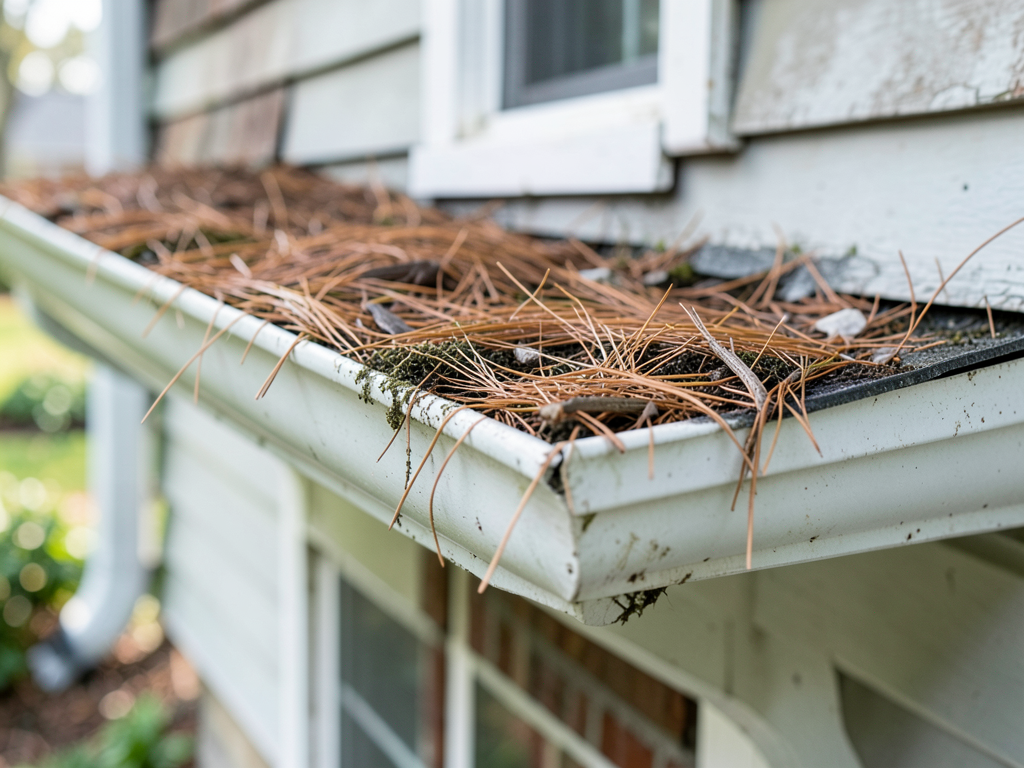
Gutter systems in Suwanee require special attention due to the prevalence of pine trees. Unlike deciduous leaves that fall in autumn, pine needles drop throughout the year but accumulate heavily during late summer and early fall.
Begin by removing all visible debris from your gutters using a small garden trowel or your gloved hands. Pine needles tend to mat together when wet, creating dense blockages that water cannot penetrate. Pay special attention to downspout openings where needles often collect.
After removing large debris, flush your gutters with a garden hose to check for proper water flow. Watch for areas where water pools or overflows. These spots indicate sagging sections that need reattachment or replacement.
Install gutter guards if you haven’t already. Mesh screens work better than solid covers in Suwanee because they allow smaller debris to wash through while catching larger needles and leaves. The initial investment of $3-5 per linear foot can save hundreds in water damage repairs.
Check that downspouts extend at least five feet from your foundation. Water pooling near your home’s foundation can cause soil expansion and contraction that affects your entire structure, including roof load-bearing walls.
Inspecting Shingles and Flashing for Seal Integrity
Asphalt shingles in Georgia face intense UV exposure during summer months, which can cause granule loss and surface deterioration. Walk around your home’s perimeter and look for signs of damage from ground level.
Missing granules appear as dark or shiny spots on shingles. These areas lose their protective coating and become vulnerable to moisture penetration. Georgia’s building code requires a minimum of 235 pounds of asphalt shingles per square for adequate wind resistance in wind-prone areas.
Check for curled or cupped shingles, which indicate age or poor attic ventilation. These deformations create entry points for water. Also inspect for cracked or split shingles that may have occurred during summer thermal expansion. Attic Ventilation Systems.
Flashing around chimneys, vents, and roof valleys requires careful examination. Georgia’s International Residential Code mandates specific flashing requirements for different roof penetrations. Look for gaps where flashing meets vertical surfaces or signs of rust on metal components. Chimney Leak Emergency Repair.
Apply roofing cement to small gaps in flashing using a caulking gun. For larger separations, consider hiring a professional to replace the flashing entirely. Temporary fixes often fail during the first heavy rain.
Attic Ventilation and Preventing Interior Condensation
Proper attic ventilation becomes critical during Georgia winters when warm indoor air meets cold roof surfaces. The U.S. Department of Energy recommends a minimum of 1 square foot of ventilation for every 300 square feet of attic floor space.
Enter your attic during daylight hours and turn off the lights. Look for pinpoints of light around vents, chimneys, and other penetrations. These indicate gaps that allow moisture-laden air to escape into the attic space.
Check insulation levels. Georgia falls in Zone 3 for insulation requirements, meaning attics should have R-38 to R-49 insulation depending on your specific location within the state. Insufficient insulation allows heat to escape through the roof, creating ice dam conditions even in mild winters.
Look for signs of moisture in your attic. Dark spots on rafters, rusty nails, or a musty odor indicate ventilation problems. Install additional soffit vents or ridge vents if airflow appears restricted.
Consider adding a vapor barrier if your home lacks one. This plastic sheeting prevents warm, moist air from reaching cold roof surfaces where it can condense and freeze.
The Impact of Georgia’s ‘Freeze-Thaw’ Cycle on Your Roof
Georgia experiences more freeze-thaw cycles than many homeowners realize. When temperatures hover near freezing, water repeatedly freezes overnight and thaws during the day. This cycle is particularly damaging to older roofing systems.
Water finds its way into microscopic cracks in aging shingles, flashing, and sealant. Each freeze cycle expands this water by approximately 9%, forcing cracks wider. The Georgia State Climate Office reports that Atlanta experiences an average of 45 freeze-thaw days annually.
Pay special attention to areas where different roofing materials meet. The junction between your roof and chimney often develops small gaps that widen with each freeze-thaw cycle. These gaps allow water to penetrate deeper into your roof structure.
Roof valleys, where two roof planes meet, concentrate water flow and are especially vulnerable to freeze-thaw damage. Look for accumulated debris in these areas that can trap moisture against your roofing materials.
Consider applying a protective roof coating to extend the life of your existing shingles. These elastomeric coatings create a flexible membrane that moves with temperature changes rather than cracking.
Professional Roof Inspection vs. DIY: What You Need to Know
While many homeowners can handle basic roof maintenance, certain inspections require professional expertise. Understanding when to call a contractor can save you money and prevent dangerous situations.
DIY inspections work well for ground-level observations, gutter cleaning, and basic attic checks. However, walking on your roof presents significant safety risks, especially for older homeowners or those with mobility issues.
Professional roofers use specialized equipment like moisture meters and infrared cameras to detect problems invisible to the naked eye. They can identify early signs of wood rot, insulation degradation, and structural issues that could lead to major failures.
The cost of a professional inspection typically ranges from $150-300 in the Atlanta area, depending on your home’s size and complexity. This investment often pays for itself by identifying problems before they require expensive emergency repairs.
Ask potential inspectors about their experience with Georgia-specific roofing issues. Contractors familiar with local building codes, climate patterns, and common failure modes provide more valuable assessments.
Request a written report detailing all findings, recommended repairs, and estimated costs. This documentation helps you prioritize maintenance tasks and budget for future replacements. Finding the Most Trusted Local Roofers in Sandy Springs.
Schedule Your Atlanta Winter Roof Assessment
Timing matters when preparing your roof for winter. Schedule your comprehensive assessment at least one month before the typical first frost date for your area. This allows time for necessary repairs before winter weather arrives.
Many roofing contractors offer seasonal discounts for early inspections. These promotions often run from late September through early November, making this the ideal time to schedule your assessment.
Emergency repair calls spike after the first major winter storm. By preparing in advance, you avoid the rush and potentially higher costs that come with emergency service calls during peak demand periods.
Consider joining a roof maintenance program if your contractor offers one. These annual service agreements typically include twice-yearly inspections and priority scheduling for repairs, often at reduced rates.
Remember that proper roof maintenance extends beyond winter preparation. A well-maintained roof protects your home year-round and can increase your property value by 5-10% according to real estate professionals.
Don’t wait until you see water stains on your ceiling to take action. By then, damage to your roof deck, insulation, and interior finishes has already occurred. Proactive maintenance costs far less than emergency repairs.
Call (770) 610-9366 today to schedule your professional roof inspection. Our experienced technicians understand Georgia’s unique climate challenges and can identify potential problems before they become emergencies.
Pick up the phone and call (770) 610-9366 before the next storm hits. Winter weather waits for no one, and a small investment now can prevent major headaches later.
Frequently Asked Questions
How often should I inspect my roof in Suwanee?
Professional inspections are recommended annually, with additional DIY checks each spring and fall. Georgia’s climate creates year-round challenges that require regular monitoring.
What are signs my roof needs immediate attention?
Look for missing or curling shingles, water stains on ceilings, granules in gutters, and sagging roof sections. Any of these conditions warrant prompt professional evaluation.
Can I install new shingles over existing ones?
Georgia building code allows one layer of shingles over existing ones if the original layer is in good condition. However, removing old shingles provides better inspection of the roof deck and allows for proper underlayment installation.
How long should a roof last in Georgia?
Quality asphalt shingle roofs typically last 20-25 years in Georgia’s climate. Factors like ventilation, maintenance, and installation quality significantly impact longevity.
What causes the most roof damage in Suwanee?
Pine straw accumulation, UV exposure, thermal expansion, and occasional severe storms cause the majority of roof damage in Suwanee. Proper maintenance addresses all these factors.
You may also find this helpful. How to Tell if High Winds Actually Lifted Your Shingles in College Park.
{
“@context”: “https://schema.org”,
“@type”: “BlogPosting”,
“headline”: “Preparing Your Suwanee Roof for the Winter Season (A Complete Checklist)”,
“description”: “Protect your Suwanee home this winter with our expert roof preparation checklist. Learn attic ventilation, gutter cleaning, and flashing inspection tips specific to Georgia’s climate.”,
“wordCount”: 1798,
“datePublished”: “2026-03-21T10:17:00.000Z”,
“dateModified”: “2026-03-21T10:17:00.000Z”,
“inLanguage”: “en-US”,
“mainEntityOfPage”: {
“@type”: “WebPage”,
“@id”: “https://firstchoiceroofingatlanta.com”
},
“publisher”: {
“@type”: “LocalBusiness”,
“name”: “First Choice Roofing Atlanta”,
“url”: “https://firstchoiceroofingatlanta.com”
},
“author”: {
“@type”: “Organization”,
“name”: “First Choice Roofing Atlanta”,
“url”: “https://firstchoiceroofingatlanta.com”
},
“image”: {
“@type”: “ImageObject”,
“url”: “https://firstchoiceroofingatlanta.com/wp-content/uploads/2026/03/preparing-your-suwanee-roof-for-the-winter-season-1.png”
}
}
{
“@context”: “https://schema.org”,
“@type”: “RoofingContractor”,
“name”: “First Choice Roofing Atlanta”,
“url”: “https://firstchoiceroofingatlanta.com”,
“address”: {
“@type”: “PostalAddress”,
“addressLocality”: “Atlanta”
},
“areaServed”: {
“@type”: “City”,
“name”: “Atlanta”
}
}
{
“@context”: “https://schema.org”,
“@type”: “FAQPage”,
“mainEntity”: [
{
“@type”: “Question”,
“name”: “How often should I inspect my roof in Suwanee?”,
“acceptedAnswer”: {
“@type”: “Answer”,
“text”: “Professional inspections are recommended annually, with additional DIY checks each spring and fall. Georgia’s climate creates year-round challenges that require regular monitoring.”
}
},
{
“@type”: “Question”,
“name”: “What are signs my roof needs immediate attention?”,
“acceptedAnswer”: {
“@type”: “Answer”,
“text”: “Look for missing or curling shingles, water stains on ceilings, granules in gutters, and sagging roof sections. Any of these conditions warrant prompt professional evaluation.”
}
},
{
“@type”: “Question”,
“name”: “Can I install new shingles over existing ones?”,
“acceptedAnswer”: {
“@type”: “Answer”,
“text”: “Georgia building code allows one layer of shingles over existing ones if the original layer is in good condition. However, removing old shingles provides better inspection of the roof deck and allows for proper underlayment installation.”
}
},
{
“@type”: “Question”,
“name”: “How long should a roof last in Georgia?”,
“acceptedAnswer”: {
“@type”: “Answer”,
“text”: “Quality asphalt shingle roofs typically last 20-25 years in Georgia’s climate. Factors like ventilation, maintenance, and installation quality significantly impact longevity.”
}
},
{
“@type”: “Question”,
“name”: “What causes the most roof damage in Suwanee?”,
“acceptedAnswer”: {
“@type”: “Answer”,
“text”: “Pine straw accumulation, UV exposure, thermal expansion, and occasional severe storms cause the majority of roof damage in Suwanee. Proper maintenance addresses all these factors.”
}
}
]
}
{
“@context”: “https://schema.org”,
“@type”: “HowTo”,
“name”: “Winter Roof Preparation Steps”,
“step”: [
{
“@type”: “HowToStep”,
“position”: 1,
“name”: “Gather Basic Tools”,
“text”: “Before beginning, collect a sturdy ladder, work gloves, safety glasses, a garden hose, and a flashlight. For steep roofs, consider hiring a professional rather than risking a fall.”
},
{
“@type”: “HowToStep”,
“position”: 2,
“name”: “Check Weather Forecast”,
“text”: “Schedule your inspection for a dry day when temperatures are above 50掳F. Cold shingles become brittle and may crack during handling.”
},
{
“@type”: “HowToStep”,
“position”: 3,
“name”: “Document Current Condition”,
“text”: “Take photos of your roof from the ground and any accessible areas. This documentation helps track changes over time and provides valuable information if you need to file an insurance claim later.”
}
],
“image”: “https://firstchoiceroofingatlanta.com/wp-content/uploads/2026/03/preparing-your-suwanee-roof-for-the-winter-season-1.png”
}
{
“@context”: “https://schema.org”,
“@type”: “BreadcrumbList”,
“itemListElement”: [
{
“@type”: “ListItem”,
“position”: 1,
“name”: “Home”,
“item”: “https://firstchoiceroofingatlanta.com”
},
{
“@type”: “ListItem”,
“position”: 2,
“name”: “Blog”,
“item”: “https://firstchoiceroofingatlanta.com/blog”
},
{
“@type”: “ListItem”,
“position”: 3,
“name”: “Preparing Your Suwanee Roof for the Winter Season (A Complete Checklist)”
}
]
}
{
“@context”: “https://schema.org”,
“@type”: “Service”,
“serviceType”: “Roofing”,
“provider”: {
“@type”: “LocalBusiness”,
“name”: “First Choice Roofing Atlanta”,
“url”: “https://firstchoiceroofingatlanta.com”
},
“areaServed”: {
“@type”: “City”,
“name”: “Atlanta”
},
“description”: “Protect your Suwanee home this winter with our expert roof preparation checklist. Learn attic ventilation, gutter cleaning, and flashing inspection tips specific to Georgia’s climate.”
}