
Choosing the Right Roofing Material for a New Screened-In Porch in Dunwoody
Adding a screened-in porch to your Dunwoody home creates the perfect outdoor living space for Georgia’s climate. The right roofing material protects your porch from heavy summer rains and intense heat while complementing your home’s architecture. This guide breaks down your options and helps you make an informed decision. Georgia Department of Community Affairs.
Understanding Atlanta’s Climate Impact on Porch Roofing
Dunwoody experiences some of the heaviest rainfall in the Atlanta metro area, with summer thunderstorms dropping several inches of rain in short periods. The Georgia heat creates thermal expansion challenges that can warp poorly chosen materials. Local building codes require specific underlayment and flashing techniques to handle these conditions. Roofing Dunwoody.
The Georgia Department of Community Affairs mandates that all porch roofing in DeKalb County must meet minimum wind load requirements of 90 mph, with additional requirements for structures over 200 square feet. This affects your material choices and installation methods.. Read more about Choosing the Right Roofing for Your New Backyard ADU or Guest House in Kirkwood.
Top 4 Roofing Materials for Atlanta Porches
Choosing between materials means balancing cost, durability, and how well each option handles Georgia’s weather. Here’s a detailed comparison:
| Material | Cost per sq ft | Lifespan | Heat Resistance | Best For |
|---|---|---|---|---|
| Asphalt Shingles | $3.50-$5.00 | 15-20 years | Moderate | Matching existing roof |
| Standing Seam Metal | $8.00-$12.00 | 40-50 years | Excellent | Modern homes, energy efficiency |
| Polycarbonate Panels | $4.50-$7.00 | 15-25 years | Excellent | Natural light, covered patios |
| TPO Membrane | $6.00-$9.00 | 20-30 years | Excellent | Low-slope applications |
Material Deep Dive: What Works Best in Dunwoody
Asphalt shingles remain the most popular choice for Dunwoody porches because they match the main house roof. The key is selecting algae-resistant shingles with a Class A fire rating. Look for architectural shingles with a minimum 30-year warranty for better wind resistance.
Standing seam metal roofing reflects up to 70% of solar heat, reducing cooling costs by 20-25% during Georgia summers. The interlocking panels handle thermal expansion better than other materials. However, you’ll need additional structural support for the heavier panels.
Polycarbonate panels create a bright, airy feel while blocking harmful UV rays. The multi-wall construction provides insulation that keeps the porch cooler. These work best for covered patios where you want natural light but need protection from rain.
TPO roofing offers excellent waterproofing for low-slope porch roofs. The heat-welded seams create a monolithic barrier that prevents water infiltration. This material handles Georgia’s temperature swings well but requires professional installation to ensure proper adhesion.
Structural Considerations and Building Codes
Atlanta’s building codes require specific structural elements for porch roofing. The roof must tie into your home’s existing structure with proper flashing to prevent water infiltration. This means installing step flashing along walls and counter-flashing where the porch roof meets vertical surfaces.
Local codes mandate a minimum 2:12 pitch for shingle roofs and 1:12 for membrane roofing. Lower pitches require different materials and installation techniques. The structure must support the dead load of the roofing material plus live loads from maintenance workers.
Permit requirements in Dunwoody include submitting detailed drawings showing roof pitch, material specifications, and structural connections. The building inspector will verify that your porch roof meets Georgia’s wind load requirements and that proper ice and water shield is installed in valleys.
Managing Atlanta’s Climate: Ventilation and Insulation
The greenhouse effect can make a poorly designed porch roof unbearable during Georgia summers. Proper ventilation prevents heat buildup and extends material life. Ridge vents, soffit vents, or powered exhaust fans keep air moving under the roof deck. Attic Ventilation Systems.
Insulation choices matter more than you might think. A radiant barrier under metal roofing can reduce heat gain by up to 40%. For shingle roofs, proper attic ventilation prevents moisture buildup that leads to mold and premature shingle failure.
Consider the orientation of your porch. South-facing porches need more ventilation and reflective materials. East-facing porches benefit from early morning sun but need afternoon shade. North-facing porches stay cooler but may need additional lighting.
Estimated Costs and ROI for Dunwoody Homeowners
Material costs vary significantly based on quality and installation complexity. Here’s what Dunwoody homeowners typically invest:
- Basic asphalt shingle porch roof: $3,500-$5,500
- Premium architectural shingle: $5,000-$7,500
- Standing seam metal: $8,000-$12,000
- Polycarbonate panels: $4,000-$6,500
- TPO membrane: $5,500-$8,000
Installation costs in Dunwoody run 20-30% higher than Atlanta averages due to local permit fees and the need for specialized flashing techniques around older homes common in the area.
The return on investment varies by material. Metal roofing offers the best ROI at 85-95% when you factor in energy savings and longevity. Shingle roofs provide 65-75% ROI but cost less upfront.
Installation Timeline and Process
A typical porch roof installation in Dunwoody takes 2-4 days depending on complexity. The process includes:
- Permit Acquisition
We handle all necessary permits from DeKalb County, including structural drawings and material specifications.
- Structural Preparation
Install proper framing, including hurricane ties and support beams that meet local wind load requirements.
- Underlayment Installation
Apply synthetic underlayment with 6-inch overlap at all seams for maximum waterproofing.
- Flashing and Waterproofing
Install step flashing along walls and counter-flashing at all roof-to-wall connections.
- Material Installation
Install chosen roofing material following manufacturer specifications and local code requirements.
- Final Inspection
Schedule final inspection with DeKalb County to ensure code compliance.
Frequently Asked Questions
Can I use the same shingles on my porch that are on my main house?
Yes, matching your main roof creates a cohesive look. However, ensure the porch structure can support the same material weight and that proper flashing techniques are used at the connection point.
How long does a screened-in porch roof last in Georgia?
Lifespan varies by material. Asphalt shingles typically last 15-20 years, metal roofing 40-50 years, and TPO membranes 20-30 years. Georgia’s intense UV exposure and thermal cycling can reduce these estimates by 10-15% without proper installation.
Do I need a permit for a porch roof in Dunwoody?
Yes, DeKalb County requires permits for all porch roofing projects. The permit process ensures your structure meets wind load requirements and that proper flashing prevents water damage to your home.
What’s the best material for a low-pitch porch roof?
For pitches below 2:12, TPO membrane or standing seam metal work best. These materials handle low slopes better than shingles, which require steeper pitches to shed water effectively.. Read more about Hip Roof vs Gable Roof — Which Shape Protects Your Marietta Home Better Against High Winds?.
How do I prevent my porch from getting too hot?
Choose reflective materials like metal roofing or install a radiant barrier under shingles. Proper ventilation and insulation also help. Consider lighter colors that reflect rather than absorb heat.
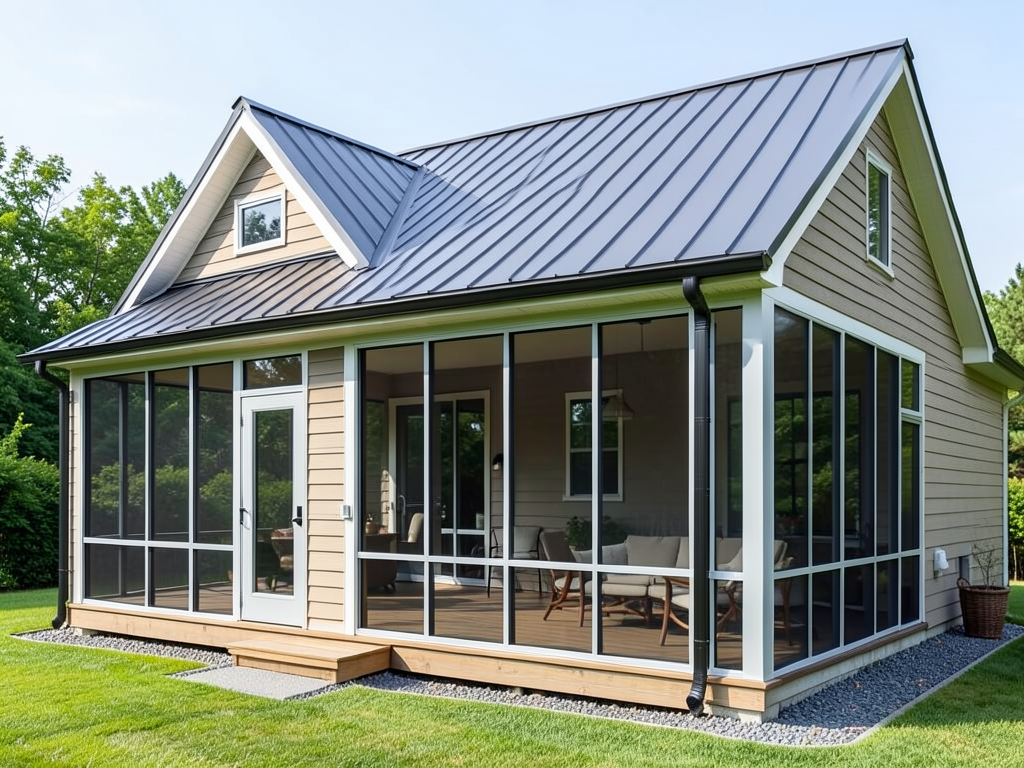
Diagram showing proper flashing techniques where a porch roof connects to a house wall, including step flashing and counter-flashing details.
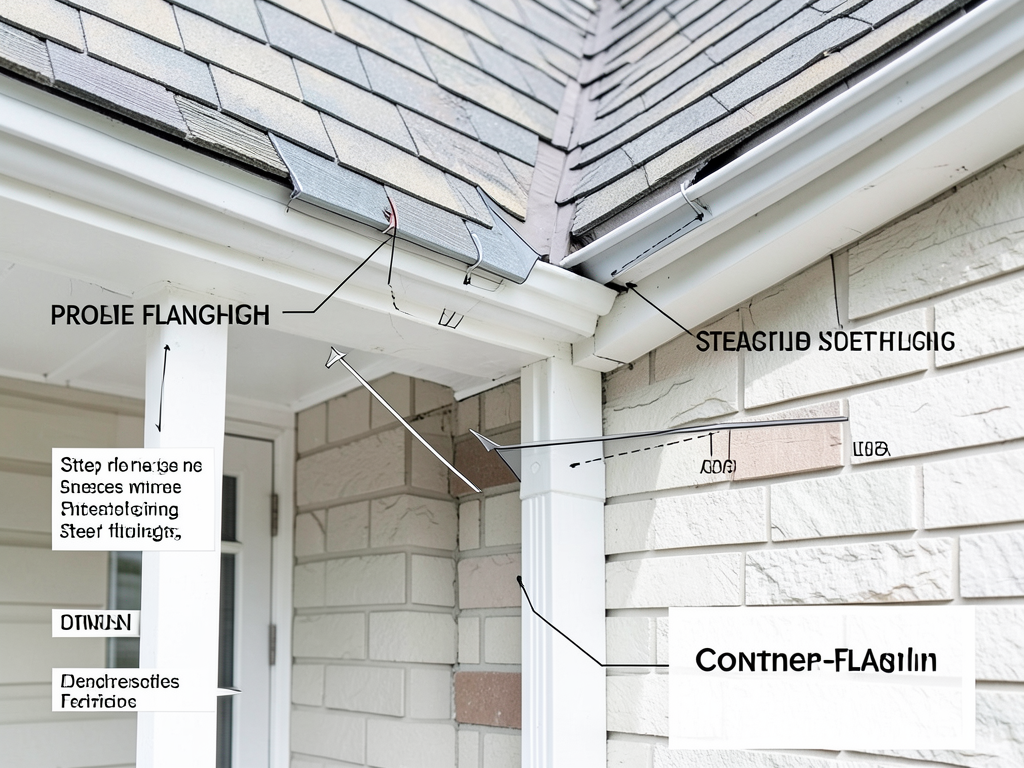
Photo of a completed screened-in porch with standing seam metal roofing, showing the clean lines and modern appearance.
Close-up image of algae-resistant asphalt shingles installed on a porch roof, highlighting the architectural texture and color options.
Ready to Upgrade Your Dunwoody Porch?
The right roofing material transforms your screened-in porch from a seasonal space to a year-round retreat. With Georgia’s climate challenges and local building requirements, professional installation makes all the difference in longevity and performance.
Don’t let another summer pass without enjoying your perfect outdoor space. Call (770) 610-9366 today to schedule your consultation and get a detailed quote for your porch roofing project. We’ll help you choose the best material for your home, budget, and lifestyle. For more information, visit Fulton County Building Permits.
You may also find this helpful. How to Stop Carpenter Bees from Drilling into Your Roofline in Woodstock and Holly Springs.
{
“@context”: “https://schema.org”,
“@type”: “BlogPosting”,
“headline”: “Choosing the Right Roofing Material for a New Screened-In Porch in Dunwoody”,
“description”: “Discover the best roofing options for your Dunwoody screened-in porch. Learn about materials, costs, and local building codes to make the right choice.”,
“wordCount”: 1218,
“datePublished”: “2026-05-30T07:49:00.000Z”,
“dateModified”: “2026-05-30T07:49:00.000Z”,
“inLanguage”: “en-US”,
“mainEntityOfPage”: {
“@type”: “WebPage”,
“@id”: “https://firstchoiceroofingatlanta.com”
},
“publisher”: {
“@type”: “LocalBusiness”,
“name”: “First Choice Roofing Atlanta”,
“url”: “https://firstchoiceroofingatlanta.com”
},
“author”: {
“@type”: “Organization”,
“name”: “First Choice Roofing Atlanta”,
“url”: “https://firstchoiceroofingatlanta.com”
},
“image”: {
“@type”: “ImageObject”,
“url”: “https://firstchoiceroofingatlanta.com/wp-content/uploads/2026/03/choosing-the-right-roofing-material-for-a-new-scre-1.png”
}
}
{
“@context”: “https://schema.org”,
“@type”: “RoofingContractor”,
“name”: “First Choice Roofing Atlanta”,
“url”: “https://firstchoiceroofingatlanta.com”,
“address”: {
“@type”: “PostalAddress”,
“addressLocality”: “Atlanta”
},
“areaServed”: {
“@type”: “City”,
“name”: “Atlanta”
}
}
{
“@context”: “https://schema.org”,
“@type”: “FAQPage”,
“mainEntity”: [
{
“@type”: “Question”,
“name”: “Can I use the same shingles on my porch that are on my main house?”,
“acceptedAnswer”: {
“@type”: “Answer”,
“text”: “Yes, matching your main roof creates a cohesive look. However, ensure the porch structure can support the same material weight and that proper flashing techniques are used at the connection point.”
}
},
{
“@type”: “Question”,
“name”: “How long does a screened-in porch roof last in Georgia?”,
“acceptedAnswer”: {
“@type”: “Answer”,
“text”: “Lifespan varies by material. Asphalt shingles typically last 15-20 years, metal roofing 40-50 years, and TPO membranes 20-30 years. Georgia’s intense UV exposure and thermal cycling can reduce these estimates by 10-15% without proper installation.”
}
},
{
“@type”: “Question”,
“name”: “Do I need a permit for a porch roof in Dunwoody?”,
“acceptedAnswer”: {
“@type”: “Answer”,
“text”: “Yes, DeKalb County requires permits for all porch roofing projects. The permit process ensures your structure meets wind load requirements and that proper flashing prevents water damage to your home.”
}
},
{
“@type”: “Question”,
“name”: “What’s the best material for a low-pitch porch roof?”,
“acceptedAnswer”: {
“@type”: “Answer”,
“text”: “For pitches below 2:12, TPO membrane or standing seam metal work best. These materials handle low slopes better than shingles, which require steeper pitches to shed water effectively.”
}
},
{
“@type”: “Question”,
“name”: “How do I prevent my porch from getting too hot?”,
“acceptedAnswer”: {
“@type”: “Answer”,
“text”: “Choose reflective materials like metal roofing or install a radiant barrier under shingles. Proper ventilation and insulation also help. Consider lighter colors that reflect rather than absorb heat.”
}
},
{
“@type”: “Question”,
“name”: “Ready to Upgrade Your Dunwoody Porch?”,
“acceptedAnswer”: {
“@type”: “Answer”,
“text”: “The right roofing material transforms your screened-in porch from a seasonal space to a year-round retreat. With Georgia’s climate challenges and local building requirements, professional installation makes all the difference in longevity and performance.”
}
}
]
}
{
“@context”: “https://schema.org”,
“@type”: “HowTo”,
“name”: “Porch Roof Installation Process”,
“step”: [
{
“@type”: “HowToStep”,
“position”: 1,
“name”: “Permit Acquisition”,
“text”: “We handle all necessary permits from DeKalb County, including structural drawings and material specifications.”
},
{
“@type”: “HowToStep”,
“position”: 2,
“name”: “Structural Preparation”,
“text”: “Install proper framing, including hurricane ties and support beams that meet local wind load requirements.”
},
{
“@type”: “HowToStep”,
“position”: 3,
“name”: “Underlayment Installation”,
“text”: “Apply synthetic underlayment with 6-inch overlap at all seams for maximum waterproofing.”
},
{
“@type”: “HowToStep”,
“position”: 4,
“name”: “Flashing and Waterproofing”,
“text”: “Install step flashing along walls and counter-flashing at all roof-to-wall connections.”
},
{
“@type”: “HowToStep”,
“position”: 5,
“name”: “Material Installation”,
“text”: “Install chosen roofing material following manufacturer specifications and local code requirements.”
},
{
“@type”: “HowToStep”,
“position”: 6,
“name”: “Final Inspection”,
“text”: “Schedule final inspection with DeKalb County to ensure code compliance.”
}
],
“image”: “https://firstchoiceroofingatlanta.com/wp-content/uploads/2026/03/choosing-the-right-roofing-material-for-a-new-scre-1.png”
}
{
“@context”: “https://schema.org”,
“@type”: “BreadcrumbList”,
“itemListElement”: [
{
“@type”: “ListItem”,
“position”: 1,
“name”: “Home”,
“item”: “https://firstchoiceroofingatlanta.com”
},
{
“@type”: “ListItem”,
“position”: 2,
“name”: “Blog”,
“item”: “https://firstchoiceroofingatlanta.com/blog”
},
{
“@type”: “ListItem”,
“position”: 3,
“name”: “Choosing the Right Roofing Material for a New Screened-In Porch in Dunwoody”
}
]
}
{
“@context”: “https://schema.org”,
“@type”: “Service”,
“serviceType”: “Roofing”,
“provider”: {
“@type”: “LocalBusiness”,
“name”: “First Choice Roofing Atlanta”,
“url”: “https://firstchoiceroofingatlanta.com”
},
“areaServed”: {
“@type”: “City”,
“name”: “Atlanta”
},
“description”: “Discover the best roofing options for your Dunwoody screened-in porch. Learn about materials, costs, and local building codes to make the right choice.”
}