How Long Does a Typical Roof Really Last in the North Atlanta Humidity?
Most roofs in North Atlanta last between 15 and 25 years, but Georgia’s unique climate can shorten that timeline significantly. The intense heat, high humidity, and frequent storms here create conditions that wear down roofing materials faster than in cooler, drier climates. If you’re wondering whether your roof needs replacement or just needs maintenance, understanding how local weather affects longevity is the first step. Georgia State Minimum Standard Residential Code.
North Atlanta homeowners face a perfect storm of environmental factors that accelerate roof aging. Summer temperatures regularly climb above 90 degrees, causing shingles to blister and crack. The humidity creates ideal conditions for algae and moss growth, while afternoon thunderstorms bring heavy rainfall that tests every seam and flashing. These aren’t just minor inconveniences—they’re the primary reasons Georgia roofs fail years earlier than manufacturer estimates suggest.
Average Lifespan by Material in the Georgia Climate
Understanding material-specific longevity helps you make informed decisions about replacement timing and investment. Here’s what Atlanta homeowners can realistically expect:
| Material Type | Expected Lifespan in Georgia | Key Vulnerability Factors |
|---|---|---|
| 3-Tab Asphalt Shingles | 12-15 years | UV degradation, wind uplift, granule loss |
| Architectural Shingles | 18-22 years | Thermal expansion, algae growth, hail damage |
| Standing Seam Metal | 30-40 years | Thermal movement, fastener fatigue, corrosion |
| Slate or Tile | 40-75 years | Structural loading, freeze-thaw cycles, impact damage |
The gap between national averages and Georgia reality is significant. While manufacturers rate architectural shingles for 25-30 years, the intense UV exposure and humidity here typically reduce that to 18-22 years. That’s not a defect—it’s the cost of living in a climate that’s literally cooking your roof from above while attacking it from below.
Why North Atlanta Humidity Shortens Roof Life
Georgia’s humidity isn’t just uncomfortable—it’s destructive to roofing systems. The constant moisture creates several failure mechanisms that homeowners need to understand. Roofing Dunwoody.
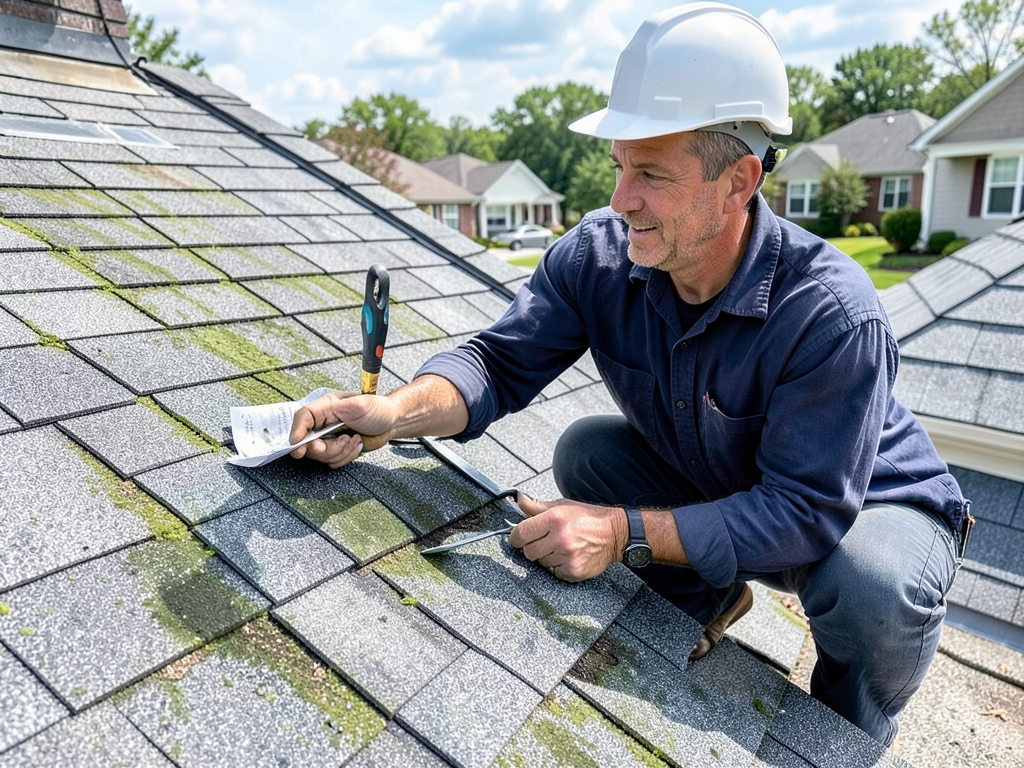
Algae and Moss Growth thrive in our humid conditions. The black streaks you see on many Atlanta roofs aren’t dirt—they’re Gloeocapsa magma, a cyanobacteria that feeds on limestone filler in asphalt shingles. Once established, it retains moisture against the shingle surface, accelerating deterioration and reducing reflectivity. Homes near dense tree canopy, particularly in neighborhoods like Dunwoody and Sandy Springs, see this problem intensify.
Thermal Cycling is brutal on Georgia roofs. Our summers feature intense daytime heat followed by cooler nights, causing shingles to expand and contract repeatedly. This movement breaks down the adhesive bonds and creates stress points around fasteners. The problem compounds when attics lack proper ventilation, trapping heat that can push roof deck temperatures above 150 degrees.
Storm Frequency in North Georgia means your roof faces more impact events than homes in other regions. The Atlanta area averages 48 thunderstorm days annually, each bringing the potential for hail damage, wind uplift, and debris impact. Even small hail can knock granules off shingles, exposing the asphalt to UV degradation.
Warning Signs Your Roof Needs Attention
Knowing when to call a professional can save you from costly water damage. Here are the specific signs Atlanta homeowners should watch for:
- Curling or buckling shingles – Often appears after 8-10 years in Georgia’s heat
- Missing granules in gutters – Indicates UV damage accelerating
- Dark streaks or green patches – Algae or moss colonization
- Shingle pieces in yard after storms – Wind damage requiring inspection
- Interior water stains – Usually means flashing or underlayment failure
The ‘Georgia Pattern’ of roof failure often shows up as accelerated aging on south-facing slopes, where UV exposure is most intense. You might notice your neighbors’ roofs failing in clusters—that’s not coincidence. Homes built in the same era with similar materials face the same environmental stresses simultaneously.
Maintenance Strategies That Add Years to Roof Life
Proactive maintenance can add 3-5 years to your roof’s functional life. Here’s what works in the Atlanta climate:
- Annual Professional Inspection – Schedule inspections in late spring before hurricane season. Look for licensed Georgia contractors familiar with local building codes.
- Attic Ventilation Assessment – Proper airflow prevents heat buildup. The Georgia State Minimum Standard Residential Code requires specific ventilation ratios based on attic square footage.
- Gutter Maintenance – Clean gutters quarterly, especially during fall when pine needles accumulate rapidly in North Atlanta.
- Algae Treatment – Professional cleaning can remove Gloeocapsa magma without damaging shingles. Avoid pressure washing, which strips protective granules.
- Tree Management – Trim branches that overhang the roof to reduce debris and improve airflow.
The most overlooked factor is attic ventilation. Many Atlanta homes, particularly those built before 2010, have inadequate ventilation that traps heat and moisture. This creates a greenhouse effect that can raise roof temperatures by 30-40 degrees, accelerating shingle deterioration from the underside. Attic Ventilation Systems.
Insurance and Replacement Timing in Georgia
Georgia insurance companies have specific thresholds for roof coverage that affect replacement timing. Most policies reduce coverage or deny claims for roofs over 15-20 years old, depending on the material and inspection history.
The ‘Insurance Clock’ starts ticking from installation date, not from when you purchased the home. If you’re buying a 12-year-old house with original roofing, you’re already in the danger zone for coverage issues. Many Atlanta homeowners discover this too late—after storm damage reveals their policy won’t cover full replacement.
Building codes have also evolved. The 2021 Georgia State Minimum Standard Residential Code updated wind load requirements for many Atlanta suburbs, meaning a roof replacement now must meet stricter standards than the original installation. This isn’t just bureaucracy—it’s protection against the increasing frequency of severe weather events in North Georgia.
Making the Replacement Decision
The decision to replace versus repair depends on several factors specific to your situation. Here’s a practical framework: EPA mold and moisture guidance.
| Factor | Replace If | Repair If |
|---|---|---|
| Age | Over 15 years (asphalt) | Under 10 years with isolated damage |
| Damage Extent | Multiple failing areas | Single leak or small damaged section |
| Energy Bills | Rising cooling costs | Stable utility costs |
| Future Plans | Selling within 2 years | Planning to stay 5+ years |
The ‘North Atlanta Premium’ for roofing materials runs 8-12% higher than national averages due to transportation costs and the need for enhanced UV resistance. However, investing in higher-quality materials often pays off in our climate. Architectural shingles with algae-resistant coating, while 15-20% more expensive upfront, can extend functional life by 3-4 years in Georgia’s humidity.
Don’t wait for a catastrophic failure. The cost difference between emergency repair during a storm and scheduled replacement during dry season can be thousands of dollars. Plus, you avoid the stress of watching water damage spread through your home while waiting for help. Who to Call for Urgent Emergency Roof Repairs in Buckhead.
Frequently Asked Questions
How can I tell if my roof is still under warranty?
Check your home purchase documents for the original roofing certificate. Most manufacturers require registration within 90 days of installation. If you can’t find documentation, a professional inspection can often determine age and warranty status based on material characteristics.
Does homeowner’s insurance cover roof replacement in Georgia?
Insurance typically covers replacement only for damage from covered perils like storms, fire, or falling trees. Normal wear and tear or age-related failure isn’t covered. Many Georgia policies now include depreciation clauses that reduce payouts for older roofs.
What’s the best roofing material for Atlanta’s climate?
Architectural asphalt shingles with algae-resistant coating offer the best balance of cost and durability for most Atlanta homes. For maximum longevity, standing seam metal resists our climate challenges best, though at a higher initial investment of 2-3 times asphalt costs.
Ready to Protect Your Home?
Your roof is your home’s first line of defense against Georgia’s harsh climate. Don’t wait until you see water stains on your ceiling or find shingles in your yard. A professional inspection can identify problems while they’re still manageable and help you plan for replacement on your schedule, not during the next emergency. Chimney Leak Emergency Repair.
Call (770) 610-9366 today to schedule your comprehensive roof inspection. We’ll provide honest assessment of your roof’s condition, discuss material options suited for North Atlanta’s unique challenges, and help you make the right decision for your home and budget. Don’t let another Georgia summer bake your roof to failure—take action now.
Pick up the phone and call (770) 610-9366 before the next storm hits. Your home deserves protection from contractors who understand Atlanta’s specific roofing challenges.
{
“@context”: “https://schema.org”,
“@type”: “BlogPosting”,
“headline”: “How Long Does a Typical Roof Really Last in the North Atlanta Humidity?”,
“description”: “Discover how Georgia’s humidity, storms, and heat affect roof lifespan. Get honest answers from Atlanta roofers about shingle, metal, and tile longevity in North Atlanta.”,
“wordCount”: 1389,
“datePublished”: “2026-03-22T10:54:00.000Z”,
“dateModified”: “2026-03-22T10:54:00.000Z”,
“inLanguage”: “en-US”,
“mainEntityOfPage”: {
“@type”: “WebPage”,
“@id”: “https://firstchoiceroofingatlanta.com”
},
“publisher”: {
“@type”: “LocalBusiness”,
“name”: “First Choice Roofing Atlanta”,
“url”: “https://firstchoiceroofingatlanta.com”
},
“author”: {
“@type”: “Organization”,
“name”: “First Choice Roofing Atlanta”,
“url”: “https://firstchoiceroofingatlanta.com”
},
“image”: {
“@type”: “ImageObject”,
“url”: “https://firstchoiceroofingatlanta.com/wp-content/uploads/2026/03/how-long-does-a-typical-roof-really-last-in-the-no-1.png”
}
}
{
“@context”: “https://schema.org”,
“@type”: “RoofingContractor”,
“name”: “First Choice Roofing Atlanta”,
“url”: “https://firstchoiceroofingatlanta.com”,
“address”: {
“@type”: “PostalAddress”,
“addressLocality”: “Atlanta”
},
“areaServed”: {
“@type”: “City”,
“name”: “Atlanta”
}
}
{
“@context”: “https://schema.org”,
“@type”: “FAQPage”,
“mainEntity”: [
{
“@type”: “Question”,
“name”: “How can I tell if my roof is still under warranty?”,
“acceptedAnswer”: {
“@type”: “Answer”,
“text”: “Check your home purchase documents for the original roofing certificate. Most manufacturers require registration within 90 days of installation. If you can’t find documentation, a professional inspection can often determine age and warranty status based on material characteristics.”
}
},
{
“@type”: “Question”,
“name”: “Does homeowner’s insurance cover roof replacement in Georgia?”,
“acceptedAnswer”: {
“@type”: “Answer”,
“text”: “Insurance typically covers replacement only for damage from covered perils like storms, fire, or falling trees. Normal wear and tear or age-related failure isn’t covered. Many Georgia policies now include depreciation clauses that reduce payouts for older roofs.”
}
},
{
“@type”: “Question”,
“name”: “What’s the best roofing material for Atlanta’s climate?”,
“acceptedAnswer”: {
“@type”: “Answer”,
“text”: “Architectural asphalt shingles with algae-resistant coating offer the best balance of cost and durability for most Atlanta homes. For maximum longevity, standing seam metal resists our climate challenges best, though at a higher initial investment of 2-3 times asphalt costs.”
}
},
{
“@type”: “Question”,
“name”: “Ready to Protect Your Home?”,
“acceptedAnswer”: {
“@type”: “Answer”,
“text”: “Your roof is your home’s first line of defense against Georgia’s harsh climate. Don’t wait until you see water stains on your ceiling or find shingles in your yard. A professional inspection can identify problems while they’re still manageable and help you plan for replacement on your schedule, not during the next emergency. Chimney Leak Emergency Repair.”
}
}
]
}
{
“@context”: “https://schema.org”,
“@type”: “BreadcrumbList”,
“itemListElement”: [
{
“@type”: “ListItem”,
“position”: 1,
“name”: “Home”,
“item”: “https://firstchoiceroofingatlanta.com”
},
{
“@type”: “ListItem”,
“position”: 2,
“name”: “Blog”,
“item”: “https://firstchoiceroofingatlanta.com/blog”
},
{
“@type”: “ListItem”,
“position”: 3,
“name”: “How Long Does a Typical Roof Really Last in the North Atlanta Humidity?”
}
]
}
{
“@context”: “https://schema.org”,
“@type”: “Service”,
“serviceType”: “Roofing”,
“provider”: {
“@type”: “LocalBusiness”,
“name”: “First Choice Roofing Atlanta”,
“url”: “https://firstchoiceroofingatlanta.com”
},
“areaServed”: {
“@type”: “City”,
“name”: “Atlanta”
},
“description”: “Discover how Georgia’s humidity, storms, and heat affect roof lifespan. Get honest answers from Atlanta roofers about shingle, metal, and tile longevity in North Atlanta.”
}