
The Most Common Installation Mistakes That Void Roof Warranties in Alpharetta
Your roof warranty is only as strong as the installation behind it. In Alpharetta’s humid subtropical climate, where summer heat regularly exceeds 90°F and seasonal thunderstorms dump inches of rain in hours, even small installation errors can trigger warranty voids. Most homeowners discover this the hard way when they file a claim only to learn their coverage disappeared years earlier due to preventable mistakes.
Understanding what voids a roof warranty isn’t just about reading fine print. It’s about recognizing how Georgia’s specific building codes, climate conditions, and manufacturer requirements intersect. When you know the warning signs, you can protect your investment and avoid the financial shock of a full roof replacement that insurance won’t cover.
Improper Attic Ventilation Creates Warranty-Killing Heat Damage
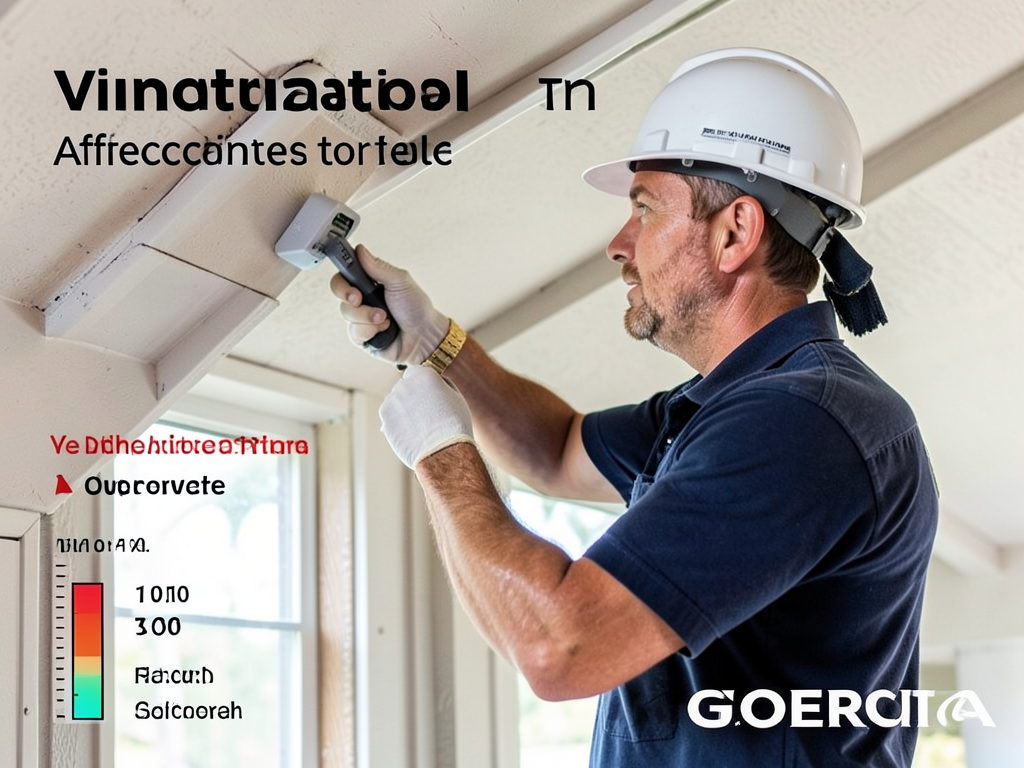
Atlanta’s summer heat creates a perfect storm for warranty voids through ventilation failures. When attic temperatures climb above 150°F, shingles bake from underneath, causing premature granule loss and warping. Most major manufacturers like GAF and Owens Corning explicitly state that inadequate ventilation voids material warranties. GAF Warranty Information.
The International Residential Code requires specific ventilation ratios: 1 square foot of net free ventilation area per 150 square feet of attic space, or 1:300 with a vapor barrier. In Alpharetta’s humid climate, this becomes even more critical. Poor ventilation traps moisture, leading to mold growth that damages both shingles and underlayment. Attic Ventilation Systems.
Common ventilation mistakes include blocking soffit vents with insulation, installing insufficient ridge vents, or creating negative pressure that pulls conditioned air from living spaces. These errors often go unnoticed until warranty claims reveal the damage.
Pressure Washing Strips Granules and Void Warranties
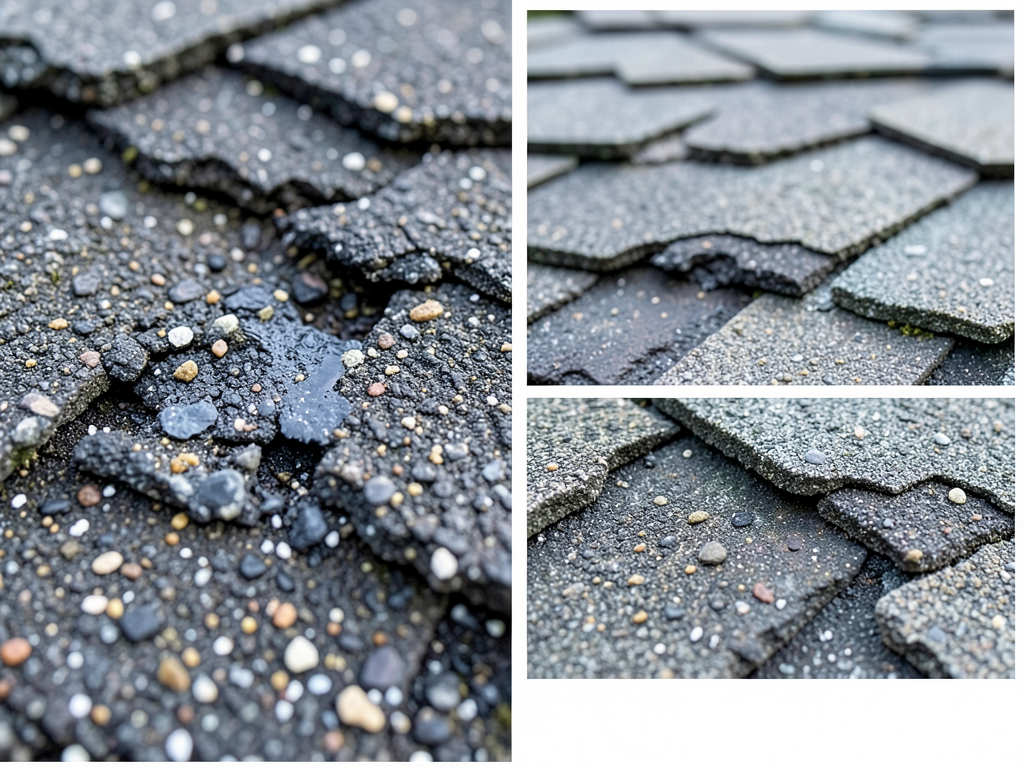
Pressure washing your roof seems like a good idea for removing algae and moss, but it’s one of the fastest ways to void your warranty. High-pressure water blasts away the protective granules that shield asphalt shingles from UV damage. Once those granules are gone, shingles deteriorate rapidly.
According to GAF’s warranty documentation, pressure washing voids coverage for granule loss and premature aging. The damage often appears years later when shingles curl and crack under Georgia’s intense sun. Manufacturers recommend gentle cleaning methods or professional treatment for algae growth.
Alpharetta’s high humidity creates ideal conditions for algae and moss, making this mistake particularly common. Many homeowners don’t realize the damage until they need to file a warranty claim and discover their cleaning method disqualified them from coverage.
Unauthorized Repairs and DIY Modifications Create Coverage Gaps
Installing satellite dishes, solar panels, or holiday lights without proper flashing creates penetrations that most warranties don’t cover. Each hole drilled through your roof deck is a potential leak point and warranty void. Many manufacturers require certified installers for any roof modifications.
DIY repairs present another major risk. Using incorrect materials, improper nail patterns, or mismatched shingles can void both material and workmanship warranties. Even well-intentioned repairs often fail to meet manufacturer specifications for installation temperature, nailing patterns, and underlayment requirements.
The Georgia State Licensing Board requires roofing contractors to be properly licensed and insured. Work done by unlicensed individuals may void warranties regardless of installation quality. This becomes especially problematic when homeowners try to save money on repairs before selling their homes. Roofing Dunwoody.
Roof-Overs and Multiple Layer Installations Void Most Warranties
Installing new shingles over existing ones might seem cost-effective, but it violates most manufacturer warranties. The International Residential Code prohibits more than two layers of roofing in most jurisdictions, and many manufacturers void coverage when their products are installed over existing roofs.
Multiple layers trap heat between shingle courses, accelerating deterioration. They also prevent proper inspection of the roof deck for damage or rot. In Alpharetta’s climate, where moisture from summer thunderstorms can penetrate existing layers, this practice creates significant warranty risks.
Georgia building codes require complete tear-off for most re-roofing projects. Skipping this step not only voids warranties but may also violate local permitting requirements. The additional upfront cost of proper tear-off protects your long-term investment and keeps warranty coverage intact.
Using Mismatched Materials and Mixing Brands Creates System Failures
Roofing systems work as integrated units. Mixing components from different manufacturers or using incompatible materials voids warranties because the system cannot be guaranteed to perform as tested. For example, using CertainTeed underlayment with GAF shingles creates a non-approved assembly.
Manufacturers test their products as complete systems. When you substitute components, you introduce variables they haven’t evaluated. This becomes especially problematic with flashing, underlayment, and ventilation products that must work together to manage moisture and heat.
Even using discontinued product lines or leftover materials from previous jobs can void warranties. Manufacturers continuously update their formulations and specifications. Using older materials may not meet current performance standards or building code requirements.
Neglecting Required Maintenance and Documentation
Most roof warranties include maintenance requirements that homeowners overlook. Annual inspections, gutter cleaning, and prompt repairs of minor damage are often mandatory for keeping coverage active. Failure to maintain your roof as specified in warranty documents can void coverage.
Documentation matters more than most homeowners realize. Manufacturers and insurance companies require proof of regular maintenance when processing claims. Without inspection reports, repair receipts, and maintenance logs, even valid claims may be denied.
Georgia’s severe weather patterns make maintenance especially critical. Hail damage, wind uplift, and falling tree limbs require prompt professional assessment. Waiting to address damage allows water intrusion that compounds problems and may void coverage for both the initial and subsequent damage.
Improper Flashing Installation Leads to Leak Claims Being Denied
Flashing installation errors represent one of the most common warranty void scenarios. Improper step flashing around chimneys, skylights, and wall intersections allows water infiltration that damages both roofing materials and the home’s structure. Many manufacturers specifically exclude damage from improper flashing from warranty coverage. Chimney Leak Emergency Repair.
The flashing must be installed at the correct overlap, with proper sealants, and secured according to manufacturer specifications. In Alpharetta’s freeze-thaw cycles, flashing that shifts or separates creates entry points for water that void warranties when leaks develop.
Chimney flashing deserves special attention. Many warranty claims fail because homeowners don’t realize chimney cricket installation is required for roofs with pitches over 6:12. Without proper cricket flashing, water pools behind chimneys and causes damage that manufacturers won’t cover.
Skipping Required Inspections and Final Walk-Throughs
Most roofing warranties require final inspections by certified professionals before coverage begins. Skipping this step or accepting verbal assurances instead of written inspection reports can void your warranty before it even starts. Manufacturers need verification that installation meets their specifications.
Post-installation inspections identify problems while they’re still easy to fix. Missing fasteners, improper underlayment installation, or ventilation issues caught early prevent warranty voids later. Many homeowners skip these inspections to save money, only to discover problems when filing claims.
Insurance companies often require documentation of final inspections for storm damage claims. Without proper inspection reports, even legitimate claims may be denied or coverage reduced. This becomes especially important in Alpharetta’s storm-prone climate.
Failure to Follow Manufacturer’s Specific Installation Instructions
Each roofing manufacturer provides detailed installation instructions that go beyond building codes. These specifications cover nailing patterns, temperature requirements, underlayment types, and ventilation calculations. Deviating from these instructions, even slightly, can void warranties.
For example, GAF requires specific nail patterns for different wind zones. In Alpharetta’s occasional high-wind events, using incorrect nailing patterns may void wind damage coverage. Similarly, Owens Corning specifies temperature ranges for installation that, if ignored, can cause material failures not covered by warranty.
Manufacturer instructions often change based on climate zone. What works in Arizona may not meet Georgia’s humidity and heat requirements. Using installation practices from other regions without verifying they meet local specifications creates warranty risks.
Understanding Your Warranty Coverage and Limitations
Roof warranties fall into two main categories: manufacturer material warranties and contractor workmanship warranties. Material warranties cover defects in the shingles or other roofing products but exclude installation errors. Workmanship warranties cover installation mistakes but not material defects.
Reading your warranty documents reveals coverage limitations you might not expect. Many warranties exclude damage from severe weather, neglect, or modifications. Others limit coverage to specific geographic areas or require registration within a certain timeframe after installation.
Understanding these distinctions helps you make informed decisions about maintenance, repairs, and when to file claims. It also helps you choose contractors who provide comprehensive coverage that protects your investment.
Protecting Your Warranty Through Professional Installation and Maintenance
The best way to protect your roof warranty is to work with certified contractors who understand manufacturer requirements and local building codes. Professional installers know the specific installation techniques required for Georgia’s climate and can identify potential warranty issues before they become problems.
Regular professional inspections catch minor issues before they cause major damage. These inspections also provide the documentation manufacturers require for warranty claims. Many contractors offer maintenance programs that include annual inspections and priority service for warranty repairs.
Documentation becomes your best protection when warranty issues arise. Keep all inspection reports, repair receipts, and maintenance records. Take photos of your roof periodically to establish baseline conditions. This documentation proves you’ve met warranty requirements if disputes arise.
Taking Action Before Warranty Problems Develop
Don’t wait until you need to file a claim to discover warranty issues. Schedule a professional roof inspection to identify potential problems. Many contractors offer free inspections that can reveal installation errors, ventilation issues, or maintenance needs that might void your coverage.
If you discover warranty-voiding issues, address them promptly. Small repairs cost far less than replacing an entire roof that lost coverage due to preventable mistakes. Professional contractors can often fix problems while maintaining warranty protection.
Understanding your warranty coverage and limitations empowers you to make decisions that protect your investment. When you know what voids coverage, you can avoid those mistakes and ensure your roof performs as promised for its full lifespan.
Frequently Asked Questions
What is the most common reason roof warranties get voided?
Improper attic ventilation is the leading cause of warranty voids. Atlanta’s intense summer heat creates conditions where poor ventilation causes shingles to deteriorate from underneath, and most manufacturers explicitly exclude this type of damage from coverage.
Can I pressure wash my roof without voiding the warranty?
No. Pressure washing strips protective granules from asphalt shingles and voids most major manufacturer warranties. Use gentle cleaning methods or hire professionals who use manufacturer-approved cleaning techniques for algae and moss removal.
How often should I have my roof inspected to maintain warranty coverage?
Most manufacturers require annual professional inspections to keep warranties valid. In Georgia’s severe weather climate, biannual inspections after spring and fall are recommended to catch damage from storms and seasonal wear.
Does installing solar panels void my roof warranty?
Installing solar panels without proper flashing and manufacturer approval typically voids roof warranties. Work with certified solar installers who coordinate with roofing manufacturers to ensure modifications don’t void coverage.
What documentation do I need to keep my roof warranty valid?
Keep all inspection reports, repair receipts, maintenance records, and warranty registration documents. Take dated photos of your roof periodically and maintain a log of any repairs or modifications made to the roofing system.
- Schedule Professional Inspection
Have a certified roofing contractor inspect your roof annually to identify potential warranty issues before they become problems.
- Maintain Proper Ventilation
Ensure attic ventilation meets manufacturer specifications and building code requirements for your climate zone.
- Document Everything
Keep all inspection reports, repair receipts, and maintenance records. Take dated photos of your roof’s condition.
- Address Issues Promptly
Fix minor problems immediately to prevent damage that could void warranties or require expensive repairs.
- Work with Certified Contractors
Only hire licensed, insured contractors who understand manufacturer requirements and local building codes.
Call (770) 610-9366 Today to Protect Your Roof Warranty
Don’t let installation mistakes cost you thousands in voided warranty coverage. Our certified roofing specialists understand Georgia’s specific requirements and manufacturer specifications. We’ll inspect your roof, identify potential warranty issues, and recommend solutions that keep your coverage intact.
Pick up the phone and call (770) 610-9366 before the next storm hits. A quick inspection now could save you from a costly roof replacement later when warranty claims get denied due to preventable installation errors.
Call (770) 610-9366 today to schedule your warranty protection inspection. Our team serves Alpharetta and surrounding communities with the expertise that keeps your roof covered when you need it most. For more information, visit NRCA Consumer Information.
{
“@context”: “https://schema.org”,
“@type”: “BlogPosting”,
“headline”: “The Most Common Installation Mistakes That Void Roof Warranties in Alpharetta”,
“description”: “Discover how improper attic ventilation, pressure washing, and unauthorized repairs can void your roof warranty. Protect your investment with expert tips from Alpharetta’s roofing specialists.”,
“wordCount”: 2062,
“datePublished”: “2026-05-03T07:28:00.000Z”,
“dateModified”: “2026-05-03T07:28:00.000Z”,
“inLanguage”: “en-US”,
“mainEntityOfPage”: {
“@type”: “WebPage”,
“@id”: “https://firstchoiceroofingatlanta.com”
},
“publisher”: {
“@type”: “LocalBusiness”,
“name”: “First Choice Roofing Atlanta”,
“url”: “https://firstchoiceroofingatlanta.com”
},
“author”: {
“@type”: “Organization”,
“name”: “First Choice Roofing Atlanta”,
“url”: “https://firstchoiceroofingatlanta.com”
},
“image”: {
“@type”: “ImageObject”,
“url”: “https://firstchoiceroofingatlanta.com/wp-content/uploads/2026/03/the-most-common-installation-mistakes-that-void-ro-1.png”
}
}
{
“@context”: “https://schema.org”,
“@type”: “RoofingContractor”,
“name”: “First Choice Roofing Atlanta”,
“url”: “https://firstchoiceroofingatlanta.com”,
“address”: {
“@type”: “PostalAddress”,
“addressLocality”: “Atlanta”
},
“areaServed”: {
“@type”: “City”,
“name”: “Atlanta”
}
}
{
“@context”: “https://schema.org”,
“@type”: “FAQPage”,
“mainEntity”: [
{
“@type”: “Question”,
“name”: “What is the most common reason roof warranties get voided?”,
“acceptedAnswer”: {
“@type”: “Answer”,
“text”: “Improper attic ventilation is the leading cause of warranty voids. Atlanta’s intense summer heat creates conditions where poor ventilation causes shingles to deteriorate from underneath, and most manufacturers explicitly exclude this type of damage from coverage.”
}
},
{
“@type”: “Question”,
“name”: “Can I pressure wash my roof without voiding the warranty?”,
“acceptedAnswer”: {
“@type”: “Answer”,
“text”: “No. Pressure washing strips protective granules from asphalt shingles and voids most major manufacturer warranties. Use gentle cleaning methods or hire professionals who use manufacturer-approved cleaning techniques for algae and moss removal.”
}
},
{
“@type”: “Question”,
“name”: “How often should I have my roof inspected to maintain warranty coverage?”,
“acceptedAnswer”: {
“@type”: “Answer”,
“text”: “Most manufacturers require annual professional inspections to keep warranties valid. In Georgia’s severe weather climate, biannual inspections after spring and fall are recommended to catch damage from storms and seasonal wear.”
}
},
{
“@type”: “Question”,
“name”: “Does installing solar panels void my roof warranty?”,
“acceptedAnswer”: {
“@type”: “Answer”,
“text”: “Installing solar panels without proper flashing and manufacturer approval typically voids roof warranties. Work with certified solar installers who coordinate with roofing manufacturers to ensure modifications don’t void coverage.”
}
},
{
“@type”: “Question”,
“name”: “What documentation do I need to keep my roof warranty valid?”,
“acceptedAnswer”: {
“@type”: “Answer”,
“text”: “Keep all inspection reports, repair receipts, maintenance records, and warranty registration documents. Take dated photos of your roof periodically and maintain a log of any repairs or modifications made to the roofing system.”
}
}
]
}
{
“@context”: “https://schema.org”,
“@type”: “HowTo”,
“name”: “How to Protect Your Roof Warranty”,
“step”: [
{
“@type”: “HowToStep”,
“position”: 1,
“name”: “Schedule Professional Inspection”,
“text”: “Have a certified roofing contractor inspect your roof annually to identify potential warranty issues before they become problems.”
},
{
“@type”: “HowToStep”,
“position”: 2,
“name”: “Maintain Proper Ventilation”,
“text”: “Ensure attic ventilation meets manufacturer specifications and building code requirements for your climate zone.”
},
{
“@type”: “HowToStep”,
“position”: 3,
“name”: “Document Everything”,
“text”: “Keep all inspection reports, repair receipts, and maintenance records. Take dated photos of your roof’s condition.”
},
{
“@type”: “HowToStep”,
“position”: 4,
“name”: “Address Issues Promptly”,
“text”: “Fix minor problems immediately to prevent damage that could void warranties or require expensive repairs.”
},
{
“@type”: “HowToStep”,
“position”: 5,
“name”: “Work with Certified Contractors”,
“text”: “Only hire licensed, insured contractors who understand manufacturer requirements and local building codes.”
}
],
“image”: “https://firstchoiceroofingatlanta.com/wp-content/uploads/2026/03/the-most-common-installation-mistakes-that-void-ro-1.png”
}
{
“@context”: “https://schema.org”,
“@type”: “BreadcrumbList”,
“itemListElement”: [
{
“@type”: “ListItem”,
“position”: 1,
“name”: “Home”,
“item”: “https://firstchoiceroofingatlanta.com”
},
{
“@type”: “ListItem”,
“position”: 2,
“name”: “Blog”,
“item”: “https://firstchoiceroofingatlanta.com/blog”
},
{
“@type”: “ListItem”,
“position”: 3,
“name”: “The Most Common Installation Mistakes That Void Roof Warranties in Alpharetta”
}
]
}
{
“@context”: “https://schema.org”,
“@type”: “Service”,
“serviceType”: “Roofing”,
“provider”: {
“@type”: “LocalBusiness”,
“name”: “First Choice Roofing Atlanta”,
“url”: “https://firstchoiceroofingatlanta.com”
},
“areaServed”: {
“@type”: “City”,
“name”: “Atlanta”
},
“description”: “Discover how improper attic ventilation, pressure washing, and unauthorized repairs can void your roof warranty. Protect your investment with expert tips from Alpharetta’s roofing specialists.”
}