
Why Fall and Spring are the Most Popular Times for Roof Replacements in Johns Creek
Homeowners in Johns Creek face unique roofing challenges due to Atlanta’s humid subtropical climate. The combination of intense summer heat, heavy spring thunderstorms, and occasional winter freezes creates a perfect storm for roof deterioration. This is why fall and spring have emerged as the most strategic seasons for roof replacement projects in our area. Roofing Dunwoody.
Understanding the local weather patterns and contractor availability can save you thousands of dollars while ensuring your new roof gets installed under optimal conditions. Let’s break down exactly why timing matters so much for your roofing investment.
The Science Behind Seasonal Roofing Success
Atlanta’s climate creates specific challenges for roofing materials. Asphalt shingles require temperatures between 40-85 degrees Fahrenheit for proper thermal sealing. Outside this range, shingles either won’t seal correctly or become too brittle to install safely.. Read more about What to Expect from the New Roof Smell and Shingle Off-Gassing After Installation.
Johns Creek’s fall season typically delivers these ideal conditions from mid-September through November. Daytime temperatures hover around 70-80 degrees with minimal rainfall, creating perfect installation conditions. Spring offers similar windows, though March and April bring higher precipitation risks.
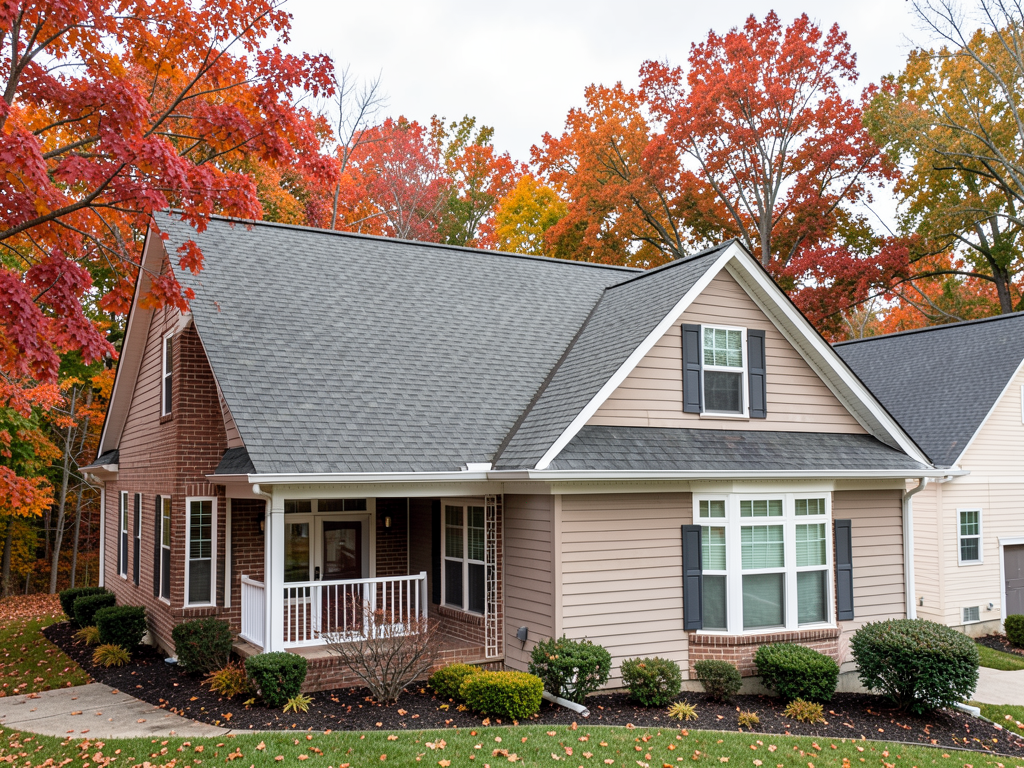
Diagram showing optimal temperature ranges for asphalt shingle installation and thermal sealing process
Fall Advantages: The Sweet Spot for Johns Creek Homes
Fall emerges as the clear winner for roof replacements in Johns Creek for several compelling reasons. The mild temperatures allow roofing crews to work efficiently without the heat exhaustion risks of summer or the cold-related material issues of winter.
During fall months, Johns Creek homeowners benefit from:
- Lower humidity levels reducing moisture trapped under new shingles
- Minimal pollen interference compared to spring installation
- Reduced risk of summer thunderstorm damage to partially completed roofs
- Better adhesive performance for flashing and underlayment
Local building codes in Fulton County require specific installation standards that become easier to meet during moderate temperatures. The Georgia State Minimum Standard Residential Code includes provisions for thermal expansion that contractors must follow. Georgia State Government.
Spring Considerations: The Second Best Option
Spring represents the second most popular window for roof replacements in Johns Creek. While March and April bring increased rainfall, May typically offers stable conditions similar to fall.
The primary spring advantage is contractor availability. Many Johns Creek homeowners wait until after winter storms to assess damage, creating a surge in demand that peaks in March and April.
Spring installations face unique challenges including:
- Higher pollen counts affecting adhesive performance
- Increased thunderstorm activity requiring weather monitoring
- Potential for sudden temperature swings affecting material handling
Summer and Winter: The Challenging Alternatives
Summer roof replacements in Johns Creek present significant challenges. July and August temperatures regularly exceed 90 degrees, making working conditions dangerous for crews and potentially damaging to roofing materials.
High humidity during summer months also affects adhesive curing times. Materials that normally set in 24 hours might require 48-72 hours in peak summer conditions.
Winter offers unexpected advantages but comes with its own complications. While December through February provides the best pricing and availability, temperatures below 40 degrees can prevent proper shingle sealing.
Johns Creek’s occasional ice storms create additional risks. A sudden freeze can damage partially completed roofs or prevent proper underlayment installation.
Cost Analysis: Seasonal Pricing Patterns
Understanding seasonal pricing helps Johns Creek homeowners maximize their roofing investment. The market follows predictable patterns based on demand and weather conditions.
| Season | Average Lead Time | Price Range | Weather Reliability |
|---|---|---|---|
| Fall | 2-3 weeks | Standard | High |
| Spring | 3-4 weeks | Standard + 5% | Medium |
| Summer | 1-2 weeks | Standard – 5% | Low |
| Winter | 1 week | Standard – 10% | Variable |
Winter discounts of 10% reflect both lower demand and the increased risk contractors take on. Summer discounts of 5% compensate for challenging working conditions.
Local Johns Creek Considerations
Johns Creek’s specific geography creates unique roofing challenges. The area’s elevation changes and proximity to the Chattahoochee River affect local weather patterns, often creating microclimates that differ from surrounding Atlanta suburbs.
Many Johns Creek homes feature architectural styles common to North Fulton County, including large hip roofs and complex gables. These designs require additional expertise and time compared to simpler roof structures.
The area’s mature tree canopy, while beautiful, creates additional considerations. Fall installations must account for leaf debris, while spring projects contend with pollen accumulation on partially completed roofs.
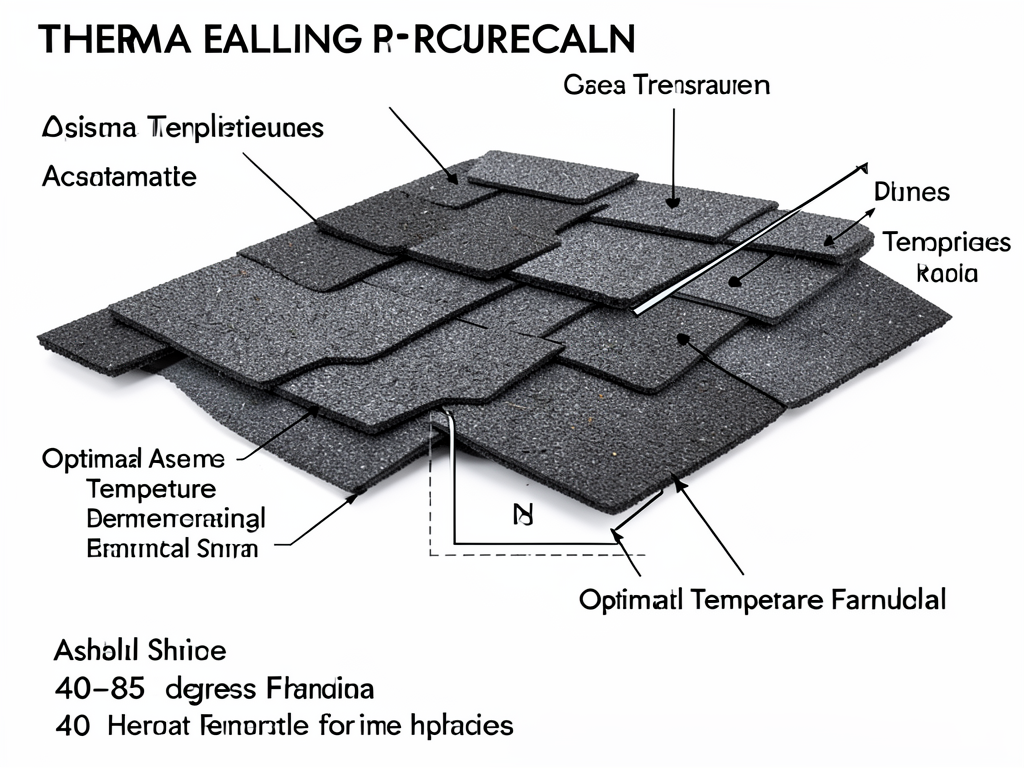
Photo showing a Johns Creek home with complex hip roof design typical of North Fulton County architecture
Scheduling Your Replacement: A Strategic Approach
Timing your roof replacement requires balancing multiple factors specific to Johns Creek’s climate and your personal circumstances. Here’s a strategic approach to maximize your investment:
- Assess Current Condition
Schedule a professional inspection during late summer to identify any immediate concerns before fall rush begins.
- Get Multiple Quotes
Collect estimates from July through August when contractors have more availability for thorough assessments.
- Book Early
Secure your fall installation slot by mid-September to avoid the October-November rush when most homeowners want their projects completed.
Emergency situations require different timing. If you discover active leaks or storm damage, immediate action trumps seasonal considerations. Who to Call for Urgent Emergency Roof Repairs in Buckhead.
Weather Monitoring and Contingency Planning
Professional roofing contractors in Johns Creek use sophisticated weather monitoring systems to plan installations. Modern forecasting allows teams to adjust schedules based on approaching storm systems.
During fall and spring, contractors typically:
- Monitor 7-day forecasts before committing to tear-off dates
- Have contingency plans for sudden weather changes
- Schedule work during historically stable weather windows
The National Weather Service’s Peachtree City office provides detailed forecasts specific to North Georgia, helping contractors make informed scheduling decisions. National Weather Service Peachtree City.
Material Considerations by Season
Different roofing materials perform better during specific seasons. Understanding these nuances helps you make informed decisions about your replacement project.
| Material Type | Best Season | Seasonal Concerns |
|---|---|---|
| Asphalt Shingles | Fall | Summer heat affects sealing |
| Architectural Shingles | Spring/Fall | Winter cold prevents proper adhesion |
| Metal Roofing | Year-round | Summer heat affects expansion gaps |
| TPO Roofing | Summer | Requires warm temperatures for welding |
Asphalt remains the most popular choice in Johns Creek due to its cost-effectiveness and proven performance in Georgia’s climate. However, metal roofing installations have increased 30% over the past five years as homeowners seek longer-lasting solutions.
Contractor Availability and Quality Considerations
The best roofing contractors in Johns Creek often book 2-3 months in advance during peak seasons. This creates a quality vs. availability dilemma for homeowners.
Highly rated contractors with extensive experience in North Fulton County roofing typically charge 15-20% more than newer companies but deliver superior results and warranties.
When evaluating contractors, consider:
- Years of experience specifically in Johns Creek and surrounding areas
- References from similar homes in your neighborhood
- Manufacturer certifications for your chosen roofing material
- Insurance coverage and licensing status with Georgia authorities
Making Your Decision: Key Factors to Consider
Choosing the right time for your roof replacement involves weighing multiple factors specific to your situation and Johns Creek’s unique conditions.
Consider these critical elements:
- Current roof condition and urgency of replacement
- Your budget constraints and seasonal pricing differences
- Contractor availability and quality preferences
- Weather reliability during your preferred timeframe
- Upcoming events or travel plans that might affect scheduling
Homeowners who wait until they see visible damage often face emergency pricing that exceeds seasonal variations by 25-40%. Chimney Leak Emergency Repair.
Final Recommendations for Johns Creek Homeowners
Based on extensive experience with North Georgia roofing projects, here are our top recommendations for Johns Creek homeowners:
For most homeowners, late September through early November offers the optimal balance of weather conditions, contractor availability, and installation quality. This timeframe allows you to:
- Complete your project before holiday season demands
- Take advantage of moderate temperatures for proper installation
- Benefit from competitive pricing before winter discounts disappear
- Ensure your new roof is ready for any late-season storms
If you’re planning a spring installation, aim for May when thunderstorm activity typically decreases but before summer heat becomes oppressive.
Emergency situations require immediate action regardless of season. If you notice active leaks, missing shingles, or storm damage, don’t wait for optimal conditions.
Call (770) 610-9366 today to schedule your professional roof inspection. Our team has served Johns Creek and the greater Atlanta area for over 15 years, understanding the unique challenges our climate presents. Don’t wait until the next storm reveals your roof’s weaknesses.
Pick up the phone and call (770) 610-9366 before the next severe weather event tests your roof’s integrity. Early action saves money and prevents the stress of emergency repairs during peak season.
Frequently Asked Questions
How long does a typical roof replacement take in Johns Creek?
Most residential roof replacements in Johns Creek take 1-3 days depending on roof complexity, weather conditions, and crew size. Simple gable roofs might finish in a single day, while complex hip roofs with multiple valleys typically require 2-3 days.
Will my homeowners insurance cover the cost of a roof replacement?
Standard homeowners insurance typically covers roof replacement only if damage results from covered perils like storms, fire, or falling trees. Normal wear and tear or age-related deterioration usually isn’t covered. Check your specific policy details or contact your insurance provider for clarification.
What building permits are required for roof replacement in Johns Creek?
Fulton County requires building permits for roof replacements. Your roofing contractor should handle permit acquisition, but homeowners should verify this service is included. Permit costs typically range from $150-400 depending on project scope and home value.
How can I tell if my roof needs replacement rather than repair?
Signs indicating replacement need include widespread shingle deterioration, multiple active leaks, sagging roof deck, or age exceeding 20-25 years for asphalt shingles. A professional inspection can determine whether repair or replacement is most cost-effective for your specific situation.
You may also find this helpful. GAF vs Owens Corning — Which Shingle Brand is Actually Better for the Georgia Climate?.
{
“@context”: “https://schema.org”,
“@type”: “BlogPosting”,
“headline”: “Why Fall and Spring are the Most Popular Times for Roof Replacements in Johns Creek”,
“description”: “Discover why homeowners in Johns Creek choose fall and spring for roof replacements. Learn about weather patterns, contractor availability, and cost factors specific to Atlanta’s climate.”,
“wordCount”: 1604,
“datePublished”: “2026-05-26T14:06:00.000Z”,
“dateModified”: “2026-05-26T14:06:00.000Z”,
“inLanguage”: “en-US”,
“mainEntityOfPage”: {
“@type”: “WebPage”,
“@id”: “https://firstchoiceroofingatlanta.com”
},
“publisher”: {
“@type”: “LocalBusiness”,
“name”: “First Choice Roofing Atlanta”,
“url”: “https://firstchoiceroofingatlanta.com”
},
“author”: {
“@type”: “Organization”,
“name”: “First Choice Roofing Atlanta”,
“url”: “https://firstchoiceroofingatlanta.com”
},
“image”: {
“@type”: “ImageObject”,
“url”: “https://firstchoiceroofingatlanta.com/wp-content/uploads/2026/03/why-fall-and-spring-are-the-most-popular-times-for-1.png”
}
}
{
“@context”: “https://schema.org”,
“@type”: “RoofingContractor”,
“name”: “First Choice Roofing Atlanta”,
“url”: “https://firstchoiceroofingatlanta.com”,
“address”: {
“@type”: “PostalAddress”,
“addressLocality”: “Atlanta”
},
“areaServed”: {
“@type”: “City”,
“name”: “Atlanta”
}
}
{
“@context”: “https://schema.org”,
“@type”: “FAQPage”,
“mainEntity”: [
{
“@type”: “Question”,
“name”: “How long does a typical roof replacement take in Johns Creek?”,
“acceptedAnswer”: {
“@type”: “Answer”,
“text”: “Most residential roof replacements in Johns Creek take 1-3 days depending on roof complexity, weather conditions, and crew size. Simple gable roofs might finish in a single day, while complex hip roofs with multiple valleys typically require 2-3 days.”
}
},
{
“@type”: “Question”,
“name”: “Will my homeowners insurance cover the cost of a roof replacement?”,
“acceptedAnswer”: {
“@type”: “Answer”,
“text”: “Standard homeowners insurance typically covers roof replacement only if damage results from covered perils like storms, fire, or falling trees. Normal wear and tear or age-related deterioration usually isn’t covered. Check your specific policy details or contact your insurance provider for clarification.”
}
},
{
“@type”: “Question”,
“name”: “What building permits are required for roof replacement in Johns Creek?”,
“acceptedAnswer”: {
“@type”: “Answer”,
“text”: “Fulton County requires building permits for roof replacements. Your roofing contractor should handle permit acquisition, but homeowners should verify this service is included. Permit costs typically range from $150-400 depending on project scope and home value.”
}
}
]
}
{
“@context”: “https://schema.org”,
“@type”: “HowTo”,
“name”: “How to Schedule Your Roof Replacement”,
“step”: [
{
“@type”: “HowToStep”,
“position”: 1,
“name”: “Assess Current Condition”,
“text”: “Schedule a professional inspection during late summer to identify any immediate concerns before fall rush begins.”
},
{
“@type”: “HowToStep”,
“position”: 2,
“name”: “Get Multiple Quotes”,
“text”: “Collect estimates from July through August when contractors have more availability for thorough assessments.”
},
{
“@type”: “HowToStep”,
“position”: 3,
“name”: “Book Early”,
“text”: “Secure your fall installation slot by mid-September to avoid the October-November rush when most homeowners want their projects completed.”
}
],
“image”: “https://firstchoiceroofingatlanta.com/wp-content/uploads/2026/03/why-fall-and-spring-are-the-most-popular-times-for-1.png”
}
{
“@context”: “https://schema.org”,
“@type”: “BreadcrumbList”,
“itemListElement”: [
{
“@type”: “ListItem”,
“position”: 1,
“name”: “Home”,
“item”: “https://firstchoiceroofingatlanta.com”
},
{
“@type”: “ListItem”,
“position”: 2,
“name”: “Blog”,
“item”: “https://firstchoiceroofingatlanta.com/blog”
},
{
“@type”: “ListItem”,
“position”: 3,
“name”: “Why Fall and Spring are the Most Popular Times for Roof Replacements in Johns Creek”
}
]
}
{
“@context”: “https://schema.org”,
“@type”: “Service”,
“serviceType”: “Roofing”,
“provider”: {
“@type”: “LocalBusiness”,
“name”: “First Choice Roofing Atlanta”,
“url”: “https://firstchoiceroofingatlanta.com”
},
“areaServed”: {
“@type”: “City”,
“name”: “Atlanta”
},
“description”: “Discover why homeowners in Johns Creek choose fall and spring for roof replacements. Learn about weather patterns, contractor availability, and cost factors specific to Atlanta’s climate.”
}