
Why Ice and Water Shields are Essential for Atlanta Roof Valleys (Even Without the Snow)
Atlanta homeowners often wonder if ice and water shields matter in Georgia’s warm climate. The answer is yes and here’s why. While these membranes get their name from northern snow and ice, they serve a critical purpose in Atlanta’s heavy summer storms. They create a waterproof barrier in roof valleys where water concentrates during Georgia’s intense downpours.
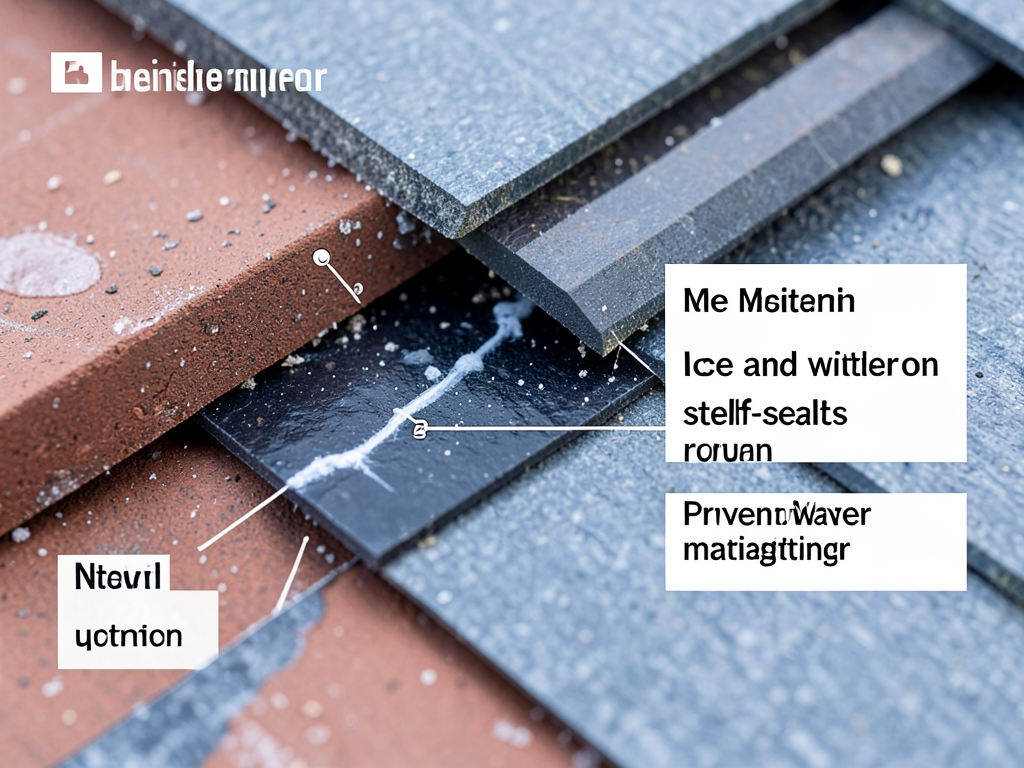
Roof valleys act like funnels during storms. Water rushes down and can back up under shingles through capillary action. In Atlanta’s high humidity and frequent wind-driven rain, this creates a perfect storm for leaks. Ice and water shields use a self-adhering modified bitumen that seals around nails and creates a watertight barrier where standard underlayment fails.
The Myth: ‘It Doesn’t Snow Enough in Georgia for Ice Shield’
Many Atlanta homeowners believe ice and water shields only matter when temperatures drop below freezing. This misconception costs thousands in preventable damage. The truth is these shields protect against water backing up during heavy rain not just ice dams.
During Atlanta’s summer thunderstorms, wind-driven rain hits roofs at angles that force water under shingles. In roof valleys where two roof planes meet, this water has nowhere to go but up. The modified bitumen in ice and water shields creates a self-healing barrier that seals around fasteners and prevents this upward migration.
Georgia’s building codes require ice and water shields in specific zones but many contractors skip them to cut costs. This creates a false economy. The shield costs $300-500 per installation but prevents $3,000-5,000 in water damage repairs. EPA mold prevention guidelines.
How Ice and Water Shield Protects Against Georgia Weather
Wind-Driven Rain during Hurricane Season
Atlanta sits in the path of Gulf moisture that fuels summer thunderstorms. When winds exceed 30 mph, rain no longer falls straight down. It hits roofs at 45-degree angles forcing water under the leading edge of shingles. In valleys this creates a hydraulic pressure that standard felt paper cannot withstand.
Ice and water shields use a rubberized asphalt compound that remains flexible in Georgia’s heat. This flexibility allows the membrane to expand and contract with temperature changes without cracking. The adhesive backing creates a mechanical bond with the roof deck that prevents water from migrating laterally.
Valley Protection: Where 80% of Roof Leaks Occur
Roof valleys concentrate water flow from multiple roof planes. During a typical Atlanta thunderstorm, a valley might channel 50-100 gallons of water per minute. Standard synthetic underlayment cannot handle this volume when wind drives rain uphill under the shingles.
The modified bitumen in ice and water shields creates a continuous waterproof membrane. When nails penetrate for shingle installation, the material self-seals around each fastener. This prevents the capillary action that draws water up through nail holes in standard underlayment.. Read more about The Most Common Installation Mistakes That Void Roof Warranties in Alpharetta.
Atlanta’s clay-heavy soil expands when wet creating additional stress on roof structures. This movement can separate flashing joints. Ice and water shields bridge these gaps providing secondary protection when primary barriers fail.
The Freeze-Thaw Cycle in Atlanta Winters
Atlanta may not get heavy snow but it experiences enough winter precipitation to create freeze-thaw cycles. When daytime temperatures hover around 35-40 degrees, melting snow refreezes at night. This creates ice dams at roof edges and in valleys.
Ice dams force melting water back up under shingles. The waterproof barrier created by ice and water shields prevents this backed-up water from reaching the roof deck. Without this protection, water seeps into attics causing rot and mold growth. Attic Ventilation Systems.
Georgia’s building code recognizes this risk. The International Residential Code with Georgia amendments requires ice and water shields extending 24 inches past the interior wall line in Climate Zone 3 which includes Atlanta. International Residential Code requirements.
Georgia Building Codes and Ice and Water Shield Requirements
The Georgia State Minimum Standard Residential Code adopts the International Residential Code with state-specific amendments. For Atlanta’s climate zone, the code mandates ice and water shields in specific applications.
According to IRC R905.1.8.2, ice barriers are required on roofs with a slope of 2:12 or greater where the average temperature in January is 25 degrees Fahrenheit or higher. Atlanta’s January average of 35-40 degrees meets this threshold.
The code specifies that ice barriers must extend from the eave edge to a point 24 inches inside the exterior wall line. In roof valleys, the shield must cover the entire valley width plus 12 inches on each side. This creates a 24-inch wide waterproof path through the valley.
Many Atlanta contractors exceed these minimum requirements. Best practices call for ice and water shields in all valleys, around chimneys, and at skylight perimeters. These areas experience the highest water concentration and are most vulnerable to wind-driven rain penetration. Chimney Leak Emergency Repair.
Where Should It Be Installed? (Critical Areas)
Ice and water shields belong in every area where water concentrates or wind drives rain under shingles. The most critical locations include:
- Roof Valleys – Where two roof planes meet, water channels and backs up under shingles
- Chimney Flashing – Heat from chimneys creates thermal expansion that separates standard flashing
- Skylight Perimeter – Skylights interrupt water flow creating turbulence and potential backup
- Low-Slope Transitions – Areas with slopes between 2:12 and 4:12 cannot shed water as quickly
- Eave Edges – Ice dams form here during winter freeze-thaw cycles
In Atlanta’s older neighborhoods like Virginia Highland and Inman Park, many homes have complex roof designs with multiple valleys and dormers. These architectural features create more opportunities for water intrusion. Ice and water shields become essential in these situations.
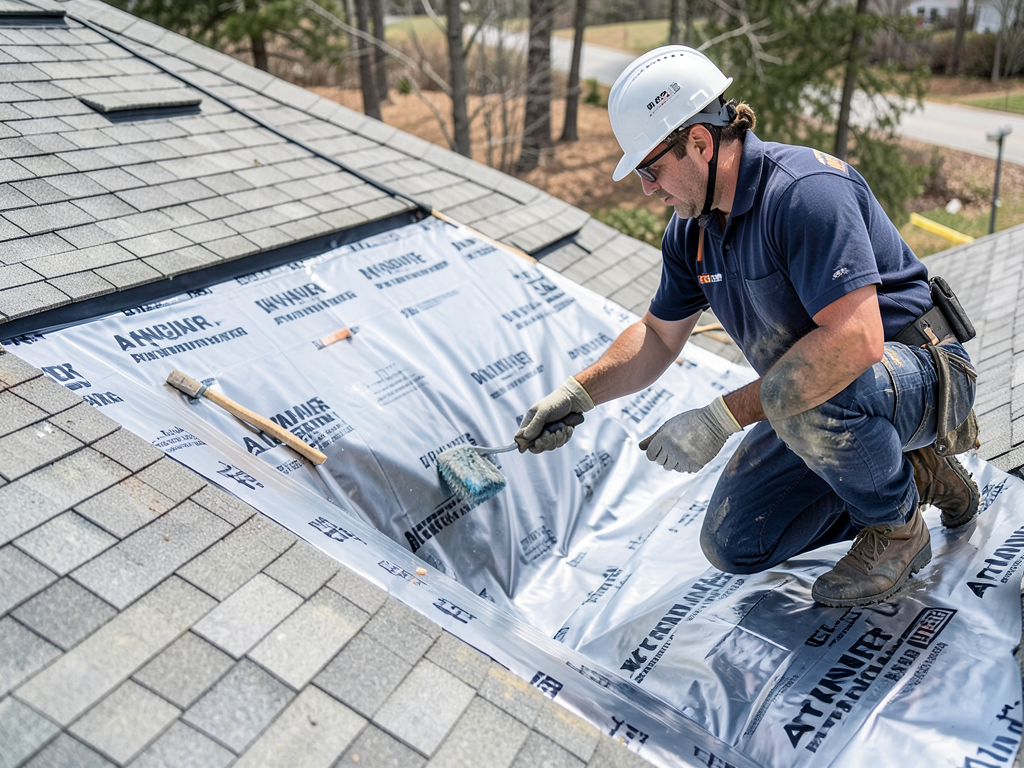
The shield installs directly on the roof deck before underlayment. Its self-adhesive backing bonds to the wood creating a continuous waterproof membrane. This differs from synthetic underlayment which relies on gravity and overlaps to shed water.
Cost vs. Value for the Atlanta Market
Ice and water shield installation adds $300-500 to a typical Atlanta roof replacement. This represents about 5-7% of the total project cost. When compared to the cost of water damage repairs, this investment pays for itself the first time it prevents a leak.
Water damage from roof leaks creates a cascade of expensive problems. Wet insulation loses R-value reducing energy efficiency. Mold grows in 24-48 hours in Atlanta’s humid climate. Wood rot compromises structural integrity. Ceiling and wall repairs add thousands more.
A single roof leak can cost $3,000-5,000 to repair when factoring in drying, mold remediation, and finish repairs. Ice and water shields prevent these failures. They represent insurance against the most common cause of roof-related water damage.
For Atlanta homeowners planning to stay in their homes 10+ years, ice and water shields offer the best return on investment of any roofing upgrade. They protect against both immediate storm damage and long-term deterioration from moisture exposure. Roofing Dunwoody.
Comparing Underlayment Options for Atlanta Homes
| Underlayment Type | Water Resistance | Installation Cost | Best Use |
|---|---|---|---|
| Synthetic Felt | Good for vertical drainage | $0.20-0.30/sq ft | Standard slopes above 4:12 |
| Modified Bitumen (Ice Shield) | Excellent waterproof barrier | $0.80-1.20/sq ft | Valleys, low slopes, vulnerable areas |
| Self-Adhering Rubberized Asphalt | Superior waterproofing | $1.00-1.50/sq ft | Critical areas, commercial applications |
The modified bitumen in ice and water shields creates a waterproof barrier rather than just a water-resistant one. This distinction matters during Atlanta’s intense summer storms when wind drives rain uphill under shingles.
Standard synthetic underlayment relies on gravity to shed water. It works well on steep slopes but fails when water moves horizontally or upward. Ice and water shields use an adhesive backing that creates a mechanical bond with the roof deck.
This bond prevents the lateral water migration that causes most roof leaks in Georgia. When nails penetrate for shingle installation, the modified bitumen self-seals around each fastener creating a continuous waterproof membrane.
Installation Best Practices for Atlanta Homes
Proper installation makes the difference between a roof that lasts 15 years and one that fails in 5. Ice and water shields require specific techniques to maximize their effectiveness.
The roof deck must be clean and dry before installation. Any debris or moisture prevents proper adhesion. The temperature should be above 40 degrees Fahrenheit for optimal stickiness. In Atlanta’s variable climate, this means planning installations during favorable weather windows.
Shingle nails must penetrate through the ice and water shield into the roof deck. If nails miss the deck, they create pathways for water intrusion. Experienced Atlanta roofers know to adjust their nailing patterns when working over ice and water shields.
Seams require special attention. Each overlap needs proper priming and rolling to ensure adhesion. In valleys, the shield should extend 12 inches beyond the valley center line on each side creating a 24-inch wide waterproof path.
Call (770) 610-9366 today to schedule your inspection. Don’t wait for the next storm to find out if your roof has adequate protection.
Frequently Asked Questions
Does ice and water shield really matter in Atlanta’s climate?
Yes. Atlanta’s heavy summer thunderstorms create conditions where water backs up under shingles. Ice and water shields prevent this through their waterproof membrane and self-sealing properties around fasteners.
How much does ice and water shield add to roof replacement cost?
Ice and water shield installation typically adds $300-500 to a standard roof replacement. This represents about 5-7% of total project cost but prevents thousands in potential water damage repairs.
Where is ice and water shield required by Georgia building code?
Georgia code requires ice and water shields extending 24 inches past the interior wall line in Climate Zone 3 which includes Atlanta. Many contractors also install it in all valleys, around chimneys, and at skylight perimeters as best practice.
Can I install ice and water shield myself?
Professional installation is recommended. The material requires specific temperature conditions for proper adhesion and experienced installers know how to handle seams, overlaps, and nail penetration patterns for maximum effectiveness.
How long does ice and water shield last?
Ice and water shield typically lasts as long as the roof system above it, often 20-30 years. The modified bitumen material resists UV degradation and maintains flexibility through Atlanta’s temperature swings.
Pick up the phone and call (770) 610-9366 before the next storm hits. Atlanta’s summer thunderstorms wait for no one and neither should your roof protection.
{
“@context”: “https://schema.org”,
“@type”: “BlogPosting”,
“headline”: “Why Ice and Water Shields are Essential for Atlanta Roof Valleys (Even Without the Snow)”,
“description”: “Ice and water shields protect Atlanta roofs from heavy summer storms. Learn how they prevent valley leaks in Georgia’s unique climate. Call (770) 610-9366 today.”,
“wordCount”: 1697,
“datePublished”: “2026-05-10T08:17:00.000Z”,
“dateModified”: “2026-05-10T08:17:00.000Z”,
“inLanguage”: “en-US”,
“mainEntityOfPage”: {
“@type”: “WebPage”,
“@id”: “https://firstchoiceroofingatlanta.com”
},
“publisher”: {
“@type”: “LocalBusiness”,
“name”: “First Choice Roofing Atlanta”,
“url”: “https://firstchoiceroofingatlanta.com”
},
“author”: {
“@type”: “Organization”,
“name”: “First Choice Roofing Atlanta”,
“url”: “https://firstchoiceroofingatlanta.com”
},
“image”: {
“@type”: “ImageObject”,
“url”: “https://firstchoiceroofingatlanta.com/wp-content/uploads/2026/03/why-ice-and-water-shields-are-essential-for-atlant-1.png”
}
}
{
“@context”: “https://schema.org”,
“@type”: “RoofingContractor”,
“name”: “First Choice Roofing Atlanta”,
“url”: “https://firstchoiceroofingatlanta.com”,
“address”: {
“@type”: “PostalAddress”,
“addressLocality”: “Atlanta”
},
“areaServed”: {
“@type”: “City”,
“name”: “Atlanta”
}
}
{
“@context”: “https://schema.org”,
“@type”: “FAQPage”,
“mainEntity”: [
{
“@type”: “Question”,
“name”: “Does ice and water shield really matter in Atlanta’s climate?”,
“acceptedAnswer”: {
“@type”: “Answer”,
“text”: “Yes. Atlanta’s heavy summer thunderstorms create conditions where water backs up under shingles. Ice and water shields prevent this through their waterproof membrane and self-sealing properties around fasteners.”
}
},
{
“@type”: “Question”,
“name”: “How much does ice and water shield add to roof replacement cost?”,
“acceptedAnswer”: {
“@type”: “Answer”,
“text”: “Ice and water shield installation typically adds $300-500 to a standard roof replacement. This represents about 5-7% of total project cost but prevents thousands in potential water damage repairs.”
}
},
{
“@type”: “Question”,
“name”: “Where is ice and water shield required by Georgia building code?”,
“acceptedAnswer”: {
“@type”: “Answer”,
“text”: “Georgia code requires ice and water shields extending 24 inches past the interior wall line in Climate Zone 3 which includes Atlanta. Many contractors also install it in all valleys, around chimneys, and at skylight perimeters as best practice.”
}
},
{
“@type”: “Question”,
“name”: “Can I install ice and water shield myself?”,
“acceptedAnswer”: {
“@type”: “Answer”,
“text”: “Professional installation is recommended. The material requires specific temperature conditions for proper adhesion and experienced installers know how to handle seams, overlaps, and nail penetration patterns for maximum effectiveness.”
}
},
{
“@type”: “Question”,
“name”: “How long does ice and water shield last?”,
“acceptedAnswer”: {
“@type”: “Answer”,
“text”: “Ice and water shield typically lasts as long as the roof system above it, often 20-30 years. The modified bitumen material resists UV degradation and maintains flexibility through Atlanta’s temperature swings.”
}
}
]
}
{
“@context”: “https://schema.org”,
“@type”: “BreadcrumbList”,
“itemListElement”: [
{
“@type”: “ListItem”,
“position”: 1,
“name”: “Home”,
“item”: “https://firstchoiceroofingatlanta.com”
},
{
“@type”: “ListItem”,
“position”: 2,
“name”: “Blog”,
“item”: “https://firstchoiceroofingatlanta.com/blog”
},
{
“@type”: “ListItem”,
“position”: 3,
“name”: “Why Ice and Water Shields are Essential for Atlanta Roof Valleys (Even Without the Snow)”
}
]
}
{
“@context”: “https://schema.org”,
“@type”: “Service”,
“serviceType”: “Roofing”,
“provider”: {
“@type”: “LocalBusiness”,
“name”: “First Choice Roofing Atlanta”,
“url”: “https://firstchoiceroofingatlanta.com”
},
“areaServed”: {
“@type”: “City”,
“name”: “Atlanta”
},
“description”: “Ice and water shields protect Atlanta roofs from heavy summer storms. Learn how they prevent valley leaks in Georgia’s unique climate. Call (770) 610-9366 today.”
}