
Why Lakefront Homes in Acworth Require Specific Storm Protection
Living on the shores of Lake Allatoona brings breathtaking views and a peaceful lifestyle, but it also exposes your home to unique storm risks that inland properties simply don’t face. The combination of open water, prevailing winds, and Georgia’s volatile weather patterns creates a perfect storm of challenges for lakefront homeowners in Acworth. From wind uplift pressures that can tear shingles to humidity levels that accelerate material deterioration, your roof needs specialized protection designed specifically for waterfront conditions.
The first 100 feet of shoreline acts as a wind tunnel, where gusts can be 20-30% stronger than just a few blocks inland. When a thunderstorm rolls across Lake Allatoona, there’s nothing to slow those winds before they hit your roof. Add in the salt-like corrosion from lake mist and the constant moisture exposure, and you’ve got a roofing system that requires different materials, installation techniques, and maintenance schedules than homes in Acworth’s interior neighborhoods. Roofing Dunwoody.
Wind Uplift and Lakefront Vulnerabilities
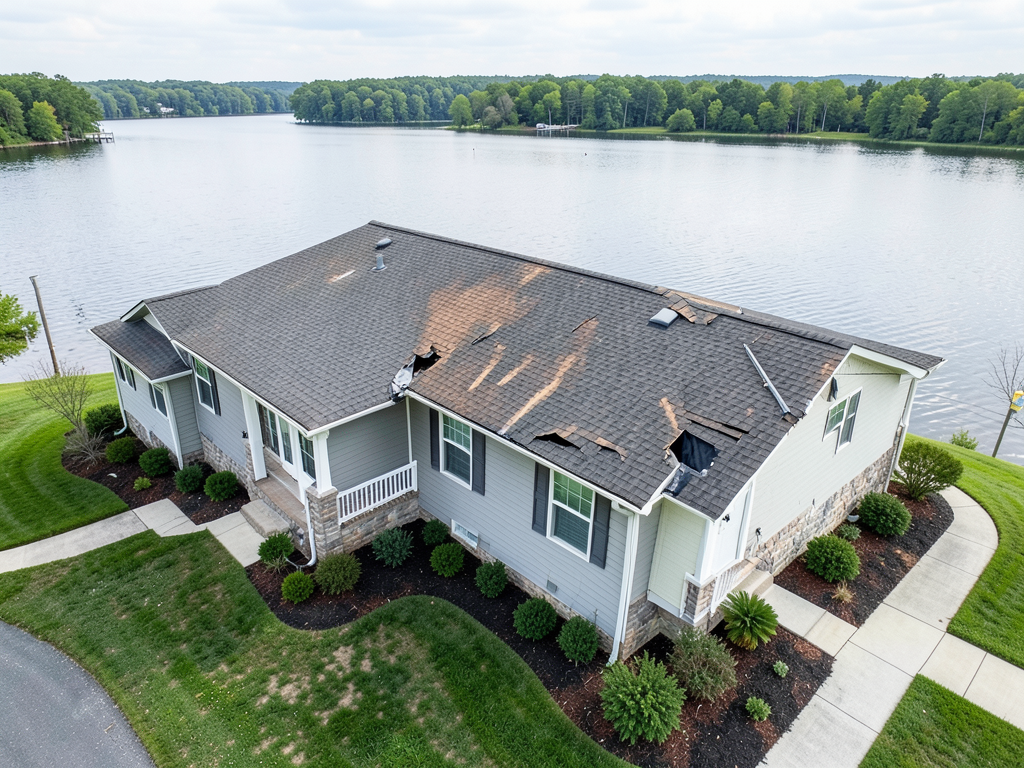
Wind doesn’t just blow over your roof—it gets underneath it. The physics of wind uplift become dramatically more severe near large bodies of water. As wind speeds increase over open water, they create areas of low pressure that literally try to lift your roofing system off the structure. For homes in the Brookstone and Bentwater communities along Lake Allatoona, this means standard installation methods often fall short of what’s needed to keep your roof intact during Georgia’s frequent severe weather events.
The National Roofing Contractors Association (NRCA) specifies that wind uplift requirements increase by one full wind zone classification for properties within 1,500 feet of open water. That’s not a suggestion—it’s a critical safety standard. Homes in Acworth’s lakefront developments like Centennial Lakes need enhanced fastening systems, with six nails per shingle instead of the standard four, and upgraded starter strips that prevent wind from getting underneath the first row of shingles. National Roofing Contractors Association wind uplift standards.
During a typical Georgia summer thunderstorm, wind speeds near Lake Allatoona can spike to 60-70 mph, creating uplift pressures of up to 30 pounds per square foot on your roof surface. That’s the equivalent of a linebacker jumping on every square foot of your roof simultaneously. Without proper reinforcement, those forces can peel back entire sections of roofing, starting at the corners and edges where wind finds the weakest points.
Moisture Management in High-Humidity Environments

Acworth’s proximity to Lake Allatoona creates a microclimate with humidity levels that consistently run 10-15% higher than Atlanta’s northern suburbs. This constant moisture exposure doesn’t just make summer days feel oppressive—it attacks your roofing system from multiple angles. The Georgia State Minimum Standard Residential Code requires enhanced underlayment in high-humidity zones, specifically addressing the accelerated deterioration that occurs when roofing materials stay damp for extended periods.
Traditional felt underlayment absorbs moisture like a sponge, creating the perfect environment for wood rot in your roof deck. Modern synthetic underlayments, while more expensive upfront, provide a critical moisture barrier that can extend your roof’s lifespan by 5-7 years in lakefront conditions. The Cobb County building department has documented that homes near Lake Allatoona experience wood deck deterioration at rates 40% faster than similar homes just two miles inland. Cobb County building code requirements.
Algae and moss growth represent another unique challenge for Acworth lakefront properties. The combination of shade from mature trees, constant humidity, and airborne spores from the lake creates ideal conditions for biological growth on north-facing roof slopes. This isn’t just an aesthetic issue—algae retain moisture against your shingles, accelerating granule loss and reducing the material’s ability to reflect heat. The dark streaks you see aren’t dirt; they’re colonies of Gloeocapsa magma, a cyanobacteria that feeds on the limestone filler in asphalt shingles.
Building Code Requirements for Waterfront Properties
Georgia’s building codes recognize that waterfront properties face extraordinary risks during storm events. The International Residential Code, as adopted with Georgia amendments, includes specific provisions for structures within designated flood zones and high-wind areas. For Acworth properties along Lake Allatoona, this means enhanced fastening requirements, specialized flashing details, and mandatory impact-resistant materials in certain zones.
The Cobb County permitting office maintains a wind speed map that shows how requirements change based on proximity to the lake. Properties in the 30101 zip code within 1,000 feet of the shoreline must meet Zone 3 wind requirements, which mandate enhanced fastening patterns and specific material ratings. This isn’t optional—permits won’t be issued without documentation showing compliance with these enhanced standards.
Flashing details represent another critical code compliance area that many contractors overlook. The constant expansion and contraction caused by temperature swings near the lake creates movement in roof joints that inland homes don’t experience. Georgia code Section R905.2.5.1 requires additional flashing reinforcement at all roof penetrations for waterfront properties, specifically addressing the increased risk of water infiltration from wind-driven rain.
Material Selection for Lakefront Durability
Not all roofing materials perform equally in waterfront environments. The constant moisture, UV exposure, and wind pressures create a perfect storm that quickly exposes material weaknesses. Asphalt shingles with algae-resistant coatings and enhanced wind ratings become essential, not optional, for Acworth lakefront homes. The difference in performance between standard and enhanced materials often becomes apparent within the first three years of installation.
Metal roofing offers superior performance in lakefront conditions but requires specific installation techniques to prevent galvanic corrosion from lake mist exposure. The key is using materials with appropriate protective coatings and ensuring proper separation between dissimilar metals. Many Acworth homeowners don’t realize that standard aluminum flashing can corrode within five years when exposed to constant lake moisture, while marine-grade stainless steel or copper can last 50+ years under the same conditions.
Impact-resistant shingles rated for Class 4 hail protection provide another layer of defense specific to North Georgia’s weather patterns. The area around Lake Allatoona sees more frequent hail events than inland portions of Cobb County, with stones large enough to damage standard shingles occurring 2-3 times per year on average. The additional cost of impact-resistant materials typically pays for itself within 8-10 years through reduced repair needs and potential insurance premium discounts.
Maintenance Requirements for Waterfront Roofs
Lakefront roofs require a maintenance schedule that’s 30-40% more frequent than inland properties. The constant exposure to moisture means debris doesn’t just sit on your roof—it becomes a growing medium for biological organisms that accelerate material deterioration. Pine needles from the abundant Georgia pines, combined with lake mist and humidity, create ideal conditions for moss and algae growth that can halve your roof’s expected lifespan if left untreated.
Annual professional inspections become critical for lakefront properties. The subtle signs of moisture intrusion—slight discoloration in decking, minor lifting at shingle edges, or the beginning of algae streaks—are much easier to address when caught early. Many Acworth homeowners wait until they see water stains on their ceilings, but by that point, damage to the roof deck and insulation has often progressed beyond simple repair.
Gutter systems face extraordinary demands near Lake Allatoona. The combination of pine needles, oak leaves, and constant moisture means gutters clog 2-3 times faster than in inland neighborhoods. Proper gutter maintenance isn’t just about preventing water overflow—it’s about ensuring that wind-driven rain during storms has a clear path away from your home’s foundation. Many lakefront properties in Acworth’s older developments were built with undersized gutter systems that simply can’t handle the volume of water during Georgia’s intense summer thunderstorms.
Insurance Considerations for Lakefront Properties
Homeowners insurance for lakefront properties in Acworth comes with unique considerations that many owners don’t discover until after damage occurs. Standard policies often have specific exclusions for wind damage in high-risk zones, and the proximity to Lake Allatoona places many homes in these elevated risk categories. Understanding your coverage limitations before storm season arrives can mean the difference between a quick repair and a lengthy claims battle.
Many insurance companies now require documentation of enhanced wind mitigation features for lakefront properties. This includes proof of upgraded fastening systems, impact-resistant materials, and proper flashing installation. Without this documentation, claims for wind damage may be denied or coverage limits significantly reduced. The cost of a professional wind mitigation inspection typically runs $200-300 but can save thousands in uncovered damage over the life of your policy.
Claims processes for lakefront properties often involve additional scrutiny due to the higher claim frequency in these areas. Insurance adjusters look specifically for signs of deferred maintenance or installation shortcuts that might void coverage. Having detailed maintenance records and documentation of all repairs becomes crucial when filing claims. Many Acworth homeowners find that investing in enhanced protection systems not only prevents damage but also results in lower premiums through insurance company discounts for wind mitigation features.
Emergency Response for Lakefront Storm Damage
When severe weather strikes Lake Allatoona, the damage patterns differ significantly from inland properties. Wind-driven rain finds vulnerabilities that standard rain wouldn’t reach, and the higher wind speeds mean damage occurs more rapidly and extensively. Emergency tarping and temporary repairs require specific techniques that account for the unique stresses on lakefront roofing systems. Who to Call for Urgent Emergency Roof Repairs in Buckhead.
The first 24 hours after storm damage are critical for preventing secondary damage from water infiltration. Many Acworth lakefront homeowners make the mistake of waiting to see if leaks appear, but by that time, water has often already compromised insulation and interior finishes. Professional emergency services understand that waterfront properties need immediate attention, not just to stop active leaks but to prevent the accelerated deterioration that occurs when moisture remains trapped in roofing systems. Chimney Leak Emergency Repair.
Emergency response teams familiar with Lake Allatoona’s specific challenges know to check for damage patterns unique to waterfront properties. This includes looking for lifted shingles at the roof edges where wind uplift is strongest, checking flashing details that may have been compromised by the constant movement from temperature swings, and inspecting for signs of algae growth that indicates moisture retention problems that could worsen existing damage.
Cost-Benefit Analysis of Enhanced Protection
The upfront cost of enhanced storm protection for lakefront properties typically runs 15-25% higher than standard roofing installations. However, when you factor in the extended lifespan, reduced maintenance costs, and potential insurance savings, the total cost of ownership often proves lower over a 20-year period. For many Acworth homeowners, the decision isn’t whether they can afford enhanced protection, but whether they can afford not to have it.
Energy efficiency represents another often-overlooked benefit of proper lakefront roofing systems. The enhanced ventilation and reflective materials required for wind resistance also improve your home’s thermal performance. Homes near Lake Allatoona experience some of the highest cooling costs in Cobb County due to the combination of heat and humidity. A properly designed roofing system can reduce cooling costs by 15-20%, providing annual savings that offset a portion of the enhanced installation costs. Attic Ventilation Systems.
Property value considerations also factor into the decision. Real estate appraisers in Acworth have documented that homes with enhanced storm protection systems and documented maintenance records command premium prices compared to similar properties with standard roofing. Buyers in the lakefront market understand the value of reduced maintenance and insurance costs, making enhanced protection a selling point rather than just an expense.
Finding Qualified Contractors for Lakefront Work
Not all roofing contractors have experience with the unique challenges of lakefront properties. The combination of enhanced code requirements, specialized materials, and the need for precise installation techniques means that choosing the right contractor becomes crucial. Many homeowners make the mistake of selecting based on price alone, only to discover that the cheapest bid often means the contractor lacks the specific expertise needed for waterfront work.
Look for contractors who demonstrate specific experience with Lake Allatoona properties and can provide references from similar projects in the Brookstone, Bentwater, or Centennial Lakes communities. Ask about their familiarity with Cobb County’s enhanced wind requirements and their experience with the specific materials best suited for high-humidity environments. A qualified contractor should be able to explain the differences between standard and enhanced installation methods without prompting.
Insurance and licensing requirements also become more critical for lakefront work. The enhanced liability and the potential for more extensive damage mean that contractors need higher insurance coverage limits. Verify that your contractor carries appropriate insurance and that their licenses are current with the Georgia Secretary of State. Many lakefront homeowners have learned the hard way that hiring uninsured contractors can leave them financially responsible for accidents or damage that occurs during installation.
Future-Proofing Your Lakefront Investment
Climate patterns in North Georgia continue to evolve, with severe weather events becoming more frequent and intense. The National Weather Service has documented increasing wind speeds and rainfall rates in the Lake Allatoona watershed over the past decade. This trend makes future-proofing your roofing system not just a matter of current protection but of long-term resilience against increasingly severe weather patterns.
Smart technology integration represents an emerging trend in lakefront roofing systems. Moisture sensors, wind monitors, and even drone inspection capabilities allow homeowners to detect problems before they become visible damage. While these technologies add upfront costs, they provide early warning of issues that could otherwise lead to extensive repairs. Many Acworth homeowners are discovering that the peace of mind from real-time monitoring justifies the additional investment.
The key to successful lakefront roofing isn’t just about surviving the next storm—it’s about creating a system that performs reliably for 20-30 years while requiring minimal maintenance. This means selecting materials and installation methods that account for the specific challenges of waterfront living: enhanced wind resistance, superior moisture management, and resistance to the biological growth that thrives in Acworth’s humid climate. When properly executed, these systems provide not just protection but also energy efficiency and long-term value that extends far beyond basic storm resistance.
Frequently Asked Questions
How much more does enhanced storm protection cost for lakefront homes?
Enhanced storm protection for lakefront properties typically costs 15-25% more than standard installations. This includes upgraded underlayment, enhanced fastening systems, impact-resistant materials, and specialized flashing details required by Cobb County codes for waterfront properties.
What building code requirements are specific to Acworth lakefront properties?
Homes within 1,500 feet of Lake Allatoona must meet enhanced wind zone requirements, including six nails per shingle instead of four, upgraded starter strips, and enhanced flashing at all roof penetrations. The Cobb County permitting office maintains specific wind speed maps that determine exact requirements based on proximity to the lake.
How often should I have my lakefront roof inspected?
Lakefront roofs should be professionally inspected annually, with additional checks after severe weather events. The constant moisture exposure and wind stresses mean problems can develop more rapidly than in inland properties. Early detection of issues like lifted shingles or moisture intrusion can prevent costly repairs.
Can I get insurance discounts for enhanced storm protection?
Many insurance companies offer premium discounts of 5-15% for homes with documented wind mitigation features. This includes impact-resistant shingles, enhanced fastening systems, and proper flashing installation. Some companies also provide discounts for annual professional inspections and maintenance records.
What are the signs my lakefront roof needs replacement?
Signs include frequent shingle granule loss, visible algae or moss growth, lifted or curling shingles at the edges, water stains on interior ceilings, and decking that feels soft when walked on. For lakefront properties, the presence of any of these issues often indicates more extensive underlying damage due to moisture exposure.
- Assessment and Planning
Have a qualified contractor evaluate your current roofing system, focusing on wind uplift resistance, moisture barriers, and compliance with Cobb County’s enhanced requirements for waterfront properties.
- Material Selection
Choose impact-resistant shingles rated for high-wind zones, enhanced synthetic underlayment, and marine-grade flashing materials designed to withstand constant moisture exposure and temperature fluctuations.
- Professional Installation
Ensure installation follows NRCA guidelines for waterfront properties, including enhanced fastening patterns, proper starter strip installation, and comprehensive flashing details that account for thermal movement.
- Regular Maintenance
Schedule annual professional inspections, clean gutters quarterly due to pine needle accumulation, and address any signs of biological growth or moisture retention immediately to prevent accelerated deterioration.
- Documentation and Insurance
Maintain detailed records of all work performed, including material specifications and installation methods, to support insurance claims and potentially qualify for premium discounts on your homeowners policy.
Living on the shores of Lake Allatoona means accepting both the beauty and the challenges that come with waterfront property ownership. Your roof serves as the first line of defense against the unique storm risks that lakefront homes face, from enhanced wind uplift pressures to constant moisture exposure. Understanding these challenges and investing in proper protection isn’t just about preventing damage—it’s about preserving your home’s value and ensuring your family’s safety during Georgia’s severe weather events.
The difference between a standard roofing installation and one designed specifically for lakefront conditions can mean years of extended service life, thousands in prevented damage, and the peace of mind that comes from knowing your home is prepared for whatever storms may come. Don’t wait until the next severe weather event to discover whether your roof can handle the unique stresses of waterfront living.
Call (770) 610-9366 today to schedule your lakefront roof assessment. Our team understands the specific challenges that Acworth’s waterfront properties face and can design a protection system that’s built to last. Whether you need emergency repairs after storm damage or want to upgrade your existing roof with enhanced protection features, we’re here to help you make the right choice for your home and your family’s safety.
Pick up the phone and call (770) 610-9366 before the next storm hits. Your lakefront home deserves protection that’s as strong as the views are beautiful.
{
“@context”: “https://schema.org”,
“@type”: “BlogPosting”,
“headline”: “Why Lakefront Homes in Acworth Require Specific Storm Protection”,
“description”: “Lakefront properties in Acworth face unique storm risks. Learn how wind patterns, humidity, and building codes impact roof protection for homes near Lake Allatoona.”,
“wordCount”: 2944,
“datePublished”: “2026-04-18T13:44:00.000Z”,
“dateModified”: “2026-04-18T13:44:00.000Z”,
“inLanguage”: “en-US”,
“mainEntityOfPage”: {
“@type”: “WebPage”,
“@id”: “https://firstchoiceroofingatlanta.com”
},
“publisher”: {
“@type”: “LocalBusiness”,
“name”: “First Choice Roofing Atlanta”,
“url”: “https://firstchoiceroofingatlanta.com”
},
“author”: {
“@type”: “Organization”,
“name”: “First Choice Roofing Atlanta”,
“url”: “https://firstchoiceroofingatlanta.com”
},
“image”: {
“@type”: “ImageObject”,
“url”: “https://firstchoiceroofingatlanta.com/wp-content/uploads/2026/03/why-lakefront-homes-in-acworth-require-specific-st-1.png”
}
}
{
“@context”: “https://schema.org”,
“@type”: “RoofingContractor”,
“name”: “First Choice Roofing Atlanta”,
“url”: “https://firstchoiceroofingatlanta.com”,
“address”: {
“@type”: “PostalAddress”,
“addressLocality”: “Atlanta”
},
“areaServed”: {
“@type”: “City”,
“name”: “Atlanta”
}
}
{
“@context”: “https://schema.org”,
“@type”: “FAQPage”,
“mainEntity”: [
{
“@type”: “Question”,
“name”: “How much more does enhanced storm protection cost for lakefront homes?”,
“acceptedAnswer”: {
“@type”: “Answer”,
“text”: “Enhanced storm protection for lakefront properties typically costs 15-25% more than standard installations. This includes upgraded underlayment, enhanced fastening systems, impact-resistant materials, and specialized flashing details required by Cobb County codes for waterfront properties.”
}
},
{
“@type”: “Question”,
“name”: “What building code requirements are specific to Acworth lakefront properties?”,
“acceptedAnswer”: {
“@type”: “Answer”,
“text”: “Homes within 1,500 feet of Lake Allatoona must meet enhanced wind zone requirements, including six nails per shingle instead of four, upgraded starter strips, and enhanced flashing at all roof penetrations. The Cobb County permitting office maintains specific wind speed maps that determine exact requirements based on proximity to the lake.”
}
},
{
“@type”: “Question”,
“name”: “How often should I have my lakefront roof inspected?”,
“acceptedAnswer”: {
“@type”: “Answer”,
“text”: “Lakefront roofs should be professionally inspected annually, with additional checks after severe weather events. The constant moisture exposure and wind stresses mean problems can develop more rapidly than in inland properties. Early detection of issues like lifted shingles or moisture intrusion can prevent costly repairs.”
}
},
{
“@type”: “Question”,
“name”: “Can I get insurance discounts for enhanced storm protection?”,
“acceptedAnswer”: {
“@type”: “Answer”,
“text”: “Many insurance companies offer premium discounts of 5-15% for homes with documented wind mitigation features. This includes impact-resistant shingles, enhanced fastening systems, and proper flashing installation. Some companies also provide discounts for annual professional inspections and maintenance records.”
}
},
{
“@type”: “Question”,
“name”: “What are the signs my lakefront roof needs replacement?”,
“acceptedAnswer”: {
“@type”: “Answer”,
“text”: “Signs include frequent shingle granule loss, visible algae or moss growth, lifted or curling shingles at the edges, water stains on interior ceilings, and decking that feels soft when walked on. For lakefront properties, the presence of any of these issues often indicates more extensive underlying damage due to moisture exposure.”
}
}
]
}
{
“@context”: “https://schema.org”,
“@type”: “HowTo”,
“name”: “Steps to Protect Your Lakefront Roof”,
“step”: [
{
“@type”: “HowToStep”,
“position”: 1,
“name”: “Assessment and Planning”,
“text”: “Have a qualified contractor evaluate your current roofing system, focusing on wind uplift resistance, moisture barriers, and compliance with Cobb County’s enhanced requirements for waterfront properties.”
},
{
“@type”: “HowToStep”,
“position”: 2,
“name”: “Material Selection”,
“text”: “Choose impact-resistant shingles rated for high-wind zones, enhanced synthetic underlayment, and marine-grade flashing materials designed to withstand constant moisture exposure and temperature fluctuations.”
},
{
“@type”: “HowToStep”,
“position”: 3,
“name”: “Professional Installation”,
“text”: “Ensure installation follows NRCA guidelines for waterfront properties, including enhanced fastening patterns, proper starter strip installation, and comprehensive flashing details that account for thermal movement.”
},
{
“@type”: “HowToStep”,
“position”: 4,
“name”: “Regular Maintenance”,
“text”: “Schedule annual professional inspections, clean gutters quarterly due to pine needle accumulation, and address any signs of biological growth or moisture retention immediately to prevent accelerated deterioration.”
},
{
“@type”: “HowToStep”,
“position”: 5,
“name”: “Documentation and Insurance”,
“text”: “Maintain detailed records of all work performed, including material specifications and installation methods, to support insurance claims and potentially qualify for premium discounts on your homeowners policy.”
}
],
“image”: “https://firstchoiceroofingatlanta.com/wp-content/uploads/2026/03/why-lakefront-homes-in-acworth-require-specific-st-1.png”
}
{
“@context”: “https://schema.org”,
“@type”: “BreadcrumbList”,
“itemListElement”: [
{
“@type”: “ListItem”,
“position”: 1,
“name”: “Home”,
“item”: “https://firstchoiceroofingatlanta.com”
},
{
“@type”: “ListItem”,
“position”: 2,
“name”: “Blog”,
“item”: “https://firstchoiceroofingatlanta.com/blog”
},
{
“@type”: “ListItem”,
“position”: 3,
“name”: “Why Lakefront Homes in Acworth Require Specific Storm Protection”
}
]
}
{
“@context”: “https://schema.org”,
“@type”: “Service”,
“serviceType”: “Roofing”,
“provider”: {
“@type”: “LocalBusiness”,
“name”: “First Choice Roofing Atlanta”,
“url”: “https://firstchoiceroofingatlanta.com”
},
“areaServed”: {
“@type”: “City”,
“name”: “Atlanta”
},
“description”: “Lakefront properties in Acworth face unique storm risks. Learn how wind patterns, humidity, and building codes impact roof protection for homes near Lake Allatoona.”
}