




Smyrna sits in the humid subtropical zone where roofs face relentless challenges year-round. Summer heat exceeds 95 degrees, baking asphalt shingles and causing thermal expansion that loosens fasteners. Humidity averages 70 percent, creating conditions for algae growth, moss retention, and accelerated wood rot in roof decking. Afternoon thunderstorms bring wind gusts over 60 mph that tear off shingles and drive rain under damaged flashing.
The area's dense pine coverage drops acidic needles that trap moisture and clog valleys, creating standing water that seeps through vulnerable points. Winter freeze-thaw cycles, though mild compared to northern states, still cause ice damming in poorly ventilated attics. Smyrna's red clay soil shifts with moisture changes, stressing roof structures on homes near the Chattahoochee River corridor.
Homes in established neighborhoods like Belmont Hills and Vinings feature mature trees that scrape shingles during windstorms and drop heavy limbs that puncture roofing materials. The mix of 1970s ranch homes and newer construction means roofs of varying ages and quality face identical weather stress. Proper installation following IRC R905 standards and regular maintenance are the only defenses against Georgia's climate assault on roofing systems.
First Choice Roofing Atlanta has built a reputation across Smyrna by showing up fast and fixing roofs right the first time. When storms hit and water pours through your ceiling, you need a crew that answers the phone and arrives within hours, not days. We maintain emergency response capability seven days a week because roof leaks don't wait for business hours.
Our approach differs from volume contractors who rush through jobs to hit quotas. We assign the same project manager to your job from inspection through final cleanup. This person coordinates with your insurance adjuster, orders materials specific to your roof design, and supervises installation to ensure every shingle gets nailed to manufacturer specifications. You get one point of contact who knows your property and takes responsibility for the outcome.
We only install roofing systems rated for Georgia's climate zone. That means impact-resistant shingles rated for wind speeds up to 130 mph, not builder-grade materials that fail in the first major storm. Our ventilation calculations follow ASHRAE standards to prevent moisture buildup that rots decking from the inside. We use ice and water shield in valleys and around penetrations even though code doesn't require it, because we know where Smyrna roofs fail.
Every crew member carries OSHA certification and workers compensation coverage. We pull permits for all roof replacements and schedule inspections with Cobb County building officials. When we finish, you receive documentation that protects your home's resale value and ensures insurance coverage remains valid. That level of thoroughness costs slightly more upfront but saves thousands in prevented callbacks and denied claims.

We dispatch crews within two hours for active leaks and storm damage across Smyrna. Our trucks carry tarps, fasteners, and patching materials to stop water intrusion immediately. Emergency service includes temporary weatherproofing while we order materials and coordinate permanent repairs with your schedule and insurance timeline.

Our project managers document damage with the same software insurance adjusters use. We photograph every affected area, measure square footage accurately, and itemize repairs to match policy language. This preparation means faster approvals and full compensation for covered damage. We handle supplement requests when adjusters miss hidden issues during initial inspections.
First Choice Roofing Atlanta holds certifications from GAF, Owens Corning, and CertainTeed. These credentials require proven installation quality and allow us to offer extended warranties that cover materials and workmanship for up to 50 years. Certified status also gives us priority access to materials during shortage periods after major storms.
We navigate Cobb County permit requirements and understand which HOAs in Smyrna restrict shingle colors or architectural styles. Our familiarity with local inspectors prevents delays and ensures your project passes review on the first attempt. This local expertise matters when you're living under a damaged roof and need repairs completed quickly.
First Choice Roofing Atlanta handles everything from emergency leak repair to complete roof replacement across residential and commercial properties in Smyrna. Our service range covers steep-slope residential roofing, low-slope commercial systems, and specialized repairs for older homes with unique architectural features.
We break our offerings into three main categories based on urgency and scope. Emergency repair services address active leaks and storm damage requiring immediate response. Replacement and upgrade projects involve removing failed roofing systems and installing new materials with enhanced durability. Maintenance and inspection services prevent small issues from becoming expensive failures.
Each service category includes detailed assessment of underlying structure, not just surface materials. We inspect attic ventilation, examine decking for water damage, check flashing around chimneys and skylights, and verify proper drip edge installation. This comprehensive approach catches problems other contractors miss and ensures repairs last for decades rather than just passing inspection.
Our residential roofing specialists understand the difference between three-tab shingles, architectural shingles, and premium impact-resistant products. We explain tradeoffs between material costs and long-term performance so you make informed decisions. Commercial clients receive flat roof solutions including TPO, EPDM, and modified bitumen systems appropriate for Georgia's climate and their building use.
When wind tears shingles off your roof or tree limbs puncture your decking, water enters your home and causes damage by the hour. Our emergency crews arrive quickly to tarp exposed areas, patch holes, and stop water intrusion. We secure loose materials, document damage for insurance claims, and provide temporary weatherproofing that holds until permanent repairs begin. Emergency service includes night and weekend availability because roof failures don't follow business schedules.
When your roof reaches the end of its service life or sustains damage beyond repair, complete replacement provides the most reliable solution. We remove all existing materials down to the decking, replace damaged wood, install proper underlayment and ice barriers, then apply new shingles according to manufacturer specifications. Replacement projects include upgraded ventilation systems, new flashing around all penetrations, and warranties covering both materials and installation quality.
Regular maintenance catches small problems before they require expensive repairs. Our inspection service examines shingles for granule loss, checks flashing for separation, clears debris from valleys, and identifies areas where water might penetrate. We provide written reports with photos documenting current condition and recommended repairs. Minor fixes like replacing damaged shingles, resealing flashing, or clearing blocked soffit vents prevent major failures and extend your roof's service life.
Smyrna's combination of severe weather, dense tree coverage, and aging housing stock creates predictable roofing failures. Understanding these common problems helps homeowners recognize damage early and prevent minor issues from becoming structural emergencies.
Storm damage leads our call volume, especially after spring thunderstorms and summer wind events. High winds peel back shingles starting at roof edges and ridges where fasteners face the greatest stress. Hail dents impact-resistant shingles and cracks standard three-tab products, creating entry points for water. Tree limbs fall during storms, punching holes through sheathing and requiring immediate emergency repairs.
Moisture-related failures develop more slowly but cause extensive damage. Poor attic ventilation traps heat and humidity, cooking shingles from underneath and causing premature failure. Clogged gutters overflow during heavy rain, sending water under shingles and rotting fascia boards. Algae growth on north-facing slopes holds moisture against shingles and accelerates deterioration. These problems compound over time, turning minor maintenance issues into full replacement projects.
Homes built before 2000 often lack proper installation details that modern codes require. Missing drip edge allows water to wick behind fascia. Inadequate flashing around chimneys creates leak points. Insufficient attic insulation causes ice damming during rare winter freezes. Addressing these deficiencies during repairs prevents repeat failures.
Georgia thunderstorms produce straight-line winds exceeding 60 mph that tear improperly fastened shingles from roofs. Missing shingles expose underlayment to UV damage and allow water to saturate decking. Wind damage typically starts at edges and spreads across larger areas during subsequent storms. Immediate replacement of missing shingles prevents accelerating damage to surrounding materials.
The junction between roofing materials and chimneys creates a vulnerable transition point where different materials expand at different rates. Improper flashing installation or degraded sealants allow water to enter behind shingles and rot wood framing. Chimney leaks often go undetected until water stains appear on interior ceilings. Proper step flashing and counterflashing installation stops water at the source.
Inadequate airflow through attic spaces traps heat and moisture that damages roofing materials from below. Summer temperatures in poorly ventilated attics exceed 150 degrees, baking shingles and shortening their service life by years. Winter moisture condensation rots decking and grows mold on framing. Proper soffit intake and ridge exhaust ventilation protects your investment and reduces cooling costs.
Roof valleys channel water from large surface areas toward gutters. Pine needles, leaves, and debris accumulate in valleys and create dams that force water under shingles. Valley leaks often appear far from the actual failure point as water travels along rafters before dripping through ceilings. Regular debris removal and proper valley flashing installation prevent this common failure mode.
We know roofing projects create stress and disruption. Our process focuses on clear communication, realistic timelines, and protecting your property throughout the work. From your first call through final cleanup, you'll know what's happening and when to expect completion.
Every project starts with thorough inspection and written documentation. We don't provide estimates over the phone because roof problems require direct examination. Our project manager climbs onto your roof, photographs damage, measures affected areas, and checks for underlying issues. You receive a detailed proposal explaining what needs repair, why specific materials work best for your situation, and how long the work will take.
During installation, we assign the same crew to your project from start to finish. This consistency ensures quality control and allows workers to develop familiarity with your property's unique features. Our crews arrive on time, protect landscaping with tarps, and use magnetic sweeps to collect nails from your yard. We coordinate material deliveries to minimize storage time on your property and remove debris daily rather than letting it accumulate.
After completion, we walk your property with you to verify satisfaction and explain warranty coverage. You receive documentation showing permit approval, inspection passage, and manufacturer warranty registration. Our relationship doesn't end when we collect payment. We respond to questions and address concerns because our reputation depends on long-term customer satisfaction.
Your project manager provides a cell phone number and responds to calls and texts within two hours during business days. We send daily updates when work progresses and explain any delays caused by weather or material availability. You'll never wonder about project status or struggle to reach someone with authority to answer questions. We coordinate with you for property access and notify you before crews arrive each morning.
We provide honest completion estimates based on current workload and material availability. Most residential roof replacements take two to three days depending on size and complexity. Repairs often complete in one day. We account for weather delays and inspection scheduling in our timelines. Rush jobs compromise quality, so we schedule appropriately and stick to committed dates rather than overpromising and disappointing customers.
Every completed roof undergoes final inspection by our quality control supervisor before we request your approval. We verify proper fastener placement, check flashing installation, confirm ventilation function, and ensure clean job site conditions. You receive warranty documentation covering materials and workmanship. Manufacturer warranties extend up to 50 years on premium products. Our workmanship guarantee covers installation defects for a minimum of five years on all projects.
We've refined our process to eliminate confusion and deliver consistent results. These three steps take you from initial damage to protected home with minimal disruption.
Your project manager schedules a property inspection at your convenience. We examine your roof from ground level and climb up to inspect damage directly. We photograph all affected areas, measure square footage, and check for hidden problems like decking rot or inadequate ventilation. You receive a written proposal explaining necessary repairs, material options, and timeline. For insurance claims, we document damage using industry-standard software that adjusters recognize and accept.
Once you approve the proposal and we secure permits, our crew arrives on the scheduled date to begin work. We protect your property with tarps and magnetic nail sweeps. Tear-off proceeds systematically to minimize exposure time. New materials get installed following manufacturer specifications for fastener placement, overlap, and sealing. We clean debris daily and maintain safe working conditions. Your project manager visits the site daily to verify quality and address any concerns.
After installation completes, we schedule required inspections with Cobb County building officials. We don't request final payment until your roof passes inspection and you approve the finished work. Our final walkthrough includes reviewing warranty coverage, providing maintenance recommendations, and answering questions about your new roof. You receive all permit documentation, inspection certificates, and warranty registration for your records.
Professional roofing in Smyrna requires more than nailing shingles to plywood. Proper installation follows International Residential Code section R905, Georgia state amendments, and Cobb County local requirements. These standards exist because roofs that don't meet specifications fail prematurely and endanger occupants.
Wind resistance ratings matter in Georgia's storm climate. IRC requires shingles rated for 110 mph wind speeds in our area, but we recommend impact-resistant products rated to 130 mph for homes with mature trees or exposure to severe weather. Proper fastening requires four nails per shingle in the specified nail zone, not three nails placed randomly. Hand-sealing is required in high-wind areas and around all roof edges.
Underlayment selection affects performance in our humid climate. Asphalt-saturated felt has been replaced by synthetic materials that don't wrinkle, tear during installation, or degrade from moisture exposure. Ice and water shield must extend from roof edges back at least 24 inches past interior wall lines to prevent ice damming damage. We install it in all valleys and around penetrations even though code only requires edge protection.
Ventilation calculations follow specific formulas based on attic square footage. Minimum net free area requires one square foot of ventilation per 150 square feet of attic space when using balanced intake and exhaust. Soffit vents provide intake air while ridge vents or powered exhausts remove hot, moist air. Inadequate ventilation voids most shingle warranties and causes premature failure.
Flashing details determine whether vulnerable transitions remain waterproof for decades or leak within years. Step flashing at wall intersections must extend under siding and over shingles with proper overlap. Chimney counterflashing gets embedded in mortar joints and laps over step flashing. Valley flashing options include woven, closed-cut, or open metal valleys depending on roof pitch and aesthetic preference. Each method has specific installation requirements.
Permits are required for all roof replacements in Smyrna and for repairs exceeding 25 percent of roof area. Inspections verify proper installation before final approval. Contractors who skip permits to save money expose homeowners to code violations, insurance claim denials, and resale complications.
Shingle manufacturers specify nail placement in the nail zone, typically 5.5 to 6 inches from the bottom edge. Four fasteners per shingle provide wind resistance, with six required in high-wind zones. Nails must penetrate decking by three-quarters of an inch. Overdriven fasteners tear shingle material. Underdriven fasteners allow wind to lift shingles. Proper pneumatic nailer adjustment and crew training ensure correct installation.
Shingle weights range from 200 pounds per square for basic three-tab products to 430 pounds for premium architectural styles. Heavier shingles contain more asphalt and granules, providing better weather protection and longer life. Manufacturer warranties vary from 25 years for builder-grade materials to lifetime coverage for premium products. Warranty validity requires proper installation by certified contractors and adequate attic ventilation.
Complete roof replacement on an average 2,000 square foot home takes two to three days in good weather. Day one involves tear-off and decking inspection. Day two covers underlayment and shingle installation. Day three completes detail work, cleanup, and final inspection. Complex roofs with multiple valleys, dormers, or steep pitches require additional time. Weather delays are common during summer storm season.
Cobb County requires permits for roof replacements and major repairs. Applications include contractor license verification, proof of insurance, and project scope details. Inspections verify proper installation before final approval. Permit fees typically run 150 to 300 dollars depending on project size. Working without permits risks stop-work orders, fines, and insurance claim complications. Homeowners should verify their contractor pulls proper permits.
First Choice Roofing Atlanta explains professional roofing standards for Smyrna, Georgia homeowners. This video covers emergency roof repair response, storm damage assessment, insurance claim documentation, and complete roof replacement processes. Learn about proper installation techniques, material selection for Georgia climate, and code compliance requirements in Cobb County. Topics include wind resistance ratings, ventilation standards, flashing details, and warranty coverage for residential roofing projects across Smyrna neighborhoods.
First Choice Roofing Atlanta maintains full service coverage throughout Smyrna and the greater Cobb County area. Our central location allows rapid response to neighborhoods on both sides of Interstate 285, from established communities near the Chattahoochee River to newer developments along South Cobb Drive.
We serve residents in Vinings, where older homes feature steep-pitched roofs and mature tree coverage that creates unique maintenance challenges. The historic character of this area requires careful material selection to maintain architectural authenticity while providing modern weather protection. Our crews understand how to work around the large oaks and pines common to Vinings properties.
The Belmont Hills neighborhood presents different challenges with its mix of 1970s ranch homes and recent renovations. Many properties in this area are reaching the 20 to 25 year point where original roofs need replacement. We help homeowners in Belmont Hills navigate insurance claims and select materials appropriate for their home's style and their budget.
East Smyrna areas along Concord Road and near the Silver Comet Trail feature newer construction with builder-grade roofing that often requires early replacement due to installation shortcuts. We frequently repair wind damage and flashing failures in these neighborhoods. Our proximity allows same-day emergency response when storms move through this corridor.
West Smyrna neighborhoods closer to Dobbins Air Reserve Base deal with additional stress from aircraft noise and vibration. While this doesn't directly damage roofs, it does accelerate fastener loosening on older installations. We inspect these properties carefully for vibration-related failures and recommend upgraded fastening schedules during replacements.
Our service area extends north into Mableton and south toward Austell, covering the full Smyrna zip code 30080 and surrounding communities. We maintain familiarity with HOA requirements throughout these areas and understand which subdivisions restrict shingle colors or architectural styles. This local knowledge prevents approval delays and ensures your new roof meets community standards.
Commercial properties along Atlanta Road and the Windy Hill corridor receive the same professional service as residential customers. We handle flat roof installations and repairs on retail buildings, office complexes, and industrial facilities throughout the Smyrna business district.
Smyrna roofing requires understanding local weather patterns and building codes. The area experiences hot summers, occasional severe storms, and temperature fluctuations that stress roofing materials. Asphalt shingles remain the most popular choice due to their balance of durability and affordability. Metal roofing gains popularity for its longevity and energy efficiency. Your roof should withstand wind speeds up to 110 mph and handle heavy rain. Local contractors understand these specific requirements. Get multiple quotes and verify credentials before hiring. Inspect your roof twice yearly to catch problems early. Most residential roofs in Smyrna last 15-25 years with proper maintenance.
Start by checking for visible damage like missing shingles, cracked flashing, or sagging areas. Look for water stains on your ceiling or walls inside your home. Granules from asphalt shingles accumulating in gutters signal wear. Your roof age matters significantly. Shingles older than 20 years often need replacement. Higher energy bills indicate poor insulation or ventilation. Call a professional for a thorough inspection if you spot any warning signs. Many contractors offer free inspections. They will assess structural integrity, identify leaks, and estimate remaining lifespan. Address small problems quickly to prevent expensive repairs later.
Timing depends on weather and contractor availability. Spring and fall offer ideal conditions with moderate temperatures and less rain. Summer work proceeds quickly but exposes your home during afternoon storms. Winter installations risk weather delays and material handling issues. Schedule your project 2-4 weeks in advance during peak season. Most residential roof replacements take 1-3 days. Repairs take less time. Avoid scheduling during forecasted severe weather. Emergency repairs happen year-round when needed. Book inspections early in the season before contractors get busy. Off-peak scheduling sometimes offers better availability and attention to your project.
Smyrna roofing requires understanding local weather patterns and building codes. The area experiences hot summers, occasional severe storms, and temperature fluctuations that stress roofing materials. Asphalt shingles remain the most popular choice due to their balance of durability and affordability. Metal roofing gains popularity for its longevity and energy efficiency. Your roof should withstand wind speeds up to 110 mph and handle heavy rain. Local contractors understand these specific requirements. Get multiple quotes and verify credentials before hiring. Inspect your roof twice yearly to catch problems early. Most residential roofs in Smyrna last 15-25 years with proper maintenance.
Start by checking for visible damage like missing shingles, cracked flashing, or sagging areas. Look for water stains on your ceiling or walls inside your home. Granules from asphalt shingles accumulating in gutters signal wear. Your roof age matters significantly. Shingles older than 20 years often need replacement. Higher energy bills indicate poor insulation or ventilation. Call a professional for a thorough inspection if you spot any warning signs. Many contractors offer free inspections. They will assess structural integrity, identify leaks, and estimate remaining lifespan. Address small problems quickly to prevent expensive repairs later.
Timing depends on weather and contractor availability. Spring and fall offer ideal conditions with moderate temperatures and less rain. Summer work proceeds quickly but exposes your home during afternoon storms. Winter installations risk weather delays and material handling issues. Schedule your project 2-4 weeks in advance during peak season. Most residential roof replacements take 1-3 days. Repairs take less time. Avoid scheduling during forecasted severe weather. Emergency repairs happen year-round when needed. Book inspections early in the season before contractors get busy. Off-peak scheduling sometimes offers better availability and attention to your project.
Asphalt shingles dominate Smyrna roofing for their affordability and 15-30 year lifespan. Architectural shingles offer better wind resistance than 3-tab versions. Metal roofing lasts 40-70 years and reflects heat, reducing cooling expenses. Clay and concrete tiles provide excellent durability but require stronger structural support. Slate offers premium longevity but comes with significant weight considerations. Your choice depends on your home structure, budget, and aesthetic preferences. Consider local climate when selecting materials. Wind-resistant options matter in storm-prone areas. Energy-efficient materials reduce long-term utility expenses. Consult professionals about what works best for your specific home.
Replacement involves complete removal of old materials down to the roof deck. This lets contractors inspect and repair underlying damage. Installation includes new underlayment, ice and water shield, and fresh shingles or chosen material. Repairs address specific damaged areas without full replacement. Choose replacement when damage exceeds 30% of your roof or age surpasses expected lifespan. Repairs work for isolated storm damage, small leaks, or minor wear. Replacing only damaged sections saves money short-term but creates mismatched appearance. Full replacement provides uniform protection and appearance. Your contractor will assess damage extent and recommend the appropriate solution.
Local contractors understand Smyrna building codes and permit requirements. They know which materials perform best in Georgia weather. Established businesses maintain reputations within the community. Look for contractors with physical local addresses, not just phone numbers. Check online reviews across multiple platforms. Ask neighbors for recommendations. Verify they carry proper credentials and coverage. Local companies respond faster for warranty issues or emergency repairs. They source materials from nearby suppliers, reducing delays. Supporting local businesses strengthens your community. Request references from recent projects in your neighborhood. Visit completed jobs to assess quality firsthand.
Clean gutters quarterly to prevent water backup and ice dams. Trim overhanging branches to reduce debris and prevent damage during storms. Inspect your roof after severe weather for missing shingles or damage. Remove moss and algae growth promptly to prevent material deterioration. Ensure proper attic ventilation to reduce heat and moisture buildup. Check flashing around chimneys, vents, and skylights for gaps or cracks. Schedule professional inspections every 2-3 years. Address minor issues immediately before they become major problems. Never pressure wash your roof, as this damages shingles. Replace worn pipe boots and vent covers when needed.
Expect noise during tear-off and installation phases. Protect fragile items inside your home from vibrations. Move vehicles away from the work area to prevent damage from falling debris. Cover plants and outdoor furniture near the house. Contractors will place tarps and magnetic rollers to collect nails. Plan for limited attic access during work. Keep pets and children away from the construction zone. Discuss daily work hours with your contractor beforehand. Most crews arrive early and work full days. Dumpsters and equipment will occupy your driveway. Communicate with neighbors about temporary disruptions.
Document damage with photos immediately after a storm. Contact your provider to file a claim promptly. Your adjuster will inspect the damage and provide an estimate. Get independent assessments from roofing contractors. Some companies offer free inspections and help with the claims process. Your policy typically covers sudden storm damage but excludes gradual wear. Deductibles apply to most claims. Keep all receipts and documentation. Work only with reputable contractors who document damage thoroughly. Beware of storm chasers who pressure quick decisions. Review your policy to understand coverage limits and exclusions before problems occur.
Most roofing materials come with manufacturer coverage for defects, typically 20-50 years depending on the product. This protects against manufacturing flaws, not installation errors or weather damage. Workmanship coverage from your contractor protects against installation mistakes, usually for 1-10 years. Read all agreements carefully before signing. Understand what each type covers and excludes. Registration requirements and transferability vary. Some coverage becomes void without proper maintenance or if unauthorized repairs occur. Keep all documentation organized. Schedule required inspections to maintain coverage. Choose contractors who stand behind their work with solid workmanship agreements.
Asphalt shingles dominate Smyrna roofing for their affordability and 15-30 year lifespan. Architectural shingles offer better wind resistance than 3-tab versions. Metal roofing lasts 40-70 years and reflects heat, reducing cooling expenses. Clay and concrete tiles provide excellent durability but require stronger structural support. Slate offers premium longevity but comes with significant weight considerations. Your choice depends on your home structure, budget, and aesthetic preferences. Consider local climate when selecting materials. Wind-resistant options matter in storm-prone areas. Energy-efficient materials reduce long-term utility expenses. Consult professionals about what works best for your specific home.
Replacement involves complete removal of old materials down to the roof deck. This lets contractors inspect and repair underlying damage. Installation includes new underlayment, ice and water shield, and fresh shingles or chosen material. Repairs address specific damaged areas without full replacement. Choose replacement when damage exceeds 30% of your roof or age surpasses expected lifespan. Repairs work for isolated storm damage, small leaks, or minor wear. Replacing only damaged sections saves money short-term but creates mismatched appearance. Full replacement provides uniform protection and appearance. Your contractor will assess damage extent and recommend the appropriate solution.
Local contractors understand Smyrna building codes and permit requirements. They know which materials perform best in Georgia weather. Established businesses maintain reputations within the community. Look for contractors with physical local addresses, not just phone numbers. Check online reviews across multiple platforms. Ask neighbors for recommendations. Verify they carry proper credentials and coverage. Local companies respond faster for warranty issues or emergency repairs. They source materials from nearby suppliers, reducing delays. Supporting local businesses strengthens your community. Request references from recent projects in your neighborhood. Visit completed jobs to assess quality firsthand.
Clean gutters quarterly to prevent water backup and ice dams. Trim overhanging branches to reduce debris and prevent damage during storms. Inspect your roof after severe weather for missing shingles or damage. Remove moss and algae growth promptly to prevent material deterioration. Ensure proper attic ventilation to reduce heat and moisture buildup. Check flashing around chimneys, vents, and skylights for gaps or cracks. Schedule professional inspections every 2-3 years. Address minor issues immediately before they become major problems. Never pressure wash your roof, as this damages shingles. Replace worn pipe boots and vent covers when needed.
Expect noise during tear-off and installation phases. Protect fragile items inside your home from vibrations. Move vehicles away from the work area to prevent damage from falling debris. Cover plants and outdoor furniture near the house. Contractors will place tarps and magnetic rollers to collect nails. Plan for limited attic access during work. Keep pets and children away from the construction zone. Discuss daily work hours with your contractor beforehand. Most crews arrive early and work full days. Dumpsters and equipment will occupy your driveway. Communicate with neighbors about temporary disruptions.
Document damage with photos immediately after a storm. Contact your provider to file a claim promptly. Your adjuster will inspect the damage and provide an estimate. Get independent assessments from roofing contractors. Some companies offer free inspections and help with the claims process. Your policy typically covers sudden storm damage but excludes gradual wear. Deductibles apply to most claims. Keep all receipts and documentation. Work only with reputable contractors who document damage thoroughly. Beware of storm chasers who pressure quick decisions. Review your policy to understand coverage limits and exclusions before problems occur.
Most roofing materials come with manufacturer coverage for defects, typically 20-50 years depending on the product. This protects against manufacturing flaws, not installation errors or weather damage. Workmanship coverage from your contractor protects against installation mistakes, usually for 1-10 years. Read all agreements carefully before signing. Understand what each type covers and excludes. Registration requirements and transferability vary. Some coverage becomes void without proper maintenance or if unauthorized repairs occur. Keep all documentation organized. Schedule required inspections to maintain coverage. Choose contractors who stand behind their work with solid workmanship agreements.
Whether you are in need of a new roof, a quick repair, or a detailed inspection, our team is ready to serve you. We are proud to be a trusted part of the Atlanta community, and you can find our business location on the map below. Feel free to visit us or contact us today to discuss your next project. We look forward to working with you and protecting your property.
Address:
Smyrna, GA, 30080
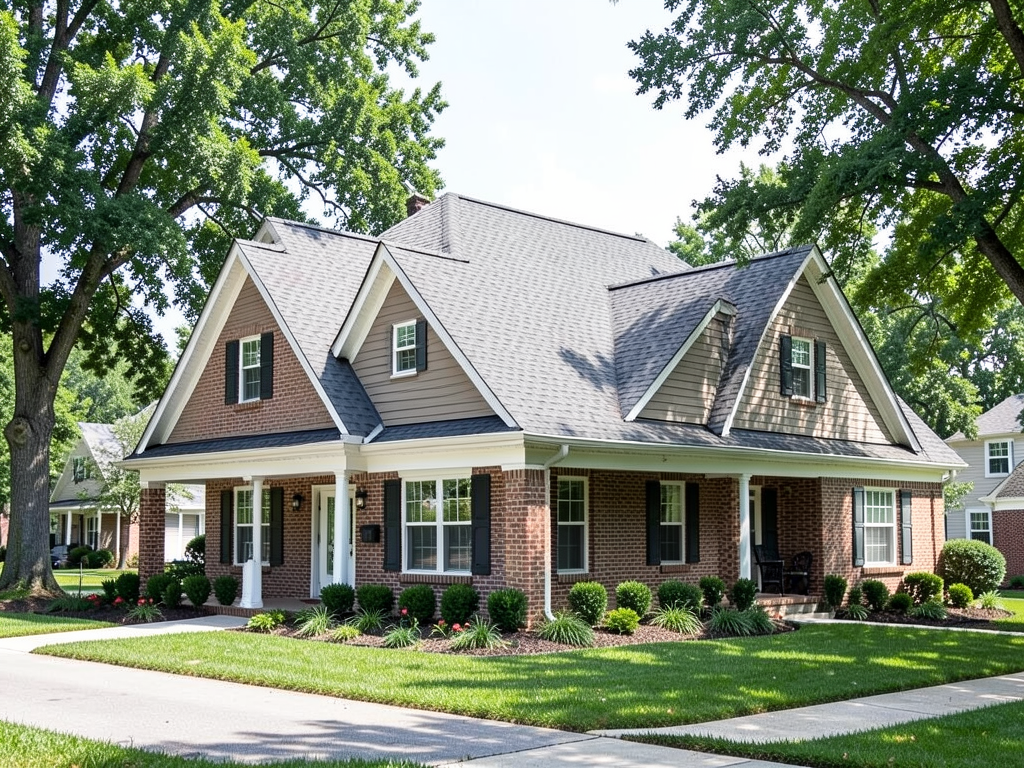
Hip Roof vs Gable Roof — Which Shape Protects Your Marietta Home Better Against High Winds? When a severe thunderstorm rolls through Marietta the shape of your roof can mean the difference between minor wear…
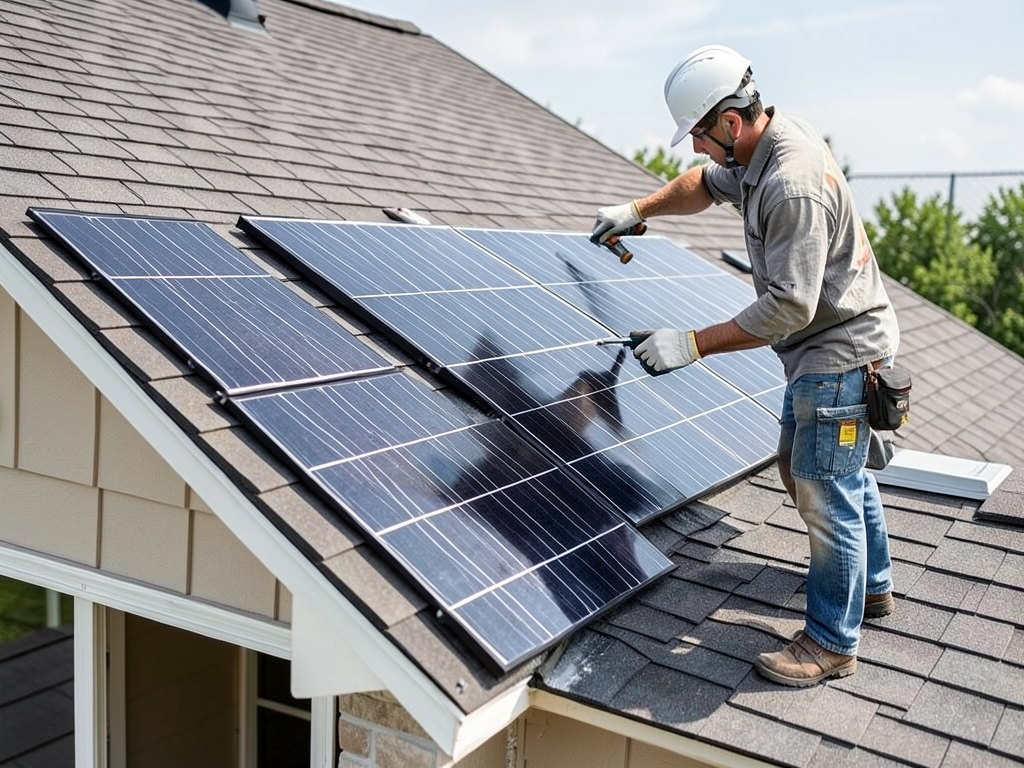
Are GAF Timberline Solar Shingles Finally Worth it for Atlanta Homeowners? Atlanta homeowners are discovering…
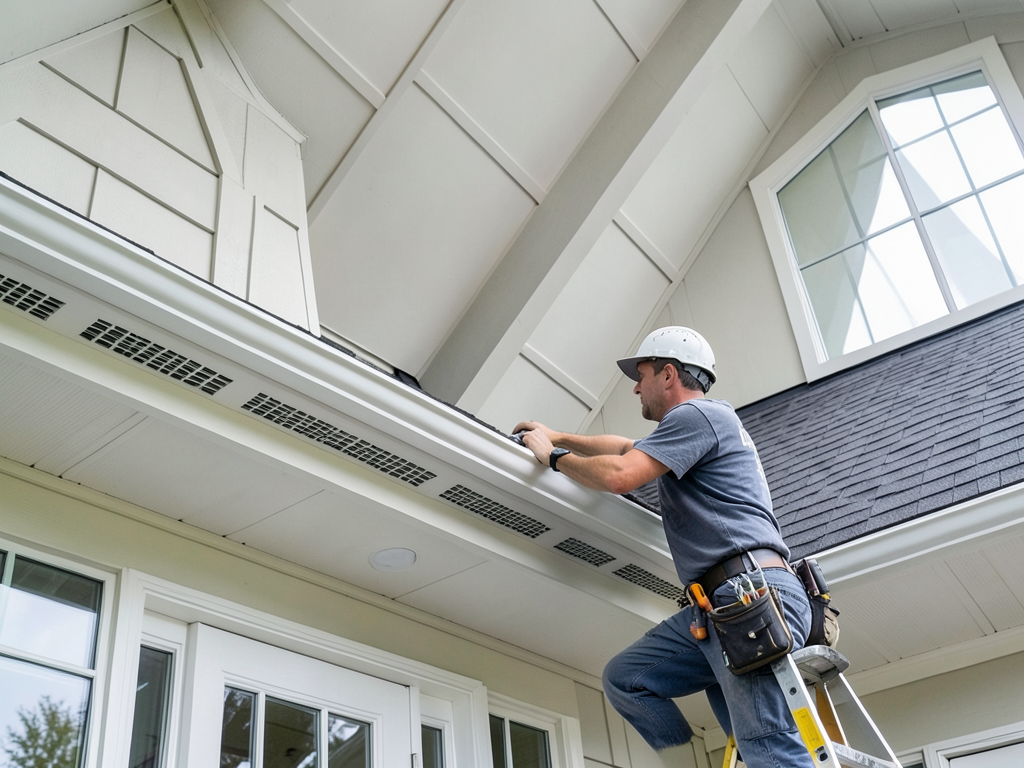
Why Vaulted Ceilings Often Lead to Roof Rot in Modern Duluth Homes Vaulted ceilings create…
The Real Cost and Complexity of Adding a Rooftop Deck to Your Reynoldstown Townhome Adding…
Don't wait for small roof problems to become expensive disasters. Call First Choice Roofing Atlanta at (770) 610-9366 for emergency repairs or schedule a free inspection. We respond quickly, work clean, and stand behind every installation with solid warranties.