
Roof pitch determines everything from water drainage to material compatibility when you’re planning a roof replacement in Alpharetta. The slope of your roof directly impacts which shingles you can install, how they perform, and whether they meet local building codes. Understanding these relationships helps you avoid costly mistakes and ensures your roof handles Georgia’s heavy rainfall and humidity. Georgia Aluminum Association.
Your roof’s pitch is measured as rise over run—how many inches the roof rises vertically for every 12 inches of horizontal distance. This simple ratio creates a cascade of technical requirements that many homeowners discover only after starting their remodel. A 4:12 pitch behaves completely differently than a 2:12 pitch, and choosing the wrong materials can lead to water infiltration, premature failure, and code violations.. Read more about Choosing the Right Roofing Material for a New Screened-In Porch in Dunwoody.
Understanding Roof Pitch Measurements and Requirements
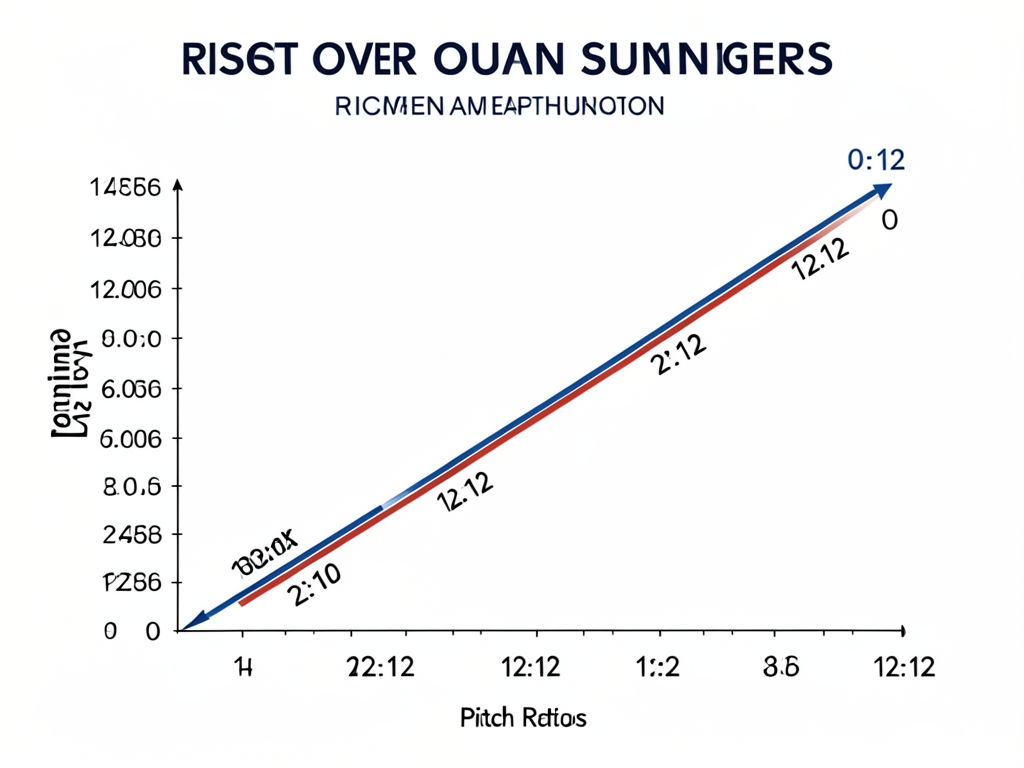
Diagram showing rise over run measurements with common pitch ratios labeled
Roof pitch affects water shedding velocity, wind uplift resistance, and the minimum underlayment requirements. Steeper slopes shed water faster but create more wind exposure. Lower slopes need enhanced waterproofing but handle wind better. The International Residential Code establishes minimum standards, but Georgia’s amendments add specific requirements for our climate. International Residential Code.
Most asphalt shingle manufacturers recommend a minimum 4:12 pitch for standard installation. This ratio provides adequate water shedding velocity to prevent infiltration under the shingle tabs. However, many Alpharetta homes feature pitches between 2:12 and 4:12, especially in modern designs with low-slope roof sections over porches or garages.
The 2:12 to 4:12 Rule: Special Underlayment Requirements
Roofs with pitches between 2:12 and 4:12 require double underlayment application per Georgia’s amendments to the IRC. This means installing a full ice and water shield layer across the entire deck, then adding a second layer of synthetic underlayment or #30 felt paper. This dual-layer system compensates for the slower water shedding at these low slopes.. Read more about The Real Cost and Complexity of Adding a Rooftop Deck to Your Reynoldstown Townhome.
The ice and water shield must extend from the eave edge up the roof slope a minimum of 24 inches past the exterior wall line. In Alpharetta’s climate, where summer thunderstorms can dump several inches of rain in an hour, this extra protection prevents water backup under shingles during wind-driven rain events.
Some manufacturers void warranties on standard shingles installed below 4:12 pitch. They require modified installation methods or specific low-slope products. Always check the technical data sheet for your chosen shingle before proceeding with a low-slope installation.
How to Calculate Your Roof Pitch
Measuring roof pitch requires basic tools and safety precautions. Never walk on a roof steeper than 6:12 without proper fall protection equipment. For most homeowners, using a pitch gauge from the ground or in the attic provides accurate enough measurements for planning purposes. Getting a Fast and Accurate Roof Replacement Estimate in Johns Creek.
From the attic, locate a rafter and measure 12 inches horizontally from the ridge toward the eave. Measure vertically from that point to the underside of the roof deck. This rise measurement over 12 inches of run gives you the pitch ratio. A 6-inch rise over 12 inches of run equals a 6:12 pitch. Attic Ventilation Systems.
Alternatively, use a level and tape measure on the roof edge. Hold a 24-inch level perfectly horizontal, then measure down from the level to the roof surface at the 12-inch mark. This measurement equals the rise for a 12-inch run, giving you the pitch ratio.
Why Roof Pitch Matters for Atlanta Homeowners
Alpharetta receives an average of 52 inches of rainfall annually, significantly above the national average. This heavy precipitation creates specific drainage requirements that vary by pitch. A 4:12 pitch sheds water at approximately 3.5 feet per second, while a 2:12 pitch moves water at only 1.2 feet per second.
The slower water velocity on low-slope roofs means water spends more time on the surface, increasing the risk of infiltration through nail holes or minor defects. Georgia’s humidity compounds this problem by keeping roof surfaces wet longer after rain events, promoting algae growth and accelerating material degradation.
Wind patterns in North Georgia also affect pitch requirements. The area experiences frequent thunderstorms with gusts exceeding 40 mph. Steeper pitches (8:12 and above) experience higher wind uplift forces, requiring additional fastening and specific underlayment installation methods to prevent shingle blow-off.
Comparing Pitch Requirements: 3-Tab vs. Architectural Shingles
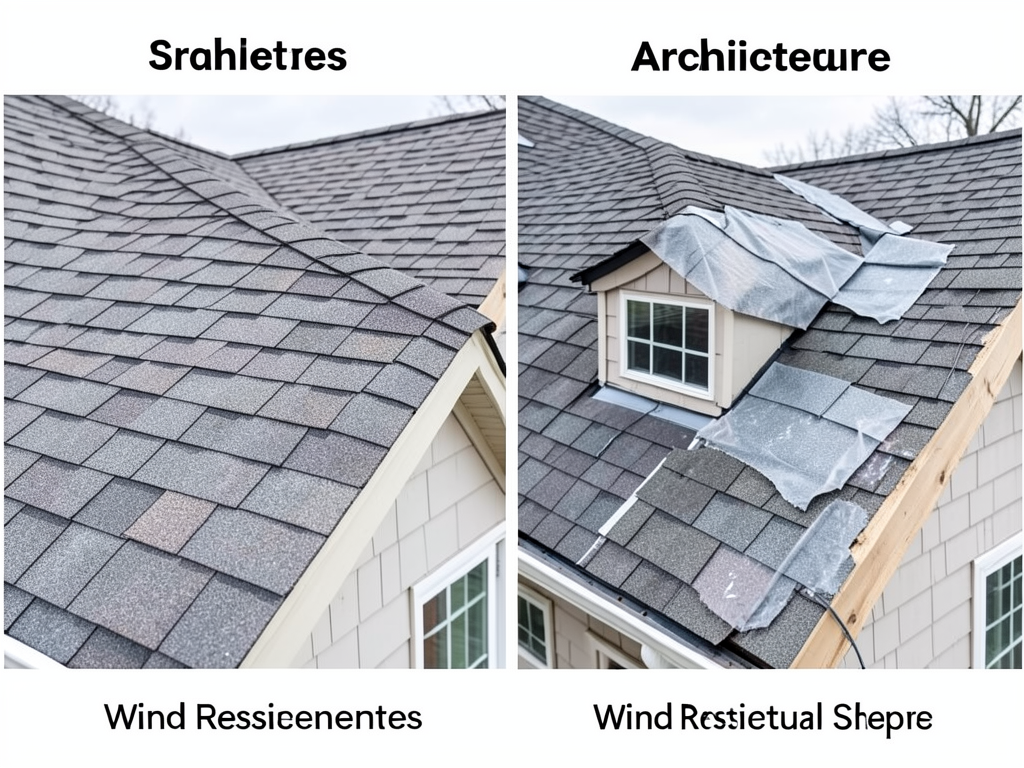
Side-by-side comparison of 3-tab and architectural shingles installed on different pitch roofs
| Shingle Type | Minimum Pitch | Best Pitch Range | Wind Rating |
|---|---|---|---|
| 3-Tab Asphalt | 4:12 | 4:12 – 9:12 | 60-70 mph |
| Architectural Asphalt | 4:12 | 4:12 – 12:12 | 110-130 mph |
| Luxury Asphalt | 3:12 | 3:12 – 12:12 | 110+ mph |
| Metal Panels | 3:12 | 3:12 – 16:12 | 140+ mph |
3-tab shingles work well on standard pitches but become more susceptible to wind damage on roofs above 9:12. Their single-layer construction and flat profile create less wind resistance than dimensional shingles. For homes in Alpharetta’s wind-prone areas, architectural shingles provide better long-term performance.
Architectural shingles feature multiple layers and varied tab designs that create better wind resistance and more dimensional appearance. Their heavier weight and stronger adhesive strips help them withstand Georgia’s summer thunderstorms. However, they cost 20-30% more than 3-tab options.
Premium luxury shingles can handle pitches as low as 3:12 and offer enhanced impact resistance for hail-prone areas. These products use modified asphalt formulations and thicker construction to improve performance at lower slopes where water infiltration risks increase.
Common Pitfalls of Low-Slope Shingle Installations
Installing standard shingles on pitches below 4:12 creates several failure patterns that experienced contractors in Alpharetta frequently encounter. The most common issue involves water backing up under shingle tabs during wind-driven rain, especially on porches and low-slope sections where wind can drive rain uphill.
Another frequent problem occurs when homeowners choose architectural shingles for low slopes thinking the heavier weight provides better protection. While the weight helps in wind resistance, the slower water shedding still allows infiltration through nail penetrations. The solution involves using specific low-slope underlayment systems rather than relying on shingle weight alone.
Flashing details become critical on low-slope roofs. Standard step flashing often fails to prevent water infiltration where roof planes meet walls. Proper installation requires counter-flashing embedded into the wall and extended underlayment integration that continues up the wall several inches.
Many Alpharetta homes feature complex rooflines with multiple pitch transitions. These areas require special attention to ensure water flows correctly between sections without backing up or creating turbulence that can lift shingle edges. The ridge lines where different pitches meet often need additional waterproofing. Roofing Dunwoody.
Special Considerations for Steep-Slope Roofs
Roofs steeper than 9:12 create their own set of challenges. The increased surface area and wind exposure require enhanced fastening patterns. Most manufacturers specify six nails per shingle instead of the standard four on pitches above 9:12, increasing material costs and installation time.
Steep slopes also affect material handling and installation safety. Roof brackets and safety harnesses become mandatory above 8:12 pitch. The increased fall hazard means longer installation times and higher labor costs. Some contractors charge premium rates for roofs above 10:12 due to the additional safety equipment and slower work pace required.
Ventilation becomes more critical on steep roofs because the increased attic volume and surface area create greater temperature differentials. Proper ridge and soffit ventilation prevents moisture buildup and extends shingle life, especially important in Alpharetta’s humid climate where condensation can form even in summer.
Building Code Requirements for Alpharetta
Fulton County follows the Georgia State Minimum Standard Residential Code, which adopts the International Residential Code with state-specific amendments. For roofing, these amendments include enhanced underlayment requirements for slopes between 2:12 and 4:12 and specific ice and water shield coverage requirements.. Read more about GAF vs Owens Corning — Which Shingle Brand is Actually Better for the Georgia Climate?.
The code mandates ice and water shield in specific areas regardless of pitch. In Alpharetta, this includes valleys, roof-to-wall intersections, and the lower three feet of roof slope from the eave edge. The shield must be a self-adhering polymer-modified bitumen sheet meeting ASTM D1970 standards.
Local inspections in Alpharetta often verify underlayment installation before shingle application. Missing the required ice and water shield or failing to use the proper underlayment for low-slope sections results in failed inspections and costly rework. Always obtain the necessary permits and schedule inspections as required.
Drip edge requirements also affect material choices. The current code requires drip edge along eaves and gable edges, with specific fastening patterns that vary by roof pitch. Steeper slopes need more frequent fastening to prevent wind uplift, while low slopes require proper integration with underlayment to prevent water infiltration.. Read more about Hip Roof vs Gable Roof — Which Shape Protects Your Marietta Home Better Against High Winds?.
Material Alternatives for Challenging Pitches
When standard shingles won’t work for your roof pitch, several alternatives provide better performance. Synthetic slate and shake products offer improved low-slope performance while maintaining traditional aesthetics. These materials use polymer-modified formulations that resist water infiltration better than standard asphalt products. Repairing Slate and Tile Roofs on Historic Homes in Druid Hills.
Metal roofing systems handle pitches from 2:12 to vertical without special modifications. Standing seam metal roofs with properly sealed seams provide excellent low-slope performance. The continuous panel design eliminates the seam-related infiltration risks that affect shingle roofs on low slopes.
Modified bitumen and built-up roofing systems work well on pitches below 2:12 where even enhanced shingle systems struggle. These commercial-grade materials use multiple layers of reinforcement and waterproofing to create monolithic roof membranes. While more expensive initially, they often provide better long-term value on very low slopes.
Single-ply membrane systems like TPO and PVC offer excellent low-slope performance with reflective properties that reduce cooling costs in Georgia’s hot summers. These materials install in large sheets that minimize seams and provide superior waterproofing compared to traditional shingle systems.
Cost Factors by Roof Pitch
Roof pitch significantly impacts replacement costs beyond material prices. Low-slope roofs often require more underlayment material and labor for proper installation. The double underlayment requirement for 2:12 to 4:12 pitches can add $1,500 to $3,000 to a typical residential replacement.
Steep-slope roofs increase costs through safety equipment requirements, slower installation rates, and enhanced fastening needs. A 12:12 pitch roof might cost 30-40% more to reroof than a 4:12 pitch due to these factors. The increased surface area also means more material coverage is needed.
Complex rooflines with multiple pitch transitions require additional flashing, ridge cap material, and labor for proper integration. Each transition point represents a potential leak location that needs careful detailing. Homes with multiple dormers, valleys, and pitch changes can see installation costs increase by 20% or more.
Accessibility also affects pricing. Homes surrounded by mature trees or with limited driveway access may require material hoisting equipment, adding several hundred dollars to the project cost. Steep roofs in wooded areas often need additional fall protection systems that increase labor time.
Maintenance Requirements by Pitch
Roof pitch affects not just installation but ongoing maintenance needs. Low-slope roofs accumulate debris more readily because wind doesn’t blow material off as effectively. This debris retention can lead to moisture problems and accelerated wear if not addressed through regular cleaning.
Steep roofs shed debris well but create safety challenges for maintenance. Walking on a 10:12 pitch roof requires professional equipment and training. Many homeowners with steep roofs hire professionals for annual inspections rather than attempting DIY maintenance that could result in falls.
Gutter systems must match roof pitch for optimal performance. Low-slope roofs need wider gutters and larger downspouts to handle the slower water movement. Steep roofs can use standard sizing but may need additional hangers to handle the increased water velocity during heavy rain.
Algae and moss growth patterns also vary by pitch. Low-slope sections in shaded areas may develop moss within two to three years, while steep south-facing slopes might remain clean for a decade. The reduced sun exposure and slower water shedding on low slopes create ideal conditions for biological growth.
Energy Efficiency Considerations
Roof pitch affects energy performance through attic ventilation and radiant heat transfer. Steeper roofs create more attic volume, which can improve natural convection if properly vented. However, the increased surface area also means more heat gain in summer if not properly insulated.
Low-slope roofs benefit from cool roof technologies more than steep slopes because the sun hits the surface more directly throughout the day. Reflective shingles or coatings can reduce cooling costs by 10-15% on low-slope sections, particularly important in Alpharetta’s hot climate where air conditioning can account for half of summer energy use.
Ventilation requirements also vary by pitch. The International Residential Code specifies 1 square foot of net free ventilation area per 150 square feet of attic space, but this ratio changes with certain conditions. Low-slope roofs often need additional intake ventilation because the reduced stack effect limits natural air movement.
Radiant barriers work differently on various pitches. On steep roofs, radiant heat conducts down through the attic to the ceiling. On low-slope roofs, especially those with HVAC equipment in the attic, the heat load is more direct and requires different mitigation strategies.
Making the Right Choice for Your Remodel
Choosing the right shingle for your roof pitch involves balancing code compliance, performance requirements, and budget constraints. Start by measuring your pitch accurately and identifying any low-slope sections that need special treatment. Then consult with multiple contractors about their experience with your specific pitch range.
Request detailed proposals that specify underlayment types, ice and water shield coverage, and fastening patterns. A proposal that simply states “install architectural shingles” without addressing pitch-specific requirements should raise red flags. Professional contractors will discuss your roof’s unique characteristics and recommend appropriate solutions.
Consider the long-term implications of your material choice. While standard shingles might meet minimum code requirements on a 3:12 pitch, investing in enhanced underlayment and modified installation methods often provides better long-term value through reduced maintenance and longer service life.
Finally, verify that your contractor pulls the necessary permits and schedules required inspections. This step ensures your installation meets current code requirements and protects your warranty coverage. Skipping permits might save money initially but can create problems if you sell your home or need to file an insurance claim.
Frequently Asked Questions
What is the absolute minimum pitch for asphalt shingles?
The absolute minimum pitch for asphalt shingles is 2:12, but this requires special installation methods including double underlayment and ice and water shield across the entire deck. Most manufacturers void warranties on standard installations below 4:12 pitch.
Can I use architectural shingles on a low-slope roof?
Yes, but only if you follow specific installation requirements for slopes between 2:12 and 4:12. This includes using ice and water shield underlayment and ensuring proper fastening patterns. Some manufacturers require modified installation methods or specific products for these slopes.
How does roof pitch affect my insurance rates?
Roof pitch can affect insurance rates because it influences wind resistance and water shedding performance. Steeper roofs may qualify for wind mitigation discounts in Georgia, while low-slope roofs might face higher premiums due to increased water infiltration risks. Check with your insurance provider about specific requirements.
Do I need special permits for different pitch roofs?
Permit requirements don’t typically vary by pitch, but the inspection process might. Local authorities in Alpharetta will verify underlayment installation and flashing details, which become more critical on low-slope roofs. Always obtain permits regardless of pitch to ensure code compliance and warranty protection.
How long do shingles last on different pitch roofs?
Shingle lifespan varies by pitch due to water shedding rates and sun exposure. Standard pitches (4:12 to 9:12) typically see 20-25 year lifespans. Low-slope roofs might see 15-20 years due to moisture retention, while steep south-facing slopes could last 25-30 years with good ventilation and maintenance.
Understanding how roof pitch limits your shingle options helps you make informed decisions for your Alpharetta remodel. The right combination of materials, underlayment, and installation methods ensures your roof performs well for decades despite Georgia’s challenging climate. Don’t let a simple measurement detail become a costly mistake.
Call (770) 610-9366 today to schedule your inspection and get expert advice on the best shingle options for your specific roof pitch. Our team understands Alpharetta’s unique requirements and can help you choose materials that provide lasting protection for your home.
Don’t wait until water damage appears. Pick up the phone and call (770) 610-9366 before the next storm hits. We’ll help you understand your options and ensure your roof remodel meets all local requirements while providing the protection your home deserves.
{
“@context”: “https://schema.org”,
“@type”: “BlogPosting”,
“headline”: “Why Your Roof Pitch Limits Which Shingles You Can Use for Your Alpharetta Remodel”,
“description”: “Learn how Alpharetta’s roof pitches affect shingle choices. Discover code requirements, drainage needs, and material limitations for your remodel.”,
“wordCount”: 2702,
“datePublished”: “2026-05-23T14:23:00.000Z”,
“dateModified”: “2026-05-23T14:23:00.000Z”,
“inLanguage”: “en-US”,
“mainEntityOfPage”: {
“@type”: “WebPage”,
“@id”: “https://firstchoiceroofingatlanta.com”
},
“publisher”: {
“@type”: “LocalBusiness”,
“name”: “First Choice Roofing Atlanta”,
“url”: “https://firstchoiceroofingatlanta.com”
},
“author”: {
“@type”: “Organization”,
“name”: “First Choice Roofing Atlanta”,
“url”: “https://firstchoiceroofingatlanta.com”
},
“image”: {
“@type”: “ImageObject”,
“url”: “https://firstchoiceroofingatlanta.com/wp-content/uploads/2026/03/why-your-roof-pitch-limits-which-shingles-you-can-1.png”
}
}
{
“@context”: “https://schema.org”,
“@type”: “RoofingContractor”,
“name”: “First Choice Roofing Atlanta”,
“url”: “https://firstchoiceroofingatlanta.com”,
“address”: {
“@type”: “PostalAddress”,
“addressLocality”: “Atlanta”
},
“areaServed”: {
“@type”: “City”,
“name”: “Atlanta”
}
}
{
“@context”: “https://schema.org”,
“@type”: “FAQPage”,
“mainEntity”: [
{
“@type”: “Question”,
“name”: “What is the absolute minimum pitch for asphalt shingles?”,
“acceptedAnswer”: {
“@type”: “Answer”,
“text”: “The absolute minimum pitch for asphalt shingles is 2:12, but this requires special installation methods including double underlayment and ice and water shield across the entire deck. Most manufacturers void warranties on standard installations below 4:12 pitch.”
}
},
{
“@type”: “Question”,
“name”: “Can I use architectural shingles on a low-slope roof?”,
“acceptedAnswer”: {
“@type”: “Answer”,
“text”: “Yes, but only if you follow specific installation requirements for slopes between 2:12 and 4:12. This includes using ice and water shield underlayment and ensuring proper fastening patterns. Some manufacturers require modified installation methods or specific products for these slopes.”
}
},
{
“@type”: “Question”,
“name”: “How does roof pitch affect my insurance rates?”,
“acceptedAnswer”: {
“@type”: “Answer”,
“text”: “Roof pitch can affect insurance rates because it influences wind resistance and water shedding performance. Steeper roofs may qualify for wind mitigation discounts in Georgia, while low-slope roofs might face higher premiums due to increased water infiltration risks. Check with your insurance provider about specific requirements.”
}
},
{
“@type”: “Question”,
“name”: “Do I need special permits for different pitch roofs?”,
“acceptedAnswer”: {
“@type”: “Answer”,
“text”: “Permit requirements don’t typically vary by pitch, but the inspection process might. Local authorities in Alpharetta will verify underlayment installation and flashing details, which become more critical on low-slope roofs. Always obtain permits regardless of pitch to ensure code compliance and warranty protection.”
}
},
{
“@type”: “Question”,
“name”: “How long do shingles last on different pitch roofs?”,
“acceptedAnswer”: {
“@type”: “Answer”,
“text”: “Shingle lifespan varies by pitch due to water shedding rates and sun exposure. Standard pitches (4:12 to 9:12) typically see 20-25 year lifespans. Low-slope roofs might see 15-20 years due to moisture retention, while steep south-facing slopes could last 25-30 years with good ventilation and maintenance.”
}
}
]
}
{
“@context”: “https://schema.org”,
“@type”: “BreadcrumbList”,
“itemListElement”: [
{
“@type”: “ListItem”,
“position”: 1,
“name”: “Home”,
“item”: “https://firstchoiceroofingatlanta.com”
},
{
“@type”: “ListItem”,
“position”: 2,
“name”: “Blog”,
“item”: “https://firstchoiceroofingatlanta.com/blog”
},
{
“@type”: “ListItem”,
“position”: 3,
“name”: “Why Your Roof Pitch Limits Which Shingles You Can Use for Your Alpharetta Remodel”
}
]
}
{
“@context”: “https://schema.org”,
“@type”: “Service”,
“serviceType”: “Roofing”,
“provider”: {
“@type”: “LocalBusiness”,
“name”: “First Choice Roofing Atlanta”,
“url”: “https://firstchoiceroofingatlanta.com”
},
“areaServed”: {
“@type”: “City”,
“name”: “Atlanta”
},
“description”: “Learn how Alpharetta’s roof pitches affect shingle choices. Discover code requirements, drainage needs, and material limitations for your remodel.”
}