Can a Reflective Cool Roof Help Lower Your High Power Bill?
Atlanta homeowners face scorching summers where attic temperatures can soar past 150°F forcing air conditioners to work overtime. A reflective cool roof can reduce your roof’s surface temperature by up to 50°F directly lowering your cooling costs by 7-15% according to Georgia Power studies. These specialized roofing systems use materials with high Solar Reflectance Index (SRI) ratings to bounce sunlight away before it heats your home. Georgia Power rebates.
Beyond energy savings cool roofs combat Atlanta’s Urban Heat Island effect where dense development raises city temperatures 2-5°F compared to surrounding areas. The right system also meets Atlanta Department of City Planning green building standards while qualifying for utility rebates that can offset installation costs. Cool Roof Rating Council.
How Cool Roofing Technology Works in Atlanta’s Climate
Traditional dark shingles absorb 85-95% of solar energy converting it to heat that radiates into your attic. Cool roofing materials use two key properties to fight this high solar reflectance and high thermal emittance. Solar reflectance measures how much sunlight bounces off the surface while thermal emittance measures how quickly the material releases absorbed heat. Roofing Dunwoody.
Atlanta’s high humidity makes thermal emittance particularly important. Materials with high emittance release heat faster preventing moisture buildup that can damage roofing structures. The Cool Roof Rating Council (CRCC) tests materials specifically for hot humid climates like Georgia’s ensuring products perform well under our unique conditions. Atlanta Department of City Planning.
When cool roofing materials reflect sunlight you can actually feel the difference on your roof surface. During Atlanta’s summer afternoons a traditional dark roof might feel like walking on hot pavement while a cool roof stays comfortable enough to touch. This temperature difference translates directly to cooler attic spaces and less work for your air conditioner. Repairing Slate and Tile Roofs on Historic Homes in Druid Hills.
Types of Cool Roof Systems Available for Atlanta Homes
Several cool roofing options work well in Atlanta each with different benefits for our climate. The best choice depends on your roof structure budget and energy goals.
Reflective Shingles
Modern reflective shingles use special granules that reflect infrared radiation while maintaining traditional asphalt appearance. These meet ENERGY STAR requirements with SRI ratings of 20-29 reducing heat absorption by 20-30% compared to standard shingles. Major manufacturers like GAF and Owens Corning offer lifetime warranties on their cool shingle lines.
During installation you will notice the difference immediately. Reflective shingles have a slightly different texture from the specialized granules and they often appear lighter in color even when labeled as dark shades. The granules create a subtle sparkle in direct sunlight that helps reflect heat away from your home.
TPO Roofing Membranes
Thermoplastic Polyolefin (TPO) works excellently for Atlanta’s flat and low-slope roofs. These white membranes reflect 78-85% of sunlight and resist algae growth common in our humid climate. TPO installations typically include reinforced seams that prevent the moisture infiltration Atlanta’s heavy rains can cause.
The installation process for TPO creates a distinctive sound as crews unroll the large membrane sheets across your roof. You will hear the characteristic hiss of hot air welders sealing the seams. The white surface reflects so much light that it can be bright enough to require sunglasses when working on the roof even on cloudy days.
Metal Roofing with Cool Coatings
Standing seam metal roofs with reflective coatings achieve SRI ratings above 40 the highest of any residential material. The metal’s durability handles Atlanta’s thermal expansion without cracking while special coatings prevent the fading common in our intense UV exposure. Metal also sheds rain quickly during our frequent thunderstorms.
Walking on a metal cool roof creates a different sound than other materials. The panels have a solid feel underfoot and they produce a distinctive ping when raindrops hit the surface. During installation you will notice the clean lines of the standing seams and the way the cool coating gives the metal a slightly matte finish that reduces glare.
Cool Roof Coatings
Acrylic or silicone coatings restore aging roofs while adding reflective properties. These work on existing asphalt metal or concrete surfaces reflecting 70-90% of sunlight. Atlanta’s intense sun means coatings may need reapplication every 5-7 years but they cost significantly less than full replacement.
The coating process involves spraying or rolling a thick liquid material across your existing roof surface. During application you will smell the characteristic odor of acrylic or silicone coatings. The material goes on milky white and dries to a bright white finish that immediately starts reflecting sunlight. You can actually watch the surface temperature drop as the coating cures.
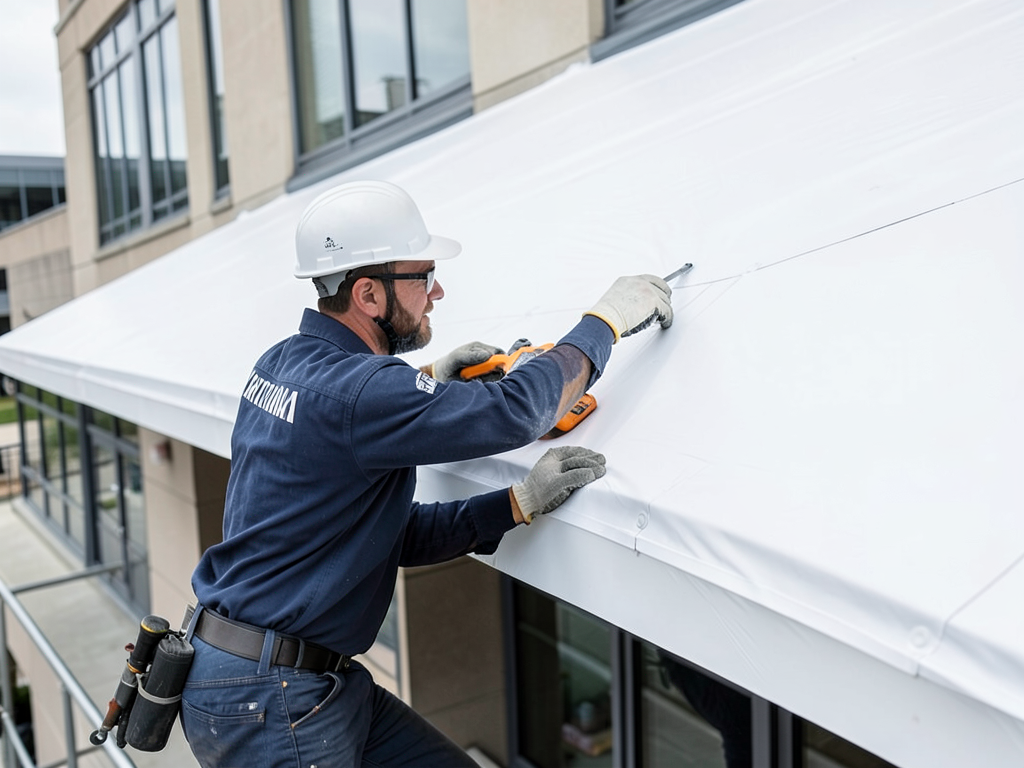
Diagram showing solar reflectance vs thermal emittance in cool roofing materials. Read more about Is Your East Lake Roof Ready for Solar Panels? (What You Need to Check First).
Georgia Power Energy Rebates and Cost Savings
Georgia Power offers substantial rebates for cool roof installations that meet ENERGY STAR specifications. Current programs provide $0.20 per square foot for residential installations and up to $0.30 per square foot for commercial properties. These rebates apply to roofs with minimum SRI ratings of 29 for low slopes and 25 for steep slopes.
The financial benefits extend beyond rebates. Atlanta homeowners typically save $150-300 annually on cooling costs after cool roof installation. Commercial buildings see larger savings often $500-2,000 per year depending on roof size and building usage. The return on investment usually occurs within 3-7 years when combining rebates with energy savings.. Read more about Why Annual Roof Maintenance is Non-Negotiable for Chamblee Business Owners.
Additional savings come from extended HVAC system life. When your roof keeps your attic cooler your air conditioner runs less frequently reducing wear and potentially saving $200-500 in maintenance costs over the system’s lifetime. Attic Ventilation Systems.
Atlanta Building Code Requirements for Cool Roofs
Fulton and DeKalb counties follow Georgia State Minimum Standard Residential Code with specific amendments for energy efficiency. While cool roofs aren’t mandatory they help meet the code’s energy performance requirements. The 2021 International Energy Conservation Code (IECC) requires minimum roof assembly thermal performance which cool materials help achieve.
Atlanta’s Green Building Standard encourages cool roofing through expedited permitting for projects meeting certain sustainability thresholds. Commercial buildings over 5,000 square feet must comply with Atlanta’s Commercial Energy Efficiency Ordinance which includes roof reflectance requirements in many cases.
Local roofing contractors must hold Georgia State Licensing Board certification and carry liability insurance. The state requires proof of manufacturer training for specialized installations like TPO or metal cool roofing systems. Always verify your contractor’s credentials through the Georgia Secretary of State’s business database.
Installation Process and Timeline
Cool roof installation follows a specific process to ensure maximum performance and code compliance. The entire project typically takes 1-3 days depending on roof size and material choice.
- Initial Assessment
Technicians inspect your current roof structure measure square footage and evaluate attic ventilation. They check for moisture damage that cool roofing could help prevent.
- Material Selection
Based on your budget and energy goals you’ll choose from available cool roofing options. The contractor verifies ENERGY STAR certification and SRI ratings.
- Permit Acquisition
The contractor obtains necessary permits from Atlanta Building Services ensuring compliance with local codes and HOA requirements if applicable.
- Preparation
Old roofing materials are removed or prepared for coating application. Damaged decking is repaired to prevent future moisture issues.
- Installation
The cool roofing system is installed according to manufacturer specifications and local building codes. Proper sealing prevents Atlanta’s heavy rain from causing leaks.
- Final Inspection
The completed installation undergoes inspection for code compliance and warranty validation. The contractor provides documentation for utility rebate applications.
Maintenance Requirements for Cool Roofs in Atlanta
Atlanta’s climate creates specific maintenance needs for cool roofing systems. High humidity and frequent storms require different care than dry climates.
Annual inspections should check for algae growth particularly on north-facing slopes where moisture lingers. While cool materials resist algae better than standard roofing our humidity still promotes growth that can reduce reflectivity over time. Professional cleaning every 2-3 years maintains optimal performance.
Storm damage assessment becomes crucial after Atlanta’s severe weather events. High winds can lift edges of TPO membranes while hail can damage cool shingles’ reflective granules. Prompt repairs prevent the moisture infiltration that Atlanta’s heavy rainfall can cause.
Gutter maintenance directly impacts cool roof performance. Clean gutters prevent water backup that can damage roof edges and reduce the system’s cooling effectiveness. Atlanta’s oak and pine trees drop debris year-round making quarterly gutter cleaning advisable.
Comparing Cool Roofs to Traditional Options
Understanding the differences between cool and traditional roofing helps you make the best choice for your Atlanta home.
| Feature | Cool Roofing | Traditional Roofing |
|---|---|---|
| Initial Cost | 10-15% higher | Standard pricing |
| Energy Savings | 7-15% annually | Minimal savings |
| Lifespan | 20-30 years | 15-20 years |
| Rebate Eligibility | Often eligible | Rarely eligible |
| Heat Island Impact | Reduces local temps | Contributes to warming |
| Moisture Resistance | Superior in humidity | Standard resistance |
| Atlanta Weather Performance | Excellent wind/rain resistance | Standard durability |
| Installation Time | 1-3 days typical | 1-2 days typical |
| Environmental Impact | Lower carbon footprint | Higher energy use |
Common Questions About Cool Roofing in Atlanta
Will a cool roof work during Atlanta’s mild winters?
Yes. While cool roofs reflect summer heat they don’t significantly impact winter heating costs. Atlanta’s mild winters mean the slight reduction in solar heat gain is far outweighed by summer cooling savings. Most cool materials still allow enough heat transfer to prevent ice dam formation during rare freezing events.
How do cool roofs handle Atlanta’s severe weather?
Quality cool roofing systems are engineered for Atlanta’s weather extremes. TPO membranes and metal roofing withstand winds up to 140 mph exceeding Georgia’s building code requirements. Impact-resistant cool shingles carry Class 4 ratings the highest available for hail resistance. Proper installation ensures these systems handle our seasonal storms without failure.
Are cool roofs worth it for older Atlanta homes?
Absolutely. Many Atlanta homes built before 1990 have minimal attic insulation making them prime candidates for cool roofing. The temperature reduction can be even more dramatic in these homes sometimes cutting cooling costs by 20% or more. Cool roofs also reduce the strain on aging HVAC systems common in older properties.
What’s the warranty situation for cool roofs?
Most cool roofing materials carry 25-50 year manufacturer warranties matching or exceeding traditional roofing warranties. Workmanship warranties from certified contractors typically cover 5-10 years. The extended lifespan means fewer replacements over your home’s lifetime adding to the overall value proposition.
Environmental Benefits Beyond Energy Savings
Cool roofs provide community-wide benefits that extend beyond individual energy savings. By reflecting heat instead of absorbing it these systems help reduce Atlanta’s Urban Heat Island effect potentially lowering neighborhood temperatures by 1-2°F during peak summer conditions.
The reduced energy consumption means lower carbon emissions from power plants. An average Atlanta home with a cool roof prevents approximately 1,500-2,000 pounds of CO2 emissions annually. Commercial buildings see proportionally larger environmental benefits.
Cool roofs also reduce stormwater runoff temperature. When rainwater hits a hot traditional roof it absorbs heat before running into storm drains. Cooler roofs mean cooler runoff which helps protect Atlanta’s waterways from thermal pollution that can harm aquatic ecosystems.
Getting Started with Your Cool Roof Project
The first step is scheduling a professional assessment of your current roof and energy usage. A qualified contractor will evaluate your attic ventilation roof structure and energy bills to determine potential savings from a cool roof installation.
During the assessment ask about specific ENERGY STAR certified products and their SRI ratings. Request information about Georgia Power rebates and calculate the projected return on investment based on your home’s characteristics. A reputable contractor will provide detailed information about material options installation timelines and warranty coverage.
Consider timing your installation during Atlanta’s mild spring or fall seasons when roofing work proceeds most efficiently. This also allows you to benefit from cooling savings before the next summer’s peak temperatures arrive.
Why Choose Professional Installation
Cool roofing installation requires specific expertise to achieve maximum performance. Professional contractors understand Atlanta’s unique climate challenges and know how to address them through proper material selection and installation techniques.
Certified installers follow manufacturer specifications that ensure warranty validity. They also understand local building codes and can navigate permit requirements efficiently. Most importantly experienced contractors can identify and address underlying issues like inadequate ventilation or moisture damage that could compromise your cool roof’s performance.
Professional installation includes proper disposal of old materials protection of your landscaping during the work and thorough cleanup afterward. Many contractors also offer maintenance plans to keep your cool roof performing optimally throughout its lifespan.
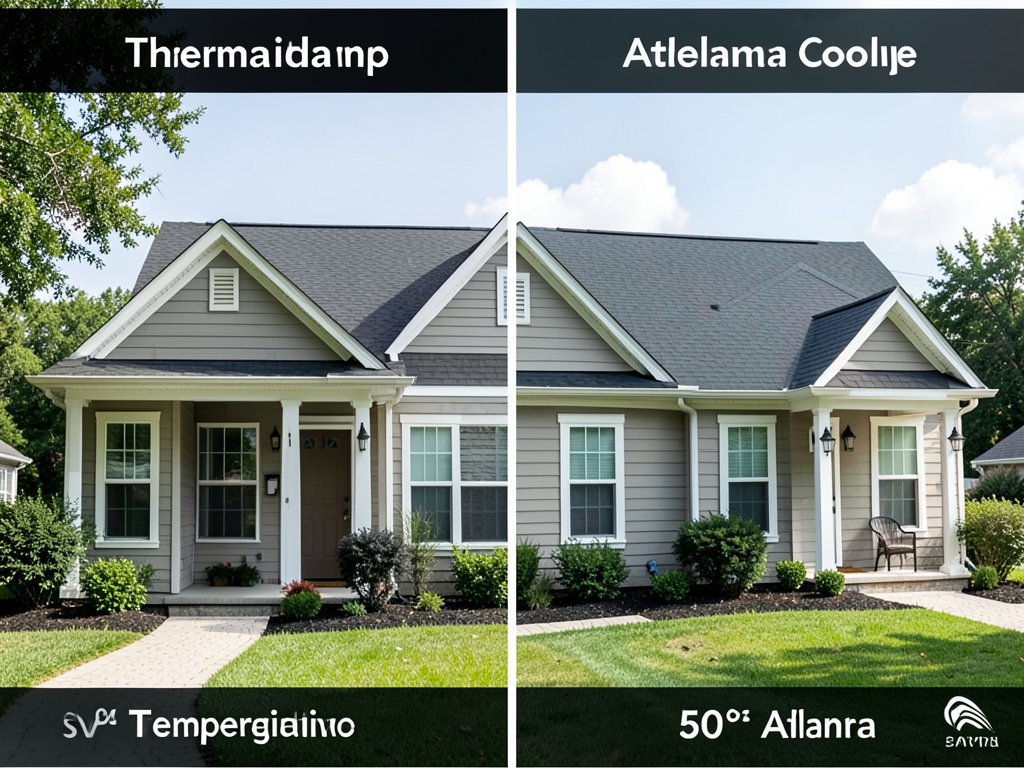
Before and after thermal imaging showing temperature reduction with cool roofing
Take Control of Your Energy Costs Today
Atlanta’s rising energy costs make now the perfect time to invest in a cool roof system. With available rebates significant energy savings and environmental benefits the decision is both financially and ecologically sound. Most homeowners see noticeable differences in their comfort and utility bills within the first month after installation.
Don’t wait until your current roof fails or your next summer energy bill shocks you. A cool roof represents a smart investment in your home’s efficiency and your family’s comfort. The technology has matured significantly making today’s cool roofing systems both highly effective and aesthetically pleasing.
Ready to start saving Call (770) 610-9366 today to schedule your free cool roof assessment. Our Atlanta-based team understands exactly what your home needs to stay cool and comfortable through our intense Georgia summers. Pick up the phone and call (770) 610-9366 before the next heat wave hits.
Frequently Asked Questions
How much can I really save with a cool roof?
Most Atlanta homeowners save 7-15% on cooling costs annually which typically translates to $150-300 per year. Savings vary based on your home’s size current insulation and local energy rates. Georgia Power rebates can add $200-1,000 in additional savings depending on your roof’s square footage.
Will a cool roof make my house look strange?
Modern cool roofing materials look nearly identical to traditional options. Reflective shingles come in various colors that match conventional asphalt shingles. Metal roofing offers multiple styles and colors while TPO membranes are only visible from certain angles on most homes. Your neighbors likely won’t notice the difference.
How long does cool roof installation take?
Most residential cool roof installations take 1-3 days. The timeline depends on your roof’s size the chosen material and weather conditions. Professional crews can often complete the work while you’re at work minimizing disruption to your daily routine.
Are cool roofs environmentally friendly?
Yes. Cool roofs reduce energy consumption lower urban temperatures and decrease stormwater thermal pollution. They also extend HVAC system life and reduce roofing waste by lasting longer than traditional materials. Many cool roofing materials are recyclable at the end of their lifespan.
{
“@context”: “https://schema.org”,
“@type”: “BlogPosting”,
“headline”: “Can a Reflective Cool Roof Help Lower Your High Power Bill?”,
“description”: “Discover how cool roofing reduces Atlanta energy bills by 7-15% while combating urban heat. Learn about rebates, materials, and installation for Georgia homes.”,
“wordCount”: 2424,
“datePublished”: “2026-03-17T15:05:00.000Z”,
“dateModified”: “2026-03-17T15:05:00.000Z”,
“inLanguage”: “en-US”,
“mainEntityOfPage”: {
“@type”: “WebPage”,
“@id”: “https://firstchoiceroofingatlanta.com”
},
“publisher”: {
“@type”: “LocalBusiness”,
“name”: “First Choice Roofing Atlanta”,
“url”: “https://firstchoiceroofingatlanta.com”
},
“author”: {
“@type”: “Organization”,
“name”: “First Choice Roofing Atlanta”,
“url”: “https://firstchoiceroofingatlanta.com”
},
“image”: {
“@type”: “ImageObject”,
“url”: “https://firstchoiceroofingatlanta.com/wp-content/uploads/2026/03/can-a-reflective-cool-roof-help-lower-your-high-po-1.png”
}
}
{
“@context”: “https://schema.org”,
“@type”: “RoofingContractor”,
“name”: “First Choice Roofing Atlanta”,
“url”: “https://firstchoiceroofingatlanta.com”,
“address”: {
“@type”: “PostalAddress”,
“addressLocality”: “Atlanta”
},
“areaServed”: {
“@type”: “City”,
“name”: “Atlanta”
}
}
{
“@context”: “https://schema.org”,
“@type”: “FAQPage”,
“mainEntity”: [
{
“@type”: “Question”,
“name”: “Will a cool roof work during Atlanta’s mild winters?”,
“acceptedAnswer”: {
“@type”: “Answer”,
“text”: “Yes. While cool roofs reflect summer heat they don’t significantly impact winter heating costs. Atlanta’s mild winters mean the slight reduction in solar heat gain is far outweighed by summer cooling savings. Most cool materials still allow enough heat transfer to prevent ice dam formation during rare freezing events.”
}
},
{
“@type”: “Question”,
“name”: “How do cool roofs handle Atlanta’s severe weather?”,
“acceptedAnswer”: {
“@type”: “Answer”,
“text”: “Quality cool roofing systems are engineered for Atlanta’s weather extremes. TPO membranes and metal roofing withstand winds up to 140 mph exceeding Georgia’s building code requirements. Impact-resistant cool shingles carry Class 4 ratings the highest available for hail resistance. Proper installation ensures these systems handle our seasonal storms without failure.”
}
},
{
“@type”: “Question”,
“name”: “Are cool roofs worth it for older Atlanta homes?”,
“acceptedAnswer”: {
“@type”: “Answer”,
“text”: “Absolutely. Many Atlanta homes built before 1990 have minimal attic insulation making them prime candidates for cool roofing. The temperature reduction can be even more dramatic in these homes sometimes cutting cooling costs by 20% or more. Cool roofs also reduce the strain on aging HVAC systems common in older properties.”
}
},
{
“@type”: “Question”,
“name”: “What’s the warranty situation for cool roofs?”,
“acceptedAnswer”: {
“@type”: “Answer”,
“text”: “Most cool roofing materials carry 25-50 year manufacturer warranties matching or exceeding traditional roofing warranties. Workmanship warranties from certified contractors typically cover 5-10 years. The extended lifespan means fewer replacements over your home’s lifetime adding to the overall value proposition.”
}
},
{
“@type”: “Question”,
“name”: “How much can I really save with a cool roof?”,
“acceptedAnswer”: {
“@type”: “Answer”,
“text”: “Most Atlanta homeowners save 7-15% on cooling costs annually which typically translates to $150-300 per year. Savings vary based on your home’s size current insulation and local energy rates. Georgia Power rebates can add $200-1,000 in additional savings depending on your roof’s square footage.”
}
},
{
“@type”: “Question”,
“name”: “Will a cool roof make my house look strange?”,
“acceptedAnswer”: {
“@type”: “Answer”,
“text”: “Modern cool roofing materials look nearly identical to traditional options. Reflective shingles come in various colors that match conventional asphalt shingles. Metal roofing offers multiple styles and colors while TPO membranes are only visible from certain angles on most homes. Your neighbors likely won’t notice the difference.”
}
},
{
“@type”: “Question”,
“name”: “How long does cool roof installation take?”,
“acceptedAnswer”: {
“@type”: “Answer”,
“text”: “Most residential cool roof installations take 1-3 days. The timeline depends on your roof’s size the chosen material and weather conditions. Professional crews can often complete the work while you’re at work minimizing disruption to your daily routine.”
}
},
{
“@type”: “Question”,
“name”: “Are cool roofs environmentally friendly?”,
“acceptedAnswer”: {
“@type”: “Answer”,
“text”: “Yes. Cool roofs reduce energy consumption lower urban temperatures and decrease stormwater thermal pollution. They also extend HVAC system life and reduce roofing waste by lasting longer than traditional materials. Many cool roofing materials are recyclable at the end of their lifespan.”
}
}
]
}
{
“@context”: “https://schema.org”,
“@type”: “HowTo”,
“name”: “Cool Roof Installation Process”,
“step”: [
{
“@type”: “HowToStep”,
“position”: 1,
“name”: “Initial Assessment”,
“text”: “Technicians inspect your current roof structure measure square footage and evaluate attic ventilation. They check for moisture damage that cool roofing could help prevent.”
},
{
“@type”: “HowToStep”,
“position”: 2,
“name”: “Material Selection”,
“text”: “Based on your budget and energy goals you’ll choose from available cool roofing options. The contractor verifies ENERGY STAR certification and SRI ratings.”
},
{
“@type”: “HowToStep”,
“position”: 3,
“name”: “Permit Acquisition”,
“text”: “The contractor obtains necessary permits from Atlanta Building Services ensuring compliance with local codes and HOA requirements if applicable.”
},
{
“@type”: “HowToStep”,
“position”: 4,
“name”: “Preparation”,
“text”: “Old roofing materials are removed or prepared for coating application. Damaged decking is repaired to prevent future moisture issues.”
},
{
“@type”: “HowToStep”,
“position”: 5,
“name”: “Installation”,
“text”: “The cool roofing system is installed according to manufacturer specifications and local building codes. Proper sealing prevents Atlanta’s heavy rain from causing leaks.”
},
{
“@type”: “HowToStep”,
“position”: 6,
“name”: “Final Inspection”,
“text”: “The completed installation undergoes inspection for code compliance and warranty validation. The contractor provides documentation for utility rebate applications.”
}
],
“image”: “https://firstchoiceroofingatlanta.com/wp-content/uploads/2026/03/can-a-reflective-cool-roof-help-lower-your-high-po-1.png”
}
{
“@context”: “https://schema.org”,
“@type”: “BreadcrumbList”,
“itemListElement”: [
{
“@type”: “ListItem”,
“position”: 1,
“name”: “Home”,
“item”: “https://firstchoiceroofingatlanta.com”
},
{
“@type”: “ListItem”,
“position”: 2,
“name”: “Blog”,
“item”: “https://firstchoiceroofingatlanta.com/blog”
},
{
“@type”: “ListItem”,
“position”: 3,
“name”: “Can a Reflective Cool Roof Help Lower Your High Power Bill?”
}
]
}
{
“@context”: “https://schema.org”,
“@type”: “Service”,
“serviceType”: “Roofing”,
“provider”: {
“@type”: “LocalBusiness”,
“name”: “First Choice Roofing Atlanta”,
“url”: “https://firstchoiceroofingatlanta.com”
},
“areaServed”: {
“@type”: “City”,
“name”: “Atlanta”
},
“description”: “Discover how cool roofing reduces Atlanta energy bills by 7-15% while combating urban heat. Learn about rebates, materials, and installation for Georgia homes.”
}