
Dealing with Moss and Mold Growth on Shaded Avondale Estates Roofs
Avondale Estates’ lush tree canopy and high humidity create perfect conditions for moss and mold growth on roofs. These organisms don’t just look bad—they trap moisture against shingles, leading to premature deterioration and costly repairs. The dense canopy over neighborhoods like Oakhurst and the Lake Claire area blocks sunlight, keeping roofs damp for extended periods and accelerating biological growth. EPA guidelines on chemical safety.
The combination of Georgia’s humid climate and Avondale Estates’ mature oak and pine trees creates a cycle where fallen needles and leaves decompose on roof surfaces, providing organic material that feeds moss and mold. Once established, these organisms hold water against the roof, creating ideal conditions for further growth and potential structural damage.
Early signs include dark streaks, green patches, or fuzzy growths on shingles. Left untreated, moss can lift shingle edges, allowing water infiltration that damages the roof deck and creates leaks. Mold growth can also affect indoor air quality if spores enter through attic ventilation. Attic Ventilation Systems.
Why Moss Thrives in Avondale Estates’ Shaded Neighborhoods
Avondale Estates sits in USDA Zone 8a, where annual rainfall averages 50 inches and humidity often exceeds 70% during summer months. These conditions, combined with the neighborhood’s mature tree canopy, create persistent moisture on roof surfaces that rarely fully dry.
Common tree species like white oak and loblolly pine contribute to the problem. Pine needles decompose slowly, creating acidic conditions that weaken shingle granules. Oak leaves trap moisture and provide organic matter that feeds moss colonies. The canopy density in areas near Avondale Lake and along the South Fork of Peachtree Creek means many homes receive less than 4 hours of direct sunlight daily.
Roof orientation affects growth patterns. North-facing slopes receive the least sunlight and stay damp longest, often showing the most severe moss and mold growth. Homes near the Avondale Estates Golf Course, where trees are particularly dense, frequently experience accelerated biological growth on all roof surfaces.
According to Georgia’s State Minimum Standard Residential Code, proper roof ventilation is critical for moisture management. However, even well-ventilated roofs in heavily shaded areas struggle to stay dry enough to prevent moss establishment.
Safe Moss Removal Methods That Protect Your Shingles
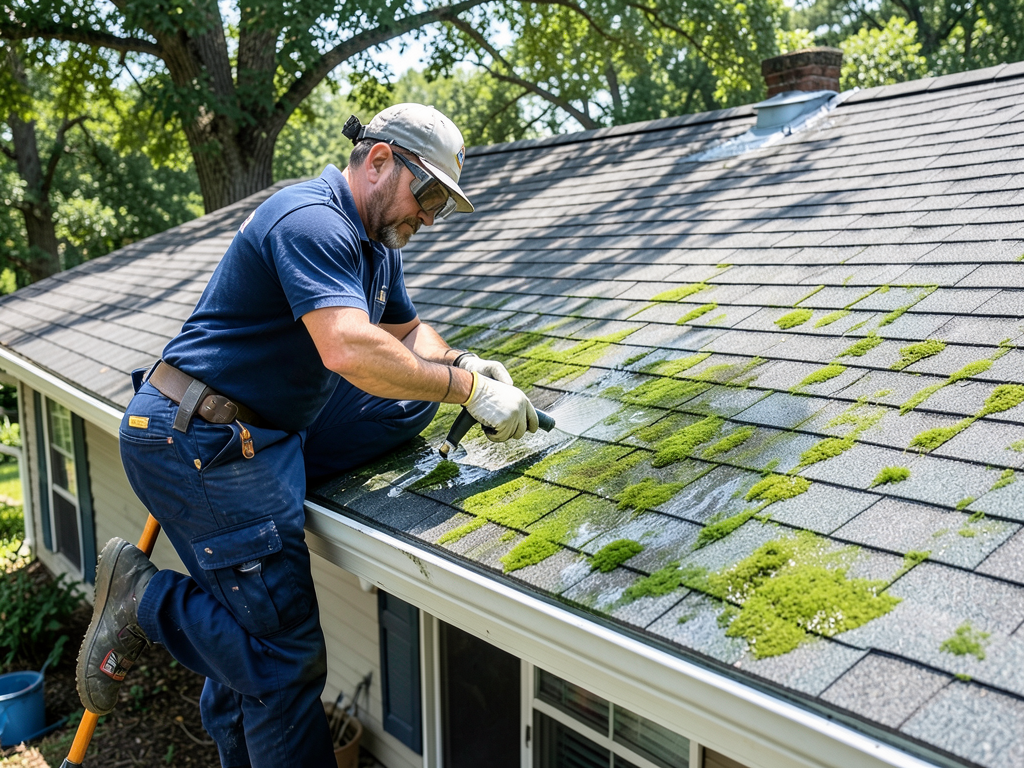
High-pressure washing damages asphalt shingles by stripping protective granules and forcing water under shingle tabs. The correct approach uses low-pressure application of specialized cleaning solutions that kill moss at the root level without harming roofing materials. Roofing Dunwoody.
The process begins with protecting landscaping. Biodegradable cleaning solutions containing sodium hypochlorite at 3-6% concentration effectively kill moss and mold while breaking down safely in soil. Technicians apply these solutions using pump sprayers at pressures below 100 PSI—gentle enough to preserve shingle integrity. Protecting Your Historic Decatur Home with Specialty Roof Repairs.
After application, the solution sits for 15-20 minutes to penetrate moss root structures. During this time, you’ll notice the moss turning white or brown as it dies. A gentle rinse with garden hose pressure removes dead growth and cleaning solution residue.
Critical safety considerations include protecting nearby plants with plastic sheeting and thoroughly rinsing vegetation after treatment. The cleaning solution’s pH is carefully balanced to avoid damaging nearby shrubs, flowers, or grass common in Avondale Estates’ landscaped yards.
Professional technicians also inspect for damaged shingles during the cleaning process. They look for lifted edges, missing granules, or cracked tabs that might need repair before cleaning to prevent water infiltration during the treatment.
Preventing Moss Regrowth in Atlanta’s Humid Climate
Long-term prevention requires addressing the environmental conditions that promote moss growth. Zinc or copper strips installed near the roof ridge release metal ions during rainfall that inhibit moss establishment on lower roof sections.
Proper tree management helps significantly. Trimming tree branches to increase sunlight exposure on roof surfaces reduces moisture retention. The goal is allowing at least 4-6 hours of direct sunlight on north-facing slopes and 6-8 hours on south-facing areas.
Gutter maintenance prevents moisture buildup. Clean gutters ensure proper water drainage, preventing overflow that keeps roof edges constantly damp. In Avondale Estates’ mature neighborhoods, gutter cleaning twice yearly—after spring pollen season and fall leaf drop—prevents debris accumulation that feeds moss.
Attic ventilation improvements help by reducing overall roof moisture. The Georgia Energy Code requires minimum ventilation ratios, but many older Avondale Estates homes need upgrades to meet current standards. Proper intake and exhaust ventilation creates airflow that helps roof surfaces dry faster after rainfall.
Consider roof material upgrades for severe problem areas. Metal roofing or algae-resistant shingles with copper granules provide longer-lasting protection against biological growth compared to standard asphalt shingles.
Moss vs. Mold vs. Algae: Identifying Your Roof Problem
Different organisms require different treatment approaches. Moss appears as thick, fuzzy green or yellow-green growths that feel spongy when touched. It typically grows in patches and can lift shingle edges as it expands.
Mold appears as dark spots or streaks, often black or dark green. Unlike moss, mold doesn’t have a fuzzy texture and grows in thinner layers. It commonly appears in areas with poor ventilation or previous water damage.
Algae, specifically Gloeocapsa magma, creates the characteristic black streaks often mistaken for dirt or mold. This cyanobacteria feeds on limestone filler in asphalt shingles and thrives in humid conditions. It appears as dark, streaky discoloration rather than raised growth.
A simple diagnostic test helps identify the problem. Moss feels soft and springy, algae feels smooth with a slightly slimy texture, and mold often has a powdery or velvety feel. Moss can be lifted gently with a tool, while algae and mold remain firmly attached to the surface.
Treatment varies by organism. Moss requires killing the entire plant structure including roots. Algae responds to copper-based treatments that prevent regrowth. Mold may indicate underlying moisture issues requiring ventilation improvements or leak repairs.
The Cost of Professional Moss Removal in Avondale Estates
Professional moss removal costs vary based on roof size, severity of growth, and accessibility. For a typical 2,000-square-foot home in Avondale Estates, expect to pay between $400-$800 for complete treatment including cleaning, protection of landscaping, and post-treatment inspection.
Factors affecting cost include roof pitch (steeper roofs require additional safety equipment), number of stories (two-story homes need longer equipment setup), and severity of growth (heavy moss coverage requires longer treatment time). Homes near Avondale Lake or in heavily wooded areas often see higher costs due to more extensive growth.
Preventive treatments cost less than remediation. Installing zinc strips during initial cleaning adds $150-$300 but provides 3-5 years of protection against regrowth. Annual maintenance treatments cost $200-$400 and help prevent severe buildup.
Insurance considerations matter. Some Georgia homeowners’ policies now exclude coverage for damage caused by lack of maintenance, including moss-related deterioration. Regular professional cleaning may be required to maintain coverage in some policies.
DIY approaches often cost more long-term. Improper pressure washing can void roof warranties and cause immediate damage requiring expensive repairs. Professional services include warranty protection and damage liability coverage.
Why DIY Moss Removal Often Causes More Damage
Homeowners attempting DIY moss removal frequently use pressure washers at 1,500-3,000 PSI, which strips granules from asphalt shingles. This damage reduces the roof’s protective layer, accelerates aging, and can void manufacturer warranties.
Common mistakes include using undiluted bleach solutions that damage shingles and surrounding vegetation. Standard household bleach at full strength can cause immediate granule loss and create toxic runoff that kills plants and contaminates soil.
Physical scraping methods damage shingle integrity. Using metal tools to remove moss often tears shingle surfaces, creating entry points for water. Even plastic scrapers can lift shingle edges if used improperly.
Safety risks are significant. Working on wet, moss-covered roofs creates slip hazards. Many homeowners lack proper fall protection equipment, creating serious injury risks. Professional technicians use harnesses, roof brackets, and other safety equipment required by OSHA standards.
Improper chemical handling poses health risks. Moss removal solutions can cause skin irritation, eye damage, and respiratory issues if mishandled. Professionals use proper protective equipment and containment methods to prevent exposure.
Long-term costs often exceed professional service prices. DIY damage frequently requires premature roof replacement, while professional cleaning extends roof life by 3-5 years when performed correctly.
Maintaining Your Roof After Moss Removal
Post-treatment maintenance prevents rapid moss regrowth. Schedule inspections twice yearly—spring and fall—to catch early signs of biological growth before extensive establishment occurs.
Keep gutters clean and ensure downspouts direct water away from the foundation. In Avondale Estates’ mature neighborhoods, gutter guards help reduce debris accumulation while maintaining proper drainage.
Monitor tree canopy growth. Trees grow 2-3 feet annually, gradually increasing shade coverage on roofs. Annual pruning of branches extending over roof surfaces maintains adequate sunlight exposure.
Check attic ventilation regularly. Signs of inadequate ventilation include excessive heat in summer, ice dam formation in winter, and moisture condensation on rafters. Proper ventilation helps roof surfaces dry quickly after rainfall.
Document roof condition with photos annually. This helps track changes over time and provides valuable information for insurance claims or warranty issues. Pay special attention to north-facing slopes and areas near roof penetrations where moss typically establishes first.
Consider professional preventive treatments every 2-3 years. These treatments cost less than full remediation and help maintain the clean appearance achieved through initial removal.
Frequently Asked Questions
How long does professional moss removal take?
Most residential moss removal projects in Avondale Estates take 2-4 hours for a typical single-story home. Two-story homes or those with severe growth may require 4-6 hours. Weather conditions and roof accessibility can affect timing.
Will moss grow back after professional cleaning?
Yes, moss can regrow in Atlanta’s humid climate, typically within 12-24 months without preventive measures. Professional treatments include growth inhibitors, and installing zinc strips can extend protection to 3-5 years. Annual maintenance treatments help prevent severe regrowth.
Can moss damage my roof structure?
Yes, moss can cause significant damage by lifting shingle edges, trapping moisture against the roof deck, and creating conditions for wood rot. Left untreated for several years, moss can reduce roof lifespan by 30-50% and cause leaks that damage interior structures.
Is moss removal safe for the environment?
Professional moss removal using biodegradable solutions is environmentally safe when performed correctly. Technicians protect plants with plastic sheeting, use proper dilution ratios, and thoroughly rinse vegetation after treatment. The sodium hypochlorite used breaks down into salt and water.
How can I tell if I have moss or algae on my roof?
Moss appears as raised, fuzzy green growth that you can feel with your hand. Algae creates dark streaks or patches that feel smooth. Moss often lifts shingle edges, while algae grows flat against the surface. A professional inspection can confirm which organism is present.
[IMAGE_PLACEHOLDER_3>
Protect Your Avondale Estates Home from Roof Damage
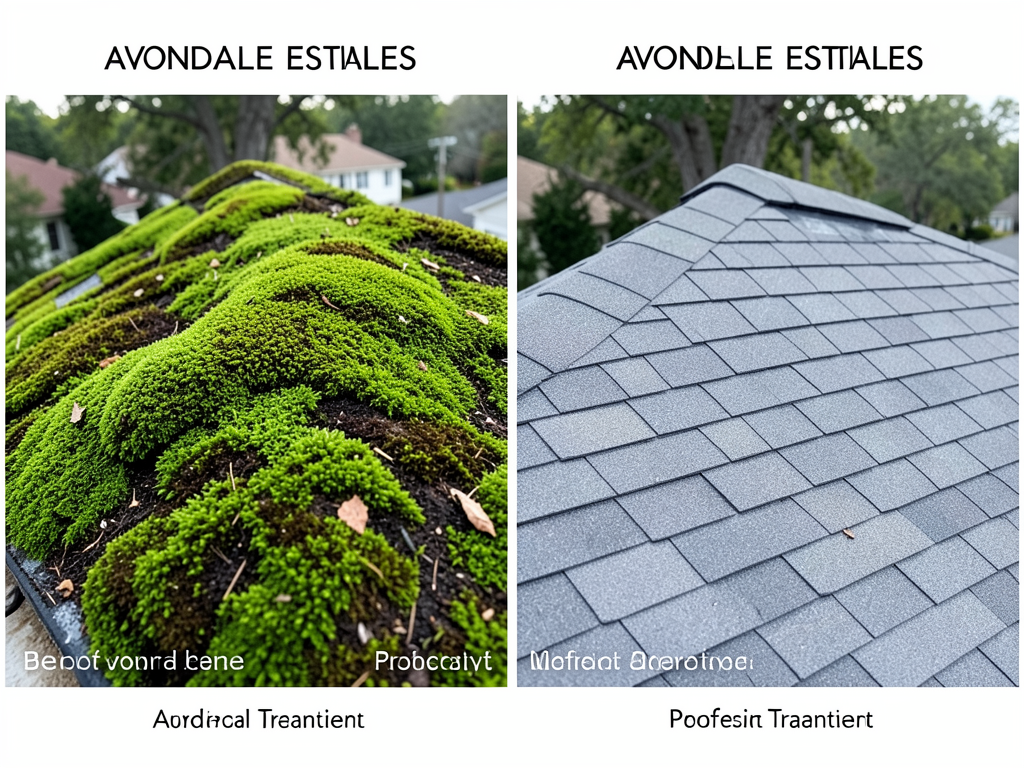
Moss and mold growth on shaded roofs isn’t just an aesthetic issue—it’s a threat to your home’s structural integrity and value. The humid Atlanta climate and Avondale Estates’ mature tree canopy create conditions where these organisms thrive, but professional treatment can restore your roof’s appearance and extend its lifespan.
Don’t wait until you see water stains on your ceiling or notice missing granules in your gutters. Early intervention prevents costly repairs and protects your investment. Professional moss removal uses safe, effective methods that preserve your roof’s warranty while eliminating the source of the problem.
Call (770) 610-9366 today to schedule your free roof inspection. Our experienced technicians understand Avondale Estates’ unique climate challenges and use proven methods to safely remove moss and prevent regrowth. Don’t let another season of growth damage your roof—take action now to protect your home.
Pick up the phone and call (770) 610-9366 before the next storm hits. Quick action can save you thousands in potential water damage repairs and extend your roof’s useful life by years. Your home deserves professional care from technicians who understand local conditions and use safe, effective treatments. For more information, visit FEMA roof damage prevention guidelines.
{
“@context”: “https://schema.org”,
“@type”: “BlogPosting”,
“headline”: “Dealing with Moss and Mold Growth on Shaded Avondale Estates Roofs”,
“description”: “Moss and mold thrive in Avondale Estates’ humid, tree-covered lots. Learn safe removal methods, prevention tips, and why soft washing protects your roof’s lifespan.”,
“wordCount”: 1976,
“datePublished”: “2026-03-19T07:43:00.000Z”,
“dateModified”: “2026-03-19T07:43:00.000Z”,
“inLanguage”: “en-US”,
“mainEntityOfPage”: {
“@type”: “WebPage”,
“@id”: “https://firstchoiceroofingatlanta.com”
},
“publisher”: {
“@type”: “LocalBusiness”,
“name”: “First Choice Roofing Atlanta”,
“url”: “https://firstchoiceroofingatlanta.com”
},
“author”: {
“@type”: “Organization”,
“name”: “First Choice Roofing Atlanta”,
“url”: “https://firstchoiceroofingatlanta.com”
},
“image”: {
“@type”: “ImageObject”,
“url”: “https://firstchoiceroofingatlanta.com/wp-content/uploads/2026/03/dealing-with-moss-and-mold-growth-on-shaded-avonda-1.png”
}
}
{
“@context”: “https://schema.org”,
“@type”: “RoofingContractor”,
“name”: “First Choice Roofing Atlanta”,
“url”: “https://firstchoiceroofingatlanta.com”,
“address”: {
“@type”: “PostalAddress”,
“addressLocality”: “Atlanta”
},
“areaServed”: {
“@type”: “City”,
“name”: “Atlanta”
}
}
{
“@context”: “https://schema.org”,
“@type”: “FAQPage”,
“mainEntity”: [
{
“@type”: “Question”,
“name”: “How long does professional moss removal take?”,
“acceptedAnswer”: {
“@type”: “Answer”,
“text”: “Most residential moss removal projects in Avondale Estates take 2-4 hours for a typical single-story home. Two-story homes or those with severe growth may require 4-6 hours. Weather conditions and roof accessibility can affect timing.”
}
},
{
“@type”: “Question”,
“name”: “Will moss grow back after professional cleaning?”,
“acceptedAnswer”: {
“@type”: “Answer”,
“text”: “Yes, moss can regrow in Atlanta’s humid climate, typically within 12-24 months without preventive measures. Professional treatments include growth inhibitors, and installing zinc strips can extend protection to 3-5 years. Annual maintenance treatments help prevent severe regrowth.”
}
},
{
“@type”: “Question”,
“name”: “Can moss damage my roof structure?”,
“acceptedAnswer”: {
“@type”: “Answer”,
“text”: “Yes, moss can cause significant damage by lifting shingle edges, trapping moisture against the roof deck, and creating conditions for wood rot. Left untreated for several years, moss can reduce roof lifespan by 30-50% and cause leaks that damage interior structures.”
}
},
{
“@type”: “Question”,
“name”: “Is moss removal safe for the environment?”,
“acceptedAnswer”: {
“@type”: “Answer”,
“text”: “Professional moss removal using biodegradable solutions is environmentally safe when performed correctly. Technicians protect plants with plastic sheeting, use proper dilution ratios, and thoroughly rinse vegetation after treatment. The sodium hypochlorite used breaks down into salt and water.”
}
},
{
“@type”: “Question”,
“name”: “How can I tell if I have moss or algae on my roof?”,
“acceptedAnswer”: {
“@type”: “Answer”,
“text”: “Moss appears as raised, fuzzy green growth that you can feel with your hand. Algae creates dark streaks or patches that feel smooth. Moss often lifts shingle edges, while algae grows flat against the surface. A professional inspection can confirm which organism is present.”
}
}
]
}
{
“@context”: “https://schema.org”,
“@type”: “BreadcrumbList”,
“itemListElement”: [
{
“@type”: “ListItem”,
“position”: 1,
“name”: “Home”,
“item”: “https://firstchoiceroofingatlanta.com”
},
{
“@type”: “ListItem”,
“position”: 2,
“name”: “Blog”,
“item”: “https://firstchoiceroofingatlanta.com/blog”
},
{
“@type”: “ListItem”,
“position”: 3,
“name”: “Dealing with Moss and Mold Growth on Shaded Avondale Estates Roofs”
}
]
}
{
“@context”: “https://schema.org”,
“@type”: “Service”,
“serviceType”: “Roofing”,
“provider”: {
“@type”: “LocalBusiness”,
“name”: “First Choice Roofing Atlanta”,
“url”: “https://firstchoiceroofingatlanta.com”
},
“areaServed”: {
“@type”: “City”,
“name”: “Atlanta”
},
“description”: “Moss and mold thrive in Avondale Estates’ humid, tree-covered lots. Learn safe removal methods, prevention tips, and why soft washing protects your roof’s lifespan.”
}