Keeping Squirrels and Raccoons Out of Your Ansley Park Attic Roof Line
Squirrels and raccoons are causing serious damage to homes in Ansley Park right now. These animals chew through fascia boards, tear off shingles, and create entry points that lead to water damage and insulation contamination. If you hear scratching in your attic or notice missing shingles near your roof line, you need to act fast before the damage gets worse. Attic Ventilation Systems.
Ansley Park’s mature trees and historic homes create perfect conditions for wildlife to access your roof. The good news is that professional roofers can both repair the damage and install permanent exclusion measures to keep these pests out for good. Protecting Your Historic Decatur Home with Specialty Roof Repairs.
Common Wildlife Causing Roof Damage in North Georgia
Eastern Gray Squirrels are the most frequent culprits in Ansley Park. These animals can squeeze through gaps as small as 1.5 inches and will chew through wood, vinyl, and even metal to reach your attic. Raccoons are larger but equally destructive, often tearing off entire sections of soffit to create entry points.
Roof rats and bats also cause problems but require different exclusion methods. Understanding which animal you’re dealing with helps determine the right repair approach.

Image Description: Technician examining chewed fascia board on a historic Ansley Park home, showing typical squirrel entry damage near roof line.
Signs of Animal Intrusion: What to Look For
Early detection prevents thousands in damage. Here are the warning signs that animals have breached your roof line:
- Chewed or splintered fascia boards near roof edges
- Missing or torn shingles concentrated in one area
- Compressed or scattered attic insulation
- Animal droppings in attic or near roof vents
- Scratching sounds during early morning or evening hours
- Visible entry holes around soffit vents or roof intersections
The Georgia Department of Natural Resources reports that urban wildlife populations have increased 40% over the past decade, making exclusion more important than ever. Georgia Department of Natural Resources.
The Risks of Ignoring Roof Damage
Animal entry points create multiple hazards that go beyond the initial damage. Water follows these openings during Atlanta’s heavy thunderstorms, causing ceiling stains, wall damage, and mold growth. The International Building Code requires proper roof sealing to prevent moisture intrusion, and animal damage creates code violations. National Fire Protection Association.
Chewed electrical wires in your attic create fire hazards. The National Fire Protection Association cites animal damage as a leading cause of electrical fires in residential buildings. Additionally, animal droppings contaminate insulation and create health risks from histoplasmosis and other diseases.
Our 4-Step Repair & Exclusion Process
We follow a systematic approach that addresses both immediate damage and long-term prevention:
- Comprehensive Inspection
We examine your entire roof line, attic space, and surrounding trees to identify all entry points and damage. This includes checking for compressed decking and water damage under compromised areas.
- Emergency Protection
We install temporary barriers and seal active entry points to prevent further intrusion while permanent repairs are planned. This often includes heavy-duty hardware cloth over vents and chimney caps. Chimney Leak Emergency Repair.
- Structural Repairs
We replace damaged fascia boards, repair decking, and install new shingles that match your existing roof. All repairs meet or exceed Georgia State Minimum Standard Residential Code requirements.
- Wildlife Exclusion
We install chew-proof vent covers, reinforce soffit connections, and add metal drip edges that prevent animals from gaining purchase on your roof line. We also seal all potential entry points with materials animals cannot penetrate.
Does Homeowners Insurance Cover Animal Damage?
Insurance coverage depends on how the damage occurred. The Georgia Insurance Information Service states that sudden and accidental damage from animals is typically covered, while gradual damage from lack of maintenance is not.
Documentation is critical for claims. We provide detailed inspection reports with photos showing the extent of damage, which insurance companies require for approval. Our team can also speak directly with adjusters to explain the structural implications of animal entry.
Prevention Through Roofing Upgrades
Certain roofing materials and hardware make your home less attractive to wildlife. Metal drip edges prevent animals from climbing onto your roof line. Heavy-gauge hardware cloth over vents blocks entry while maintaining ventilation. Sealed soffit connections eliminate common access points. Roofing Dunwoody.
For Ansley Park’s historic homes, we use materials that match the original architecture while providing modern protection. This includes custom-fabricated metal flashing and period-appropriate vent covers that blend with your home’s character.
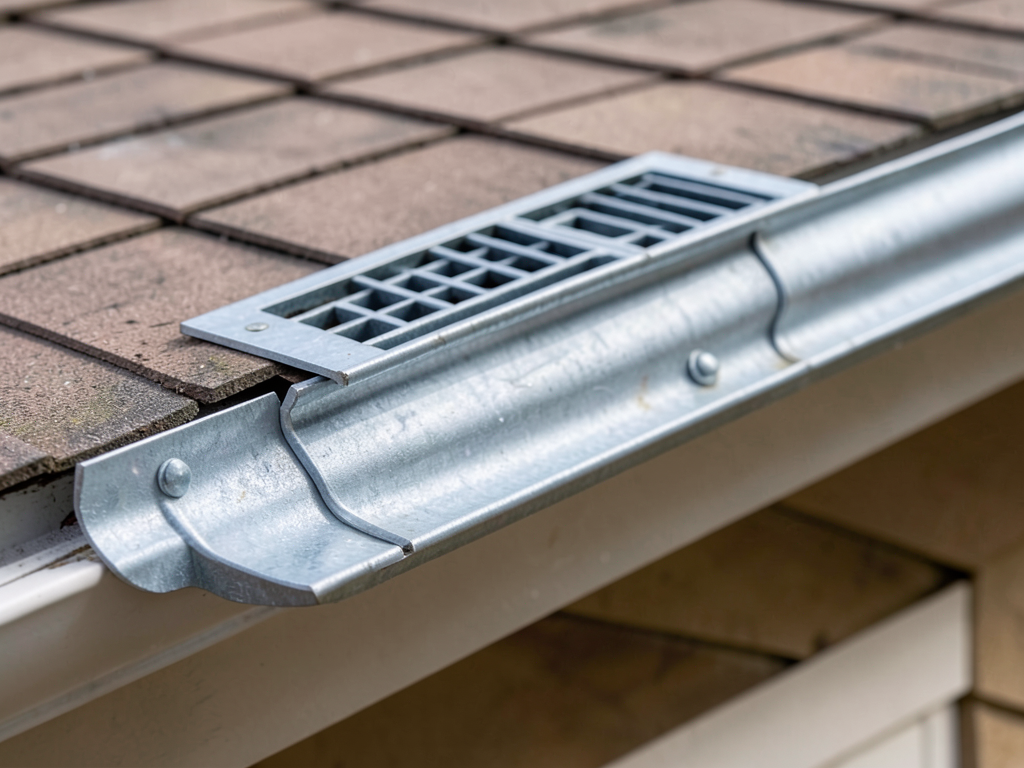
Image Description: Close-up of professionally installed metal drip edge and chew-proof vent covers on a restored Ansley Park roof line.
Atlanta’s Seasonal Animal Behavior
Wildlife activity in Atlanta follows predictable patterns. Squirrels breed twice yearly, with peak activity in late winter and midsummer. Raccoons are most active in spring when they’re raising young. This means your risk of intrusion varies by season.
Atlanta’s humid climate also affects animal behavior. High humidity drives animals to seek shelter in cool, dry attics during summer months. Our exclusion methods account for these seasonal patterns to provide year-round protection.
Why Professional Roofing Beats Pest Control Alone
Pest control companies remove animals but often leave structural damage unrepaired. This creates a cycle where new animals quickly re-enter through the same compromised areas. Professional roofers address the underlying structural issues while providing permanent exclusion solutions.
We also handle the secondary damage that pest control misses. Water-damaged decking, mold-contaminated insulation, and compromised underlayment all require roofing expertise to repair properly.
Image Description: Before and after comparison showing chewed fascia board replacement and new metal vent covers installed on an Ansley Park home.
Local Building Codes and Requirements
Fulton County and Atlanta building codes require specific measures for roof penetrations and ventilation. The Georgia State Minimum Standard Residential Code mandates proper flashing around all roof penetrations and requires that soffit vents be protected from weather and pest intrusion.. Read more about Why the Wood Around Your Roofline is Rotting in East Atlanta Village.
Our exclusion work meets all local code requirements while providing superior protection against wildlife. We stay current with code updates that affect animal exclusion methods.
Emergency Response for Active Intrusions
If you hear animals in your attic right now, we offer same-day emergency service in Ansley Park. Our team can install temporary barriers to prevent further damage while permanent repairs are scheduled. We understand that active intrusions require immediate attention to prevent escalating damage. Who to Call for Urgent Emergency Roof Repairs in Buckhead.
Our emergency service includes a 24-hour response guarantee for active wildlife situations in the Atlanta area.
Cost Factors for Animal Damage Repair
Repair costs vary based on damage extent and required exclusion measures. Simple fascia board replacement might cost $500-800, while comprehensive exclusion for a severely damaged roof could reach $3,000-5,000. Insurance coverage often offsets a significant portion of these costs.
We provide detailed written estimates that break down all repair and exclusion components, helping you make informed decisions about your home’s protection.
Protecting Your Investment Long-Term
Animal damage repair is an investment in your home’s value and structural integrity. Unrepaired damage leads to water intrusion, mold growth, and eventual structural failure. Our exclusion methods come with warranties that protect your investment for years to come.
We also offer maintenance programs that include annual inspections to catch new vulnerabilities before animals exploit them.
Frequently Asked Questions
How do I know if animals are in my attic?
Listen for scratching sounds, especially during early morning or evening hours. Look for droppings in your attic, chewed wood or wiring, and torn insulation. You might also notice unusual odors or see animals entering through roof vents.
Can I just trap the animals and seal the holes myself?
While trapping removes current animals, it doesn’t address the structural damage or prevent new animals from entering. Professional repairs ensure all entry points are properly sealed with materials animals cannot penetrate.
How long does animal damage repair take?
Simple repairs typically take 1-2 days. Complex damage involving multiple entry points or structural repairs may require 3-5 days. We provide specific timelines after our initial inspection.
Take Action Today
Don’t wait for water damage or electrical fires to force your hand. If you suspect animal intrusion in your Ansley Park home, call (770) 610-9366 today for a comprehensive inspection. Our team will identify all damage, provide a detailed repair plan, and implement permanent exclusion measures to protect your home.
Pick up the phone and call (770) 610-9366 before the next storm hits. The sooner we address animal damage, the less expensive and disruptive the repairs will be.
Ansley Park’s beautiful trees and historic character shouldn’t come at the cost of your home’s integrity. Let our experienced team restore your roof line and keep wildlife where they belong – outside your home.
{
“@context”: “https://schema.org”,
“@type”: “BlogPosting”,
“headline”: “Keeping Squirrels and Raccoons Out of Your Ansley Park Attic Roof Line”,
“description”: “Protect your Ansley Park home from squirrel and raccoon damage. Learn how these pests enter, the risks they pose, and professional exclusion methods from Atlanta roofing experts.”,
“wordCount”: 1441,
“datePublished”: “2026-03-27T07:07:00.000Z”,
“dateModified”: “2026-03-27T07:07:00.000Z”,
“inLanguage”: “en-US”,
“mainEntityOfPage”: {
“@type”: “WebPage”,
“@id”: “https://firstchoiceroofingatlanta.com”
},
“publisher”: {
“@type”: “LocalBusiness”,
“name”: “First Choice Roofing Atlanta”,
“url”: “https://firstchoiceroofingatlanta.com”
},
“author”: {
“@type”: “Organization”,
“name”: “First Choice Roofing Atlanta”,
“url”: “https://firstchoiceroofingatlanta.com”
},
“image”: {
“@type”: “ImageObject”,
“url”: “https://firstchoiceroofingatlanta.com/wp-content/uploads/2026/03/keeping-squirrels-and-raccoons-out-of-your-ansley-1.png”
}
}
{
“@context”: “https://schema.org”,
“@type”: “RoofingContractor”,
“name”: “First Choice Roofing Atlanta”,
“url”: “https://firstchoiceroofingatlanta.com”,
“address”: {
“@type”: “PostalAddress”,
“addressLocality”: “Atlanta”
},
“areaServed”: {
“@type”: “City”,
“name”: “Atlanta”
}
}
{
“@context”: “https://schema.org”,
“@type”: “FAQPage”,
“mainEntity”: [
{
“@type”: “Question”,
“name”: “Does Homeowners Insurance Cover Animal Damage?”,
“acceptedAnswer”: {
“@type”: “Answer”,
“text”: “Insurance coverage depends on how the damage occurred. The Georgia Insurance Information Service states that sudden and accidental damage from animals is typically covered, while gradual damage from lack of maintenance is not.”
}
},
{
“@type”: “Question”,
“name”: “How do I know if animals are in my attic?”,
“acceptedAnswer”: {
“@type”: “Answer”,
“text”: “Listen for scratching sounds, especially during early morning or evening hours. Look for droppings in your attic, chewed wood or wiring, and torn insulation. You might also notice unusual odors or see animals entering through roof vents.”
}
},
{
“@type”: “Question”,
“name”: “Can I just trap the animals and seal the holes myself?”,
“acceptedAnswer”: {
“@type”: “Answer”,
“text”: “While trapping removes current animals, it doesn’t address the structural damage or prevent new animals from entering. Professional repairs ensure all entry points are properly sealed with materials animals cannot penetrate.”
}
},
{
“@type”: “Question”,
“name”: “How long does animal damage repair take?”,
“acceptedAnswer”: {
“@type”: “Answer”,
“text”: “Simple repairs typically take 1-2 days. Complex damage involving multiple entry points or structural repairs may require 3-5 days. We provide specific timelines after our initial inspection.”
}
}
]
}
{
“@context”: “https://schema.org”,
“@type”: “HowTo”,
“name”: “Professional Animal Damage Repair Process”,
“step”: [
{
“@type”: “HowToStep”,
“position”: 1,
“name”: “Comprehensive Inspection”,
“text”: “We examine your entire roof line, attic space, and surrounding trees to identify all entry points and damage. This includes checking for compressed decking and water damage under compromised areas.”
},
{
“@type”: “HowToStep”,
“position”: 2,
“name”: “Emergency Protection”,
“text”: “We install temporary barriers and seal active entry points to prevent further intrusion while permanent repairs are planned. This often includes heavy-duty hardware cloth over vents and chimney caps. Chimney Leak Emergency Repair.”
},
{
“@type”: “HowToStep”,
“position”: 3,
“name”: “Structural Repairs”,
“text”: “We replace damaged fascia boards, repair decking, and install new shingles that match your existing roof. All repairs meet or exceed Georgia State Minimum Standard Residential Code requirements.”
},
{
“@type”: “HowToStep”,
“position”: 4,
“name”: “Wildlife Exclusion”,
“text”: “We install chew-proof vent covers, reinforce soffit connections, and add metal drip edges that prevent animals from gaining purchase on your roof line. We also seal all potential entry points with materials animals cannot penetrate.”
}
],
“image”: “https://firstchoiceroofingatlanta.com/wp-content/uploads/2026/03/keeping-squirrels-and-raccoons-out-of-your-ansley-1.png”
}
{
“@context”: “https://schema.org”,
“@type”: “BreadcrumbList”,
“itemListElement”: [
{
“@type”: “ListItem”,
“position”: 1,
“name”: “Home”,
“item”: “https://firstchoiceroofingatlanta.com”
},
{
“@type”: “ListItem”,
“position”: 2,
“name”: “Blog”,
“item”: “https://firstchoiceroofingatlanta.com/blog”
},
{
“@type”: “ListItem”,
“position”: 3,
“name”: “Keeping Squirrels and Raccoons Out of Your Ansley Park Attic Roof Line”
}
]
}
{
“@context”: “https://schema.org”,
“@type”: “Service”,
“serviceType”: “Roofing”,
“provider”: {
“@type”: “LocalBusiness”,
“name”: “First Choice Roofing Atlanta”,
“url”: “https://firstchoiceroofingatlanta.com”
},
“areaServed”: {
“@type”: “City”,
“name”: “Atlanta”
},
“description”: “Protect your Ansley Park home from squirrel and raccoon damage. Learn how these pests enter, the risks they pose, and professional exclusion methods from Atlanta roofing experts.”
}