
Repairing Rotten Soffit and Fascia Boards on Older Smyrna Homes
Wood rot damage to soffit and fascia boards is a common problem for homeowners in Smyrna’s established neighborhoods. Many homes built in the 1960s through 1980s feature wooden trim that’s now showing signs of decay after decades of Georgia’s humid climate and seasonal storms. If you’re noticing peeling paint, soft spots, or pest activity around your roofline, you’re likely dealing with the early stages of soffit and fascia deterioration. Georgia State Minimum Standard Residential Code.
Left untreated, rotted wood compromises your roof’s structural integrity and creates entry points for squirrels, birds, and insects. The good news is that targeted repair work can restore both the appearance and function of your home’s exterior trim. Understanding what causes this damage and how to fix it properly will help you make informed decisions about protecting your investment. EPA guidelines on home ventilation.
Common Signs of Soffit and Fascia Damage in Smyrna
Identifying wood rot early can save you from more extensive repairs down the road. Start by examining your home’s exterior from ground level. Look for paint that’s bubbling, cracking, or peeling away from the wood surface. This often indicates moisture has penetrated beneath the paint layer.
Walk around your home during daylight hours and check for light visible through the soffit vents. Blocked or damaged vents reduce attic ventilation and can trap moisture. From a ladder, gently press on the wood with a screwdriver. Healthy wood feels solid, while rotted wood will feel soft, spongy, or crumbly. Attic Ventilation Systems.
Listen for unusual sounds in your attic. Squirrels and raccoons often chew through rotted fascia to create nesting sites. You might hear scratching, scurrying, or chirping sounds coming from above your ceiling, especially during early morning or evening hours.
Check your gutters for signs of separation from the roofline. Fascia boards provide the mounting surface for gutters, and rotted wood can cause gutters to pull away or sag. This creates drainage problems that worsen the moisture damage cycle.. Read more about How to Stop Carpenter Bees from Drilling into Your Roofline in Woodstock and Holly Springs.
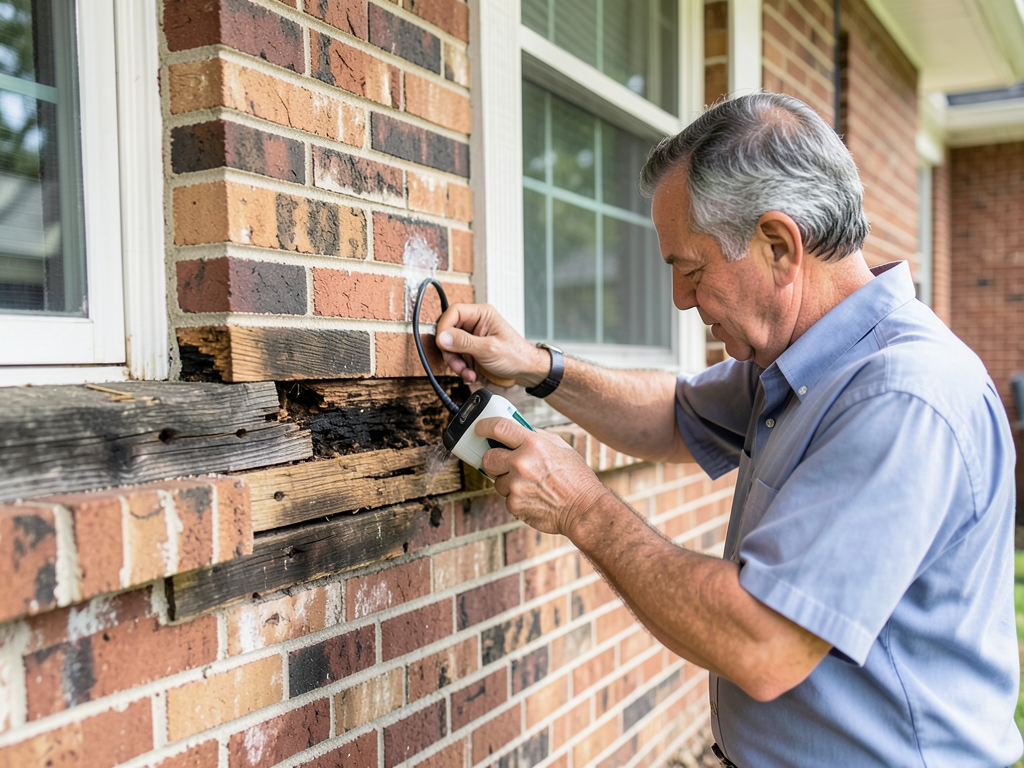
Diagram showing common soffit and fascia damage patterns on 1960s-1980s brick ranch homes typical of Smyrna neighborhoods
Why Smyrna’s Climate Accelerates Wood Rot
Georgia’s climate creates perfect conditions for wood deterioration. Smyrna receives an average of 51 inches of rainfall annually, with particularly heavy precipitation during summer thunderstorms. This constant moisture exposure, combined with high humidity levels that often exceed 70%, creates an environment where wood fungi thrive.
According to the Georgia State Minimum Standard Residential Code, proper ventilation is required to prevent moisture buildup in attic spaces. However, many older Smyrna homes were built before these ventilation requirements were standardized, leaving them vulnerable to trapped moisture.
The temperature fluctuations in North Georgia also contribute to wood damage. Summer heat causes wood to expand, while winter cold causes contraction. This repeated movement breaks down paint seals and creates microscopic cracks where moisture can enter. Over 20-30 years, this cycle leads to significant deterioration.
Termites and carpenter ants are particularly active in Smyrna’s clay soil areas. These pests are attracted to moist, decaying wood and can accelerate the rot process. A termite colony can consume several pounds of wood annually, turning minor rot damage into major structural problems.
Our Step-by-Step Repair Process
Professional soffit and fascia repair follows a systematic approach to ensure lasting results. The first step involves a thorough inspection to assess the extent of damage. Technicians use moisture meters to detect hidden rot and check for pest activity signs.
During the inspection, we evaluate whether the damage is localized or widespread. Sometimes only a few boards need replacement, while other cases require complete system overhauls. We also check the underlying roof structure, as severe rot can compromise rafter tails and roof decking.
Once we’ve assessed the damage, we create a detailed repair plan. This includes removing all rotted material, treating surrounding areas with wood preservatives, and installing new components that match your home’s existing style and color scheme.
The removal process requires careful work to avoid damaging surrounding roofing materials or siding. We use specialized tools to cut out damaged sections cleanly, preserving as much of the original structure as possible while ensuring complete removal of compromised wood. Roofing Dunwoody.
Installation involves securing new boards with corrosion-resistant fasteners and sealing all joints with high-quality exterior caulk. We apply primer and paint to protect the new wood from future moisture damage, using colors that match or complement your home’s existing exterior.
Technician using moisture meter to detect hidden wood rot behind fascia boards on a Smyrna home
Material Options for Long-Lasting Repairs
Choosing the right materials for your soffit and fascia repair affects both appearance and longevity. Traditional wood remains popular for historic homes, but modern alternatives offer superior resistance to Georgia’s climate challenges. Protecting Your Historic Decatur Home with Specialty Roof Repairs.
Cellular PVC trim boards resist moisture, insects, and UV damage while maintaining the appearance of painted wood. These engineered materials don’t warp, crack, or rot, making them ideal for Smyrna’s humid environment. They cost more initially but eliminate the need for frequent repainting.
Engineered wood products combine wood fibers with resins and preservatives to create dimensionally stable boards that resist rot and insects. These materials paint well and provide the traditional wood appearance many homeowners prefer while offering enhanced durability.
Aluminum soffit panels offer excellent ventilation and require virtually no maintenance. The baked-on finish resists fading and chalking, and the material won’t rot, warp, or attract pests. However, aluminum may not suit all architectural styles, particularly historic homes.
Vinyl fascia boards provide good moisture resistance at a lower cost than PVC or aluminum. Modern vinyl formulations resist yellowing and cracking better than older versions, though they may become brittle in extreme cold.
| Material Type | Lifespan in Georgia Climate | Maintenance Requirements | Best Applications |
|---|---|---|---|
| Traditional Wood | 15-20 years | Annual inspection, repainting every 5-7 years | Historic homes, traditional architecture |
| Cellular PVC | 30+ years | Wipe clean as needed | Modern homes, low-maintenance preferences |
| Engineered Wood | 20-25 years | Inspection every 2-3 years, repainting every 7-10 years | Transitional styles, budget-conscious homeowners |
| Aluminum | 25-30 years | Occasional cleaning | Contemporary homes, commercial properties |
| Vinyl | 20-25 years | Wipe clean as needed | Budget installations, rental properties |
Preventing Future Damage to Your Roofline
Once you’ve repaired rotted soffit and fascia boards, taking preventive measures helps protect your investment. Start with proper attic ventilation, which is crucial for moisture control. The International Residential Code requires 1 square foot of ventilation for every 150 square feet of attic space, though many older homes fall short of this standard.
Clean your gutters regularly to prevent water backup that can damage fascia boards. In Smyrna’s tree-lined neighborhoods, gutters often need cleaning three to four times per year during fall and spring when leaves and debris accumulate most heavily.
Inspect your roof annually for damaged or missing shingles that could allow water to reach the fascia boards. Small roof leaks often manifest as fascia rot before becoming visible inside your home. Look for curled, cracked, or missing shingles, especially after severe weather.
Trim tree branches that overhang your roof. In Smyrna’s established neighborhoods, mature trees provide shade but also drop leaves and branches that trap moisture against your home’s exterior. Keep branches at least six feet from your roof to improve air circulation and reduce debris accumulation.
Consider applying water-repellent wood preservatives to exposed wood surfaces annually. These treatments create a barrier that prevents moisture absorption while allowing the wood to breathe. Focus on end grains and joints where water tends to penetrate most easily.
Local Service Areas Around Smyrna
First Choice Roofing Atlanta serves Smyrna and surrounding communities throughout Cobb County. Our service area includes zip codes 30080, 30082, and 30060, covering neighborhoods from the historic areas near Smyrna Market Village to newer developments along the East-West Connector.
We frequently work in nearby Vinings, where many mid-century homes feature similar soffit and fascia construction to Smyrna properties. The architectural similarities mean we understand the specific challenges these homes face and can recommend appropriate repair solutions.
Our team is familiar with Smyrna’s building permit requirements and local architectural review guidelines for historic districts. We ensure all repairs comply with Cobb County regulations while maintaining the aesthetic integrity of your home’s exterior.
Quick response times are critical for preventing further damage once rot is discovered. Our location near I-285 and I-75 allows us to reach most Smyrna neighborhoods within 30 minutes for emergency repairs, particularly important during storm season when additional damage risks increase. Who to Call for Urgent Emergency Roof Repairs in Buckhead.
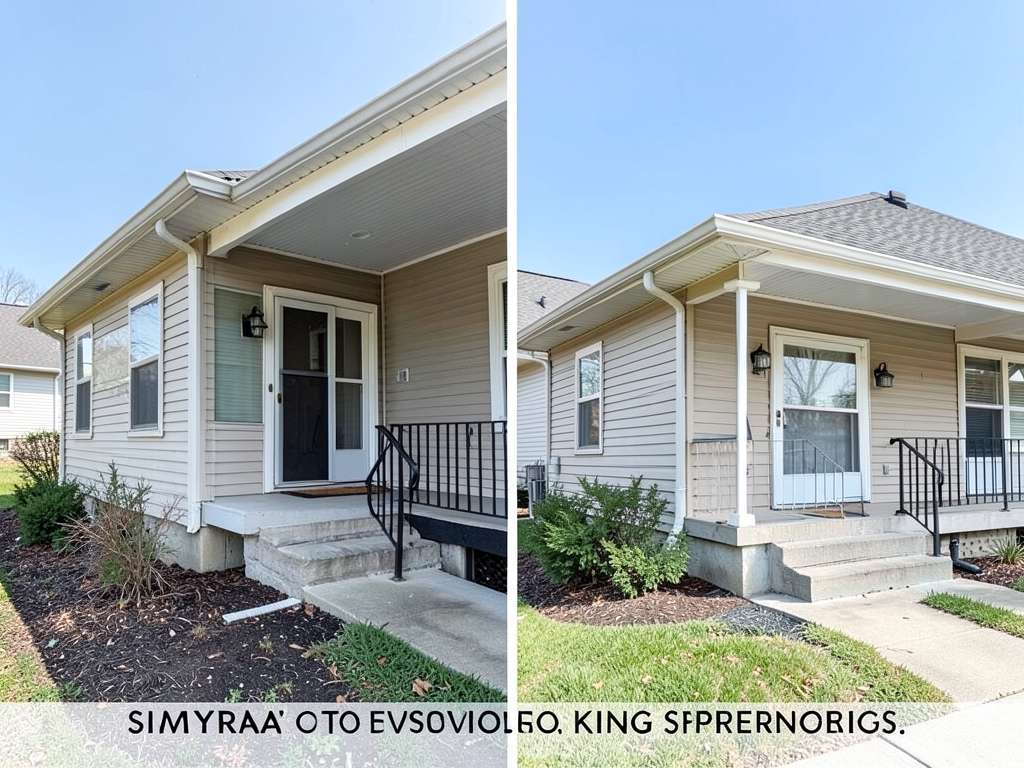
Before and after photos showing complete soffit and fascia replacement on a 1970s brick ranch home in Smyrna’s King Springs area. Read more about Why Your Stucco Home in Sandy Springs is Prone to Roof Leaks (And How to Stop the Water).
Frequently Asked Questions
How can I tell if my soffit and fascia need repair?
Look for peeling paint, soft or crumbly wood when pressed with a screwdriver, visible light through vents, gutter separation, or signs of pest activity. If you notice any of these issues, schedule a professional inspection to assess the extent of damage.
What causes wood rot on soffit and fascia boards?
Wood rot results from prolonged moisture exposure combined with Georgia’s high humidity. Poor attic ventilation, roof leaks, clogged gutters, and termite damage all contribute to the problem. Once moisture penetrates wood, fungi begin breaking down the material.
How long does soffit and fascia repair take?
Most repair projects take one to two days, depending on the extent of damage. Simple board replacements might be completed in a single day, while complete system overhauls require more time. We’ll provide a specific timeline after our initial inspection.
Should I repair or replace my soffit and fascia?
If damage is localized and the underlying structure is sound, targeted repairs are often sufficient. However, widespread rot, pest damage, or outdated ventilation systems typically warrant complete replacement for the best long-term value.
Does homeowners insurance cover soffit and fascia repair?
Standard policies typically don’t cover damage from normal wear and tear or lack of maintenance. However, if damage results from a covered peril like storm damage or sudden pipe failure, repairs might be covered. Check your specific policy details.
What materials do you recommend for Georgia’s climate?
Cellular PVC and aluminum offer the best resistance to moisture and insects in Georgia’s humid climate. For historic homes requiring wood appearance, engineered wood products with preservatives provide good durability. We’ll recommend materials based on your home’s style and maintenance preferences.
How much does soffit and fascia repair cost?
Costs vary based on damage extent, materials chosen, and home size. Simple repairs might start around $1,500, while complete replacements for larger homes can exceed $5,000. We provide detailed estimates after inspecting your specific situation.
Can I repair soffit and fascia myself?
While handy homeowners might handle minor repairs, professional installation ensures proper ventilation, weather sealing, and structural integrity. Incorrect repairs can trap moisture or create pest entry points, leading to more expensive problems later.
How often should soffit and fascia be inspected?
Annual inspections are recommended, with additional checks after severe storms. Spring and fall are ideal times for inspection, allowing you to address any winter damage before summer storms arrive.
What’s the difference between soffit and fascia?
Fascia boards are the vertical boards that cap the ends of rafters and provide a mounting surface for gutters. Soffit panels are the horizontal surfaces that close the underside of the roof overhang. Both components work together to protect your roof structure.
Will new soffit and fascia improve my home’s energy efficiency?
Yes, proper ventilation through new soffit panels can reduce attic heat buildup, potentially lowering cooling costs during Georgia’s hot summers. Some modern soffit designs also accommodate additional insulation for improved thermal performance.
Do you offer warranties on soffit and fascia repairs?
We provide warranties on both materials and workmanship for all our repair projects. Specific warranty terms depend on the materials selected and the scope of work performed. We’ll review all warranty details before starting any project.
Don’t let rotted soffit and fascia compromise your home’s structural integrity and curb appeal. Call (770) 610-9366 today to schedule your professional inspection. Our experienced team will assess your specific situation and recommend the most effective repair solutions for your Smyrna home. Quick action now can prevent costly damage later.
Pick up the phone and call (770) 610-9366 before the next storm hits. We’re ready to restore your roofline’s protection and beauty with quality materials and expert craftsmanship that stands up to Georgia’s challenging climate.
You may also find this helpful. The Difference Between Seamless and Sectional Gutters for Homes in Roswell.
{
“@context”: “https://schema.org”,
“@type”: “BlogPosting”,
“headline”: “Repairing Rotten Soffit and Fascia Boards on Older Smyrna Homes”,
“description”: “Discover expert soffit and fascia repair solutions for Smyrna’s aging homes. Learn to identify wood rot, prevent pest damage, and restore your roofline’s integrity.”,
“wordCount”: 2070,
“datePublished”: “2026-05-21T11:17:00.000Z”,
“dateModified”: “2026-05-21T11:17:00.000Z”,
“inLanguage”: “en-US”,
“mainEntityOfPage”: {
“@type”: “WebPage”,
“@id”: “https://firstchoiceroofingatlanta.com”
},
“publisher”: {
“@type”: “LocalBusiness”,
“name”: “First Choice Roofing Atlanta”,
“url”: “https://firstchoiceroofingatlanta.com”
},
“author”: {
“@type”: “Organization”,
“name”: “First Choice Roofing Atlanta”,
“url”: “https://firstchoiceroofingatlanta.com”
},
“image”: {
“@type”: “ImageObject”,
“url”: “https://firstchoiceroofingatlanta.com/wp-content/uploads/2026/03/repairing-rotten-soffit-and-fascia-boards-on-older-1.png”
}
}
{
“@context”: “https://schema.org”,
“@type”: “RoofingContractor”,
“name”: “First Choice Roofing Atlanta”,
“url”: “https://firstchoiceroofingatlanta.com”,
“address”: {
“@type”: “PostalAddress”,
“addressLocality”: “Atlanta”
},
“areaServed”: {
“@type”: “City”,
“name”: “Atlanta”
}
}
{
“@context”: “https://schema.org”,
“@type”: “FAQPage”,
“mainEntity”: [
{
“@type”: “Question”,
“name”: “How can I tell if my soffit and fascia need repair?”,
“acceptedAnswer”: {
“@type”: “Answer”,
“text”: “Look for peeling paint, soft or crumbly wood when pressed with a screwdriver, visible light through vents, gutter separation, or signs of pest activity. If you notice any of these issues, schedule a professional inspection to assess the extent of damage.”
}
},
{
“@type”: “Question”,
“name”: “What causes wood rot on soffit and fascia boards?”,
“acceptedAnswer”: {
“@type”: “Answer”,
“text”: “Wood rot results from prolonged moisture exposure combined with Georgia’s high humidity. Poor attic ventilation, roof leaks, clogged gutters, and termite damage all contribute to the problem. Once moisture penetrates wood, fungi begin breaking down the material.”
}
},
{
“@type”: “Question”,
“name”: “How long does soffit and fascia repair take?”,
“acceptedAnswer”: {
“@type”: “Answer”,
“text”: “Most repair projects take one to two days, depending on the extent of damage. Simple board replacements might be completed in a single day, while complete system overhauls require more time. We’ll provide a specific timeline after our initial inspection.”
}
},
{
“@type”: “Question”,
“name”: “Should I repair or replace my soffit and fascia?”,
“acceptedAnswer”: {
“@type”: “Answer”,
“text”: “If damage is localized and the underlying structure is sound, targeted repairs are often sufficient. However, widespread rot, pest damage, or outdated ventilation systems typically warrant complete replacement for the best long-term value.”
}
},
{
“@type”: “Question”,
“name”: “Does homeowners insurance cover soffit and fascia repair?”,
“acceptedAnswer”: {
“@type”: “Answer”,
“text”: “Standard policies typically don’t cover damage from normal wear and tear or lack of maintenance. However, if damage results from a covered peril like storm damage or sudden pipe failure, repairs might be covered. Check your specific policy details.”
}
},
{
“@type”: “Question”,
“name”: “How much does soffit and fascia repair cost?”,
“acceptedAnswer”: {
“@type”: “Answer”,
“text”: “Costs vary based on damage extent, materials chosen, and home size. Simple repairs might start around $1,500, while complete replacements for larger homes can exceed $5,000. We provide detailed estimates after inspecting your specific situation.”
}
},
{
“@type”: “Question”,
“name”: “Can I repair soffit and fascia myself?”,
“acceptedAnswer”: {
“@type”: “Answer”,
“text”: “While handy homeowners might handle minor repairs, professional installation ensures proper ventilation, weather sealing, and structural integrity. Incorrect repairs can trap moisture or create pest entry points, leading to more expensive problems later.”
}
},
{
“@type”: “Question”,
“name”: “How often should soffit and fascia be inspected?”,
“acceptedAnswer”: {
“@type”: “Answer”,
“text”: “Annual inspections are recommended, with additional checks after severe storms. Spring and fall are ideal times for inspection, allowing you to address any winter damage before summer storms arrive.”
}
},
{
“@type”: “Question”,
“name”: “What’s the difference between soffit and fascia?”,
“acceptedAnswer”: {
“@type”: “Answer”,
“text”: “Fascia boards are the vertical boards that cap the ends of rafters and provide a mounting surface for gutters. Soffit panels are the horizontal surfaces that close the underside of the roof overhang. Both components work together to protect your roof structure.”
}
},
{
“@type”: “Question”,
“name”: “Will new soffit and fascia improve my home’s energy efficiency?”,
“acceptedAnswer”: {
“@type”: “Answer”,
“text”: “Yes, proper ventilation through new soffit panels can reduce attic heat buildup, potentially lowering cooling costs during Georgia’s hot summers. Some modern soffit designs also accommodate additional insulation for improved thermal performance.”
}
},
{
“@type”: “Question”,
“name”: “Do you offer warranties on soffit and fascia repairs?”,
“acceptedAnswer”: {
“@type”: “Answer”,
“text”: “We provide warranties on both materials and workmanship for all our repair projects. Specific warranty terms depend on the materials selected and the scope of work performed. We’ll review all warranty details before starting any project.”
}
}
]
}
{
“@context”: “https://schema.org”,
“@type”: “BreadcrumbList”,
“itemListElement”: [
{
“@type”: “ListItem”,
“position”: 1,
“name”: “Home”,
“item”: “https://firstchoiceroofingatlanta.com”
},
{
“@type”: “ListItem”,
“position”: 2,
“name”: “Blog”,
“item”: “https://firstchoiceroofingatlanta.com/blog”
},
{
“@type”: “ListItem”,
“position”: 3,
“name”: “Repairing Rotten Soffit and Fascia Boards on Older Smyrna Homes”
}
]
}
{
“@context”: “https://schema.org”,
“@type”: “Service”,
“serviceType”: “Roofing”,
“provider”: {
“@type”: “LocalBusiness”,
“name”: “First Choice Roofing Atlanta”,
“url”: “https://firstchoiceroofingatlanta.com”
},
“areaServed”: {
“@type”: “City”,
“name”: “Atlanta”
},
“description”: “Discover expert soffit and fascia repair solutions for Smyrna’s aging homes. Learn to identify wood rot, prevent pest damage, and restore your roofline’s integrity.”
}