
Commercial Roofing Solutions That Withstand the Atlanta Heat
Atlanta’s brutal summers push commercial roofs to their limits. Temperatures regularly climb above 90°F with high humidity that traps heat and accelerates material breakdown. Your roof faces UV radiation that weakens membranes sudden thunderstorms that test drainage and thermal expansion that stresses seams. Choosing the right commercial roofing system isn’t just about cost—it’s about protecting your building’s interior reducing energy bills and avoiding costly emergency repairs when Atlanta’s weather strikes. EPA Cool Roof Information.
Commercial property owners in Fulton County and surrounding areas need roofing solutions engineered for Georgia’s specific climate challenges. The right system can extend roof life by 10-15 years while cutting cooling costs by up to 30%. Let’s examine the commercial roofing options that perform best in Atlanta’s heat and humidity. Roofing Dunwoody.
Understanding Atlanta’s Climate Impact on Commercial Roofs
Atlanta sits in USDA Hardiness Zone 8a where summer heat and humidity create unique roofing challenges. The Georgia heat island effect means downtown temperatures can be 5-7°F higher than surrounding areas. This constant thermal stress causes materials to expand and contract thousands of times per year.
Humidity levels often exceed 70% during summer months creating perfect conditions for algae and mold growth on roof surfaces. This biological growth not only looks unprofessional but also degrades roofing materials and clogs drainage systems. Atlanta’s location in “Dixie Alley” means occasional severe weather including high winds and hail that can compromise roof integrity.
The National Weather Service reports Atlanta receives an average of 217 sunny days annually exposing roofs to intense UV radiation. This UV exposure breaks down chemical bonds in roofing materials causing cracking chalking and loss of flexibility. A roof that performs well in cooler climates may fail prematurely under Atlanta’s sun.
Single-Ply Membrane Systems for Atlanta Commercial Buildings
Single-ply membranes dominate Atlanta’s commercial roofing market due to their heat resistance and energy efficiency. These lightweight systems install quickly and provide excellent waterproofing for flat and low-slope roofs common in commercial construction.
TPO Roofing: Atlanta’s Energy-Efficient Choice
Thermoplastic Polyolefin (TPO) roofing reflects up to 87% of solar radiation making it ideal for Atlanta’s heat. The white or light-colored surface reduces cooling costs by keeping building interiors cooler. TPO membranes resist mold growth and algae formation critical in Atlanta’s humid climate.
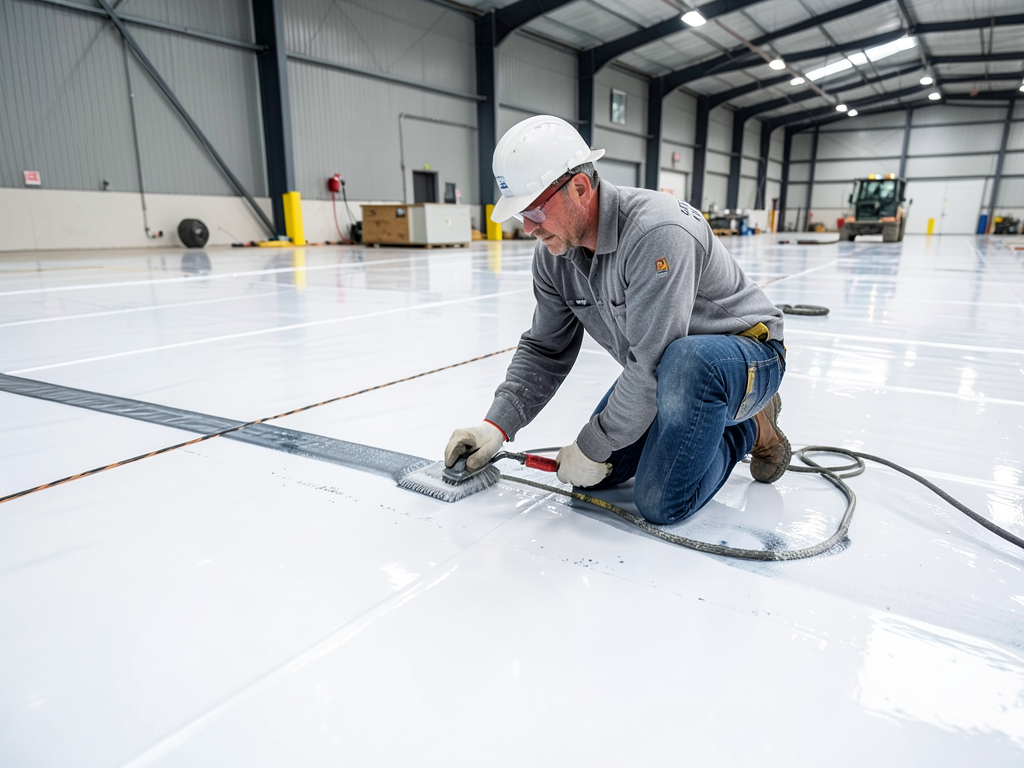
Installation requires heat welding of seams creating bonds stronger than the membrane itself. This welding process prevents the seam separation common in older roofing systems. TPO typically costs $5.50-$7.50 per square foot installed in the Atlanta market.
The material withstands Atlanta’s temperature swings from summer highs to occasional winter freezes. Most TPO systems carry 15-30 year warranties when installed by certified contractors. The EPA’s ENERGY STAR program recognizes TPO as a cool roofing material that helps reduce urban heat island effects.
EPDM: Proven Performance in Southern Heat
Ethylene Propylene Diene Monomer (EPDM) offers excellent heat resistance with a proven track record in Southern climates. The black membrane absorbs heat but provides superior waterproofing and flexibility. EPDM costs $4.50-$6.50 per square foot installed making it budget-friendly for Atlanta businesses.
Atlanta’s afternoon thunderstorms test roofing systems severely. EPDM’s vulcanized rubber construction resists puncture from wind-blown debris common during summer squall lines. The material remains flexible at temperatures from -40°F to 180°F handling Atlanta’s seasonal extremes.
Seams in EPDM systems use adhesives or tape rather than heat welding. While slightly more vulnerable than TPO seams proper installation with quality adhesives provides 20+ years of service. Many Atlanta warehouses and industrial buildings choose EPDM for its durability and lower initial cost.
PVC Roofing: Chemical and Heat Resistance
Polyvinyl Chloride (PVC) roofing excels in environments requiring chemical resistance and high heat tolerance. The material withstands Atlanta’s industrial areas where exhaust fumes and chemical exposure occur. PVC reflects 70-80% of solar radiation reducing cooling costs significantly.
Heat-welded seams create watertight bonds that resist separation even under thermal cycling. PVC costs $6.50-$9.00 per square foot installed but offers superior longevity in harsh environments. The material resists fire chemicals and bacterial growth—important for restaurants healthcare facilities and food processing plants.
Atlanta building codes in certain zoning districts require Class A fire ratings for commercial roofs. PVC meets these requirements while providing excellent energy efficiency. The material’s flexibility prevents cracking during Atlanta’s occasional cold snaps.
Modified Bitumen and Built-Up Roofing Systems
Modified bitumen systems provide reliable performance for Atlanta’s commercial buildings. These multi-layer systems use asphalt modified with polymers for enhanced flexibility and heat resistance. Built-up roofing (BUR) offers similar benefits with multiple felt layers and hot asphalt.
Modified bitumen costs $4.50-$7.00 per square foot installed. The material handles Atlanta’s foot traffic well making it suitable for buildings requiring regular maintenance access. Granule surfacing provides UV protection and slip resistance for maintenance personnel.
Built-up roofing systems use 3-5 layers of felt and asphalt creating thick durable membranes. These systems cost $5.00-$8.50 per square foot installed. The multiple layers provide redundancy—if one layer fails others maintain waterproofing. This reliability appeals to Atlanta property managers seeking long-term solutions.
Both systems perform well in Atlanta’s climate when properly installed. The key lies in selecting experienced contractors familiar with local building codes and weather patterns. Georgia’s amended International Building Code requires specific wind uplift ratings for commercial roofs in Atlanta’s wind zones.
Metal Roofing Solutions for Atlanta Commercial Properties
Metal roofing systems offer unmatched longevity and heat reflection for Atlanta commercial buildings. Standing seam metal roofs last 40-60 years with minimal maintenance. The panels lock together without exposed fasteners preventing leak points common in traditional systems.
Aluminum and Galvalume steel panels reflect 70% of solar radiation. This reflection significantly reduces cooling costs during Atlanta’s long summers. Metal roofing costs $8.00-$14.00 per square foot installed but provides the best life-cycle value for many commercial applications.
Atlanta’s occasional hailstorms test roofing materials severely. Metal roofing withstands hail impact better than most alternatives. The smooth surface allows hail to glance off rather than puncture. Many Atlanta industrial buildings and warehouses choose metal for this durability.
Metal roofing qualifies for ENERGY STAR certification when properly coated. The Cool Roof Rating Council lists many metal roofing products meeting Atlanta’s energy efficiency requirements. Some Georgia utilities offer rebates for cool roof installations improving ROI for metal roofing investments.
Commercial Roof Coatings and Restoration Systems
Roof coatings extend existing roof life while improving energy efficiency. Silicone and acrylic coatings provide seamless waterproofing and reflect heat effectively. These systems cost $2.50-$4.50 per square foot making them budget-friendly alternatives to full replacement.
Silicone coatings perform exceptionally well in Atlanta’s humid climate. The material resists ponding water and maintains flexibility during temperature swings. Most silicone systems carry 10-20 year warranties when properly applied over suitable substrates.
Acrylic coatings offer excellent UV reflection and lower cost at $2.00-$3.50 per square foot. However they require more frequent recoating than silicone in Atlanta’s intense sun. The material works best on roofs with good drainage where ponding water won’t occur.
Coating systems qualify as maintenance under many commercial roof warranties. This classification allows building owners to restore roofs without voiding existing manufacturer warranties. Atlanta’s building department recognizes coating applications as compliant with International Building Code maintenance requirements.
Energy Efficiency and Atlanta’s Building Codes
Atlanta follows Georgia’s adoption of the International Energy Conservation Code (IECC). Current codes require commercial buildings to meet specific thermal performance standards. Cool roofing materials help meet these requirements while reducing energy consumption.
The Atlanta City Council passed an ordinance in 2023 requiring cool roofs on new commercial construction and major renovations. This ordinance references ASTM D6083 for coating performance and ASTM E903 for solar reflectance testing. Buildings must achieve minimum Solar Reflectance Index (SRI) values based on roof slope. ASTM D6083 Standard.
Georgia Power offers incentives for energy-efficient roofing through its Commercial Energy Efficiency Program. Buildings installing qualifying cool roofs may receive rebates of $0.10-$0.20 per square foot. These incentives combined with energy savings can offset 15-25% of roofing project costs.
LEED certification requires specific cool roof credits. Many Atlanta corporations pursue LEED certification for new construction driving demand for high-performance roofing systems. TPO PVC and coated metal roofing all contribute to LEED points for energy and atmosphere credits.
Emergency Repair Services for Atlanta Commercial Buildings
Atlanta’s weather creates urgent roofing needs throughout the year. Summer thunderstorms can cause immediate leaks that damage inventory equipment and building interiors. Having a reliable emergency repair contractor prevents minor issues from becoming major disasters. Who to Call for Urgent Emergency Roof Repairs in Buckhead.
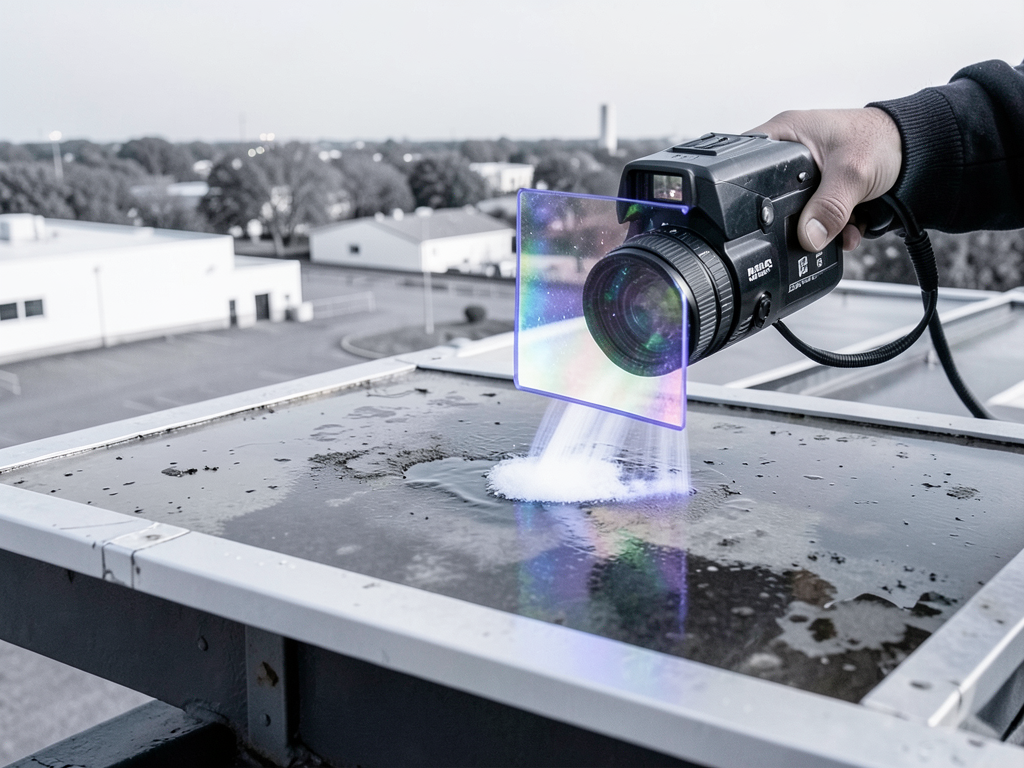
Emergency services include temporary tarping to prevent water intrusion leak detection using infrared technology and immediate repairs to damaged areas. Most Atlanta commercial roofing contractors offer 24/7 emergency response with typical arrival times under 2 hours. Chimney Leak Emergency Repair.
Storm damage assessment requires understanding Atlanta’s specific weather patterns. High winds from summer squall lines often lift edges and flashing. Hail damage may not be visible from ground level but causes microscopic cracks that lead to leaks. Professional inspection identifies these hidden issues.
Insurance claims for storm damage require proper documentation. Reputable contractors provide detailed damage reports with photographs and measurements. This documentation supports insurance claims and ensures proper compensation for repairs. Many Atlanta businesses maintain relationships with preferred contractors for faster emergency response.
Preventative Maintenance Programs for Atlanta Properties
Regular maintenance prevents 80% of commercial roof failures. Atlanta’s climate demands biannual inspections—typically spring and fall. These inspections identify loose fasteners membrane damage and drainage issues before they cause leaks.
Maintenance programs include debris removal from drainage systems resealing of vulnerable areas and cleaning of roof surfaces. Atlanta’s pollen season creates unique challenges as yellow pine pollen accumulates and clogs drains. Professional cleaning prevents water ponding that accelerates roof deterioration.
Infrared scanning detects moisture beneath roof surfaces before visible damage occurs. This technology identifies wet insulation that reduces R-value and increases cooling costs. Atlanta building owners using infrared scanning catch problems early extending roof life by 5-10 years.
Documentation proves valuable for warranty compliance and property valuations. Maintenance records showing regular professional care support warranty claims and demonstrate responsible property management to potential buyers or lenders.
Choosing the Right Contractor for Atlanta Commercial Roofing
Commercial roofing requires specialized expertise different from residential work. Atlanta contractors should carry GAF Master Elite certification NRCA membership and proper Georgia licensing. Insurance coverage must include general liability and workers’ compensation.
Experience with Atlanta’s specific building codes proves essential. Contractors familiar with Fulton County permit requirements and inspection processes complete projects more efficiently. They understand local material suppliers and can source products quickly when weather emergencies arise.
References from similar commercial properties provide insight into contractor reliability. Atlanta property managers should request projects completed within the past 24 months. Recent references indicate current operational capacity and ongoing quality control.
Written warranties differentiate quality contractors. Manufacturer warranties cover material defects while workmanship warranties address installation quality. Atlanta’s best contractors offer both typically 15-25 years for material and 5-10 years for workmanship on commercial projects.
Cost Factors and ROI for Atlanta Commercial Roofing
Commercial roofing costs vary significantly based on system selection building configuration and project scope. TPO installation typically costs $5.50-$7.50 per square foot while PVC runs $6.50-$9.00 per square foot. Metal roofing ranges from $8.00-$14.00 per square foot.
Energy savings provide immediate ROI for cool roofing systems. Atlanta buildings switching from dark to light-colored roofing often reduce cooling costs by 20-30%. At current electricity rates of $0.12-$0.15 per kWh annual savings can reach thousands of dollars for large commercial buildings.
Extended roof life contributes to long-term ROI. Quality installations last 20-30 years versus 10-15 years for budget systems. This longevity means lower lifetime costs despite higher initial investment. Property owners should calculate cost per year rather than just upfront price.
Insurance premium reductions may apply for impact-resistant roofing in hail-prone areas. Some Atlanta carriers offer discounts for Class 4 impact-rated materials. These savings combined with energy efficiency improve overall project economics.
Frequently Asked Questions
What’s the best roofing material for Atlanta’s heat and humidity?
TPO roofing offers the best combination of heat reflection humidity resistance and cost-effectiveness for Atlanta commercial buildings. The white surface reflects up to 87% of solar radiation while resisting mold growth common in humid climates.
How long do commercial roofs last in Atlanta?
Quality commercial roofing systems last 20-30 years in Atlanta when properly installed and maintained. TPO and PVC typically reach 25-30 years while modified bitumen systems last 20-25 years. Regular maintenance can extend these lifespans by 5-10 years.
Are cool roofs required by Atlanta building codes?
Atlanta’s 2023 cool roof ordinance requires new commercial construction and major renovations to meet minimum Solar Reflectance Index values. Existing buildings undergoing re-roofing must install cool roofing materials meeting ASTM standards for solar reflectance.
How much can I save on cooling costs with a cool roof?
Atlanta buildings switching to cool roofing typically reduce cooling costs by 20-30%. For a 10000 square foot building this translates to $1000-$3000 in annual savings depending on energy rates and building usage patterns. Repairing Slate and Tile Roofs on Historic Homes in Druid Hills.
What maintenance does a commercial roof need in Atlanta?
Atlanta commercial roofs need biannual inspections typically spring and fall plus regular debris removal from drainage systems. Professional cleaning after pollen season prevents drain clogs. Annual infrared scanning detects moisture problems before they cause visible damage.
Protect Your Atlanta Commercial Property Today
Your commercial roof protects your building’s interior equipment and inventory from Atlanta’s harsh weather. Don’t wait for a leak to discover your roof can’t handle the heat. The right roofing system prevents emergency repairs reduces energy costs and provides peace of mind during summer thunderstorms.
First Choice Roofing Atlanta specializes in commercial roofing solutions engineered for Georgia’s climate. Our team understands Atlanta’s building codes weather patterns and energy efficiency requirements. We install TPO PVC metal and coating systems that withstand our brutal summers while reducing your cooling costs.
Call (770) 610-9366 today to schedule your commercial roof inspection. Our experts will evaluate your current system identify potential problems and recommend solutions that protect your investment for decades. Don’t let another Atlanta summer damage your commercial property—take action now and save money for years to come.
Pick up the phone and call (770) 610-9366 before the next storm hits. Your building deserves roofing that can handle Atlanta’s heat humidity and severe weather. Let our experienced team provide the commercial roofing solutions that keep your business running smoothly year-round. For more information, visit Energy.gov Cool Roofs Guide.
{
“@context”: “https://schema.org”,
“@type”: “BlogPosting”,
“headline”: “Commercial Roofing Solutions That Withstand the Atlanta Heat”,
“description”: “Discover commercial roofing systems engineered for Atlanta’s heat and humidity. TPO PVC metal and coating solutions that cut cooling costs by 30%.”,
“wordCount”: 2398,
“datePublished”: “2026-02-25T12:18:00.000Z”,
“dateModified”: “2026-02-25T12:18:00.000Z”,
“inLanguage”: “en-US”,
“mainEntityOfPage”: {
“@type”: “WebPage”,
“@id”: “https://firstchoiceroofingatlanta.com”
},
“publisher”: {
“@type”: “LocalBusiness”,
“name”: “First Choice Roofing Atlanta”,
“url”: “https://firstchoiceroofingatlanta.com”
},
“author”: {
“@type”: “Organization”,
“name”: “First Choice Roofing Atlanta”,
“url”: “https://firstchoiceroofingatlanta.com”
},
“image”: {
“@type”: “ImageObject”,
“url”: “https://firstchoiceroofingatlanta.com/wp-content/uploads/2026/03/commercial-roofing-solutions-that-withstand-the-at-1.png”
}
}
{
“@context”: “https://schema.org”,
“@type”: “RoofingContractor”,
“name”: “First Choice Roofing Atlanta”,
“url”: “https://firstchoiceroofingatlanta.com”,
“address”: {
“@type”: “PostalAddress”,
“addressLocality”: “Atlanta”
},
“areaServed”: {
“@type”: “City”,
“name”: “Atlanta”
}
}
{
“@context”: “https://schema.org”,
“@type”: “FAQPage”,
“mainEntity”: [
{
“@type”: “Question”,
“name”: “What’s the best roofing material for Atlanta’s heat and humidity?”,
“acceptedAnswer”: {
“@type”: “Answer”,
“text”: “TPO roofing offers the best combination of heat reflection humidity resistance and cost-effectiveness for Atlanta commercial buildings. The white surface reflects up to 87% of solar radiation while resisting mold growth common in humid climates.”
}
},
{
“@type”: “Question”,
“name”: “How long do commercial roofs last in Atlanta?”,
“acceptedAnswer”: {
“@type”: “Answer”,
“text”: “Quality commercial roofing systems last 20-30 years in Atlanta when properly installed and maintained. TPO and PVC typically reach 25-30 years while modified bitumen systems last 20-25 years. Regular maintenance can extend these lifespans by 5-10 years.”
}
},
{
“@type”: “Question”,
“name”: “Are cool roofs required by Atlanta building codes?”,
“acceptedAnswer”: {
“@type”: “Answer”,
“text”: “Atlanta’s 2023 cool roof ordinance requires new commercial construction and major renovations to meet minimum Solar Reflectance Index values. Existing buildings undergoing re-roofing must install cool roofing materials meeting ASTM standards for solar reflectance.”
}
},
{
“@type”: “Question”,
“name”: “How much can I save on cooling costs with a cool roof?”,
“acceptedAnswer”: {
“@type”: “Answer”,
“text”: “Atlanta buildings switching to cool roofing typically reduce cooling costs by 20-30%. For a 10000 square foot building this translates to $1000-$3000 in annual savings depending on energy rates and building usage patterns. Repairing Slate and Tile Roofs on Historic Homes in Druid Hills.”
}
},
{
“@type”: “Question”,
“name”: “What maintenance does a commercial roof need in Atlanta?”,
“acceptedAnswer”: {
“@type”: “Answer”,
“text”: “Atlanta commercial roofs need biannual inspections typically spring and fall plus regular debris removal from drainage systems. Professional cleaning after pollen season prevents drain clogs. Annual infrared scanning detects moisture problems before they cause visible damage.”
}
}
]
}
{
“@context”: “https://schema.org”,
“@type”: “BreadcrumbList”,
“itemListElement”: [
{
“@type”: “ListItem”,
“position”: 1,
“name”: “Home”,
“item”: “https://firstchoiceroofingatlanta.com”
},
{
“@type”: “ListItem”,
“position”: 2,
“name”: “Blog”,
“item”: “https://firstchoiceroofingatlanta.com/blog”
},
{
“@type”: “ListItem”,
“position”: 3,
“name”: “Commercial Roofing Solutions That Withstand the Atlanta Heat”
}
]
}
{
“@context”: “https://schema.org”,
“@type”: “Service”,
“serviceType”: “Roofing”,
“provider”: {
“@type”: “LocalBusiness”,
“name”: “First Choice Roofing Atlanta”,
“url”: “https://firstchoiceroofingatlanta.com”
},
“areaServed”: {
“@type”: “City”,
“name”: “Atlanta”
},
“description”: “Discover commercial roofing systems engineered for Atlanta’s heat and humidity. TPO PVC metal and coating solutions that cut cooling costs by 30%.”
}