
Spotting the Signs of Rusted Valley Flashing Before it Floods Your Druid Hills Kitchen
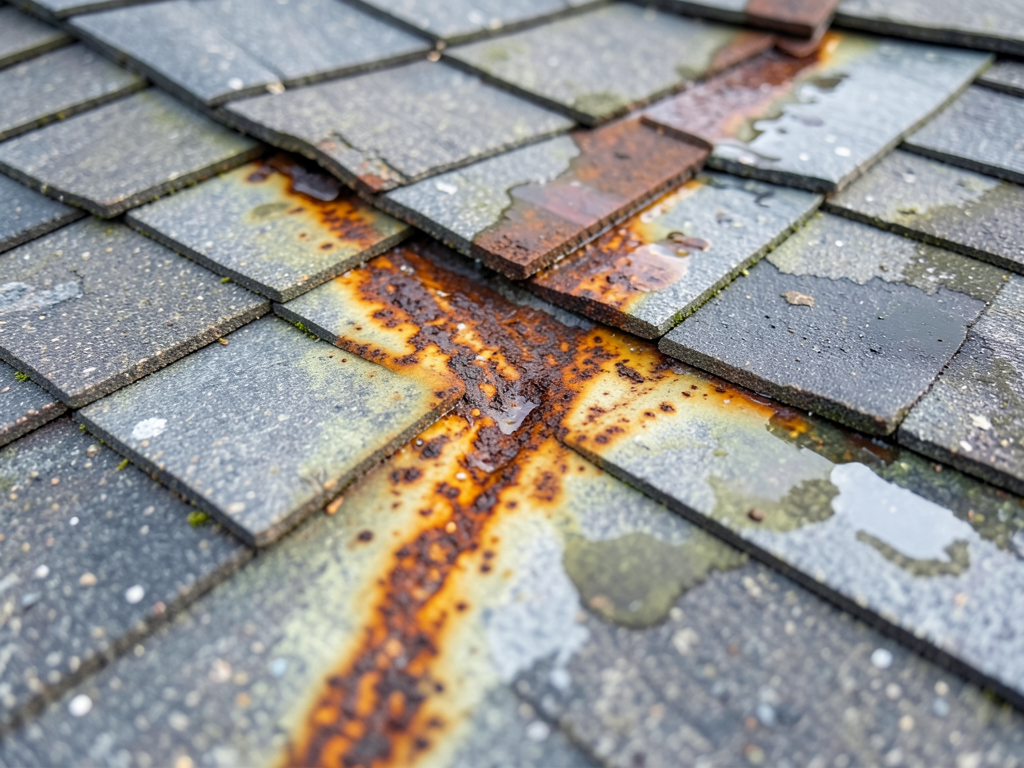
Those rust streaks on your roof are not just cosmetic. In Druid Hills where historic homes meet Atlanta’s heavy seasonal rains, rusted valley flashing can turn a small problem into a flooded kitchen ceiling overnight. The humid Georgia climate accelerates metal corrosion especially in shaded valleys where pine needles trap moisture against galvanized steel. If you see orange streaks along your roof valleys or water stains on your ceiling you need to act now before structural damage sets in. Georgia EPA air quality and humidity data.
Roof valleys handle the most water flow on your roof. When the metal flashing rusts through it creates a direct path for water to enter your attic. The good news is you can spot the warning signs early and prevent expensive repairs. This guide shows you what to look for how Atlanta’s climate affects metal flashing and when it is time to call a professional. Attic Ventilation Systems.
How Atlanta’s Climate Accelerates Valley Flashing Rust
Georgia’s humid subtropical climate creates perfect conditions for metal corrosion. Summer humidity levels often exceed 80 percent keeping moisture against your roof valleys for days. When pine needles from the abundant Georgia pines collect in valleys they decompose into acidic organic matter that eats through galvanized coatings. Add thermal expansion from hot Atlanta summers and you have a recipe for premature flashing failure.
The Atlanta area receives an average of 50 inches of rain annually with most falling during spring thunderstorms. These intense downpours test your valley flashing’s integrity. Water that should flow freely instead seeps through rusted pinholes. The freeze-thaw cycles we occasionally see in North Georgia winters also stress metal joints causing microscopic cracks that let water penetrate.
Golden Nugget: Atlanta’s red clay soil contains high iron content. When this soil splashes onto roof valleys during heavy rains it can accelerate galvanic corrosion on galvanized steel flashing by up to 30 percent compared to areas with sandy soil.
Warning Signs Your Valley Flashing is Failing
Early detection saves thousands in water damage repairs. Here are the signs that your valley flashing needs immediate attention:
- Visible rust streaks: Orange or brown streaks running down your roof valleys indicate surface rust that will soon penetrate through
- Pinhole leaks: Small water spots on your ceiling near exterior walls often trace back to rusted valleys
- Granule loss: Excessive shingle granules collecting in your gutters near valleys show water backing up and flowing sideways
- Sagging roof deck: If your ceiling feels soft or shows signs of warping you likely have ongoing water intrusion
- Moss or algae growth: Dark streaks in valleys indicate moisture retention that accelerates corrosion
Diagnostic Tip: The screwdriver test reveals hidden damage. Gently press a screwdriver tip into suspected rust areas. If it penetrates easily the metal has lost structural integrity and needs replacement not just surface treatment.
Golden Nugget: According to Georgia State Minimum Standard Residential Code R903.3 valley flashing must extend at least 12 inches from the center of the valley on each side. Many older Druid Hills homes were built before this requirement and have undersized flashing that fails prematurely.
Can You Just Paint Over Rusted Valley Flashing
Painting rusted flashing is a temporary Band-Aid that often fails within one to two years. Here is why surface treatments rarely work for valley flashing:
Surface rust indicates the galvanized coating has already failed. Painting traps moisture against the remaining metal accelerating corrosion underneath. Valley areas flex with temperature changes causing paint to crack and peel. Most importantly paint cannot restore the structural integrity of pitted or perforated metal.
The proper repair process involves removing all loose rust with a wire brush or grinder. Apply a rust-inhibitive primer then coat with high-quality metal paint. However even with perfect surface preparation most painted valleys fail again within five years in Atlanta’s climate.
Golden Nugget: Aluminum flashing lasts 40 to 50 years in Atlanta while galvanized steel typically fails in 15 to 20 years. The initial cost difference is minimal compared to replacement frequency.
Materials That Resist Atlanta’s Rust Conditions
Choosing the right flashing material prevents future headaches. Here is how common valley flashing materials perform in Georgia:
| Material | Lifespan in Atlanta | Cost per Linear Foot | Best Use |
|---|---|---|---|
| Galvanized Steel | 15-20 years | $8-12 | Budget repairs on low-slope roofs |
| Aluminum | 40-50 years | $12-18 | Most residential applications |
| Copper | 60-80 years | $25-35 | Historic homes premium installations |
| Stainless Steel | 50+ years | $20-28 | High-traffic valleys commercial |
Copper develops a protective patina that actually prevents further corrosion. While expensive upfront copper flashing often outlasts the roof itself. For Druid Hills historic homes copper maintains architectural authenticity while providing superior protection. Protecting Your Historic Decatur Home with Specialty Roof Repairs.
When to Replace vs Repair Valley Flashing
Deciding between repair and replacement depends on several factors. Consider these questions:
- How extensive is the rust damage? Surface rust covering less than 25 percent of the valley might be repairable
- What is the flashing material? Galvanized steel with deep pitting needs replacement
- How old is your roof? If your roof is over 15 years old replacement ensures consistent performance
- Are there signs of water damage inside? Interior stains mean the flashing has already failed
Cost Consideration: Valley flashing replacement typically costs $500 to $1,200 depending on length and material. This is far less than the $3,000 to $8,000 average for water damage restoration from a major leak.
Golden Nugget: The International Residential Code requires ice and water shield underlayment in all roof valleys. Many Atlanta homes built before 2012 lack this critical waterproofing layer. Adding it during valley replacement provides extra protection against wind-driven rain.
Professional Valley Flashing Replacement Process
A proper valley flashing replacement involves more than swapping metal. Here is what a professional installation includes:
- Assessment and Planning
Inspect the entire valley system including underlayment and surrounding shingles. Check for rot in the roof deck.
- Remove Old Flashing
Carefully remove shingles and old flashing without damaging surrounding materials. Check for hidden water damage.
- Replace Underlayment
Install new ice and water shield extending 24 inches from valley center on each side.
- Install New Flashing
Fit new flashing with proper overlaps and fasteners. Ensure correct slope for water flow.
- Reinstall Shingles
Replace surrounding shingles or install new ones to match existing roof.
- Final Inspection
Check all seams joints and water flow paths. Verify proper integration with existing roof system.
Golden Nugget: W-valley flashing profiles handle Atlanta’s heavy rainfall better than V-valley profiles. The W-shape creates channels that prevent water from crossing over to the adjacent roof plane during wind-driven storms.
Preventing Future Valley Flashing Problems
Once you have new valley flashing installed protect your investment with these maintenance tips:
- Clean valleys annually: Remove leaves pine needles and debris that trap moisture
- Trim overhanging branches: Reduce debris accumulation and improve air circulation
- Check after major storms: Inspect valleys for damage after high winds or hail
- Monitor for early signs: Watch for rust streaks or water stains inside your home
- Schedule professional inspections: Have your roof checked every two to three years
Proper attic ventilation also extends valley flashing life. Heat and moisture buildup in your attic accelerates metal corrosion from below. Ensure your ridge vents soffit vents and attic fans work properly.
Why Local Experience Matters for Valley Flashing Repairs
Valley flashing repair requires understanding local conditions. Atlanta’s unique combination of high humidity heavy rainfall and abundant pine trees creates specific challenges that out-of-town contractors often miss.
Local roofers know which materials perform best in Georgia’s climate. They understand how to flash valleys on historic Druid Hills homes with their specific architectural features. They also know local building codes and permit requirements.
Golden Nugget: The Atlanta Regional Commission reports that homes in the Druid Hills area experience 20 percent more rainfall than the national average due to the nearby South River Forest effect. This increased precipitation makes proper valley flashing even more critical.
Act Before Your Valley Flashing Fails
Water damage from failed valley flashing spreads quickly. What starts as a small rust spot can become a major leak during the next heavy thunderstorm. The longer you wait the more expensive the repairs become.
If you notice any of the warning signs mentioned in this article do not wait for a disaster. A professional inspection costs far less than emergency water damage repairs. Most valley flashing issues can be repaired or replaced in one day with minimal disruption to your home. Who to Call for Urgent Emergency Roof Repairs in Buckhead.
Call (770) 610-9366 today to schedule your valley flashing inspection. Our Atlanta-based team understands the specific challenges our local climate creates for roof valleys. We will provide a clear assessment and honest recommendations whether you need repair or replacement.
Do not let rusted valley flashing turn your Druid Hills kitchen into an indoor swimming pool. Pick up the phone and call (770) 610-9366 before the next storm hits. We are ready to protect your home with the right materials and expert installation that lasts.
Frequently Asked Questions
How long does valley flashing typically last in Atlanta?
Galvanized steel valley flashing lasts 15 to 20 years in Atlanta’s humid climate. Aluminum lasts 40 to 50 years while copper can last 60 to 80 years. The intense heat humidity and rainfall in Georgia accelerate corrosion compared to drier climates.
Can I repair rusted valley flashing myself?
Minor surface rust might be treatable with rust converter and paint but structural damage requires professional replacement. DIY repairs often fail because they do not address underlying issues like damaged underlayment or improper water flow. Professional installation ensures proper integration with your roof system.
What causes valley flashing to rust faster in some areas?
Pine needle accumulation creates acidic conditions that accelerate corrosion. Homes near pine forests or with overhanging branches experience faster flashing deterioration. Poor attic ventilation traps moisture that corrodes metal from below. Homes in low-lying areas with poor drainage also see accelerated flashing failure.
How much does valley flashing replacement cost in Atlanta?
Valley flashing replacement costs $500 to $1,200 depending on length material and roof complexity. Copper flashing costs more upfront but lasts significantly longer. This investment is minimal compared to the $3,000 to $8,000 average for water damage repairs from a major leak.
Should I replace my entire roof if only the valley flashing is rusted?
Not necessarily. If your shingles are in good condition and your roof is under 15 years old targeted valley replacement is usually sufficient. However if your roof is older or showing widespread wear replacing the entire roof while addressing the valley issue might be more cost-effective long-term.
What building codes apply to valley flashing in Atlanta?
Georgia State Minimum Standard Residential Code R903.3 requires valley flashing to extend at least 12 inches from the center of the valley on each side. The code also mandates ice and water shield underlayment in all valleys. Local jurisdictions may have additional requirements for historic districts. For more information, visit International Residential Code valley flashing requirements.
You may also find this helpful. Why Your Stucco Home in Sandy Springs is Prone to Roof Leaks (And How to Stop the Water).
{
“@context”: “https://schema.org”,
“@type”: “BlogPosting”,
“headline”: “Spotting the Signs of Rusted Valley Flashing Before it Floods Your Druid Hills Kitchen”,
“description”: “Don’t let rusted roof valley flashing ruin your Druid Hills home. Learn the warning signs, Atlanta-specific causes, and when to call (770) 610-9366 for fast repairs.”,
“wordCount”: 1837,
“datePublished”: “2026-06-03T10:18:00.000Z”,
“dateModified”: “2026-06-03T10:18:00.000Z”,
“inLanguage”: “en-US”,
“mainEntityOfPage”: {
“@type”: “WebPage”,
“@id”: “https://firstchoiceroofingatlanta.com”
},
“publisher”: {
“@type”: “LocalBusiness”,
“name”: “First Choice Roofing Atlanta”,
“url”: “https://firstchoiceroofingatlanta.com”
},
“author”: {
“@type”: “Organization”,
“name”: “First Choice Roofing Atlanta”,
“url”: “https://firstchoiceroofingatlanta.com”
},
“image”: {
“@type”: “ImageObject”,
“url”: “https://firstchoiceroofingatlanta.com/wp-content/uploads/2026/03/spotting-the-signs-of-rusted-valley-flashing-befor-1.png”
}
}
{
“@context”: “https://schema.org”,
“@type”: “RoofingContractor”,
“name”: “First Choice Roofing Atlanta”,
“url”: “https://firstchoiceroofingatlanta.com”,
“address”: {
“@type”: “PostalAddress”,
“addressLocality”: “Atlanta”
},
“areaServed”: {
“@type”: “City”,
“name”: “Atlanta”
}
}
{
“@context”: “https://schema.org”,
“@type”: “FAQPage”,
“mainEntity”: [
{
“@type”: “Question”,
“name”: “How long does valley flashing typically last in Atlanta?”,
“acceptedAnswer”: {
“@type”: “Answer”,
“text”: “Galvanized steel valley flashing lasts 15 to 20 years in Atlanta’s humid climate. Aluminum lasts 40 to 50 years while copper can last 60 to 80 years. The intense heat humidity and rainfall in Georgia accelerate corrosion compared to drier climates.”
}
},
{
“@type”: “Question”,
“name”: “Can I repair rusted valley flashing myself?”,
“acceptedAnswer”: {
“@type”: “Answer”,
“text”: “Minor surface rust might be treatable with rust converter and paint but structural damage requires professional replacement. DIY repairs often fail because they do not address underlying issues like damaged underlayment or improper water flow. Professional installation ensures proper integration with your roof system.”
}
},
{
“@type”: “Question”,
“name”: “What causes valley flashing to rust faster in some areas?”,
“acceptedAnswer”: {
“@type”: “Answer”,
“text”: “Pine needle accumulation creates acidic conditions that accelerate corrosion. Homes near pine forests or with overhanging branches experience faster flashing deterioration. Poor attic ventilation traps moisture that corrodes metal from below. Homes in low-lying areas with poor drainage also see accelerated flashing failure.”
}
},
{
“@type”: “Question”,
“name”: “How much does valley flashing replacement cost in Atlanta?”,
“acceptedAnswer”: {
“@type”: “Answer”,
“text”: “Valley flashing replacement costs $500 to $1,200 depending on length material and roof complexity. Copper flashing costs more upfront but lasts significantly longer. This investment is minimal compared to the $3,000 to $8,000 average for water damage repairs from a major leak.”
}
},
{
“@type”: “Question”,
“name”: “Should I replace my entire roof if only the valley flashing is rusted?”,
“acceptedAnswer”: {
“@type”: “Answer”,
“text”: “Not necessarily. If your shingles are in good condition and your roof is under 15 years old targeted valley replacement is usually sufficient. However if your roof is older or showing widespread wear replacing the entire roof while addressing the valley issue might be more cost-effective long-term.”
}
},
{
“@type”: “Question”,
“name”: “What building codes apply to valley flashing in Atlanta?”,
“acceptedAnswer”: {
“@type”: “Answer”,
“text”: “Georgia State Minimum Standard Residential Code R903.3 requires valley flashing to extend at least 12 inches from the center of the valley on each side. The code also mandates ice and water shield underlayment in all valleys. Local jurisdictions may have additional requirements for historic districts. For more information, visit International Residential Code valley flashing requirements.”
}
}
]
}
{
“@context”: “https://schema.org”,
“@type”: “HowTo”,
“name”: “Professional Valley Flashing Replacement”,
“step”: [
{
“@type”: “HowToStep”,
“position”: 1,
“name”: “Assessment and Planning”,
“text”: “Inspect the entire valley system including underlayment and surrounding shingles. Check for rot in the roof deck.”
},
{
“@type”: “HowToStep”,
“position”: 2,
“name”: “Remove Old Flashing”,
“text”: “Carefully remove shingles and old flashing without damaging surrounding materials. Check for hidden water damage.”
},
{
“@type”: “HowToStep”,
“position”: 3,
“name”: “Replace Underlayment”,
“text”: “Install new ice and water shield extending 24 inches from valley center on each side.”
},
{
“@type”: “HowToStep”,
“position”: 4,
“name”: “Install New Flashing”,
“text”: “Fit new flashing with proper overlaps and fasteners. Ensure correct slope for water flow.”
},
{
“@type”: “HowToStep”,
“position”: 5,
“name”: “Reinstall Shingles”,
“text”: “Replace surrounding shingles or install new ones to match existing roof.”
},
{
“@type”: “HowToStep”,
“position”: 6,
“name”: “Final Inspection”,
“text”: “Check all seams joints and water flow paths. Verify proper integration with existing roof system.”
}
],
“image”: “https://firstchoiceroofingatlanta.com/wp-content/uploads/2026/03/spotting-the-signs-of-rusted-valley-flashing-befor-1.png”
}
{
“@context”: “https://schema.org”,
“@type”: “BreadcrumbList”,
“itemListElement”: [
{
“@type”: “ListItem”,
“position”: 1,
“name”: “Home”,
“item”: “https://firstchoiceroofingatlanta.com”
},
{
“@type”: “ListItem”,
“position”: 2,
“name”: “Blog”,
“item”: “https://firstchoiceroofingatlanta.com/blog”
},
{
“@type”: “ListItem”,
“position”: 3,
“name”: “Spotting the Signs of Rusted Valley Flashing Before it Floods Your Druid Hills Kitchen”
}
]
}
{
“@context”: “https://schema.org”,
“@type”: “Service”,
“serviceType”: “Roofing”,
“provider”: {
“@type”: “LocalBusiness”,
“name”: “First Choice Roofing Atlanta”,
“url”: “https://firstchoiceroofingatlanta.com”
},
“areaServed”: {
“@type”: “City”,
“name”: “Atlanta”
},
“description”: “Don’t let rusted roof valley flashing ruin your Druid Hills home. Learn the warning signs, Atlanta-specific causes, and when to call (770) 610-9366 for fast repairs.”
}