The Best Way to Care for the Cedar Shake Roof on Your Peachtree Corners Estate
Your cedar shake roof is more than just a covering—it’s a statement of timeless craftsmanship and natural beauty that enhances your Peachtree Corners estate. But in Atlanta’s humid climate, that same wood roof faces constant threats from moisture, moss, and decay. The best way to protect your investment is through professional maintenance that addresses the specific challenges of our region.
Peachtree Corners sits in the Chattahoochee River corridor where high humidity and dense tree canopy create perfect conditions for algae and moss growth on cedar surfaces. Without proper care, your roof can deteriorate from the inside out, leading to costly repairs or premature replacement. Let’s explore exactly what your cedar shake roof needs to thrive in this environment. EPA lead safety guidelines.
Understanding Cedar Shake Vulnerabilities in Peachtree Corners
Cedar shake roofs require specialized care because wood is an organic material that responds to environmental conditions. In Peachtree Corners, the combination of summer heat, high humidity, and abundant rainfall creates unique challenges that synthetic materials don’t face.
The first threat is moisture retention. When leaves and pine needles accumulate in the valleys and along the eaves, they trap water against the wood surface. This creates dark, damp conditions where moss and algae can establish themselves. Once these organisms take hold, they retain even more moisture, accelerating wood decay.
Another issue is UV exposure combined with humidity. The intense Georgia sun causes the wood to dry out and shrink, while afternoon thunderstorms introduce sudden moisture. This cycle of expansion and contraction leads to cupping and curling—when the edges of shakes lift and warp. Once cupping begins, water channels underneath rather than shedding off the roof.
Finally, wood-destroying organisms thrive in our climate. Fungi that cause brown rot and white rot are common in Gwinnett County. These organisms break down the cellulose and lignin in wood, compromising structural integrity. Termites and carpenter ants also find cedar attractive, especially when moisture softens the wood.
Our Proven 5-Step Cedar Shake Maintenance Process
Professional cedar shake maintenance requires specific techniques that protect the wood while removing harmful organisms. Here’s our comprehensive approach:
- Thorough Inspection
We examine every square foot of your roof, looking for signs of decay, insect damage, loose or missing shakes, and areas where moss has taken hold. We check the moisture content of the wood using specialized meters to identify hidden water damage.
- Debris Removal
Using soft-bristle brushes and hand tools, we carefully remove all accumulated debris from valleys, around chimneys, and along the edges. This includes pine needles, leaves, and small branches that trap moisture against the wood. Chimney Leak Emergency Repair.
- Soft Wash Cleaning
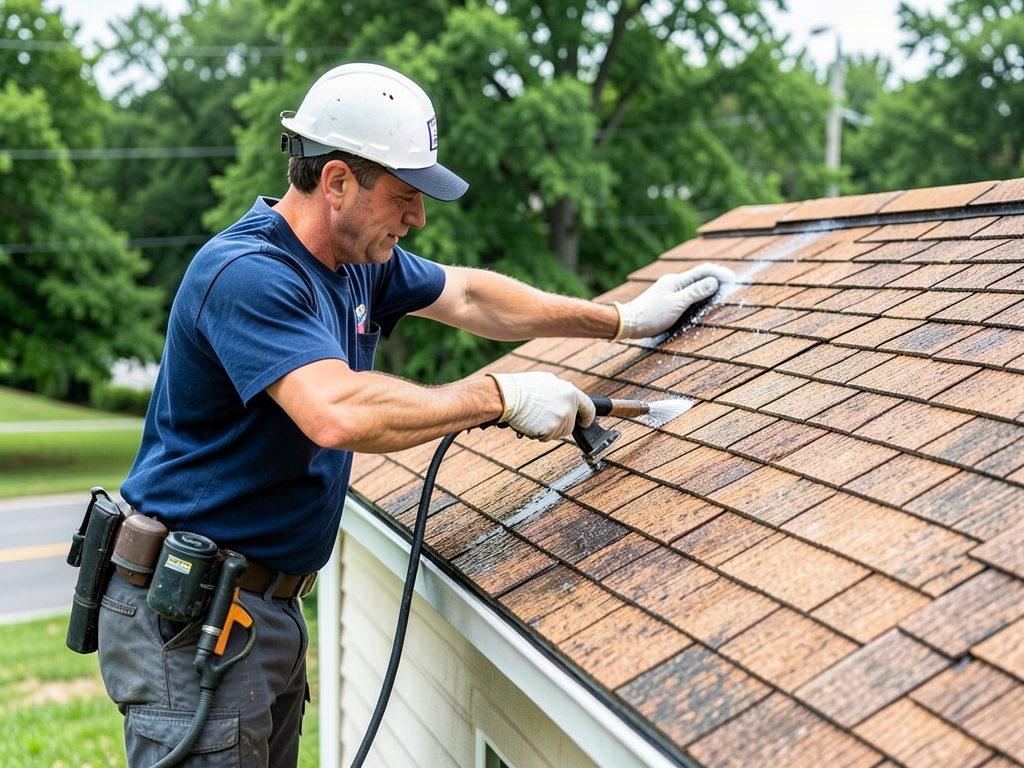
We apply a low-pressure cleaning solution specifically formulated for cedar. This removes algae, moss, and surface dirt without damaging the wood fibers. High-pressure washing can erode the soft wood and create channels where water can penetrate.
- Fungicide and Preservative Treatment
After cleaning, we apply a copper-based fungicide to kill remaining spores and prevent regrowth. We follow with a penetrating wood preservative that contains UV inhibitors and water repellents to protect the shakes from future damage.
- Targeted Repairs
We replace any severely damaged shakes, secure loose ones with stainless steel fasteners, and address minor structural issues. We also check and clean your gutters to ensure proper water drainage away from the roof structure.
Why Professional Maintenance Beats DIY for Cedar Roofs
Many Peachtree Corners homeowners consider cleaning their cedar shake roof themselves, but this approach carries significant risks. Walking on cedar shakes requires specific techniques—the wood is much more fragile than asphalt shingles, and improper foot traffic can crack or split the shakes.
Professional technicians understand how to distribute their weight across the roof structure and which areas can safely support foot traffic. We also have access to commercial-grade cleaning solutions and equipment that homeowners cannot purchase. More importantly, we know the difference between cosmetic weathering and structural damage that requires immediate attention.
Another critical factor is safety. Cedar shake roofs become extremely slippery when wet, and the uneven surface makes navigation difficult. Our team uses proper fall protection equipment and follows OSHA guidelines for roof work. The cost of professional maintenance is minimal compared to the potential medical bills from a fall.
Finally, improper cleaning can void manufacturer warranties or damage the wood beyond repair. High-pressure washing, for instance, is never recommended for cedar shakes. It removes the protective outer layer of the wood, exposing the softer inner fibers to rapid decay.
Peachtree Corners Climate Impact on Cedar Roof Longevity
The specific microclimate in Peachtree Corners affects how cedar roofs perform compared to other Atlanta suburbs. Located along the Chattahoochee River, the area experiences slightly higher humidity levels and more frequent afternoon thunderstorms during summer months.
Local vegetation also plays a role. The abundance of pine trees in neighborhoods like Riverview and Neely Farm means more pine needles fall on roofs, creating acidic conditions that can accelerate wood breakdown. The dense tree canopy also reduces UV exposure, which might seem beneficial but actually allows moss to thrive in the shade.
According to the Georgia State Minimum Standard Residential Code, cedar shake installations in our area must include specific underlayment requirements and ventilation standards to prevent moisture buildup. Many older homes in Peachtree Corners were built before these codes were updated, making them more vulnerable to moisture-related issues. Attic Ventilation Systems.
Recent infrastructure improvements along Holcomb Bridge Road have changed local drainage patterns in some neighborhoods. Poor drainage can lead to water backing up under roof edges or creating splash-back that affects the lower portions of cedar shakes.
Maintenance Schedule and Cost Factors
The ideal maintenance frequency for cedar shake roofs in Peachtree Corners is every 2-3 years under normal conditions, but this can vary based on several factors. Homes with heavy tree coverage or those near the river may need annual inspections to catch problems early.
Cost factors include roof size, accessibility, the extent of moss or algae growth, and whether any repairs are needed. A basic cleaning and treatment for an average-sized home typically ranges from $1,500 to $2,500, while more extensive work with repairs can cost $3,000 to $5,000.
Consider this investment protection for your roof. A well-maintained cedar shake roof can last 30-40 years, while neglected ones might fail in 15-20 years. The cost of premature replacement far exceeds the price of regular maintenance.
Many Peachtree Corners homeowners associations have specific guidelines about roof maintenance and appearance. Some require documentation of professional cleaning to maintain neighborhood standards. We’re familiar with these requirements and can provide the necessary documentation after service.
Identifying Cedar Shake Problems Early
Homeowners can spot potential issues by knowing what to look for. Cupping is one of the earliest visible signs—when the edges of shakes begin to curl upward, creating a concave surface. This happens when the bottom of the shake stays wet while the top dries out.
Split shakes are another concern. Georgia’s temperature swings cause wood to expand and contract, and over time this can create cracks along the grain. Small splits can be repaired, but large ones may require replacement.
Discoloration patterns also tell a story. Dark streaks or patches often indicate algae or moss growth, while grayish areas might show UV damage. Black spots can signal fungal growth that’s actively breaking down the wood fibers.
Inside your home, check for water stains on ceilings or walls, especially after heavy rain. These can indicate compromised areas where water is penetrating through the cedar shakes. Also listen for unusual sounds during wind—loose shakes can rattle or flap in strong gusts.
Protecting Your Cedar Investment
Cedar shake roofs represent a significant investment in both money and aesthetics. The natural variations in color and texture create a unique appearance that synthetic materials cannot replicate. But this beauty requires commitment to proper care.
Beyond professional maintenance, homeowners can take steps to protect their cedar roofs. Keep trees trimmed back at least 10 feet from the roof edge to reduce debris accumulation and improve air circulation. Ensure your attic has proper ventilation—trapped heat and moisture in the attic can accelerate roof deterioration from below.
Also consider the impact of nearby construction or landscaping changes. New drainage patterns or altered airflow can affect how water moves across your roof surface. After any major property changes, have your roof inspected to ensure existing protection measures are still effective.
The most important protection is early intervention. Small problems caught during routine maintenance cost hundreds to fix, while major failures can cost thousands. Our inspection process includes a detailed report with photos and recommendations, so you always know the exact condition of your roof.
Frequently Asked Questions
How often should I have my cedar shake roof professionally cleaned?
In Peachtree Corners, we recommend professional cleaning and treatment every 2-3 years under normal conditions. Homes with heavy tree coverage or those near water may need annual service to prevent moss and algae buildup.
Can I pressure wash my cedar shake roof myself?
No, pressure washing is never recommended for cedar shakes. It can damage the wood fibers, remove protective layers, and create channels where water can penetrate. Always use professional soft washing techniques designed specifically for wood roofing. Roofing Dunwoody.
What’s the average lifespan of a cedar shake roof in Georgia?
With proper maintenance, cedar shake roofs in Georgia typically last 30-40 years. Without maintenance, they may fail in 15-20 years due to moisture damage, UV exposure, and wood-destroying organisms common in our climate.
How much does cedar shake maintenance cost in Peachtree Corners?
Basic cleaning and treatment for an average home ranges from $1,500 to $2,500. More extensive work with repairs typically costs $3,000 to $5,000. The investment protects your roof and can prevent premature replacement costs of $20,000 to $40,000.
Will cedar shake maintenance affect my home insurance?
Regular professional maintenance can actually help your insurance situation by preventing major damage. Some insurers offer discounts for documented roof maintenance, and keeping your roof in good condition prevents claims that could raise your rates.
Take Action to Protect Your Cedar Roof Today
Your cedar shake roof is a valuable asset that deserves professional care. The humid Atlanta climate and specific conditions in Peachtree Corners make regular maintenance essential for protecting your investment and maintaining your home’s beauty. Protecting Your Historic Decatur Home with Specialty Roof Repairs.
Don’t wait until you see visible damage or experience leaks. By then, the underlying issues have often progressed significantly. A professional inspection can identify problems while they’re still minor and affordable to fix.
Call (770) 610-9366 today to schedule your comprehensive cedar shake roof inspection. Our experienced technicians will evaluate your roof’s condition, provide detailed recommendations, and give you a clear plan for protecting your investment. Whether you need cleaning, repairs, or just want peace of mind, we’re here to help.
Pick up the phone and call (770) 610-9366 before the next storm hits. Your cedar shake roof works hard to protect your home every day—make sure it gets the care it deserves. For more information, visit National Roofing Contractors Association.
{
“@context”: “https://schema.org”,
“@type”: “BlogPosting”,
“headline”: “The Best Way to Care for the Cedar Shake Roof on Your Peachtree Corners Estate”,
“description”: “Expert cedar shake roof maintenance in Peachtree Corners GA. Learn soft washing techniques, fungicide treatments, and how Atlanta humidity affects your wood roof.”,
“wordCount”: 1852,
“datePublished”: “2026-04-17T06:29:00.000Z”,
“dateModified”: “2026-04-17T06:29:00.000Z”,
“inLanguage”: “en-US”,
“mainEntityOfPage”: {
“@type”: “WebPage”,
“@id”: “https://firstchoiceroofingatlanta.com”
},
“publisher”: {
“@type”: “LocalBusiness”,
“name”: “First Choice Roofing Atlanta”,
“url”: “https://firstchoiceroofingatlanta.com”
},
“author”: {
“@type”: “Organization”,
“name”: “First Choice Roofing Atlanta”,
“url”: “https://firstchoiceroofingatlanta.com”
},
“image”: {
“@type”: “ImageObject”,
“url”: “https://firstchoiceroofingatlanta.com/wp-content/uploads/2026/03/the-best-way-to-care-for-the-cedar-shake-roof-on-y-1.png”
}
}
{
“@context”: “https://schema.org”,
“@type”: “RoofingContractor”,
“name”: “First Choice Roofing Atlanta”,
“url”: “https://firstchoiceroofingatlanta.com”,
“address”: {
“@type”: “PostalAddress”,
“addressLocality”: “Atlanta”
},
“areaServed”: {
“@type”: “City”,
“name”: “Atlanta”
}
}
{
“@context”: “https://schema.org”,
“@type”: “FAQPage”,
“mainEntity”: [
{
“@type”: “Question”,
“name”: “How often should I have my cedar shake roof professionally cleaned?”,
“acceptedAnswer”: {
“@type”: “Answer”,
“text”: “In Peachtree Corners, we recommend professional cleaning and treatment every 2-3 years under normal conditions. Homes with heavy tree coverage or those near water may need annual service to prevent moss and algae buildup.”
}
},
{
“@type”: “Question”,
“name”: “Can I pressure wash my cedar shake roof myself?”,
“acceptedAnswer”: {
“@type”: “Answer”,
“text”: “No, pressure washing is never recommended for cedar shakes. It can damage the wood fibers, remove protective layers, and create channels where water can penetrate. Always use professional soft washing techniques designed specifically for wood roofing. Roofing Dunwoody.”
}
},
{
“@type”: “Question”,
“name”: “What’s the average lifespan of a cedar shake roof in Georgia?”,
“acceptedAnswer”: {
“@type”: “Answer”,
“text”: “With proper maintenance, cedar shake roofs in Georgia typically last 30-40 years. Without maintenance, they may fail in 15-20 years due to moisture damage, UV exposure, and wood-destroying organisms common in our climate.”
}
},
{
“@type”: “Question”,
“name”: “How much does cedar shake maintenance cost in Peachtree Corners?”,
“acceptedAnswer”: {
“@type”: “Answer”,
“text”: “Basic cleaning and treatment for an average home ranges from $1,500 to $2,500. More extensive work with repairs typically costs $3,000 to $5,000. The investment protects your roof and can prevent premature replacement costs of $20,000 to $40,000.”
}
},
{
“@type”: “Question”,
“name”: “Will cedar shake maintenance affect my home insurance?”,
“acceptedAnswer”: {
“@type”: “Answer”,
“text”: “Regular professional maintenance can actually help your insurance situation by preventing major damage. Some insurers offer discounts for documented roof maintenance, and keeping your roof in good condition prevents claims that could raise your rates.”
}
}
]
}
{
“@context”: “https://schema.org”,
“@type”: “HowTo”,
“name”: “Cedar Shake Roof Maintenance Process”,
“step”: [
{
“@type”: “HowToStep”,
“position”: 1,
“name”: “Thorough Inspection”,
“text”: “We examine every square foot of your roof, looking for signs of decay, insect damage, loose or missing shakes, and areas where moss has taken hold. We check the moisture content of the wood using specialized meters to identify hidden water damage.”
},
{
“@type”: “HowToStep”,
“position”: 2,
“name”: “Debris Removal”,
“text”: “Using soft-bristle brushes and hand tools, we carefully remove all accumulated debris from valleys, around chimneys, and along the edges. This includes pine needles, leaves, and small branches that trap moisture against the wood. Chimney Leak Emergency Repair.”
},
{
“@type”: “HowToStep”,
“position”: 3,
“name”: “Soft Wash Cleaning”,
“text”: “We apply a low-pressure cleaning solution specifically formulated for cedar. This removes algae, moss, and surface dirt without damaging the wood fibers. High-pressure washing can erode the soft wood and create channels where water can penetrate.”
},
{
“@type”: “HowToStep”,
“position”: 4,
“name”: “Fungicide and Preservative Treatment”,
“text”: “After cleaning, we apply a copper-based fungicide to kill remaining spores and prevent regrowth. We follow with a penetrating wood preservative that contains UV inhibitors and water repellents to protect the shakes from future damage.”
},
{
“@type”: “HowToStep”,
“position”: 5,
“name”: “Targeted Repairs”,
“text”: “We replace any severely damaged shakes, secure loose ones with stainless steel fasteners, and address minor structural issues. We also check and clean your gutters to ensure proper water drainage away from the roof structure.”
}
],
“image”: “https://firstchoiceroofingatlanta.com/wp-content/uploads/2026/03/the-best-way-to-care-for-the-cedar-shake-roof-on-y-1.png”
}
{
“@context”: “https://schema.org”,
“@type”: “BreadcrumbList”,
“itemListElement”: [
{
“@type”: “ListItem”,
“position”: 1,
“name”: “Home”,
“item”: “https://firstchoiceroofingatlanta.com”
},
{
“@type”: “ListItem”,
“position”: 2,
“name”: “Blog”,
“item”: “https://firstchoiceroofingatlanta.com/blog”
},
{
“@type”: “ListItem”,
“position”: 3,
“name”: “The Best Way to Care for the Cedar Shake Roof on Your Peachtree Corners Estate”
}
]
}
{
“@context”: “https://schema.org”,
“@type”: “Service”,
“serviceType”: “Roofing”,
“provider”: {
“@type”: “LocalBusiness”,
“name”: “First Choice Roofing Atlanta”,
“url”: “https://firstchoiceroofingatlanta.com”
},
“areaServed”: {
“@type”: “City”,
“name”: “Atlanta”
},
“description”: “Expert cedar shake roof maintenance in Peachtree Corners GA. Learn soft washing techniques, fungicide treatments, and how Atlanta humidity affects your wood roof.”
}