
The Real Risk of Hiring a Roofer Without Workers’ Comp Insurance in Midtown
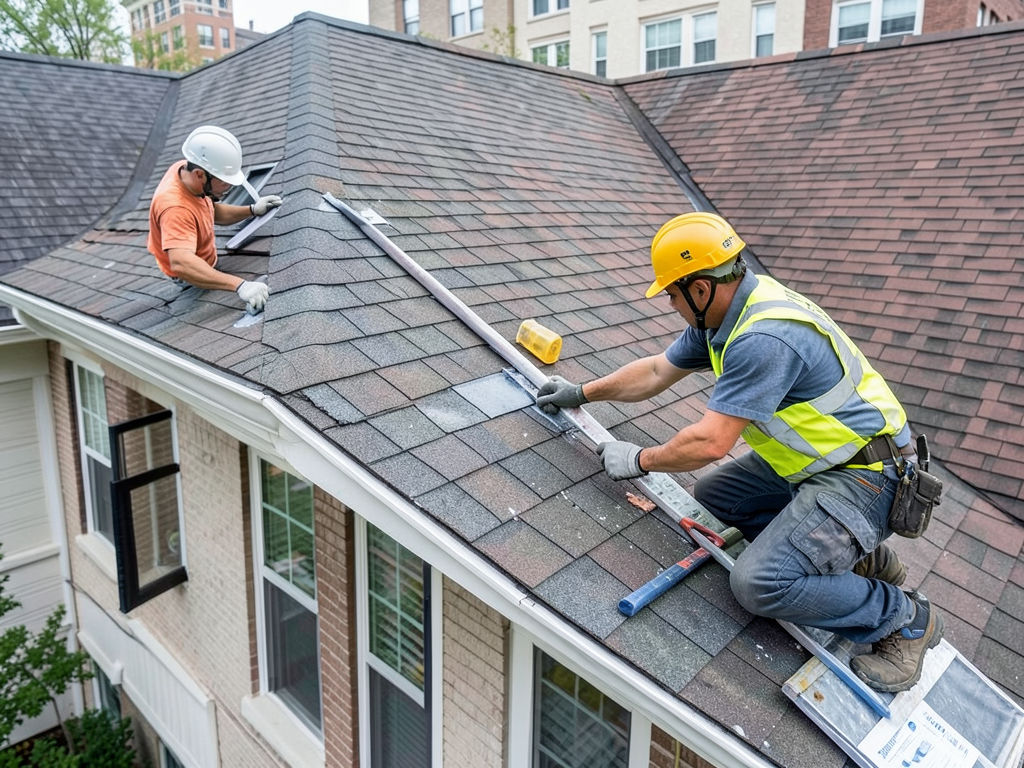
Picture this: A roofing crew works on your Midtown Atlanta home when a worker falls from the ladder and suffers serious injuries. Without workers’ compensation insurance, you could be financially responsible for medical bills, lost wages, and even legal damages. This nightmare scenario happens more often than you think in Atlanta’s busy construction market. Roofing Dunwoody.
Georgia law requires roofing contractors with three or more employees to carry workers’ compensation insurance. The Georgia State Board of Workers’ Compensation (SBWC) enforces these rules strictly, but many unlicensed or fly-by-night contractors operate without coverage. When accidents happen on your property, the homeowner becomes the default responsible party. Georgia State Board of Workers’ Compensation.
Midtown’s dense residential and commercial mix creates unique risks. High-rise condominiums near Piedmont Park, historic bungalows along 10th Street, and modern townhomes near the Fox Theatre all require skilled roofing work. Yet the same worker climbing your roof could be uninsured, leaving you exposed to massive liability. Protecting Your Historic Decatur Home with Specialty Roof Repairs.
Don’t let cost-cutting measures put your financial security at risk. A legitimate roofing contractor carries proper insurance, follows Georgia’s workers’ compensation laws, and protects both their workers and your property investment. Georgia Secretary of State Licensing.
Understanding Georgia’s Workers’ Comp Requirements for Roofers
Georgia’s workers’ compensation system operates under Title 34 of the Georgia Code. The SBWC mandates coverage for employers with three or more regular employees, including part-time and seasonal workers. Roofing companies fall under high-risk classifications, making insurance both mandatory and expensive.
The Georgia Code specifically addresses construction industry exemptions. Sole proprietors and corporate officers can waive coverage for themselves, but this waiver does not extend to employees. Many uninsured contractors falsely claim this exemption applies to their entire operation.
Atlanta’s building boom has increased enforcement efforts. The Georgia Department of Labor conducts random audits of construction sites, and violations carry severe penalties. Fines can reach $1,000 per day for non-compliance, plus the cost of backdated premiums.
Workers’ compensation provides medical benefits, disability payments, and death benefits to injured employees. Without this coverage, injured workers can sue the property owner directly, potentially leading to lawsuits that could cost hundreds of thousands of dollars.
How to Verify a Roofer’s Insurance Coverage
Legitimate contractors provide certificates of insurance (COI) upon request. This document lists coverage types, policy numbers, and effective dates. Always verify the COI directly with the insurance carrier before work begins.
The SBWC maintains an online verification system. You can check if a roofing company has active workers’ compensation coverage by searching their business name or license number. This free service takes minutes but provides crucial protection.
Request the contractor’s Georgia State Licensing Board information. Licensed roofers must maintain insurance to keep their license active. Unlicensed contractors often lack both proper licensing and insurance coverage.
Ask for references from recent jobs in Midtown, including specific addresses near Piedmont Park or the Midtown Mile. Contact these references to confirm the contractor’s professionalism and insurance verification process.
Be wary of contractors who refuse to provide insurance documentation or pressure you to skip verification steps. These red flags often indicate unlicensed, uninsured operations that prey on unsuspecting homeowners.
The Financial Impact of Uninsured Roofing Accidents
Medical costs for roofing injuries can exceed $50,000 for serious falls. Without workers’ compensation, these expenses become the property owner’s responsibility. Your homeowner’s insurance may not cover workplace injuries occurring during contracted work.
Lost wages add another layer of financial exposure. An injured worker unable to return to work for six months could claim substantial compensation from the property owner. Georgia courts have awarded damages exceeding $200,000 in similar cases.
Legal defense costs mount quickly even in cases where you’re ultimately not found liable. Attorney fees, court costs, and settlement negotiations can drain your savings before a verdict is reached.
Property damage during accidents creates additional liability. A falling worker could damage your roof, landscaping, or neighboring properties. Without proper insurance, you’re responsible for all repair costs.
Insurance companies may deny claims if they discover you hired an uninsured contractor. This leaves you personally responsible for all damages, potentially forcing you to take out loans or sell assets to cover expenses.
Red Flags: Spotting Uninsured Roofing Contractors
Unusually low bids often signal uninsured operations. Legitimate contractors factor insurance costs into their pricing. A bid significantly below market rates may indicate the contractor skips insurance to undercut competitors.
Cash-only payment requests eliminate paper trails and make disputes harder to resolve. Reputable contractors accept multiple payment methods and provide detailed contracts with payment schedules.
Lack of physical business address raises concerns. Established roofing companies maintain offices or showrooms where you can verify their operations. Mobile-only contractors may lack the infrastructure for proper insurance and licensing.
High-pressure sales tactics and demands for large upfront payments indicate potential scams. Legitimate contractors provide written estimates, allow time for decision-making, and never require full payment before work begins.
Missing or expired licenses suggest unlicensed operations. Georgia requires roofing contractors to maintain active licenses through the Secretary of State’s office. Verify license status before signing any agreements.
Protecting Your Midtown Atlanta Property Investment
Midtown’s property values average $450 per square foot, making roof repairs significant investments. Protecting this investment requires working with properly insured professionals who understand Atlanta’s specific building requirements.
Historic districts like Ansley Park have additional requirements. Contractors must navigate preservation guidelines while maintaining proper insurance coverage. Uninsured contractors often lack experience with these specialized requirements.
Weather patterns in Atlanta create seasonal demand for roofing services. Summer thunderstorms and winter freezes require quick responses from qualified contractors. Insurance verification becomes even more critical during these high-demand periods.
Building codes in Fulton County include specific requirements for roofing materials and installation methods. Licensed, insured contractors stay current with these codes, while uninsured operators may cut corners to save costs.
Property management companies in Midtown often require proof of insurance before allowing contractors on site. This standard protects building owners and residents from liability exposure.
Legal Consequences of Hiring Uninsured Contractors
Georgia law allows injured workers to pursue civil litigation against property owners who hire uninsured contractors. Courts have consistently held homeowners liable when they knew or should have known about insurance violations.
Criminal penalties may apply in cases of gross negligence. Willfully hiring uninsured contractors for high-risk work could result in misdemeanor charges, adding criminal records to financial liabilities.
Insurance fraud investigations often uncover patterns of uninsured contracting. If authorities determine you knowingly hired uninsured workers, you could face charges related to conspiracy or aiding and abetting insurance fraud.
Contract disputes become more complicated without proper insurance documentation. Uninsured contractors may abandon jobs mid-project, leaving you responsible for completing work and covering any damages.
Homeowner association (HOA) rules in Midtown often require proof of insurance for exterior modifications. Violating these rules could result in fines, forced removal of work, or legal action from the HOA.
Cost Comparison: Insured vs Uninsured Contractors
| Service Aspect | Insured Contractor | Uninsured Contractor |
|---|---|---|
| Initial Bid | $8,500-$12,000 | $6,000-$9,000 |
| Insurance Verification | Free Certificate Provided | None Available |
| Liability Protection | Full Coverage | Homeowner Liable |
| Work Quality Guarantee | 5-10 Year Warranty | Verbal Only |
| Code Compliance | Guaranteed | Questionable |
| Dispute Resolution | Insurance Mediation | Court Required |
Steps to Take When Hiring a Midtown Roofer
- Request Certificate of Insurance
Ask for COI and verify directly with the insurance carrier. Confirm workers’ compensation coverage is active and matches the contractor’s license information.
- Check Georgia Licensing Status
Verify the contractor’s license through the Secretary of State’s office. Confirm they maintain active status and have no disciplinary actions.
- Review SBWC Records
Use the online verification system to confirm workers’ compensation coverage. Check for any lapses or violations in coverage history.
- Get Detailed Written Estimates
Request itemized bids that include insurance costs. Compare multiple contractors and question any bids significantly below market rates.
- Verify References Locally
Contact recent customers in Midtown, especially those near your neighborhood. Ask about insurance verification and overall satisfaction.
Frequently Asked Questions
Do I really need to verify a contractor’s insurance if they seem trustworthy?
Yes. Trust should never replace verification. Even contractors with good references may operate without proper insurance. The verification process takes minutes but protects you from potentially devastating financial liability.
What happens if I hire an uninsured contractor and someone gets injured?
You become financially responsible for all medical expenses, lost wages, and potential legal damages. Your homeowner’s insurance may deny the claim, leaving you personally liable for costs that could exceed your home’s value.
Are there any exceptions to Georgia’s workers’ compensation requirements?
Yes, but they’re limited. Sole proprietors and corporate officers can waive coverage for themselves only. This waiver doesn’t apply to employees, and most roofing companies need at least three workers to complete jobs efficiently.
How much more does insurance cost when hiring a legitimate contractor?
Insurance typically adds 15-25% to roofing project costs. For a $10,000 roof replacement, this means $1,500-$2,500 in additional costs. This premium provides crucial liability protection that far outweighs the initial cost difference.
Call (770) 610-9366 today to schedule your inspection.
Don’t risk your financial future on uninsured contractors. First Choice Roofing Atlanta maintains full workers’ compensation coverage, proper licensing, and a proven track record in Midtown Atlanta. Our team understands Atlanta’s specific building requirements and provides comprehensive insurance documentation with every estimate.
Pick up the phone and call (770) 610-9366 before the next storm hits. We’ll verify your roof’s condition, provide a detailed written estimate, and ensure all necessary insurance protections are in place before work begins.
Protect your home, your finances, and your peace of mind with a contractor who puts your interests first. Call (770) 610-9366 now for your free inspection and written estimate.
{
“@context”: “https://schema.org”,
“@type”: “BlogPosting”,
“headline”: “The Real Risk of Hiring a Roofer Without Workers’ Comp Insurance in Midtown”,
“description”: “Hiring an uninsured roofer in Midtown Atlanta puts your home and finances at risk. Learn why workers’ comp insurance is legally required and how to verify coverage.”,
“wordCount”: 1616,
“datePublished”: “2026-05-18T06:59:00.000Z”,
“dateModified”: “2026-05-18T06:59:00.000Z”,
“inLanguage”: “en-US”,
“mainEntityOfPage”: {
“@type”: “WebPage”,
“@id”: “https://firstchoiceroofingatlanta.com”
},
“publisher”: {
“@type”: “LocalBusiness”,
“name”: “First Choice Roofing Atlanta”,
“url”: “https://firstchoiceroofingatlanta.com”
},
“author”: {
“@type”: “Organization”,
“name”: “First Choice Roofing Atlanta”,
“url”: “https://firstchoiceroofingatlanta.com”
},
“image”: {
“@type”: “ImageObject”,
“url”: “https://firstchoiceroofingatlanta.com/wp-content/uploads/2026/03/the-real-risk-of-hiring-a-roofer-without-workers-c-1.png”
}
}
{
“@context”: “https://schema.org”,
“@type”: “RoofingContractor”,
“name”: “First Choice Roofing Atlanta”,
“url”: “https://firstchoiceroofingatlanta.com”,
“address”: {
“@type”: “PostalAddress”,
“addressLocality”: “Atlanta”
},
“areaServed”: {
“@type”: “City”,
“name”: “Atlanta”
}
}
{
“@context”: “https://schema.org”,
“@type”: “FAQPage”,
“mainEntity”: [
{
“@type”: “Question”,
“name”: “Do I really need to verify a contractor’s insurance if they seem trustworthy?”,
“acceptedAnswer”: {
“@type”: “Answer”,
“text”: “Yes. Trust should never replace verification. Even contractors with good references may operate without proper insurance. The verification process takes minutes but protects you from potentially devastating financial liability.”
}
},
{
“@type”: “Question”,
“name”: “What happens if I hire an uninsured contractor and someone gets injured?”,
“acceptedAnswer”: {
“@type”: “Answer”,
“text”: “You become financially responsible for all medical expenses, lost wages, and potential legal damages. Your homeowner’s insurance may deny the claim, leaving you personally liable for costs that could exceed your home’s value.”
}
},
{
“@type”: “Question”,
“name”: “Are there any exceptions to Georgia’s workers’ compensation requirements?”,
“acceptedAnswer”: {
“@type”: “Answer”,
“text”: “Yes, but they’re limited. Sole proprietors and corporate officers can waive coverage for themselves only. This waiver doesn’t apply to employees, and most roofing companies need at least three workers to complete jobs efficiently.”
}
},
{
“@type”: “Question”,
“name”: “How much more does insurance cost when hiring a legitimate contractor?”,
“acceptedAnswer”: {
“@type”: “Answer”,
“text”: “Insurance typically adds 15-25% to roofing project costs. For a $10,000 roof replacement, this means $1,500-$2,500 in additional costs. This premium provides crucial liability protection that far outweighs the initial cost difference.”
}
}
]
}
{
“@context”: “https://schema.org”,
“@type”: “HowTo”,
“name”: “How to Verify Roofing Contractor Insurance”,
“step”: [
{
“@type”: “HowToStep”,
“position”: 1,
“name”: “Request Certificate of Insurance”,
“text”: “Ask for COI and verify directly with the insurance carrier. Confirm workers’ compensation coverage is active and matches the contractor’s license information.”
},
{
“@type”: “HowToStep”,
“position”: 2,
“name”: “Check Georgia Licensing Status”,
“text”: “Verify the contractor’s license through the Secretary of State’s office. Confirm they maintain active status and have no disciplinary actions.”
},
{
“@type”: “HowToStep”,
“position”: 3,
“name”: “Review SBWC Records”,
“text”: “Use the online verification system to confirm workers’ compensation coverage. Check for any lapses or violations in coverage history.”
},
{
“@type”: “HowToStep”,
“position”: 4,
“name”: “Get Detailed Written Estimates”,
“text”: “Request itemized bids that include insurance costs. Compare multiple contractors and question any bids significantly below market rates.”
},
{
“@type”: “HowToStep”,
“position”: 5,
“name”: “Verify References Locally”,
“text”: “Contact recent customers in Midtown, especially those near your neighborhood. Ask about insurance verification and overall satisfaction.”
}
],
“image”: “https://firstchoiceroofingatlanta.com/wp-content/uploads/2026/03/the-real-risk-of-hiring-a-roofer-without-workers-c-1.png”
}
{
“@context”: “https://schema.org”,
“@type”: “BreadcrumbList”,
“itemListElement”: [
{
“@type”: “ListItem”,
“position”: 1,
“name”: “Home”,
“item”: “https://firstchoiceroofingatlanta.com”
},
{
“@type”: “ListItem”,
“position”: 2,
“name”: “Blog”,
“item”: “https://firstchoiceroofingatlanta.com/blog”
},
{
“@type”: “ListItem”,
“position”: 3,
“name”: “The Real Risk of Hiring a Roofer Without Workers’ Comp Insurance in Midtown”
}
]
}
{
“@context”: “https://schema.org”,
“@type”: “Service”,
“serviceType”: “Roofing”,
“provider”: {
“@type”: “LocalBusiness”,
“name”: “First Choice Roofing Atlanta”,
“url”: “https://firstchoiceroofingatlanta.com”
},
“areaServed”: {
“@type”: “City”,
“name”: “Atlanta”
},
“description”: “Hiring an uninsured roofer in Midtown Atlanta puts your home and finances at risk. Learn why workers’ comp insurance is legally required and how to verify coverage.”
}