
What to Expect from the New Roof Smell and Shingle Off-Gassing After Installation
When your new roof goes on in Atlanta the first thing many homeowners notice is that distinct chemical odor that fills the air. That “new roof smell” comes from volatile organic compounds or VOCs being released as asphalt shingles and adhesives cure under the intense Georgia sun. In most cases this off-gassing is completely normal and harmless but it can be alarming if you are not prepared. This guide explains what causes the odor how long it lasts and when you should be concerned. EPA information on VOCs and indoor air quality.
Why Does My New Roof Smell? (Causes, Safety, and Timelines)
The sharp chemical odor you detect after a new roof installation is the result of several materials releasing gases as they cure. Asphalt shingles contain bitumen and other petroleum-based compounds that slowly off-gas when heated. Sealants adhesives and underlayment materials also contribute to the mix. In Atlanta’s hot humid summers these materials cure faster but also release VOCs more aggressively making the smell more noticeable. Most homeowners report the strongest odor in the first 48 to 72 hours with gradual fading over the next week or two.
What Causes the ‘New Roof Smell’?
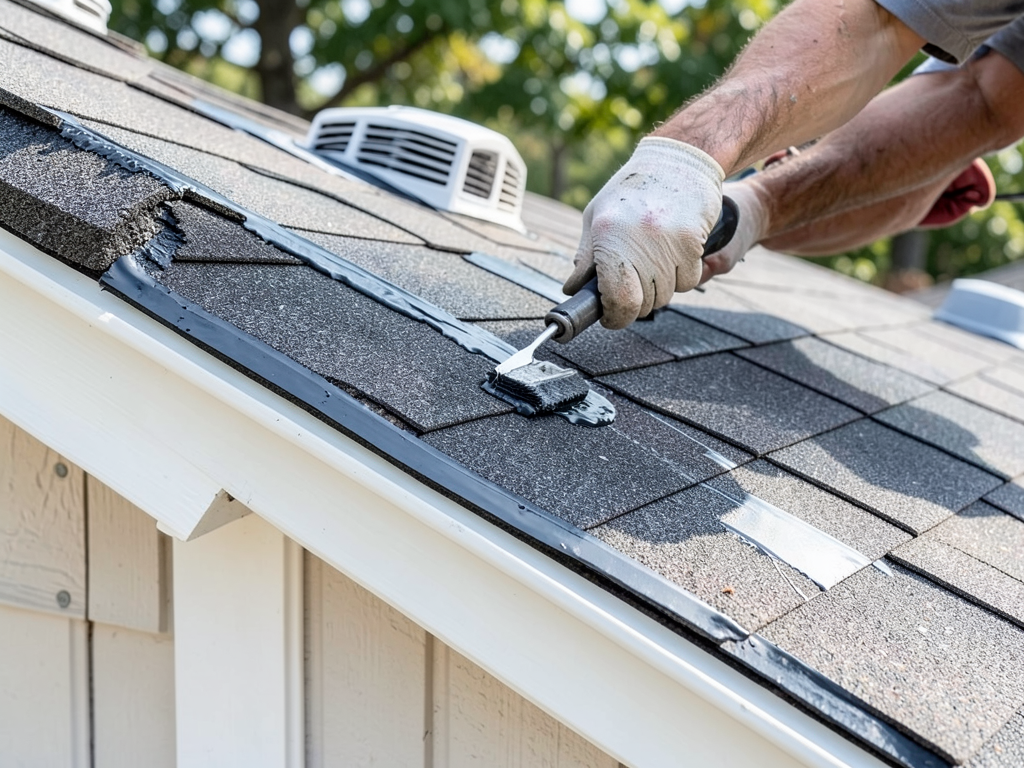
The primary source of the odor is the asphalt itself. Bitumen the sticky black substance in shingles releases hydrocarbons as it heats up. Adhesives used to bond shingles and seal flashing also contain solvents that evaporate quickly. Polyurethane sealants around vents and skylights can add another layer of chemical scent. Even the underlayment beneath your shingles may contain synthetic materials that off-gas. In Atlanta’s climate with summer heat indexes often exceeding 100°F these materials release VOCs at a faster rate than in cooler regions.
Is the Smell Dangerous to Your Health?
For most people the new roof smell is more of a nuisance than a health hazard. The VOCs released are generally at low concentrations and dissipate quickly with proper ventilation. However if you or a family member has asthma or chemical sensitivities you may want to keep windows closed and run an air purifier for the first few days. Attic ventilation plays a key role here. Make sure soffit vents are clear and consider running an attic fan to pull fresh air through the space. If the odor persists beyond two weeks or seems unusually strong it could indicate poor ventilation or a problem with the materials. Attic Ventilation Systems.
How Long Will the Odor Last in Atlanta?
In Atlanta’s intense summer heat most new roof odors fade within 48 to 72 hours. The combination of high temperatures and UV exposure helps cure the materials quickly. However if your home has poor attic airflow or if the roof was installed during a stretch of extreme heat the smell can linger up to a week. Homes in older neighborhoods like Decatur or Virginia Highland with less modern ventilation may notice the odor slightly longer. Running an attic fan and keeping indoor air moving can cut that time in half.
Tips to Get Rid of the Smell Faster
To speed up the dissipation of roof odors start by maximizing attic ventilation. Check that your soffit vents are not blocked by insulation and that your ridge vent is clear. Running an attic fan 24/7 for the first three days can pull VOCs out before they migrate into living spaces. Indoors keep windows closed during the hottest part of the day and use an air purifier with a HEPA filter. If you have a whole house fan run it in the evening when outdoor temperatures drop. Avoid painting or using strong cleaning products during this period as they can react with the off-gassing compounds.
When the Smell Indicates a Real Problem
Not all odors are created equal. A sharp chemical smell that fades in a few days is normal. But if you notice a burning plastic odor or a smell that gets stronger over time it could signal trouble. Electrical issues from a nail piercing a wire can produce a distinct acrid scent. A persistent damp or musty odor weeks after installation might mean moisture is trapped under the new roof. In these cases call a professional immediately. A quick inspection can rule out serious problems like faulty wiring or hidden leaks.
Understanding Atlanta’s Climate Impact on Off-Gassing
Atlanta’s combination of high heat and humidity creates a unique environment for new roof installations. The Georgia heat index often pushes asphalt shingles above 150°F on sunny days accelerating the release of VOCs. Humidity traps those gases close to the roof surface extending the duration of the odor. Homes in areas like Buckhead or Sandy Springs with mature tree cover may experience slightly less intense off-gassing due to shading but the effect is minimal. Understanding this local dynamic helps set realistic expectations for odor duration and ventilation needs.
Material Differences and Odor Intensity
Not all roofing materials produce the same level of odor. Traditional three-tab asphalt shingles tend to off-gas more than architectural or dimensional shingles due to their higher asphalt content. Synthetic underlayment materials like synthetic felt can add to the chemical mix. If you opted for a cool roof coating or reflective shingles those surfaces may release different compounds as they cure. Metal roofs and tile roofs produce little to no off-gassing but are less common in Atlanta’s residential market. Knowing your material type helps you anticipate the strength and duration of the new roof smell. Roofing Dunwoody.
Ventilation Best Practices for New Roofs
Proper attic ventilation is the single most effective way to control roof odors. The International Residential Code requires one square foot of net free vent area for every 150 square feet of attic space. In Atlanta’s climate that often means a combination of soffit vents at the eaves and ridge vents or gable vents near the peak. If your home is older and lacks these features consider adding a solar attic fan. These units run whenever the sun is out pulling hot VOC-laden air out before it can enter your living space. International Residential Code ventilation requirements.
Common Misconceptions About New Roof Odors
One common myth is that a strong smell means the roof is defective. In reality off-gassing is a normal part of the curing process for many roofing materials. Another misconception is that the odor will last for months. With Atlanta’s heat most odors are gone in under a week. Some homeowners worry that the smell means harmful chemicals are being released into their home but the concentrations are far below safety thresholds established by OSHA and the EPA. Understanding these facts can save you from unnecessary worry.
Special Considerations for Historic Homes
If you live in a historic Atlanta neighborhood like Druid Hills or Inman Park your home may have unique ventilation challenges. Many older homes were built with little to no attic ventilation and have been updated with modern roofing materials. In these cases the new roof smell can linger longer due to trapped air. Consider adding discreet ventilation solutions that preserve the home’s character. A professional roofer familiar with Atlanta’s historic districts can recommend options that protect both your roof and your home’s architectural integrity. Protecting Your Historic Decatur Home with Specialty Roof Repairs.
When to Call a Professional
If the odor persists beyond two weeks or if you notice any of the following it is time to call a professional: a burning smell, visible moisture stains on ceilings, or an increase in indoor humidity. These could indicate problems beyond normal off-gassing. A qualified roofer can inspect your attic ventilation check for trapped moisture and ensure all materials were installed correctly. In Atlanta’s climate early detection of ventilation issues can prevent bigger problems like mold growth or premature shingle failure.
Protecting Your Indoor Air Quality
While the new roof smell is temporary you can take steps to protect your indoor air quality during the curing period. Use a high quality HVAC filter rated MERV 11 or higher and change it after the first week. Keep indoor humidity between 30 and 50 percent using a dehumidifier if needed. Avoid introducing other strong odors like paint or new carpet during this time as they can compound the issue. These simple steps help your home return to normal faster and keep your air fresh.
Atlanta’s Building Code and Roof Ventilation
Atlanta follows the Georgia State Minimum Standard Residential Code which adopts the International Residential Code with state amendments. This code requires balanced attic ventilation to prevent moisture buildup and extend roof life. For homes in Atlanta’s humid climate that means ensuring your new roof installation includes proper intake and exhaust vents. A professional roofer will calculate your home’s ventilation needs based on square footage and local climate factors. This not only controls odors but also prevents long term issues like ice damming in winter and excessive heat in summer.
Understanding the Science of Off-Gassing
Off-gassing is a chemical process where volatile compounds convert from liquid or solid to gas at room temperature. In roofing materials this happens as solvents and light hydrocarbons evaporate. The rate of off-gassing increases with temperature which is why Atlanta’s summer heat accelerates the process. Once the most volatile compounds have evaporated the odor fades. This is why a roof installed in July may smell stronger initially but be odor free much faster than one installed in October. Knowing the science helps you understand why the smell is temporary and predictable.
Preparing for Your New Roof Installation
If you know a new roof is coming plan ahead to minimize disruption from odors. Schedule the installation during a stretch of mild weather if possible. Clear your attic of valuables and cover items that could absorb odors like clothing or linens. Let your family know what to expect so they are not alarmed by the smell. Consider staying elsewhere for the first 48 hours if anyone in the home is highly sensitive to odors. A little preparation goes a long way toward a smooth roofing experience.
The Role of Underlayment in Odor Production
Modern synthetic underlayment materials can contribute to the new roof smell. Unlike traditional felt paper these products often contain polypropylene or polyester fibers that off-gas as they cure. While they offer superior moisture protection they can add to the initial odor. If you are concerned about smells ask your roofer about underlayment options. Some manufacturers offer low VOC products designed for sensitive environments. In Atlanta’s climate the underlayment choice can slightly affect odor duration but will not eliminate it entirely.
Long Term Benefits of Proper Ventilation
While controlling new roof odors is a short term concern proper attic ventilation has long term benefits. It prevents moisture buildup that can lead to mold and rot extends the life of your shingles by keeping them cooler and reduces energy costs by minimizing heat transfer to your living space. In Atlanta’s climate where cooling costs dominate a well ventilated attic can save hundreds of dollars per year. Investing in quality ventilation during your roof replacement pays dividends long after the new roof smell is gone.
Frequently Asked Questions
How long does the new roof smell last?
In Atlanta’s hot climate most new roof odors fade within 48 to 72 hours. Homes with poor ventilation may notice the smell up to a week.
Is the new roof smell dangerous?
For most people the odor is a nuisance not a health hazard. However those with chemical sensitivities or asthma may want to take precautions like using an air purifier.
Can I speed up the dissipation of the smell?
Yes. Maximize attic ventilation by ensuring soffit vents are clear and running an attic fan. Indoors use an air purifier and keep windows closed during the hottest part of the day.
What if the smell persists for more than a week?
A lingering odor could indicate poor ventilation or a problem with the materials. If you notice a burning smell or moisture stains call a professional immediately.
Does the type of shingle affect the odor?
Yes. Traditional three tab shingles tend to off-gas more than architectural shingles due to their higher asphalt content. Synthetic underlayment can also add to the smell.
Conclusion
The new roof smell is a normal part of the installation process especially in Atlanta’s hot humid climate. Understanding what causes it how long it lasts and how to manage it can save you from unnecessary worry. Proper ventilation is key to controlling odors and protecting your home’s long term health. If you have concerns about persistent smells or other issues after your roof installation do not hesitate to call a professional. Your comfort and peace of mind are worth it. Ready to schedule an inspection or have questions about your new roof Call (770) 610-9366 today to speak with a local expert.
{
“@context”: “https://schema.org”,
“@type”: “BlogPosting”,
“headline”: “What to Expect from the New Roof Smell and Shingle Off-Gassing After Installation”,
“description”: “Learn what causes the new roof smell, how long it lasts in Atlanta’s climate, and when off-gassing is normal versus a warning sign. Get expert tips from local roofers.”,
“wordCount”: 2139,
“datePublished”: “2026-05-29T06:47:00.000Z”,
“dateModified”: “2026-05-29T06:47:00.000Z”,
“inLanguage”: “en-US”,
“mainEntityOfPage”: {
“@type”: “WebPage”,
“@id”: “https://firstchoiceroofingatlanta.com”
},
“publisher”: {
“@type”: “LocalBusiness”,
“name”: “First Choice Roofing Atlanta”,
“url”: “https://firstchoiceroofingatlanta.com”
},
“author”: {
“@type”: “Organization”,
“name”: “First Choice Roofing Atlanta”,
“url”: “https://firstchoiceroofingatlanta.com”
},
“image”: {
“@type”: “ImageObject”,
“url”: “https://firstchoiceroofingatlanta.com/wp-content/uploads/2026/03/what-to-expect-from-the-new-roof-smell-and-shingle-1.png”
}
}
{
“@context”: “https://schema.org”,
“@type”: “RoofingContractor”,
“name”: “First Choice Roofing Atlanta”,
“url”: “https://firstchoiceroofingatlanta.com”,
“address”: {
“@type”: “PostalAddress”,
“addressLocality”: “Atlanta”
},
“areaServed”: {
“@type”: “City”,
“name”: “Atlanta”
}
}
{
“@context”: “https://schema.org”,
“@type”: “FAQPage”,
“mainEntity”: [
{
“@type”: “Question”,
“name”: “What Causes the ‘New Roof Smell’?”,
“acceptedAnswer”: {
“@type”: “Answer”,
“text”: “The primary source of the odor is the asphalt itself. Bitumen the sticky black substance in shingles releases hydrocarbons as it heats up. Adhesives used to bond shingles and seal flashing also contain solvents that evaporate quickly. Polyurethane sealants around vents and skylights can add another layer of chemical scent. Even the underlayment beneath your shingles may contain synthetic materials that off-gas. In Atlanta’s climate with summer heat indexes often exceeding 100°F these materials release VOCs at a faster rate than in cooler regions.”
}
},
{
“@type”: “Question”,
“name”: “Is the Smell Dangerous to Your Health?”,
“acceptedAnswer”: {
“@type”: “Answer”,
“text”: “For most people the new roof smell is more of a nuisance than a health hazard. The VOCs released are generally at low concentrations and dissipate quickly with proper ventilation. However if you or a family member has asthma or chemical sensitivities you may want to keep windows closed and run an air purifier for the first few days. Attic ventilation plays a key role here. Make sure soffit vents are clear and consider running an attic fan to pull fresh air through the space. If the odor persists beyond two weeks or seems unusually strong it could indicate poor ventilation or a problem with the materials. Attic Ventilation Systems.”
}
},
{
“@type”: “Question”,
“name”: “How Long Will the Odor Last in Atlanta?”,
“acceptedAnswer”: {
“@type”: “Answer”,
“text”: “In Atlanta’s intense summer heat most new roof odors fade within 48 to 72 hours. The combination of high temperatures and UV exposure helps cure the materials quickly. However if your home has poor attic airflow or if the roof was installed during a stretch of extreme heat the smell can linger up to a week. Homes in older neighborhoods like Decatur or Virginia Highland with less modern ventilation may notice the odor slightly longer. Running an attic fan and keeping indoor air moving can cut that time in half.”
}
},
{
“@type”: “Question”,
“name”: “How long does the new roof smell last?”,
“acceptedAnswer”: {
“@type”: “Answer”,
“text”: “In Atlanta’s hot climate most new roof odors fade within 48 to 72 hours. Homes with poor ventilation may notice the smell up to a week.”
}
},
{
“@type”: “Question”,
“name”: “Is the new roof smell dangerous?”,
“acceptedAnswer”: {
“@type”: “Answer”,
“text”: “For most people the odor is a nuisance not a health hazard. However those with chemical sensitivities or asthma may want to take precautions like using an air purifier.”
}
},
{
“@type”: “Question”,
“name”: “Can I speed up the dissipation of the smell?”,
“acceptedAnswer”: {
“@type”: “Answer”,
“text”: “Yes. Maximize attic ventilation by ensuring soffit vents are clear and running an attic fan. Indoors use an air purifier and keep windows closed during the hottest part of the day.”
}
},
{
“@type”: “Question”,
“name”: “What if the smell persists for more than a week?”,
“acceptedAnswer”: {
“@type”: “Answer”,
“text”: “A lingering odor could indicate poor ventilation or a problem with the materials. If you notice a burning smell or moisture stains call a professional immediately.”
}
},
{
“@type”: “Question”,
“name”: “Does the type of shingle affect the odor?”,
“acceptedAnswer”: {
“@type”: “Answer”,
“text”: “Yes. Traditional three tab shingles tend to off-gas more than architectural shingles due to their higher asphalt content. Synthetic underlayment can also add to the smell.”
}
}
]
}
{
“@context”: “https://schema.org”,
“@type”: “BreadcrumbList”,
“itemListElement”: [
{
“@type”: “ListItem”,
“position”: 1,
“name”: “Home”,
“item”: “https://firstchoiceroofingatlanta.com”
},
{
“@type”: “ListItem”,
“position”: 2,
“name”: “Blog”,
“item”: “https://firstchoiceroofingatlanta.com/blog”
},
{
“@type”: “ListItem”,
“position”: 3,
“name”: “What to Expect from the New Roof Smell and Shingle Off-Gassing After Installation”
}
]
}
{
“@context”: “https://schema.org”,
“@type”: “Service”,
“serviceType”: “Roofing”,
“provider”: {
“@type”: “LocalBusiness”,
“name”: “First Choice Roofing Atlanta”,
“url”: “https://firstchoiceroofingatlanta.com”
},
“areaServed”: {
“@type”: “City”,
“name”: “Atlanta”
},
“description”: “Learn what causes the new roof smell, how long it lasts in Atlanta’s climate, and when off-gassing is normal versus a warning sign. Get expert tips from local roofers.”
}