
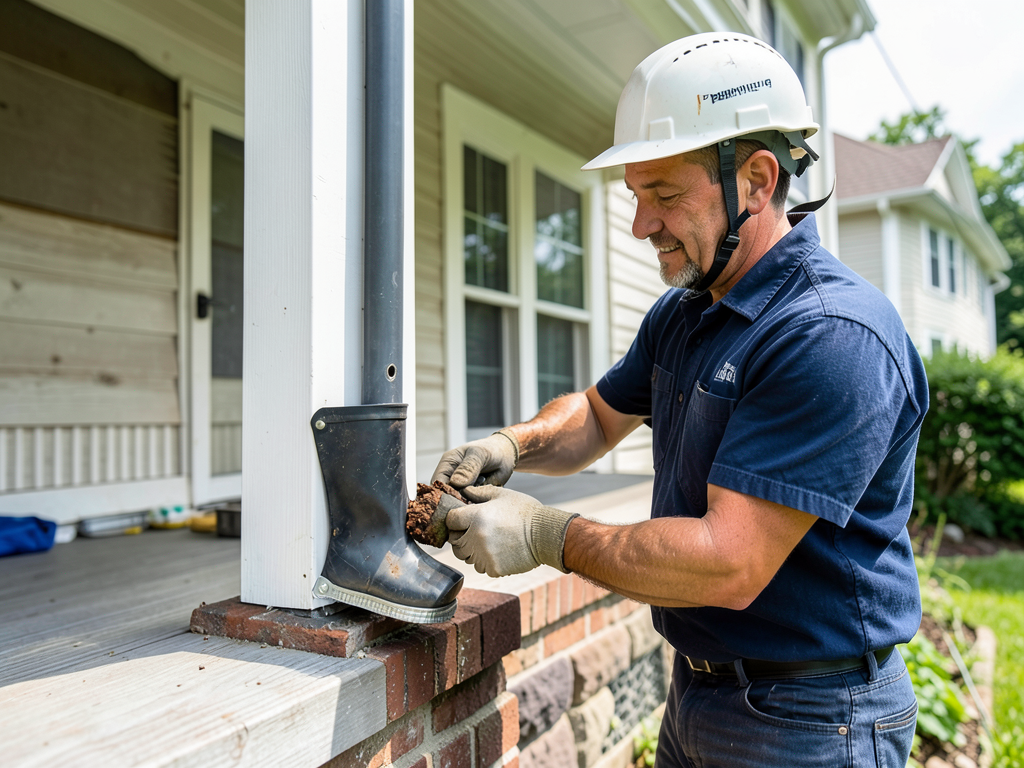
Why Lead Pipe Boots are Often the Secret Source of Leaks in Piedmont Heights
Water stains on your ceiling often trace back to a source you never see until it’s too late. In Piedmont Heights, where many homes date back to the 1940s and 1950s, aging lead pipe boots around plumbing vents create a perfect storm for slow leaks. These metal sleeves, once the industry standard, crack and corrode over decades, allowing rainwater to seep directly into your attic space. The damage spreads quietly through insulation and ceiling joists before you notice a single drip. Attic Ventilation Systems.
Lead pipe boots fail for three specific reasons in Atlanta’s climate. First, thermal expansion and contraction from summer heat reaching 95°F and winter lows in the 30s causes the metal to fatigue. Second, Atlanta’s annual rainfall of 50 inches pounds against these aging seals year after year. Third, the red clay soil in Piedmont Heights shifts with moisture changes, creating subtle movements in your home’s structure that stress roof penetrations. By the time you see water spots, the damage often extends beyond what’s visible.
Early detection saves thousands in repair costs. Look for these warning signs: water stains spreading from bathroom vents, damp insulation near plumbing stacks, or rusty streaks running down vent pipes. In Piedmont Heights, many homes have cathedral ceilings where water travels along rafters before dripping down, making the source difficult to pinpoint. The good news is that replacing lead boots with modern materials prevents future leaks and extends your roof’s life by 15 to 20 years. EPA moisture and mold prevention guidelines.
Common Warning Signs of Failing Pipe Boots
Water damage around plumbing vents follows predictable patterns in Piedmont Heights homes. The most obvious sign appears as brownish stains on ceilings directly below bathroom exhaust fans or plumbing stacks. These stains often start small but expand in concentric circles as water finds new paths through damaged materials.
Attic inspections reveal earlier damage stages. Look for damp or compressed insulation around vent pipes, rust-colored water marks on rafters, or white mineral deposits on lead boots indicating slow water seepage. In Piedmont Heights’ older homes, you might find original 2×4 rafters that have softened from years of moisture exposure.
External signs include visible cracks in the lead material, separated seams where the boot meets the vent pipe, or missing sealant around the base. During heavy rains, you might hear dripping sounds in the attic or notice a musty odor developing near bathroom areas. These symptoms worsen after storms when wind-driven rain tests compromised seals.
The timing matters significantly. Piedmont Heights experiences most of its rainfall during summer thunderstorms when temperatures create strong convective currents. These storms produce wind-driven rain that exploits even tiny gaps in aging lead boots. Homes near Piedmont Park or Freedom Park often face additional stress from mature trees that slow drying and trap moisture against roof surfaces.
Why Atlanta’s Climate Accelerates Boot Failure
Atlanta’s unique weather pattern creates conditions that destroy lead pipe boots faster than in other regions. The city experiences 218 sunny days annually, with UV radiation breaking down the lead’s surface oxidation layer. This exposure accelerates corrosion when combined with Atlanta’s humidity levels averaging 70% year-round.
Temperature swings in Piedmont Heights reach extremes that stress metal components. Summer afternoons often hit 95°F while winter nights drop to 35°F. This 60-degree variation causes lead to expand and contract repeatedly, creating micro-fractures that grow over time. The problem compounds because Atlanta’s rainfall comes in intense bursts rather than steady drizzle, putting maximum pressure on compromised seals.
Pollen and organic debris common in Piedmont Heights also contribute to boot failure. Atlanta ranks among the worst cities for pollen, with tree pollen counts exceeding 1,500 grains per cubic meter during spring peaks. This fine yellow dust mixes with rainwater to create acidic solutions that eat through lead oxidation layers. Pine needles from nearby parks accumulate around vent bases, holding moisture against the metal and preventing proper drying.
According to the Georgia State Minimum Standard Residential Code Section R903.4, all roof penetrations must maintain watertight seals through approved flashing methods. Lead boots installed before 2010 often don’t meet current standards for material thickness or integration with modern shingles. The code requires boots to accommodate pipe movement without compromising the seal, something aging lead cannot do effectively. Georgia State Minimum Standard Residential Code.
Modern Replacement Options for Atlanta Homes
Today’s pipe boot technology offers significant improvements over traditional lead. EPDM rubber boots provide flexibility that accommodates Georgia’s temperature swings while resisting UV degradation. These boots typically last 15 to 20 years compared to lead’s 10 to 15 year lifespan in Atlanta conditions.
Silicone-based boots represent the premium option for Piedmont Heights homes. These materials withstand temperatures from -40°F to 400°F without cracking or becoming brittle. The non-porous surface resists algae and mold growth common in Atlanta’s humid climate. Installation involves removing the old boot, cleaning the penetration area, and sliding the new boot over the pipe with integrated flashing that ties into existing shingles.
Bullet boots offer specialized protection for high-wind areas. These boots feature a reinforced collar and extended skirt that creates a larger sealing surface. In Piedmont Heights, where occasional microbursts accompany summer storms, bullet boots prevent wind-driven rain from entering even when traditional boots would fail. The installation requires precise cutting of shingles to integrate the boot’s base plate with the roof surface.
Cost considerations vary by material choice and roof complexity. EPDM boots run $75 to $125 per unit installed, while silicone options cost $150 to $250. Bullet boots with reinforced features range from $200 to $350 installed. Most Piedmont Heights homes need 2 to 4 boots replaced during a typical service call, bringing total costs between $300 and $1,400 depending on accessibility and roof pitch.
Step-by-Step Replacement Process
Professional pipe boot replacement follows a systematic approach that ensures long-term reliability. The process begins with attic inspection to assess existing damage extent. Technicians use moisture meters to detect water migration patterns and identify compromised structural elements before starting exterior work.
Exterior preparation involves removing surrounding shingles carefully to preserve the roof’s water-shedding capability. The old boot extraction requires cutting away sealant and separating the boot from the vent pipe. In Piedmont Heights’ older homes, this step often reveals additional damage to the decking or underlayment that requires repair before new installation.
The new boot installation demands precise measurements and proper integration with existing roofing materials. Technicians slide the replacement boot over the vent pipe, ensuring adequate overlap between the boot’s base and the roof surface. The critical step involves sealing the boot’s perimeter with roofing-grade sealant and integrating the boot’s flashing with surrounding shingles using the correct overlap pattern. Roofing Dunwoody.
Quality verification includes water testing the repaired area using a garden hose to simulate rainfall conditions. Technicians check for proper drainage paths and ensure no water penetrates the new seal. They also inspect the attic from inside to confirm the repair’s effectiveness before completing the job.
The entire process typically requires 2 to 4 hours per boot, depending on roof accessibility and existing damage extent. Piedmont Heights homes with steep pitches or limited access points may require additional safety equipment and time. Most replacements include a 5 to 10 year warranty covering material defects and installation errors.
Comparing Boot Materials for Georgia Weather
Material selection significantly impacts long-term performance in Atlanta’s climate. The following comparison shows how different boot types perform under local conditions:
| Material Type | Cost Range | Expected Lifespan in Atlanta | UV Resistance | Flexibility in Temperature Swings |
|---|---|---|---|---|
| Lead | $50-$80 | 10-15 years | Moderate | Poor |
| EPDM Rubber | $75-$125 | 15-20 years | Excellent | Good |
| Silicone | $150-$250 | 20-25 years | Superior | Excellent |
| Thermoplastic | $100-$180 | 18-22 years | Very Good | Very Good |
Lead remains popular for its initial low cost but fails to deliver value over time. The material’s rigidity causes it to crack during Georgia’s temperature extremes, while its surface corrodes from constant moisture exposure. EPDM offers the best balance of cost and performance for most Piedmont Heights homes, providing adequate durability without premium pricing.
Silicone boots justify their higher cost through superior longevity and minimal maintenance requirements. These boots maintain flexibility across Atlanta’s temperature range and resist the UV damage that destroys other materials. For historic homes in Piedmont Heights where preserving original roof lines matters, silicone boots can be color-matched to existing materials while providing modern protection. Protecting Your Historic Decatur Home with Specialty Roof Repairs.
Thermoplastic boots combine durability with chemical resistance, making them ideal for homes near industrial areas or those with specific environmental concerns. These boots withstand exposure to cleaning chemicals, tree sap, and other substances that might degrade rubber or silicone over time.
Emergency Prevention Tips for Piedmont Heights Homeowners
Preventing pipe boot failures starts with regular inspections, especially before Atlanta’s rainy season begins in March. Homeowners should check visible roof areas from ground level using binoculars, looking for cracked or separated boots around plumbing vents. Pay special attention to boots on the south-facing roof slopes where UV exposure is greatest.
Attic checks during dry weather help identify developing problems before they cause visible damage. Look for moisture accumulation around vent pipes, rust stains on nearby wood members, or musty odors that indicate ongoing water intrusion. In Piedmont Heights’ older homes, these early signs often appear near bathroom exhaust fans or laundry vents.
Seasonal maintenance includes clearing debris from around vent bases. Atlanta’s abundant tree cover means pine needles, leaves, and pollen accumulate rapidly on roof surfaces. This organic matter holds moisture against boot materials, accelerating deterioration. Use a leaf blower or soft brush to clear a 12-inch radius around each vent pipe.
Professional inspections every two years catch problems while they’re still manageable. Technicians use moisture meters and infrared cameras to detect hidden water damage that homeowners cannot see. They also check sealant integrity and boot flexibility, replacing components showing early signs of failure before leaks develop.
During storm season, monitor your home for new ceiling stains or attic moisture after heavy rains. Quick action when problems first appear prevents extensive damage. Many Piedmont Heights homeowners schedule inspections after major storms, as wind-driven rain often exploits existing vulnerabilities in aging boots.
Cost Factors and Investment Protection
Several factors influence pipe boot replacement costs in Piedmont Heights. Roof pitch affects labor time significantly, with steep roofs requiring additional safety equipment and slower work pace. A 6:12 pitch roof might take twice as long as a 4:12 pitch for the same repair, increasing labor costs proportionally.
Accessibility challenges common in Piedmont Heights add complexity. Homes with limited driveway access, mature tree coverage, or historic district restrictions may require specialized equipment or additional permitting. These factors can increase project costs by 20 to 40 percent compared to straightforward replacements.
Material quality choices create wide cost variations. While basic rubber boots cost $75 to $125 installed, premium silicone options run $150 to $250. The price difference often pays for itself through extended lifespan and reduced maintenance needs. Consider the total cost of ownership rather than just initial installation price.
Warranty coverage provides investment protection but varies by contractor and material choice. Standard warranties cover 5 to 10 years for labor and materials, while premium options extend to 15 or 20 years. Read warranty terms carefully, as some exclude damage from severe weather or require annual maintenance for coverage to remain valid.
Insurance considerations matter for extensive damage cases. Most homeowner policies cover sudden pipe boot failures but exclude damage from long-term neglect. Document inspections and maintenance efforts to support claims if major repairs become necessary. Some Piedmont Heights homeowners find that preventive replacement prevents insurance complications later.
Frequently Asked Questions
How long does a pipe boot replacement take?
Most single boot replacements require 2 to 4 hours including inspection, removal of old materials, installation, and testing. Complex cases involving multiple boots or extensive damage may take a full day.
Can I replace pipe boots myself?
While possible for experienced DIYers, professional installation ensures proper sealing and integration with existing roofing materials. Incorrect installation often causes more problems than it solves, potentially voiding roof warranties.
How often should pipe boots be inspected?
Professional inspection every two years is recommended, with additional checks after major storms. Homeowners should visually inspect boots annually from ground level using binoculars.
What causes pipe boots to fail prematurely?
Common causes include UV exposure, temperature extremes, organic debris accumulation, improper installation, and structural movement in the home’s framing. Atlanta’s climate accelerates all these failure mechanisms.
Should I replace all boots at once?
If multiple boots show similar aging signs, replacing them together often saves on labor costs and ensures consistent protection across your roof. However, isolated failures may only require spot repairs.
Protect Your Piedmont Heights Home Today
Don’t wait for ceiling stains to appear before addressing pipe boot issues. The hidden damage from slow leaks costs far more than preventive replacement. Our team understands Piedmont Heights’ specific challenges, from historic home construction to Atlanta’s demanding climate conditions.
We provide thorough inspections using moisture detection equipment and thermal imaging to identify problems before they cause visible damage. Our replacement process follows Georgia building codes while respecting historic district requirements common in Piedmont Heights.
Call (770) 610-9366 today to schedule your comprehensive roof inspection. Early detection and professional replacement protect your home’s value and prevent costly water damage repairs. Don’t let another storm test your aging pipe boots.
Pick up the phone and call (770) 610-9366 before the next Atlanta thunderstorm hits. Your home deserves protection from the unique weather challenges facing Piedmont Heights homeowners.
{
“@context”: “https://schema.org”,
“@type”: “BlogPosting”,
“headline”: “Why Lead Pipe Boots are Often the Secret Source of Leaks in Piedmont Heights”,
“description”: “Discover why lead pipe boots cause hidden leaks in Piedmont Heights homes. Learn to spot early warning signs before water damage spreads through your attic.”,
“wordCount”: 2255,
“datePublished”: “2026-04-21T11:53:00.000Z”,
“dateModified”: “2026-04-21T11:53:00.000Z”,
“inLanguage”: “en-US”,
“mainEntityOfPage”: {
“@type”: “WebPage”,
“@id”: “https://firstchoiceroofingatlanta.com”
},
“publisher”: {
“@type”: “LocalBusiness”,
“name”: “First Choice Roofing Atlanta”,
“url”: “https://firstchoiceroofingatlanta.com”
},
“author”: {
“@type”: “Organization”,
“name”: “First Choice Roofing Atlanta”,
“url”: “https://firstchoiceroofingatlanta.com”
},
“image”: {
“@type”: “ImageObject”,
“url”: “https://firstchoiceroofingatlanta.com/wp-content/uploads/2026/03/why-lead-pipe-boots-are-often-the-secret-source-of-1.png”
}
}
{
“@context”: “https://schema.org”,
“@type”: “RoofingContractor”,
“name”: “First Choice Roofing Atlanta”,
“url”: “https://firstchoiceroofingatlanta.com”,
“address”: {
“@type”: “PostalAddress”,
“addressLocality”: “Atlanta”
},
“areaServed”: {
“@type”: “City”,
“name”: “Atlanta”
}
}
{
“@context”: “https://schema.org”,
“@type”: “FAQPage”,
“mainEntity”: [
{
“@type”: “Question”,
“name”: “How long does a pipe boot replacement take?”,
“acceptedAnswer”: {
“@type”: “Answer”,
“text”: “Most single boot replacements require 2 to 4 hours including inspection, removal of old materials, installation, and testing. Complex cases involving multiple boots or extensive damage may take a full day.”
}
},
{
“@type”: “Question”,
“name”: “Can I replace pipe boots myself?”,
“acceptedAnswer”: {
“@type”: “Answer”,
“text”: “While possible for experienced DIYers, professional installation ensures proper sealing and integration with existing roofing materials. Incorrect installation often causes more problems than it solves, potentially voiding roof warranties.”
}
},
{
“@type”: “Question”,
“name”: “How often should pipe boots be inspected?”,
“acceptedAnswer”: {
“@type”: “Answer”,
“text”: “Professional inspection every two years is recommended, with additional checks after major storms. Homeowners should visually inspect boots annually from ground level using binoculars.”
}
},
{
“@type”: “Question”,
“name”: “What causes pipe boots to fail prematurely?”,
“acceptedAnswer”: {
“@type”: “Answer”,
“text”: “Common causes include UV exposure, temperature extremes, organic debris accumulation, improper installation, and structural movement in the home’s framing. Atlanta’s climate accelerates all these failure mechanisms.”
}
},
{
“@type”: “Question”,
“name”: “Should I replace all boots at once?”,
“acceptedAnswer”: {
“@type”: “Answer”,
“text”: “If multiple boots show similar aging signs, replacing them together often saves on labor costs and ensures consistent protection across your roof. However, isolated failures may only require spot repairs.”
}
}
]
}
{
“@context”: “https://schema.org”,
“@type”: “BreadcrumbList”,
“itemListElement”: [
{
“@type”: “ListItem”,
“position”: 1,
“name”: “Home”,
“item”: “https://firstchoiceroofingatlanta.com”
},
{
“@type”: “ListItem”,
“position”: 2,
“name”: “Blog”,
“item”: “https://firstchoiceroofingatlanta.com/blog”
},
{
“@type”: “ListItem”,
“position”: 3,
“name”: “Why Lead Pipe Boots are Often the Secret Source of Leaks in Piedmont Heights”
}
]
}
{
“@context”: “https://schema.org”,
“@type”: “Service”,
“serviceType”: “Roofing”,
“provider”: {
“@type”: “LocalBusiness”,
“name”: “First Choice Roofing Atlanta”,
“url”: “https://firstchoiceroofingatlanta.com”
},
“areaServed”: {
“@type”: “City”,
“name”: “Atlanta”
},
“description”: “Discover why lead pipe boots cause hidden leaks in Piedmont Heights homes. Learn to spot early warning signs before water damage spreads through your attic.”
}