Why Shingle Blistering is Often Mistaken for Hail Damage in Brookhaven
After a summer thunderstorm rolls through your Brookhaven neighborhood, you might step outside and notice dark spots or raised areas on your roof. Your first thought? Hail damage. But what if those marks aren’t from the storm at all? In Brookhaven’s humid Georgia climate, what looks like hail damage is often something else entirely: shingle blistering. Georgia Forestry and Disaster Assistance.
Shingle blistering happens when moisture trapped inside asphalt shingles expands from heat, creating raised bumps or bubbles on the surface. These can look remarkably similar to hail impacts, especially to the untrained eye. The problem is that hail damage is typically covered by insurance as an “act of God,” while blistering is considered a manufacturing defect or ventilation issue—meaning your claim could be denied, leaving you with repair costs and a potential premium increase. Attic Ventilation Systems.
The Core Dilemma: Why the Distinction Matters for Insurance
Insurance companies treat these two types of damage very differently. Hail damage creates distinct impact marks with granule loss in a circular pattern, often accompanied by damage to soft metals like gutters and vents. Blistering, on the other hand, forms uniform patterns across the roof surface due to trapped moisture and heat expansion. When an adjuster sees uniform blistering, they know it’s not storm-related and won’t approve the claim.
In Brookhaven’s older neighborhoods like Ashford Park and Brookhaven Fields, where many homes were built in the 1960s-1980s, original roofing materials are reaching their end-of-life. These aging shingles are particularly susceptible to blistering, especially when attic ventilation hasn’t been updated to meet modern standards. The Georgia Department of Insurance reports that misclassified damage claims are one of the top reasons for initial claim denials in the Atlanta metro area. Roofing Dunwoody.
What is Shingle Blistering?
Shingle blistering occurs when moisture becomes trapped during the manufacturing process or when shingles absorb humidity from the air. In Brookhaven’s climate, where summer temperatures regularly exceed 90°F and humidity stays above 70%, this trapped moisture heats up and expands. The result is a bubble or blister that forms on the shingle surface.
The process accelerates when attic ventilation is inadequate. Without proper airflow, heat builds up under the roof deck, baking the shingles from below. This creates a perfect storm for blistering: heat from above (sun exposure) and heat from below (poor ventilation). The Georgia State Minimum Standard Residential Code (IRC with GA amendments) requires specific ventilation ratios, but many older Brookhaven homes were built before these standards were enforced.
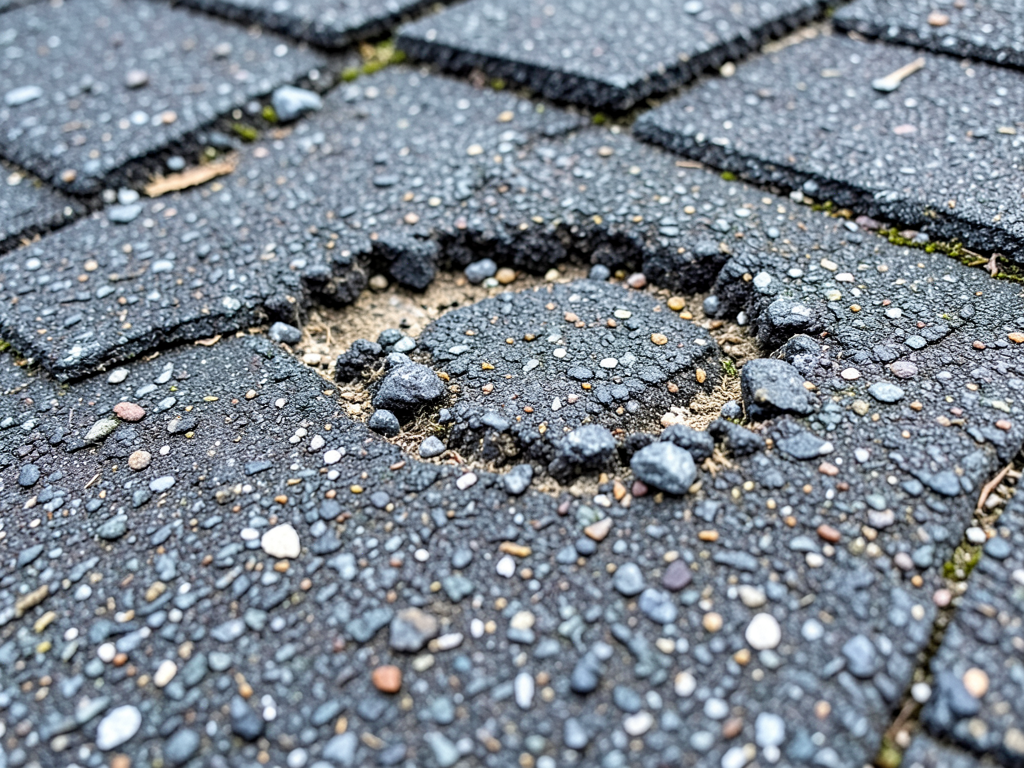
Blistering typically appears as raised areas that feel soft when pressed. The surface may have broken open, exposing the asphalt mat underneath. Unlike hail damage, blistering affects multiple shingles in a uniform pattern rather than random spots across the roof.
Identifying Hail Damage: The Anatomy of an Impact
Hail damage creates a very different pattern. When hailstones hit shingles, they cause granule loss in a distinct circular pattern. The impact often creates a “bruise” that you can feel as a soft spot beneath the surface. In severe cases, the hail actually punctures the shingle mat.
Insurance adjusters look for several key indicators of hail damage. First, the pattern is random—hailstones don’t fall in neat rows. Second, there’s typically accompanying damage to other soft metals on the house: gutters, downspouts, roof vents, and sometimes even window screens. Third, the damage appears as dark spots where granules have been knocked away, exposing the asphalt underneath.
In Brookhaven’s recent storm history, hail events typically occur between March and May when unstable spring weather patterns bring severe thunderstorms through the area. The hail stones are usually small (quarter to golf ball size) but can still cause significant damage to older roofing materials.
Side-by-Side Comparison Table
| Damage Type | Pattern | Touch Test | Insurance Coverage | Primary Cause |
|---|---|---|---|---|
| Hail Damage | Random circular impacts | Bruised, soft spots | Usually covered | Storm/weather |
| Shingle Blistering | Uniform raised bubbles | Soft, spongy areas | Rarely covered | Heat/moisture |
| Hail Damage | Random circular impacts | Bruised, soft spots | Usually covered | Storm/weather |
| Shingle Blistering | Uniform raised bubbles | Soft, spongy areas | Rarely covered | Heat/moisture |
The Role of Atlanta’s Climate
Brookhaven’s location in the humid subtropical climate zone of Georgia creates perfect conditions for both types of damage, but for very different reasons. The intense summer heat—often exceeding 95°F for weeks at a time—creates thermal expansion in roofing materials. When nighttime temperatures drop to the 70s, this expansion and contraction cycle stresses the shingles.
Humidity plays a crucial role in blistering. Brookhaven’s proximity to the Chattahoochee River watershed means moisture levels stay high year-round. This moisture can be absorbed by aging shingles, especially those with manufacturing defects or those past their 20-25 year lifespan. The result is trapped moisture that expands when heated.
Hail damage in Brookhaven typically comes from spring supercell thunderstorms that develop along the I-85 corridor. These storms can produce golf ball-sized hail and winds exceeding 60 mph. The National Weather Service has documented increased severe weather frequency in northern DeKalb County over the past decade, making accurate damage identification more important than ever. National Fire Protection Association.
Professional Inspection Process
Identifying the difference between hail damage and blistering requires a trained eye and specific diagnostic techniques. A professional roof inspector will examine the entire roof surface, looking for patterns that indicate the type of damage. They’ll check for granule loss, feel for soft spots, and look for accompanying damage to other parts of the house.
The inspection process includes checking attic ventilation, measuring roof deck temperature, and examining shingle edges for signs of age-related deterioration. In Brookhaven’s older homes, inspectors often find that original ventilation systems are inadequate by today’s standards, contributing to premature shingle failure.
Professional inspectors use tools like moisture meters to detect trapped water in shingles and thermal imaging cameras to identify hot spots that indicate poor ventilation. These diagnostic tools help distinguish between storm damage and wear-and-tear issues that homeowners might mistake for hail damage.
The Hidden Cost of Misidentification
Filing an insurance claim for blistering that you think is hail damage can have serious consequences. Even if your claim is denied, the insurance company may still count it as a filed claim on your record. In Georgia’s competitive insurance market, multiple claim filings—even denied ones—can lead to premium increases or difficulty getting coverage in the future. Getting a Fast and Accurate Roof Replacement Estimate in Johns Creek.
Brookhaven homeowners who file claims without proper verification often find themselves in a difficult position. The adjuster’s denial letter may state that the damage is due to “wear and tear” or “lack of maintenance,” which can feel like a personal judgment. However, this determination is based on specific industry standards and the physical evidence on your roof.
The cost of a professional inspection before filing a claim is typically much less than the potential increase in insurance premiums from a denied claim. In Brookhaven’s competitive roofing market, most reputable companies offer free inspections that can give you the information you need to make an informed decision.
Protecting Your Brookhaven Home
Whether you’re dealing with actual hail damage or premature blistering, the solution often involves similar steps: professional assessment, proper ventilation upgrades, and quality replacement materials. Brookhaven’s historic character means many homes have architectural features that require specialized roofing knowledge. Protecting Your Historic Decatur Home with Specialty Roof Repairs.
Modern shingles offer better heat resistance and moisture protection than those installed 20+ years ago. When replacing a roof in Brookhaven, consider materials with higher impact resistance ratings (Class 4 is the highest) if you’re concerned about future hail storms. Also, ensure your attic ventilation meets or exceeds current Georgia building codes.
Regular maintenance can extend your roof’s life regardless of the damage type. Keep gutters clean to prevent water backup, trim overhanging branches that can damage shingles, and have your roof inspected annually by a qualified professional. These simple steps can help you avoid the confusion between blistering and hail damage altogether.
Frequently Asked Questions
How can I tell if my roof damage is from hail or blistering?
Hail damage appears as random circular impacts with granule loss, often accompanied by damage to gutters and vents. Blistering forms uniform raised bubbles across the roof surface due to heat and moisture. A professional inspection can definitively identify the type of damage.
Will my insurance cover shingle blistering?
Generally no. Insurance companies consider blistering to be a manufacturing defect or maintenance issue rather than storm damage. However, if the blistering is severe enough to compromise your roof’s integrity, you might qualify for coverage under a wear-and-tear provision, though this is rare.
How much does a professional roof inspection cost in Brookhaven?
Most reputable roofing companies in Brookhaven offer free inspections. If you need a detailed inspection report for insurance purposes, fees typically range from $150-300, which is often credited toward any repair work you authorize.
Can poor attic ventilation cause my shingles to blister?
Yes. Inadequate ventilation traps heat under the roof deck, creating temperatures that can exceed 150°F in summer. This extreme heat bakes the shingles from below while the sun bakes them from above, accelerating moisture expansion and blistering.
Call (770) 610-9366 Today for Your Professional Roof Inspection
Don’t let shingle blistering fool you into thinking you have hail damage. The consequences of misidentification can be costly—both in terms of denied insurance claims and potential premium increases. Brookhaven’s unique climate and many older homes make professional assessment essential before filing any insurance claims.
Our team at First Choice Roofing Atlanta has been serving Brookhaven and the greater Atlanta area for over 15 years. We understand the specific challenges that Georgia’s heat and humidity create for roofing materials. We’ll provide you with an honest assessment of your roof’s condition and help you understand exactly what type of damage you’re dealing with.
Whether you need a simple inspection, ventilation upgrades, or complete roof replacement, we’re here to help. Call (770) 610-9366 today to schedule your free professional inspection. Don’t wait until the next storm hits—get the facts about your roof’s condition now.
Pick up the phone and call (770) 610-9366 before the next storm hits. Our Brookhaven neighbors trust us because we tell them the truth about their roofs, not what we think they want to hear. That’s why we’re First Choice Roofing Atlanta.
{
“@context”: “https://schema.org”,
“@type”: “BlogPosting”,
“headline”: “Why Shingle Blistering is Often Mistaken for Hail Damage in Brookhaven”,
“description”: “Learn how Atlanta’s heat and humidity cause shingle blistering that looks like hail damage. Discover the key differences to protect your Brookhaven home and insurance claim.”,
“wordCount”: 1715,
“datePublished”: “2026-05-17T13:49:00.000Z”,
“dateModified”: “2026-05-17T13:49:00.000Z”,
“inLanguage”: “en-US”,
“mainEntityOfPage”: {
“@type”: “WebPage”,
“@id”: “https://firstchoiceroofingatlanta.com”
},
“publisher”: {
“@type”: “LocalBusiness”,
“name”: “First Choice Roofing Atlanta”,
“url”: “https://firstchoiceroofingatlanta.com”
},
“author”: {
“@type”: “Organization”,
“name”: “First Choice Roofing Atlanta”,
“url”: “https://firstchoiceroofingatlanta.com”
},
“image”: {
“@type”: “ImageObject”,
“url”: “https://firstchoiceroofingatlanta.com/wp-content/uploads/2026/03/why-shingle-blistering-is-often-mistaken-for-hail-1.png”
}
}
{
“@context”: “https://schema.org”,
“@type”: “RoofingContractor”,
“name”: “First Choice Roofing Atlanta”,
“url”: “https://firstchoiceroofingatlanta.com”,
“address”: {
“@type”: “PostalAddress”,
“addressLocality”: “Atlanta”
},
“areaServed”: {
“@type”: “City”,
“name”: “Atlanta”
}
}
{
“@context”: “https://schema.org”,
“@type”: “FAQPage”,
“mainEntity”: [
{
“@type”: “Question”,
“name”: “What is Shingle Blistering?”,
“acceptedAnswer”: {
“@type”: “Answer”,
“text”: “Shingle blistering occurs when moisture becomes trapped during the manufacturing process or when shingles absorb humidity from the air. In Brookhaven’s climate, where summer temperatures regularly exceed 90°F and humidity stays above 70%, this trapped moisture heats up and expands. The result is a bubble or blister that forms on the shingle surface.”
}
},
{
“@type”: “Question”,
“name”: “How can I tell if my roof damage is from hail or blistering?”,
“acceptedAnswer”: {
“@type”: “Answer”,
“text”: “Hail damage appears as random circular impacts with granule loss, often accompanied by damage to gutters and vents. Blistering forms uniform raised bubbles across the roof surface due to heat and moisture. A professional inspection can definitively identify the type of damage.”
}
},
{
“@type”: “Question”,
“name”: “Will my insurance cover shingle blistering?”,
“acceptedAnswer”: {
“@type”: “Answer”,
“text”: “Generally no. Insurance companies consider blistering to be a manufacturing defect or maintenance issue rather than storm damage. However, if the blistering is severe enough to compromise your roof’s integrity, you might qualify for coverage under a wear-and-tear provision, though this is rare.”
}
},
{
“@type”: “Question”,
“name”: “How much does a professional roof inspection cost in Brookhaven?”,
“acceptedAnswer”: {
“@type”: “Answer”,
“text”: “Most reputable roofing companies in Brookhaven offer free inspections. If you need a detailed inspection report for insurance purposes, fees typically range from $150-300, which is often credited toward any repair work you authorize.”
}
},
{
“@type”: “Question”,
“name”: “Can poor attic ventilation cause my shingles to blister?”,
“acceptedAnswer”: {
“@type”: “Answer”,
“text”: “Yes. Inadequate ventilation traps heat under the roof deck, creating temperatures that can exceed 150°F in summer. This extreme heat bakes the shingles from below while the sun bakes them from above, accelerating moisture expansion and blistering.”
}
}
]
}
{
“@context”: “https://schema.org”,
“@type”: “BreadcrumbList”,
“itemListElement”: [
{
“@type”: “ListItem”,
“position”: 1,
“name”: “Home”,
“item”: “https://firstchoiceroofingatlanta.com”
},
{
“@type”: “ListItem”,
“position”: 2,
“name”: “Blog”,
“item”: “https://firstchoiceroofingatlanta.com/blog”
},
{
“@type”: “ListItem”,
“position”: 3,
“name”: “Why Shingle Blistering is Often Mistaken for Hail Damage in Brookhaven”
}
]
}
{
“@context”: “https://schema.org”,
“@type”: “Service”,
“serviceType”: “Roofing”,
“provider”: {
“@type”: “LocalBusiness”,
“name”: “First Choice Roofing Atlanta”,
“url”: “https://firstchoiceroofingatlanta.com”
},
“areaServed”: {
“@type”: “City”,
“name”: “Atlanta”
},
“description”: “Learn how Atlanta’s heat and humidity cause shingle blistering that looks like hail damage. Discover the key differences to protect your Brookhaven home and insurance claim.”
}