Why You Should Never Let a Pressure Washer Near Your Fairburn Roof
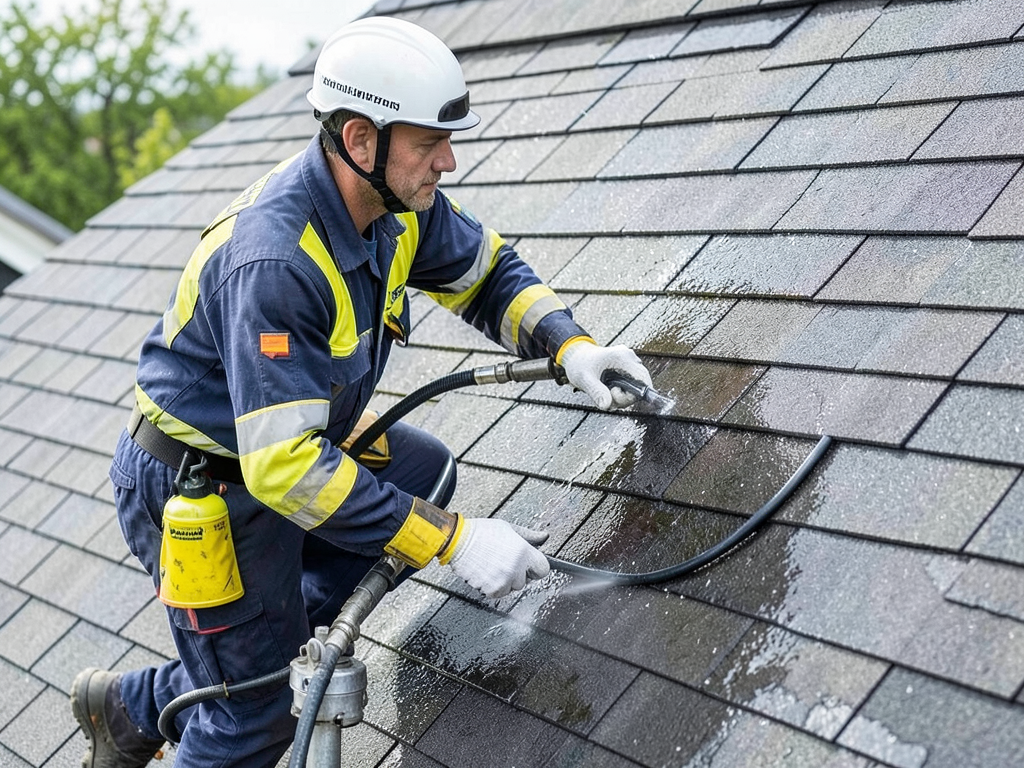
Pressure washing your Fairburn roof might seem like a quick fix for black streaks and moss, but it’s actually one of the fastest ways to destroy your shingles and void your warranty. The high-pressure water blasts away protective granules that shield your asphalt shingles from UV rays and weather damage. Once those granules are gone, your roof becomes vulnerable to premature aging, leaks, and costly replacement. Asphalt Roofing Manufacturers Association.
Fairburn’s humid Georgia climate creates perfect conditions for algae growth, but pressure washing only provides temporary results while causing permanent damage. Instead, safe soft washing techniques using proper chemical solutions can eliminate algae without harming your roof structure.
The Hidden Dangers of Pressure Washing Your Fairburn Roof
Pressure washers deliver water at 1,500 to 4,000 PSI, which is powerful enough to etch concrete. Your asphalt shingles are designed to withstand rain and wind, not concentrated high-pressure streams. When that water hits your shingles, several destructive processes begin immediately.
First, the force strips away the ceramic granules that give your shingles their color and UV protection. These granules act like tiny shields, and without them, your shingles become brittle and crack in the Georgia sun. Second, the water forces its way under the shingle edges, breaking the sealant bonds that keep your roof watertight. Third, the intense pressure can crack or split shingles, especially on older roofs common in Fairburn’s established neighborhoods.
The damage often isn’t visible immediately. You might think your roof looks great right after pressure washing, but within months, you’ll notice accelerated granule loss, curled edges, and eventually leaks. Most major shingle manufacturers including GAF and Owens Corning specifically void warranties if pressure washing damages the roof.
Understanding Atlanta’s Unique Roof Algae Problem
Fairburn homeowners face a specific challenge that doesn’t affect roofs in drier climates. The black streaks you see aren’t dirt or mold—they’re Gloeocapsa Magma, a type of cyanobacteria that thrives in our humid Southern environment. This organism feeds on the limestone filler in asphalt shingles and creates those characteristic dark streaks that follow the roof’s slope.
Atlanta’s combination of high humidity, warm temperatures, and occasional afternoon thunderstorms creates ideal growing conditions for roof algae. The organism spreads through airborne spores and can establish colonies within weeks during peak summer months. Once established, the algae colony protects itself by creating a dark pigment that absorbs heat, making your roof work harder to cool your home.
Beyond algae, Fairburn’s wooded lots and mature trees contribute to moss and lichen growth on north-facing roof slopes. These organisms hold moisture against your shingles, accelerating deterioration. The dense tree canopy that makes Fairburn neighborhoods beautiful also creates shade and traps humidity, extending the growing season for these damaging organisms.
Soft Washing: The Safe Alternative for Fairburn Roofs
Soft washing uses chemical solutions at garden hose pressure to kill algae, moss, and lichen without damaging your shingles. The process relies on the cleaning agents’ effectiveness rather than water pressure. Professional soft washing typically uses sodium hypochlorite (pool shock) mixed at specific concentrations that kill organic growth but won’t harm your roof or landscaping.
The key to effective soft washing is dwell time. The chemical solution needs to remain on the roof surface for 15-20 minutes to penetrate and kill the organisms at their roots. During this time, the solution breaks down the algae’s cellular structure and loosens the organic material from the shingle surface.
After the dwell period, a gentle rinse with garden hose pressure removes the dead organic material. This low-pressure approach preserves your shingle granules, maintains sealant integrity, and extends your roof’s lifespan. The results last 3-5 years, compared to pressure washing which often shows algae returning within months as spores reestablish in the damaged areas.
ARMA Guidelines for Safe Roof Cleaning
The Asphalt Roofing Manufacturers Association (ARMA) provides specific guidelines for cleaning asphalt shingles safely. According to ARMA recommendations, the only approved method for removing algae and moss involves using a 50/50 mixture of laundry-strength liquid chlorine bleach and water. This concentration effectively kills organic growth without damaging the shingle structure. Roofing Dunwoody.
ARMA specifically warns against using any pressure washing equipment on asphalt shingles. Their guidelines state that high-pressure water can damage shingles and lead to premature failure. Instead, they recommend applying the bleach solution with a low-pressure sprayer and allowing it to sit for at least 15 minutes before rinsing with garden hose pressure.
For Fairburn homeowners dealing with heavy moss growth, ARMA suggests that some moss may need to be gently removed by hand after the chemical treatment loosens its grip. However, they emphasize that attempting to remove moss with tools or pressure can damage the shingle surface underneath.
Essential Safety Equipment for Roof Cleaning
Cleaning your roof involves significant fall hazards, especially on the steep pitches common in Fairburn’s older neighborhoods. Before attempting any roof work, you need proper safety equipment. A full-body harness with a rope and anchor point is non-negotiable for pitches over 4:12. The harness should connect to a secure anchor rated for at least 5,000 pounds.
Non-slip roofing boots provide crucial traction on wet surfaces. Regular sneakers or work boots become dangerously slippery when algae-covered shingles are wet from cleaning solutions. Look for boots with deep treads and soft rubber soles that grip roofing materials.
Chemical-resistant gloves protect your hands from the bleach solution while providing better grip on tools and ladders. Safety goggles shield your eyes from chemical splashes and debris. A NIOSH-approved respirator prevents inhalation of bleach fumes and airborne algae spores, which can cause respiratory irritation.
Ladder safety requires equal attention. Extend ladders at least three feet above the roof edge for safe transition. Secure the ladder base on solid ground, not on mulch or loose soil common in Fairburn’s landscaped yards. A ladder stabilizer or stand-off bracket prevents damage to your gutters while providing additional stability.
Protecting Your Landscaping During Roof Cleaning
The bleach solution that’s safe for your roof can damage or kill plants around your home’s foundation. Fairburn’s mature azaleas, hydrangeas, and dogwoods are particularly sensitive to chemical exposure. Before starting any roof cleaning project, you need to protect your landscaping investment.
Start by thoroughly watering all plants and grass directly below the roof line. Wet soil and foliage create a barrier that prevents chemical absorption. Then cover plants with lightweight tarps or plastic sheeting, securing the edges with bricks or stakes. Avoid using heavy materials that might crush delicate plants.
During the cleaning process, rinse the covered plants periodically with clean water to prevent chemical buildup on the tarps. After completing the roof cleaning, perform a final thorough rinse of all protected plants and surrounding soil. This removes any chemical residue that may have migrated through the covering.
For particularly valuable or sensitive plants, consider applying a commercial anti-transpirant spray before covering. These products create a temporary waxy coating that further protects leaves from chemical exposure. Many Fairburn homeowners with established gardens find this extra step worthwhile for protecting their landscaping investment. Protecting Your Historic Decatur Home with Specialty Roof Repairs.
Step-by-Step Safe Roof Cleaning Process
- Gather Equipment and Safety Gear
Collect your harness, rope, anchor, non-slip boots, chemical-resistant gloves, safety goggles, respirator, garden sprayer, bleach solution, tarps, and garden hose. Ensure all safety equipment is in good condition and properly fitted.
- Prepare the Work Area
Water all plants thoroughly, cover sensitive landscaping with tarps, and move outdoor furniture away from the work zone. Secure tarps with weights and ensure they won’t blow away in wind. Set up your ladder with proper stabilization.
- Mix the Cleaning Solution
Combine one part laundry-strength chlorine bleach with one part water in your garden sprayer. Never use higher concentrations, as this won’t improve cleaning effectiveness but will increase plant damage risk. Mix only what you can use within a few hours.
- Apply the Solution
Starting from the bottom and working up, spray the bleach solution evenly across the roof surface. Keep the sprayer at low pressure and maintain consistent coverage. Pay extra attention to heavily stained areas, but avoid over-saturating any single spot.
- Allow Dwell Time
Let the solution sit for 15-20 minutes. During this time, you’ll see the algae turning white as it dies. Don’t let the solution dry completely, as this reduces effectiveness. If areas begin drying, lightly mist them with clean water to maintain moisture.
- Rinse Thoroughly
Using garden hose pressure only, rinse the roof from top to bottom. This prevents dirty runoff from flowing over already-cleaned areas. Ensure all chemical residue is removed, as dried bleach can create slippery spots and may damage gutters over time.
- Clean Up and Inspect
Remove tarps carefully, rinse all plants again, and clean up any equipment left on the ground. Inspect your work from the ground, looking for any missed spots or areas needing touch-up. Most algae will continue lightening over the next few days as it completely dies.
When to Call a Fairburn Professional
While DIY roof cleaning can save money, certain situations demand professional expertise. If your roof pitch exceeds 7:12, the steepness creates dangerous fall hazards even with proper safety equipment. Fairburn’s older neighborhoods feature many homes with steep Victorian or Craftsman-style roofs where DIY cleaning isn’t worth the risk.
Multi-story homes present additional challenges. Working from tall extension ladders while handling chemical sprayers increases accident risk significantly. Professionals have specialized equipment like roof-mounted anchor systems and scaffolding that make the work safer and more efficient.
Extensive moss growth requires careful removal techniques that don’t damage shingles. Heavy moss can lift shingle edges, and improper removal tears away the shingle surface underneath. Professionals know how to kill the moss completely, then remove it without causing further damage.
If your roof is approaching replacement age (15-20 years for asphalt shingles), cleaning might not be cost-effective. A professional inspection can determine whether cleaning will extend your roof’s life or if replacement makes more financial sense. Many Fairburn homes from the 1980s and 1990s are reaching this decision point.
Insurance considerations also matter. Some homeowner policies require professional maintenance for coverage validity. A professional cleaning service provides documentation of proper maintenance, which can be valuable for insurance claims or when selling your home.
Cost Comparison: DIY vs. Professional Cleaning
DIY roof cleaning requires a significant upfront investment in safety equipment that you might only use once. A quality harness system costs $150-300, non-slip boots run $100-150, and chemical-resistant gear adds another $50-100. The cleaning chemicals themselves cost $30-50 for a typical Fairburn home.
Professional roof cleaning services in the Fairburn area typically charge $0.25-0.40 per square foot, with most homes costing $400-800 total. This includes all equipment, chemicals, labor, and insurance coverage. Professionals can complete most jobs in 2-4 hours, while DIY attempts often take a full day or weekend.
Consider the hidden costs of DIY mistakes. Falling from a roof can result in medical bills exceeding $50,000. Damaging your shingles through improper technique might void your warranty and necessitate early replacement, costing $8,000-15,000 for a typical Fairburn home. Plant damage from chemical overspray could cost hundreds in replacement shrubs and flowers.
Professional services also provide guarantees. If algae returns within their warranty period (typically 6-12 months), they’ll retreat the roof at no cost. This protection doesn’t exist with DIY cleaning, where you bear all responsibility for results.
Environmental Considerations for Fairburn Homeowners
Fairburn’s location near the Chattahoochee River watershed means chemical runoff requires careful management. While ARMA-approved bleach solutions break down quickly in sunlight and soil, responsible application protects our local ecosystem. Never clean your roof during rain forecasts, as this increases chemical migration into storm drains.
Consider the timing of your cleaning project. Early morning or late afternoon applications minimize chemical evaporation and plant stress. Avoid cleaning during drought conditions when plants are already stressed and less able to recover from chemical exposure.
Many Fairburn homeowners are interested in eco-friendly alternatives. Oxygen-based cleaners (sodium percarbonate) offer a biodegradable option that’s gentler on plants but requires higher concentrations and longer dwell times. These products work well for light algae growth but may struggle with heavy moss or black streaks.
Proper disposal of cleaning equipment matters too. Never pour unused bleach solution down household drains. Instead, dilute it heavily with water and apply it to an area away from plants, such as a gravel driveway or bare soil patch. Rinse all equipment thoroughly before storage to prevent chemical degradation.
Maintaining Your Clean Roof
After investing time and money in roof cleaning, maintenance helps extend your results. Keep tree branches trimmed at least 10 feet from your roof surface. This reduces shade that promotes algae growth and prevents debris accumulation that traps moisture against shingles.
Clean your gutters regularly, especially during Fairburn’s heavy leaf fall in autumn. Clogged gutters cause water backup under shingles, creating moisture conditions that encourage algae and moss regrowth. Consider installing gutter guards if you have many trees near your home.
Inspect your roof annually from the ground using binoculars. Look for early signs of algae returning, typically starting in the same areas where it was worst before. Catching regrowth early allows for spot treatment before it spreads across your entire roof.
Improve attic ventilation if possible. Poor ventilation creates temperature differentials that promote moisture condensation on the roof underside, indirectly supporting algae growth on the exterior surface. Ridge vents, soffit vents, or powered attic fans can improve airflow and reduce algae-friendly conditions. Attic Ventilation Systems.
Consider installing algae-resistant shingles when replacement becomes necessary. These shingles contain copper or zinc granules that inhibit algae growth. While more expensive initially, they can eliminate the need for future cleaning and maintain your home’s appearance for 20+ years.
Frequently Asked Questions
Will cleaning my roof damage my plants?
Yes, if not done properly. Bleach solutions can harm or kill landscaping below your roof. Always water plants thoroughly before cleaning, cover them with tarps, and rinse everything well after completion. Professional services include plant protection as part of their process.
How long does roof cleaning last in Fairburn’s climate?
Professional soft washing typically lasts 3-5 years in Fairburn’s humid climate. DIY cleaning might show algae returning within 1-2 years as the solution may not penetrate as deeply. Regular maintenance and good ventilation can extend these results.
Can I walk on my roof to clean it myself?
Only if you have proper safety equipment and experience. Roofs become extremely slippery when wet, and falls can be fatal. For most homeowners, using extension tools from a ladder or hiring professionals is much safer than walking on the roof surface.
Will roof cleaning void my shingle warranty?
Pressure washing will void most manufacturer warranties. However, cleaning using ARMA-approved methods (low-pressure chemical application) does not void warranties and may be required to maintain coverage. Always check your specific warranty terms before cleaning.
How much does professional roof cleaning cost in Fairburn?
Professional roof cleaning in Fairburn typically costs $400-800 for an average home, or $0.25-0.40 per square foot. Prices vary based on roof size, pitch, amount of growth, and accessibility. Most companies offer free estimates after inspecting your specific situation.
Your Fairburn roof protects your home and family every day. Don’t let pressure washing myths destroy this crucial investment. Choose safe, effective cleaning methods that preserve your shingles and maintain your warranty. Whether you decide to tackle the project yourself or hire a professional, understanding the proper techniques ensures your roof stays beautiful and functional for years to come.
Ready to restore your roof’s appearance safely? Call (770) 610-9366 today to schedule your professional roof cleaning inspection. Our Fairburn roofing experts will evaluate your specific situation and recommend the safest, most effective cleaning solution for your home.
Don’t wait until algae damage becomes severe. Pick up the phone and call (770) 610-9366 before the next storm hits. Your roof deserves professional care that protects your investment and your family’s safety. For more information, visit Environmental Protection Agency.
You may also find this helpful. Why the Thick Yellow Pollen on Your Morningside Roof is More Than Just an Eyesore.
{
“@context”: “https://schema.org”,
“@type”: “BlogPosting”,
“headline”: “Why You Should Never Let a Pressure Washer Near Your Fairburn Roof”,
“description”: “Discover why pressure washing destroys Fairburn roofs and learn safe cleaning methods that protect your shingles and home value.”,
“wordCount”: 2652,
“datePublished”: “2026-04-10T07:28:00.000Z”,
“dateModified”: “2026-04-10T07:28:00.000Z”,
“inLanguage”: “en-US”,
“mainEntityOfPage”: {
“@type”: “WebPage”,
“@id”: “https://firstchoiceroofingatlanta.com”
},
“publisher”: {
“@type”: “LocalBusiness”,
“name”: “First Choice Roofing Atlanta”,
“url”: “https://firstchoiceroofingatlanta.com”
},
“author”: {
“@type”: “Organization”,
“name”: “First Choice Roofing Atlanta”,
“url”: “https://firstchoiceroofingatlanta.com”
},
“image”: {
“@type”: “ImageObject”,
“url”: “https://firstchoiceroofingatlanta.com/wp-content/uploads/2026/03/why-you-should-never-let-a-pressure-washer-near-yo-1.png”
}
}
{
“@context”: “https://schema.org”,
“@type”: “RoofingContractor”,
“name”: “First Choice Roofing Atlanta”,
“url”: “https://firstchoiceroofingatlanta.com”,
“address”: {
“@type”: “PostalAddress”,
“addressLocality”: “Atlanta”
},
“areaServed”: {
“@type”: “City”,
“name”: “Atlanta”
}
}
{
“@context”: “https://schema.org”,
“@type”: “FAQPage”,
“mainEntity”: [
{
“@type”: “Question”,
“name”: “Will cleaning my roof damage my plants?”,
“acceptedAnswer”: {
“@type”: “Answer”,
“text”: “Yes, if not done properly. Bleach solutions can harm or kill landscaping below your roof. Always water plants thoroughly before cleaning, cover them with tarps, and rinse everything well after completion. Professional services include plant protection as part of their process.”
}
},
{
“@type”: “Question”,
“name”: “How long does roof cleaning last in Fairburn’s climate?”,
“acceptedAnswer”: {
“@type”: “Answer”,
“text”: “Professional soft washing typically lasts 3-5 years in Fairburn’s humid climate. DIY cleaning might show algae returning within 1-2 years as the solution may not penetrate as deeply. Regular maintenance and good ventilation can extend these results.”
}
},
{
“@type”: “Question”,
“name”: “Can I walk on my roof to clean it myself?”,
“acceptedAnswer”: {
“@type”: “Answer”,
“text”: “Only if you have proper safety equipment and experience. Roofs become extremely slippery when wet, and falls can be fatal. For most homeowners, using extension tools from a ladder or hiring professionals is much safer than walking on the roof surface.”
}
},
{
“@type”: “Question”,
“name”: “Will roof cleaning void my shingle warranty?”,
“acceptedAnswer”: {
“@type”: “Answer”,
“text”: “Pressure washing will void most manufacturer warranties. However, cleaning using ARMA-approved methods (low-pressure chemical application) does not void warranties and may be required to maintain coverage. Always check your specific warranty terms before cleaning.”
}
},
{
“@type”: “Question”,
“name”: “How much does professional roof cleaning cost in Fairburn?”,
“acceptedAnswer”: {
“@type”: “Answer”,
“text”: “Professional roof cleaning in Fairburn typically costs $400-800 for an average home, or $0.25-0.40 per square foot. Prices vary based on roof size, pitch, amount of growth, and accessibility. Most companies offer free estimates after inspecting your specific situation.”
}
}
]
}
{
“@context”: “https://schema.org”,
“@type”: “HowTo”,
“name”: “How to Clean Your Roof Safely”,
“step”: [
{
“@type”: “HowToStep”,
“position”: 1,
“name”: “Gather Equipment and Safety Gear”,
“text”: “Collect your harness, rope, anchor, non-slip boots, chemical-resistant gloves, safety goggles, respirator, garden sprayer, bleach solution, tarps, and garden hose. Ensure all safety equipment is in good condition and properly fitted.”
},
{
“@type”: “HowToStep”,
“position”: 2,
“name”: “Prepare the Work Area”,
“text”: “Water all plants thoroughly, cover sensitive landscaping with tarps, and move outdoor furniture away from the work zone. Secure tarps with weights and ensure they won’t blow away in wind. Set up your ladder with proper stabilization.”
},
{
“@type”: “HowToStep”,
“position”: 3,
“name”: “Mix the Cleaning Solution”,
“text”: “Combine one part laundry-strength chlorine bleach with one part water in your garden sprayer. Never use higher concentrations, as this won’t improve cleaning effectiveness but will increase plant damage risk. Mix only what you can use within a few hours.”
},
{
“@type”: “HowToStep”,
“position”: 4,
“name”: “Apply the Solution”,
“text”: “Starting from the bottom and working up, spray the bleach solution evenly across the roof surface. Keep the sprayer at low pressure and maintain consistent coverage. Pay extra attention to heavily stained areas, but avoid over-saturating any single spot.”
},
{
“@type”: “HowToStep”,
“position”: 5,
“name”: “Allow Dwell Time”,
“text”: “Let the solution sit for 15-20 minutes. During this time, you’ll see the algae turning white as it dies. Don’t let the solution dry completely, as this reduces effectiveness. If areas begin drying, lightly mist them with clean water to maintain moisture.”
},
{
“@type”: “HowToStep”,
“position”: 6,
“name”: “Rinse Thoroughly”,
“text”: “Using garden hose pressure only, rinse the roof from top to bottom. This prevents dirty runoff from flowing over already-cleaned areas. Ensure all chemical residue is removed, as dried bleach can create slippery spots and may damage gutters over time.”
},
{
“@type”: “HowToStep”,
“position”: 7,
“name”: “Clean Up and Inspect”,
“text”: “Remove tarps carefully, rinse all plants again, and clean up any equipment left on the ground. Inspect your work from the ground, looking for any missed spots or areas needing touch-up. Most algae will continue lightening over the next few days as it completely dies.”
}
],
“image”: “https://firstchoiceroofingatlanta.com/wp-content/uploads/2026/03/why-you-should-never-let-a-pressure-washer-near-yo-1.png”
}
{
“@context”: “https://schema.org”,
“@type”: “BreadcrumbList”,
“itemListElement”: [
{
“@type”: “ListItem”,
“position”: 1,
“name”: “Home”,
“item”: “https://firstchoiceroofingatlanta.com”
},
{
“@type”: “ListItem”,
“position”: 2,
“name”: “Blog”,
“item”: “https://firstchoiceroofingatlanta.com/blog”
},
{
“@type”: “ListItem”,
“position”: 3,
“name”: “Why You Should Never Let a Pressure Washer Near Your Fairburn Roof”
}
]
}
{
“@context”: “https://schema.org”,
“@type”: “Service”,
“serviceType”: “Roofing”,
“provider”: {
“@type”: “LocalBusiness”,
“name”: “First Choice Roofing Atlanta”,
“url”: “https://firstchoiceroofingatlanta.com”
},
“areaServed”: {
“@type”: “City”,
“name”: “Atlanta”
},
“description”: “Discover why pressure washing destroys Fairburn roofs and learn safe cleaning methods that protect your shingles and home value.”
}