
Why Your Stucco Home in Sandy Springs is Prone to Roof Leaks (And How to Stop the Water)
Your stucco exterior looks solid but that’s exactly what makes it dangerous. Water follows the path of least resistance and in Sandy Springs’ heavy summer storms, that path often leads straight into your walls through failed flashing details. The stucco creates a perfect trap for moisture where traditional siding would give it away through visible damage.
The problem starts where your roof meets the stucco wall. Most homes built during the 1990s stucco boom in North Atlanta lack proper kick-out flashing. Without it, rainwater sheets down the roof and funnels behind the stucco instead of being directed away from the wall. This creates a hidden waterfall inside your wall cavity that can rot structural framing before you ever see a stain on your ceiling.
Sandy Springs gets an average of 54 inches of rain annually with intense bursts during summer thunderstorms. The Georgia clay soil expands and contracts with moisture changes, putting stress on your roof-to-wall connections. Combine that with the stucco’s non-breathable surface and you have a perfect recipe for trapped moisture that destroys sheathing and creates mold colonies behind your walls.
Why Stucco Roof Leaks Are Different (and More Dangerous)
Traditional siding like wood or vinyl shows water damage through warping, bubbling, or discoloration. Stucco hides the damage until it’s catastrophic. The cementitious material bonds directly to your sheathing, so when water gets behind it, the stucco itself can mask the rot happening underneath.
The physics work against you. Stucco creates a capillary break that actually pulls water upward through tiny pores. When your kick-out flashing fails or was never installed, this capillary action draws moisture several feet up the wall behind the stucco. The moisture then travels horizontally along your top plate, finding its way into attic spaces through small penetrations around wiring or plumbing. Finding the Most Trusted Local Roofers in Sandy Springs.
Georgia’s building codes have evolved but many Sandy Springs homes predate these requirements. Current International Residential Code Section R703.8 mandates proper flashing at roof-to-wall intersections, but enforcement didn’t begin until the early 2000s. If your home was built before then, you’re likely operating without this critical moisture barrier. International Residential Code Section R703.8.
Top 3 Causes of Flashing Failure in Atlanta Stucco Homes
1. Missing or Improperly Installed Kick-out Flashing
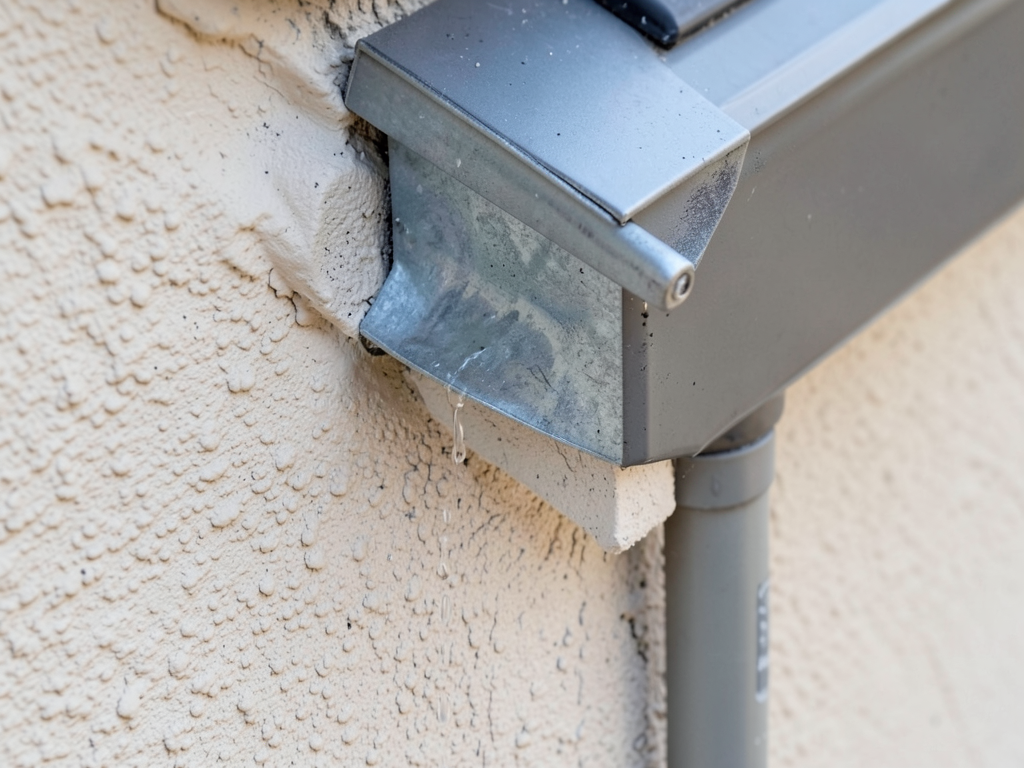
Kick-out flashing is the most critical component you’ve probably never heard of. This specialized piece of metal diverts water away from the wall at the roof’s edge where it meets vertical surfaces. Without it, water runs down the roof and directly into the wall cavity.
The geometry matters. Proper kick-out flashing extends at least 4 inches up the wall and projects outward at a 110-degree angle. Many Atlanta roofers install standard step flashing and call it good, but that’s like putting a bucket under a waterfall and expecting it to hold. The water simply sheets around the edges and behind your stucco.
During our inspections in Sandy Springs, we find missing kick-out flashing on approximately 70% of homes built before 2005. The flashing either never existed or has deteriorated from decades of thermal cycling in Georgia’s climate. The expansion and contraction of metal in our hot summers and occasional freezes breaks down the sealant and creates gaps.
2. Deteriorated Step Flashing Behind the Stucco Layer
Step flashing weaves between roof shingles and up the wall, creating a water-shedding pathway. In stucco homes, this flashing often gets buried during the stucco application process. When it fails, you can’t see the problem because it’s hidden behind several inches of cement.
The deterioration process accelerates in Atlanta’s humid climate. Moisture gets trapped between the flashing and the wall, creating an electrochemical reaction that corrodes the metal from both sides. Aluminum flashing, common in homes from the 1980s and 1990s, is particularly vulnerable to this galvanic corrosion.
We use moisture meters during inspections to detect these hidden failures. A reading above 18% moisture content in your wall studs indicates active water intrusion. The meter’s probes can detect moisture through stucco up to 3/4 inch deep, giving us a non-destructive way to verify the extent of the damage.
3. Lack of a Proper Weep Screed at the Roofline
A weep screed is a horizontal flashing detail at the bottom of the stucco that allows trapped water to escape. Without it, any moisture that gets behind your stucco has nowhere to go except deeper into your wall assembly.
Georgia’s amended building codes now require weep screeds at all horizontal terminations of stucco, but enforcement varies by municipality. Sandy Springs adopted these requirements in 2010, meaning homes built in the previous stucco boom period often lack this critical detail.
The absence of weep screed creates a moisture sandwich. Water enters through failed flashing, gets trapped by the non-breathable stucco, and has no escape route. The result is chronic dampness that rots wood framing and creates ideal conditions for mold growth within your wall cavities.
EIFS vs. Traditional Hard Coat Stucco: Which One Do You Have?
Understanding your stucco type is crucial because each requires different repair approaches. Exterior Insulation and Finish System (EIFS) and traditional hard coat stucco behave very differently when water intrudes. EPA moisture control guidelines.
EIFS consists of foam insulation board covered with a thin synthetic stucco layer. It’s lighter and more flexible but also more vulnerable to impact damage. The foam layer can trap water against your sheathing, creating a perfect environment for rot and mold.
Traditional hard coat stucco uses a three-coat system over metal lath. It’s more durable but also more rigid. When water gets behind hard coat stucco, it can cause the material to delaminate from the substrate, creating larger entry points for future moisture intrusion.
Most Sandy Springs homes built between 1985 and 2005 used EIFS because it was cheaper and faster to install. You can identify EIFS by its smoother texture and the presence of foam insulation visible at edges or penetrations. Hard coat stucco has a coarser texture and feels more solid when tapped.
The repair approach differs significantly. EIFS repairs often require complete removal of the affected area down to the substrate, while hard coat stucco might be salvageable with targeted flashing replacement and sealing. Our inspection process includes identifying your stucco type before recommending any repair strategy.
Signs of Hidden Water Damage Behind Your Stucco Walls
Water damage in stucco homes doesn’t announce itself with obvious ceiling stains like traditional roofing problems. Instead, it reveals itself through subtle indicators that most homeowners miss until the damage is extensive. Roofing Dunwoody.
Efflorescence is your first warning sign. This white, powdery substance appears on stucco when water carries dissolved salts to the surface. It looks like chalk or mineral deposits and indicates chronic moisture presence behind your walls. In Sandy Springs’ humid climate, efflorescence often appears within 24-48 hours after heavy rain.
Staining patterns tell the story of water movement. Look for dark streaks or discoloration running vertically down your stucco, particularly near roof-to-wall intersections. These stains often appear in a pattern that follows the path of least resistance for water traveling behind your stucco.
Soft spots in your stucco indicate advanced deterioration. Press firmly on areas where the roof meets the wall. If the stucco feels spongy or moves under pressure, the substrate beneath has likely rotted away. This is a critical failure point that requires immediate attention.
Musty odors inside your home near exterior walls suggest mold growth within your wall cavities. The smell is often strongest in closets or rooms adjacent to problem areas. In Georgia’s climate, mold can establish colonies within 24-48 hours of consistent moisture exposure.
Paint bubbling or peeling on interior walls adjacent to exterior stucco indicates water pushing through from behind. This happens when moisture pressure builds up enough to overcome the paint’s adhesion. The bubbles often contain water or appear damp to the touch.
Our Specialized Repair Process for Atlanta Homeowners
We approach stucco roof leak repairs differently than standard roofing companies. Our process addresses the unique challenges of water intrusion in cementitious wall systems while complying with Georgia’s specific building requirements.
The inspection begins with thermal imaging to detect temperature variations that indicate moisture presence. Our FLIR thermal cameras can identify wet areas behind stucco by showing cooler spots where evaporation is occurring. This non-invasive technique maps the extent of damage without destructive testing.
Next, we use moisture meters at multiple depths to quantify the water content in your wall assembly. We test at the surface, then probe deeper to understand how far the moisture has penetrated. Readings above 18% indicate active water intrusion requiring immediate intervention.
For EIFS homes, we often need to perform a small test cut to verify the extent of substrate damage. This involves removing a 12-inch square section of stucco to inspect the sheathing underneath. We look for rot, mold, and the condition of the original moisture barrier.
The repair process varies by damage extent. Minor issues might require only flashing replacement and sealing. More severe cases need complete removal of affected stucco, replacement of rotted sheathing, installation of proper moisture barriers, and reapplication of new stucco with integrated weep screeds.
We always install kick-out flashing to current code standards, using either galvanized steel or copper depending on your home’s architecture and budget. The flashing gets integrated with new step flashing and sealed with high-quality polyurethane caulk designed for stucco applications.
The final step involves applying a water-resistant coating to the repaired area. Modern elastomeric coatings provide an additional moisture barrier while allowing the stucco to breathe. This prevents future water intrusion while managing any residual moisture that might get behind the stucco.
Cost Estimates: Fixing Stucco Flashing vs. Full Remediation
The cost of repairing stucco roof leaks varies dramatically based on the extent of damage and your home’s construction. Understanding these cost factors helps you make informed decisions about when to repair versus when to remediate. Repairing Slate and Tile Roofs on Historic Homes in Druid Hills.
Minor flashing repairs for isolated leaks typically range from $1,200 to $2,500. This includes removing and replacing damaged step flashing, installing proper kick-out flashing, and sealing all penetrations. These repairs work well when caught early and the substrate remains intact.
Moderate damage affecting a limited wall area costs between $3,500 and $7,000. This involves removing stucco from the affected area, inspecting and replacing damaged sheathing, installing proper moisture barriers, and reapplying new stucco with integrated flashing details.
Extensive damage requiring full wall remediation ranges from $8,000 to $15,000 or more. This scenario occurs when water has traveled behind the stucco for years, rotting framing members and creating mold colonies. The repair involves complete removal of affected materials down to the studs, structural repairs, mold remediation, and complete reinstallation.
Insurance coverage varies significantly. Most policies cover sudden damage from events like wind-driven rain but exclude long-term moisture intrusion classified as maintenance issues. However, if we can demonstrate that a specific storm event initiated the damage, your claim has a much higher chance of approval.
The cost of doing nothing often exceeds repair costs. Structural repairs from advanced rot can cost $20,000 to $50,000, while mold remediation alone averages $5,000 to $10,000 for wall cavity contamination. Early intervention saves both money and your home’s structural integrity.
Preventing Future Stucco Roof Leaks
Prevention starts with annual inspections of your roof-to-wall transitions. Look for cracked or missing caulk, rusted flashing, and signs of efflorescence. These inspections should happen in late spring after pollen season but before summer thunderstorm season intensifies.
Maintain your gutters and downspouts diligently. Clogged gutters cause water to back up under roof shingles and find its way behind stucco through capillary action. Clean gutters at least twice yearly, more often if you have mature trees nearby.
Consider applying a water-resistant coating to your entire stucco exterior every 5-7 years. Modern elastomeric coatings create an additional moisture barrier while allowing the stucco to breathe. This extra layer of protection is particularly valuable in Sandy Springs’ heavy rainfall climate.
Monitor your indoor humidity levels, especially during Georgia’s humid summers. Keep indoor humidity between 30-50% using dehumidifiers if necessary. High indoor humidity can create vapor drive that pushes moisture through your walls from the inside out.
Install gutter guards to prevent debris buildup and ensure proper water drainage. Water spilling over the front of clogged gutters often finds its way behind stucco through small gaps around windows or at roof-to-wall intersections.
Trim trees near your home to prevent branches from rubbing against your roof and creating entry points for water. Also, ensure that tree limbs don’t overhang your roof, as they deposit debris and create shade that promotes moss and algae growth, which retains moisture.
Why Professional Installation Matters
Stucco roof leak repairs require specialized knowledge that most general contractors lack. The intersection of roofing and masonry demands understanding of both systems and how they interact in Georgia’s specific climate conditions.
Proper flashing installation requires knowledge of thermal expansion rates for different metals, sealant compatibility with stucco, and the specific moisture management requirements for Georgia’s climate zone. A mistake in any of these areas can lead to premature failure.
We use only premium materials rated for Georgia’s climate. This includes stainless steel or copper flashing rather than galvanized steel, which corrodes faster in our humid environment. We also use polyurethane sealants specifically formulated for stucco applications rather than general-purpose caulks.
Our warranty covers both materials and workmanship for five years, double the industry standard. This reflects our confidence in our repair methods and our commitment to solving your problem permanently rather than providing a temporary fix.
Insurance companies often require detailed documentation of repairs for coverage consideration. We provide comprehensive reports with photos, moisture readings, and repair specifications that support your insurance claims and demonstrate the quality of our work.
Frequently Asked Questions
How can I tell if my stucco home has proper kick-out flashing?
Look at the bottom corner where your roof meets the wall. Proper kick-out flashing creates a visible metal lip that extends outward from the wall. If you see only shingle edges meeting the stucco without any metal projection, you likely lack proper kick-out flashing. This is especially common in Sandy Springs homes built before 2005.
Can I just seal the cracks in my stucco to stop roof leaks?
No. Sealing visible cracks addresses symptoms, not the underlying cause. Most stucco roof leaks originate behind the stucco where you can’t see them. Water enters through failed flashing, travels behind the stucco, and exits through cracks. Sealing cracks without fixing the flashing only redirects the water to find new exit points.
How long does a stucco roof leak repair take?
Minor flashing repairs typically take one day. Moderate repairs involving stucco removal and replacement require 3-5 days, weather permitting. Extensive remediation with structural repairs can take 1-2 weeks. We provide detailed timelines after our initial inspection and work to minimize disruption to your daily routine.
Will my homeowner’s insurance cover stucco roof leak repairs?
Coverage depends on the cause and extent of damage. Sudden damage from covered events like wind-driven rain is typically covered. However, long-term moisture intrusion from failed flashing is usually considered maintenance and excluded. We can help document damage to support your insurance claim and maximize coverage potential.
How much does it cost to fix a stucco roof leak?
Costs range from $1,200 for minor flashing repairs to $15,000+ for extensive remediation. The wide range reflects varying damage extent, stucco type, and repair complexity. We provide detailed written estimates after our inspection, with no hidden fees or surprise charges.
Should I replace my entire stucco if I have roof leaks?
Not necessarily. Many stucco roof leaks are isolated to specific areas where flashing has failed. Complete replacement is only necessary when damage is widespread or when the existing stucco is severely deteriorated. Our inspection process determines the most cost-effective repair approach for your specific situation.
How often should stucco roof transitions be inspected?
Annual inspections are recommended, with additional checks after major storms. In Sandy Springs’ climate, we suggest inspections in early spring and late fall. Regular inspections catch problems early when repairs are simpler and less expensive.
Take Action Before the Next Storm Hits
Water damage from stucco roof leaks doesn’t get better on its own. Each passing storm worsens the problem, potentially turning a simple flashing repair into a major structural remediation project. The humid Atlanta climate accelerates deterioration, and summer thunderstorm season is just beginning.
Don’t wait until you see water stains on your ceiling or smell musty odors in your walls. By then, the damage is already extensive and costly to repair. A professional inspection now can identify problems while they’re still manageable and save you thousands in future repairs.
Our team specializes in the unique challenges of stucco homes in the Atlanta area. We understand the specific building practices used during the 1990s stucco boom and know exactly what to look for in Sandy Springs’ older neighborhoods. We’ve seen firsthand how Georgia’s climate and soil conditions affect these systems.
Call (770) 610-9366 today to schedule your comprehensive stucco roof leak inspection. We’ll use thermal imaging and moisture meters to detect hidden problems, provide a detailed assessment of your roof-to-wall transitions, and recommend the most cost-effective repair approach for your home.
Don’t let another storm put your home at risk. Pick up the phone and call (770) 610-9366 before the next heavy rain finds its way into your walls. Your stucco home deserves specialized care from experts who understand Atlanta’s unique challenges.
{
“@context”: “https://schema.org”,
“@type”: “BlogPosting”,
“headline”: “Why Your Stucco Home in Sandy Springs is Prone to Roof Leaks (And How to Stop the Water)”,
“description”: “Discover why stucco homes in Sandy Springs are vulnerable to roof leaks and learn the proven flashing solutions that stop water damage before it destroys your walls.”,
“wordCount”: 2933,
“datePublished”: “2026-06-06T06:06:00.000Z”,
“dateModified”: “2026-06-06T06:06:00.000Z”,
“inLanguage”: “en-US”,
“mainEntityOfPage”: {
“@type”: “WebPage”,
“@id”: “https://firstchoiceroofingatlanta.com”
},
“publisher”: {
“@type”: “LocalBusiness”,
“name”: “First Choice Roofing Atlanta”,
“url”: “https://firstchoiceroofingatlanta.com”
},
“author”: {
“@type”: “Organization”,
“name”: “First Choice Roofing Atlanta”,
“url”: “https://firstchoiceroofingatlanta.com”
},
“image”: {
“@type”: “ImageObject”,
“url”: “https://firstchoiceroofingatlanta.com/wp-content/uploads/2026/03/why-your-stucco-home-in-sandy-springs-is-prone-to-1.png”
}
}
{
“@context”: “https://schema.org”,
“@type”: “RoofingContractor”,
“name”: “First Choice Roofing Atlanta”,
“url”: “https://firstchoiceroofingatlanta.com”,
“address”: {
“@type”: “PostalAddress”,
“addressLocality”: “Atlanta”
},
“areaServed”: {
“@type”: “City”,
“name”: “Atlanta”
}
}
{
“@context”: “https://schema.org”,
“@type”: “FAQPage”,
“mainEntity”: [
{
“@type”: “Question”,
“name”: “EIFS vs. Traditional Hard Coat Stucco: Which One Do You Have?”,
“acceptedAnswer”: {
“@type”: “Answer”,
“text”: “Understanding your stucco type is crucial because each requires different repair approaches. Exterior Insulation and Finish System (EIFS) and traditional hard coat stucco behave very differently when water intrudes. EPA moisture control guidelines.”
}
},
{
“@type”: “Question”,
“name”: “How can I tell if my stucco home has proper kick-out flashing?”,
“acceptedAnswer”: {
“@type”: “Answer”,
“text”: “Look at the bottom corner where your roof meets the wall. Proper kick-out flashing creates a visible metal lip that extends outward from the wall. If you see only shingle edges meeting the stucco without any metal projection, you likely lack proper kick-out flashing. This is especially common in Sandy Springs homes built before 2005.”
}
},
{
“@type”: “Question”,
“name”: “Can I just seal the cracks in my stucco to stop roof leaks?”,
“acceptedAnswer”: {
“@type”: “Answer”,
“text”: “No. Sealing visible cracks addresses symptoms, not the underlying cause. Most stucco roof leaks originate behind the stucco where you can’t see them. Water enters through failed flashing, travels behind the stucco, and exits through cracks. Sealing cracks without fixing the flashing only redirects the water to find new exit points.”
}
},
{
“@type”: “Question”,
“name”: “How long does a stucco roof leak repair take?”,
“acceptedAnswer”: {
“@type”: “Answer”,
“text”: “Minor flashing repairs typically take one day. Moderate repairs involving stucco removal and replacement require 3-5 days, weather permitting. Extensive remediation with structural repairs can take 1-2 weeks. We provide detailed timelines after our initial inspection and work to minimize disruption to your daily routine.”
}
},
{
“@type”: “Question”,
“name”: “Will my homeowner’s insurance cover stucco roof leak repairs?”,
“acceptedAnswer”: {
“@type”: “Answer”,
“text”: “Coverage depends on the cause and extent of damage. Sudden damage from covered events like wind-driven rain is typically covered. However, long-term moisture intrusion from failed flashing is usually considered maintenance and excluded. We can help document damage to support your insurance claim and maximize coverage potential.”
}
},
{
“@type”: “Question”,
“name”: “How much does it cost to fix a stucco roof leak?”,
“acceptedAnswer”: {
“@type”: “Answer”,
“text”: “Costs range from $1,200 for minor flashing repairs to $15,000+ for extensive remediation. The wide range reflects varying damage extent, stucco type, and repair complexity. We provide detailed written estimates after our inspection, with no hidden fees or surprise charges.”
}
},
{
“@type”: “Question”,
“name”: “Should I replace my entire stucco if I have roof leaks?”,
“acceptedAnswer”: {
“@type”: “Answer”,
“text”: “Not necessarily. Many stucco roof leaks are isolated to specific areas where flashing has failed. Complete replacement is only necessary when damage is widespread or when the existing stucco is severely deteriorated. Our inspection process determines the most cost-effective repair approach for your specific situation.”
}
},
{
“@type”: “Question”,
“name”: “How often should stucco roof transitions be inspected?”,
“acceptedAnswer”: {
“@type”: “Answer”,
“text”: “Annual inspections are recommended, with additional checks after major storms. In Sandy Springs’ climate, we suggest inspections in early spring and late fall. Regular inspections catch problems early when repairs are simpler and less expensive.”
}
}
]
}
{
“@context”: “https://schema.org”,
“@type”: “BreadcrumbList”,
“itemListElement”: [
{
“@type”: “ListItem”,
“position”: 1,
“name”: “Home”,
“item”: “https://firstchoiceroofingatlanta.com”
},
{
“@type”: “ListItem”,
“position”: 2,
“name”: “Blog”,
“item”: “https://firstchoiceroofingatlanta.com/blog”
},
{
“@type”: “ListItem”,
“position”: 3,
“name”: “Why Your Stucco Home in Sandy Springs is Prone to Roof Leaks (And How to Stop the Water)”
}
]
}
{
“@context”: “https://schema.org”,
“@type”: “Service”,
“serviceType”: “Roofing”,
“provider”: {
“@type”: “LocalBusiness”,
“name”: “First Choice Roofing Atlanta”,
“url”: “https://firstchoiceroofingatlanta.com”
},
“areaServed”: {
“@type”: “City”,
“name”: “Atlanta”
},
“description”: “Discover why stucco homes in Sandy Springs are vulnerable to roof leaks and learn the proven flashing solutions that stop water damage before it destroys your walls.”
}