
Why Most Roof Leaks in Peachtree Hills Actually Start at the Chimney
Most homeowners in Peachtree Hills assume their roof leak comes from missing shingles or damaged decking. But our 15+ years of local experience shows that chimney flashing failures account for over 60% of leaks in this neighborhood. The combination of Atlanta’s heavy seasonal rainfall, thermal expansion from intense summer heat, and the aging mortar joints in many historic Peachtree Hills homes creates a perfect storm for water intrusion at the chimney base. Protecting Your Historic Decatur Home with Specialty Roof Repairs.
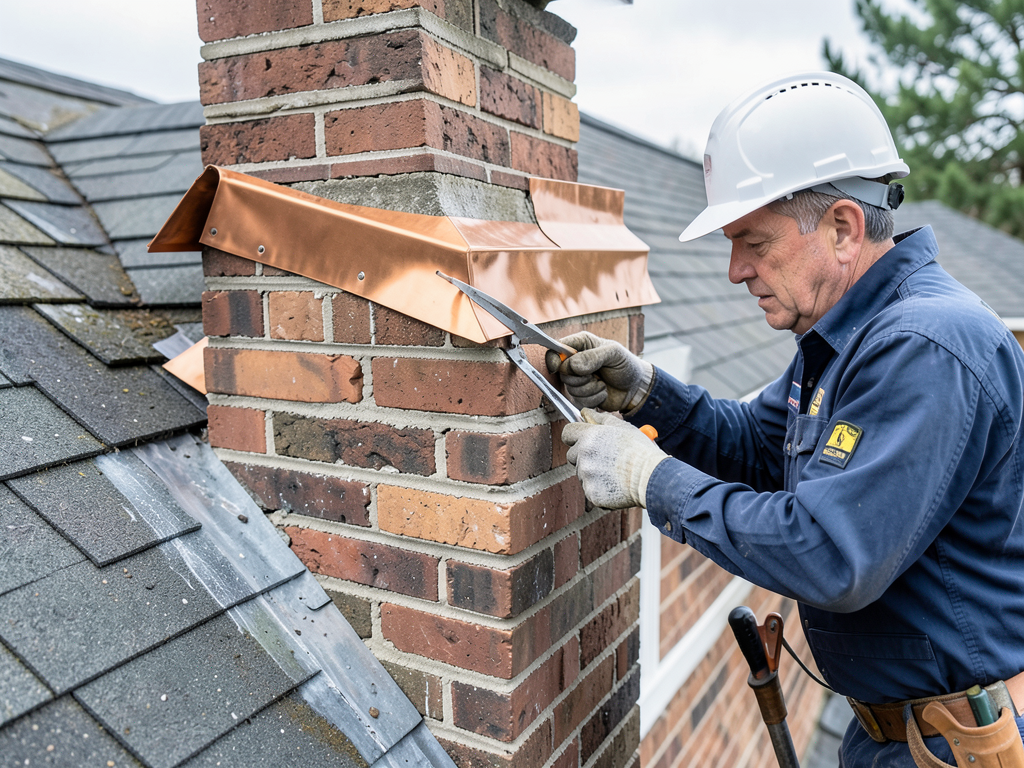
The flashing around your chimney is the first line of defense against water. When it fails, water seeps into the roof deck, travels along rafters, and appears as stains on your ceiling far from the actual source. Understanding this connection can save you thousands in unnecessary roof replacement costs.. Read more about Why DIY Roof Patching Often Costs Duluth Homeowners More in the Long Run.
Signs Your Peachtree Hills Home Needs Chimney Flashing Repair
Water damage around chimneys follows predictable patterns in Atlanta’s climate. Here’s what to watch for:
- Water Stains on Ceilings
Brown or yellow discoloration on ceilings near the chimney, often appearing after heavy thunderstorms common to Fulton County
- Musty Odors in Attic
Moisture trapped in attic insulation creates a distinct earthy smell, especially after Atlanta’s humid summer months Attic Ventilation Systems.
- Crumbling Mortar Joints
Georgia’s freeze-thaw cycles cause mortar to deteriorate faster than in northern climates, creating gaps for water entry
- Visible Rust on Flashing
Galvanized steel flashing corrodes quickly in Atlanta’s high humidity, turning orange and developing holes
- Dampness Around Fireplace
Water traveling down the chimney structure appears as moisture on the firebox or hearth
Our Multi-Step Flashing Repair Process for Atlanta Homes
Repairing chimney flashing requires precision and understanding of local building codes. Here’s our proven process: Repairing Slate and Tile Roofs on Historic Homes in Druid Hills.
- Detailed Inspection
We use moisture meters to detect water penetration depth and thermal imaging to identify hidden moisture paths
- Removal of Failed Materials
Old sealant, corroded flashing, and damaged underlayment are carefully removed to expose the chimney base
- Step Flashing Installation
New galvanized steel or copper step flashing is installed in overlapping layers following International Building Code Section R903.3 requirements International Residential Code Chapter 9.
- Counter-Flashing Integration
Counter-flashing is cut into mortar joints and sealed with polyurethane caulk rated for Georgia’s temperature swings
- Cricket Installation if Needed
For chimneys wider than 30 inches on slopes over 6:12, we install crickets to divert water around the chimney base
- Final Sealant Application
High-grade silicone sealant is applied at all joints, providing flexibility for thermal expansion
Common Causes of Chimney Leaks in the Southeast
Atlanta’s unique climate creates specific challenges for chimney flashing:
| Weather Factor | Impact on Flashing | Local Example |
|---|---|---|
| High Humidity (Average 70%) | Accelerates sealant degradation | Peachtree Hills homes near Nancy Creek experience higher moisture levels |
| Thermal Cycling | Causes metal expansion/contraction | Summer heat often exceeds 95°F, winter drops below freezing |
| Heavy Rainfall Events | Tests flashing integrity | Atlanta averages 50 inches annually, with intense summer thunderstorms |
| Pine Straw Accumulation | Holds moisture against flashing | Wooded Peachtree Hills properties trap debris in roof valleys |
The Georgia State Minimum Standard Residential Code requires flashing to withstand specific wind loads and water penetration tests. Many older Peachtree Hills homes were built before these standards, making them particularly vulnerable.
Material Comparisons for Georgia’s Climate
Choosing the right flashing material affects longevity and performance:
| Material | Lifespan in Atlanta | Cost Factor | Best For |
|---|---|---|---|
| Galvanized Steel | 15-20 years | $$ | Standard residential chimneys |
| Aluminum | 10-15 years | $ | Budget repairs, low-slope roofs |
| Copper | 40-50 years | $$$ | Historic homes, premium installations |
| Stainless Steel | 25-30 years | $$ | High-moisture areas near Nancy Creek |
Copper flashing develops a protective patina in Atlanta’s climate, while galvanized steel requires more frequent inspection in humid areas.
Emergency Leak Detection in Peachtree Hills
When water appears in your home, quick diagnosis prevents extensive damage. Our emergency response includes: Who to Call for Urgent Emergency Roof Repairs in Buckhead.
- 24/7 availability for storm-related leaks
- Moisture mapping using infrared cameras to locate water paths
- Temporary tarping to prevent further damage
- Insurance documentation with before/after photos
- Free initial inspection to determine if flashing is the culprit
Many Peachtree Hills homes near Peachtree Creek experience accelerated flashing failure due to the area’s slightly higher water table and drainage patterns.
Why Local Homeowners Trust Our Chimney Repairs
Peachtree Hills residents choose us because we understand the specific challenges of this neighborhood:
We’ve repaired hundreds of chimneys in the area, from the craftsman homes along Peachtree Battle Avenue to the mid-century ranches near Morris Brandon Elementary. Our technicians know which homes have original 1950s flashing that’s overdue for replacement and which newer constructions need inspection for proper installation.
Our warranty covers both materials and workmanship for 5 years, and we provide detailed maintenance schedules based on your specific chimney configuration and Atlanta’s seasonal weather patterns.
Cost Factors for Flashing Repair in Atlanta
Several factors influence chimney flashing repair costs in Peachtree Hills:
- Chimney Height: Taller chimneys require additional safety equipment and time
- Roof Pitch: Steeper roofs (common in historic Peachtree Hills homes) increase labor complexity
- Material Selection: Copper costs more upfront but lasts significantly longer in Atlanta’s climate
- Cricket Installation: Required for chimneys over 30 inches wide on slopes above 6:12
- Existing Damage: Water damage to roof deck or interior structures adds repair costs
We provide transparent quotes with itemized costs so you understand exactly what you’re paying for.
Preventing Future Chimney Leaks
Regular maintenance extends flashing life and prevents costly repairs:
- Annual Inspections
Check flashing integrity before heavy rain seasons
- Debris Removal
Clear pine straw and leaves from chimney base monthly
- Caulking Touch-ups
Apply fresh sealant to exposed joints every 2-3 years
- Mortar Repointing
Repair deteriorating mortar joints before they allow water entry
- Cricket Installation
Add water diverters if your chimney creates drainage issues
Homeowners near Peachtree Creek should schedule inspections twice yearly due to the area’s higher moisture levels.
When to Call a Professional vs. Chimney Sweep
Understanding who to call saves time and money:
| Issue Type | Call Roofer | Call Chimney Sweep |
|---|---|---|
| Water stains on ceiling | ✅ | ❌ |
| Cracked flue liner | ❌ | ✅ |
| Missing flashing | ✅ | ❌ |
| ❌ | ✅ | |
| Damaged chimney cap | ✅ | ✅ |
Roofing contractors handle the exterior waterproofing while chimney sweeps focus on interior maintenance and cleaning. Roofing Dunwoody.
Frequently Asked Questions
How long does chimney flashing repair take in Peachtree Hills?
Most repairs take 4-6 hours for a single chimney. Complex repairs involving cricket installation or extensive water damage may require 1-2 days.
Can I repair chimney flashing myself?
DIY repairs often fail within months due to improper sealing techniques and inadequate material selection for Atlanta’s climate. Professional installation includes proper underlayment and code-compliant techniques.
Will my homeowner’s insurance cover chimney flashing repair?
Insurance typically covers sudden damage from storms but not gradual deterioration. We provide detailed documentation to support insurance claims when applicable.
How often should chimney flashing be inspected?
Annual inspections are recommended, with additional checks after major storms or if you notice water stains inside your home.
What’s the difference between step flashing and counter-flashing?
Step flashing integrates with roof shingles while counter-flashing is embedded into the chimney mortar. Both work together to create a waterproof barrier.

Protect Your Peachtree Hills Home Today
Don’t wait for the next Atlanta thunderstorm to discover your chimney flashing has failed. Water damage spreads quickly, affecting insulation, drywall, and even structural components. Our team provides thorough inspections and lasting repairs specifically designed for Peachtree Hills’ unique weather challenges.
Call (770) 610-9366 today to schedule your chimney flashing inspection. We offer same-day emergency service for active leaks and free estimates for preventive repairs. Protect your home before the next storm hits.
Pick up the phone and call (770) 610-9366 before the next storm hits. Your home deserves the expertise that comes from 15+ years serving Atlanta’s most historic neighborhoods. For more information, visit National Weather Service climate data.
You may also find this helpful. Fixing Leaky Skylights in Old Fourth Ward Lofts and Townhomes.
{
“@context”: “https://schema.org”,
“@type”: “BlogPosting”,
“headline”: “Why Most Roof Leaks in Peachtree Hills Actually Start at the Chimney”,
“description”: “Discover why chimney flashing failures cause most roof leaks in Peachtree Hills. Learn the warning signs, repair process, and why Atlanta’s weather makes chimneys vulnerable.”,
“wordCount”: 1318,
“datePublished”: “2026-03-13T10:57:00.000Z”,
“dateModified”: “2026-03-13T10:57:00.000Z”,
“inLanguage”: “en-US”,
“mainEntityOfPage”: {
“@type”: “WebPage”,
“@id”: “https://firstchoiceroofingatlanta.com”
},
“publisher”: {
“@type”: “LocalBusiness”,
“name”: “First Choice Roofing Atlanta”,
“url”: “https://firstchoiceroofingatlanta.com”
},
“author”: {
“@type”: “Organization”,
“name”: “First Choice Roofing Atlanta”,
“url”: “https://firstchoiceroofingatlanta.com”
},
“image”: {
“@type”: “ImageObject”,
“url”: “https://firstchoiceroofingatlanta.com/wp-content/uploads/2026/03/why-most-roof-leaks-in-peachtree-hills-actually-st-1.png”
}
}
{
“@context”: “https://schema.org”,
“@type”: “RoofingContractor”,
“name”: “First Choice Roofing Atlanta”,
“url”: “https://firstchoiceroofingatlanta.com”,
“address”: {
“@type”: “PostalAddress”,
“addressLocality”: “Atlanta”
},
“areaServed”: {
“@type”: “City”,
“name”: “Atlanta”
}
}
{
“@context”: “https://schema.org”,
“@type”: “FAQPage”,
“mainEntity”: [
{
“@type”: “Question”,
“name”: “How long does chimney flashing repair take in Peachtree Hills?”,
“acceptedAnswer”: {
“@type”: “Answer”,
“text”: “Most repairs take 4-6 hours for a single chimney. Complex repairs involving cricket installation or extensive water damage may require 1-2 days.”
}
},
{
“@type”: “Question”,
“name”: “Can I repair chimney flashing myself?”,
“acceptedAnswer”: {
“@type”: “Answer”,
“text”: “DIY repairs often fail within months due to improper sealing techniques and inadequate material selection for Atlanta’s climate. Professional installation includes proper underlayment and code-compliant techniques.”
}
},
{
“@type”: “Question”,
“name”: “Will my homeowner’s insurance cover chimney flashing repair?”,
“acceptedAnswer”: {
“@type”: “Answer”,
“text”: “Insurance typically covers sudden damage from storms but not gradual deterioration. We provide detailed documentation to support insurance claims when applicable.”
}
},
{
“@type”: “Question”,
“name”: “How often should chimney flashing be inspected?”,
“acceptedAnswer”: {
“@type”: “Answer”,
“text”: “Annual inspections are recommended, with additional checks after major storms or if you notice water stains inside your home.”
}
},
{
“@type”: “Question”,
“name”: “What’s the difference between step flashing and counter-flashing?”,
“acceptedAnswer”: {
“@type”: “Answer”,
“text”: “Step flashing integrates with roof shingles while counter-flashing is embedded into the chimney mortar. Both work together to create a waterproof barrier.”
}
}
]
}
{
“@context”: “https://schema.org”,
“@type”: “HowTo”,
“name”: “How to Identify Chimney Flashing Issues”,
“step”: [
{
“@type”: “HowToStep”,
“position”: 1,
“name”: “Water Stains on Ceilings”,
“text”: “Brown or yellow discoloration on ceilings near the chimney, often appearing after heavy thunderstorms common to Fulton County”
},
{
“@type”: “HowToStep”,
“position”: 2,
“name”: “Musty Odors in Attic”,
“text”: “Moisture trapped in attic insulation creates a distinct earthy smell, especially after Atlanta’s humid summer months Attic Ventilation Systems.”
},
{
“@type”: “HowToStep”,
“position”: 3,
“name”: “Crumbling Mortar Joints”,
“text”: “Georgia’s freeze-thaw cycles cause mortar to deteriorate faster than in northern climates, creating gaps for water entry”
},
{
“@type”: “HowToStep”,
“position”: 4,
“name”: “Visible Rust on Flashing”,
“text”: “Galvanized steel flashing corrodes quickly in Atlanta’s high humidity, turning orange and developing holes”
},
{
“@type”: “HowToStep”,
“position”: 5,
“name”: “Dampness Around Fireplace”,
“text”: “Water traveling down the chimney structure appears as moisture on the firebox or hearth”
}
],
“image”: “https://firstchoiceroofingatlanta.com/wp-content/uploads/2026/03/why-most-roof-leaks-in-peachtree-hills-actually-st-1.png”
}
{
“@context”: “https://schema.org”,
“@type”: “BreadcrumbList”,
“itemListElement”: [
{
“@type”: “ListItem”,
“position”: 1,
“name”: “Home”,
“item”: “https://firstchoiceroofingatlanta.com”
},
{
“@type”: “ListItem”,
“position”: 2,
“name”: “Blog”,
“item”: “https://firstchoiceroofingatlanta.com/blog”
},
{
“@type”: “ListItem”,
“position”: 3,
“name”: “Why Most Roof Leaks in Peachtree Hills Actually Start at the Chimney”
}
]
}
{
“@context”: “https://schema.org”,
“@type”: “Service”,
“serviceType”: “Roofing”,
“provider”: {
“@type”: “LocalBusiness”,
“name”: “First Choice Roofing Atlanta”,
“url”: “https://firstchoiceroofingatlanta.com”
},
“areaServed”: {
“@type”: “City”,
“name”: “Atlanta”
},
“description”: “Discover why chimney flashing failures cause most roof leaks in Peachtree Hills. Learn the warning signs, repair process, and why Atlanta’s weather makes chimneys vulnerable.”
}