
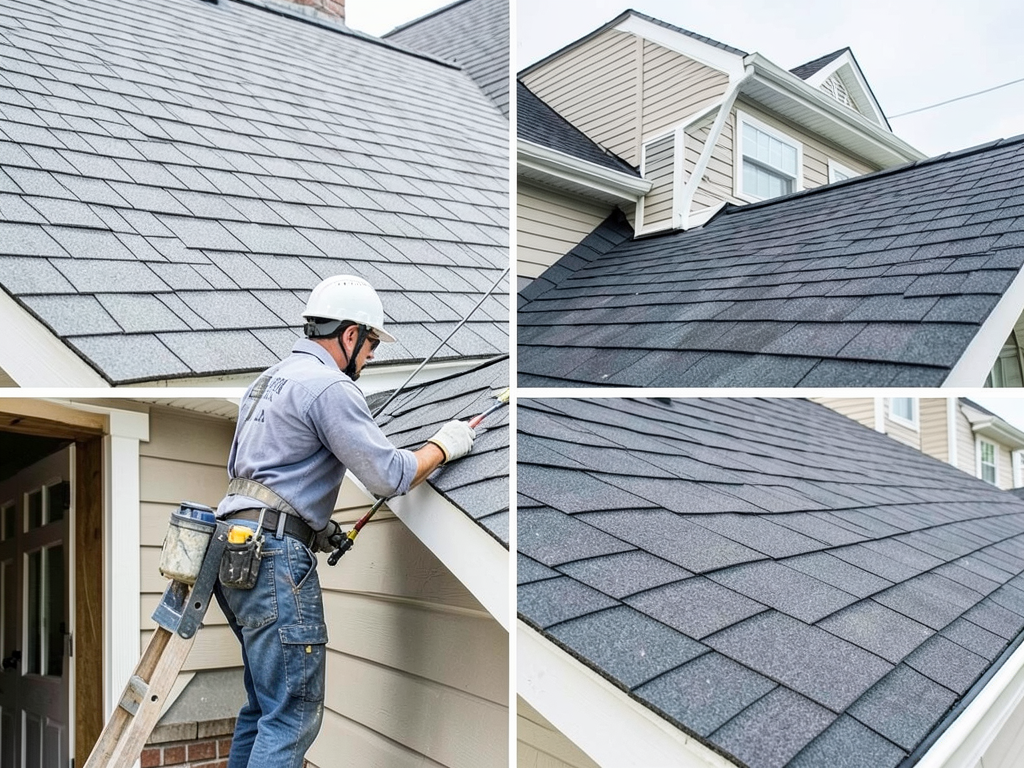
Living in a Castleberry Hill townhome means dealing with Atlanta’s intense summer heat, and your roof color plays a bigger role in your energy bills than you might think. Dark shingles can absorb up to 90% of solar energy, while lighter colors reflect more heat away from your home. This difference directly impacts your attic temperature, which can soar to 150°F on a hot July day, forcing your air conditioning to work overtime and driving up your utility costs. Energy Star Roofing.
The science is straightforward: roof color affects solar reflectance and thermal emittance. Light-colored roofs typically have a Solar Reflectance Index (SRI) value above 50, while standard dark asphalt shingles often score below 20. In Atlanta’s Zone 3 climate with over 2,500 cooling degree days annually, this temperature difference translates to measurable energy savings. Studies show homes with cool roofs can reduce cooling loads by 10-15%, which means lower monthly bills and less strain on your HVAC system. Cool Roof Rating Council.
Castleberry Hill’s urban setting adds another layer to consider. The area experiences the Urban Heat Island effect, where dense development and limited tree canopy create higher ambient temperatures than surrounding suburbs. A cool roof in this environment doesn’t just save you money—it helps reduce the neighborhood’s overall heat absorption, contributing to a more comfortable community during Atlanta’s sweltering summers.
Beyond temperature, roof color affects your home’s aesthetic and potential resale value. While pure white might offer maximum efficiency, many Castleberry Hill homeowners prefer sophisticated grays, tans, or weathered wood tones that complement the area’s modern townhome architecture while still providing significant energy benefits. The key is finding the right balance between curb appeal and performance. Finding the Most Trusted Local Roofers in Sandy Springs.
Understanding Solar Reflectance Index and Cool Roof Technology
The Solar Reflectance Index measures a roof’s ability to reject solar heat. It combines solar reflectance (how much sunlight is reflected) and thermal emittance (how efficiently the roof releases absorbed heat). An SRI value of 100 represents the coolest possible roof, while 0 represents the hottest. For Atlanta homeowners, choosing materials with an SRI above 40 qualifies as a cool roof under EPA guidelines.
Modern cool roof technology has evolved far beyond simple white paint. Today’s asphalt shingles can achieve impressive SRI values through specialized granule coatings and reflective pigments. For example, GAF’s Timberline Cool Series shingles use 3M Cool Roofing Granules that reflect sunlight while maintaining traditional dark colors like charcoal and weathered wood. These products can achieve SRI values in the 20-30 range, significantly better than standard shingles while preserving your home’s aesthetic. Roofing Dunwoody.
Metal roofing offers even higher performance, with some standing seam systems achieving SRI values above 70. The initial cost is higher, but the longevity and energy savings often justify the investment for Castleberry Hill townhome owners planning to stay in their homes for 10+ years. Plus, metal roofs are 100% recyclable at the end of their life, making them an environmentally conscious choice.
When evaluating cool roof options, look for the Cool Roof Rating Council (CRRC) label. This independent certification verifies the SRI and thermal emittance values manufacturers claim. The label provides transparency and ensures you’re getting the performance promised, which is crucial when making decisions that affect your energy bills for decades. Getting a Fast and Accurate Roof Replacement Estimate in Johns Creek.
Atlanta’s Climate Factor: Why Shingle Choice Matters in Georgia
Atlanta’s climate creates unique challenges for roofing materials. The combination of high humidity, intense UV exposure, and frequent thunderstorms means your roof faces constant stress. During summer months, Atlanta receives an average of 5.7 peak sun hours per day, providing ample opportunity for heat absorption. This solar exposure, combined with our humid subtropical climate, makes roof color selection particularly important for energy efficiency.
Georgia’s Energy Code, specifically the 2020 Georgia State Minimum Standard Residential Code, includes provisions for cool roofs in new construction and major renovations. While these requirements primarily apply to commercial buildings, the principles benefit residential properties too. The code references ASHRAE Standard 90.1 for energy-efficient building design, which includes roofing as a key factor in thermal performance.
Humidity plays a crucial role in roof performance that many homeowners overlook. In Atlanta’s muggy climate, moisture can become trapped in attic spaces, reducing insulation effectiveness and creating conditions for mold growth. A cool roof helps by reducing the temperature differential between the roof surface and the surrounding air, minimizing condensation risks. This is particularly important in Castleberry Hill’s older townhomes where ventilation systems may not be optimized.
Atlanta’s frequent thunderstorms also impact roof color decisions. Dark roofs absorb heat all day but release it slowly, which can actually help during brief cooling periods after rain showers. However, this benefit is minimal compared to the cooling load reduction from reflective surfaces during the extended heat of summer afternoons when electricity rates are highest.
Material Comparison: Asphalt vs. Metal vs. Tile Energy Performance
Material selection significantly impacts your roof’s energy performance beyond just color. Here’s how different roofing materials compare in Atlanta’s climate:
| Material Type | Typical SRI Range | Lifespan (Years) | Energy Savings Potential | Best For Castleberry Hill |
|---|---|---|---|---|
| Asphalt Shingles (Standard) | 15-25 | 15-25 | 5-10% | Budget-conscious homeowners |
| Cool Asphalt Shingles | 25-35 | 15-25 | 10-15% | Aesthetic-focused homeowners |
| Standing Seam Metal | 50-80 | 40-60 | 15-25% | Long-term investment focused |
| Concrete Tile | 30-45 | 50+ | 10-20% | Mediterranean-style homes |
Asphalt shingles remain the most popular choice in Castleberry Hill due to their affordability and wide range of color options. Modern cool asphalt products can achieve SRI values in the mid-30s while maintaining traditional aesthetics. The key is selecting lighter shades within your preferred color family—charcoal instead of black, weathered wood instead of dark brown, or light gray instead of dark gray.
Metal roofing offers superior energy performance but comes with a higher upfront cost. The material’s high thermal emittance means it releases heat quickly, even if it absorbs some during the day. In Atlanta’s climate, this translates to cooler attic spaces and reduced cooling loads. Metal also handles thermal expansion better than asphalt, which is crucial given Georgia’s temperature swings that can exceed 40°F between day and night. Repairing Slate and Tile Roofs on Historic Homes in Druid Hills.
Tile roofing provides excellent thermal mass, absorbing heat during the day and releasing it slowly at night. While the SRI values are moderate, the material’s thickness creates an insulating air gap that reduces heat transfer to the attic. However, tile’s weight often requires structural reinforcement, making it less practical for many Castleberry Hill townhomes with existing roof structures.
Cost Savings and ROI: What Atlanta Homeowners Can Expect
The financial impact of cool roof choices varies based on your home’s characteristics and energy usage patterns. For a typical 2,000-square-foot Castleberry Hill townhome, switching from standard dark shingles to cool asphalt can reduce annual cooling costs by $150-300, depending on your home’s insulation quality and HVAC efficiency. Metal roofing can double these savings but requires a larger initial investment.
Georgia Power customers can take advantage of the Smart Usage Rate plan, which charges higher rates during peak afternoon hours (2-7 PM on weekdays). A cool roof reduces your cooling load precisely when electricity is most expensive, maximizing your savings. For homes with average summer cooling bills of $250-350 per month, this timing advantage can add 20-30% to your annual energy savings.
The payback period depends on your choice of materials. Cool asphalt shingles typically cost $1-2 more per square foot than standard shingles but can pay for themselves in 5-7 years through energy savings. Metal roofing might cost $5-8 more per square foot but offers 30-50 year lifespans and can pay for itself in 7-10 years, especially when factoring in reduced HVAC maintenance from less system strain.
Beyond direct energy savings, cool roofs can extend the life of your HVAC equipment. When your air conditioner doesn’t have to work as hard to overcome a hot attic, it experiences less wear and tear. This can add 2-3 years to your system’s lifespan, potentially saving $4,000-8,000 in replacement costs over 20 years.
Local Utility Rebates and Federal Tax Credits
Georgia Power offers rebates for energy-efficient home improvements, though roofing-specific incentives vary by year. As of 2026, their Home Energy Improvement Program provides rebates for comprehensive energy upgrades that include cool roofing as a component. The exact amounts change annually, so check their website or call (770) 610-9366 for current roofing-specific incentives.
The federal government offers tax credits for energy-efficient roofing through the Energy Star program. As of the current tax year, homeowners can claim 10% of the cost of qualified cool roofs, up to $500, when filing IRS Form 5695 with their federal tax return. Metal roofs with appropriate pigmented coatings and certified cool asphalt shingles qualify for these credits.
Beyond direct rebates, cool roofs can help you qualify for additional energy efficiency incentives. Many Atlanta-area HVAC contractors offer discounts when you combine a new roof with a high-efficiency air conditioning system, recognizing that the reduced cooling load allows you to select a smaller, less expensive unit. These package deals can add $500-1,000 in savings to your project.
Some local municipalities are exploring expanded cool roof incentives to combat the Urban Heat Island effect. While Castleberry Hill doesn’t currently have specific programs, the City of Atlanta’s Office of Sustainability occasionally offers grants for community energy projects. Staying informed about these opportunities can help you maximize your investment in energy-efficient roofing.
Attic Ventilation: The Critical Partner to Roof Color
Even the coolest roof color can’t overcome poor attic ventilation. In Atlanta’s humid climate, proper airflow is essential for maintaining energy efficiency and preventing moisture damage. Without adequate ventilation, hot air becomes trapped in your attic, creating a heat reservoir that radiates downward into your living spaces even after sunset.
The building code requires a minimum of 1 square foot of net free ventilation area for every 300 square feet of attic floor space. However, Atlanta’s climate often benefits from exceeding these minimums. Ridge vents combined with soffit vents create a natural convection current that continuously exchanges hot attic air for cooler outside air, significantly enhancing your roof’s energy performance regardless of color.
Power attic ventilators can provide additional cooling but must be properly sized and installed. In Castleberry Hill’s older townhomes, these systems sometimes conflict with existing ridge vents, creating negative pressure that pulls conditioned air from your living spaces into the attic. A professional assessment can identify these conflicts and recommend solutions that work with your roof color choice.
Radiant barriers installed beneath your roof deck can complement cool roof colors by reflecting heat that penetrates the roofing material. When combined with a light-colored roof, radiant barriers can reduce summer heat gain by up to 40%. This combination is particularly effective in Castleberry Hill’s townhomes where attic spaces are often converted to living areas.
Aesthetic Trends in Atlanta Roofing: Finding the Right Balance
Castleberry Hill’s modern townhome aesthetic has evolved to favor sophisticated, neutral tones that balance energy efficiency with contemporary design. While pure white might offer maximum reflectivity, it often clashes with the area’s industrial-chic architecture. Fortunately, advances in cool roof technology mean you don’t have to sacrifice style for performance.
Charcoal and dark gray shingles remain popular in Castleberry Hill, and modern cool versions can achieve SRI values in the mid-20s while maintaining these deep tones. The key is selecting products with specialized reflective granules that bounce infrared radiation even in darker colors. These materials can look nearly identical to standard dark shingles from street level while providing significant energy benefits.
Weathered wood and driftwood tones have gained popularity as they offer a middle ground between pure light colors and traditional dark shades. These multi-tonal products use a blend of light and dark granules to create visual depth while maintaining SRI values in the high-20s to low-30s. They complement Castleberry Hill’s brick and steel architectural elements while providing solid energy performance.
For townhome associations and historic districts, color restrictions can limit cool roof options. However, many manufacturers now offer approved cool versions of traditional colors that meet both aesthetic guidelines and energy efficiency standards. When planning your roof replacement, consult your HOA documents early and discuss options with a contractor familiar with Castleberry Hill’s specific requirements. Protecting Your Historic Decatur Home with Specialty Roof Repairs.
Installation Quality: Why It Matters as Much as Color
Even the most energy-efficient cool roof will underperform if not properly installed. In Atlanta’s climate, installation details can make a 10-15% difference in energy performance. Proper underlayment selection, correct fastening patterns, and appropriate ventilation integration all contribute to your roof’s ability to manage heat effectively.
Ice and water shield installation is crucial even in Atlanta’s relatively mild winters. This waterproof membrane prevents wind-driven rain from penetrating under shingles during summer thunderstorms. While it doesn’t directly affect energy efficiency, preventing moisture intrusion protects your insulation’s R-value, which is essential for maintaining your cool roof’s performance over time.
Flashing details around chimneys, skylights, and roof penetrations create potential weak points for heat transfer. Quality installation ensures these areas are properly sealed and insulated, preventing the thermal bridging that can undermine your cool roof’s efficiency. In Castleberry Hill’s townhomes, where roof penetrations are common due to HVAC equipment and vent stacks, attention to these details is particularly important.
The warranty you receive often reflects the installation quality. Manufacturers typically offer longer warranties for roofs installed by certified contractors who follow specific protocols for cool roof products. These extended warranties can add value to your investment and provide peace of mind that your energy-efficient roof will perform as promised for years to come.
Making the Right Choice for Your Castleberry Hill Townhome
Selecting the ideal roof color and material for your Castleberry Hill townhome requires balancing multiple factors: energy efficiency, aesthetics, budget, and local regulations. Start by assessing your priorities. If energy savings are your primary goal, focus on high-SRI materials in lighter colors. If curb appeal is paramount, explore modern cool versions of traditional dark shades.
Consider your timeline when making decisions. If you plan to stay in your townhome for less than five years, the energy savings might not justify premium cool roof products. However, if you’re planning long-term occupancy, the cumulative savings and potential HVAC longevity benefits make high-performance options more attractive. Factor in the possibility of rising energy costs, which could accelerate your payback period.
Professional assessment is crucial for making informed decisions. A qualified roofing contractor can evaluate your current attic ventilation, insulation levels, and roof structure to recommend the most effective combination of color, material, and complementary improvements. They can also identify any HOA restrictions or local code requirements specific to Castleberry Hill that might influence your choices.
Remember that your roof is a long-term investment that affects your home’s comfort and operating costs for decades. While the initial color decision might seem primarily aesthetic, choosing energy-efficient options can provide substantial returns through lower utility bills, improved indoor comfort, and potentially higher resale value when you’re ready to sell your Castleberry Hill townhome.
Frequently Asked Questions
How much can I really save on my energy bills with a cool roof?
Homeowners in Atlanta typically see 10-15% reductions in cooling costs after installing cool roofs, which translates to $150-300 annually for a typical townhome. The exact savings depend on your home’s insulation, HVAC efficiency, and local energy rates.
Will a light-colored roof make my home look washed out?
Modern cool roof products come in sophisticated colors that maintain traditional aesthetics while providing energy benefits. Options like weathered wood, driftwood, and light charcoal can achieve SRI values in the 25-35 range while complementing your home’s architecture.
Are cool roofs more expensive than standard shingles?
Cool asphalt shingles typically cost $1-2 more per square foot than standard shingles. While this increases upfront costs, the energy savings and potential tax credits often offset the difference within 5-7 years of installation.
Ready to Improve Your Home’s Energy Efficiency?
Choosing the right roof color and material for your Castleberry Hill townhome is a significant decision that affects your comfort and energy costs for decades. With Atlanta’s intense summer heat and the Urban Heat Island effect in Castleberry Hill, making an informed choice about cool roofing options can provide substantial returns through lower utility bills and improved indoor comfort.
Don’t wait until your next energy bill shocks you or your air conditioning struggles through another Atlanta summer. Call (770) 610-9366 today to schedule a professional assessment of your roofing needs. Our experienced team understands Castleberry Hill’s specific requirements and can recommend the perfect balance of energy efficiency, aesthetics, and budget for your townhome. Pick up the phone and call (770) 610-9366 before the next heat wave hits—your comfort and wallet will thank you.
{
“@context”: “https://schema.org”,
“@type”: “BlogPosting”,
“headline”: “Does Shingle Color Really Affect the Temperature Inside Your Castleberry Hill Townhome?”,
“description”: “Learn how roof color impacts energy efficiency in Castleberry Hill’s hot Atlanta climate. Discover cool roof options, energy savings, and local rebates for your townhome.”,
“wordCount”: 2780,
“datePublished”: “2026-04-06T06:44:00.000Z”,
“dateModified”: “2026-04-06T06:44:00.000Z”,
“inLanguage”: “en-US”,
“mainEntityOfPage”: {
“@type”: “WebPage”,
“@id”: “https://firstchoiceroofingatlanta.com”
},
“publisher”: {
“@type”: “LocalBusiness”,
“name”: “First Choice Roofing Atlanta”,
“url”: “https://firstchoiceroofingatlanta.com”
},
“author”: {
“@type”: “Organization”,
“name”: “First Choice Roofing Atlanta”,
“url”: “https://firstchoiceroofingatlanta.com”
},
“image”: {
“@type”: “ImageObject”,
“url”: “https://firstchoiceroofingatlanta.com/wp-content/uploads/2026/03/does-shingle-color-really-affect-the-temperature-i-1.png”
}
}
{
“@context”: “https://schema.org”,
“@type”: “RoofingContractor”,
“name”: “First Choice Roofing Atlanta”,
“url”: “https://firstchoiceroofingatlanta.com”,
“address”: {
“@type”: “PostalAddress”,
“addressLocality”: “Atlanta”
},
“areaServed”: {
“@type”: “City”,
“name”: “Atlanta”
}
}
{
“@context”: “https://schema.org”,
“@type”: “FAQPage”,
“mainEntity”: [
{
“@type”: “Question”,
“name”: “How much can I really save on my energy bills with a cool roof?”,
“acceptedAnswer”: {
“@type”: “Answer”,
“text”: “Homeowners in Atlanta typically see 10-15% reductions in cooling costs after installing cool roofs, which translates to $150-300 annually for a typical townhome. The exact savings depend on your home’s insulation, HVAC efficiency, and local energy rates.”
}
},
{
“@type”: “Question”,
“name”: “Will a light-colored roof make my home look washed out?”,
“acceptedAnswer”: {
“@type”: “Answer”,
“text”: “Modern cool roof products come in sophisticated colors that maintain traditional aesthetics while providing energy benefits. Options like weathered wood, driftwood, and light charcoal can achieve SRI values in the 25-35 range while complementing your home’s architecture.”
}
},
{
“@type”: “Question”,
“name”: “Are cool roofs more expensive than standard shingles?”,
“acceptedAnswer”: {
“@type”: “Answer”,
“text”: “Cool asphalt shingles typically cost $1-2 more per square foot than standard shingles. While this increases upfront costs, the energy savings and potential tax credits often offset the difference within 5-7 years of installation.”
}
},
{
“@type”: “Question”,
“name”: “Ready to Improve Your Home’s Energy Efficiency?”,
“acceptedAnswer”: {
“@type”: “Answer”,
“text”: “Choosing the right roof color and material for your Castleberry Hill townhome is a significant decision that affects your comfort and energy costs for decades. With Atlanta’s intense summer heat and the Urban Heat Island effect in Castleberry Hill, making an informed choice about cool roofing options can provide substantial returns through lower utility bills and improved indoor comfort.”
}
}
]
}
{
“@context”: “https://schema.org”,
“@type”: “BreadcrumbList”,
“itemListElement”: [
{
“@type”: “ListItem”,
“position”: 1,
“name”: “Home”,
“item”: “https://firstchoiceroofingatlanta.com”
},
{
“@type”: “ListItem”,
“position”: 2,
“name”: “Blog”,
“item”: “https://firstchoiceroofingatlanta.com/blog”
},
{
“@type”: “ListItem”,
“position”: 3,
“name”: “Does Shingle Color Really Affect the Temperature Inside Your Castleberry Hill Townhome?”
}
]
}
{
“@context”: “https://schema.org”,
“@type”: “Service”,
“serviceType”: “Roofing”,
“provider”: {
“@type”: “LocalBusiness”,
“name”: “First Choice Roofing Atlanta”,
“url”: “https://firstchoiceroofingatlanta.com”
},
“areaServed”: {
“@type”: “City”,
“name”: “Atlanta”
},
“description”: “Learn how roof color impacts energy efficiency in Castleberry Hill’s hot Atlanta climate. Discover cool roof options, energy savings, and local rebates for your townhome.”
}