
How Much Heavy Debris and Wet Leaves Can Your Roof Structure Safely Support?
Your roof is designed to handle a specific amount of weight from materials, snow, and debris. When heavy wet leaves accumulate or debris builds up over time, the question becomes: how much is too much? In Atlanta’s humid climate, wet leaves can weigh significantly more than dry ones, potentially pushing your roof beyond its safe load limits. Understanding these weight thresholds helps you protect your home from costly structural damage.
The weight your roof can safely support depends on several factors including your roof’s design, the materials used, and local building codes. Most residential roofs in Atlanta are built to handle a minimum of 20 pounds per square foot of live load according to Georgia’s building standards. However, this number can vary based on your specific roof structure and the type of roofing material installed. Georgia State Minimum Standard Residential Code.
Before you worry about whether your roof can handle another season of falling leaves, let’s break down exactly what your roof is designed to support and what happens when those limits are exceeded. The good news is that most properly built roofs can handle typical debris loads without issue. The key is knowing when to take action before minor accumulation becomes a structural concern.
Understanding Roof Weight Limits: Dead Load vs Live Load
Roof structures are engineered to handle two distinct types of weight. Dead load refers to the permanent weight of your roofing materials, while live load includes temporary weights like snow, people walking on the roof, or accumulated debris. Both types of load are calculated in pounds per square foot (PSF) and must stay within your roof’s engineered limits. Roofing Dunwoody.
Dead load typically ranges from 10 to 20 PSF depending on your roofing material. Asphalt shingles weigh approximately 2.5 PSF, while heavier materials like slate or tile can weigh 10 to 15 PSF. Your roof trusses or rafters are designed to support this constant weight plus additional live loads that may occur throughout the year. Repairing Slate and Tile Roofs on Historic Homes in Druid Hills.
Live load requirements in Atlanta are based on Georgia’s adoption of the International Residential Code with local amendments. The minimum live load requirement for most residential roofs in Georgia is 20 PSF. This means your roof structure must be able to safely support 20 pounds of temporary weight per square foot without risk of structural failure. International Residential Code roof load requirements.
Standard Weight Limits for Common Roofing Materials
Different roofing materials place varying amounts of permanent weight on your roof structure. Here’s a comparison of common roofing materials and their typical weights per square foot:
| Material | Weight (PSF) | Typical Use |
|---|---|---|
| Asphalt Shingles | 2.5 | Most common residential |
| Wood Shakes | 3.5 | Cedar or similar wood |
| Metal Roofing | 1.0 | Commercial and residential |
| Slate Tiles | 15.0 | Premium residential |
| Concrete Tiles | 12.0 | Mediterranean styles |
Understanding your material’s weight is crucial because it affects how much additional load your roof can safely handle. A roof with heavy slate tiles has less capacity for additional weight compared to a roof with lightweight metal panels.
Wet leaves present a unique challenge because their weight can vary dramatically. Dry leaves might weigh only 1-2 pounds per square foot, but when saturated with rainwater, that same volume can weigh 5-10 pounds per square foot or more. This is why regular leaf removal is important, especially before heavy rain events common to Atlanta’s climate.. Read more about Why Your Roof Decking Might Be Wavy (And What it Means for Your Shingles) in Chamblee.
Atlanta Building Codes and Environmental Factors
Atlanta roofing must comply with the Georgia State Minimum Standard Residential Code, which adopts the International Residential Code with state-specific amendments. For roof structures, this code requires a minimum design load of 20 PSF live load for most residential applications. However, local factors can affect these requirements.
Fulton and DeKalb counties, which include most of Atlanta, have additional wind load requirements due to the region’s occasional severe weather. The Georgia amendments to the IRC require roofs to withstand wind speeds up to 130 mph in most areas, with higher requirements in certain zones. This affects how roof structures are engineered and what weight they can ultimately support.
Atlanta’s climate presents unique challenges for roof weight management. The city experiences heavy seasonal rainfall, with summer thunderstorms capable of dropping several inches of rain in a short period. This means wet debris can accumulate quickly and reach problematic weights before homeowners realize there’s an issue. The humid conditions also promote moss and algae growth on shaded roofs, which adds additional weight over time.
Can My Roof Support Solar Panels or a Rooftop Deck?
Modern home upgrades like solar panels and rooftop decks add significant weight to your roof structure. Solar panel systems typically add 2-4 PSF of weight, while a properly built rooftop deck can add 30-50 PSF or more. Before adding these features, you need to know whether your existing roof structure can handle the additional load.. Read more about The Real Cost and Complexity of Adding a Rooftop Deck to Your Reynoldstown Townhome.
Most residential roofs built to code can support solar panels without structural modifications. However, older homes or those with heavy roofing materials may need reinforcement. A structural engineer can evaluate your specific situation by examining your roof trusses, checking for any existing damage, and calculating the total load your roof currently supports.
Rooftop decks require much more extensive structural evaluation. The weight of people, furniture, and the deck structure itself can quickly exceed what a standard residential roof was designed to support. In many cases, adding a rooftop deck requires significant structural reinforcement, including upgraded trusses, additional support posts, or even a complete roof replacement with a stronger design.
Signs Your Roof is Overstressed
Roof structures rarely fail suddenly. Instead, they show warning signs that indicate they’re approaching their weight limits. Learning to recognize these signs can help you address problems before they become dangerous or expensive to repair.
Visual indicators of roof stress include sagging or dipping areas along your roofline. This often appears as a wave or curve where the roof should be straight. Interior signs include cracks in your ceiling drywall, especially near the center of your home where roof loads are typically highest. You might also notice doors or windows becoming difficult to open or close, indicating the house frame is shifting under roof stress.
Auditory warning signs include creaking or popping sounds coming from your attic, especially during windy conditions or when snow or debris accumulates on your roof. These sounds indicate that wood members are flexing beyond their normal range. In severe cases, you might see actual separation at roof truss joints or notice that your roof appears to be spreading outward at the eaves. Attic Ventilation Systems.
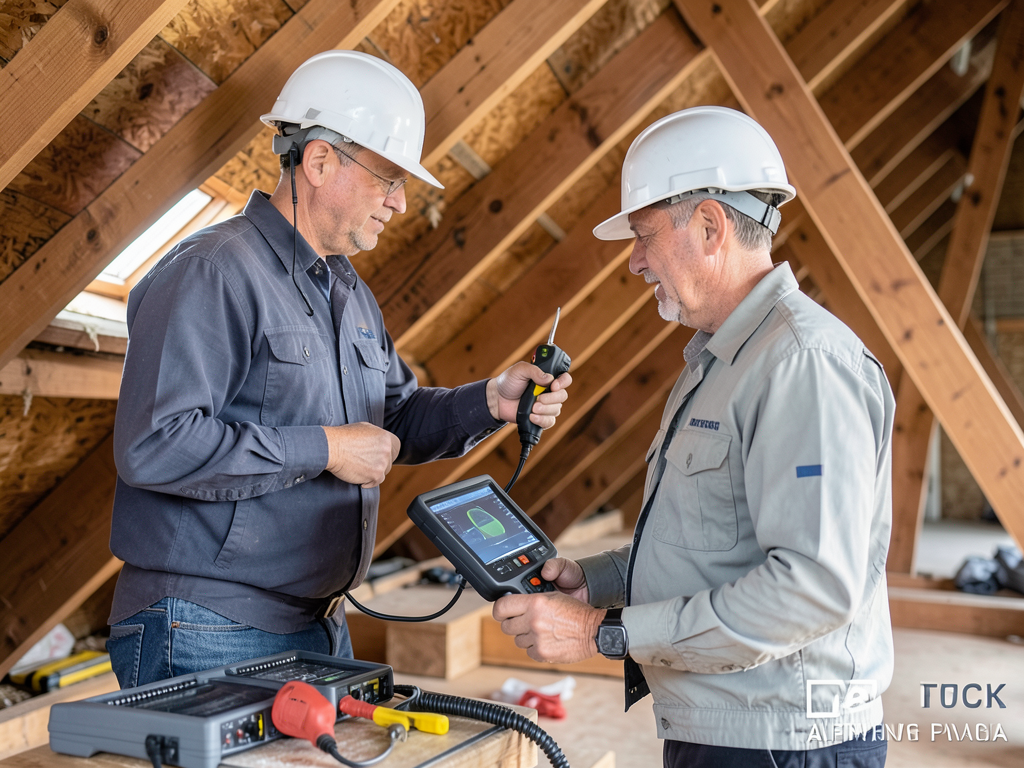
Diagram showing common signs of roof structural stress including sagging ridges, ceiling cracks, and truss separation
Professional Inspection vs DIY Calculation
While you can estimate your roof’s weight capacity using basic calculations, determining whether your specific roof is safe requires professional expertise. A qualified roofing contractor or structural engineer can assess your roof’s actual condition, identify any existing damage or deterioration, and provide specific recommendations for your situation.
Professional inspectors use tools like moisture meters to check for hidden water damage that weakens structural members. They examine connection points where trusses meet walls, looking for signs of separation or cracking. They also check for proper bracing and support members that might be missing or inadequate in older homes.
DIY calculations can give you a general idea of your roof’s capacity, but they can’t identify existing problems or account for local factors like unusual snow loads or specific wind patterns. For example, a roof might technically meet code requirements but still be unsafe if it has undetected termite damage or if previous modifications compromised its structural integrity.
Call (770) 610-9366 today to schedule your professional roof inspection before the next heavy rain or wind event causes costly damage.
Preventing Roof Overload: Maintenance and Best Practices
Regular maintenance is the best way to prevent your roof from becoming overloaded with debris. This includes cleaning your gutters at least twice per year, more often if you have many trees near your home. Clogged gutters cause water to back up under shingles and can lead to premature deterioration of your roof structure.
Trimming tree branches that overhang your roof reduces the amount of leaves and debris that accumulate. It also minimizes the risk of branches falling on your roof during storms. Atlanta’s mature tree canopy is beautiful but requires active management to protect your roof investment.
Installing gutter guards can significantly reduce maintenance needs while still allowing water to flow freely. Quality gutter guards keep out leaves and larger debris while letting smaller particles wash through. This prevents the heavy, waterlogged debris that poses the greatest risk to your roof structure.
Professional roof cleaning services can safely remove accumulated debris without damaging your shingles or flashing. They also inspect your roof for damage during the cleaning process, potentially catching problems before they become serious. This is especially important for homes in wooded areas or those with complex roof designs that trap debris.
When to Call a Professional: Emergency Situations
Some situations require immediate professional attention to prevent roof collapse or serious damage. If you notice sudden sagging or hear loud creaking sounds from your roof, evacuate the area and call for emergency service. These are signs that your roof is experiencing structural failure and could collapse at any moment. Who to Call for Urgent Emergency Roof Repairs in Buckhead.
After major storms, inspect your attic for signs of water intrusion or structural damage. Look for new cracks in ceiling joists, water stains on rafters, or any movement in the roof structure. Even if your roof appears intact from the outside, storm damage can compromise its ability to support normal loads.
If you’re planning home additions or renovations that might affect your roof load, consult with a structural engineer before beginning work. Adding a second story, installing heavy HVAC equipment, or creating a bonus room in your attic all change the load calculations for your roof structure.
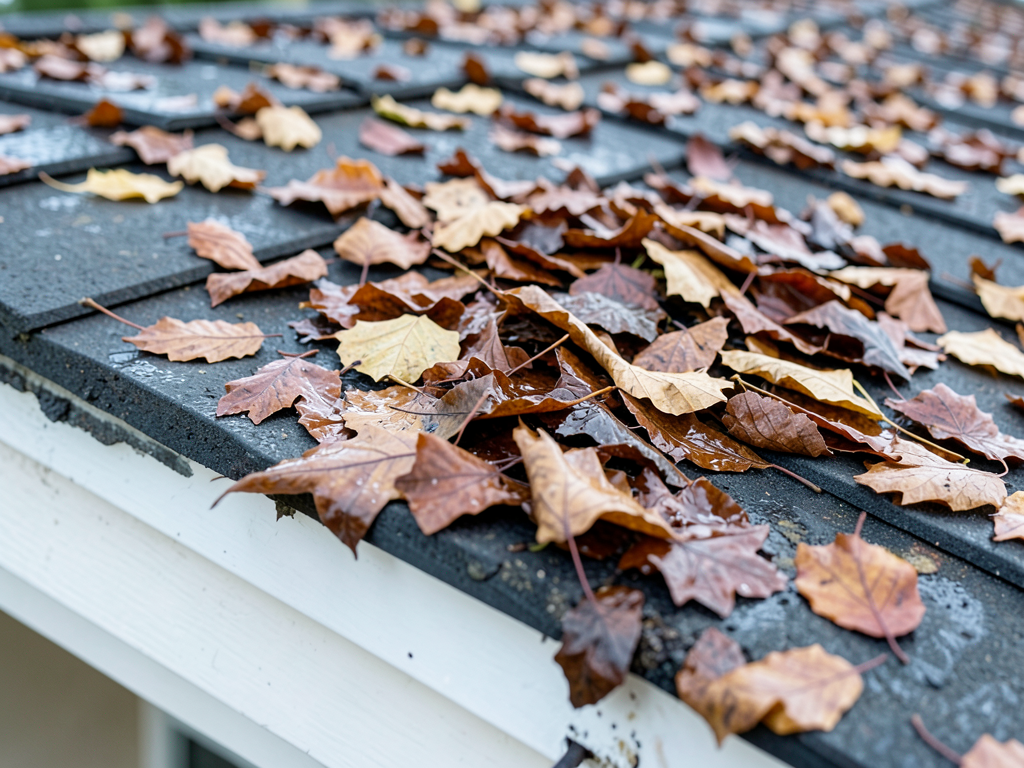
Photo of a professional roofing crew inspecting attic trusses for structural integrity
Understanding Insurance Coverage for Roof Weight Issues
Most standard homeowners insurance policies cover sudden and accidental damage to your roof, but they typically don’t cover damage from long-term neglect or gradual accumulation of debris. This means if your roof collapses due to years of leaf accumulation, you might be responsible for the entire repair cost.
Insurance companies look for signs of proper maintenance when evaluating roof damage claims. They may deny claims if they determine that neglect contributed to the failure. This makes regular maintenance not just a matter of structural safety, but also of financial protection.
Some insurance policies offer specific coverage for snow or ice load damage, which can be relevant even in Atlanta’s mild climate during occasional winter storms. Review your policy details or consult with your insurance agent to understand exactly what roof-related damage is covered under your specific policy.
Documentation of regular maintenance can be valuable if you need to file a claim. Keep records of professional inspections, cleaning services, and any repairs or modifications to your roof structure. This documentation demonstrates that you’ve fulfilled your duty to maintain your property properly.
Special Considerations for Atlanta’s Historic Homes
Atlanta’s historic neighborhoods like Druid Hills and Inman Park feature many homes with unique architectural elements that affect roof weight capacity. These homes often have steeper roof pitches, decorative elements, and construction methods that differ from modern building practices. Protecting Your Historic Decatur Home with Specialty Roof Repairs.
Historic homes may have roof structures built to older building codes or using lumber dimensions that are no longer standard. This doesn’t necessarily mean they’re unsafe, but it does mean their load capacity might differ from what current code would require for a new construction. Professional evaluation is especially important for these properties.
Many historic homes feature slate or tile roofing, which we’ve already noted places significant dead load on the structure. If your historic home has its original roofing material, it’s worth having a structural engineer evaluate whether the roof can safely support additional weight from solar panels or other modern additions.
Preservation guidelines for historic districts may affect what repair or replacement options are available. Some materials or structural modifications might require special approval from historic preservation boards. A roofing contractor experienced with historic properties can help navigate these requirements while ensuring your roof remains structurally sound.
Cost Factors for Roof Reinforcement
If your roof needs reinforcement to handle additional weight, several factors affect the total cost. The extent of reinforcement needed depends on your current structure, the additional weight you want to add, and local building requirements. Simple reinforcement of existing trusses might cost a few thousand dollars, while a complete roof restructuring can cost significantly more.
Accessibility affects labor costs. A home with a simple roof design and accessible attic space will be less expensive to reinforce than a home with complex architecture or limited access to structural members. Historic homes often cost more due to the need for specialized knowledge and care to preserve original features.
Permit costs vary by jurisdiction within the Atlanta area. Some municipalities require engineering stamps and multiple inspections for structural work, adding to the overall cost. However, these requirements ensure the work is done safely and to code, protecting your investment long-term.
Financing options may be available for necessary structural improvements, especially if they improve your home’s energy efficiency or add valuable living space. Some contractors offer payment plans, and certain home improvement loans provide favorable terms for structural upgrades that increase your home’s value.
Future-Proofing Your Roof Structure
When building a new home or replacing your roof, consider future needs that might affect weight requirements. Even if you don’t plan to install solar panels or a rooftop deck now, designing your roof structure to accommodate these possibilities can save significant money and hassle later.
Upgrading to 30 PSF live load capacity instead of the minimum 20 PSF adds relatively little to construction costs but provides flexibility for future modifications. This is especially valuable in Atlanta’s growing urban areas where solar energy and outdoor living spaces are becoming increasingly popular.
Choosing lightweight roofing materials when replacing your roof can increase the amount of additional weight your structure can safely support. For example, switching from heavy tile to architectural asphalt shingles might free up 8-10 PSF of capacity for future use.
Documenting your roof’s structural specifications and any modifications made over time creates a valuable record for future homeowners or contractors. This information helps ensure that any future work on your home maintains or improves the structural integrity of your roof system.
Photo of a structural engineer using a moisture meter to assess roof truss condition during an inspection
Frequently Asked Questions
How much does a roof full of wet leaves weigh?
A roof covered in wet leaves can weigh 5-10 pounds per square foot or more, depending on the depth of accumulation and how saturated the leaves are. This can quickly approach or exceed the live load capacity that many roofs are designed to handle.
Can I walk on my roof to clean off debris?
While walking on your roof is possible, it’s generally not recommended unless you have proper safety equipment and experience. Walking on a roof can damage shingles and poses serious fall risks. Professional roof cleaning services have the equipment and expertise to safely remove debris.
How often should I have my roof inspected for structural issues?
Most roofing professionals recommend annual inspections, with additional checks after major storms. Homes in wooded areas or those with complex roof designs may need more frequent inspections to ensure debris isn’t accumulating to dangerous levels.
What’s the difference between roof collapse and roof failure?
Roof collapse is a complete structural failure where the roof falls in. Roof failure is more gradual and might involve sagging, cracking, or other signs that the structure is struggling to support its load. Both require professional attention, but failure often provides warning signs before collapse occurs.
Does homeowners insurance cover roof collapse from snow or debris?
Coverage varies by policy, but most standard policies cover sudden and accidental damage. However, they typically don’t cover damage from long-term neglect or gradual accumulation. Regular maintenance is essential both for safety and for maintaining insurance coverage.
Don’t wait until it’s too late. If you’re concerned about your roof’s ability to handle heavy debris or wet leaves, call (770) 610-9366 for a professional inspection. Our Atlanta roofing experts will evaluate your specific situation and provide clear recommendations to keep your home safe and protected.
Remember that your roof is one of your home’s most important structural elements. Understanding its weight limits and maintaining it properly isn’t just about preventing leaks it’s about protecting your family and your investment. Whether you need an inspection, cleaning, or structural evaluation, we’re here to help Atlanta homeowners stay safe and secure under their roofs.
First Choice Roofing Atlanta serves homeowners throughout the greater Atlanta area with emergency repairs, routine maintenance, and comprehensive roof inspections. Our team understands the unique challenges that Atlanta’s climate and building codes present, and we’re committed to providing solutions that last. Contact us today to learn more about how we can help protect your home.
{
“@context”: “https://schema.org”,
“@type”: “BlogPosting”,
“headline”: “How Much Heavy Debris and Wet Leaves Can Your Roof Structure Safely Support?”,
“description”: “Learn the weight limits your roof can handle from Atlanta roofing experts. Understand dead load vs live load, building codes, and signs of structural stress.”,
“wordCount”: 2881,
“datePublished”: “2026-05-31T11:44:00.000Z”,
“dateModified”: “2026-05-31T11:44:00.000Z”,
“inLanguage”: “en-US”,
“mainEntityOfPage”: {
“@type”: “WebPage”,
“@id”: “https://firstchoiceroofingatlanta.com”
},
“publisher”: {
“@type”: “LocalBusiness”,
“name”: “First Choice Roofing Atlanta”,
“url”: “https://firstchoiceroofingatlanta.com”
},
“author”: {
“@type”: “Organization”,
“name”: “First Choice Roofing Atlanta”,
“url”: “https://firstchoiceroofingatlanta.com”
},
“image”: {
“@type”: “ImageObject”,
“url”: “https://firstchoiceroofingatlanta.com/wp-content/uploads/2026/03/how-much-heavy-debris-and-wet-leaves-can-your-roof-1.png”
}
}
{
“@context”: “https://schema.org”,
“@type”: “RoofingContractor”,
“name”: “First Choice Roofing Atlanta”,
“url”: “https://firstchoiceroofingatlanta.com”,
“address”: {
“@type”: “PostalAddress”,
“addressLocality”: “Atlanta”
},
“areaServed”: {
“@type”: “City”,
“name”: “Atlanta”
}
}
{
“@context”: “https://schema.org”,
“@type”: “FAQPage”,
“mainEntity”: [
{
“@type”: “Question”,
“name”: “Can My Roof Support Solar Panels or a Rooftop Deck?”,
“acceptedAnswer”: {
“@type”: “Answer”,
“text”: “Modern home upgrades like solar panels and rooftop decks add significant weight to your roof structure. Solar panel systems typically add 2-4 PSF of weight, while a properly built rooftop deck can add 30-50 PSF or more. Before adding these features, you need to know whether your existing roof structure can handle the additional load.”
}
},
{
“@type”: “Question”,
“name”: “How much does a roof full of wet leaves weigh?”,
“acceptedAnswer”: {
“@type”: “Answer”,
“text”: “A roof covered in wet leaves can weigh 5-10 pounds per square foot or more, depending on the depth of accumulation and how saturated the leaves are. This can quickly approach or exceed the live load capacity that many roofs are designed to handle.”
}
},
{
“@type”: “Question”,
“name”: “Can I walk on my roof to clean off debris?”,
“acceptedAnswer”: {
“@type”: “Answer”,
“text”: “While walking on your roof is possible, it’s generally not recommended unless you have proper safety equipment and experience. Walking on a roof can damage shingles and poses serious fall risks. Professional roof cleaning services have the equipment and expertise to safely remove debris.”
}
},
{
“@type”: “Question”,
“name”: “How often should I have my roof inspected for structural issues?”,
“acceptedAnswer”: {
“@type”: “Answer”,
“text”: “Most roofing professionals recommend annual inspections, with additional checks after major storms. Homes in wooded areas or those with complex roof designs may need more frequent inspections to ensure debris isn’t accumulating to dangerous levels.”
}
},
{
“@type”: “Question”,
“name”: “What’s the difference between roof collapse and roof failure?”,
“acceptedAnswer”: {
“@type”: “Answer”,
“text”: “Roof collapse is a complete structural failure where the roof falls in. Roof failure is more gradual and might involve sagging, cracking, or other signs that the structure is struggling to support its load. Both require professional attention, but failure often provides warning signs before collapse occurs.”
}
},
{
“@type”: “Question”,
“name”: “Does homeowners insurance cover roof collapse from snow or debris?”,
“acceptedAnswer”: {
“@type”: “Answer”,
“text”: “Coverage varies by policy, but most standard policies cover sudden and accidental damage. However, they typically don’t cover damage from long-term neglect or gradual accumulation. Regular maintenance is essential both for safety and for maintaining insurance coverage.”
}
}
]
}
{
“@context”: “https://schema.org”,
“@type”: “BreadcrumbList”,
“itemListElement”: [
{
“@type”: “ListItem”,
“position”: 1,
“name”: “Home”,
“item”: “https://firstchoiceroofingatlanta.com”
},
{
“@type”: “ListItem”,
“position”: 2,
“name”: “Blog”,
“item”: “https://firstchoiceroofingatlanta.com/blog”
},
{
“@type”: “ListItem”,
“position”: 3,
“name”: “How Much Heavy Debris and Wet Leaves Can Your Roof Structure Safely Support?”
}
]
}
{
“@context”: “https://schema.org”,
“@type”: “Service”,
“serviceType”: “Roofing”,
“provider”: {
“@type”: “LocalBusiness”,
“name”: “First Choice Roofing Atlanta”,
“url”: “https://firstchoiceroofingatlanta.com”
},
“areaServed”: {
“@type”: “City”,
“name”: “Atlanta”
},
“description”: “Learn the weight limits your roof can handle from Atlanta roofing experts. Understand dead load vs live load, building codes, and signs of structural stress.”
}