
Keeping Woodpeckers and Birds from Destroying the Eaves of Your Dunwoody Home
Woodpeckers and other birds can cause serious damage to your Dunwoody home’s eaves and soffits, leading to costly repairs and potential water damage. These pests drill holes, build nests, and leave acidic droppings that eat away at wood and roofing materials. If you hear constant pecking or notice holes appearing near your roofline, you need to act fast before the damage spreads. EPA guidelines for moisture and mold prevention.
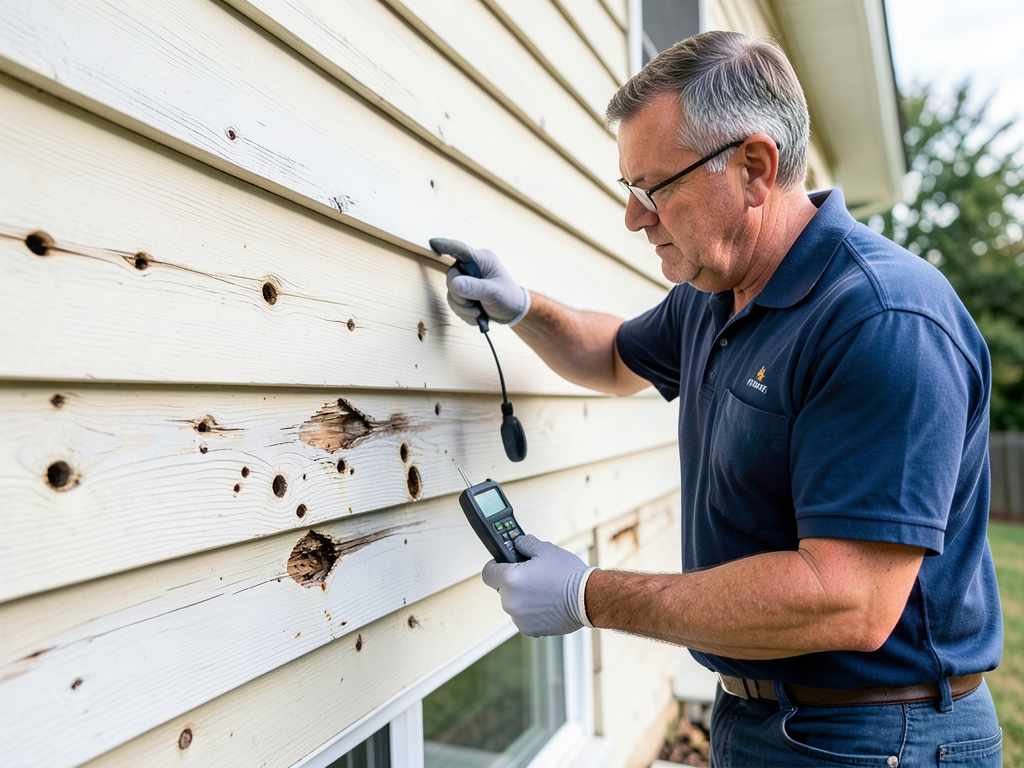
The first sign of bird damage is often small, perfectly round holes drilled into your fascia boards or soffits. Woodpeckers create these holes searching for insects or establishing territory, while other birds like starlings and sparrows make larger, messier openings for nesting. You might also see wood chips scattered below or hear the distinctive tapping sound early in the morning.. Read more about Repairing Rotten Soffit and Fascia Boards on Older Smyrna Homes.
Left untreated, these openings allow water to enter your attic, causing rot, mold growth, and structural damage. The acidic nature of bird droppings accelerates deterioration of asphalt shingles and wooden trim. In Dunwoody’s humid climate, this moisture problem compounds quickly, creating ideal conditions for wood-destroying fungi and insects. Roofing Dunwoody.
Common birds targeting Atlanta roofs include woodpeckers, European starlings, house sparrows, pigeons, and chimney swifts. Woodpeckers are protected under the Migratory Bird Treaty Act, so you cannot harm them or disturb active nests. This makes prevention and humane deterrents your only legal options. Migratory Bird Treaty Act.
Signs of damage include visible holes in fascia boards, soffits, or eaves; wood chips or sawdust below the roofline; nesting materials sticking out of openings; and water stains on interior walls or ceilings. You may also notice increased bird activity around your home, especially during nesting season from March through August in Georgia.
The hidden dangers extend beyond cosmetic damage. Bird nests block ventilation, trap moisture, and create fire hazards near electrical components. Accumulated droppings can harbor histoplasmosis spores, a respiratory disease affecting humans. The combination of moisture and organic material creates perfect conditions for mold growth inside your attic.
Humaner bird deterrents include visual scare devices like reflective tape, predator decoys, and wind-activated spinners. Physical barriers such as bird spikes, netting, and hardware cloth prevent birds from landing or nesting. Ultrasonic devices emit frequencies that deter birds without affecting humans or pets. Chemical repellents create unpleasant tastes or smells that discourage birds from pecking or roosting.
Professional vs. DIY repair depends on the extent of damage and your comfort level with ladder work. Small holes can be patched with wood filler or exterior-grade caulk, but larger damage requires replacing entire sections of fascia or soffit. Professionals have the tools and experience to match existing materials and ensure proper sealing against future intrusion.
Cost of repairing eave damage in the Metro Atlanta area varies based on material and extent of damage. Pressure-treated lumber for fascia boards runs approximately $3-5 per linear foot installed. Soffit replacement costs $4-7 per linear foot depending on whether you choose solid or vented panels. Complete eave reconstruction for a typical Dunwoody home ranges from $1,500 to $4,000. Repairing Slate and Tile Roofs on Historic Homes in Druid Hills.
Prevention strategies start with eliminating food sources. Remove bird feeders near your home, keep garbage secured, and address any insect infestations that attract woodpeckers. Install metal flashing or PVC trim boards instead of wood in problem areas, as these materials resist pecking and moisture damage. Regular inspections during nesting season help catch problems early.
Georgia law protects most native bird species, making it illegal to disturb active nests or harm protected birds. Chimney swifts, for example, nest in chimneys and are federally protected. You must wait until young birds leave the nest before making repairs or installing deterrents. This is why timing your prevention efforts matters.
The pH level of bird guano typically ranges from 3.5 to 4.5, making it highly acidic. This acidity breaks down asphalt shingles, wooden fascia, and metal flashing over time. Combined with Dunwoody’s high humidity, the corrosive effect accelerates, causing premature roof failure and costly structural damage.
Professional inspection includes checking for active nests, assessing damage extent, and identifying entry points. Technicians use moisture meters to detect hidden water damage and thermal imaging to locate heat loss from compromised ventilation. They also check for signs of secondary pests like carpenter ants or termites that often follow bird damage.
Emergency repairs might be necessary if you discover active water intrusion or large holes exposing your attic. Temporary solutions include metal patches, expanding foam sealant, or hardware cloth secured over damaged areas. However, these are stopgap measures until permanent repairs can be made during appropriate seasons. Who to Call for Urgent Emergency Roof Repairs in Buckhead.
Building codes in Fulton County require proper ventilation and moisture barriers in all roof assemblies. Damaged eaves compromise these systems, potentially violating code requirements. Professional repairs ensure your roof meets current standards while addressing the bird damage problem effectively.
Woodpeckers are particularly attracted to homes with cedar siding or trim, which is common in many Dunwoody neighborhoods. The soft wood and insect activity make these homes prime targets. If you have cedar elements, consider replacing them with composite or PVC materials that resist both pecking and moisture damage.
The best time for prevention work is late fall through early winter when birds are not nesting. This allows you to install deterrents and make repairs without violating wildlife protection laws. Spring installation often means waiting months for active nests to clear before completing repairs.
Insurance coverage for bird damage varies by policy. Some policies cover sudden damage but exclude gradual deterioration. Document all damage with photos and keep records of any temporary repairs you make while waiting for professional assessment. Your homeowner’s insurance agent can advise on coverage specifics.
Long-term solutions include installing metal eaves, using composite materials for all exterior trim, and maintaining proper tree trimming to reduce bird access to your roof. Some homeowners install birdhouses away from their homes to provide alternative nesting sites, though this doesn’t always work for territorial species like woodpeckers.
The combination of Dunwoody’s wooded environment and older home construction creates ideal conditions for bird damage. Many homes in areas near Dunwoody Village and along Mount Vernon Road were built with wood trim that now requires replacement or reinforcement. Understanding your specific neighborhood’s vulnerability helps target prevention efforts effectively.
Professional roofing contractors in Atlanta understand local bird species, nesting patterns, and legal requirements. They can recommend materials and techniques that work in Georgia’s climate while complying with wildlife protection laws. This local expertise is invaluable when dealing with persistent bird problems.. Read more about Choosing the Right Roofing Material for a New Screened-In Porch in Dunwoody.
Don’t wait until you have extensive damage. Early intervention prevents costly repairs and protects your home’s structural integrity. If you notice signs of bird activity around your eaves, contact a professional for assessment before the problem escalates.
Frequently Asked Questions
Is it legal to remove bird nests from my roof?
Most native birds are protected under the Migratory Bird Treaty Act. You cannot disturb active nests with eggs or young birds. Wait until nesting season ends, typically after August in Georgia, before removing nests or making repairs.
How can I tell if woodpeckers are causing damage versus other birds?
Woodpeckers create small, round holes often in straight lines or clusters. Other birds like starlings make larger, irregular openings for nesting. Woodpeckers also leave characteristic wood chips below the damage site and are active during daylight hours.
What’s the fastest way to stop bird damage temporarily?
Install hardware cloth or metal flashing over damaged areas as a temporary barrier. These materials resist pecking and block access while you arrange permanent repairs. Avoid using expanding foam alone, as birds can peck through it.
Will bird spikes damage my roof?
Properly installed bird spikes won’t damage your roof when mounted on fascia boards or eaves. They create an uneven surface that prevents birds from landing without harming them. Professional installation ensures correct placement and secure mounting.
How much does professional bird damage repair cost in Atlanta?
Repair costs range from $500 for minor patching to $4,000+ for complete eave reconstruction. Factors include material choice, damage extent, and whether you need to replace underlying structures. Most Atlanta roofing companies offer free inspections to provide accurate estimates. Getting a Fast and Accurate Roof Replacement Estimate in Johns Creek.
- Inspect Regularly
Check your eaves monthly for new holes, nesting materials, or bird activity. Early detection prevents extensive damage.
- Install Deterrents
Place visual scare devices, bird spikes, or netting before nesting season begins. Remove bird feeders near your home.
- Repair Promptly
Fix small holes immediately with exterior-grade caulk or wood filler. Replace severely damaged sections with durable materials.
- Modify Habitat
Trim trees away from your roof, eliminate insect attractants, and consider alternative nesting sites away from your home.
Before and After: Bird Damage Repair Process
Professional bird damage repair follows a systematic process that ensures lasting results. The first step involves thorough inspection to assess damage extent and identify all entry points. Technicians document findings with photos and moisture readings to determine if water damage has occurred inside the attic. Finding the Most Trusted Local Roofers in Sandy Springs.
During the repair phase, damaged wood is removed and replaced with pressure-treated lumber or composite materials. All seams are sealed with exterior-grade caulk, and appropriate flashing is installed to prevent future water intrusion. The final step involves installing deterrents to prevent birds from returning to the same location.
Quality repairs include matching existing materials and paint for a seamless appearance. Professionals also check ventilation systems to ensure repairs don’t compromise attic airflow. The entire process typically takes one to three days depending on damage extent and weather conditions.
Many homeowners in Dunwoody’s older neighborhoods face repeated bird damage due to original wood construction. Upgrading to modern materials during repairs provides long-term protection and reduces maintenance requirements. This investment often pays for itself through prevented damage and improved home durability.
Don’t let bird damage compromise your home’s integrity. Call (770) 610-9366 today to schedule your inspection and protect your investment from these persistent pests.
Bird damage might seem minor at first, but it can lead to serious structural problems if ignored. The acidic droppings, nesting materials, and entry points create perfect conditions for moisture intrusion and pest infestations. Taking action early saves money and prevents headaches down the road.
Remember that most bird species are protected by law, making prevention your best strategy. Work with professionals who understand local regulations and can recommend effective, legal solutions for your specific situation. Your home deserves protection that lasts through Georgia’s challenging climate conditions.
Pick up the phone and call (770) 610-9366 before the next storm hits. Our Atlanta roofing experts are ready to assess your bird damage and provide lasting solutions that protect your home for years to come.
{
“@context”: “https://schema.org”,
“@type”: “BlogPosting”,
“headline”: “Keeping Woodpeckers and Birds from Destroying the Eaves of Your Dunwoody Home”,
“description”: “Stop woodpecker damage and bird nesting in Dunwoody eaves. Learn signs of damage, prevention methods, and when to call Atlanta roofing experts for repairs.”,
“wordCount”: 1802,
“datePublished”: “2026-05-09T15:11:00.000Z”,
“dateModified”: “2026-05-09T15:11:00.000Z”,
“inLanguage”: “en-US”,
“mainEntityOfPage”: {
“@type”: “WebPage”,
“@id”: “https://firstchoiceroofingatlanta.com”
},
“publisher”: {
“@type”: “LocalBusiness”,
“name”: “First Choice Roofing Atlanta”,
“url”: “https://firstchoiceroofingatlanta.com”
},
“author”: {
“@type”: “Organization”,
“name”: “First Choice Roofing Atlanta”,
“url”: “https://firstchoiceroofingatlanta.com”
},
“image”: {
“@type”: “ImageObject”,
“url”: “https://firstchoiceroofingatlanta.com/wp-content/uploads/2026/03/keeping-woodpeckers-and-birds-from-destroying-the-1.png”
}
}
{
“@context”: “https://schema.org”,
“@type”: “RoofingContractor”,
“name”: “First Choice Roofing Atlanta”,
“url”: “https://firstchoiceroofingatlanta.com”,
“address”: {
“@type”: “PostalAddress”,
“addressLocality”: “Atlanta”
},
“areaServed”: {
“@type”: “City”,
“name”: “Atlanta”
}
}
{
“@context”: “https://schema.org”,
“@type”: “FAQPage”,
“mainEntity”: [
{
“@type”: “Question”,
“name”: “Is it legal to remove bird nests from my roof?”,
“acceptedAnswer”: {
“@type”: “Answer”,
“text”: “Most native birds are protected under the Migratory Bird Treaty Act. You cannot disturb active nests with eggs or young birds. Wait until nesting season ends, typically after August in Georgia, before removing nests or making repairs.”
}
},
{
“@type”: “Question”,
“name”: “How can I tell if woodpeckers are causing damage versus other birds?”,
“acceptedAnswer”: {
“@type”: “Answer”,
“text”: “Woodpeckers create small, round holes often in straight lines or clusters. Other birds like starlings make larger, irregular openings for nesting. Woodpeckers also leave characteristic wood chips below the damage site and are active during daylight hours.”
}
},
{
“@type”: “Question”,
“name”: “What’s the fastest way to stop bird damage temporarily?”,
“acceptedAnswer”: {
“@type”: “Answer”,
“text”: “Install hardware cloth or metal flashing over damaged areas as a temporary barrier. These materials resist pecking and block access while you arrange permanent repairs. Avoid using expanding foam alone, as birds can peck through it.”
}
},
{
“@type”: “Question”,
“name”: “Will bird spikes damage my roof?”,
“acceptedAnswer”: {
“@type”: “Answer”,
“text”: “Properly installed bird spikes won’t damage your roof when mounted on fascia boards or eaves. They create an uneven surface that prevents birds from landing without harming them. Professional installation ensures correct placement and secure mounting.”
}
},
{
“@type”: “Question”,
“name”: “How much does professional bird damage repair cost in Atlanta?”,
“acceptedAnswer”: {
“@type”: “Answer”,
“text”: “Repair costs range from $500 for minor patching to $4,000+ for complete eave reconstruction. Factors include material choice, damage extent, and whether you need to replace underlying structures. Most Atlanta roofing companies offer free inspections to provide accurate estimates. Getting a Fast and Accurate Roof Replacement Estimate in Johns Creek.”
}
}
]
}
{
“@context”: “https://schema.org”,
“@type”: “HowTo”,
“name”: “How to Prevent Bird Damage”,
“step”: [
{
“@type”: “HowToStep”,
“position”: 1,
“name”: “Inspect Regularly”,
“text”: “Check your eaves monthly for new holes, nesting materials, or bird activity. Early detection prevents extensive damage.”
},
{
“@type”: “HowToStep”,
“position”: 2,
“name”: “Install Deterrents”,
“text”: “Place visual scare devices, bird spikes, or netting before nesting season begins. Remove bird feeders near your home.”
},
{
“@type”: “HowToStep”,
“position”: 3,
“name”: “Repair Promptly”,
“text”: “Fix small holes immediately with exterior-grade caulk or wood filler. Replace severely damaged sections with durable materials.”
},
{
“@type”: “HowToStep”,
“position”: 4,
“name”: “Modify Habitat”,
“text”: “Trim trees away from your roof, eliminate insect attractants, and consider alternative nesting sites away from your home.”
}
],
“image”: “https://firstchoiceroofingatlanta.com/wp-content/uploads/2026/03/keeping-woodpeckers-and-birds-from-destroying-the-1.png”
}
{
“@context”: “https://schema.org”,
“@type”: “BreadcrumbList”,
“itemListElement”: [
{
“@type”: “ListItem”,
“position”: 1,
“name”: “Home”,
“item”: “https://firstchoiceroofingatlanta.com”
},
{
“@type”: “ListItem”,
“position”: 2,
“name”: “Blog”,
“item”: “https://firstchoiceroofingatlanta.com/blog”
},
{
“@type”: “ListItem”,
“position”: 3,
“name”: “Keeping Woodpeckers and Birds from Destroying the Eaves of Your Dunwoody Home”
}
]
}
{
“@context”: “https://schema.org”,
“@type”: “Service”,
“serviceType”: “Roofing”,
“provider”: {
“@type”: “LocalBusiness”,
“name”: “First Choice Roofing Atlanta”,
“url”: “https://firstchoiceroofingatlanta.com”
},
“areaServed”: {
“@type”: “City”,
“name”: “Atlanta”
},
“description”: “Stop woodpecker damage and bird nesting in Dunwoody eaves. Learn signs of damage, prevention methods, and when to call Atlanta roofing experts for repairs.”
}