
Solving the Unique Drainage Problems on Modern Shed Roofs in Cabbagetown
Shed roofs have become increasingly popular in Cabbagetown’s modern home designs but these single-slope structures create specific drainage challenges that many homeowners discover too late. The low point where water concentrates can cause serious foundation damage if not properly managed especially given Atlanta’s average annual rainfall of 50 inches and the area’s expansive Georgia red clay soil.
The unique geometry of shed roofs means water flows to one concentrated area rather than dispersing across multiple slopes. This creates hydrostatic pressure that can undermine foundations cause wood rot and create mosquito breeding grounds. Without proper drainage systems these problems escalate quickly during Atlanta’s monsoon-style summer storms.
This guide covers everything you need to know about protecting your Cabbagetown property from shed roof drainage failures including gutter sizing requirements local code compliance and proven solutions that work with Atlanta’s specific climate conditions. Protecting Your Historic Decatur Home with Specialty Roof Repairs.
Understanding Shed Roof Drainage Challenges in Atlanta
Shed roofs direct all water flow to a single low edge creating concentrated drainage patterns that differ significantly from traditional gable or hip roof designs. In Cabbagetown’s historic district where many modern renovations incorporate shed roof elements understanding these patterns becomes critical for property protection.
Atlanta’s subtropical climate compounds drainage problems. Heavy downpours can produce 2-3 inches of rain in a single hour overwhelming undersized gutter systems. The combination of intense rainfall and Georgia’s clay soil which expands when wet creates a perfect storm for foundation issues.. Read more about Why Your Roof Pitch Limits Which Shingles You Can Use for Your Alpharetta Remodel.
Common problems we see in Cabbagetown include:
- Water pooling near foundation walls
- Soil erosion creating voids under concrete slabs
- Moisture infiltration through basement walls
- Mosquito breeding in standing water
- Wood rot on exterior trim and siding
The Georgia State Minimum Standard Residential Code requires proper drainage systems for all roof structures. Section R903.4 specifically addresses roof drainage requirements including minimum pitch calculations and downspout sizing based on roof area.. Read more about Why the Steep Pitch of Your Ansley Park Roof Increases Your Replacement Cost.
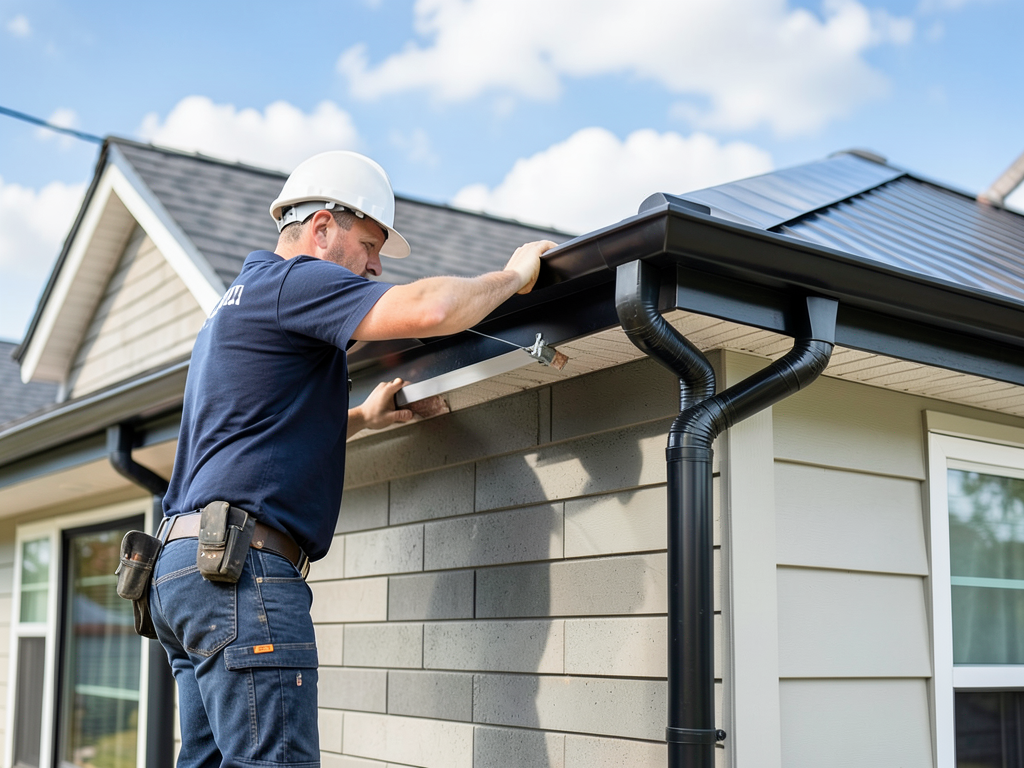
Diagram showing water flow patterns on a shed roof with proper gutter and French drain installation
Essential Components for Effective Shed Roof Drainage
Successful shed roof drainage requires multiple integrated components working together. Each element serves a specific purpose in managing water flow from the roof surface to final discharge away from your foundation.
Proper Roof Pitch and Overhang Design
The minimum roof pitch for shed structures in Atlanta should be 2:12 for standard roofing materials. This translates to a 2-inch rise for every 12 inches of horizontal run. Anything less risks water pooling on the surface especially during Georgia’s heavy downpours. Repairing Slate and Tile Roofs on Historic Homes in Druid Hills.
Roof overhangs should extend at least 12 inches beyond the exterior wall. This provides adequate space for gutter installation and prevents water from running directly down exterior walls. In Cabbagetown’s historic district where many homes sit close to property lines maximizing this overhang becomes even more critical.
Drip Edge Installation Requirements
Drip edge flashing prevents water from seeping under roofing materials at the roof’s edge. The Georgia Residential Code requires drip edge installation on all roof edges with specific dimensions based on roof pitch and local weather conditions. Roofing Dunwoody.
For shed roofs the drip edge should extend 1/2 inch beyond the fascia board with a downward angle of at least 45 degrees. This directs water into the gutter system rather than allowing it to wick back under shingles or metal roofing panels.
Gutter System Sizing and Selection
Gutter sizing depends on roof area local rainfall intensity and the number of downspouts. In Atlanta’s climate standard 5-inch K-style gutters often prove insufficient for larger shed roofs. We recommend 6-inch gutters for structures over 500 square feet of roof area.. Read more about Switching to 6-Inch Gutters to Handle Intense Georgia Downpours in Sandy Springs.
The International Plumbing Code provides sizing charts based on rainfall rates. Atlanta’s 100-year storm event requires gutters capable of handling 6 inches of rain per hour. This translates to specific flow rates that must be calculated for each installation.
| Roof Area (sq ft) | Recommended Gutter Size | Minimum Downspouts | Atlanta Rainfall Capacity |
|---|---|---|---|
| Under 300 | 5-inch K-style | 1 | 2.5 in/hr |
| 300-500 | 6-inch K-style | 1-2 | 3.8 in/hr |
| 500-800 | 6-inch K-style | 2-3 | 5.0 in/hr |
| 800+ | 7-inch commercial | 3+ | 6.0 in/hr |
Ground-Level Drainage Solutions
Even with perfect roof drainage water must be directed away from the foundation at ground level. Atlanta’s clay soil creates unique challenges since it absorbs water slowly and expands when saturated.
French drains provide an effective solution for managing ground-level water. These systems consist of perforated pipes surrounded by gravel that collect and redirect subsurface water away from problem areas.
For Cabbagetown properties with limited space dry wells offer an alternative. These underground chambers collect roof runoff and slowly disperse it into the surrounding soil preventing surface pooling.
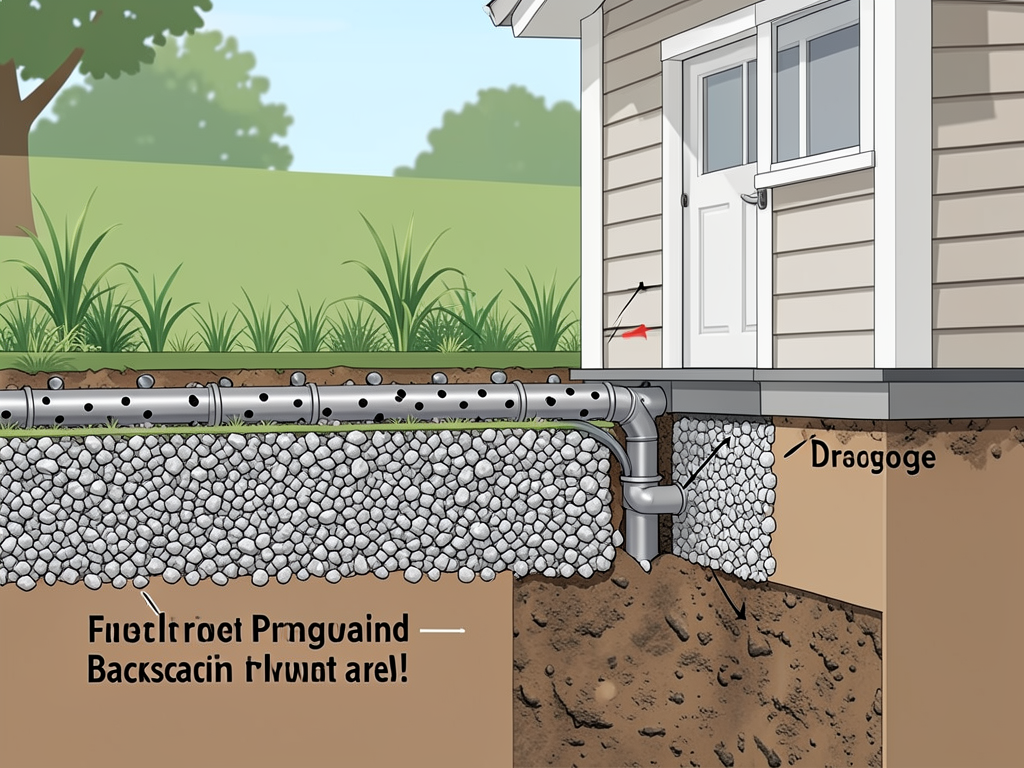
Cross-section showing French drain installation with proper gravel backfill and discharge point
Atlanta-Specific Drainage Considerations
Cabbagetown’s unique characteristics require specialized drainage approaches. The neighborhood’s historic nature means many properties have limited space between structures making traditional drainage solutions challenging.
Atlanta’s pine tree population creates additional complications. Pine needles and pollen accumulate in gutters reducing their capacity and causing overflow during heavy rains. This organic debris also decomposes creating acidic conditions that accelerate gutter corrosion.
The area’s high water table particularly in low-lying sections near the CSX railroad tracks means subsurface drainage must account for groundwater movement. French drains installed without considering seasonal water table fluctuations may actually worsen drainage problems.
Soil composition varies significantly across Cabbagetown. Areas near Wylie Street tend toward denser clay while properties closer to Oakland Cemetery may have more sandy soil that drains better but erodes more easily. Understanding your specific soil type guides proper drainage system design.
Step-by-Step Installation Process
Proper installation ensures your drainage system functions as designed. Here’s the process we follow for shed roof drainage projects in Cabbagetown:
- Site Assessment
Evaluate roof pitch soil conditions and existing drainage patterns. Check for signs of previous water damage and measure exact roof dimensions.
- System Design
Calculate required gutter size downspout locations and ground drainage components based on local rainfall data and roof area.
- Permit Acquisition
Obtain necessary permits from Fulton County ensuring compliance with local building codes and historic district guidelines. Fulton County Building Permits.
- Roof Preparation
Install proper drip edge flashing and ensure roof surface is clean and free of debris before gutter installation.
- Gutter Installation
Mount gutters with proper pitch (1/4 inch per 10 feet toward downspouts) and secure all brackets according to manufacturer specifications.
- Downspout Placement
Install downspouts at maximum 40-foot intervals with extensions directing water at least 6 feet from foundation.
- Ground Drainage
Excavate and install French drains or dry wells with proper slope and drainage aggregate.
- Final Testing
Simulate heavy rainfall conditions to verify system performance and make adjustments as needed.
Maintenance Requirements for Long-Term Performance
Even the best-designed drainage system requires regular maintenance to function properly. Atlanta’s climate creates specific maintenance challenges that property owners must address.
Clean gutters at least twice annually in early spring and late fall. Cabbagetown’s mature tree canopy means more frequent cleaning may be necessary especially during heavy pollen seasons. Pine needles can quickly clog gutter screens and reduce flow capacity.
Inspect downspout extensions quarterly for damage or displacement. Heavy rains can wash these components away or damage them against foundation walls. Ensure extensions direct water at least 6 feet from the building.
Check French drain outlets seasonally for clogging. Atlanta’s red clay can migrate into drainage systems reducing their effectiveness over time. Clear any blockages and ensure proper flow.
Monitor foundation walls for signs of moisture infiltration especially after heavy rainfall events. Early detection of drainage system failures prevents costly structural damage.
Common Mistakes to Avoid
Several common errors can compromise shed roof drainage effectiveness. Understanding these pitfalls helps ensure your system performs as designed.
Undersizing gutters represents the most frequent mistake. Property owners often install standard 5-inch gutters on larger shed roofs leading to overflow during moderate rainfall. Always calculate actual flow requirements rather than guessing based on roof size alone.
Improper gutter pitch causes water pooling and overflow. Gutters must slope toward downspouts at 1/4 inch per 10 feet minimum. Level gutters or those with reverse pitch cannot effectively channel water.
Short downspout extensions fail to move water far enough from foundations. Atlanta’s clay soil means water can migrate back toward buildings even when initially directed away. Extensions should be at least 6 feet long.
Ignoring soil conditions leads to system failure. French drains installed in heavy clay without proper aggregate backfill may actually trap water rather than draining it away.
Cost Considerations for Cabbagetown Properties
Drainage system costs vary based on complexity roof size and site conditions. For typical Cabbagetown shed roof installations expect the following ranges:
- Basic gutter system (5-inch): $8-12 per linear foot
- Enhanced gutter system (6-inch): $12-18 per linear foot
- Drip edge installation: $3-5 per linear foot
- French drain installation: $20-30 per linear foot
- Dry well installation: $1,500-3,000 per unit
Historic district properties may require additional considerations. Any exterior modifications visible from public rights-of-way must comply with Cabbagetown Neighborhood Improvement Association guidelines which can affect material choices and installation methods.
Insurance implications also matter. Proper drainage systems can prevent water damage claims that might increase premiums or affect insurability. Some insurance companies offer premium discounts for properties with certified drainage management systems.
Professional vs. DIY Installation
While some drainage components lend themselves to DIY installation comprehensive shed roof drainage systems benefit from professional design and installation.
DIY projects work well for:
- Basic gutter cleaning and minor repairs
- Installing splash blocks under existing downspouts
- Adding gutter guards to existing systems
Professional installation becomes necessary for:
- New drainage system design and installation
- French drain or dry well installation
- Permit acquisition and code compliance
- Historic district modifications
- Complex roof geometries or multi-level structures
Professional installation ensures proper pitch calculations material selection and integration with existing drainage patterns. It also provides warranty coverage and insurance documentation that DIY projects cannot match.
Environmental Benefits of Proper Drainage
Beyond property protection effective drainage systems offer significant environmental benefits particularly in urban areas like Cabbagetown.
Proper drainage reduces stormwater runoff volume entering municipal systems. This decreases the burden on Atlanta’s aging infrastructure and reduces the risk of combined sewer overflows that can contaminate local waterways.
Rainwater harvesting systems can integrate with shed roof drainage. Collecting runoff in barrels for garden irrigation reduces potable water consumption and provides chlorine-free water for plants.
Permeable ground covers around drainage systems allow water to infiltrate soil gradually rather than creating erosion or pooling. This supports local groundwater recharge and reduces surface runoff.
Native plant landscaping in drainage areas provides habitat for pollinators and other beneficial species while requiring less maintenance than traditional turf grass.
Future-Proofing Your Drainage System
Climate change projections for Atlanta suggest increasing rainfall intensity and frequency. Designing drainage systems with future conditions in mind ensures long-term effectiveness.
Oversizing components provides capacity for future storms. Installing 6-inch gutters instead of 5-inch may cost more initially but prevents expensive retrofits when larger storms overwhelm undersized systems.
Modular design allows system expansion. French drains with cleanouts and inspection points can be extended as needed without complete system replacement.
Smart monitoring systems represent the cutting edge of drainage management. Sensors can detect clogs overflow conditions and water levels providing early warning of potential problems.
Regular system evaluation ensures continued effectiveness. Annual professional inspections identify developing issues before they cause damage allowing preventive maintenance rather than emergency repairs. EPA Stormwater Management Guidelines.
Frequently Asked Questions
How often should I clean my shed roof gutters in Atlanta?
Clean gutters at least twice yearly in early spring and late fall. Properties with heavy tree coverage may need quarterly cleaning. Pine needles and pollen in Atlanta create more frequent clogging than in other regions.
Can I install drainage systems in Cabbagetown’s historic district?
Yes but exterior modifications visible from public areas require approval from the Cabbagetown Neighborhood Improvement Association. Work with contractors familiar with historic district requirements to ensure compliance.
What size gutters do I need for a 400 square foot shed roof?
For a 400 square foot shed roof in Atlanta use 6-inch K-style gutters with at least two downspouts. Standard 5-inch gutters may overflow during heavy rainfall events common to the area.
How far should downspout extensions reach from my foundation?
Extensions should direct water at least 6 feet from foundation walls. Atlanta’s clay soil can cause water to migrate back toward buildings even when initially directed away.
Can French drains freeze in Atlanta’s winter?
Atlanta’s mild winters rarely cause French drain freezing. However proper installation with appropriate aggregate prevents freeze-thaw damage that could occur in more severe climates.
What’s the difference between a French drain and a dry well?
French drains collect and redirect surface and subsurface water through perforated pipes. Dry wells collect water in underground chambers that slowly disperse it into surrounding soil. French drains move water away while dry wells manage it on-site.
Before and after photos showing shed roof drainage transformation with new gutters French drain and proper grading
Protecting Your Investment
Proper shed roof drainage represents a critical investment in your Cabbagetown property’s long-term value and structural integrity. The unique combination of Atlanta’s heavy rainfall Georgia’s expansive clay soil and modern shed roof designs creates drainage challenges that require thoughtful solutions.
Whether you’re dealing with existing water problems or planning new construction addressing drainage issues early prevents costly repairs later. The initial investment in proper drainage systems typically pays for itself through avoided foundation repairs landscape damage and interior water infiltration.
Ready to solve your shed roof drainage problems? Call (770) 610-9366 today to schedule your inspection. Our team understands Atlanta’s unique drainage challenges and provides solutions that protect your property for years to come.
Don’t wait for the next heavy storm to discover your drainage system’s weaknesses. Pick up the phone and call (770) 610-9366 before the next downpour hits. We’ll assess your specific situation and recommend the right solution for your Cabbagetown property.
{
“@context”: “https://schema.org”,
“@type”: “BlogPosting”,
“headline”: “Solving the Unique Drainage Problems on Modern Shed Roofs in Cabbagetown”,
“description”: “Modern shed roofs in Cabbagetown face unique drainage challenges due to Atlanta’s heavy rainfall and clay soil. Learn expert solutions to protect your property.”,
“wordCount”: 2318,
“datePublished”: “2026-04-28T12:19:00.000Z”,
“dateModified”: “2026-04-28T12:19:00.000Z”,
“inLanguage”: “en-US”,
“mainEntityOfPage”: {
“@type”: “WebPage”,
“@id”: “https://firstchoiceroofingatlanta.com”
},
“publisher”: {
“@type”: “LocalBusiness”,
“name”: “First Choice Roofing Atlanta”,
“url”: “https://firstchoiceroofingatlanta.com”
},
“author”: {
“@type”: “Organization”,
“name”: “First Choice Roofing Atlanta”,
“url”: “https://firstchoiceroofingatlanta.com”
},
“image”: {
“@type”: “ImageObject”,
“url”: “https://firstchoiceroofingatlanta.com/wp-content/uploads/2026/03/solving-the-unique-drainage-problems-on-modern-she-1.png”
}
}
{
“@context”: “https://schema.org”,
“@type”: “RoofingContractor”,
“name”: “First Choice Roofing Atlanta”,
“url”: “https://firstchoiceroofingatlanta.com”,
“address”: {
“@type”: “PostalAddress”,
“addressLocality”: “Atlanta”
},
“areaServed”: {
“@type”: “City”,
“name”: “Atlanta”
}
}
{
“@context”: “https://schema.org”,
“@type”: “FAQPage”,
“mainEntity”: [
{
“@type”: “Question”,
“name”: “How often should I clean my shed roof gutters in Atlanta?”,
“acceptedAnswer”: {
“@type”: “Answer”,
“text”: “Clean gutters at least twice yearly in early spring and late fall. Properties with heavy tree coverage may need quarterly cleaning. Pine needles and pollen in Atlanta create more frequent clogging than in other regions.”
}
},
{
“@type”: “Question”,
“name”: “Can I install drainage systems in Cabbagetown’s historic district?”,
“acceptedAnswer”: {
“@type”: “Answer”,
“text”: “Yes but exterior modifications visible from public areas require approval from the Cabbagetown Neighborhood Improvement Association. Work with contractors familiar with historic district requirements to ensure compliance.”
}
},
{
“@type”: “Question”,
“name”: “How far should downspout extensions reach from my foundation?”,
“acceptedAnswer”: {
“@type”: “Answer”,
“text”: “Extensions should direct water at least 6 feet from foundation walls. Atlanta’s clay soil can cause water to migrate back toward buildings even when initially directed away.”
}
},
{
“@type”: “Question”,
“name”: “Can French drains freeze in Atlanta’s winter?”,
“acceptedAnswer”: {
“@type”: “Answer”,
“text”: “Atlanta’s mild winters rarely cause French drain freezing. However proper installation with appropriate aggregate prevents freeze-thaw damage that could occur in more severe climates.”
}
},
{
“@type”: “Question”,
“name”: “What’s the difference between a French drain and a dry well?”,
“acceptedAnswer”: {
“@type”: “Answer”,
“text”: “French drains collect and redirect surface and subsurface water through perforated pipes. Dry wells collect water in underground chambers that slowly disperse it into surrounding soil. French drains move water away while dry wells manage it on-site.”
}
}
]
}
{
“@context”: “https://schema.org”,
“@type”: “HowTo”,
“name”: “How to Install Shed Roof Drainage”,
“step”: [
{
“@type”: “HowToStep”,
“position”: 1,
“name”: “Site Assessment”,
“text”: “Evaluate roof pitch soil conditions and existing drainage patterns. Check for signs of previous water damage and measure exact roof dimensions.”
},
{
“@type”: “HowToStep”,
“position”: 2,
“name”: “System Design”,
“text”: “Calculate required gutter size downspout locations and ground drainage components based on local rainfall data and roof area.”
},
{
“@type”: “HowToStep”,
“position”: 3,
“name”: “Permit Acquisition”,
“text”: “Obtain necessary permits from Fulton County ensuring compliance with local building codes and historic district guidelines. Fulton County Building Permits.”
},
{
“@type”: “HowToStep”,
“position”: 4,
“name”: “Roof Preparation”,
“text”: “Install proper drip edge flashing and ensure roof surface is clean and free of debris before gutter installation.”
},
{
“@type”: “HowToStep”,
“position”: 5,
“name”: “Gutter Installation”,
“text”: “Mount gutters with proper pitch (1/4 inch per 10 feet toward downspouts) and secure all brackets according to manufacturer specifications.”
},
{
“@type”: “HowToStep”,
“position”: 6,
“name”: “Downspout Placement”,
“text”: “Install downspouts at maximum 40-foot intervals with extensions directing water at least 6 feet from foundation.”
},
{
“@type”: “HowToStep”,
“position”: 7,
“name”: “Ground Drainage”,
“text”: “Excavate and install French drains or dry wells with proper slope and drainage aggregate.”
},
{
“@type”: “HowToStep”,
“position”: 8,
“name”: “Final Testing”,
“text”: “Simulate heavy rainfall conditions to verify system performance and make adjustments as needed.”
}
],
“image”: “https://firstchoiceroofingatlanta.com/wp-content/uploads/2026/03/solving-the-unique-drainage-problems-on-modern-she-1.png”
}
{
“@context”: “https://schema.org”,
“@type”: “BreadcrumbList”,
“itemListElement”: [
{
“@type”: “ListItem”,
“position”: 1,
“name”: “Home”,
“item”: “https://firstchoiceroofingatlanta.com”
},
{
“@type”: “ListItem”,
“position”: 2,
“name”: “Blog”,
“item”: “https://firstchoiceroofingatlanta.com/blog”
},
{
“@type”: “ListItem”,
“position”: 3,
“name”: “Solving the Unique Drainage Problems on Modern Shed Roofs in Cabbagetown”
}
]
}
{
“@context”: “https://schema.org”,
“@type”: “Service”,
“serviceType”: “Roofing”,
“provider”: {
“@type”: “LocalBusiness”,
“name”: “First Choice Roofing Atlanta”,
“url”: “https://firstchoiceroofingatlanta.com”
},
“areaServed”: {
“@type”: “City”,
“name”: “Atlanta”
},
“description”: “Modern shed roofs in Cabbagetown face unique drainage challenges due to Atlanta’s heavy rainfall and clay soil. Learn expert solutions to protect your property.”
}