
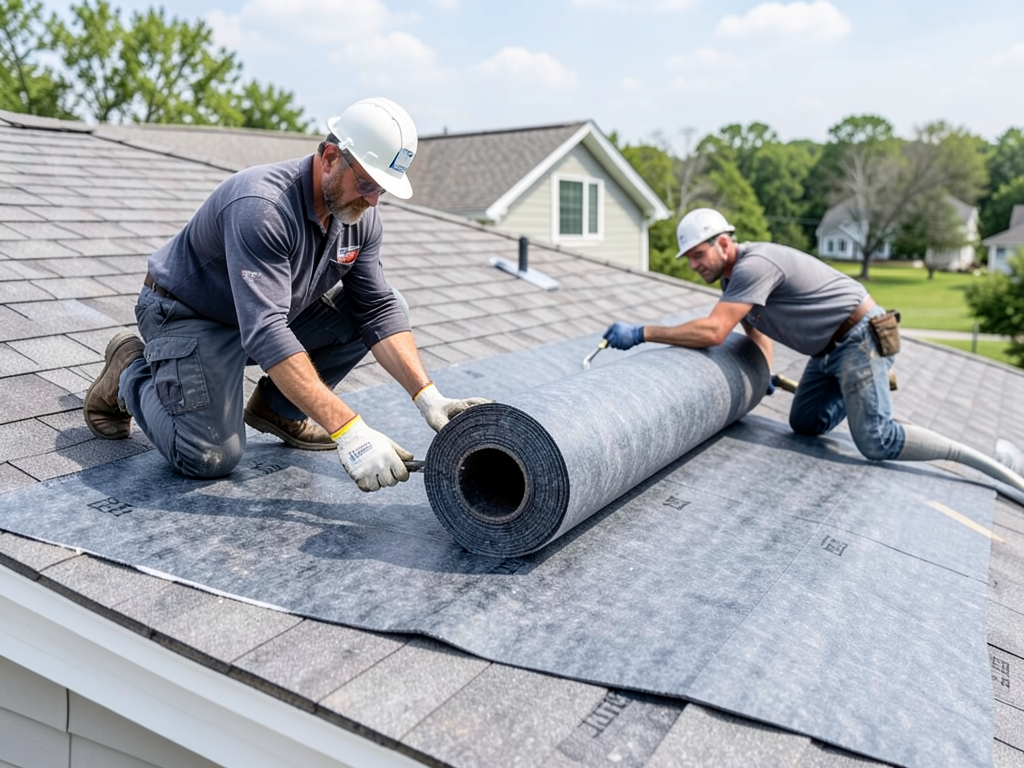
Synthetic vs Felt Underlayment (Which One Actually Protects Your Marietta Home Better?)
Your roof faces more than just shingles in Marietta. Georgia’s summer heat, humidity, and seasonal storms create conditions that traditional felt underlayment struggles to handle. Synthetic materials offer modern solutions, but are they worth the extra cost? This guide breaks down the real performance differences between these two underlayment types, focusing on how each handles Marietta’s specific climate challenges. Georgia State Minimum Standard Residential Code.
The answer depends on your roof’s exposure to moisture, UV rays, and installation timeline. Felt underlayment has protected homes for decades, but synthetic materials now dominate new construction in Georgia. We’ll examine the technical differences, installation considerations, and cost factors that determine which material actually keeps your home drier during Atlanta’s next big storm.. Read more about Why Homes Near the Chattahoochee River in Vinings Experience Faster Roof Aging.
Understanding Roof Underlayment Basics
Roof underlayment serves as your home’s secondary water barrier. This layer sits between your roof deck and shingles, protecting your attic from water intrusion when shingles fail or wind-driven rain gets underneath. In Marietta, where summer thunderstorms can dump inches of rain in hours, this barrier matters more than many homeowners realize. Protecting Your Historic Decatur Home with Specialty Roof Repairs.
Traditional asphalt felt underlayment has been the standard for over a century. Made from either organic or fiberglass base saturated with asphalt, it provides basic water resistance at a low cost. Modern synthetic underlayment uses woven or spun polypropylene or polyethylene materials that resist tearing and moisture better than their felt counterparts.. Read more about Why Ice and Water Shields are Essential for Atlanta Roof Valleys (Even Without the Snow).
The choice between these materials affects more than just your initial installation cost. Underlayment performance impacts your roof’s lifespan, your home’s energy efficiency, and your peace of mind during Georgia’s storm season. Let’s examine each material’s strengths and weaknesses.
Traditional Asphalt Felt Underlayment: The Time-Tested Option
Asphalt felt underlayment comes in two standard weights: 15-pound and 30-pound felt. The numbers refer to the weight per roofing square (100 square feet) of the material when first manufactured. Thirty-pound felt offers better tear resistance and durability, making it the preferred choice for most Marietta homeowners. Roofing Dunwoody.
Installation requires careful handling since felt tears easily when wet or during windy conditions. A single square of 30-pound felt typically weighs about 30 pounds, making it heavier to work with than synthetic alternatives. The material absorbs moisture, which can cause it to wrinkle and create uneven surfaces under your shingles.
UV exposure limits felt underlayment to about 30 days of direct sunlight before degradation begins. In Marietta’s intense summer sun, this timeline shortens significantly. Once the asphalt begins breaking down, the material becomes brittle and loses its water-resistant properties.
Cost remains felt’s biggest advantage. Material costs run approximately $12-15 per roofing square, making it the budget-friendly choice for homeowners watching expenses. However, the labor costs often balance out since felt requires more careful handling and often needs more overlap between sheets.
Modern Synthetic Underlayment: The New Standard?
Synthetic underlayment represents a significant advancement in roofing technology. These materials use woven or spun polymer fabrics that resist tearing, moisture absorption, and UV degradation far better than traditional felt. The manufacturing process creates a consistent thickness and strength that felt cannot match.
Installation advantages become clear immediately. Synthetic rolls typically cover 10 squares compared to felt’s 4 squares, meaning fewer seams and faster installation. The material weighs about 25% of comparable felt, reducing worker fatigue and making it easier to handle on steep pitches common in Marietta’s historic neighborhoods.
UV resistance extends to 90-180 days depending on the specific product, giving contractors more flexibility during installation delays. This matters in Atlanta’s unpredictable weather patterns where afternoon thunderstorms can halt work for days. The material maintains its dimensional stability even when exposed to moisture, preventing the wrinkling that plagues felt installations.
Slip resistance on synthetic surfaces often exceeds felt, creating safer working conditions for roofing crews. Many synthetic products feature textured surfaces that provide better footing, especially important on the 6:12 to 9:12 pitch roofs common in Marietta’s older neighborhoods.
Head-to-Head Comparison: Performance Data
Understanding the technical differences helps you make an informed decision. Here’s how these materials compare across key performance metrics:
| Performance Factor | Asphalt Felt | Synthetic |
|---|---|---|
| Tear Strength (lbs) | 15-25 | 50-100 |
| UV Exposure Limit | 30 days | 90-180 days |
| Water Absorption | 5-10% | 0-2% |
| Roll Coverage | 400 sq ft | 1,000+ sq ft |
| Permeability Rating | 5-10 perms | 5-50 perms |
Tear strength directly impacts installation quality and long-term performance. Synthetic materials resist tearing even when nailed or walked on during installation. This durability means fewer repairs and better protection against wind-driven rain that can get under compromised felt seams.
Permeability ratings indicate how much moisture vapor passes through the material. Higher permeability allows your attic to breathe while still blocking liquid water. This balance prevents moisture buildup that leads to mold growth, a serious concern in Marietta’s humid climate. Attic Ventilation Systems.
The Atlanta Factor: Why Climate Matters
Georgia’s climate creates unique challenges for roofing materials. Marietta experiences high humidity levels throughout the year, with summer afternoon thunderstorms bringing intense rainfall. The combination of heat, moisture, and UV exposure tests underlayment performance in ways that northern climates never do.
Humidity affects felt underlayment differently than synthetic materials. When felt absorbs moisture from the air, it expands and contracts with temperature changes. This movement creates wrinkles and bubbles that telegraph through to your shingles, potentially causing premature wear and creating channels for water infiltration.
Synthetic materials maintain dimensional stability regardless of humidity levels. They don’t absorb moisture, so they won’t wrinkle or create uneven surfaces under your shingles. This stability proves especially valuable in Marietta’s historic neighborhoods where older homes often have less-than-perfect roof decks.
UV degradation accelerates in Georgia’s intense summer sun. Felt underlayment begins breaking down after 30 days of exposure, losing its water-resistant properties. Synthetic materials resist UV damage for months, providing better protection if your roof installation faces weather delays.
Mold and mildew resistance becomes critical in our humid environment. Felt’s organic components can support mold growth when trapped moisture persists. Synthetic materials resist biological growth, maintaining their protective properties even in the damp conditions common under Georgia roofs.
Cost Analysis for Georgia Homeowners
Material costs tell only part of the story. Here’s how the numbers break down for a typical Marietta home:
| Cost Factor | Felt Underlayment | Synthetic Underlayment |
|---|---|---|
| Material Cost per Square | $12-15 | $28-45 |
| Installation Speed | Slower | 30-50% Faster |
| Waste Factor | 10-15% | 5-8% |
| Installation Window | Weather Dependent | Extended |
Labor savings with synthetic materials often offset the higher material cost. Faster installation means fewer labor hours, and the reduced waste factor means you’re not paying for material that ends up in the dumpster. For a typical 2,500-square-foot roof, the total installed cost difference narrows to about $300-500.
Long-term value considerations matter more than initial cost differences. Synthetic underlayment’s superior durability means better protection against the water infiltration that causes the most expensive roof damage. In Marietta’s climate, where afternoon thunderstorms are common, that extra protection often justifies the modest price premium.
Insurance considerations also factor into the equation. Some insurance companies offer premium discounts for homes with upgraded roofing components, including high-quality underlayment. Check with your provider about potential savings that could offset the higher initial investment.
Installation Best Practices for Marietta Homes
Proper installation determines whether your underlayment performs as intended. For felt underlayment, installers must work carefully to avoid tears and ensure proper overlap. The material requires dry conditions for optimal installation, making Marietta’s summer thunderstorms a constant scheduling challenge.
Synthetic installation offers more flexibility but still requires attention to detail. Installers should follow manufacturer guidelines for fastening patterns, as improper nailing can compromise the material’s water-resistant properties. The larger roll sizes mean fewer seams, but each seam must be properly sealed to prevent water infiltration.
Georgia’s building codes require specific underlayment standards based on roof pitch and local climate conditions. The Georgia State Minimum Standard Residential Code (based on the International Residential Code with Georgia amendments) mandates minimum underlayment requirements that vary by roof slope and exposure.
For roofs with slopes between 4:12 and 9:12, the code requires at least one layer of ASTM D226 or D4869 Type I underlayment. Steeper slopes may allow alternative materials meeting specific performance criteria. Synthetic underlayment must meet ASTM D1970 standards for self-adhering polymer-modified bitumen sheets. ASTM D226 standard for asphalt-saturated organic felt.
Ice and water shield requirements add another layer of protection in vulnerable areas. Georgia code mandates ice and water shield application in valleys, around chimneys, and along eaves where ice damming might occur. This self-adhering membrane provides superior protection compared to standard underlayment in these critical areas. Chimney Leak Emergency Repair.
Making the Right Choice for Your Home
Your decision depends on several factors specific to your situation. Budget constraints might favor felt underlayment for replacement projects where the existing roof structure remains sound. However, new construction or major renovations often justify the investment in synthetic materials.
Roof pitch influences material selection. Steeper roofs benefit from synthetic’s lighter weight and better slip resistance, making installation safer and more efficient. The dimensional stability also matters more on visible roof sections where wrinkles would detract from your home’s appearance.
Expected occupancy timeline affects the cost-benefit analysis. If you plan to stay in your Marietta home for many years, the superior durability of synthetic underlayment provides better long-term value. For homes you’ll sell within a few years, the cost savings of felt might make more financial sense.
Local weather patterns should influence your choice. Marietta’s frequent summer thunderstorms and high humidity levels favor synthetic materials’ superior moisture resistance and dimensional stability. The extended UV resistance also matters in our intense summer sun.
Consider your home’s architectural style as well. Historic homes in Marietta’s older neighborhoods often require materials that maintain traditional appearances. While synthetic underlayment installs beneath visible components, some homeowners prefer felt for its traditional association with quality roofing.
Call Today for Your Marietta Roof Inspection
Don’t wait until the next storm reveals your underlayment’s weaknesses. A professional inspection can identify potential problems before they cause expensive damage. Our team understands Marietta’s specific roofing challenges and can recommend the right underlayment solution for your home’s needs.
Whether you need emergency repairs after storm damage or want to upgrade your roof’s protection before the next rainy season, we’re here to help. Our technicians carry the proper certifications and understand Georgia’s building code requirements for underlayment installation. Who to Call for Urgent Emergency Roof Repairs in Buckhead.
Pick up the phone and call (770) 610-9366 before the next storm hits. We’ll inspect your current roof condition, explain your underlayment options, and provide a detailed quote with no high-pressure sales tactics. Your home deserves the best protection Marietta’s climate demands.
Frequently Asked Questions
How long does synthetic underlayment last compared to felt?
Synthetic underlayment typically lasts 25-50 years when properly installed, while felt underlayment generally needs replacement every 15-20 years. The exact lifespan depends on your local climate conditions, with Georgia’s intense UV exposure and humidity potentially shortening felt’s useful life.
Can I install new shingles over existing underlayment?
Building codes generally require complete underlayment replacement when installing new shingles. However, if your existing felt underlayment is in excellent condition and less than 10 years old, some contractors might recommend leaving it in place under specific circumstances. Always consult local building codes first.
Does underlayment color matter?
Underlayment color primarily affects heat absorption. Darker colors absorb more heat, potentially warming your attic slightly. However, since underlayment installs beneath shingles, the color difference has minimal impact on your home’s energy efficiency compared to proper attic ventilation and insulation.
What happens if underlayment gets wet during installation?
Felt underlayment can wrinkle and lose strength when wet, potentially creating uneven surfaces under your shingles. Synthetic materials resist moisture absorption and maintain their integrity when exposed to rain. Always cover exposed underlayment with tarps if rain threatens during installation.
You may also find this helpful. Will a Metal Roof Make Your Buckhead Home Too Noisy During an Atlanta Thunderstorm?.
You may also find this helpful. What to Do When a Hidden Roof Leak Starts Growing Mold Inside Your Virginia-Highland Walls.
{
“@context”: “https://schema.org”,
“@type”: “BlogPosting”,
“headline”: “Synthetic vs Felt Underlayment (Which One Actually Protects Your Marietta Home Better?)”,
“description”: “Discover which underlayment truly protects Marietta homes from Georgia’s storms. Compare synthetic vs felt with real performance data, local code requirements, and cost analysis.”,
“wordCount”: 1971,
“datePublished”: “2026-04-27T08:21:00.000Z”,
“dateModified”: “2026-04-27T08:21:00.000Z”,
“inLanguage”: “en-US”,
“mainEntityOfPage”: {
“@type”: “WebPage”,
“@id”: “https://firstchoiceroofingatlanta.com”
},
“publisher”: {
“@type”: “LocalBusiness”,
“name”: “First Choice Roofing Atlanta”,
“url”: “https://firstchoiceroofingatlanta.com”
},
“author”: {
“@type”: “Organization”,
“name”: “First Choice Roofing Atlanta”,
“url”: “https://firstchoiceroofingatlanta.com”
},
“image”: {
“@type”: “ImageObject”,
“url”: “https://firstchoiceroofingatlanta.com/wp-content/uploads/2026/03/synthetic-vs-felt-underlayment-which-one-actually-1.png”
}
}
{
“@context”: “https://schema.org”,
“@type”: “RoofingContractor”,
“name”: “First Choice Roofing Atlanta”,
“url”: “https://firstchoiceroofingatlanta.com”,
“address”: {
“@type”: “PostalAddress”,
“addressLocality”: “Atlanta”
},
“areaServed”: {
“@type”: “City”,
“name”: “Atlanta”
}
}
{
“@context”: “https://schema.org”,
“@type”: “FAQPage”,
“mainEntity”: [
{
“@type”: “Question”,
“name”: “Modern Synthetic Underlayment: The New Standard?”,
“acceptedAnswer”: {
“@type”: “Answer”,
“text”: “Synthetic underlayment represents a significant advancement in roofing technology. These materials use woven or spun polymer fabrics that resist tearing, moisture absorption, and UV degradation far better than traditional felt. The manufacturing process creates a consistent thickness and strength that felt cannot match.”
}
},
{
“@type”: “Question”,
“name”: “How long does synthetic underlayment last compared to felt?”,
“acceptedAnswer”: {
“@type”: “Answer”,
“text”: “Synthetic underlayment typically lasts 25-50 years when properly installed, while felt underlayment generally needs replacement every 15-20 years. The exact lifespan depends on your local climate conditions, with Georgia’s intense UV exposure and humidity potentially shortening felt’s useful life.”
}
},
{
“@type”: “Question”,
“name”: “Can I install new shingles over existing underlayment?”,
“acceptedAnswer”: {
“@type”: “Answer”,
“text”: “Building codes generally require complete underlayment replacement when installing new shingles. However, if your existing felt underlayment is in excellent condition and less than 10 years old, some contractors might recommend leaving it in place under specific circumstances. Always consult local building codes first.”
}
},
{
“@type”: “Question”,
“name”: “What happens if underlayment gets wet during installation?”,
“acceptedAnswer”: {
“@type”: “Answer”,
“text”: “Felt underlayment can wrinkle and lose strength when wet, potentially creating uneven surfaces under your shingles. Synthetic materials resist moisture absorption and maintain their integrity when exposed to rain. Always cover exposed underlayment with tarps if rain threatens during installation.”
}
}
]
}
{
“@context”: “https://schema.org”,
“@type”: “BreadcrumbList”,
“itemListElement”: [
{
“@type”: “ListItem”,
“position”: 1,
“name”: “Home”,
“item”: “https://firstchoiceroofingatlanta.com”
},
{
“@type”: “ListItem”,
“position”: 2,
“name”: “Blog”,
“item”: “https://firstchoiceroofingatlanta.com/blog”
},
{
“@type”: “ListItem”,
“position”: 3,
“name”: “Synthetic vs Felt Underlayment (Which One Actually Protects Your Marietta Home Better?)”
}
]
}
{
“@context”: “https://schema.org”,
“@type”: “Service”,
“serviceType”: “Roofing”,
“provider”: {
“@type”: “LocalBusiness”,
“name”: “First Choice Roofing Atlanta”,
“url”: “https://firstchoiceroofingatlanta.com”
},
“areaServed”: {
“@type”: “City”,
“name”: “Atlanta”
},
“description”: “Discover which underlayment truly protects Marietta homes from Georgia’s storms. Compare synthetic vs felt with real performance data, local code requirements, and cost analysis.”
}